Source High Precision Counter Gear Shaft for Construction, Agriculture, Machinery
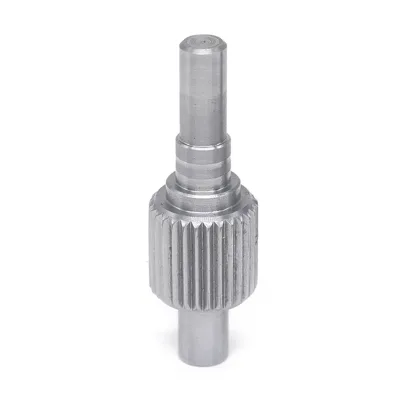
Explore 30 listings for high precision counter gear shafts tailored for construction, agricultural machinery, and general industrial applications. Buyers can compare specifications like material, tolerance, and surface roughness to find the right drive shaft solution; compare the available evidence and request quotations based on your requirements.
Updated
Key considerations
Products List


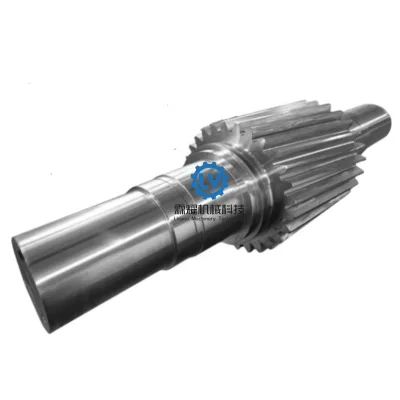
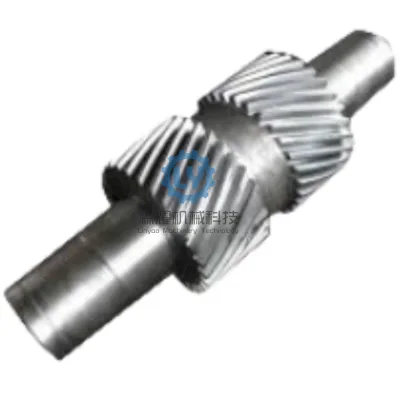
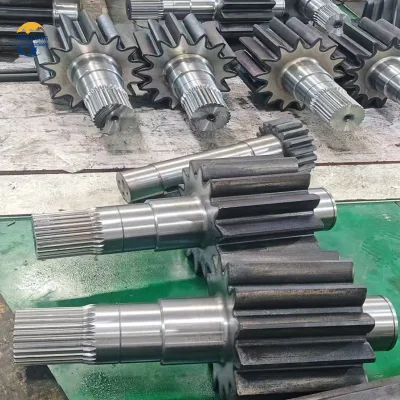
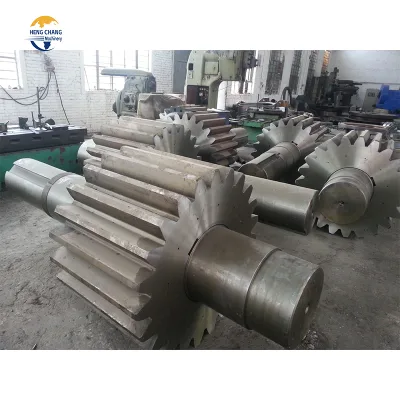
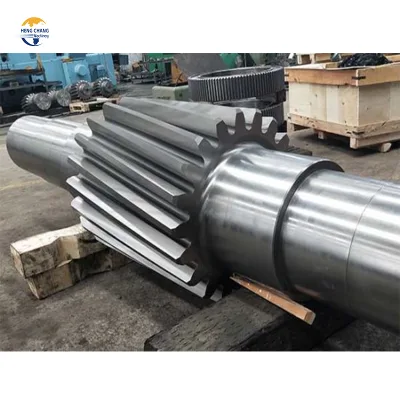
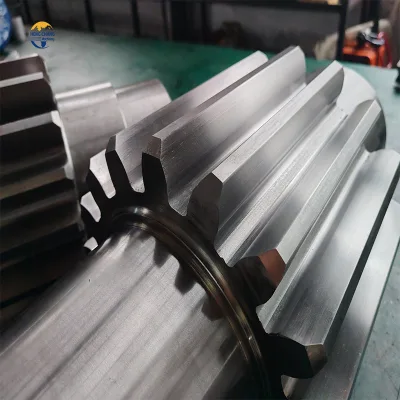


Customized High-Performance Steel Gear Shafts for Precision Engineering
$40.00 - $700.00
MOQ: 1 Pieces

Gear Shafts for Automated Equipment; High-Precision Transmission Components
$499.00 - $1099.00
MOQ: 10 Pieces

Precision Gear Shaft for Gearbox Reducer High Wear Resistance Gear Shaft Supplier
$499.00 - $1099.00
MOQ: 10 Pieces

Precision CNC Machined Stainless Steel Gear Shafts for High Performance
$60.00 - $400.00
MOQ: 1 Pieces


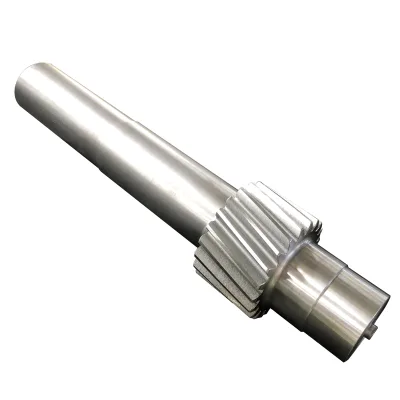
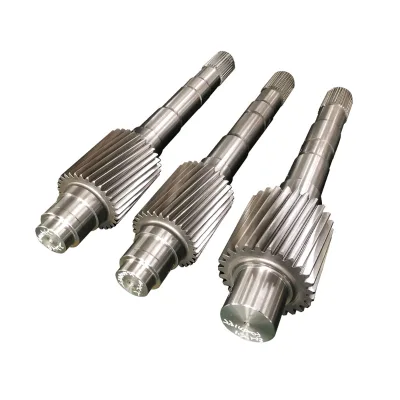
OEM Customizable High Precision Large Size Forged Steel Spur Gear Shaft Propeller Shaft
$277.2131 - $338.8145
MOQ: 1 pieces
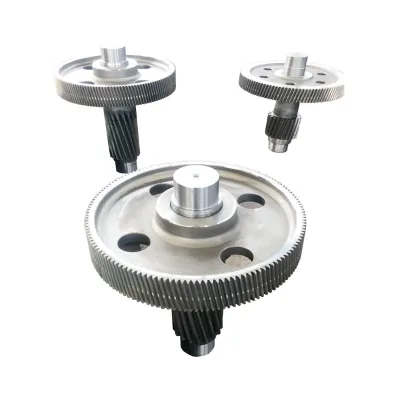
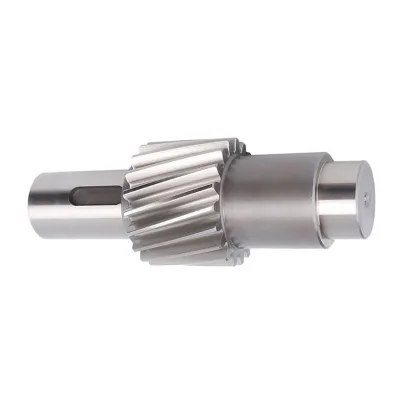
Main Input Transmission Gearshaft for Gearbox Essential Component in Shaft Products
$1.7538 - $1.9592
MOQ: 50 pieces
Comprehensive Sourcing Guide
High Precision Counter Gear Shaft Sourcing Guide
Procuring high precision counter gear shafts requires a disciplined approach to technical verification and supplier qualification. These components serve as critical transmission elements in heavy machinery, where dimensional accuracy and material integrity directly influence operational lifespan. Buyers must navigate a market characterized by diverse manufacturing capabilities, ranging from standard off-the-shelf items to fully customized solutions based on specific engineering drawings. The complexity of these parts demands rigorous attention to surface finish, heat treatment processes, and tolerance classes to ensure seamless integration into reducers, gearboxes, or oil drilling rigs.
This guide outlines the essential verification steps for sourcing these components, focusing on observable listing signals and technical specifications. It addresses the commercial and quality control factors that determine long-term procurement success. By adhering to the evidence-based criteria presented here, procurement teams can mitigate risks associated with dimensional deviations, material defects, and non-compliant manufacturing practices. The following sections provide a structured framework for evaluating suppliers and validating product performance against industry standards.
Product Scope and Observed Listing Signals
The observed product landscape for high precision counter gear shafts reveals a wide range of structural configurations and material compositions. Listings frequently indicate the use of alloy steel and stainless steel, catering to environments requiring high corrosion resistance and high strength. The structural design often incorporates gear elements, with specific mentions of spur gears and external gear positions. Buyers should note that the shaft shape is typically customized, appearing in round or square profiles, while the axis shape remains a straight shaft. This variability suggests that suppliers offer flexible manufacturing options to meet specific mechanical requirements.
Commercial signals in the market show significant flexibility in minimum order quantities, with some suppliers accepting orders as low as one piece. This accessibility supports both single production runs and larger industrial procurements. Packaging methods vary, including export packages such as wooden boxes and steel frames, as well as standard cartons and pallets. The observed price range spans from $0.25 to $3,888, reflecting the diversity in size, complexity, and material grade. Shipping options include sea, air, and express delivery, allowing buyers to balance cost and urgency effectively.
Technical Specifications to Verify
Dimensional accuracy is a paramount concern when sourcing high precision counter gear shafts. Buyers must verify that the journal diameter dimensional accuracy meets IT01-IT standards, ensuring tight tolerances for rotational components. The relative position accuracy between journals should be confirmed within the 0.001-0.005mm range, a critical factor for maintaining alignment in complex gear systems. Surface roughness values typically fall between 0.63 and 0.16μm, indicating a high-quality finish achieved through grinding processes. These specifications are essential for minimizing friction and wear in high-load applications.
Material properties and heat treatment processes significantly impact the durability of these shafts. The use of Q+T (Quenching and Tempering) heat treatment enhances the mechanical strength and toughness of the alloy steel components. Buyers should confirm that the hardness corresponds to a hardened tooth surface, particularly for gear-integrated shafts. The model number is often customized according to specific drawings, requiring close collaboration with the supplier to ensure exact compliance. Additionally, the production type is frequently listed as single production, emphasizing the need for precise adherence to custom design parameters.
Compliance and Safety Documentation
While specific certification statuses may vary, buyers should prioritize suppliers who demonstrate adherence to recognized quality and safety frameworks. The presence of high corrosion resistance is a key performance indicator, often validated through material composition and surface processing techniques. Buyers must request documentation that confirms the material grade, such as alloy steel or stainless steel, and verifies the effectiveness of the heat treatment process. This documentation ensures that the components can withstand the operational stresses of their intended applications, whether in construction, agriculture, or machinery manufacturing.
Standardization is another critical area for verification. Some listings reference the China GB Code, indicating compliance with national manufacturing standards. Buyers should clarify whether these standards meet the specific regulatory requirements of their operating region. The customization availability suggests that suppliers can adapt to non-standard requirements, but this flexibility must be balanced with rigorous quality control. Ensuring that all documentation is complete and accurate is essential for maintaining traceability and resolving any potential disputes regarding product performance or material integrity.
Cost Drivers and Commercial Terms
The cost of high precision counter gear shafts is influenced by several key factors, including material selection, manufacturing complexity, and surface finishing requirements. The use of alloy steel and stainless steel, combined with processes like grinding and Q+T heat treatment, contributes to higher production costs compared to standard carbon steel components. Customization based on specific drawings adds another layer of complexity, requiring specialized tooling and engineering support. Buyers should anticipate that higher precision tolerances, such as IT01-IT accuracy, will command a premium price due to the increased machining time and quality control measures involved.
Commercial terms, including minimum order quantities and shipping methods, also play a significant role in the total cost of ownership. The observed MOQ range of 1-100 pieces offers flexibility for small-scale procurement, but larger orders may benefit from economies of scale. Shipping options, ranging from sea freight to express delivery, allow buyers to optimize logistics costs based on urgency. Packaging methods, such as wooden boxes and steel frames, add to the initial cost but are essential for protecting the precision components during transit. Buyers should negotiate terms that balance upfront costs with long-term reliability and support.
Supplier Qualification and Quality Control
Effective quality control is essential for ensuring the integrity of high precision counter gear shafts. Buyers should verify that suppliers implement robust defect control measures, such as UT (Ultrasonic Testing) and MT (Magnetic Particle Testing), to detect internal and surface flaws. These non-destructive testing methods are critical for identifying potential weaknesses in the material before the components are deployed in critical applications. Suppliers should also demonstrate proficiency in CNC machining and cast gear manufacturing, ensuring that the final product meets the specified dimensional and surface roughness requirements.
Supplier qualification extends beyond technical capabilities to include manufacturing consistency and process control. Buyers should assess the supplier’s ability to maintain precision tolerances across production batches, particularly for customized orders. The availability of customization services indicates a flexible manufacturing process, but this must be supported by rigorous quality assurance protocols. Engaging with suppliers who provide detailed production reports and test results can help buyers verify that the components meet their specific performance criteria. Establishing a clear communication channel for technical queries is also vital for resolving any discrepancies promptly.
Long-Term Procurement Checks
Sustaining a successful procurement relationship for high precision counter gear shafts requires ongoing monitoring and periodic re-evaluation of supplier performance. Buyers should track key performance indicators such as delivery times, defect rates, and compliance with technical specifications. Regular audits of the supplier’s quality control processes can help identify potential issues before they impact production. Maintaining open communication regarding any changes in design requirements or material specifications ensures that the supplier can adapt to evolving needs without compromising quality.
Long-term procurement also involves assessing the supplier’s capacity for continuous improvement and innovation. Buyers should encourage suppliers to adopt advanced manufacturing technologies and quality management systems to enhance product reliability. Building a partnership based on mutual trust and transparency can lead to better pricing, priority production scheduling, and improved technical support. By focusing on these long-term checks, buyers can secure a stable supply of high precision counter gear shafts that meet their operational demands and contribute to the overall efficiency of their machinery.
FAQs
What materials are used for high precision counter gear shafts?
High precision counter gear shafts are manufactured from alloy steel and stainless steel. These materials provide high corrosion resistance and high strength, ensuring durability in demanding environments. The selection depends on specific application requirements, such as construction or agricultural machinery, where material properties directly impact performance and longevity.
Can high precision counter gear shafts be customized?
Yes, customization is available for these shafts. Models can be produced according to specific drawings, allowing for tailored dimensions and specifications. This flexibility supports unique engineering needs, ensuring that the final product meets precise operational requirements for various industrial applications and machinery setups.
What is the minimum order quantity for these shafts?
The minimum order quantity is typically 1 piece. This low MOQ allows buyers to test quality or order small batches for specific projects. It supports single production types and customized gear needs, making it accessible for diverse procurement scenarios without requiring large initial inventory commitments.
How is the surface roughness of the journal defined?
The journal surface roughness ranges from 0.63 to 0.16 micrometers. This precision is achieved through grinding surface processing. Such tight tolerances ensure smooth operation and reduced friction, which is critical for high-performance gear systems and drive shaft applications in heavy machinery and industrial equipment.
What heat treatment process is applied to these shafts?
The shafts undergo Q+T heat treatment. This process enhances the mechanical properties of the alloy steel, improving hardness and structural integrity. Combined with precision machining, it ensures the gear shafts meet high strength requirements and maintain dimensional accuracy under operational stress in various industrial environments.
Which standards apply to these high precision gear shafts?
Products may adhere to China GB Code standards. Additionally, specifications can be customized to meet specific client requirements. This ensures compliance with regional regulations and industry norms, providing reliability and consistency for applications in construction, agricultural machinery, and general industrial machinery sectors globally.