Source High Temperature Quartz Accelerometer for navigation, industrial, and testing
Compare 30 High Temperature Quartz Accelerometer options from verified Chinese manufacturers. These industrial-grade sensors feature analog output, wide operating ranges, and customizable mounting for navigation and testing applications. Buyers can review specifications like thermal models, pressure ranges, and mounting types to select the right component for their specific project needs.
Updated
Key considerations
Products List
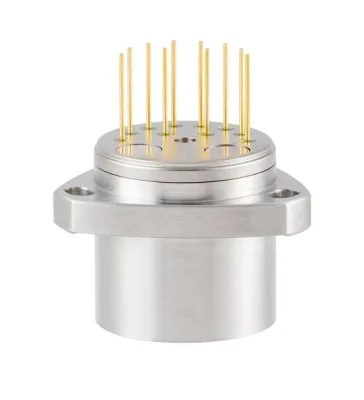
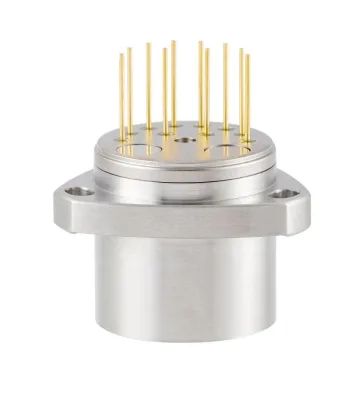
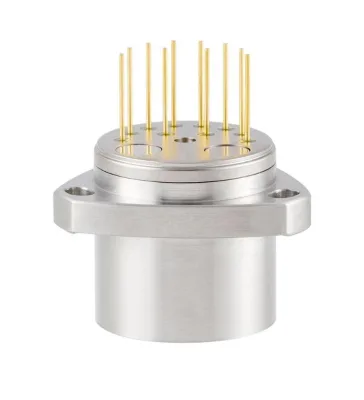
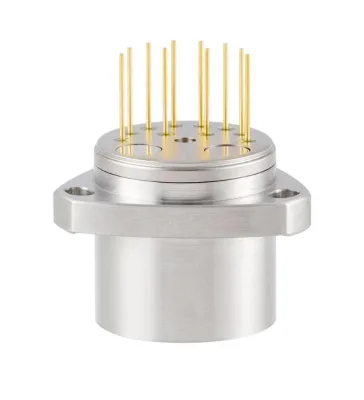
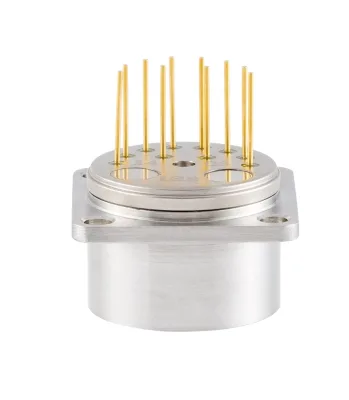


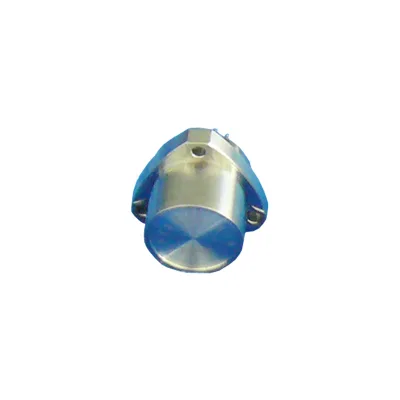
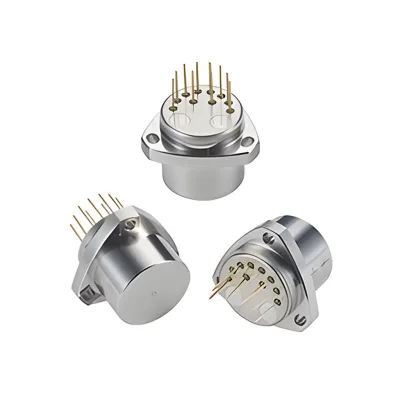
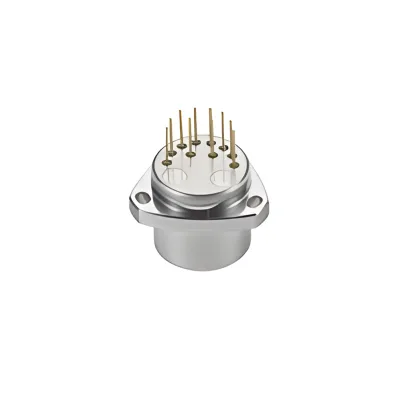
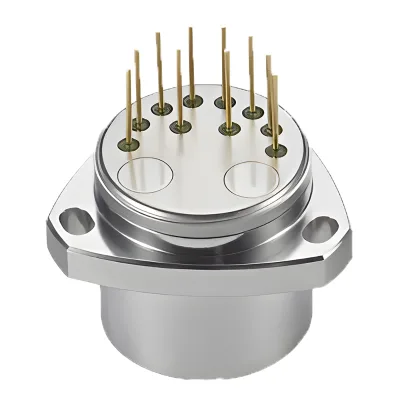
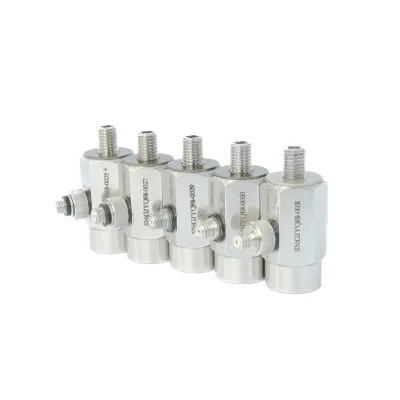
Large Measurement Input Range 30g High Preformance Quartz Accelerometer
$1100.00 - $1150.00
MOQ: 10 Pieces


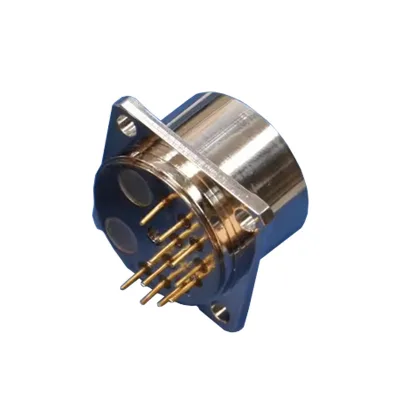
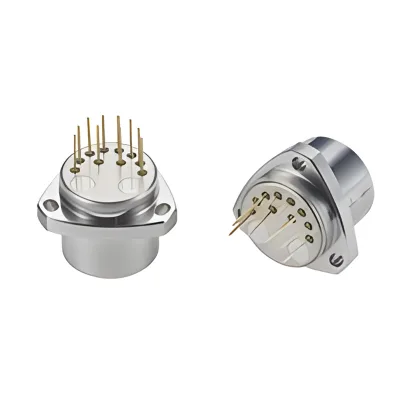
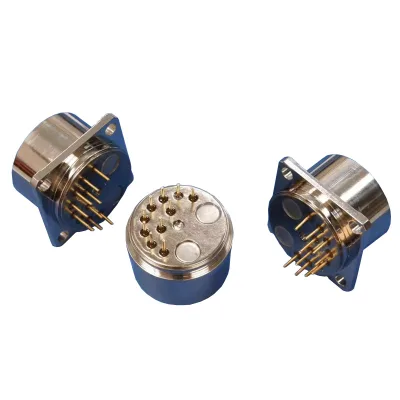


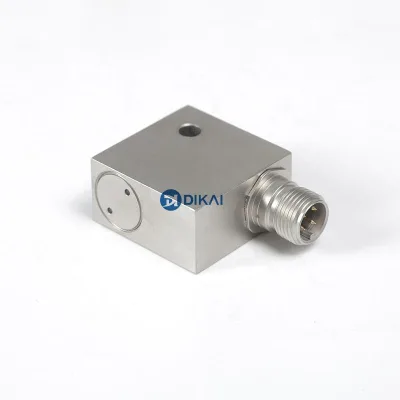
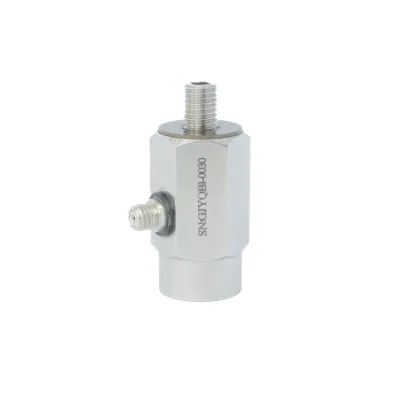
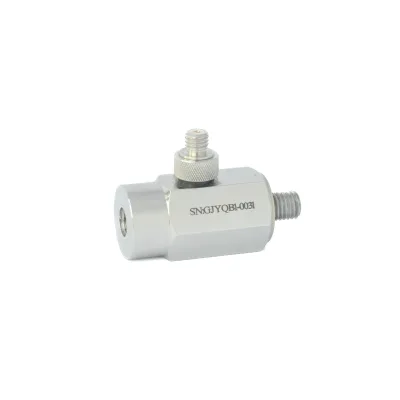

Comprehensive Sourcing Guide
High Temperature Quartz Accelerometer Sourcing Guide
Procuring high-temperature quartz accelerometers requires a disciplined approach to technical verification and supplier qualification, as these sensors operate in extreme environments where standard components fail. The core challenge lies in ensuring that the quartz element maintains stability and accuracy across wide thermal gradients, often exceeding standard industrial limits. Buyers must prioritize sensors with explicit thermal modeling capabilities and verified operating ranges to prevent premature failure in critical applications such as navigation systems or heavy industrial monitoring.
This guide focuses on evidence-based sourcing strategies derived from observed market listings and supplier specifications. It emphasizes the importance of validating physical dimensions, mounting types, and output signals against specific project requirements. By adhering to strict verification protocols, procurement teams can mitigate risks associated with thermal drift, mechanical stress, and environmental degradation, ensuring long-term reliability in high-stakes deployments.
Product Scope and Observed Listing Signals
The current market for high-temperature quartz accelerometers features a diverse range of models from manufacturers like Joint Sensor Co and Joint Sensor, with part numbers such as KA3000, KA3000-010, and KA700. These products are predominantly sourced from China, with origins noted in Guangdong and Qingdao, indicating a concentrated manufacturing hub for precision instrumentation. The observed price range spans from $165 to $3,799 USD, reflecting significant variation in performance capabilities, customization levels, and brand positioning within the industrial sector.
Listings indicate a minimum order quantity (MOQ) ranging from 1 to 10 pieces, suggesting flexibility for both prototyping and small-batch production runs. The supply ability is reported at 10,000 pieces per month, highlighting the capacity of established suppliers to meet moderate volume demands. Buyers should note that while some units are described as "Servo" type or featuring "Analog SENSOR" output, the core technology remains quartz-based, offering superior stability compared to piezoelectric alternatives in high-temperature scenarios.
Technical Specifications to Verify
Verification of thermal performance is paramount, with observed operating temperatures ranging from -40°C to +180°C, a critical range for many industrial applications. The pressure or g-force range varies, with specific models rated for 30g and 60g, requiring buyers to match these limits to their dynamic environment. Additionally, the scale factor k1 is specified between 1.1~1.3mA/g for certain units, providing a baseline for signal interpretation, while K0 is noted to be less than 15mg, indicating low bias instability which is essential for precision navigation tasks.
Physical dimensions and mounting configurations must also be rigorously checked to ensure compatibility with existing hardware. Observed sizes include 25*24mm, 20.07mm, and 18.2X16mm, with mounting types ranging from thread to connect and mounting styles. The weight of these sensors is generally low, often under 80 grams, with specific units weighing as little as 25g, which is advantageous for applications where mass loading is a concern. Buyers should confirm the single package size, typically around 5X5X5 cm, to plan for efficient storage and handling.
Compliance and Safety Documentation
Compliance with international quality standards is a foundational requirement, with ISO certification observed among several suppliers, signaling adherence to established quality management systems. This certification is a critical indicator of a supplier’s ability to maintain consistent manufacturing processes and product reliability. Buyers should request valid ISO certificates and verify their scope to ensure it covers the specific accelerometer models being procured, thereby reducing the risk of receiving non-conforming products.
Beyond general quality certifications, buyers must investigate specific safety and environmental compliance documents relevant to their industry. While specific environmental standards are not detailed in the observed listings, the presence of anti-static packaging suggests attention to electrostatic discharge (ESD) protection during shipping. Procurement teams should ensure that suppliers provide material safety data sheets (MSDS) and confirm that the sensors meet any regional regulatory requirements for electronic components, particularly if the end-use involves hazardous environments or strict export controls.
Cost Drivers and Commercial Terms
The cost of high-temperature quartz accelerometers is influenced by several factors, including the complexity of the quartz element, the precision of the thermal compensation, and the level of customization required. Models with wider operating temperature ranges or higher g-force ratings typically command higher prices, as seen in the broad USD range from $165 to $3,799. Buyers should also consider the cost of customization, as OEM, ODM, and OBM support is available, which may involve additional setup fees or higher unit costs for tailored specifications.
Commercial terms such as the port of dispatch, packaging details, and lead times are critical for total cost of ownership calculations. Most suppliers dispatch from Shenzhen, a major logistics hub, which can impact shipping costs and delivery speed. Packaging is typically in cartons with anti-static protection, ensuring product integrity during transit. Buyers should negotiate clear terms regarding payment methods, warranty periods, and return policies, especially when dealing with customized orders or high-value units, to protect against potential defects or supply chain disruptions.
Supplier Qualification and Quality Control
Supplier qualification should begin with a thorough review of their manufacturing capabilities and quality control processes. Given that the supply ability is reported at 10,000 pieces per month, buyers should assess whether the supplier has the infrastructure to maintain quality consistency at this volume. It is advisable to request samples for rigorous testing before committing to larger orders, allowing for verification of key performance indicators such as thermal stability, output linearity, and mechanical durability.
Quality control measures should include in-process inspections and final testing protocols that align with industry best practices. Buyers should inquire about the supplier’s testing equipment and procedures for validating the scale factor, bias stability, and frequency response of each unit. Additionally, verifying the supplier’s ability to provide traceability for raw materials and components can enhance confidence in the product’s long-term reliability. Establishing a clear communication channel for technical support and issue resolution is also essential for maintaining a productive supplier relationship.
Long-Term Procurement Checks
Long-term procurement success depends on establishing robust mechanisms for ongoing performance monitoring and supplier evaluation. Buyers should implement a system for tracking field performance data, including failure rates and maintenance intervals, to assess the real-world reliability of the accelerometers. This data can be used to negotiate better terms, request improvements, or identify alternative suppliers if performance standards are not met over time.
Regular audits and re-qualification of suppliers are also recommended to ensure continued compliance with quality and delivery standards. As technology evolves, buyers should stay informed about advancements in quartz sensor technology and thermal management solutions that could offer improved performance or cost efficiencies. Maintaining a diversified supplier base can mitigate risks associated with single-source dependencies, ensuring business continuity and competitive pricing in the long run.
FAQs
What is the operating temperature range for this quartz accelerometer?
The operating temperature range spans from -40 to +180 degrees Celsius. This wide thermal model allows the device to function reliably in extreme industrial environments where standard sensors might fail or drift significantly during operation.
Which mounting type is used for the KA3000 series accelerometer?
The product utilizes a thread mounting type for secure installation. This design ensures stability during high-vibration navigation applications while maintaining the compact 25 by 24 millimeter size required for tight integration into various industrial systems.
Can buyers request custom packaging for these industrial accelerometers?
Yes, customization is available including specific packaging details like cartons. The manufacturer supports OEM, ODM, and OBM services to meet unique logistical needs while ensuring the units are protected by anti-static packages during shipping.
What is the minimum order quantity for these quartz sensors?
The minimum order quantity is one piece per single item. This low barrier allows buyers to test the analog output signal type and verify the 60g pressure range before committing to larger bulk orders for their projects.
How is the output signal configured for this navigation sensor?
The device provides an analog sensor output signal for direct integration. This configuration supports precise data transmission for navigation systems, ensuring compatibility with existing control architectures that require continuous analog voltage or current readings.
Which certification does the Joint Sensor manufacturer hold?
The manufacturer holds ISO certification for their production processes. This standard ensures consistent quality control for the quartz element and servo type construction, providing buyers with confidence in the durability and performance of the industrial-grade components.
What is the supply ability for these high temperature accelerometers?
The supply ability is 10,000 pieces per month from the Guangdong facility. This capacity supports large-scale procurement needs while maintaining the ability to fulfill custom orders with a dispatch port located in Shenzhen for efficient logistics.