Source Industrial Non-Contact Infrared Thermometer Probe for Monitoring
Find 30 industrial non-contact infrared thermometer probe options with varying temperature ranges and output signals. Compare features like laser pointing, IP ratings, and mounting types from verified suppliers in China; compare the available evidence and request quotations based on your requirements.
Updated
Key considerations
Products List
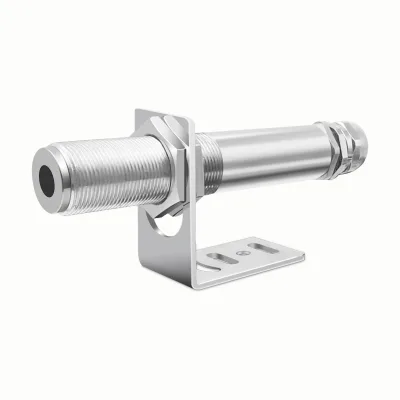


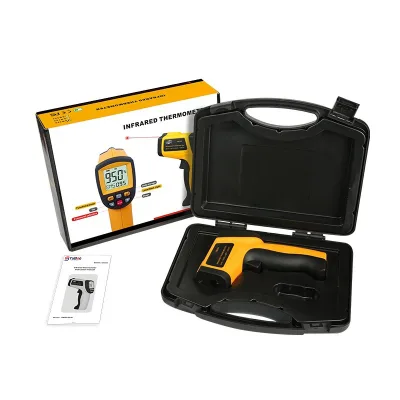
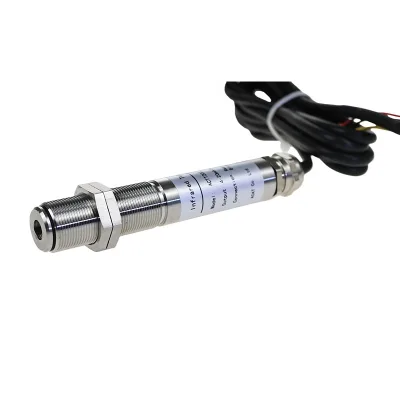
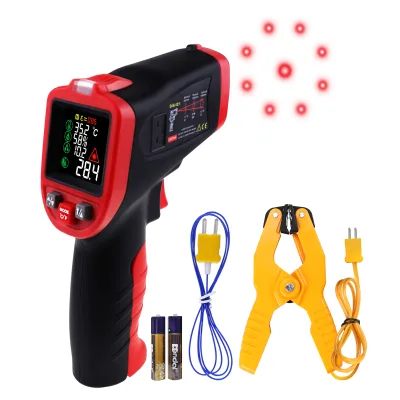
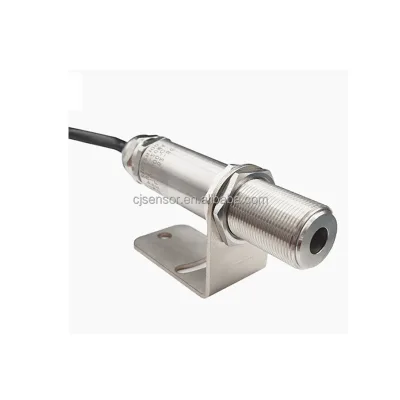


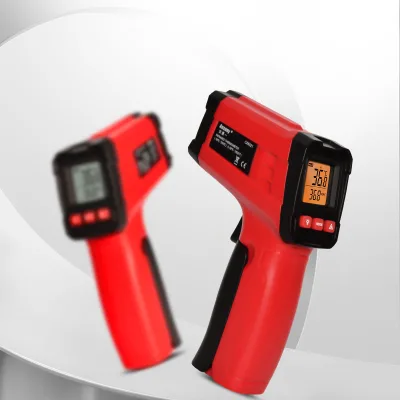
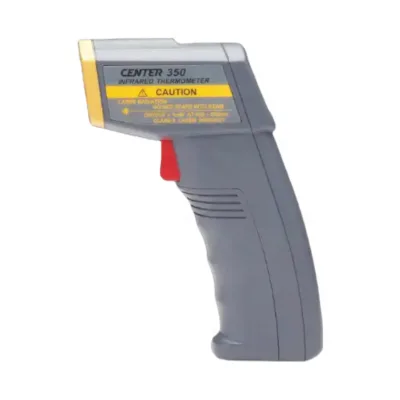
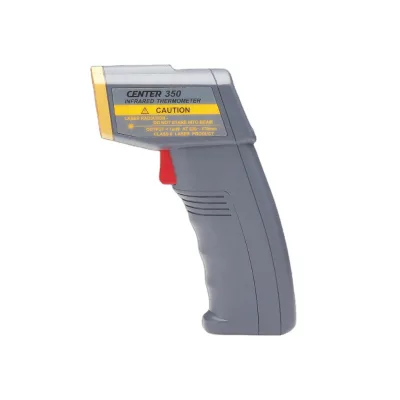
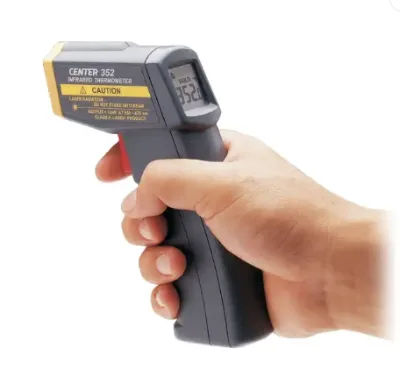
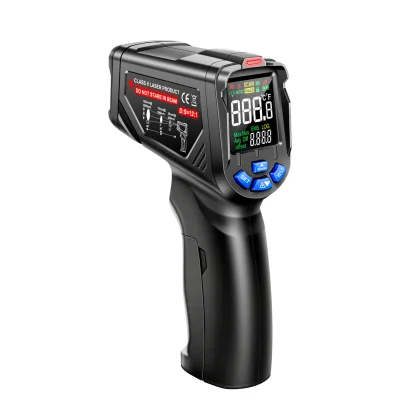
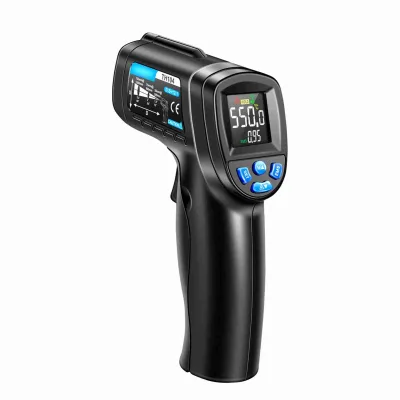
Comprehensive Sourcing Guide
Industrial Non-Contact Infrared Thermometer Probe Sourcing Guide
Procuring industrial non-contact infrared thermometer probes requires a precise understanding of sensor architecture and environmental constraints. These devices utilize infrared sensing principles to deliver contactless temperature signals, making them essential for monitoring processes where physical contact is impractical or hazardous. Buyers must distinguish between general handheld units and specialized probe-style sensors designed for integration into larger industrial systems. The core technology relies on photon detectors to capture thermal radiation within specific spectral ranges, typically between 8 and 14 micrometers, ensuring accurate readings across diverse material surfaces.
Selection criteria should prioritize the operational environment, including ambient temperature limits and humidity levels. Many industrial probes are engineered to withstand wide operating temperature ranges and feature robust protection levels, such as IP65 ratings, to resist dust and water ingress. Understanding the mounting type, whether probe mount or other configurations, is critical for ensuring mechanical compatibility with existing machinery. Additionally, the output signal type, often analog, must align with the data acquisition systems used in the facility to ensure seamless integration and reliable process monitoring.
Product Scope and Observed Listing Signals
The current market landscape for industrial infrared sensors reveals a diverse array of product offerings with varying specifications and origins. Listings indicate a primary concentration of manufacturing in Chinese provinces such as Jiangsu and Guangdong, reflecting established supply chains for electronic components. Observed price points range significantly, suggesting variability in component quality, brand reputation, and included features. Buyers should note that while some products are marketed with laser pointing capabilities for precise targeting, others may lack this feature, necessitating careful review of individual product descriptions to match operational needs.
Attributes such as switching temperature and operating ranges provide critical insights into the sensor's intended use case. For instance, some models are specified for narrow ranges like 0-100°C, while others extend to 0-1000°C or higher, catering to high-temperature industrial applications. The presence of customized support options, including OEM services, indicates that manufacturers are willing to adapt products to specific client requirements. However, buyers must verify these claims against actual product data, as not all listed items may support full customization or offer the same warranty periods, which are commonly cited as one year.
Technical Specifications to Verify
Technical verification begins with confirming the spectral response and optical resolution of the sensor. The spectral range is a fundamental parameter that determines which wavelengths of infrared radiation the detector can effectively capture. Buyers should ensure the sensor’s spectral range matches the emissivity characteristics of the target materials to minimize measurement errors. Optical resolution, often expressed as a distance-to-spot ratio, dictates the precision of the measurement area. A higher ratio allows for accurate temperature reading from greater distances, which is vital for monitoring moving parts or hazardous zones in industrial settings.
Electrical and physical specifications are equally important for system integration. The power supply requirements, such as 24VDC, and maximum current consumption must be compatible with the facility’s power infrastructure. Cable length is another critical factor, with standard lengths like 1.5 meters often available, though customization may be required for specific installations. The termination style, whether probe connection or other interfaces, must align with the control system’s input requirements. Additionally, the accuracy specification, often cited as ±1°C, should be validated under actual operating conditions to ensure it meets the precision demands of the application.
Compliance and Safety Documentation
Compliance with international safety and electromagnetic compatibility standards is non-negotiable for industrial equipment. Buyers must request certification documents, such as CE marks, to verify that the product meets European health, safety, and environmental protection standards. These certifications indicate that the manufacturer has conducted necessary testing and adheres to regulatory requirements for electronic devices. It is crucial to ensure that the documentation is current and covers the specific model being procured, as compliance may vary across different product lines or manufacturing batches.
Beyond regulatory certifications, safety features integrated into the design contribute to operational security. Features like laser pointers aid in accurate targeting, reducing the risk of misreading temperatures on adjacent components. However, buyers should also consider the physical safety of the installation, including the protection level against environmental hazards. An IP65 rating, for example, ensures the device is protected against low-pressure water jets and dust, which is essential for harsh industrial environments. Verifying these safety attributes helps prevent downtime and ensures the longevity of the equipment in demanding conditions.
Cost Drivers and Commercial Terms
Cost structures for industrial infrared sensors are influenced by several factors, including material composition, manufacturing complexity, and customization levels. Products constructed with metal housings or advanced semiconductor integrated processes may command higher prices due to enhanced durability and precision. The inclusion of features like wide operating temperature ranges or specific accuracy levels also impacts the final cost. Buyers should analyze the total cost of ownership, considering not just the unit price but also potential savings from reduced maintenance and improved process efficiency.
Commercial terms, such as minimum order quantities (MOQ) and lead times, play a significant role in procurement planning. Observed MOQs can range from single items to larger batches, offering flexibility for both prototyping and mass production needs. Lead times may vary based on the level of customization required and the manufacturer’s production capacity. It is advisable to negotiate clear terms regarding warranty coverage, which is commonly offered for one year, and to clarify responsibilities for shipping and handling. Understanding these commercial dynamics helps in budgeting accurately and managing supply chain risks effectively.
Supplier Qualification and Quality Control
Evaluating supplier qualifications is essential to ensure the reliability and consistency of the sourced products. Buyers should assess the manufacturer’s production processes, such as semi-conductor integration techniques, which can indicate a higher level of technological capability. Quality control measures, including rigorous testing protocols and adherence to manufacturing standards, are critical for maintaining product performance. Suppliers with established reputations and transparent quality management systems are more likely to deliver products that meet specified technical requirements consistently.
Documentation of quality assurance practices, such as batch testing records and calibration certificates, provides additional assurance of product integrity. Buyers should inquire about the supplier’s ability to provide traceability for components and finished goods. This is particularly important for industries with strict regulatory requirements or where failure could have significant safety implications. Establishing a clear communication channel with the supplier for addressing technical queries and resolving issues promptly is also a key aspect of supplier qualification, fostering a collaborative relationship that supports long-term procurement success.
Long-Term Procurement Checks
Long-term procurement success depends on continuous monitoring of product performance and supplier reliability. Buyers should establish key performance indicators (KPIs) to track the accuracy and stability of the infrared sensors over time. Regular calibration checks and maintenance schedules are necessary to ensure that the sensors continue to operate within specified accuracy limits. Any deviations from expected performance should be investigated promptly to identify potential issues with the sensor or the installation environment.
Building a resilient supply chain involves diversifying suppliers and maintaining open lines of communication for future orders. Buyers should periodically review supplier performance against agreed-upon metrics, including delivery times, product quality, and responsiveness to issues. Staying informed about technological advancements in infrared sensing can also help in planning for future upgrades or replacements. By proactively managing these aspects, organizations can ensure that their industrial monitoring systems remain effective, reliable, and cost-efficient over the long term.
FAQs
What accuracy does the Shiao SA50AS infrared thermometer probe offer?
The Shiao SA50AS infrared thermometer probe provides an accuracy of ±1°C for reliable temperature monitoring. This device utilizes an infrared sensing principle to deliver contactless temperature signals suitable for industrial process monitoring. It features a wide operating temperature range and low current consumption, ensuring stable performance in various environments while maintaining precise measurement capabilities.
Can the industrial non-contact infrared thermometer probe be customized?
Yes, the industrial non-contact infrared thermometer probe supports ODM customization to meet specific application requirements. Buyers can request tailored solutions for their unique industrial needs. The product is available with various temperature ranges and output signal types, allowing for flexible integration into existing systems while maintaining high-quality standards and reliable performance for diverse operational contexts.
Which certifications are available for the infrared temperature sensor?
The infrared temperature sensor holds CE certification, ensuring compliance with relevant safety and quality standards. This certification confirms that the device meets necessary regulatory requirements for industrial use. The sensor is manufactured with robust materials and features an IP65 protection level, providing reliable operation in challenging environments while adhering to established international standards for electronic equipment.
How is the infrared thermometer probe powered and what is its current draw?
The infrared thermometer probe operates on a 24VDC power supply with a maximum current consumption of 50mA. This low current design ensures efficient energy usage during continuous operation. The device delivers analog output signals, making it compatible with standard industrial control systems. Its power requirements are optimized for stability and reliability in various industrial monitoring applications without excessive energy drain.
What is the minimum order quantity for the infrared sensor series?
The minimum order quantity for the infrared sensor series ranges from 1 to 100 units, offering flexibility for different procurement needs. This range allows buyers to order small quantities for testing or larger volumes for production. The flexible MOQ supports both pilot projects and full-scale industrial deployments, ensuring that customers can acquire the necessary quantity for their specific operational requirements.
Where are the industrial non-contact infrared thermometer probes manufactured?
The industrial non-contact infrared thermometer probes are manufactured in Jiangsu and Guangdong, China. These locations are known for their advanced manufacturing capabilities in electronic components. The production process utilizes semi-conductor integration technology to ensure high-quality output. Buyers can expect consistent manufacturing standards and reliable supply chain support from these established industrial hubs in China.