Source Hydraulic Proportional Flow Control Valve for Machinery
Explore 30 listings of Hydraulic Proportional Flow Control Valve options from verified suppliers. Compare specifications like pressure ranges, flow rates, and customization support to find the right fit for your industrial needs; compare the available evidence and request quotations based on your requirements.
Updated
Key considerations
Products List

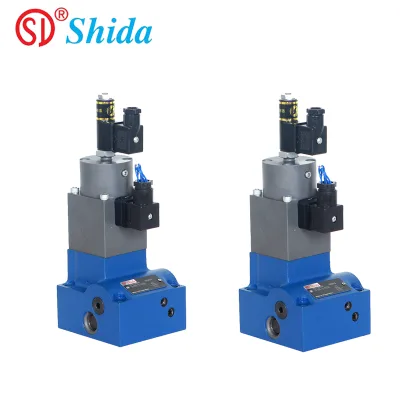
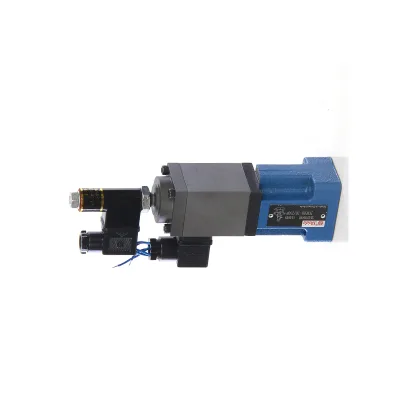
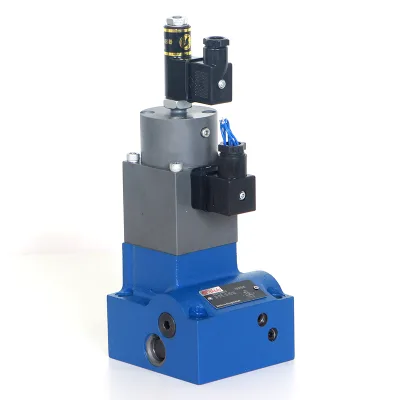

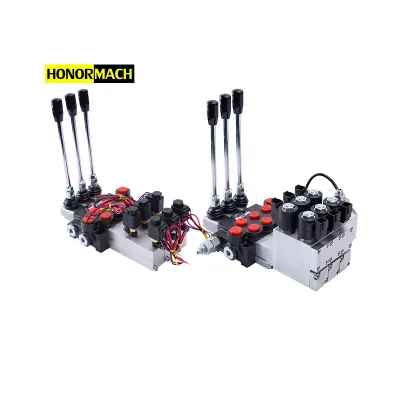
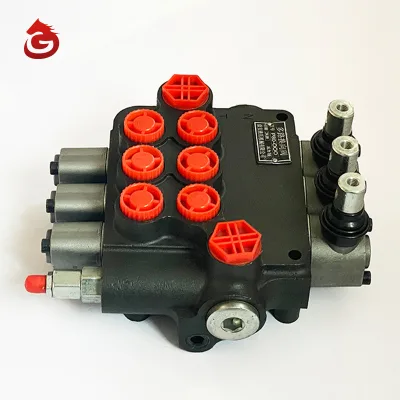
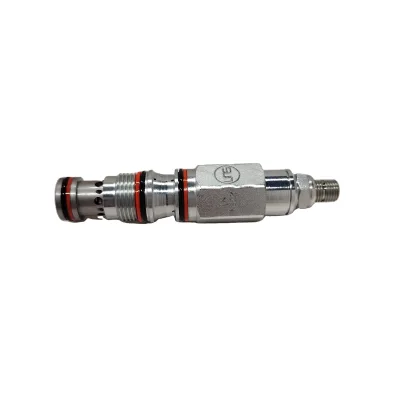
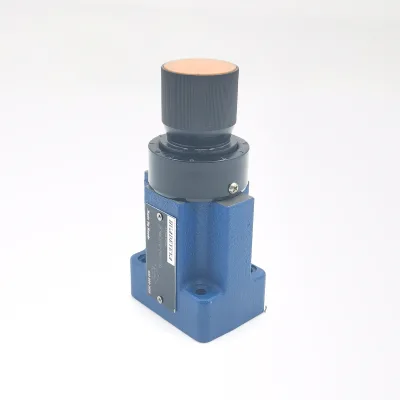
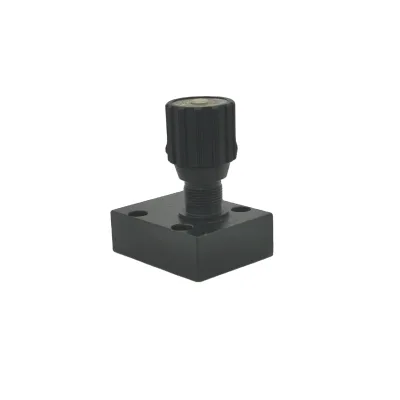
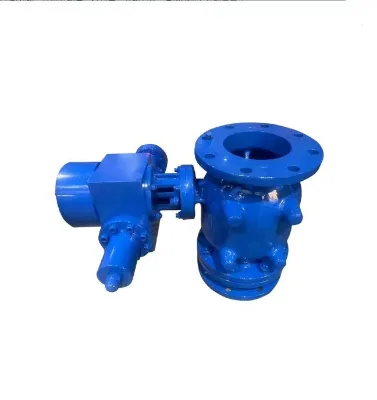
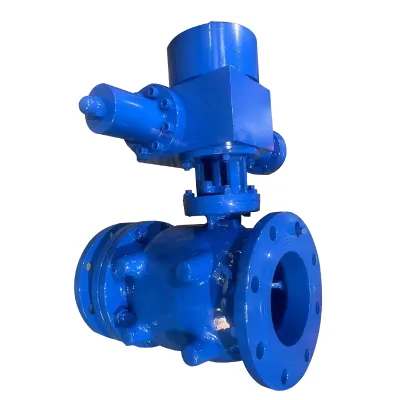
Flow Control Valves Hydraulic Hydraulic Flow Control Valve Hydraulic Valve Control P40 P80
$50.3214 - $94.3351
MOQ: 10 sets










Comprehensive Sourcing Guide
Hydraulic Proportional Flow Control Valve Sourcing Guide
Procuring hydraulic proportional flow control valves requires a precise understanding of the component’s role in regulating fluid dynamics within complex machinery. These valves serve as critical actuators in systems where variable speed and torque are essential, allowing for smooth, continuous adjustment of oil flow rates rather than simple on-off switching. Buyers must recognize that these components bridge the gap between electronic control signals and mechanical hydraulic action, making their selection vital for system efficiency and responsiveness.
The market offers a variety of configurations, including direct-acting proportional speed regulation models and those with optional rectifier overlays for bidirectional flow control. Sourcing decisions should be driven by specific operational needs, such as the required viscosity range of the media, which can span from 2.8 to 500 mm²/s, and the operating temperature environment. Understanding these baseline parameters ensures that the selected valve can maintain performance stability under the specific thermal and fluid conditions of the end application.
Product Scope and Observed Listing Signals
Current market listings indicate a diverse range of product attributes, with observed prices varying significantly from low-cost items to high-end industrial units. The minimum order quantities (MOQ) typically range from single units to small batches, suggesting flexibility for both prototyping and initial production runs. Buyers should note that while some listings advertise general-purpose applications, others specify niche uses such as machinery hydraulic systems, requiring careful alignment with the intended deployment scenario.
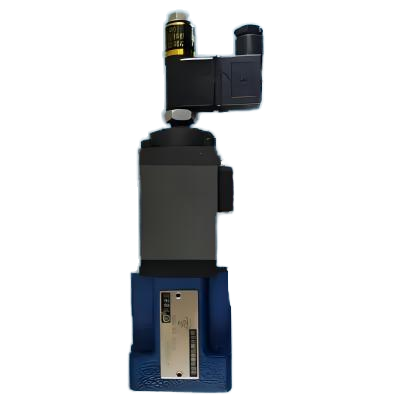
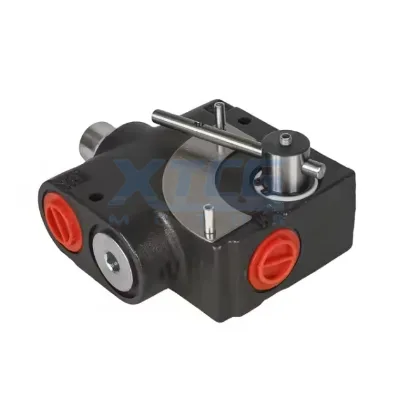
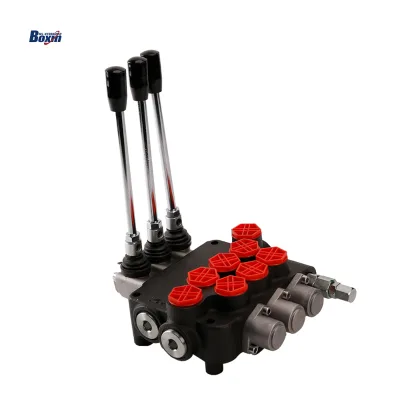
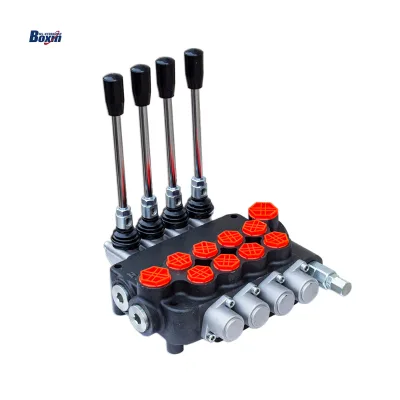
Product names and models vary, with identifiers like GKV80-2 and 2FRE-4X appearing in available data, alongside generic descriptors such as "Proportional flow valve." Materials observed include cast carbon steel and stainless steel, with color options ranging from black to blue, which may indicate different coating or material specifications. The presence of customization options like OEM and ODM support suggests that manufacturers are willing to adapt designs, but buyers must verify if these customizations affect lead times or minimum order requirements.
Technical Specifications to Verify
Verifying the operational pressure range is a critical first step, as observed data shows values ranging from 0-10 bar to 70-375 psi, with some units rated up to 50 bar. Buyers must ensure that the selected valve’s pressure rating exceeds the maximum system pressure to prevent failure. Additionally, the operating temperature range varies widely, with some units rated for -40°C to 200°C and others for 0°C to 400°C, necessitating a clear match with the environmental conditions of the hydraulic circuit.
Connection methods and port sizes also require strict verification, with board connections and standard port sizes being common observations. The media type, typically oil, must be compatible with the valve’s internal seals and materials, especially when handling acidic or gaseous substances in specialized applications. Buyers should also check the maximum switching frequency, which can reach up to 15,000 cycles, to ensure the valve can handle the dynamic demands of high-speed control loops without degradation.
Compliance and Safety Documentation
Compliance with international standards is essential for market access and operational safety, with CE certification being a commonly observed standard in available listings. Buyers should request valid certification documents to verify that the manufacturer has undergone the necessary conformity assessment procedures. The presence of additional certifications such as RoHS and GS indicates adherence to environmental and safety guidelines, which is particularly important for exports to regulated markets in Europe and other regions.
ISO standards, including ISO 4401 and ISO 4406, are relevant for hydraulic fluid cleanliness and component testing, though their specific application to these valves should be confirmed with the supplier. Buyers must ensure that the product documentation explicitly states compliance with these standards, as generic claims may not reflect actual testing results. Proper documentation also includes warranty terms, with one-year warranties being a standard offering, providing a baseline for post-purchase support and liability coverage.
Cost Drivers and Commercial Terms
Cost structures for hydraulic proportional flow control valves are influenced by material quality, electronic complexity, and customization levels. Units made from stainless steel or featuring advanced direct-acting proportional mechanisms may command higher prices compared to basic cast steel models. Buyers should analyze the total cost of ownership, including potential savings from improved efficiency and reduced maintenance, rather than focusing solely on the initial purchase price.
Commercial terms such as MOQ and lead times vary by supplier, with some offering single-item sales while others require larger batches. The availability of OEM and ODM services may introduce additional costs for tooling or design adjustments, which should be negotiated upfront. Buyers should also consider the packaging standards, as observed data indicates standard packing methods, but specialized requirements for sensitive electronic components may necessitate additional protective measures, impacting shipping costs.
Supplier Qualification and Quality Control
Supplier qualification should begin with verifying the place of origin, with Jiangsu Province and Beijing in China being common sources for these components. Buyers should assess the manufacturer’s production capabilities, including their ability to handle ODM and OEM requests, which indicates flexibility and technical competence. It is advisable to request samples for testing before committing to large orders, ensuring that the product meets the specified technical parameters and quality expectations.
Quality control processes should include checks for material integrity, such as verifying the use of cast and carbon steel or stainless steel as claimed. Buyers should inquire about the manufacturer’s testing protocols, particularly for pressure and temperature resistance, to ensure long-term reliability. Establishing a clear communication channel for technical support and warranty claims is also crucial, as these valves are complex components that may require specialized troubleshooting during installation and operation.
Long-Term Procurement Checks
Long-term procurement success depends on establishing a reliable supply chain that can adapt to changing production needs. Buyers should monitor supplier performance metrics, such as delivery consistency and defect rates, to identify potential risks early. Regular audits of the supplier’s quality management systems can help ensure that product standards are maintained over time, especially when dealing with high-volume orders or critical applications.
Continuous engagement with the supplier regarding technological updates and new product developments can provide competitive advantages. As hydraulic systems evolve, newer valves with improved efficiency or connectivity features may become available, offering opportunities for system upgrades. Buyers should maintain a flexible procurement strategy that allows for switching suppliers or models if better options emerge, while ensuring that any changes are thoroughly validated against existing system requirements.
FAQs
What is the operational pressure range for this valve?
The operational pressure range is 10-50 bar or 70-375 psi depending on the specific model configuration. This range ensures reliable performance in general machinery hydraulic systems. Users should verify the exact rating for their application to prevent system damage and ensure optimal flow control under varying load conditions.
Can the valve handle different media types?
Yes, the valve is designed to handle oil, water, acid, and gas media. It supports normal temperature and high temperature applications. The viscosity range spans from 2.8 to 500 mm²/s, allowing flexibility for various fluid types commonly used in industrial hydraulic circuits and general machinery operations.
What certifications does the product hold?
The product holds CE, RoHS, GS, and ISO certifications. These standards ensure compliance with international safety and quality requirements. The CE mark indicates conformity with health, safety, and environmental protection standards for products sold within the European Economic Area, providing assurance for global buyers.
Is customization available for this directional valve?
Customization is available with ODM and OEM support. Buyers can request specific modifications to meet unique application needs. The product origin is listed in Jiangsu Province and Beijing, China, offering flexible sourcing options. Standard packing is used for all goods to ensure safe delivery during transit.
What is the warranty period for this valve?
The warranty period is one year for the product. This coverage provides protection against manufacturing defects and ensures reliability for the buyer. The valve features a direct-acting proportional speed regulation control method, making it suitable for precise oil flow rate management in various industrial settings.
What is the maximum switching frequency of the valve?
The maximum switching frequency is 15000 cycles. This high frequency capability allows for rapid response in dynamic hydraulic systems. The valve uses a board connection method and is constructed from cast and carbon steel, ensuring durability and consistent performance under frequent operational cycles.