Source Water Plumbing Pvc Pipe Fitting for water pipes, building, and leisure
Compare 30 listings for Water Plumbing Pvc Pipe Fitting from Chinese manufacturers. Options include UPVC and CPVC materials with certifications like DIN and ISO9001, suitable for water pipes, leisure facilities, and building applications; compare the available evidence and request quotations based on your requirements.
Updated
Key considerations
Products List

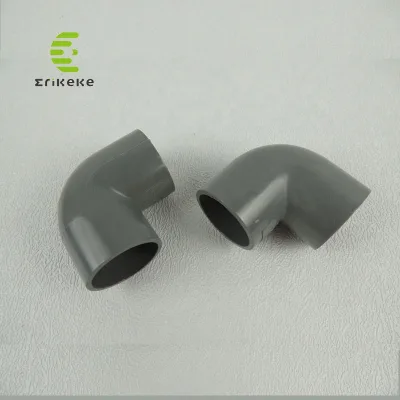
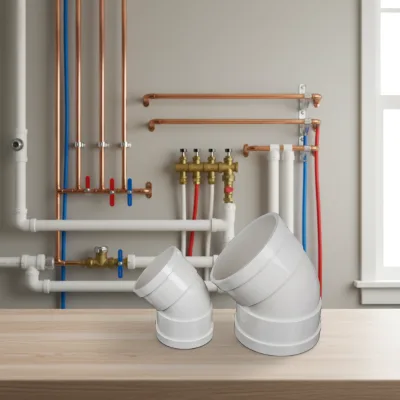
Hot Sale Water Supply PVC 45 Degree Elbow Pipe Fittings PVC Pipe Connector
$0.7795 - $18.6865
MOQ: 500 Minimum
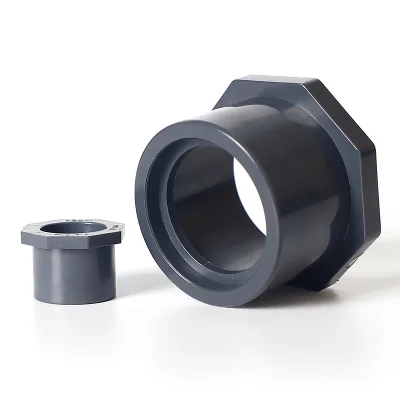


Plastic PVC CPVC Plumbing Pipe Fitting for Hot Water and Cold Water Systems
$0.25 - $67.91
MOQ: 1000 Pieces




Comprehensive Sourcing Guide
Water Plumbing Pvc Pipe Fitting Sourcing Guide
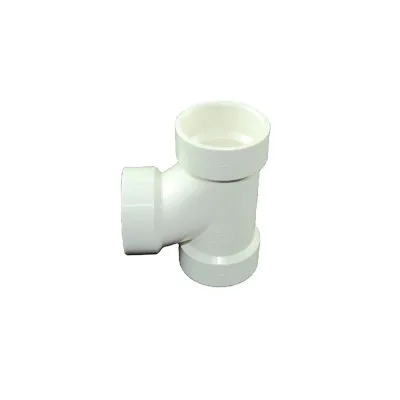
Sourcing water plumbing PVC pipe fittings requires a disciplined approach to material verification and technical alignment. Buyers must distinguish between UPVC, CPVC, and standard PVC grades, as each serves distinct pressure and temperature profiles. The observed market signals indicate a wide range of product types, from 45-degree elbows to 90-degree equal tees, with varying connection methods such as welding or socket joints. Understanding these fundamental differences is the first step in preventing specification errors that lead to system failures.
Procurement teams should also evaluate the physical attributes and packaging standards provided by suppliers. Listings often highlight features like smooth surfaces, durable construction, and specific color options such as grey or white. Packaging methods, including carton and seaworthy packing, are critical for protecting fittings during transit. Verifying these details ensures that the received goods match the ordered specifications and remain undamaged, reducing the risk of installation delays and additional logistics costs for international shipments.
Product Scope and Observed Listing Signals
The current market offers a diverse array of water plumbing PVC pipe fittings, with observed price points ranging from $0.03 to $67.91 USD. This broad spectrum reflects variations in material quality, wall thickness, and manufacturing techniques like hot-pressed processes. Buyers will encounter products labeled with specific models, such as IR-F or EKK0019, and sizes spanning from 20mm to 1600mm. These signals help in filtering suppliers based on capacity and specialization, ensuring that the selected vendor can meet the specific dimensional requirements of the project.
Minimum Order Quantities (MOQ) also vary significantly, with observed ranges from 10 to 10,000 units, and some suppliers listing specific MOQs like 50 or 500 pieces. This flexibility allows buyers to scale orders according to project phases, from small maintenance repairs to large-scale infrastructure developments. Additionally, customization options are frequently available, allowing for OEM branding and tailored packaging solutions. Understanding these commercial signals helps procurement teams negotiate better terms and align order volumes with inventory management strategies.
Technical Specifications to Verify
Technical verification must begin with material composition, as listings specify UPVC, CPVC, and standard PVC for different applications. Buyers should confirm the tensile strength, which may range from 41 to 50 MPa, and water absorption rates, typically less than 0.01%, to ensure long-term durability. Wall thickness standards, such as Sch40, are critical for pressure rating compliance. Verifying these mechanical properties prevents the selection of substandard fittings that could fail under operational stress, particularly in high-pressure water supply systems.
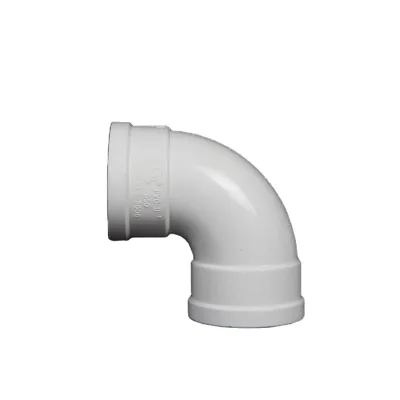
Connection types and geometric specifications are equally important for system integration. Common configurations include 45-degree and 90-degree elbows with round head codes and equal shapes. Connection methods vary between welding and socket joints, requiring compatibility with existing piping infrastructure. Buyers must also check for surface quality, ensuring fittings are smooth and free of spots. These technical details ensure seamless assembly and prevent leaks, which are critical for maintaining the integrity of water plumbing networks.
Compliance and Safety Documentation
Compliance with international standards is non-negotiable for water plumbing components. Buyers should verify certifications such as ASME, DIN, and ISO9001, which indicate adherence to rigorous quality management and manufacturing practices. The presence of DIN standard certificates suggests that fittings meet specific European quality benchmarks. Ensuring that suppliers provide valid documentation for these certifications protects buyers from regulatory risks and ensures that the products are suitable for use in regulated markets.
Safety and environmental considerations also play a role in supplier selection. Many listings highlight eco-friendly attributes and modern design styles, which may appeal to sustainability-focused projects. However, buyers must request explicit confirmation of environmental compliance rather than relying on general marketing claims. Verifying that materials are safe for potable water applications is essential. This due diligence ensures that the fittings do not leach harmful substances, protecting public health and meeting local health regulations.
Cost Drivers and Commercial Terms
Cost structures for PVC pipe fittings are influenced by raw material prices, manufacturing complexity, and order volume. The observed price range of $0.03 to $67.91 USD reflects these variables, with higher costs associated with specialized materials like CPVC or larger diameters. Buyers should analyze the cost per unit in the context of the MOQ and packaging requirements. Understanding these drivers helps in budgeting accurately and identifying potential savings through volume discounts or optimized logistics planning.
Commercial terms, including delivery times and payment conditions, significantly impact the total cost of ownership. Typical delivery times are around 15 working days, but this can vary based on customization and stock availability. Buyers should negotiate clear terms for lead times to avoid project delays. Additionally, packaging costs, whether in plastic bags or seaworthy cartons, should be factored into the total expense. Transparent commercial terms reduce hidden costs and ensure predictable cash flow management for procurement departments.
Supplier Qualification and Quality Control
Supplier qualification requires a thorough assessment of manufacturing capabilities and quality control processes. Buyers should verify the place of origin, with many suppliers located in Fujian, China, a known hub for plastic fittings. Assessing the supplier’s ability to handle OEM requests and provide consistent product quality is crucial. Requesting samples and conducting independent testing can validate claims regarding material composition and mechanical strength, ensuring that the supplier meets the required technical standards.
Quality control measures should include inspections for surface defects, dimensional accuracy, and packaging integrity. Suppliers offering smooth, spot-free surfaces and robust packaging demonstrate a commitment to product quality. Buyers should also evaluate the supplier’s responsiveness to customization requests and their ability to maintain consistent production standards. Establishing a strong relationship with a qualified supplier reduces the risk of receiving defective goods and ensures a reliable supply chain for ongoing procurement needs.
Long-Term Procurement Checks
Long-term procurement success depends on continuous monitoring of supplier performance and product reliability. Buyers should track delivery times, defect rates, and responsiveness to issues over multiple orders. Consistent performance indicates a reliable partner, while recurring problems may signal underlying quality or logistical issues. Regular audits and feedback loops help maintain high standards and encourage suppliers to improve their processes, ensuring a stable supply of high-quality water plumbing fittings.
Market trends and regulatory changes also require ongoing attention. As standards evolve, buyers must ensure that their suppliers remain compliant with the latest requirements. Staying informed about new materials, technologies, and certifications helps procurement teams make informed decisions. By maintaining a proactive approach to supplier management and market analysis, buyers can mitigate risks and secure a competitive advantage in their supply chain, ensuring long-term operational efficiency and cost-effectiveness.
FAQs
What certifications are available for these pipe fittings?
Certifications such as ASME and DIN are available for these products. Some items also hold ISO9001 certification. Buyers should verify specific document requirements with the supplier before ordering to ensure compliance with local regulations and project standards.
Can these fittings be customized for specific projects?
Yes, customization is available for these pipe fittings. OEM services are accepted, allowing for tailored solutions. Buyers can request specific modifications to meet unique engineering requirements, ensuring the final product aligns precisely with their infrastructure needs.
What is the typical delivery time for orders?
The typical delivery time is 15 working days. This timeline applies to standard orders placed with the manufacturer. Buyers should confirm exact schedules with the supplier, as lead times may vary based on order volume and production capacity.
Which materials are used in these water pipe fittings?
These fittings are manufactured using UPVC, CPVC, and PVC materials. Each material offers distinct properties suitable for different water supply applications. Buyers should select the appropriate material based on temperature resistance and pressure requirements for their specific plumbing system.
What is the minimum order quantity for these products?
The minimum order quantity ranges from 50 to 10,000 pieces depending on the specific product. Some items have an MOQ of 500 pieces. Buyers should check the specific listing details to determine the exact MOQ required for their purchase.
How are these pipe fittings packaged for shipping?
Products are packaged in cartons or plastic bags. Seaworthy packing is available for international shipments to ensure safety during transit. This packaging method protects the fittings from damage and maintains their quality until they reach the buyer's destination.