Source ISO 9001 Cast Gas Fitting for Machinery, Auto, and Chemical Uses
Compare 30 verified suppliers offering ISO 9001 Cast Gas Fitting for machinery parts, auto components, and chemical applications. Options include sand casting, investment casting, and CNC machining with customizable dimensions and ISO 9001 certification; compare the available evidence and request quotations based on your requirements.
Updated
Key considerations
Products List

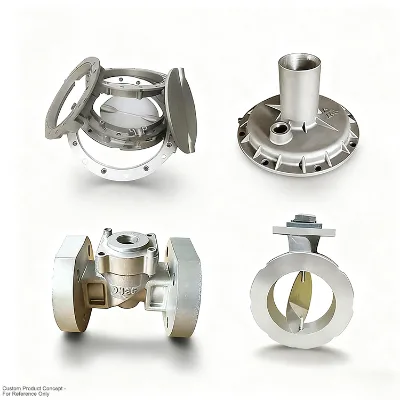

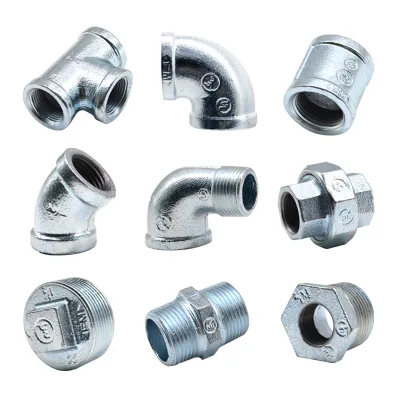
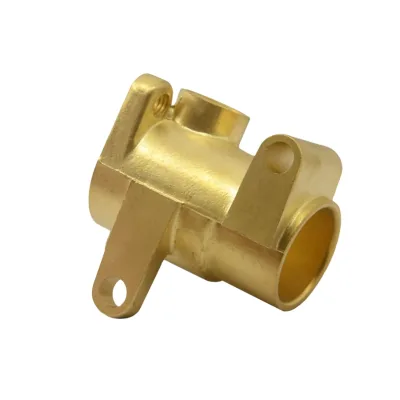
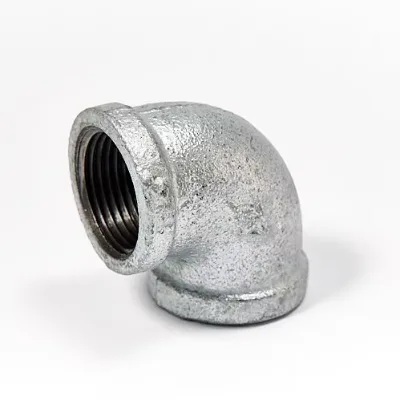
Premium Carbon Steel Elbow Fittings for Investment Casting Applications
$0.80 - $1.30
MOQ: 1000 Pieces


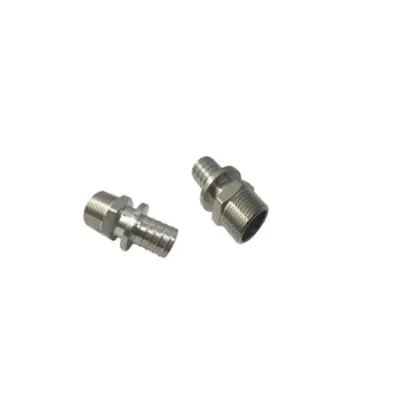
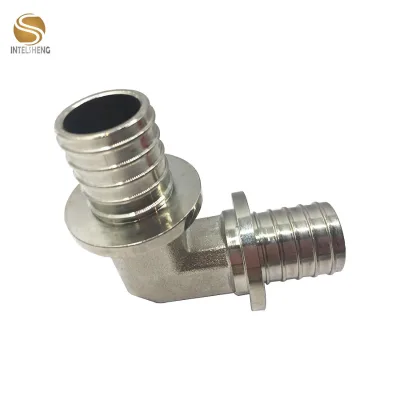
Customizable Precision Castings: 304/316 Stainless Steel Metal Fittings
$1.10 - $1.80
MOQ: 1000 Pieces


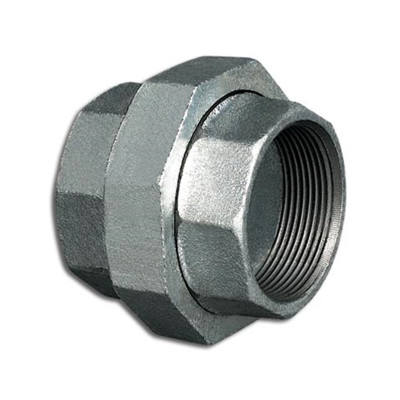
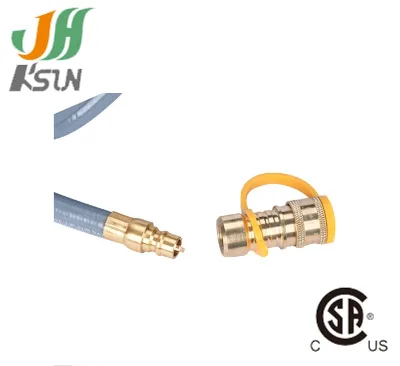

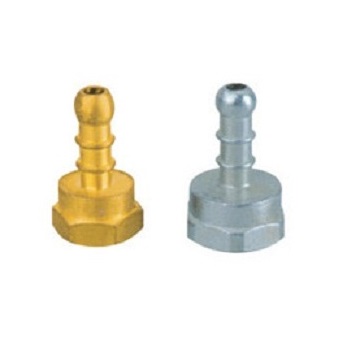
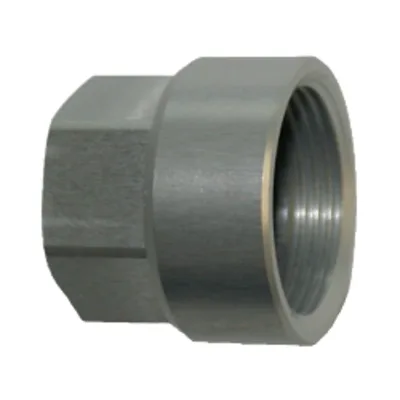
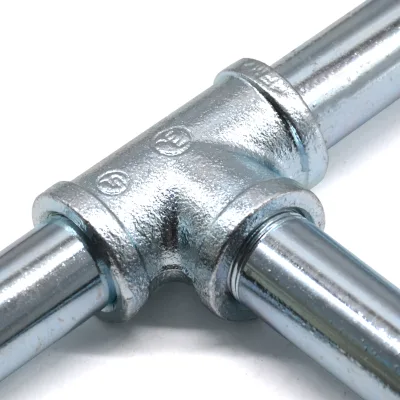
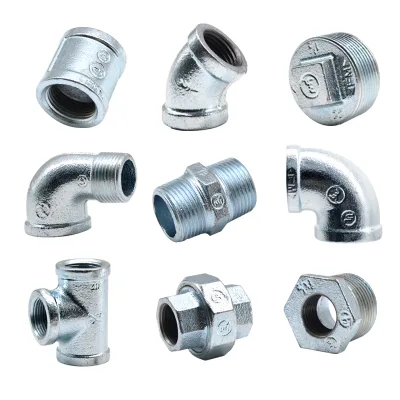
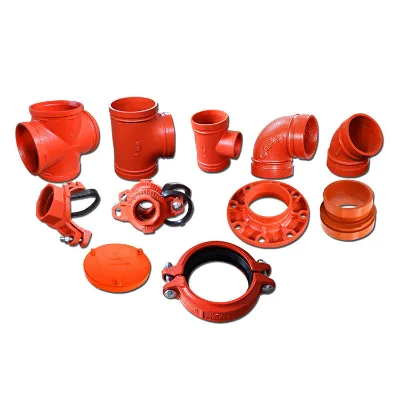
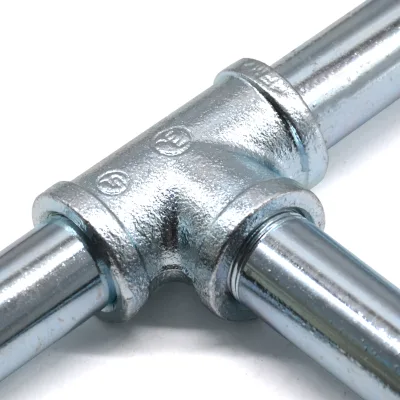
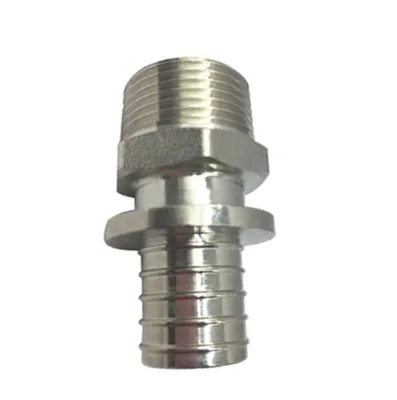
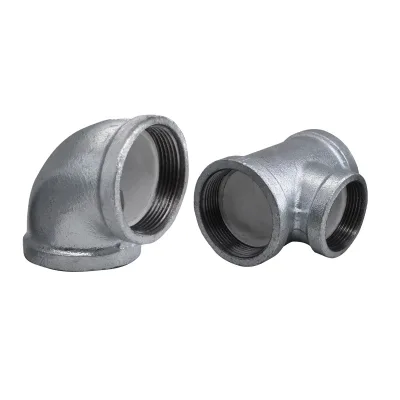
Round Pipe Fittings Steel Structure Natural Gas Custom Pipe Fittings Elbow
$0.1232 - $0.1544
MOQ: 5 pieces

Comprehensive Sourcing Guide
ISO 9001 Cast Gas Fitting Sourcing Guide
Sourcing high-integrity cast components for gas distribution systems requires a rigorous alignment between manufacturing capabilities and strict safety standards. Buyers must prioritize suppliers who demonstrate certified quality management systems, specifically ISO 9001, to ensure consistent production control. The observed market data indicates a diverse range of suppliers offering various casting methods, including sand casting, investment casting, and lost foam techniques. This variety allows for customization based on specific pressure ratings and geometric complexities, but it also necessitates careful verification of each supplier’s specific technical competencies.
Procurement teams should evaluate the intersection of material science and machining precision when selecting partners. The available product listings highlight materials such as iron and stainless steel, which are critical for corrosion resistance and structural integrity in gas applications. Furthermore, the presence of CNC machining capabilities alongside casting processes suggests that many suppliers can deliver finished parts with tight tolerances. This dual capability reduces the need for secondary processing and ensures that final dimensions meet the exact specifications required for safe gas fitting installations.
Product Scope and Observed Listing Signals
The current market landscape for cast gas fittings reveals a broad spectrum of manufacturing origins, primarily concentrated in regions like Zhejiang, China. Suppliers offer a wide range of product models, such as GC, SJ01756-13, SJ02364, and SJ02582, indicating a standardized yet customizable approach to component production. The observed price range spans from $0.12 to $1200, reflecting significant variations in material costs, part complexity, and order volumes. This disparity underscores the importance of defining precise requirements early in the sourcing process to avoid misaligned expectations regarding cost and quality.
Minimum order quantities (MOQs) vary considerably, ranging from single units to twenty thousand pieces, catering to both prototype development and mass production needs. Lead times are consistently reported between 35 and 45 days, with sample preparation taking approximately 35 days after payment. These timelines suggest a structured production workflow that balances speed with quality assurance. Buyers should note that packaging methods, such as export packing with carton boxes and wooden pallets, are standard, ensuring that delicate cast components arrive without damage during international transit.
Technical Specifications to Verify
Material selection is a critical decision point, with observed listings specifying both iron and stainless steel options. Iron components often utilize gravity casting or directional crystallization methods, while stainless steel parts may employ precision casting techniques. Buyers must verify the specific alloy grades and mechanical properties to ensure compatibility with the intended gas medium and operating pressures. The observed casting progress includes sand casting, lost foam casting, and investment casting, each offering different advantages in terms of surface finish and dimensional accuracy. Understanding these distinctions is vital for selecting the appropriate manufacturing method for specific application requirements.
Tolerance and surface finish specifications vary across suppliers, with some offering machining tolerances as tight as +/-0.01mm and others adhering to casting tolerances like CT9-CT12 or CT5-CT7. Surface roughness values observed include Ra1.6, Ra3.2, and Ra12, depending on the finishing process such as sand blasting or polishing. These parameters directly impact the sealing integrity and flow characteristics of gas fittings. Procurement teams should request detailed technical drawings and specify whether the demand includes both casting and machining drawings to ensure the final product meets all functional and safety criteria.
Compliance and Safety Documentation
ISO 9001 certification is a prevalent standard among observed suppliers, indicating a commitment to quality management systems. However, buyers must verify that this certification covers the specific manufacturing processes relevant to gas fittings, such as CNC machining and precision casting. The presence of certifications like AISI and DIN standards suggests adherence to recognized international norms for material and dimensional specifications. It is essential to confirm that the supplier’s quality assurance protocols include full-process quality inspection and metallographic analysis, which are critical for detecting internal defects in cast components.
Documentation should also include evidence of heat treatment processes, which are often specified as "as requirement" or "Tbd" in initial listings. Buyers must explicitly define heat treatment needs to ensure the material achieves the desired hardness and toughness. Additionally, the support for OEM services and customization indicates that suppliers can adapt to specific design requirements. Procurement teams should request certificates of conformity and material test reports to validate that the supplied components meet all regulatory and safety standards for gas distribution applications.
Cost Drivers and Commercial Terms
The cost of cast gas fittings is influenced by several factors, including material type, casting method, and machining complexity. Stainless steel components generally command higher prices than iron due to material costs and processing difficulties. The observed weight range of 0.005 to 20kg also impacts pricing, as heavier parts require more raw material and energy for casting. Buyers should analyze the total cost of ownership, considering not just the unit price but also the costs associated with quality assurance, packaging, and potential rework due to non-conformance.
Commercial terms such as MOQ and lead time play a significant role in budgeting and inventory management. The wide MOQ range allows for flexibility, but larger orders may offer better unit pricing. Lead times of 35-45 days require careful planning to avoid production delays. Buyers should negotiate clear terms regarding payment schedules, shipping responsibilities, and warranty provisions. Understanding these commercial dynamics helps in building a resilient supply chain that can adapt to fluctuations in demand and market conditions.
Supplier Qualification and Quality Control
Supplier qualification should begin with a thorough review of their manufacturing capabilities and quality control systems. The observed use of technologies like casting combined with CNC machining indicates a high level of technical proficiency. Buyers should assess the supplier’s ability to handle complex-shaped parts and their experience with various casting methods, including sand casting and investment casting. The availability of samples within 35 days allows for early validation of quality and fit, which is a crucial step in the supplier selection process.
Quality control measures should include rigorous inspection protocols at every stage of production. The observed emphasis on full-process quality inspection and metallographic analysis suggests a proactive approach to defect prevention. Buyers should request detailed quality plans that outline inspection points, testing methods, and acceptance criteria. Additionally, verifying the supplier’s ability to provide customized packaging and adhere to specific standard requirements, such as DIN or AISI, ensures that the final product meets all project specifications. Regular audits and performance reviews are essential for maintaining high standards over time.
Long-Term Procurement Checks
Establishing a long-term partnership with a cast gas fitting supplier requires continuous monitoring of performance metrics and compliance status. Buyers should track key indicators such as on-time delivery rates, defect rates, and responsiveness to quality issues. The observed lead time of 35-45 days should be consistently met to ensure supply chain stability. Regular communication and feedback loops help in identifying potential improvements and addressing any emerging challenges promptly. This proactive approach fosters a collaborative relationship that benefits both parties.
Technological advancements and regulatory changes may necessitate periodic updates to sourcing strategies. Buyers should stay informed about new casting techniques, material innovations, and evolving safety standards. The ability of suppliers to adapt to these changes, such as offering new customization options or improving surface finishes, is a valuable indicator of their long-term viability. By maintaining a focus on quality, compliance, and continuous improvement, procurement teams can secure a reliable supply of high-integrity cast gas fittings for their operations.
FAQs
How do ISO 9001 Cast Gas Fitting suppliers handle custom drawings?
Suppliers typically require both a casting drawing and a machining drawing before quoting custom work. Customization is available, and machining tolerance is commonly stated as per drawing or around plus or minus 0.01 millimeter. You should provide 2D or 3D files, specify material and surface treatment, and confirm heat treatment requirements early so the supplier can plan tooling and sampling.
What materials are commonly used for cast gas fittings from these listings?
Listed products are produced in materials such as iron and stainless steel, with standards referenced including AISI and DIN. Material selection depends on the working environment, pressure class, and machining needs. Confirm the exact grade, chemical composition, and any metallographic analysis requirements with the supplier before placing an order, since certification of material composition is usually provided per shipment.
What casting processes are used to make these gas fittings?
The listed parts are made using sand casting, investment casting, lost foam casting, and gravity casting, including thermal gravity casting with resin sand cores or chemical hardening sand. Process choice affects surface roughness, tolerance, and wall thickness. Investment casting suits complex shapes and finer tolerances such as CT5 to CT7, while sand casting is more economical for larger, simpler parts.
How long do sampling and production take for customized cast gas fittings?
Sample lead time is typically stated as 35 days after payment, and mass production lead time ranges from 35 to 45 days. These timelines assume the casting and machining drawings are complete and approved. Tooling complexity, heat treatment, and surface treatment such as sand blasting or polishing can extend schedules, so confirm milestones in writing before releasing payment.
What tolerances and surface finishes can buyers expect?
Casting tolerances commonly range from CT9 to CT12 for sand cast parts and CT5 to CT7 for precision investment cast parts. Machined dimensions are often controlled to around plus or minus 0.01 millimeter, and surface roughness values listed include Ra1.6, Ra3.2, and Ra12. Specify both casting tolerance and machining tolerance on your drawings to avoid ambiguity during quoting.
Can suppliers support OEM branding and custom packaging for gas fittings?
Yes, OEM support and customization are available from the listed suppliers, and dimensions are produced to OEM specifications. Packaging is described as export packing, or standard carton box with wooden pallet packing. When requesting quotes, state your marking, labeling, and pallet requirements, and confirm whether special packaging affects unit price or lead time before confirming the order.
What quality checks apply to cast gas fittings before shipment?
Listed suppliers describe full-process quality inspection, and some confirm metallographic analysis is performed. Heat treatment can be specified as required by the buyer. Ask for inspection reports covering dimensional checks, surface condition, and material analysis with each batch, and clarify whether third-party inspection is permitted before shipment, especially for safety-relevant gas applications.
Which wall thicknesses and weights are feasible for cast gas fittings?
The listings indicate a minimum wall thickness of about 1.5 millimeters and a part weight range from 0.005 to 20 kilograms, covering small precision fittings up to larger cast bodies. Feasibility depends on the casting process chosen; investment casting supports thinner walls and complex shapes, while sand casting accommodates heavier sections. Share your 3D model so suppliers can confirm manufacturability.