Source Excavator Track Chain Assy for Mining, Construction, and Forestry
Find 30 Excavator Track Chain Assy options from verified Chinese suppliers. Compare specifications like pitch, hardness, and model compatibility for Kubota, Cat, and custom applications before requesting quotes. Explore wear-resistant features, heat-resistant materials, and tear-resistant designs suitable for various heavy-duty tasks.
Updated
Key considerations
Products List


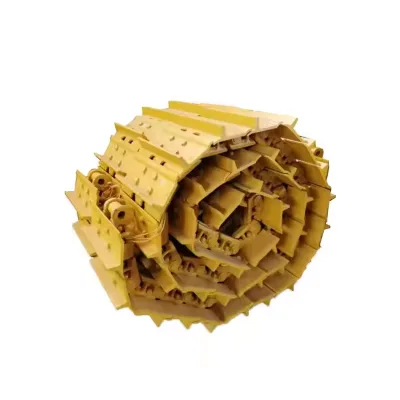
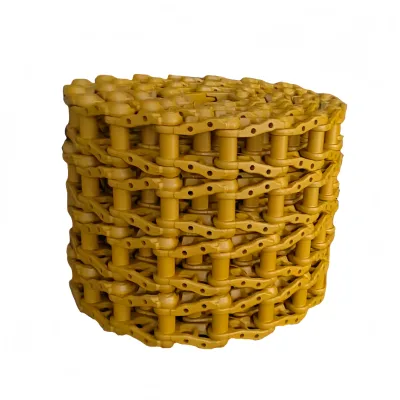


Excavator Track Chain Track Link Assy for Caterpillar Cat320 Undercarriage Spare Part
$400.00 - $450.00
MOQ: 1 pieces


Ex400h-3 Ex400-2 Ex400-5 Excavator Spare Parts Track Links Track Chain Assy
$300.00 - $1500.00
MOQ: 1 Pieces


R55-3 R55-7 R55-7A R55-9 Excavator Spare Parts Track Links Track Chain Assy
$300.00 - $1500.00
MOQ: 1 Pieces


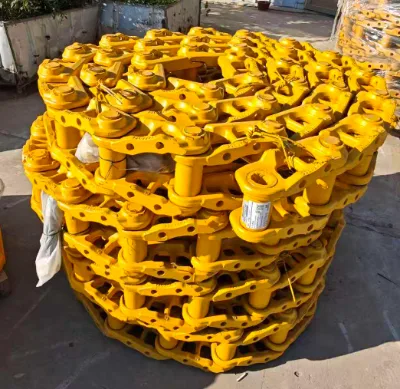
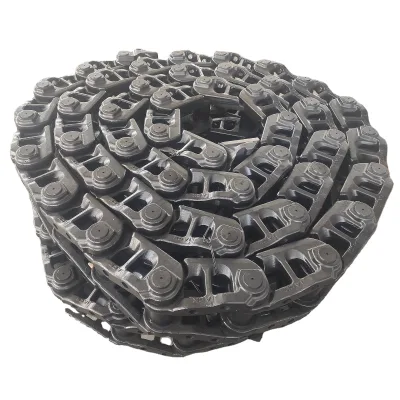
Comprehensive Sourcing Guide
Excavator Track Chain Assy Sourcing Guide
Procuring excavator track chain assemblies requires a disciplined approach to aligning mechanical specifications with operational demands. Buyers must first identify the specific undercarriage pitch and width compatible with their machinery, as these dimensions dictate fitment and load-bearing capacity. The observed market data indicates a wide range of pitch sizes, typically spanning from 90 to 592, which corresponds to various machine classes from compact units to large mining excavators. Selecting the correct pitch is critical to prevent premature wear on sprockets and idlers, ensuring the entire undercarriage system functions harmoniously.
Beyond dimensional compatibility, the material composition and manufacturing process significantly influence the longevity of the track chain. Suppliers often utilize high-carbon steel subjected to high-frequency quenching to achieve hardness levels between 30 and 62 HRC, providing essential resistance against abrasion and impact. Buyers should verify whether the components are forged or cast, as forging generally offers superior grain structure and durability for heavy-duty applications. Understanding these technical nuances allows procurement teams to balance initial cost against total cost of ownership, avoiding frequent replacements that disrupt project timelines.
Product Scope and Observed Listing Signals
The current market landscape for excavator undercarriage parts reveals a diverse array of product listings, primarily originating from manufacturing hubs in China, such as Quanzhou. Listings frequently highlight compatibility with major brands and models, including Kubota DC60, Cat6015B, and Cat390, indicating a broad scope of application across different machine types. Buyers should note that while many suppliers claim customization availability, the standard offerings often cater to specific model series like SH60, SH120, and SH220. This variability necessitates careful cross-referencing of part numbers to ensure the ordered assembly matches the existing equipment without requiring extensive modification.
Pricing and minimum order quantities (MOQ) exhibit significant variance, reflecting differences in material quality, packaging standards, and supplier scale. Observed price points range from modest amounts for individual components to several thousand dollars for complete, heavy-duty assemblies, with MOQs starting as low as two units. This flexibility allows smaller contractors to procure single replacements, while larger fleet operators can negotiate bulk rates. Additionally, packaging methods vary from simple film covering to robust fumigated wooden pallets, which is crucial for protecting the precision-machined surfaces during international shipping and preventing corrosion during transit.
Technical Specifications to Verify
Verifying the precise technical specifications of the track chain assembly is paramount to ensuring seamless integration with the host excavator. Buyers must confirm the pitch, width, and number of links, as these parameters directly affect the chain's tension and engagement with the drive sprocket. The observed data suggests that widths can be customized, with standard options like 500mm being common, but deviations can lead to misalignment and accelerated wear. It is essential to request detailed dimensional drawings from the supplier to validate that the new assembly matches the original equipment manufacturer (OEM) specifications exactly, particularly for critical interfaces like the pin and bushing connections.
Material hardness and heat treatment processes are equally critical technical factors that determine the service life of the track chain. Suppliers often cite hardness ratings between 30 and 62 HRC, achieved through high-frequency quenching and other heat treatment methods. Buyers should inquire about the specific heat treatment protocols used, as improper tempering can lead to brittleness or insufficient surface hardness. Furthermore, the finish of the components, whether smooth or textured, can impact friction and wear characteristics. Confirming these metallurgical details helps buyers assess the quality of the steel and the effectiveness of the manufacturing process in resisting the harsh conditions typical of excavation and mining environments.
Compliance and Safety Documentation
Ensuring that the excavator track chain assembly meets relevant safety and quality standards is a fundamental requirement for responsible procurement. Many suppliers provide certifications such as CE and ISO9001, which indicate adherence to international quality management systems and safety regulations. Buyers should request copies of these certificates to verify their validity and scope, ensuring that the manufacturing facility maintains consistent quality control practices. While ISO9001 is a common certification, it primarily addresses the management system rather than the specific product performance, so it should be viewed as a baseline indicator of supplier reliability rather than a guarantee of product durability.
In addition to general certifications, buyers should seek specific test reports or material certificates that detail the chemical composition and mechanical properties of the steel used. These documents provide objective evidence of the material's quality and its ability to withstand the stresses imposed during operation. For applications in regulated industries or specific regions, additional compliance documentation may be required to meet local safety standards. Procurement teams should establish a clear requirement for these documents during the sourcing phase to avoid delays in customs clearance or installation, ensuring that all imported components are fully compliant with applicable regulations.
Cost Drivers and Commercial Terms
Understanding the factors that influence the cost of excavator track chain assemblies enables buyers to make informed financial decisions. Key cost drivers include the type of steel used, the complexity of the heat treatment process, and the level of customization required. Standard sizes and widely compatible models often benefit from economies of scale, resulting in lower unit prices, while custom-made chains or those with specialized hardness requirements may carry a premium. Buyers should also consider the packaging and shipping costs, as robust packaging solutions like plywood cases or fumigated wooden pallets add to the overall expense but are necessary for protecting the product during transit.
Commercial terms, including payment conditions, delivery times, and warranty provisions, play a significant role in the total cost of ownership. Many suppliers offer delivery within three days after payment receipt, which is advantageous for urgent maintenance needs, but this speed may come at a higher cost. Warranty terms, such as a one-year guarantee against quality defects, provide a safety net for buyers but should be clearly defined in the contract. Buyers should negotiate these terms carefully, balancing the need for quick delivery and strong warranties against the initial purchase price to achieve the best value for their specific operational requirements.
Supplier Qualification and Quality Control
Evaluating supplier qualifications and implementing rigorous quality control measures are essential steps in mitigating procurement risks. Buyers should assess the supplier's manufacturing capabilities, including their experience with forging and casting processes, as these methods significantly impact the structural integrity of the track chain. Requesting references or case studies from previous clients can provide insights into the supplier's reliability and the performance of their products in real-world applications. Additionally, verifying the supplier's production capacity and lead times ensures that they can meet the buyer's delivery schedules without compromising on quality.
Implementing a comprehensive quality control plan, including pre-shipment inspections and third-party testing, helps ensure that the delivered products meet the specified standards. Buyers should define clear acceptance criteria for dimensions, hardness, and surface finish, and conduct random sampling or full inspections as appropriate. Establishing a clear communication channel with the supplier for addressing any non-conformities is crucial for resolving issues promptly. By prioritizing supplier qualification and active quality control, buyers can build a resilient supply chain that delivers consistent performance and minimizes the risk of costly failures in the field.
Long-Term Procurement Checks
Establishing long-term procurement checks ensures that the excavator track chain assemblies continue to meet performance expectations over time. Buyers should monitor the wear rates and failure modes of the installed chains to identify any recurring quality issues or design flaws. Collecting feedback from maintenance teams regarding the ease of installation and the overall durability of the components provides valuable data for future sourcing decisions. Regularly reviewing supplier performance metrics, such as on-time delivery rates and defect frequencies, helps maintain high standards and identifies opportunities for improvement in the supply chain.
Continuous engagement with suppliers for technical updates and product improvements is also vital for staying ahead of industry advancements. Suppliers may introduce new materials or manufacturing techniques that offer enhanced durability or cost savings, and buyers should be aware of these developments. Periodically re-evaluating the total cost of ownership, including maintenance and replacement costs, allows buyers to optimize their procurement strategy over the lifecycle of the equipment. By maintaining a proactive approach to supplier management and performance monitoring, buyers can ensure that their excavator undercarriage systems remain reliable, efficient, and cost-effective in the long run.
FAQs
What certifications do Excavator Track Chain Assy products have?
Excavator Track Chain Assy products typically hold CE and ISO9001 certifications to ensure quality and safety standards. These certifications verify that the manufacturing processes meet international requirements for durability and performance. Buyers should verify the specific condition, such as New, when reviewing supplier listings to ensure compliance with project specifications and regulatory needs.
What is the typical MOQ for Excavator Track Chain Assy orders?
The minimum order quantity for Excavator Track Chain Assy is generally 2 units. This baseline allows buyers to test product quality before committing to larger volumes. Suppliers may offer customization options for bulk orders, but the initial threshold remains consistent across many listings to manage production efficiency and inventory costs effectively.
How long is the delivery time for Excavator Track Chain Assy?
Delivery time is usually within 3 days after payment receipt. This rapid turnaround supports urgent project requirements and minimizes downtime for heavy machinery operations. The port of delivery is often Guangzhou, facilitating efficient logistics for international shipments. Buyers should confirm exact timelines with suppliers to account for shipping transit durations.
What materials are used in Excavator Track Chain Assy construction?
Excavator Track Chain Assy components are constructed from rubber and steel to balance flexibility with structural integrity. The steel provides wear resistance, while rubber elements absorb shock and reduce noise. This combination ensures the undercarriage performs well in mining and construction environments, offering a durable solution for high-stress applications and heavy loads.
What is the hardness rating for Excavator Track Chain Assy parts?
The hardness rating for Excavator Track Chain Assy parts ranges from 30 to 62 HRC. This variation allows for tailored performance based on specific operational demands, such as abrasion resistance or impact tolerance. High-frequency quenching and other heat treatments are employed to achieve these precise hardness levels, ensuring longevity and reliability in harsh working conditions.
Can Excavator Track Chain Assy be customized for specific models?
Yes, Excavator Track Chain Assy can be customized for specific models like Kubota DC60 or Cat6015B. Customization options include dimensions, pitch, and compatibility with various crawler undercarriage sizes ranging from 90 to 592 pitch. Buyers should provide exact model numbers to ensure precise fitment and optimal performance for their specific machinery requirements.