Source Multi Function Skid Steer Loader for Construction, Farming, and Landscaping
Find 30 Multi Function Skid Steer Loader options with varying load capacities and engine types. Compare specifications from suppliers in Henan, China, including models like HY830 and HY870 with CE and ISO certifications; compare the available evidence and request quotations based on your requirements.
Updated
Key considerations
Products List

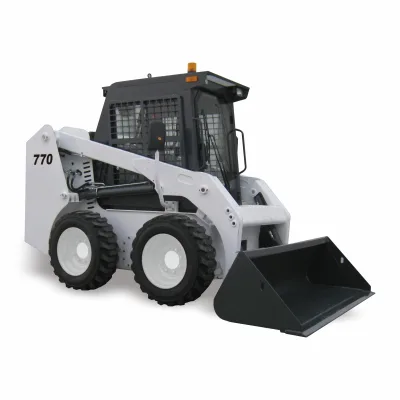


$15000.00 - $15500.00
MOQ: 1 Pieces


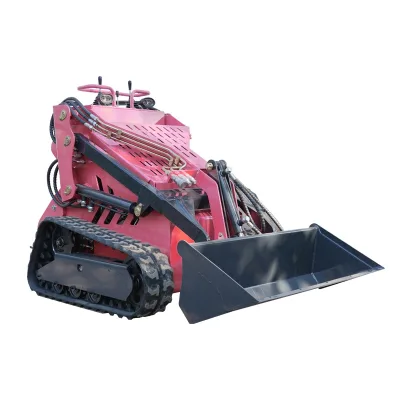


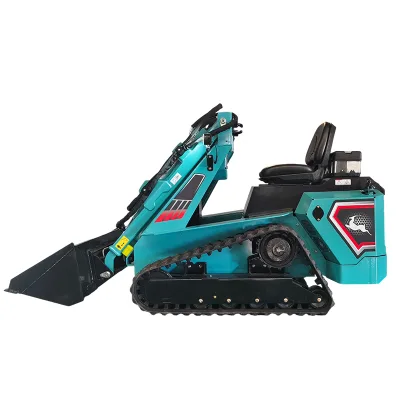
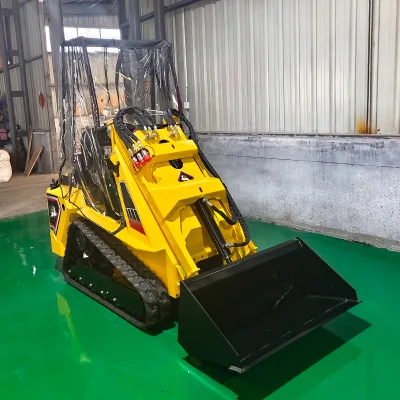
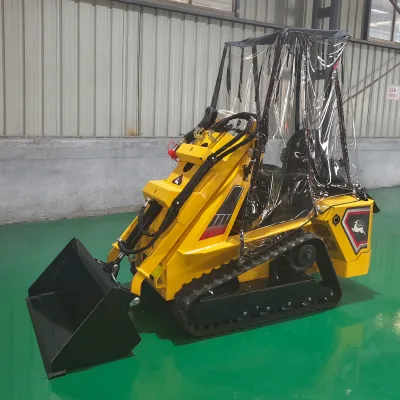
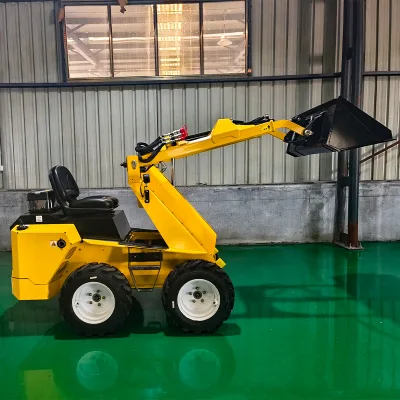
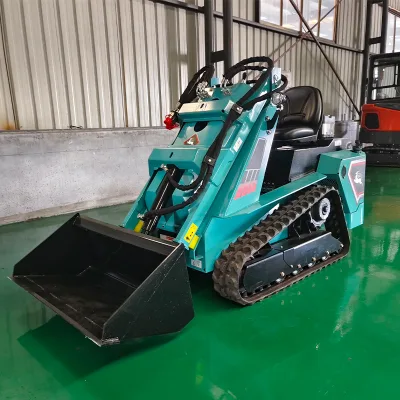
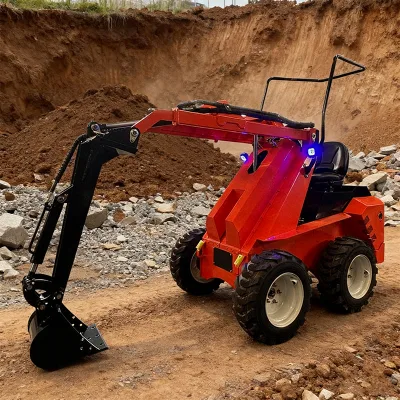


Multi-Function Mini Skid Steer Loader Chinese Brand Skid Steer Loader with Attachment
$1900.00 - $2300.00
MOQ: 1 Pieces
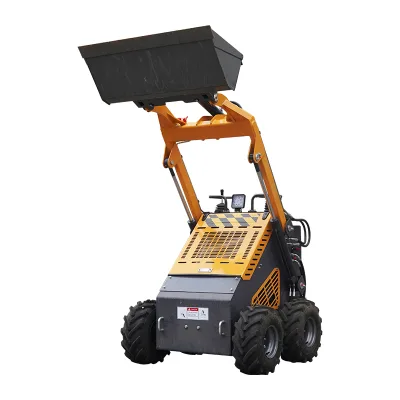
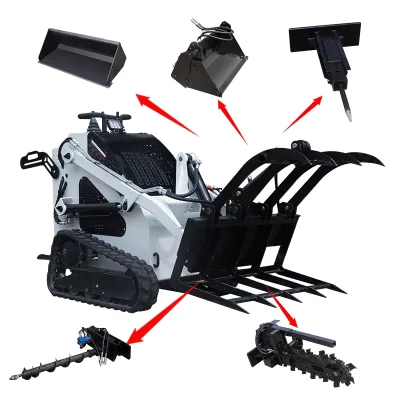
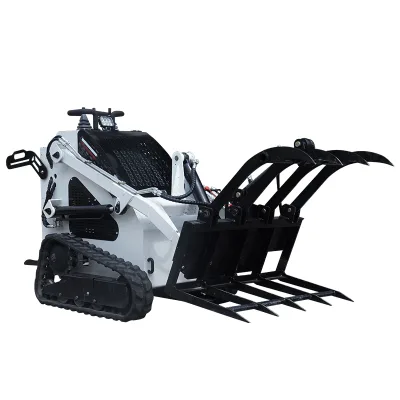
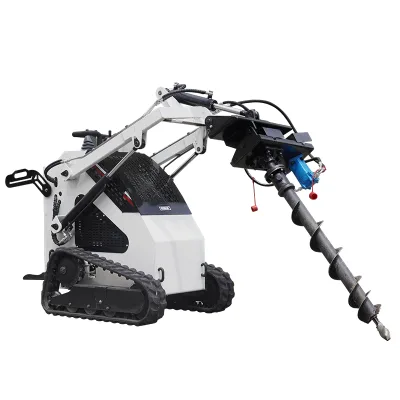
Comprehensive Sourcing Guide
Multi Function Skid Steer Loader Sourcing Guide
Buyers evaluating multi-function skid steer loaders must first distinguish between specific operational models like the HY830 and HY870, which offer distinct load capacities ranging from 730kg to 1740kg. The observed market listings indicate a diverse range of configurations, including side dumping styles and front discharge modes, requiring precise alignment with the intended material handling tasks. Procurement teams should verify whether the specific unit supports the required 1-10t load capacity or if it is optimized for lighter, high-efficiency applications within building material shops.
The commercial landscape for these machines reveals a price range between 1556.1 and 29000 USD, with minimum order quantities typically set at one or two units for single-item sales. This variability suggests that buyers must carefully assess the total cost of ownership, considering that some units are packaged in wooden cases while others use standard export packages. Understanding these baseline commercial terms is essential before engaging with suppliers, as the listed price often reflects specific customization options or regional shipping arrangements that impact the final landed cost.
Product Scope and Observed Listing Signals
When analyzing product listings, buyers should note that the core keyword often encompasses a broad spectrum of machine types, including backhoe loaders, mini loaders, and front wheel loaders. The observed data highlights specific attributes such as a 4-wheel drive system and hydraulic transmission, which are critical for maneuverability in tight construction environments. It is vital to confirm that the listed "Skid Steer" designation aligns with the actual moving type, as some listings may conflate different loader categories under a single search term.
The visual and descriptive signals in listings frequently emphasize high operating efficiency and specific engine brands like Changchai, paired with KYB hydraulic pumps. Buyers must scrutinize these claims against the actual specifications provided, such as the 45KW power output or the 39HP rated power, to ensure the machine meets the performance demands of the job site. Additionally, the presence of video outgoing-inspection services offers a tangible verification method for assessing the physical condition of the unit before purchase.
Technical Specifications to Verify
Technical due diligence requires a rigorous check of the engine capacity, which typically falls within the 4-6L range for these diesel-powered units. Buyers must verify the rated power and rotatig speed, ensuring the machine delivers the necessary 2500rpm output for consistent performance under load. The operating load capacity is a critical differentiator, with observed values ranging from 730kg to 870kg for specific models, while maximum loading capabilities can extend up to 1460kg or 1740kg depending on the configuration.
Further verification should focus on the tire specifications and dumping mechanisms, as the data indicates a preference for radial tires with a tubeless design of 10-16.5 inches. The dumping type is another key specification, with side dumping styles and rear dump modes appearing in different listings, directly influencing the suitability for specific material types. Buyers must also confirm the hinge pin height and bucket capacity, such as the 0.42m3 volume, to ensure the machine can handle the required volume of material efficiently.
Compliance and Safety Documentation
Compliance verification is paramount when sourcing industrial machinery, and the observed listings frequently cite CE and ISO certifications as standard markers of quality. Buyers should explicitly request documentation proving that the emission standards meet the Euro requirements, as this is a critical regulatory hurdle for importing equipment into many international markets. The presence of these certifications should be cross-referenced with the specific model number to ensure that the compliance status applies to the exact unit being purchased.
Safety documentation must also include detailed information on the machine's warranty terms, which are observed to be offered for a period of two years in several listings. This warranty coverage is a significant indicator of the manufacturer's confidence in the core components, particularly the engine and hydraulic systems. Procurement teams should ensure that the warranty terms clearly define the scope of coverage for parts and labor, as well as the procedures for claiming support in the event of a mechanical failure.
Cost Drivers and Commercial Terms
The final cost of a multi-function skid steer loader is heavily influenced by the customization options available, which can significantly alter the base price of the unit. Buyers should inquire about the specific costs associated with adding custom features or modifying the standard package, as the observed listings indicate that customization is a standard offering. Understanding the breakdown of these costs is essential for budgeting, as the difference between a standard export package and a specialized wooden case can impact the overall expenditure.
Commercial terms also include the shipping and delivery logistics, which are often tied to the place of origin, typically identified as Henan, China. Buyers must clarify the lead times and shipping methods, as the distance to the showroom location in the United States or other destinations will affect the delivery schedule. Additionally, the selling units are often listed as single items, meaning that bulk discounts may not be immediately apparent, requiring negotiation on a per-unit basis for larger orders.
Supplier Qualification and Quality Control
Supplier qualification should begin with a review of the place of origin and the specific manufacturing capabilities of the facility in Henan, China. Buyers are advised to request video outgoing-inspection services, which provide a visual confirmation of the machine's condition and assembly quality before it leaves the factory. This step is crucial for mitigating the risk of receiving a unit that does not match the described specifications or that has suffered damage during the manufacturing process.
Quality control processes must also be validated through the supplier's adherence to the listed standards and certifications. The presence of core components like the engine and hydraulic pump from reputable brands such as Changchai and KYB suggests a commitment to quality, but buyers should verify the authenticity of these parts. Establishing a clear communication channel for post-sale support is equally important, ensuring that any technical issues can be resolved promptly through the supplier's warranty and service network.
Long-Term Procurement Checks
Long-term procurement success depends on the availability of spare parts and the durability of the machine's core components over time. Buyers should assess the supplier's track record for providing replacement parts for the engine and hydraulic systems, as these are the most critical and expensive components to replace. The observed warranty period of two years provides a baseline for support, but buyers must determine the long-term availability of parts beyond this initial period to ensure operational continuity.
Finally, buyers should monitor the machine's performance in real-world conditions to validate the claimed operating efficiency and load capacities. Regular maintenance checks should be scheduled to ensure that the 4-wheel drive system and hydraulic transmission continue to function at peak performance levels. By maintaining a proactive approach to equipment management, procurement teams can maximize the return on investment and extend the service life of the multi-function skid steer loader.
FAQs
What is the rated load capacity of a Multi Function Skid Steer Loader?
The rated load capacity typically ranges from 1 to 3 tons, with specific models supporting up to 1740 kilograms. This allows for efficient handling of heavy materials in construction or agricultural settings. Buyers should verify the exact operating load, which may be around 730 to 870 kilograms, to ensure the machine meets their specific material handling requirements.
Can a Multi Function Skid Steer Loader be customized for specific tasks?
Yes, customization is available for multi function skid steer loaders to suit various operational needs. Manufacturers often offer options for different dumping types, such as side dumping styles, and various tire designs like radial tubeless tires. These customizations help optimize the machine for specific environments, ensuring better performance and adaptability for diverse industrial applications.
What certifications are required for importing a Multi Function Skid Steer Loader?
Common certifications for these machines include CE and ISO standards, ensuring compliance with international safety and quality regulations. Buyers should verify that the supplier provides valid documentation for these certifications before placing orders. These standards are crucial for market entry in regions with strict regulatory requirements, facilitating smoother customs clearance and operational safety.
What is the typical warranty period for a Multi Function Skid Steer Loader?
The typical warranty period for a Multi Function Skid Steer Loader is two years. This coverage usually includes core components like the engine, providing peace of mind for buyers. It is advisable to confirm the specific warranty terms with the supplier, as coverage details may vary. A robust warranty ensures long-term reliability and reduces maintenance costs over the machine's lifecycle.
How is a Multi Function Skid Steer Loader packaged for shipping?
Multi function skid steer loaders are typically packaged in wooden cases or standard export packages to ensure safe transit. This protective packaging prevents damage during long-distance shipping and handling. Buyers should confirm the packing details with the supplier to ensure the machine arrives in optimal condition. Proper packaging is essential for maintaining the integrity of the equipment upon delivery.
What is the minimum order quantity for a Multi Function Skid Steer Loader?
The minimum order quantity for a Multi Function Skid Steer Loader is usually one unit, allowing for flexible purchasing. This low MOQ enables buyers to test the machine or acquire a single unit for specific projects. Suppliers often accommodate small orders, making it easier for businesses to integrate these versatile machines into their operations without significant initial inventory commitments.