Source Infant Baby Rattle for Sensory, Teething, and Play
Find 30 Infant Baby Rattle options from China suppliers. Compare plastic models with En71 and ASTM certifications, varying MOQs, and custom packaging. Source musical toys designed to develop hearing ability for infants and toddlers; compare the available evidence and request quotations based on your requirements.
Updated
Key considerations
Products List
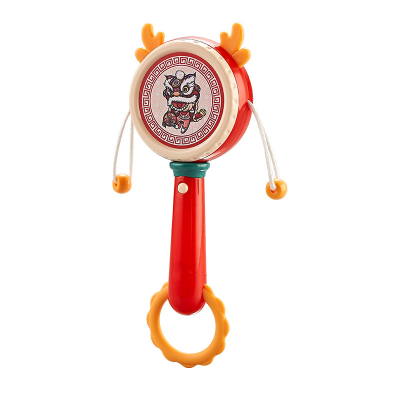
Baby Music Rattle Rattle Eco-Friendly Plastic Soothing Toy Baby Rattle
$1.9832 - $2.0042
MOQ: 100 pieces
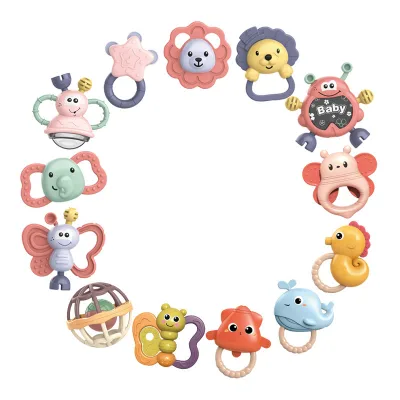


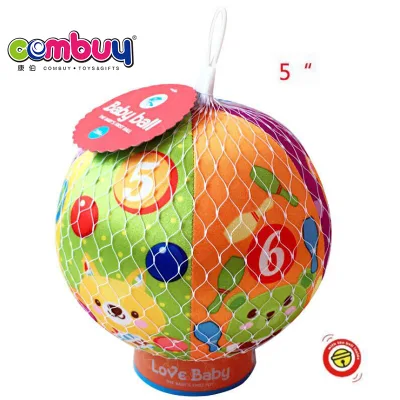
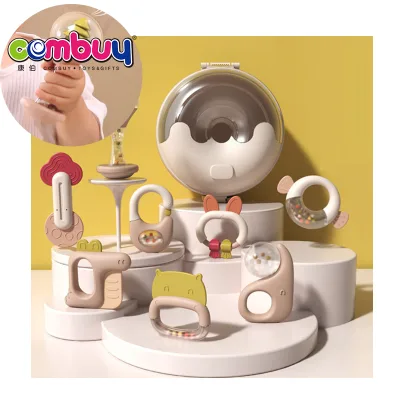
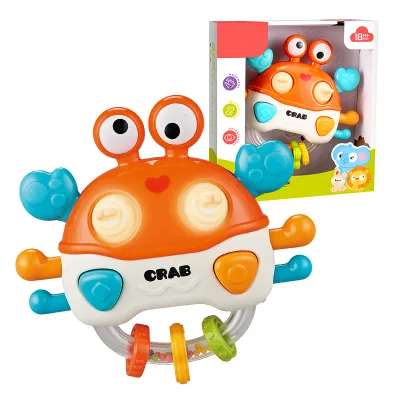
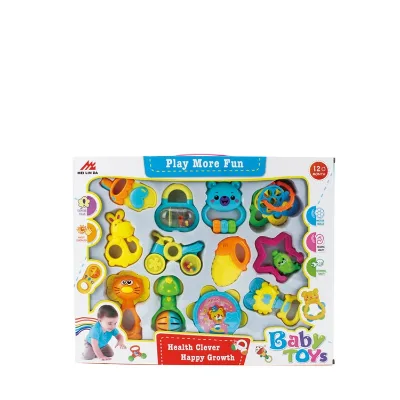
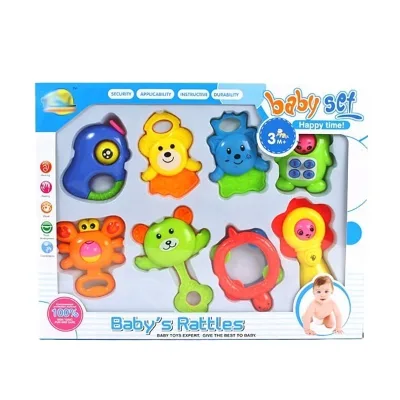
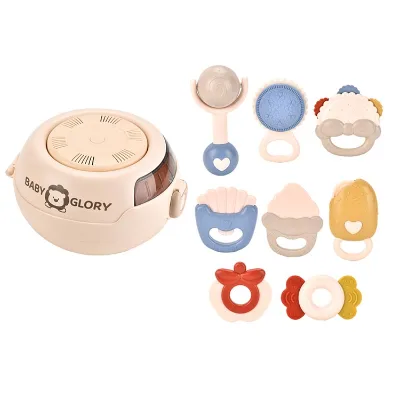
Infant Baby Gift 8PCS Non-toxic Rattle Toys UV Disinfection Safety Plastic Baby Rattle Toys
$9.9594 - $10.8033
MOQ: 40 pieces
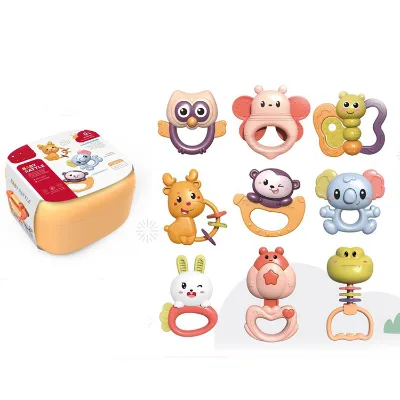
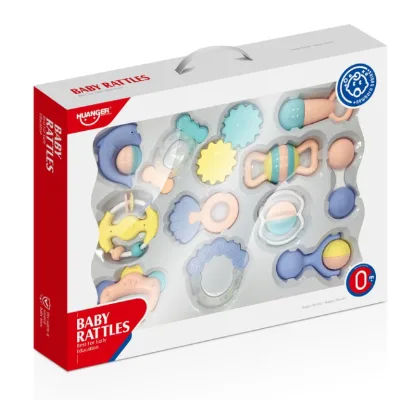
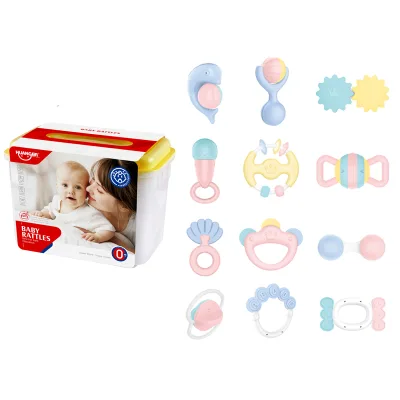
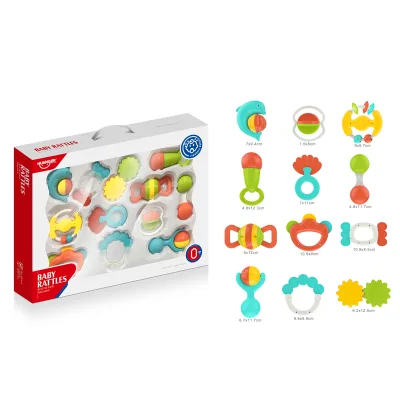
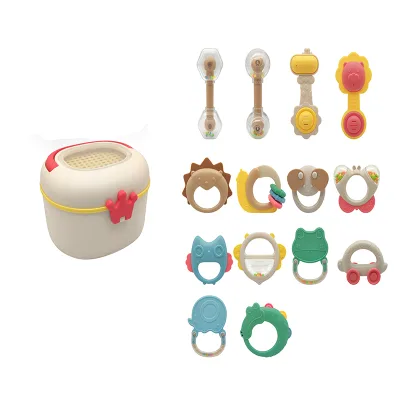
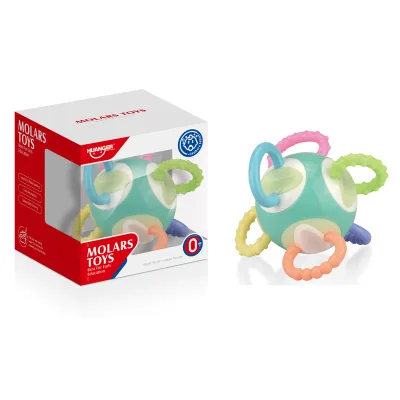


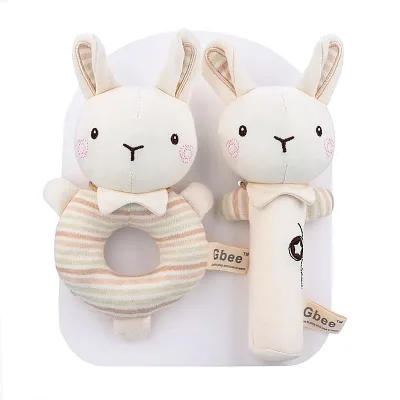
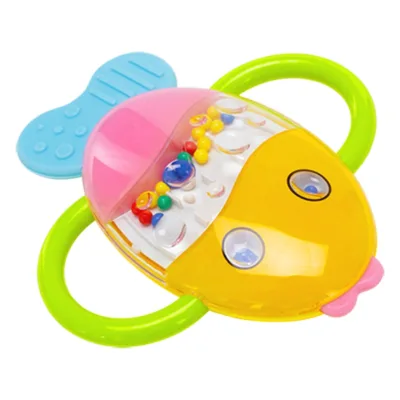
Cartoon Fish Shape Infant Newborn Baby Toddler Colorful Beads Rattle Toy
$0.7285 - $0.7915
MOQ: 72 pieces
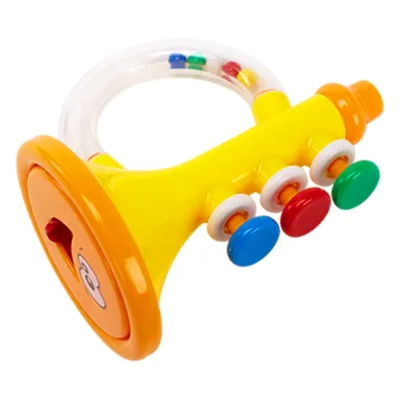
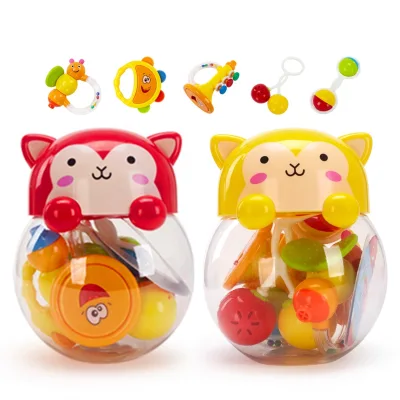
5pcs 3 Month Kids Toys Shaking Hand Bells Set Infant Soft Rattles Baby Music
$2.9275 - $3.2034
MOQ: 48 pieces
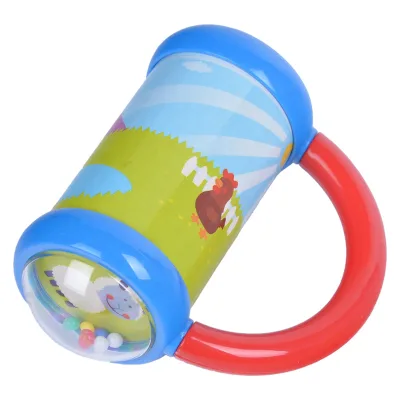
Wholesale Cartoon Animal Pattern Plastic Musical Hand Rattle for Baby
$0.8005 - $0.9159
MOQ: 72 pieces
Comprehensive Sourcing Guide
Infant Baby Rattle Sourcing Guide
The Infant Baby Rattle market features diverse offerings designed to develop hearing ability and provide comfort for children ranging from newborns to seven years old. Buyers observe products constructed primarily from plastic, with specific models available in green, red, and various classic or Nordic color sets. These items function as musical toys and soft comforters, often packaged in single units or specialized storage boxes to facilitate organization and gifting.
Procurement strategies must account for the wide variance in product attributes, including age ranges from 0-3 months up to 5-7 years. Sourcing teams should verify that the specific model selected aligns with the intended developmental stage, as some listings target infants under 24 months while others cater to toddlers. The availability of customized designs and logos allows brands to differentiate their offerings in a competitive landscape dominated by manufacturers in Guangdong and Shantou.
Product Scope and Observed Listing Signals
Buyers should analyze the observed listing signals to understand the breadth of the category, noting that prices range from 0.3 to 10.8 USD with minimum order quantities varying significantly between 2 and 2000 pieces. While some suppliers list a standard MOQ of 100 pieces, others may require volumes up to 10,000 units, necessitating careful alignment with inventory budgets and sales forecasts. The supply ability of major manufacturers can reach 100,000 pieces per month, ensuring capacity for large-scale distribution needs.
Product descriptions frequently highlight eco-friendly materials and specific functional goals like developing hearing ability, yet these attributes should be treated as observations rather than universal guarantees. The physical dimensions of single packages vary, with some items measuring 8x3x21 cm while others are part of larger sets with box sizes reaching 62x57x85 cm. Buyers must scrutinize the specific model numbers, such as RFD278660 or RFD352248, to confirm that the physical specifications match the logistical requirements of their supply chain.
Technical Specifications to Verify
Technical verification begins with confirming the material composition, as the majority of observed listings specify plastic construction, though some variations may include soft rubber elements. It is critical to validate the single gross weight, which is listed at 0.300 kg for certain models, to ensure accurate freight cost calculations and packaging efficiency. The style of the toy, whether categorized as a musical toy or a soft toy, directly impacts the manufacturing process and the resulting tactile experience for the end user.
Buyers must also verify the packaging details, which range from simple OPP bags to double blister cards and carton boxes with specific dimensions like 80x54x71.5 cm. The standard product sizes, such as 10.2x24.8 cm or 13.6x20.2 cm, dictate the storage requirements and shelf presentation in retail environments. Confirming the port of dispatch, typically Shenzhen, and the origin location, whether Guangdong or Shantou, helps in assessing the logistical lead times and potential shipping risks associated with the supply chain.
Compliance and Safety Documentation
Safety compliance is paramount for infant products, and buyers should verify that suppliers possess recognized certifications such as En71, ASTM, EnCE, and EnASTM. These standards indicate that the products have undergone specific testing for mechanical safety, chemical composition, and physical hazards relevant to young children. The presence of these certifications on the product listing serves as a primary indicator of a supplier's commitment to meeting international safety requirements for the toy industry.
However, the absence of a specific certification in a listing does not automatically disqualify a product, but it requires immediate clarification from the supplier regarding their testing protocols. Buyers should request valid test reports that correspond to the specific model numbers and production batches to ensure that the safety claims are substantiated by recent data. Relying solely on the generic mention of "Eco-friendly" without supporting documentation is insufficient for high-risk categories like infant rattles.
Cost Drivers and Commercial Terms
Cost structures are heavily influenced by the minimum order quantity, which can range from a low of 2 pieces to a high of 10,000 pieces depending on the supplier's policy. Buyers must negotiate terms that balance the unit price, observed between 0.3 and 10.8 USD, with the volume commitments required to achieve favorable pricing tiers. The customization of logos and packaging designs often incurs additional setup costs, which should be factored into the total landed cost before finalizing the purchase order.
Commercial terms also include the supply ability, which is listed as 100,000 pieces per month for some manufacturers, ensuring that large orders can be fulfilled without significant delays. However, lead times and production schedules must be confirmed explicitly, as the generic supply ability does not guarantee immediate availability for custom orders. Buyers should clarify the payment terms and the specific conditions under which the customized design and logo services are provided to avoid unexpected expenses.
Supplier Qualification and Quality Control
Supplier qualification requires a thorough review of the manufacturer's location, with key production hubs identified in Guangdong and Shantou, China. Buyers should assess the supplier's capacity to handle OEM requests, as many listings indicate that OEM services are available, allowing for brand-specific customization. The ability to accept customized logos and packaging designs suggests a flexible manufacturing process, but this flexibility must be backed by a robust quality control system to maintain consistency.
Quality control measures should include pre-shipment inspections that verify the physical attributes, such as color accuracy in green, red, and orange sets, and the integrity of the plastic or rubber materials. Buyers must ensure that the supplier adheres to the specified single package sizes and gross weights to prevent discrepancies during the receiving process. Establishing a clear communication channel for addressing defects and ensuring that the product meets the stated age range requirements is essential for maintaining brand reputation.
Long-Term Procurement Checks
Long-term procurement success depends on maintaining a consistent relationship with suppliers who can reliably meet the evolving demands of the infant toy market. Buyers should regularly audit the supplier's certification status to ensure that En71, ASTM, and other safety standards remain current and valid for ongoing production runs. Continuous verification of the supply ability and lead times helps in managing inventory levels and preventing stockouts during peak sales seasons.
It is also vital to monitor the product specifications for any changes in materials or design that could impact safety or performance. Buyers should establish a protocol for re-validating the product attributes, such as the age range and functional claims, whenever a new batch is produced. By maintaining a proactive approach to supplier management and quality assurance, buyers can ensure a steady supply of safe and engaging infant baby rattles that meet the expectations of their customers.
FAQs
What certifications do these Infant Baby Rattle toys have?
The Infant Baby Rattle toys hold EnCE, EnASTM, ASTM, and En71 certifications. These standards ensure the products meet rigorous safety requirements for children. Buyers can verify compliance through the provided documentation. This guarantees that the plastic materials and construction are safe for infants and toddlers during play.
Can I customize the logo and packaging for these toys?
Yes, customization is available for both logos and packaging designs. The supplier accepts customized logos to match your brand identity. Packaging options include Opp Bags, Double Blister Cards, and Carton Boxes. This flexibility allows buyers to tailor the product presentation to specific market needs or retail requirements effectively.
What is the minimum order quantity for these baby rattles?
The minimum order quantity is 100 pieces for standard orders. Some specific configurations may require a higher MOQ of 10,000 pieces. Buyers should confirm the exact MOQ based on the selected model and customization level. This ensures the production run is viable for the supplier while meeting buyer volume needs.
Where are these Infant Baby Rattle toys manufactured?
These toys are manufactured in Guangdong and Shantou, China. The primary port of dispatch is Shenzhen, facilitating efficient export logistics. Buyers can trace the origin to ensure alignment with their sourcing preferences. This location offers established supply chains for plastic baby toys and related accessories.
What age range is suitable for these musical baby rattles?
These rattles are suitable for ages 0 to 24 months, 2 to 4 years, and 5 to 7 years. Specific models target infants aged 0-3 months and 7-9 months. The design develops hearing ability and provides comfort. This wide age range allows buyers to stock products for various developmental stages.
What is the monthly supply capacity for these baby toys?
The monthly supply capacity is 100,000 pieces per month. This high volume supports large-scale orders and consistent restocking needs. Buyers can rely on this capacity for steady supply chain operations. The manufacturer ensures timely delivery to meet global demand for infant rattles and comfort toys.