Source Bath Duck Toys for Promotions, Gifts, and Play
Source 30 Bath Duck options for promotions, gifts, and play. Compare models like H-XF001 and H-FF22, featuring PVC and plastic materials, custom logos, and ENCE certifications for safe, fun bath time; compare the available evidence and request quotations based on your requirements.
Updated
Key considerations
Products List


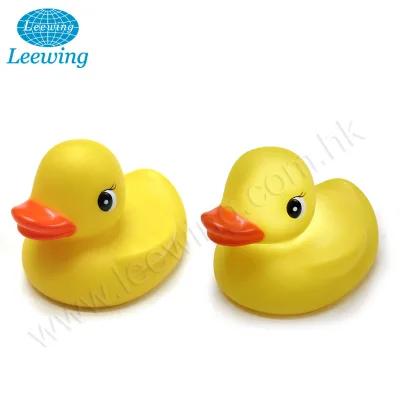
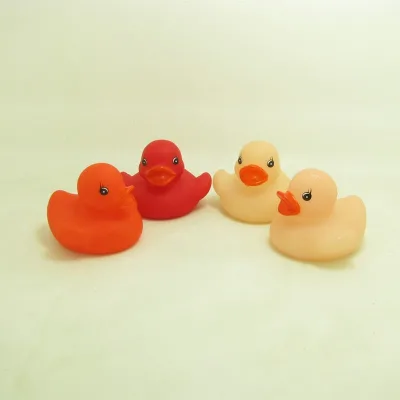
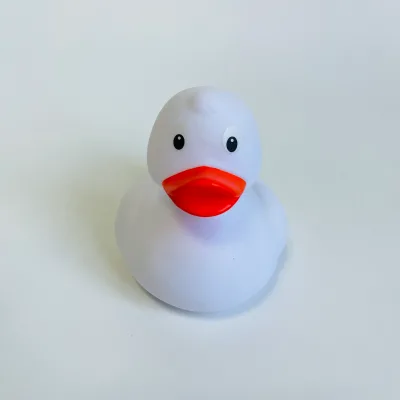
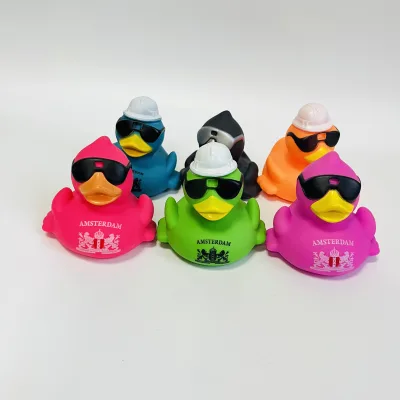
High Quality Flashing Changing Color Floating Bath Duck with Light
$0.3127 - $0.8348
MOQ: 1000 Minimum
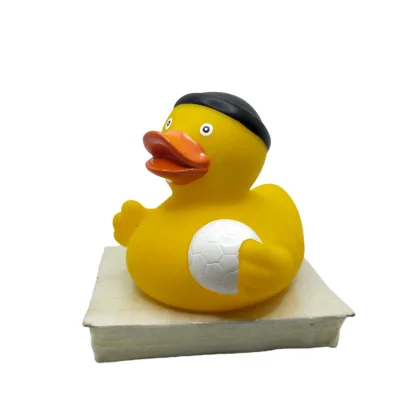

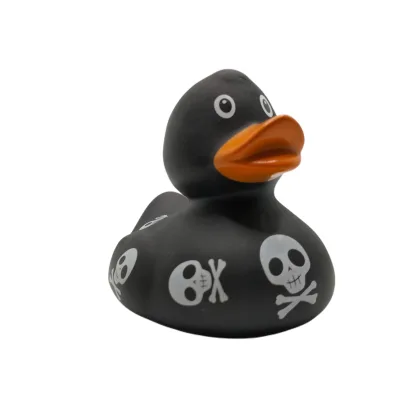
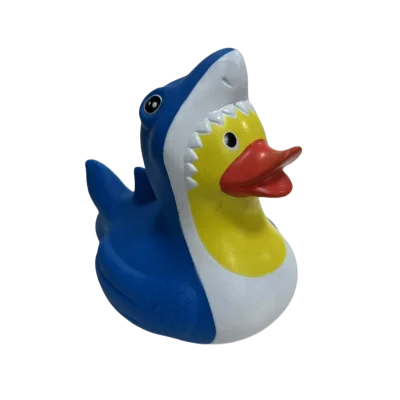


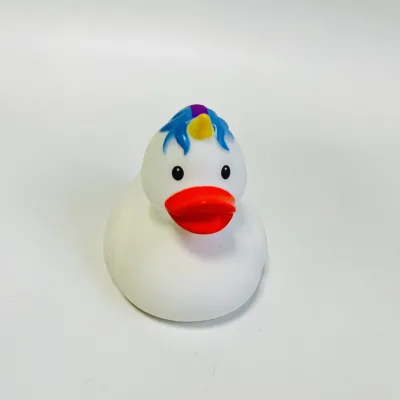
Comprehensive Sourcing Guide
Bath Duck Sourcing Guide
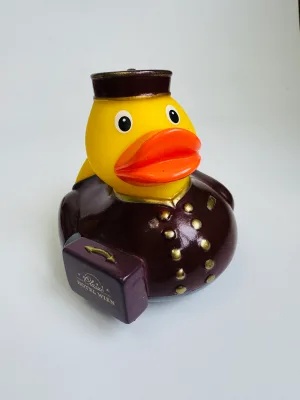
Procuring bath ducks requires a clear understanding of the diverse product landscape, which ranges from simple plastic squeeze toys to complex electronic models. Buyers must first define the target demographic, as observed listings indicate age ranges spanning from toddlers aged two to four years up to teenagers and adults. This broad spectrum necessitates distinct design choices, such as the "Animal" shape and "Cartoon Toy" styles seen in models like H-XF001 and H-LF129, versus the "Model Toy" aesthetic of H-FF22. Understanding these stylistic distinctions is crucial for aligning inventory with specific market segments, whether for promotional giveaways or dedicated retail channels.
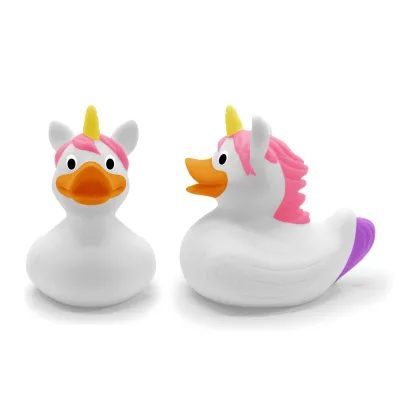
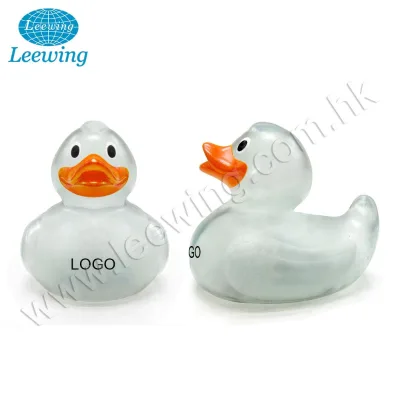
The material composition is another critical differentiator that influences both safety and functionality. While many products utilize standard plastic, specific models like the Vinyl Transparent Duck (L39-XM9-Tran) and the Colorful Unicorn Bath Duck (3002M) employ PVC or specialized vinyl to achieve transparency or unique color-changing effects. These material choices directly impact the manufacturing process and the final tactile experience for the user. Buyers should evaluate whether the desired product requires eco-friendly safety materials, as indicated by specific supplier claims, to meet modern consumer expectations for non-toxic, bath-safe items that withstand frequent water exposure and cleaning.
Product Scope and Observed Listing Signals
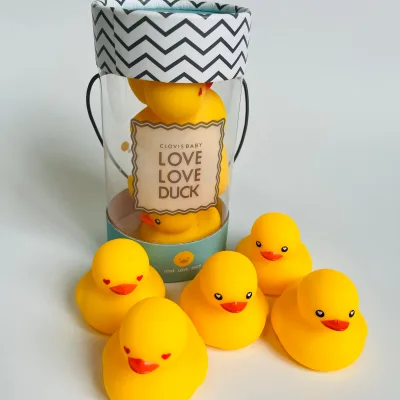
The current market offers a wide variety of Bath Duck configurations, each serving different commercial purposes. Observations reveal products designed for promotional use, featuring full-color logo printing and pad print imprints, which are ideal for corporate branding or event giveaways. Models such as H-XF001 and H-LF023 are packaged in OPP bags, suggesting a cost-effective solution for high-volume distribution. In contrast, retail-focused items like the Changing Color Floating Bath Duck with Light (S679-1065F) come in polybag or box packaging, indicating a higher value proposition that requires more robust presentation to justify the price point and attract end-consumer attention in competitive retail environments.
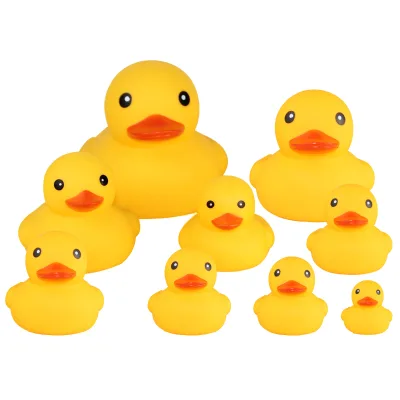
Size and dimension specifications vary significantly across the observed product range, affecting storage efficiency and shipping costs. Dimensions range from compact 5cm items to larger models measuring up to 10x9x9cm, such as H-LF129. The Colorful Unicorn Bath Duck measures approximately 8x6.5x7.5cm, while the Vinyl Transparent Duck is slightly smaller at 7.8x6.2x6.7cm. These physical attributes must be carefully considered when planning logistics, as even small differences in volume can accumulate into substantial freight cost variations. Buyers should verify these exact dimensions against their packaging requirements to ensure optimal palletization and minimize wasted shipping space.
Technical Specifications to Verify
Model numbers serve as the primary identifier for technical verification, with distinct codes like H-RL01, H-YC05, and 3002M representing unique product lines. Each model number corresponds to specific design features, such as the "Bath Toy" style of the Unicorn Duck or the "Funny" usage category of other plastic variants. Buyers must cross-reference these model numbers with detailed technical datasheets to confirm functional attributes, such as whether a duck floats, squeaks, or changes color. For instance, the S679-1065F model explicitly includes a light feature, which introduces electrical components that require separate verification for durability and water resistance compared to standard non-electronic plastic ducks.
Packaging and origin details are essential for supply chain planning and regulatory compliance. Products originate from key manufacturing hubs like Zhejiang and Guangdong, China, which may influence lead times and shipping routes through ports like Hong Kong. The supply ability for certain items, such as the Unicorn Duck, is listed at 100,000 pieces per month, providing insight into the supplier's capacity for large orders. Buyers should verify if this capacity is consistent across all requested models and confirm the specific packaging details, such as the transition from simple OPP bags to more complex boxed sets, to ensure the final product presentation meets brand standards.
Compliance and Safety Documentation
Safety is paramount for bath toys, especially those targeting younger children. The observed listings highlight "Eco-Friendly Material" and "Eco Friendly Safety Material" as key selling points, which must be substantiated by third-party testing reports. Buyers should request documentation confirming that the PVC or plastic materials used are free from harmful phthalates and heavy metals. Although specific certification statuses like EN71-3 or ASTM F963 are mentioned in background contexts, buyers must verify that the specific supplier for their order holds valid, current certificates for the exact materials and models being purchased, ensuring compliance with international safety standards for children's products.
Certification requirements also extend to electrical components if the product includes lights or sound features. The Changing Color Floating Bath Duck with Light likely requires additional safety checks for battery compartments and waterproofing integrity. Buyers should ensure that any electronic bath toys meet relevant electrical safety standards and that batteries are securely enclosed to prevent access by children. It is crucial to verify that the supplier provides test reports for both the material safety and the functional safety of any electronic elements, as these are critical for maintaining product liability protection and ensuring consumer trust in the brand.
Cost Drivers and Commercial Terms
Pricing for bath ducks varies based on complexity, material, and customization options. The observed price range spans from $0.15 to $5.00, reflecting the difference between simple plastic squeeze toys and more elaborate electronic or transparent vinyl models. Customization, such as full-color logo printing or pad print imprints, adds to the unit cost but can be essential for promotional campaigns. Buyers should analyze the cost-benefit ratio of customization versus standard assortments, considering that custom prints may require higher minimum order quantities or additional setup fees, which can impact the overall profitability of the procurement project.
Minimum Order Quantities (MOQ) and payment terms are significant factors in commercial negotiations. The observed MOQ range of 1 to 3,000 pieces offers flexibility for small businesses and large enterprises alike. However, buyers should be aware that lower MOQs may come with higher unit prices, while larger volumes might unlock discounts. It is advisable to negotiate clear payment terms and delivery schedules, especially when dealing with suppliers from different regions like Zhejiang or Guangdong. Understanding the total landed cost, including shipping and duties, is essential for accurate margin calculation, particularly when sourcing from international suppliers with varying logistical complexities.
Supplier Qualification and Quality Control
Supplier qualification begins with verifying their manufacturing capabilities and quality management systems. Buyers should assess whether the supplier has in-house molding and printing facilities, which can ensure better control over product consistency and lead times. For products with specific features like color-changing effects or lights, it is crucial to verify the supplier's experience with these technologies. Requesting samples of previous work, particularly for customized items, can provide insight into the supplier's attention to detail and ability to meet specific design requirements, ensuring that the final product aligns with the buyer's quality expectations.
Quality control processes should be clearly defined before placing orders. Buyers should establish clear acceptance criteria for defects, such as mold lines, color inconsistencies, or functional failures in electronic components. Implementing pre-shipment inspections is recommended to catch any issues before the goods leave the factory. For high-volume orders, consider hiring third-party inspection agencies to conduct random sampling based on statistical standards. This proactive approach helps mitigate the risk of receiving substandard products and ensures that the supplier adheres to the agreed-upon specifications for materials, dimensions, and packaging.
Long-Term Procurement Checks
Building a sustainable supply chain requires ongoing monitoring of supplier performance and market trends. Buyers should regularly review supplier delivery times, product quality consistency, and responsiveness to issues. Establishing a long-term partnership with reliable suppliers can lead to better pricing, priority production slots, and improved communication. It is also important to stay updated on changes in international trade regulations and safety standards, as these can impact the importation of bath toys. Proactively adapting to these changes ensures that the procurement process remains compliant and efficient over time.
Continuous improvement in product offerings is essential for maintaining competitiveness. Buyers should explore new trends, such as eco-friendly materials or innovative features like light-up functions, to differentiate their products in the market. Regularly updating the product portfolio based on customer feedback and sales data can help identify high-performing items and discontinue underperforming ones. By maintaining a flexible and responsive procurement strategy, buyers can effectively manage inventory levels, reduce waste, and maximize profitability in the dynamic bath toy market.
FAQs
What materials are used for bath ducks?
Bath ducks are primarily manufactured from plastic and PVC materials. These materials are selected for their durability and water resistance. Some products are explicitly described as eco-friendly or eco-friendly safety material. This ensures the toys are safe for children during bath time. The material choice supports the colorful and cartoon styles often seen in these items.
Can bath ducks be customized with logos?
Yes, customization is available for many Bath Duck products. Buyers can request full color logo printing using pad print techniques. The products are listed as customized or customizable options. This allows businesses to brand the toys for promotions or specific events. The customization service supports various design requirements for different marketing needs.
What certifications do bath ducks have?
Bath ducks may carry ENCE and ENCustomized certifications. These certifications indicate compliance with specific safety and quality standards. The products are designed to meet regulatory requirements for children's toys. Buyers should verify specific certification details for each model. The certifications help ensure the toys are safe for the intended age groups.
What is the typical packaging for bath ducks?
Bath ducks are commonly packaged in OPP bags or polybags. Some items may also come in boxes for retail presentation. The packaging details vary by model and supplier. Standard packing methods protect the toys during shipping and handling. Buyers can often request specific packaging configurations to suit their distribution channels.
What age groups are bath ducks suitable for?
Bath ducks are suitable for a wide range of ages. Some models are designed for children aged 3 to 8 years. Others are labeled for all ages or specific ranges like 2 to 4 years. The toys are generally unisex and safe for bath time play. Buyers should check the specific age range for each product model.
What are the common specifications for bath ducks?
Common specifications include sizes around 8x8x7cm or 5cm. Some models are larger, such as 10x9x9cm. The shapes often include animals or cartoon characters. The style may be model toys or bath toys. Buyers can find various dimensions to suit different product requirements and shelf space.
Where are bath ducks typically manufactured?
Bath ducks are typically manufactured in China. Specific origins include Zhejiang and Guangdong provinces. These regions are known for their toy manufacturing capabilities. Buyers can source products from these locations. The origin information helps in logistics planning and supplier selection for international orders.