Source Interchangeable Handle Spinning Reel for River, Lake, and Ocean Fishing
Source 30 Interchangeable Handle Spinning Reel options for river, lake, and ocean fishing. Compare specs like gear ratio, bearing quantity, and material across OEM and CBC brands to find the right fit for your needs; compare the available evidence and request quotations based on your requirements.
Updated
Key considerations
Products List
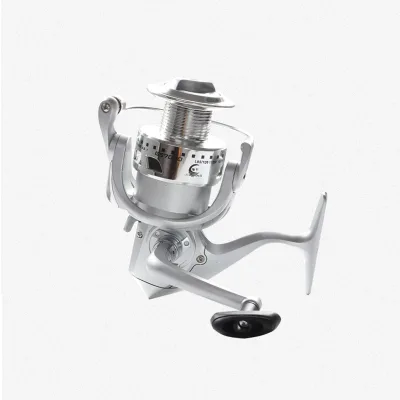
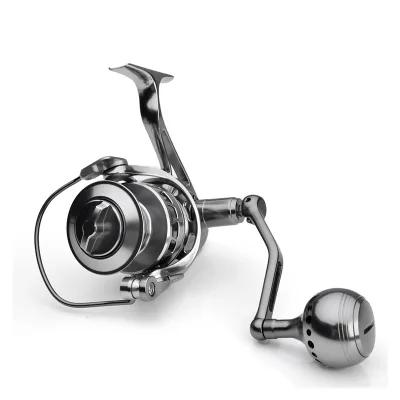
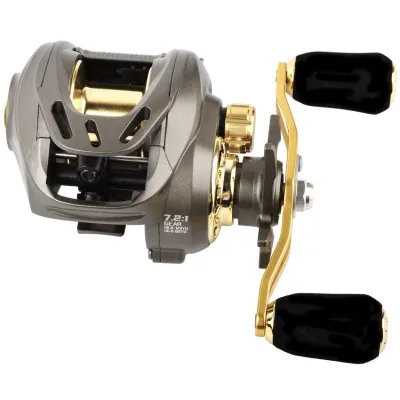
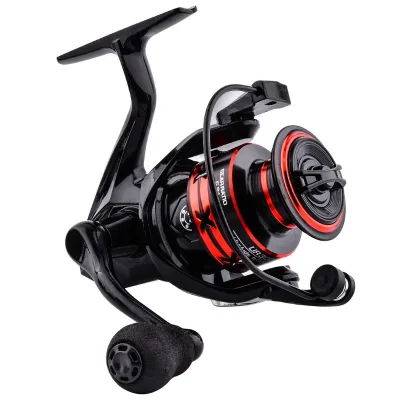
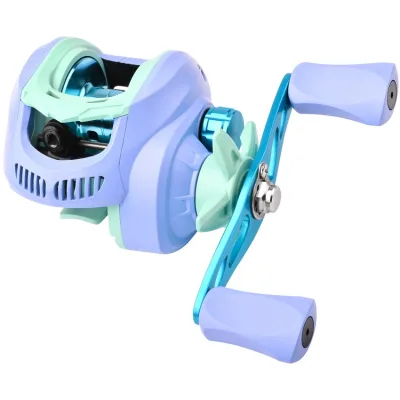
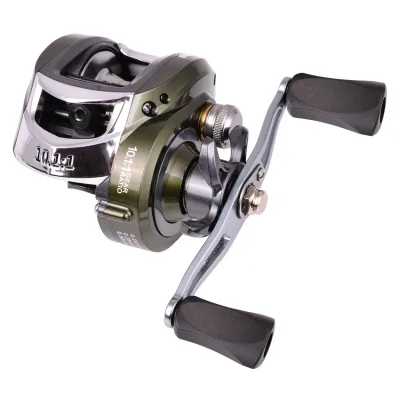
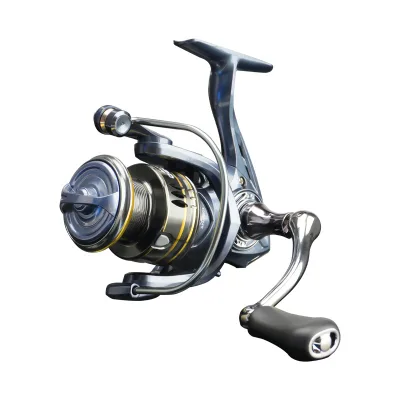
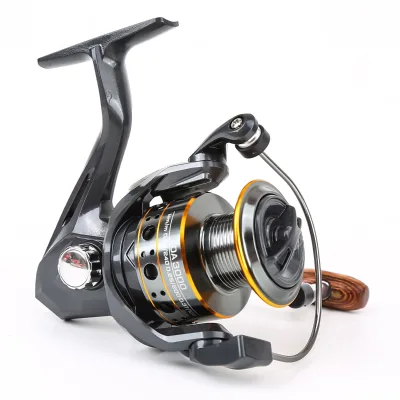
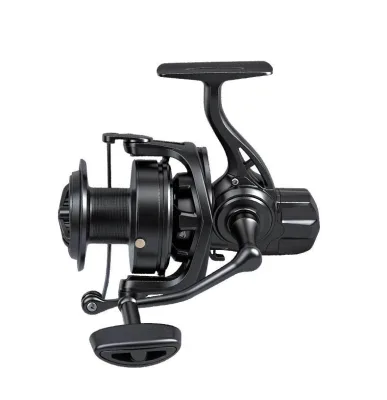
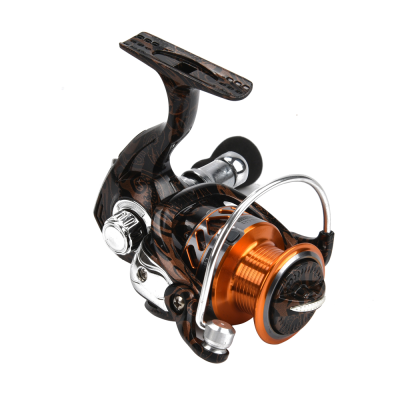
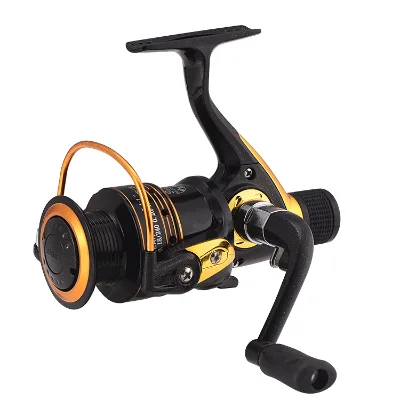
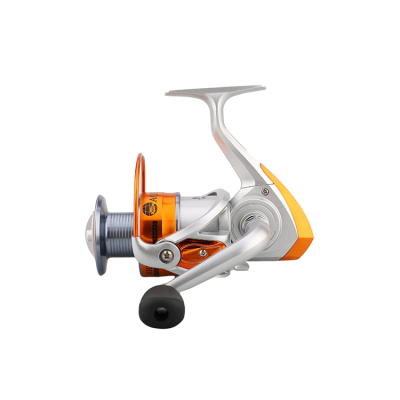
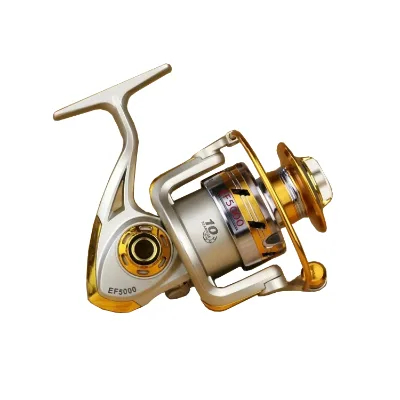
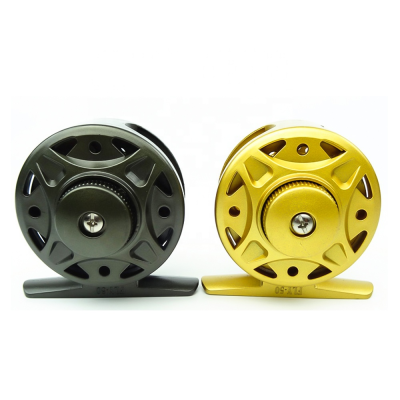
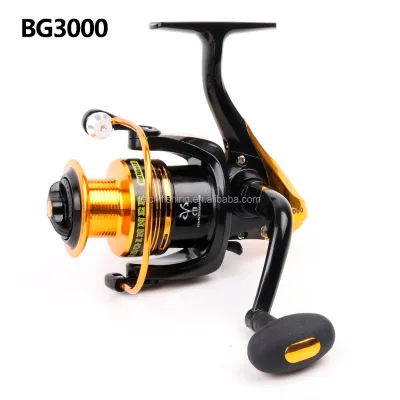
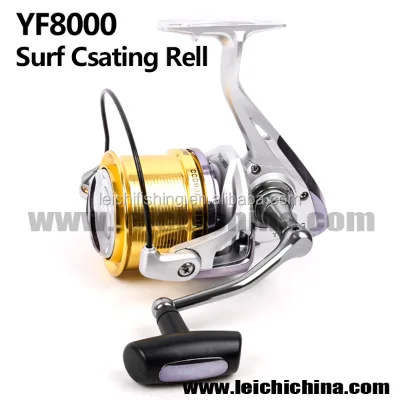
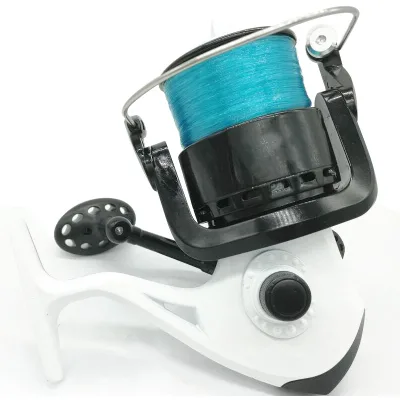
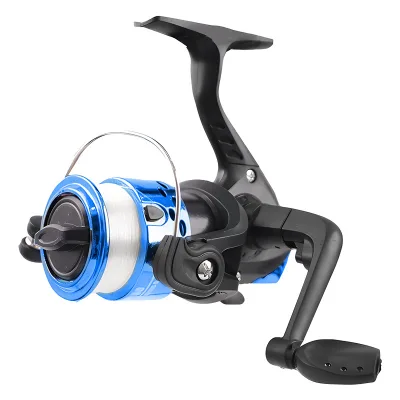
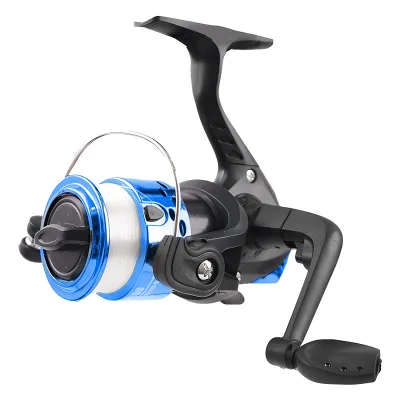
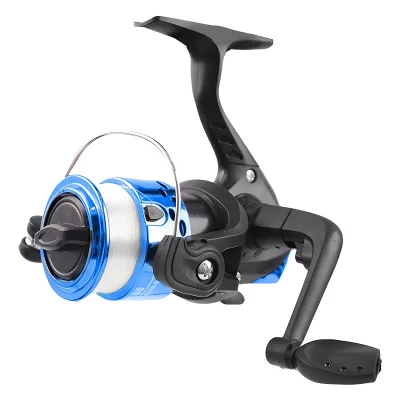


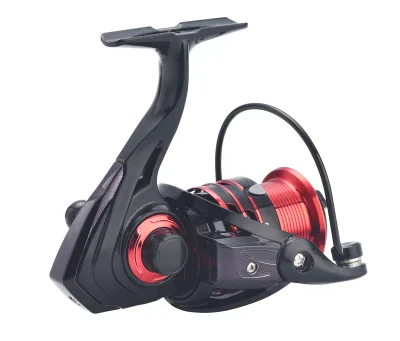
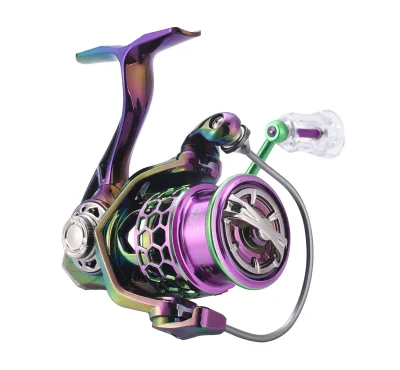
Comprehensive Sourcing Guide
Interchangeable Handle Spinning Reel Sourcing Guide
Procuring spinning reels with interchangeable handles requires a strategic approach to balancing mechanical versatility with structural integrity. Buyers must recognize that this feature allows for rapid conversion between left-hand and right-hand retrieve configurations, a critical capability for teams managing diverse angling techniques or regional market preferences. The supply chain for these components often involves complex assembly processes where the handle attachment mechanism must withstand significant torque without stripping threads or compromising the reel’s balance. Sourcing decisions should prioritize manufacturers who demonstrate consistent quality in their handle interchangeability systems, ensuring that the transition between configurations does not introduce play or vibration during high-load fishing scenarios.
The market landscape for these reels is characterized by a wide variance in material composition and bearing configurations, which directly impacts performance and durability. Observed listings indicate a broad spectrum of options, ranging from plastic-bodied units to those constructed with aluminum alloy or carbon fiber components. This diversity necessitates a rigorous evaluation of material specifications to ensure the selected reel meets the intended use case, whether it be freshwater river fishing, offshore boat operations, or competitive jigging. Buyers should focus on verifying the specific gear ratios and bearing counts, as these technical parameters define the reel’s speed and smoothness, which are essential for effective lure presentation and fish fighting capability.
Product Scope and Observed Listing Signals
The current market offers a diverse array of spinning reels, with observed listings highlighting significant variations in material, color, and packaging specifications. Products are available in configurations featuring plastic, metal, and composite materials such as carbon fiber and EVA, catering to different weight and durability requirements. Color options range from standard black to specific model-coded variants like Ur-1000 through Ur-7000, and silver plastic heads with five-axis designs. These visual and material distinctions often correlate with the reel’s intended application, with lighter plastic models suited for casual use and heavier metal or alloy constructions designed for high-stress offshore or surf fishing environments.
Packaging and logistical data provide additional insights into the product scope, with single package sizes varying from compact 15x13x9 cm boxes to larger 23x22x27 cm containers. Gross weights per unit also fluctuate considerably, ranging from 0.300 kg to 1.0 kg, reflecting the density of the internal components and the robustness of the external casing. Some listings specify selling units in multiples, such as sets of 40 items, which suggests a strong orientation toward bulk wholesale distribution rather than individual retail sales. Buyers should carefully review these logistical details to align their inventory planning with the supplier’s packaging standards, ensuring that storage and shipping costs are accurately projected for the specific reel models under consideration.
Technical Specifications to Verify
Verifying the technical specifications of interchangeable handle spinning reels is paramount to ensuring operational reliability and user satisfaction. Key attributes to validate include the gear ratio, which influences retrieval speed, and the bearing quantity, ranging from basic 1+1BB configurations to more complex setups with up to 6BB for enhanced smoothness. The fishing technique compatibility is another critical factor, with reels often marketed for spinning, jigging, baitcasting, and trolling applications. Buyers must confirm that the reel’s design supports the specific fishing methods they intend to employ, as mismatched specifications can lead to premature wear or inefficient performance in the field.
The physical dimensions and weight of the reel are equally important considerations, particularly for anglers who prioritize comfort and balance during extended use. Single gross weights observed in the market vary from 0.400 kg to 0.676 kg per batch, indicating differences in material density and construction quality. Additionally, the spool capacity, often listed in terms of line diameter and length (e.g., 0.25/190), must be matched to the target species and fishing conditions. Buyers should also inspect the special features, such as corrosion-resistant coatings, line twist prevention mechanisms, and waterproofing capabilities, as these attributes significantly extend the lifespan of the reel in harsh marine or freshwater environments.
Compliance and Safety Documentation
While specific certification requirements for fishing reels are not explicitly detailed in the provided context, buyers must ensure that all products comply with relevant international safety and environmental standards. This includes verifying that materials used in construction, such as plastics, metals, and coatings, are free from harmful substances like lead or phthalates, particularly if the reels are marketed in regions with strict chemical regulations. Documentation should confirm that the manufacturing processes adhere to quality management systems, ensuring consistent product quality and reducing the risk of defects that could lead to user injury or equipment failure during critical fishing moments.
Buyers should also request detailed product datasheets that outline the mechanical limits and operational guidelines for each reel model. These documents should specify the maximum drag force, recommended line types, and maintenance schedules to help users prolong the life of the equipment. Additionally, it is crucial to verify that the interchangeable handle mechanism meets safety standards for secure attachment, preventing accidental detachment during high-torque situations. Ensuring that suppliers provide comprehensive compliance documentation not only mitigates legal risks but also enhances the brand’s reputation for reliability and customer care in the competitive fishing gear market.
Cost Drivers and Commercial Terms
The cost structure of interchangeable handle spinning reels is influenced by several key factors, including material selection, bearing quality, and manufacturing complexity. Reels constructed with aluminum alloy or carbon fiber bodies typically command higher prices due to the cost of raw materials and the precision engineering required for their production. Similarly, reels with higher bearing counts and advanced features like digital displays or two-speed systems involve more intricate assembly processes, which can increase labor costs. Buyers should analyze these cost drivers to understand the value proposition of each model and determine which features justify the price premium for their specific market segment.
Commercial terms, such as minimum order quantities (MOQ) and lead times, also play a significant role in the procurement strategy. Observed MOQs range from 1 to 1000 units, offering flexibility for both small-scale testers and large-volume distributors. Lead times can vary based on the complexity of the order and the supplier’s production capacity, so buyers should establish clear communication channels to manage expectations and avoid supply chain disruptions. Additionally, payment terms and shipping arrangements should be negotiated to optimize cash flow and logistics efficiency, ensuring that the total cost of ownership remains competitive while maintaining high product quality and timely delivery.
Supplier Qualification and Quality Control
Selecting a reliable supplier for interchangeable handle spinning reels requires a thorough evaluation of their manufacturing capabilities and quality control processes. Buyers should verify the supplier’s experience in producing fishing reels, focusing on their expertise in handling interchangeable mechanisms and ensuring consistent performance across batches. It is essential to assess their quality control protocols, including incoming material inspections, in-process checks, and final product testing, to ensure that every reel meets the specified technical standards. Suppliers with robust QC systems are more likely to deliver products with fewer defects, reducing the risk of returns and customer dissatisfaction.
Furthermore, buyers should inquire about the supplier’s ability to provide customization options, such as specific color schemes, branding, or packaging designs, to meet unique market demands. A supplier’s flexibility in accommodating these requests can be a significant competitive advantage. Additionally, evaluating the supplier’s responsiveness and communication skills is crucial for building a long-term partnership. Buyers should look for suppliers who proactively address potential issues, provide timely updates on production status, and demonstrate a commitment to continuous improvement in their manufacturing processes and product offerings.
Long-Term Procurement Checks
Establishing long-term procurement checks is essential for maintaining the quality and reliability of interchangeable handle spinning reels over time. Buyers should implement regular audits of supplier performance, focusing on metrics such as defect rates, on-time delivery, and responsiveness to quality issues. These audits help identify potential problems early, allowing for corrective actions before they escalate into larger supply chain disruptions. Additionally, buyers should monitor market trends and technological advancements in fishing reel design, ensuring that their product offerings remain competitive and relevant to evolving customer preferences and fishing techniques.
Continuous feedback loops with end-users and distributors are also critical for long-term success. By gathering insights on product performance, durability, and user experience, buyers can identify areas for improvement and work with suppliers to implement necessary design or manufacturing changes. This collaborative approach fosters innovation and ensures that the reels meet the highest standards of quality and functionality. Furthermore, buyers should regularly review and update their supplier qualification criteria to reflect changing market conditions and regulatory requirements, ensuring that their supply chain remains resilient and capable of delivering high-value products consistently.
FAQs
What materials are used for interchangeable handle spinning reels?
These reels are constructed from plastic, metal, aluminum alloy, carbon fiber, EVA, PVC, and glass. The specific material depends on the model, with some featuring a silver plastic head and others using aluminum alloy bodies for durability and lightweight performance in various fishing conditions.
Which gear ratios are available for these spinning reels?
Available gear ratios include 5.2:1 and other configurations depending on the specific model selected. Buyers can choose from options like the Ur series or standard models that support different retrieval speeds suitable for spinning, jigging, or trolling techniques in rivers, lakes, or oceans.
Can I find reels with interchangeable handles in left or right hand?
Yes, interchangeable handle spinning reels are available in both left-hand and right-hand configurations. This feature allows anglers to customize the reel orientation to match their casting style, ensuring comfortable operation whether fishing from a boat, shore, or rock fishing locations.
What special features do these reels offer for fishing?
Key features include corrosion-resistant coating, line twist prevention, digital display, instant cast system, and waterproof design. Some models also offer a two-speed system and zero-backlash mechanisms, making them suitable for diverse techniques like surf fishing, casting, and longlining in various environments.
How many bearings are included in these spinning reels?
Bearing quantities vary by model, ranging from 1+1BB to 6BB configurations. Specific options include 1BB, 2BB, 3BB, 4BB, 5BB, and 6BB setups, which influence smoothness and durability during high-intensity fishing activities such as jigging, trolling, or casting in saltwater environments.
What are the package dimensions for single items?
Single package sizes vary between 15x15x10 cm and 23x22x27 cm depending on the specific reel model. Some compact units measure 15x13x9 cm or 18x15x10 cm, while batch packaging may reach 15.5x13.5x7.5 cm, ensuring safe transport for various fishing gear requirements.
Which fishing techniques are compatible with these reels?
These reels support spinning, jigging, bowfishing, casting, surf fishing, baitcasting, spincast, trolling, fly fishing, and longlining. Their versatile design allows anglers to use them effectively in rivers, streams, lakes, ocean beaches, and reservoir ponds for a wide range of fishing scenarios.