Source Foldable Camping Table and Cooler Box Set for Picnics
Source the Foldable Camping Table and Cooler Box Set from 30 verified listings. Compare features like 32L capacity, 72-hour insulation, and portable designs for outdoor activities, food transportation, and medical use; compare the available evidence and request quotations based on your requirements.
Updated
Key considerations
Products List


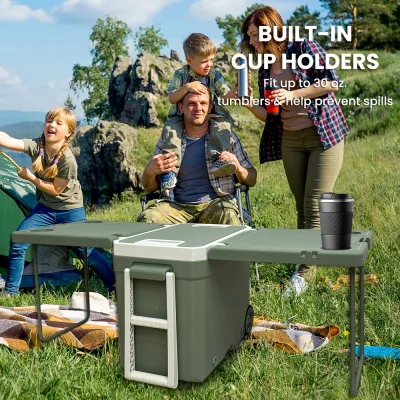
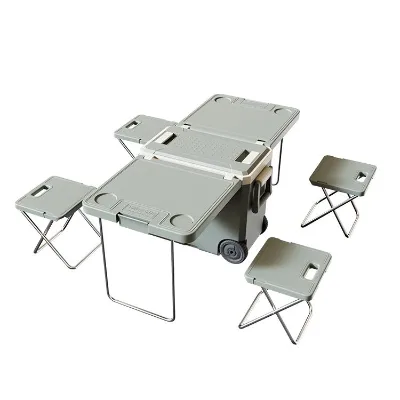
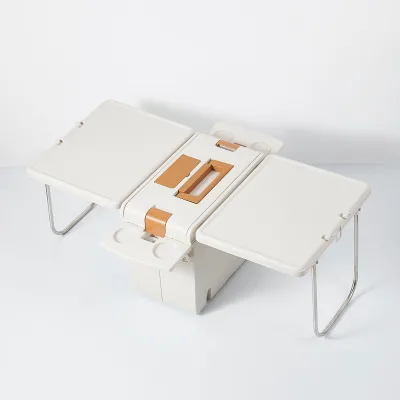
Factory OEM Portable 20L Foldable Camping Table Cooler Box With Wheels
$28.0709 - $35.8681
MOQ: 100 pieces
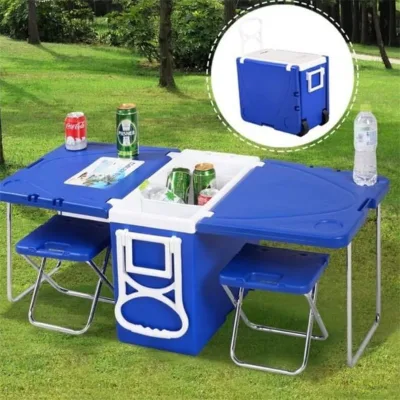
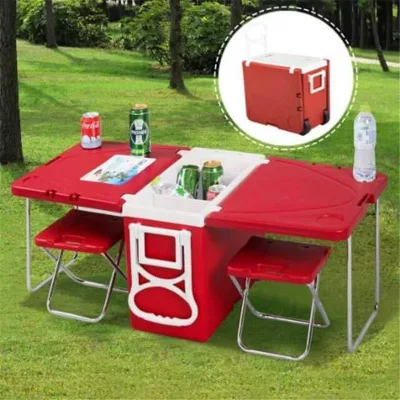
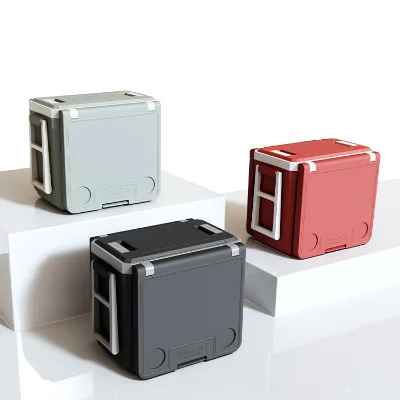
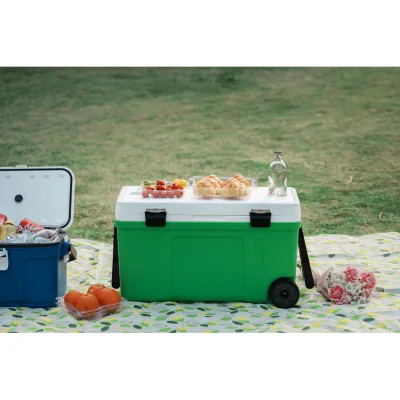
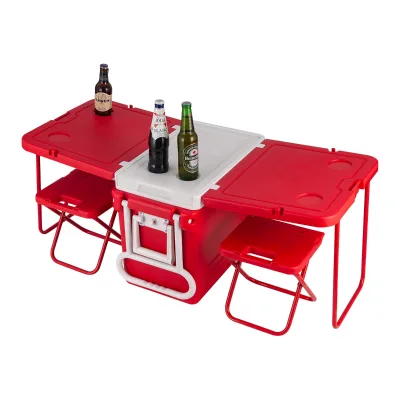
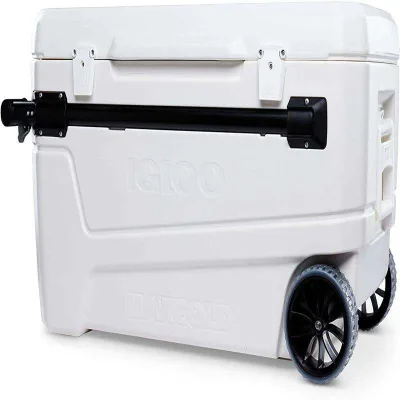
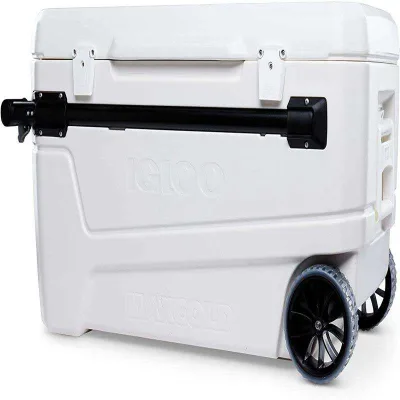
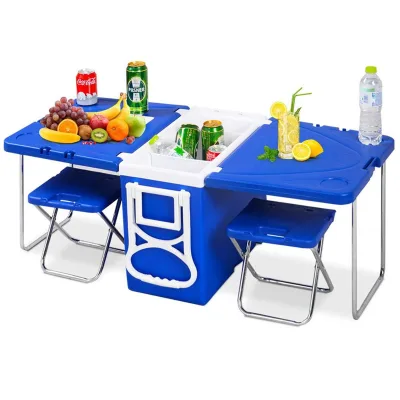
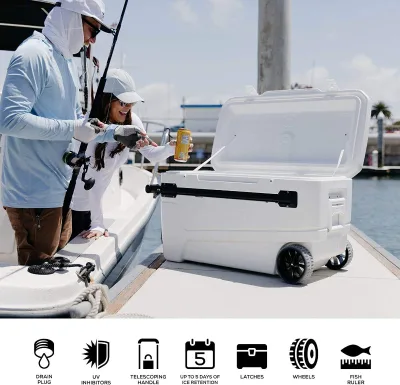
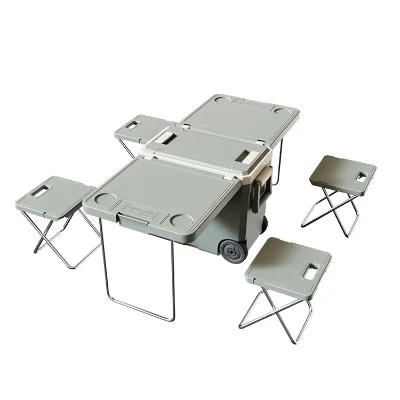
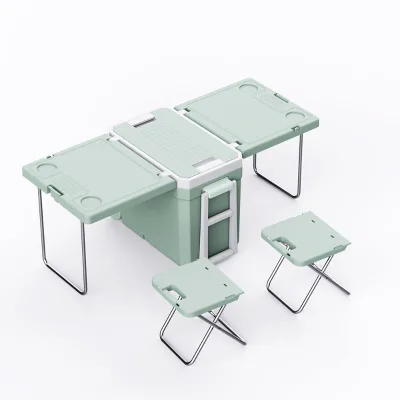
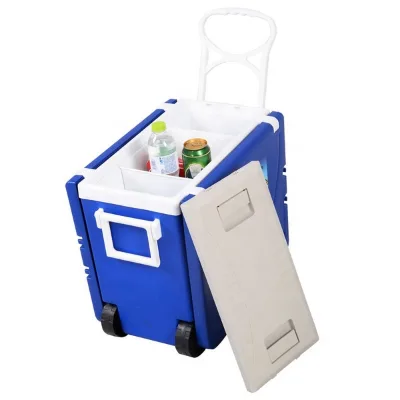
TR-28L Outdoor Picnic Cooler Folding Cooler Table Sets Cooler Box Trolley
$36.0865 - $37.6334
MOQ: 200 pieces
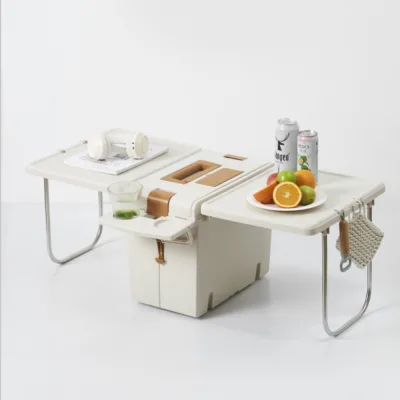
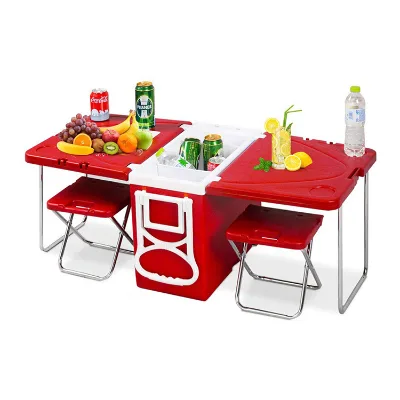
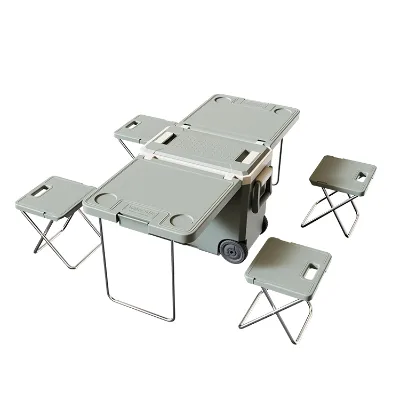


Multifunction Outdoor Camping Beer Wine Ice Cooler Box Ice Bucket Table
$21.00 - $24.00
MOQ: 200 Pieces
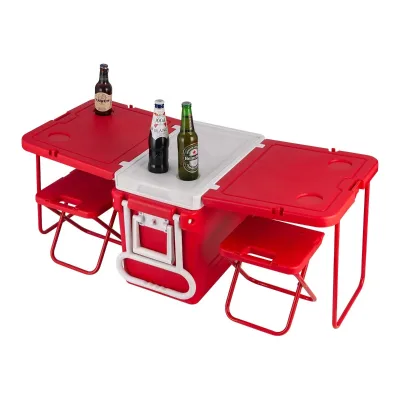

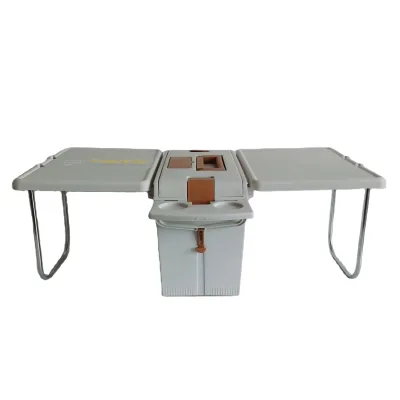
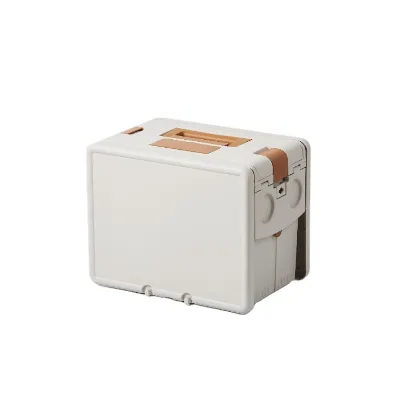
17L OEM Portable Food Cooler Box Outdoor Foldable Camping Table Cooler Box
$27.00 - $27.80
MOQ: 500 pieces


Comprehensive Sourcing Guide
Foldable Camping Table and Cooler Box Set Sourcing Guide
Procuring a combined Foldable Camping Table and Cooler Box Set requires careful evaluation of integrated design features and material compatibility. Buyers must prioritize units that offer structural stability for the table surface while ensuring the cooler maintains thermal efficiency during transport. The observed market data indicates a strong presence of polypropylene (PP) and PE PP PU foam constructions, which provide a balance of durability and lightweight portability. Sourcing teams should verify that the folding mechanisms do not compromise the integrity of the cooler’s insulation layers, as this is a common failure point in multi-functional outdoor gear.
Commercial listings reveal a wide variance in specifications, with observed prices ranging from $7.99 to $126 and minimum order quantities (MOQs) spanning from 1 to 500 units. This disparity suggests that buyers can find options suitable for both small-scale promotional gifts and large-scale commercial distribution. It is critical to distinguish between basic insulated boxes and advanced units with features like absorption refrigeration or extended ice detention times. Procurement specialists should align their selection with the specific use case, whether it involves medical transportation, fresh food logistics, or general outdoor recreation, to ensure the chosen set meets functional requirements without unnecessary cost overruns.
Product Scope and Observed Listing Signals
The current market offers diverse configurations, including models with pull-handle styles and integrated seating solutions. Observed product attributes highlight a 32L capacity variant with an expanded size of 1054490420mm and a chair size of 220240260mm, indicating a robust design for outdoor activities. Some listings feature grey or green color options with customizable patterns, catering to brand-specific promotional needs. Buyers should note that while some units are marketed for medical insulation, others are optimized for food transportation and garden use, requiring clear definition of the end-use environment to avoid mismatched performance expectations.
Further analysis of product signals shows that materials such as PE PP PU foam are commonly used to achieve ice detention times of up to 5.0 days or keeping cold for 48-72 hours. The presence of accessories like handles, wheels, and two chairs in certain models adds significant value for camping and beach scenarios. However, buyers must verify if the "foldable" aspect applies to the table, the cooler, or both, as this affects packing efficiency and storage requirements. The observed single package sizes, such as 55X41X45 cm, provide a baseline for logistics planning, but variations in gross weight, ranging from 7.05KG to 8.2KG, necessitate precise calculation of shipping costs for bulk orders.
Technical Specifications to Verify
Technical verification must begin with dimensional accuracy and material composition. Buyers should confirm the external and internal dimensions, such as the observed external dia. of 545360397mm and internal dia. of 400215335mm, to ensure compatibility with vehicle storage spaces. The material specification of Polypropylene (PP) or PE PP PU foam directly impacts durability and thermal retention. It is essential to request material safety data sheets to verify that the plastics are food-grade, especially for units intended for fresh food transportation or medical insulation applications.
Thermal performance metrics are another critical verification point. While some listings claim an ice detention time of 5.0 days, others specify 48-72 hours of keeping cold. Buyers should request test reports under standardized conditions to validate these claims, as real-world performance can vary significantly based on ambient temperature and usage patterns. Additionally, the presence of absorption refrigeration in some models suggests a more complex internal mechanism that may require power sources, unlike passive insulated boxes. Clarifying the refrigeration type and power requirements is vital to avoid operational surprises in off-grid camping or medical transport scenarios.
Compliance and Safety Documentation
Safety documentation is paramount when sourcing products intended for food contact or medical use. Buyers must ensure that all components, particularly the inner liners and lids, comply with relevant food safety standards. Although specific certification names are not provided in the observed data, suppliers should be required to provide proof of compliance with local and international food-grade regulations. This is especially important for units marketed for medical insulation or fresh food transportation, where contamination risks must be strictly mitigated.
Environmental and material safety standards also require attention. The use of PP and PU foam raises questions about recyclability and chemical emissions. Buyers should inquire about the presence of hazardous substances and request material declarations that confirm the absence of harmful chemicals. For promotional gifts or consumer goods, eco-friendly claims must be substantiated with credible certifications. Ensuring that the packaging, described as carton or carton plus pallet, meets sustainability goals can also enhance the brand image of the end product, particularly in markets with strict environmental regulations.
Cost Drivers and Commercial Terms
Cost structures for these sets are influenced by material quality, insulation thickness, and included accessories. The observed price range of $7.99 to $126 reflects significant differences in feature sets, such as the inclusion of wheels, chairs, and advanced insulation materials. Buyers should analyze the cost per unit against the expected lifespan and performance metrics to determine the true value proposition. Customization options, such as customer logos and pattern types, may incur additional setup fees, which should be factored into the total cost of ownership for branded orders.
Commercial terms, including MOQs and lead times, vary widely across suppliers. With MOQs ranging from 1 to 500 units, buyers have flexibility to test the market with small orders or commit to larger volumes for better pricing. However, lead times are not explicitly stated in the observed data, so buyers must negotiate clear delivery schedules to align with their sales cycles. Payment terms and warranty policies should also be clarified, particularly for units with complex features like absorption refrigeration or integrated seating, to protect against defects and ensure long-term satisfaction.
Supplier Qualification and Quality Control
Supplier qualification should focus on manufacturing capabilities and quality assurance processes. Buyers should verify the supplier’s experience in producing outdoor gear and their ability to maintain consistent quality across batches. Given the observed origin in China, particularly Jiangxi, buyers should assess the supplier’s export experience and familiarity with international shipping requirements. Requesting samples is crucial to evaluate the build quality, folding mechanisms, and thermal performance before committing to large orders.
Quality control measures must be defined in the purchase agreement. This includes pre-shipment inspections to check for structural defects, material inconsistencies, and packaging integrity. For units with specific applications like medical transportation, additional testing may be required to ensure compliance with industry standards. Buyers should also establish clear criteria for acceptable defect rates and procedures for handling non-conforming goods. Building a strong relationship with a reliable supplier can mitigate risks and ensure a steady supply of high-quality foldable camping table and cooler box sets.
Long-Term Procurement Checks
Long-term procurement success depends on continuous monitoring of product performance and market trends. Buyers should gather feedback from end-users to identify any recurring issues with the folding mechanisms, insulation degradation, or material wear. This feedback loop can inform future design improvements and supplier negotiations. Additionally, staying informed about changes in material regulations and environmental standards is essential to ensure ongoing compliance and avoid supply chain disruptions.
Strategic sourcing decisions should also consider the potential for product diversification and expansion. As the market for outdoor and medical gear evolves, buyers may need to adapt their offerings to meet new demands. Maintaining a diversified supplier base can provide flexibility and reduce dependency on a single source. Regular reviews of supplier performance, cost efficiency, and product innovation will help buyers maintain a competitive edge and deliver value to their customers in the long run.
FAQs
What is the ice detention time for this cooler box?
The ice detention time is up to 5.0 days for this specific model. This duration depends on ambient temperature and pre-cooling methods. The product features a 32-liter capacity with polypropylene material to ensure effective thermal retention during transport.
Can I customize the logo on this cooler box?
Yes, customer logos are acceptable for customization on this product. The manufacturer offers customization options to meet specific branding needs. This service allows buyers to add their unique identity to the Foldable Camping Table and Cooler Box Set for promotional purposes.
Which materials are used to construct this cooler box?
The cooler box is constructed from polypropylene, PE, PP, and PU foam. These materials provide durability and excellent insulation properties. The combination ensures the product remains lightweight while maintaining structural integrity for outdoor activities and food transportation applications.
How long does the insulation keep contents cold?
The insulation time ranges from 48 to 72 hours depending on usage conditions. This performance is achieved through the use of PU foam and a sealed design. Buyers can rely on this duration for extended outdoor trips or commercial delivery of temperature-sensitive goods.
What is the minimum order quantity for this product?
The minimum order quantity ranges from 1 to 500 units based on supplier terms. This flexibility allows small buyers to test the market or large enterprises to stock inventory. Specific MOQ values vary by vendor and should be confirmed during the sourcing process.
Where is this product manufactured and shipped from?
This product originates from Jiangxi, China, and is shipped from there. The manufacturing location ensures access to established supply chains for plastic coolers. Buyers should verify specific shipping terms and lead times with individual suppliers to plan their logistics effectively.
What is the internal volume capacity of the cooler?
The internal volume capacity is 32 liters for this specific model. This size is suitable for food storage, travel, and garden activities. The compact yet spacious design makes it ideal for camping, fishing, and commercial delivery of fresh food items.