Source Laser Shooting Arcade Machine with Multi Players for arcades, parks, museums
Compare 30 Laser Shooting Arcade Machine with Multi Players options from verified suppliers. These coin-operated shooting machines feature 2 to 4 player modes, various screen sizes, and are suitable for arcade game centers, amusement parks, and museums; compare the available evidence and request quotations based on your requirements.
Updated
Key considerations
Products List
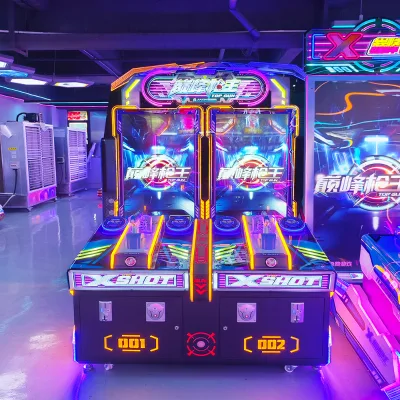
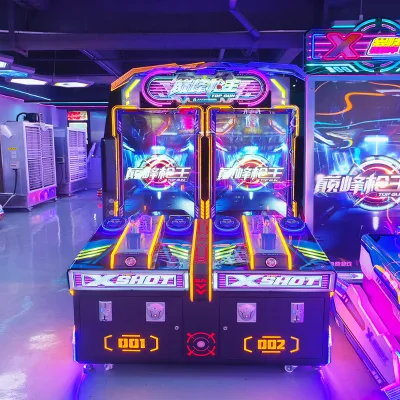
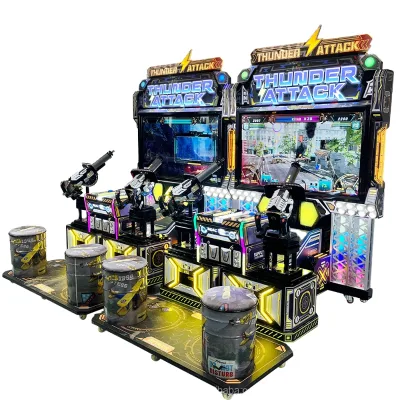
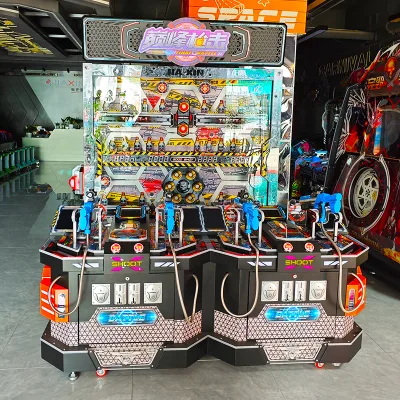


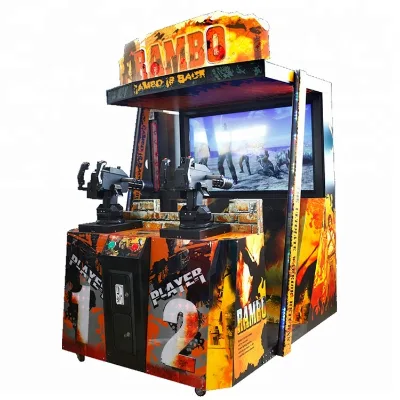


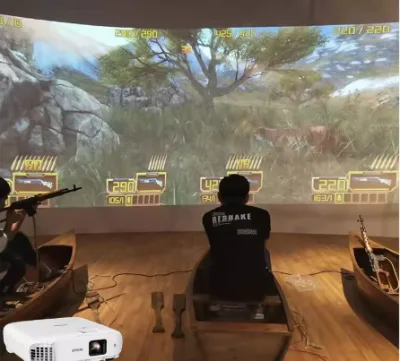


Amusement Park Indoor Playground Red Laser Shooting Arcade Game Machine
$9000.00 - $9800.00
MOQ: 1 Pieces


Comprehensive Sourcing Guide
Laser Shooting Arcade Machine Sourcing Guide
Procuring laser shooting arcade machines with multi-player capabilities requires a strategic approach to balancing immersive gameplay with robust hardware durability. These machines are primarily designed for high-traffic commercial environments, including arcade game centers, indoor commercial amusement parks, and theme parks. The core appeal lies in their ability to support simultaneous engagement, with observed configurations ranging from two to four players, ensuring maximum throughput and revenue potential per unit. Buyers must prioritize units that offer intuitive interfaces and reliable tracking systems to maintain player satisfaction during peak operational hours.
The market offers diverse options, from standard coin-operated video shooting games to advanced virtual reality setups. Key differentiators include screen size, power consumption, and physical footprint, which directly impact installation logistics and energy costs. For instance, some models feature dual 49-inch screens for shared viewing, while others utilize single large displays or VR headsets for individual immersion. Understanding these variations is critical for selecting the right product mix for your venue, as the choice between a traditional shooting gallery and a VR experience will dictate both the customer demographic and the required floor space allocation.
Product Scope and Observed Listing Signals
The current market landscape for laser shooting arcade machines reveals a wide spectrum of specifications tailored to different venue requirements. Observed listings indicate a price range from approximately $525 to $15,500 USD, reflecting significant differences in technology, build quality, and feature sets. The minimum order quantity (MOQ) typically ranges from one to five units, offering flexibility for both small independent arcades and large-scale entertainment centers. Buyers should note that customization options are frequently available, allowing for branding adjustments or specific game content integration to align with unique operational themes.
Physical attributes vary considerably across suppliers, with dimensions spanning from compact units measuring around 1400x1600x2180mm to larger installations exceeding 2100x1550x2370mm. Weight also differs substantially, with some units weighing as little as 65kg while heavy-duty VR or multi-screen setups can reach up to 650kg. These physical constraints are crucial for logistics planning, as larger units may require specialized freight handling and reinforced flooring. Additionally, color options range from standard purple finishes to multi-color configurations, enabling buyers to match the aesthetic of their existing facility or create a distinct visual identity for their gaming zone.
Technical Specifications to Verify
When evaluating technical specifications, power consumption and voltage compatibility are paramount for ensuring safe and efficient operation. Observed power ratings range from 750W for standard shooting machines to 6KW for complex VR installations, directly impacting electrical infrastructure requirements. Buyers must verify that the unit’s voltage, typically 220V, matches local supply standards and confirm the plug type, whether EU or US, to avoid costly adapters or rewiring. Screen size is another critical factor, with options including dual 49-inch displays, single 42-inch screens, or VR headsets, each offering different levels of immersion and visual fidelity for the players.
Material construction and durability are equally important for long-term reliability in high-use environments. Common materials include hardware frames combined with acrylic panels or blister covers, providing a balance of strength and cost-effectiveness. The number of players supported, ranging from one to four, should align with your expected foot traffic and space availability. Furthermore, language support, often available in English and Chinese, ensures ease of use for diverse customer bases. Buyers should also consider the single package dimensions and gross weight to plan for efficient shipping and on-site assembly, ensuring that the machine can be delivered and installed without logistical complications.
Compliance and Safety Documentation
Compliance with international safety and environmental standards is non-negotiable for commercial arcade equipment. Buyers must request and verify certificates such as CE and RoHS, which indicate adherence to European health, safety, and environmental protection standards. These certifications are essential for importing goods into many markets and demonstrate that the manufacturer follows rigorous quality control processes. Without proper documentation, shipments may be held at customs, leading to delays and additional costs. It is crucial to ensure that all electrical components and materials used in the machine meet these regulatory requirements to protect both the business and its customers.
Warranty and after-sales support are critical components of the procurement agreement, providing a safety net for unexpected technical issues. Most suppliers offer a one-year warranty, covering parts and labor for manufacturing defects. Additionally, some providers include 24/7 online service support, which can be invaluable for troubleshooting software glitches or hardware malfunctions without requiring immediate on-site technician visits. Buyers should clarify the scope of the warranty, including what components are covered and the process for claiming replacements. Reliable after-sales support ensures minimal downtime, preserving revenue and maintaining customer trust in the gaming experience.
Cost Drivers and Commercial Terms
Several factors influence the total cost of ownership for laser shooting arcade machines, beyond the initial purchase price. Power consumption is a significant operational cost, with high-wattage VR units consuming up to 6KW compared to 750W for standard models. Buyers should calculate annual energy costs based on local electricity rates and expected usage hours to determine the true operational expense. Additionally, the complexity of the machine, such as the inclusion of VR headsets or multiple large screens, drives up the initial investment but may also attract higher customer engagement and premium pricing opportunities.
Commercial terms, including payment methods, shipping costs, and installation requirements, also impact the overall budget. While MOQs are generally low, bulk purchases may offer volume discounts, reducing the per-unit cost. Buyers should negotiate clear terms for shipping and insurance, especially for heavy or oversized units that require special handling. Installation costs can vary depending on the machine’s weight and size, with heavier units potentially requiring professional assembly services. Understanding these variables allows for accurate budgeting and prevents unexpected expenses during the procurement and deployment phases.
Supplier Qualification and Quality Control
Selecting a reliable supplier is crucial for ensuring the quality and longevity of laser shooting arcade machines. Buyers should verify the supplier’s manufacturing capabilities, including their facility location, which is often in regions like Guangdong, China, known for electronics and arcade equipment production. Assessing the supplier’s reputation through customer reviews and industry references can provide insights into their reliability and product consistency. Additionally, checking for any past quality issues or complaints helps mitigate the risk of receiving defective units that could disrupt operations.
Quality control processes should be transparent and rigorous, covering both material selection and final assembly. Buyers should request detailed specifications for materials, such as the type of hardware and acrylic used, to ensure durability. Inspecting sample units or requesting video demonstrations of the machine in operation can provide valuable insights into build quality and performance. Furthermore, verifying the supplier’s ability to provide customization, such as branding or specific game content, ensures that the product aligns with your brand identity. Establishing a clear communication channel with the supplier facilitates smoother transactions and quicker resolution of any issues that may arise.
Long-Term Procurement Checks
Long-term success in operating laser shooting arcade machines depends on ongoing maintenance and strategic upgrades. Buyers should establish a routine maintenance schedule to inspect electrical connections, screen integrity, and tracking sensors, preventing minor issues from escalating into major failures. Regular cleaning of acrylic panels and internal components ensures optimal performance and extends the lifespan of the equipment. Additionally, staying informed about software updates and new game releases allows for periodic content refreshes, keeping the gaming experience fresh and engaging for repeat customers.
Market trends and technological advancements should also be monitored to identify opportunities for upgrading or expanding the gaming lineup. As VR technology evolves, newer models may offer enhanced immersion and interactivity, providing a competitive edge. Buyers should evaluate the supplier’s roadmap for future products and their willingness to support legacy units with spare parts and software updates. Building a strong relationship with the supplier can facilitate access to early adopter benefits and exclusive deals. By proactively managing the lifecycle of the arcade machines, businesses can maximize ROI and maintain a leading position in the entertainment market.
FAQs
What is the player capacity for this laser shooting arcade machine?
The machine supports 2 to 4 players simultaneously. This configuration allows for competitive multiplayer experiences in arcade centers. The design accommodates multiple users, making it suitable for family entertainment venues and commercial game centers seeking engaging group activities.
Can the Laser Shooting Arcade Machine with Multi Players be customized?
Yes, the product is fully customizable to meet specific business needs. Buyers can tailor features to align with their brand or venue requirements. This flexibility ensures the machine integrates seamlessly into various amusement park or arcade center environments while maintaining high performance standards.
What are the power requirements for the laser shooting arcade machine?
Power consumption varies by model, ranging from 750W to 6KW. Specific units may require 220V input with EU or US plugs. Buyers should verify the exact power specifications for their selected model to ensure proper electrical infrastructure is installed at the installation site.
What certifications does the laser shooting arcade machine hold?
The machine holds CE certification, ensuring compliance with European safety standards. This certification is crucial for importing and operating the equipment in regulated markets. Buyers should request valid documentation to verify compliance before purchase, ensuring the product meets local regulatory requirements for commercial use.
What is the warranty period for the laser shooting arcade machine?
The standard warranty period is one year for the main unit. This coverage protects buyers against manufacturing defects during initial operation. Additionally, 7x24-hour online after-sales service is provided to assist with technical issues, ensuring minimal downtime for commercial arcade operations and customer satisfaction.
What is the typical weight and packaging size of the machine?
Weight ranges from 65kg to 650kg depending on the model. Packaging dimensions vary, with some units measuring approximately 160x200x240cm. Buyers must account for these dimensions during logistics planning to ensure proper handling and installation at the destination, avoiding damage during transit.