SDK Support Photo Card Dispenser Suppliers and Manufacturers
Compare 25 verified suppliers offering SDK Support Photo Card Dispenser units with screen sizes from 10.1 to 32 inches and certifications like CE, RoHS, and ISO. Review response times, lead times, and MOQs to select a factory that matches your customization needs.
Updated
Suppliers List
Guangzhou Lehua Intelligent Technology Co., Ltd.
- Verified by TüVRheinland
- Manufacturer, Trading Company
- Lead time15 days
- Avg. response≤ 1h
Main productsSelf-Service Kiosk, Desktop Self-service Kiosk, Wall-mounted Self-service Kiosk, Order Kiosk, Self-Service Queueing System
Main marketsSoutheast Asia(30%), Domestic Market(13%), North America(10%)
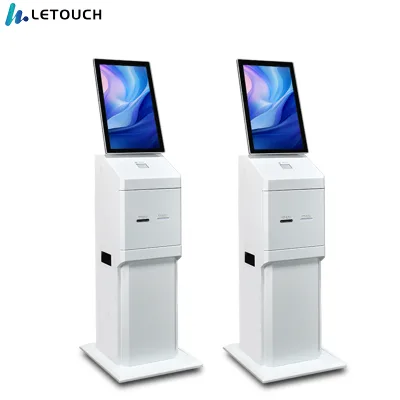
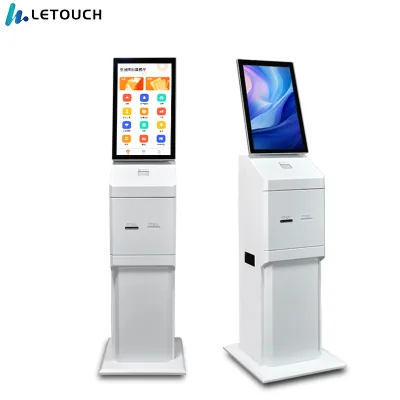
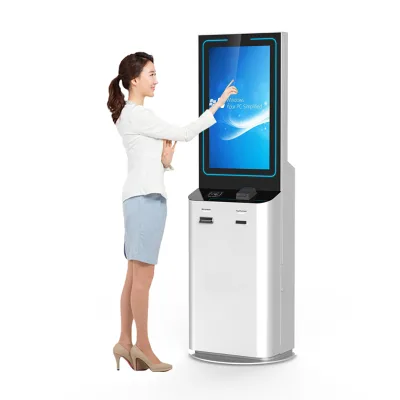
RFID Card Dispenser Acceptor 32 Inch Self-Service Hotel Check in Kiosk with Camera and Printer
$358.2871 - $492.1305
MOQ: 1 pieces
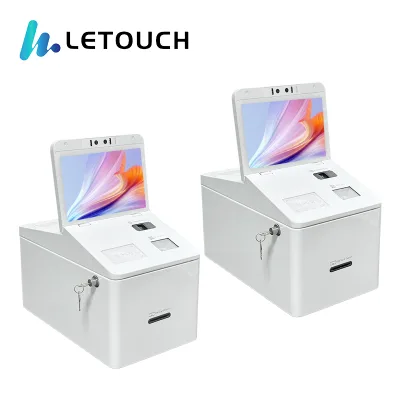

Guangzhou Xishida Information Technology Co., Ltd.
- Verified by CTI
- Combined
- China Guangdong
- Lead time45 days
- Avg. response≤ 3h
Main productsSelf Service Kiosk Touch Screen Kiosk
Main marketsSoutheast Asia/ Mideast,Domestic,Europe,North America

Self Service Card Dispenser Kiosk for Health Insurance Card Printing
$1598.00 - $1798.00
MOQ: 1 pieces


Wholesale Card Dispenser Kiosk with Printer for Government Service Center
$1598.00 - $1798.00
MOQ: 1 pieces

$1180.00 - $1580.00
MOQ: 1 pieces

Industrial Card Dispenser Kiosk with Card Reader for Member Card Issuance
$1598.00 - $1798.00
MOQ: 1 pieces

OEM ODM Card Dispenser Kiosk Self Service Kiosk for ID Card Issuance
$1598.00 - $1798.00
MOQ: 1 pieces
Shenzhen Lean Kiosk Systems Co., Ltd.
- Verified by SGS Group
- Manufacturer, Trading Company
- Lead time30 days
- Avg. response≤ 1h
Main productsMirror Photo Booth, Ipad Photo Booth, DSLR Photo Booth, Photo Booth Vending Machine, Custom Vending Machine
Main marketsNorth America(54%), Southeast Asia(19%), Mid East(7%)
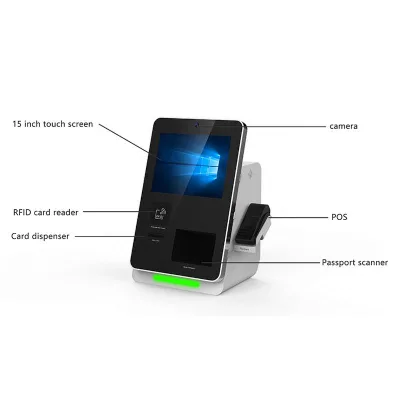
$875.1271 - $1081.0392
MOQ: 1 pieces
Shenzhen Insovision Technology Co., Ltd.
- Manufacturer
- Lead time旺季: "1 - 50":15,"51 - 200":30,"> 200":"To be negotiated", 淡季: "1 - 50":15,"51 - 200":30,"> 200":"To be negotiated"
- Avg. response≤ 3h
Main productspayment kiosk,digital signage,digital calendar,LED Display,Oled Transparent Screen
- Manufacturer
- Guangdong, China
- Lead time15 days
- Avg. response≤ 6h
Main productsSelf Service Kiosk,Smart Board,Money Exchange Machine,Bank ATM,Digital signage
Main marketsNorth America(15.00%), Western Europe(10.00%), Eastern Europe(10.00%), South America(10.00%), Mid East(10.00%), Northern Europe(8.00%), Domestic Market(6.00%), South Asia(5.00%), Southern Europe(5.00%), Central America(5.00%), Africa(5.00%), Southeast Asia(5.00%), Eastern Asia(5.00%), Oceania(1.00%)
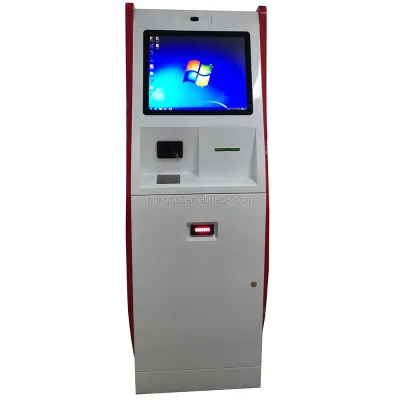
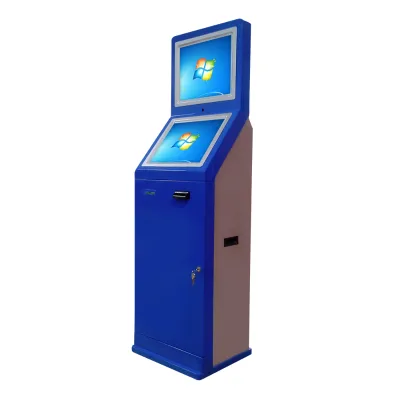
Kiosk Manufacturer Lobby Type Gift Card Dispenser Kiosk SIM Card Dispenser Kiosk with Card Printer
$1440.00 - $1800.00
MOQ: 1 units
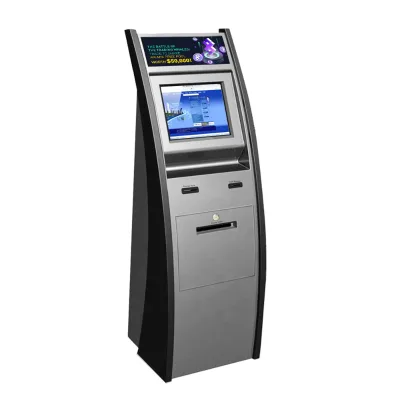
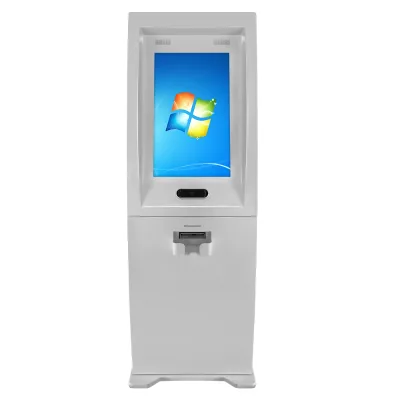
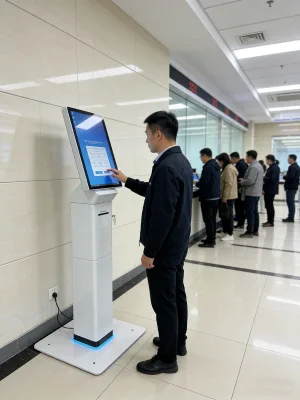
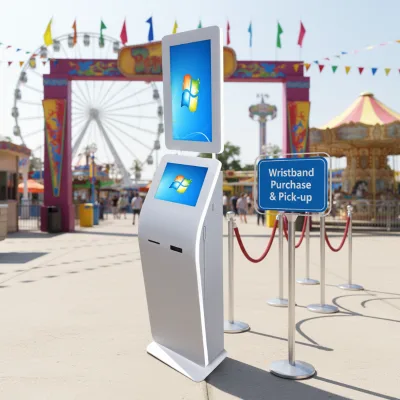

- Manufacturer/Factory
- China Guangdong
- Lead time15 days
- Avg. response≤ 3h
Main productsDigital Signage, LCD Video Wall, Ads Touch Display, Transparent LED Screen, Payment Kiosk, Stretched Bar LCD Display, Outdoor TV, LED Screen Display
Main marketsSouth America,Eastern Europe,Mid East,North America,Southeast Asia,Eastern Asia,Oceania,Western Europe,Africa


Photo Printing Kiosk Digital Photo Kiosk Card Dispenser Kiosk Manufacturer
$700.00 - $800.00
MOQ: 1 Pieces


Guangdong Mingjinkang Technology Co., Ltd.
- Verified by TUVRHEINLAND
- Combined
- China Guangdong
- Lead time15 days
- Avg. response≤ 3h
Main marketsSoutheast Asia/ Mideast,East Asia(Japan/ South Korea),Europe,North America

21.5 Inch Self Service Payment Kiosk with 5MP Camera RFID Card Dispenser
$579.00 - $639.00
MOQ: 1 Pieces

Self Service A4 Printing Kiosk Self Service Photo Printing Kiosk Self-Service Printing Kiosk
$770.00 - $1200.00
MOQ: 1 Pieces


32 Inch Interactive All-in-One Self Service Photo Kiosk with Camera Printer
$770.00 - $1200.00
MOQ: 1 Pieces
Shenzhen E-Star Information Technology Co., Ltd.
- Manufacturer, Trading Company
- Guangdong, China
- Lead time15 days
- Avg. response≤ 2h
Main productsSelf-service Kiosk, Payment Kiosk, Hotel Kiosk, Parking Kiosk
Main marketsNorth America(50.00%), Western Europe(20.00%), Mid East(10.00%), Southeast Asia(10.00%), Southern Europe(5.00%), Eastern Europe(5.00%)
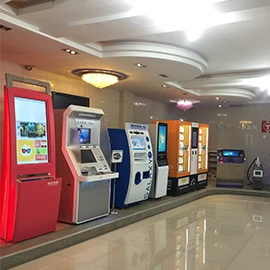
Hangzhou Huitong Kiosk Co., Ltd.
- Manufacturer
- Zhejiang, China
- Lead time0 days
- Avg. response≤ 8h
Main productsSelf Service Terminal,payment kiosk
Main marketsDomestic Market(55.00%), South America(10.00%), Mid East(10.00%), Southeast Asia(5.00%), Southern Europe(5.00%), Northern Europe(5.00%), Western Europe(5.00%), Eastern Europe(5.00%)
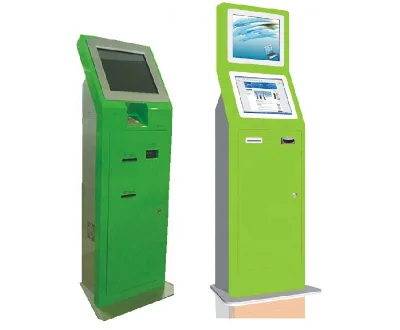
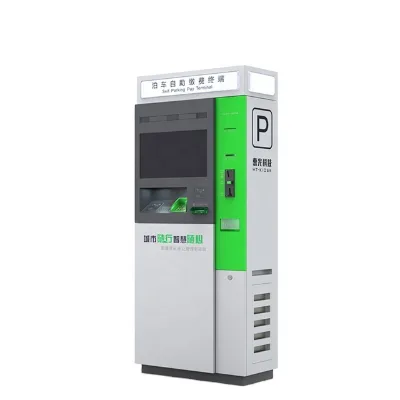
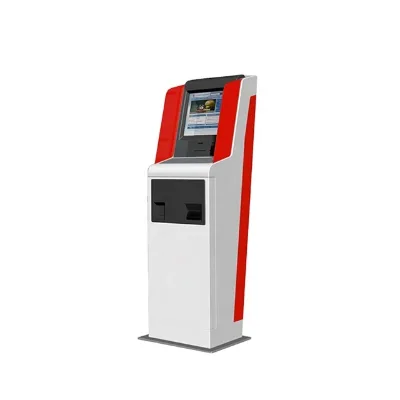
$615.8548 - $1849.6195
MOQ: 1 sets
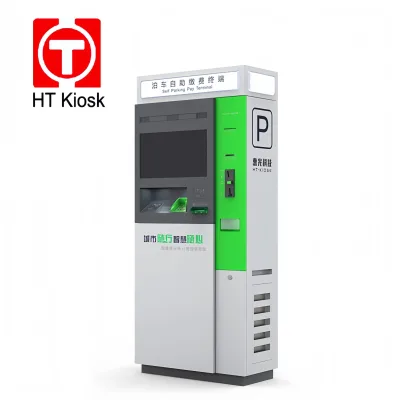
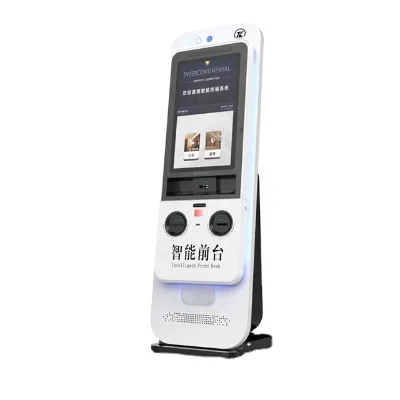
$1500.00 - $2099.00
MOQ: 1 sets
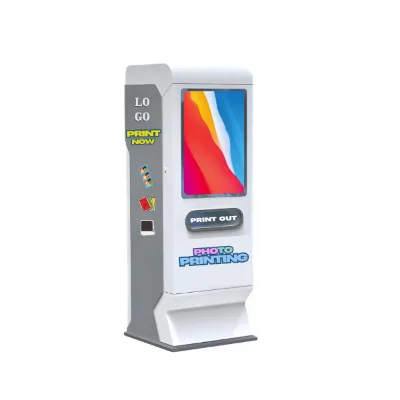
Shenzhen Chuangli Technology Co., Ltd.
- Verified by TüVRheinland
- Manufacturer, Trading Company
- Lead time10 days
- Avg. response≤ 2h
Main productsPayment Kiosk, Touch Monitor, Digital Signage, Touch All In One PC, ATM
Main marketsNorth America(43%), Mid East(30%), Western Europe(20%)
- Manufacturer
- Guangdong, China
- Lead time40 days
- Avg. response≤ 8h
Main productsSelf Service Kiosk,Metal Keyboard,Metal Keypad,Encrypted Metal Pin Pad,Industrial kiosk
Main marketsNorthern Europe(13.00%), Southern Europe(12.00%), Western Europe(10.00%), Mid East(9.00%), South Asia(8.00%), South America(7.00%), Africa(7.00%), Eastern Europe(6.00%), Central America(6.00%), Southeast Asia(5.00%), North America(5.00%), Domestic Market(5.00%), Oceania(4.00%), Eastern Asia(3.00%)
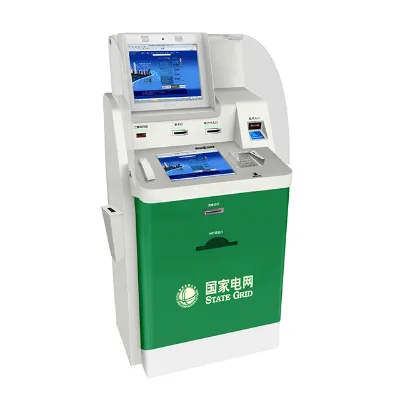
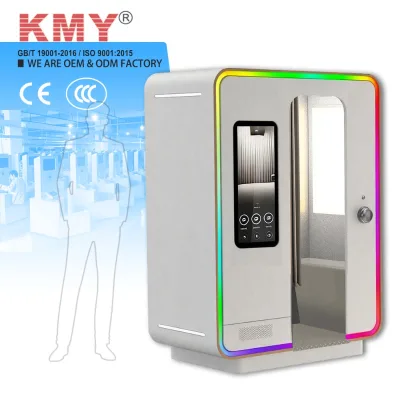
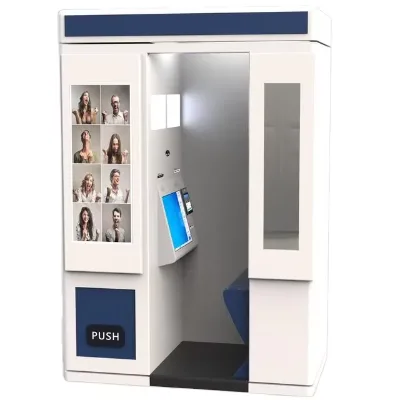
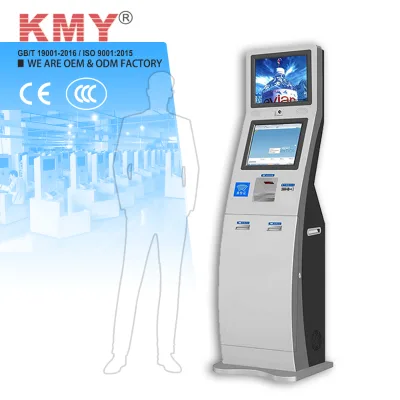
$1539.0377 - $3898.8955
MOQ: 5 Minimum
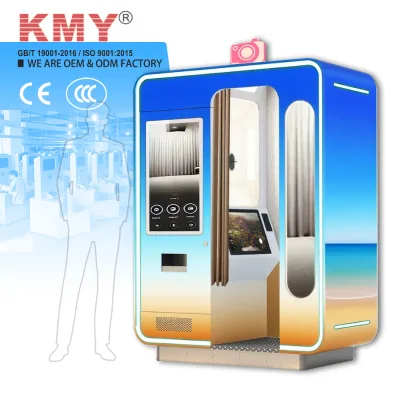

- Verified by SGS
- Trading Company,Manufacturer/Factory,Group Corporation
- China Guangdong
- Lead time15 days
- Avg. response≤ 18h
Main productsPCBA/PCB Assembly, Cable/Wire Harness Assemb, Sheet Metal Fabrication, Kiosk Machine OEM/ODM, Order Machine OEM/ODM, Product Assembly, LED Industrial Lights
Main marketsSouth America,Eastern Europe,Mid East,North America,Southeast Asia,Eastern Asia,Oceania,Western Europe,Africa

Multi Function Card Dispenser Kiosk with Pass Port Scanning, ID Card Scan, Card Issuing Function
$750.00 - $1000.00
MOQ: 1 Pieces


Custom Photobooth Photo LCD Display Kiosk Floor Stand Kiosk with Touch Screen
$750.00 - $1000.00
MOQ: 1 Pieces

Self Service Instagram Printing Kiosk for Photo Booth Touch Screen Ticket Vending Machine
$750.00 - $1000.00
MOQ: 1 Pieces

Self Service Instagram Printing Kiosk for Photo Booth Touch Screen Ticket Vending Machine
$750.00 - $1000.00
MOQ: 1 Pieces
Shenzhen Hongzhou Zhineng Technology Co., Ltd.
- Manufacturer
- Guangdong, China
- Lead time30 days
- Avg. response≤ 7h
Main productsself servcie kiosk,self-ordering kiosk,Hotel check-in kiosk,Currency Exchange Kiosk,BTC ATM
Main marketsDomestic Market(43.00%), North America(11.00%), Southeast Asia(9.00%), South America(8.00%), Mid East(6.00%), Western Europe(5.00%), Oceania(4.00%), Eastern Europe(3.00%), Eastern Asia(3.00%), Northern Europe(2.00%), Africa(2.00%), South Asia(1.50%), Southern Europe(1.50%), Central America(1.00%)
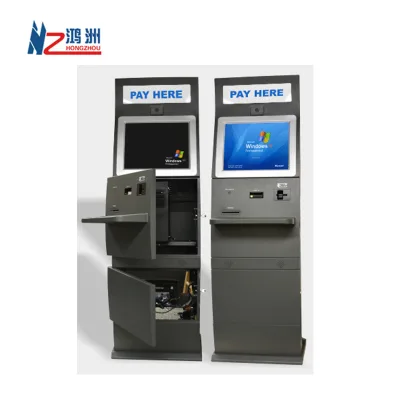
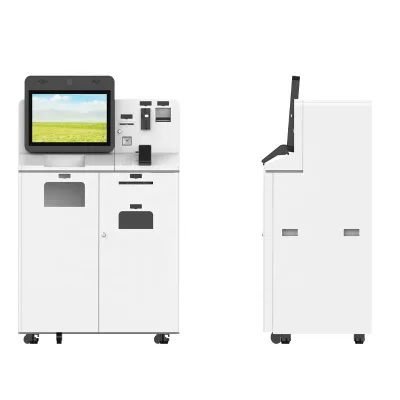
$1024.617 - $4610.7766
MOQ: 10 units
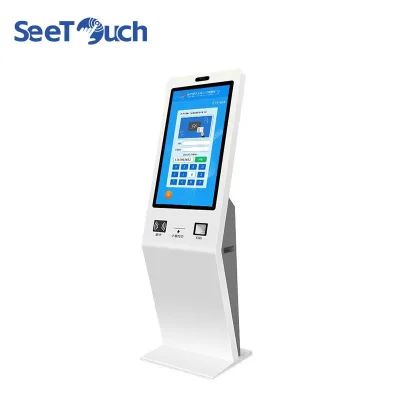
Beijing Seetouch Technology Co.,Ltd
- Manufacturer, Trading Company
- Beijing, China
- Lead time7 days
- Avg. response≤ 1h
Main productstouch monitor,touch screen,interactive whiteboard,digital signage,touch kiosk
Main marketsDomestic Market(60.00%), North America(20.00%), Western Europe(10.00%), Northern Europe(10.00%)
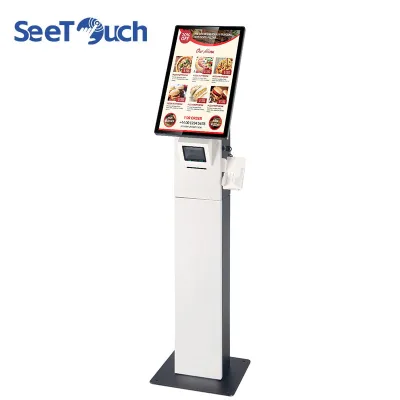
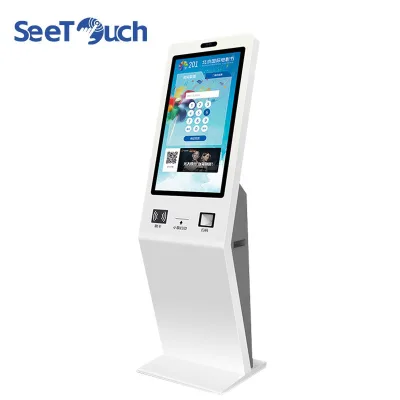
$473.5987 - $566.259
MOQ: 1 units
Guangzhou Irxsee Intelligent Technology Co., Ltd.
- Verified by SGS Group
- Manufacturer, Trading Company
- Lead time7 days
- Avg. response≤ 2h
Main productsTouch Screen Monitor, Industrial Touch Screen Computer, Touch Screen All In One Computer, Payment Kiosks
Main marketsNorth America(50%), Western Europe(15%), Northern Europe(15%)

Shenzhen Dinosaur Display Co., Ltd.
- Verified by SGS
- Trading Company,Manufacturer/Factory
- China Guangdong
- Lead time15 days
- Avg. response≤ 3h
Main productsDisplay, Digital Signage, Interactive Whiteboard, Smart Touch Table, Vido Wall, Payment Kiosk
Main marketsSouth America,Eastern Europe,Mid East,North America,Southeast Asia,Eastern Asia,Oceania,Western Europe,Africa

Customized Multi-Functional Automatic Ticket and Card Dispenser Self Service Indoor Payment Kiosks
$339.00 - $397.00
MOQ: 1 units


- Manufacturer/Factory
- China Guangdong
- Lead time90 days
- Avg. response≤ 4h
Main productsDigital Signage, LCD Kiosk, LCD Video Wall, LCD Totem, Ultra-Wide Stretch Bar LCD Display, Interactive Kiosk Touch Screen Kiosk, Advertising Player, LCD Display, Interactive Touch White Board, Media Player
Main marketsSouth America,Eastern Europe,Mid East,North America,Southeast Asia,Eastern Asia,Western Europe

$499.00 - $3500.00
MOQ: 1 Pieces


Shenzhen Langxin Electron Co., Ltd.
- Manufacturer
- Guangdong, China
- Lead time15 days
- Avg. response≤ 7h
Main productsTouchScreenKiosks,SelfServiceTerminal,QueuingMachines,PosCashRegister,AdvertisingDisplays
Main marketsDomestic Market(50.00%), Mid East(9.00%), Southeast Asia(6.00%), Western Europe(6.00%), North America(5.00%), Eastern Europe(5.00%), Africa(5.00%), Northern Europe(3.00%), Eastern Asia(3.00%), Southern Europe(2.00%), South America(2.00%), Central America(2.00%), Oceania(1.00%), South Asia(1.00%)
$600.00 - $1950.00
MOQ: 1 sets
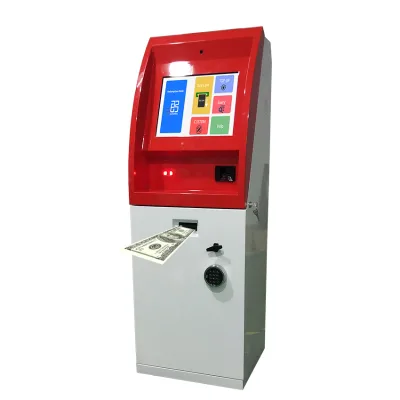
$600.00 - $1950.00
MOQ: 1 sets
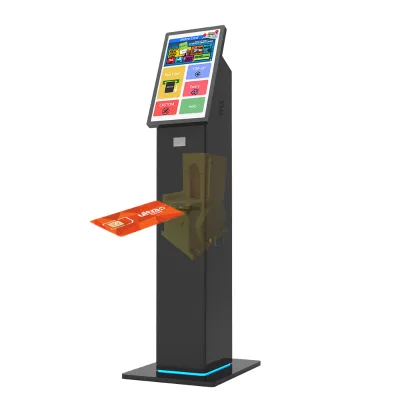
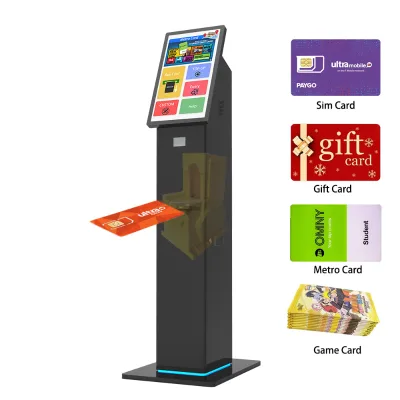
Bank Card Cash Aceptor Ticket Vending Payment Kiosk Machine for Sim Gift Game Card Vending
$600.00 - $1950.00
MOQ: 1 sets
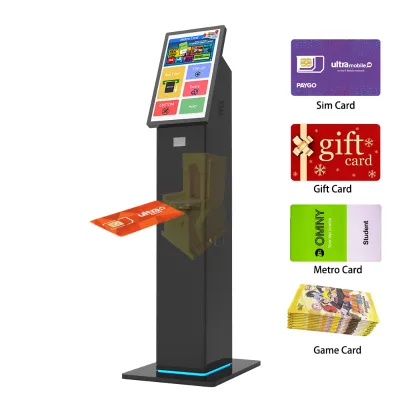
$600.00 - $1950.00
MOQ: 1 sets
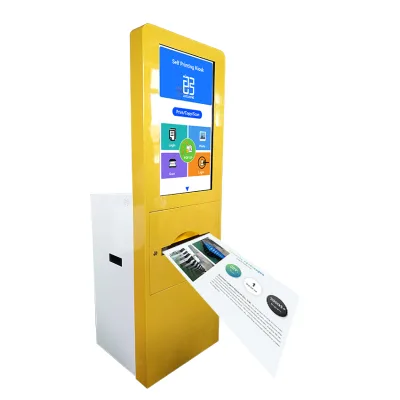
$600.00 - $1950.00
MOQ: 1 sets
- Manufacturer
- Guangdong, China
- Lead time35 days
- Avg. response≤ 2h
Main productsSelf Service Kiosk,ATM Machine,Smart Locker,Ticket vending Machine,Payment Kiosk
Main marketsNorth America(20.00%), Mid East(15.00%), Western Europe(13.00%), Domestic Market(11.00%), Eastern Asia(10.00%), Northern Europe(6.00%), Africa(5.00%), Southeast Asia(4.00%), Southern Europe(3.00%), Oceania(3.00%), Eastern Europe(3.00%), South Asia(3.00%), South America(2.00%), Central America(2.00%)

Guangzhou Reyeah Technology Co., Ltd.
- Verified by TUVRHEINLAND
- Combined
- China Guangdong
- Lead time23 days
- Avg. response≤ 3h
Main productsPhoto Booth, Mirror Photo Booth, Payment Photo Booth, DSLR Photo Booth, iPad Photo Booth, Wooden Photo Booth, Enclosed Photo Booth
Main marketsEurope,North America

Floor Standing Touch Screen Card Reader DSLR Photo Booth Machine with Payment System
$2299.00
MOQ: 1 Pieces


Guangzhou Reyeah Technology Co., Ltd.
- Verified by SGS
- Combined
- China Guangdong
- Lead time30 days
- Avg. response≤ 3h
Main productsReyeah Vending Machine, Phoprint Photo Booth, Wall Mounted Vending Machine, Mini Vending Machine, Small Vending Machine, Cigarette Vending Machine, Tobacco Vending Machine, Perfume Vending Machine, Desktop Vending Machine, Snack and Drink Vending Machine
Main marketsAustralia,North America

Credit Card Payment Automatic Selfie Vending Machine Selfie Photo Booth
$1800.00 - $2700.00
MOQ: 1 Pieces

Phoprint Floor Standing Touch Screen Card Reader DSLR Photo Booth Machine with Payment System
$1800.00 - $2700.00
MOQ: 1 Pieces

Touch Screen Instant Vogue Photo Booth Credit Card Payment Selfie Mirror Photo Booth Kiosk
$1800.00 - $2700.00
MOQ: 1 Pieces

$3500.00 - $3700.00
MOQ: 1 Pieces

Newest Desktop Photo Booth Mirror Credit Card Payment Options Photo Booth Kiosk for Rent
$1800.00 - $2700.00
MOQ: 1 Pieces

$3500.00 - $3700.00
MOQ: 1 Pieces
Guangzhou Xishida Information Technology Co., Ltd.
- Verified by Intertek
- Manufacturer, Trading Company
- Lead time0 days
- Avg. response≤ 2h
Main productsSelf-service Terminals, Industrial All-in-One Computer, RFID Intelligent Terminal
Main marketsDomestic Market(80%), Southeast Asia(10%), Mid East(6%)

Guangzhou Umei Technology Co., Ltd
- Verified by SGS
- Manufacturer/Factory
- China Guangdong
- Lead time15 days
- Avg. response≤ 2h
Main productsHair Straightener, Hair Dryer, Hair Curler, Hair Clipper, Photo Booth Vending Machine, Cotton Candy Vending Machine, Popcorn Vending Machine, Vending Machine, Ice Cream Vending Machine, 360 Photo Booth
Main marketsSouth America,Eastern Europe,Mid East,North America,Southeast Asia,Eastern Asia,Western Europe


Selfie Photo-Booth Touch Screen Photobooth for Weddings Vending Machines Compatible
$4420.00 - $4880.00
MOQ: 1 Pieces

Guangzhou Qianlai Intelligent Technology Co., Ltd
- Verified by SGS
- Combined
- China Guangdong
- Lead time15 days
- Avg. response≤ 13h
Main productsPhoto Booth, Cotton Candy Machine, Pizza Machine
Main marketsSouth America,Southeast Asia/ Mideast,East Asia(Japan/ South Korea),Domestic,Europe,Australia,North America

Photo Booth Coin Operateddigital Machine Instant Photo Booth DSLR Receipt
$668.00 - $3168.00
MOQ: 1 Pieces

$2068.00 - $2998.00
MOQ: 1 pieces

Diqital Dual Port Printers Vending Passport Photo Booth Photobooth Machine
$1888.00 - $3888.00
MOQ: 1 pieces

Machine Self Service Coin Operated Customized Airport Passport Photo Booth
$1888.00 - $3398.00
MOQ: 1 pieces

Diqital Dual Port Printers Photo Booth, Vending Machines for Sale Wedding
$1888.00 - $3888.00
MOQ: 1 pieces


Shenzhen Hongzhou Smart Technology Co., Ltd.
- Verified by TUVRHEINLAND
- Combined
- China Guangdong
- Lead time60 days
- Avg. response≤ 3h
Main productsSelf Service Kiosk, ATM Cdm Crm, Currency Exchange Kiosk Fx Kiosk, Mobile Money ATM Btc ATM Crypto Kiosk, Self Ordering Kiosk Hotel Check-in Kiosk, Parking Payment Kiosk, A4 and Photo Printing Kiosk, Ticket Vending Kiosk, Gold Bar ATM Jewelry Vending ATM, Sheet Metal Cabinet Kiosk Enclosure
Main marketsSouth America,Africa,Southeast Asia/ Mideast,East Asia(Japan/ South Korea),Europe,Australia,North America

Unattended Selfservice Photo Printing Kiosk with Instant Printer for Museum Postcard Service
$1780.00 - $4800.00
MOQ: 1 Pieces

CE Certified Selfservice Photo Kiosk with Payment Module for Instant Card Printing
$1780.00 - $4800.00
MOQ: 1 Pieces

Selfservice Photo Printing Kiosk for Instant Greeting Card Making in Shopping Mall
$1780.00 - $4800.00
MOQ: 1 Pieces

Customfloor Standing Photo Printing Kiosk with Color Printer for Souvenir Card Making
$1780.00 - $4800.00
MOQ: 1 Pieces
Comprehensive Sourcing Guide
SDK Support Photo Card Dispenser Supplier Concentration and Factory Types
The landscape for sourcing SDK support photo card dispensers is defined by a mix of specialized manufacturers and trading entities that facilitate global distribution. Current data indicates that suppliers in this niche often operate as manufacturers, trading companies, or combined entities capable of handling both production and sales logistics. This structural diversity allows buyers to access a broader range of capabilities, from direct factory pricing to the logistical support provided by trading firms. The presence of verified verification badges from reputable third-party inspection agencies such as TüVRheinland, CTI, and SGS Group suggests that a significant portion of the market has undergone rigorous auditing processes. These verifications are critical for establishing trust, as they confirm that the supplier’s business operations and product quality meet international standards. Buyers should prioritize suppliers with these specific verification marks, as they provide an additional layer of security regarding the legitimacy and operational stability of the vendor.
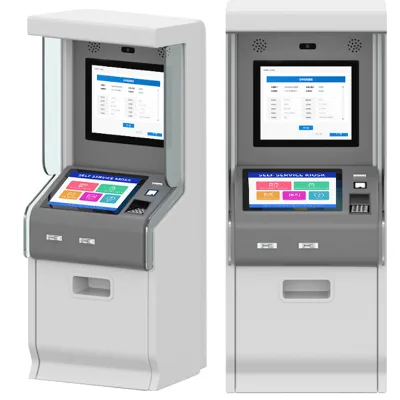
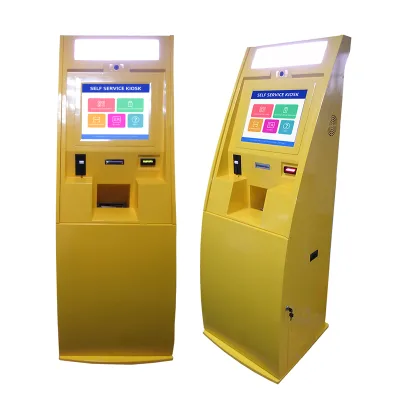
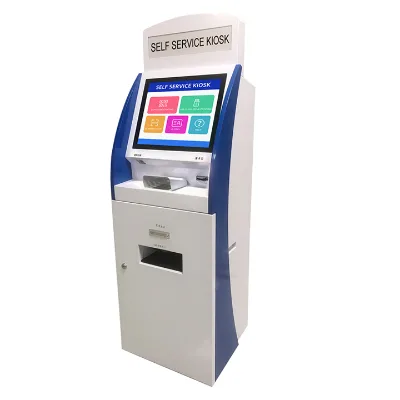
In terms of manufacturing capabilities, many suppliers offer extensive customization options, including OEM and ODM services, which are essential for brands seeking unique product differentiation. The ability to process samples and handle graphic processing on demand highlights the flexibility of these factories in adapting to specific client requirements. Some suppliers specialize in self-service kiosks with integrated SDK functions, allowing for deep software integration into existing customer management systems. This technical capability is particularly important for industries like hospitality and banking, where seamless integration with backend systems is paramount. The main products listed often include various forms of self-service kiosks, such as desktop, wall-mounted, and floor-standing units, indicating that suppliers are equipped to handle diverse form factors. Understanding whether a supplier is a pure manufacturer or a trading company helps buyers assess the potential for direct communication with engineering teams versus the streamlined service of a single point of contact.
How to Verify SDK Support Photo Card Dispenser Suppliers
Verifying the credibility of SDK Support Photo Card Dispenser suppliers requires a multi-faceted approach that goes beyond simple profile reviews. Buyers should first examine the verification badges displayed on supplier profiles, such as those from TüVRheinland, CTI, and SGS Group. These badges indicate that the supplier has passed specific audits conducted by independent third parties, which can significantly reduce the risk of engaging with fraudulent or unreliable vendors. It is crucial to check the expiration dates and scope of these verifications to ensure they are current and relevant to the products being sourced. Additionally, buyers should look for system certifications such as ISO14001:2015, ISO45001, ISO 9001, CE, CCC, and FCC. These certifications demonstrate that the supplier adheres to international standards for quality management, environmental protection, and product safety, which are essential for ensuring long-term reliability and compliance in global markets.
Beyond certifications, buyers should assess the supplier’s response time and lead time as indicators of operational efficiency. A response time of one day or less suggests a highly responsive sales team capable of addressing inquiries and resolving issues quickly. Similarly, lead times ranging from fifteen to forty-five days provide insight into the supplier’s production capacity and inventory management. Suppliers with shorter lead times may be better suited for urgent orders, while those with longer lead times might offer more competitive pricing for bulk purchases. Buyers should also verify the supplier’s location, as many manufacturers are based in regions like Guangdong, China, which is known for its robust electronics manufacturing ecosystem. Confirming the physical address and conducting virtual factory tours can provide further assurance of the supplier’s manufacturing capabilities. Finally, reviewing product evidence, including detailed specifications and customer testimonials, can help validate the supplier’s claims about their technical expertise and product quality.
What to Compare Across SDK Support Photo Card Dispenser Suppliers
When evaluating multiple suppliers for SDK support photo card dispensers, buyers must compare key operational and commercial metrics to identify the best fit for their needs. One critical factor is the minimum order quantity (MOQ), which can vary significantly across suppliers. Some suppliers offer an MOQ of just one unit, making them ideal for small-scale testing or pilot projects, while others may require larger orders to achieve economies of scale. Buyers should also compare the price ranges, which can span from approximately $229 to nearly $1,800 per unit, depending on the features and customization options required. Higher-priced units often include advanced features such as RFID card dispensers, cameras, printers, and larger touchscreens, which may be necessary for specific applications like hotel check-ins or banking services. Understanding the value proposition of each price point is essential for budgeting and ensuring that the selected supplier meets both functional and financial requirements.
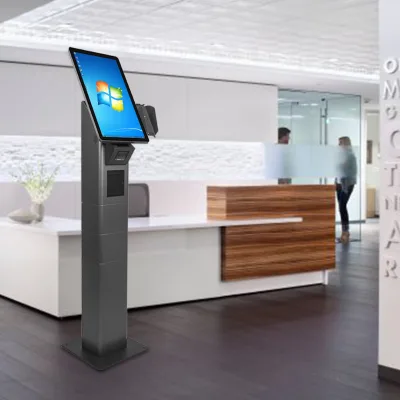
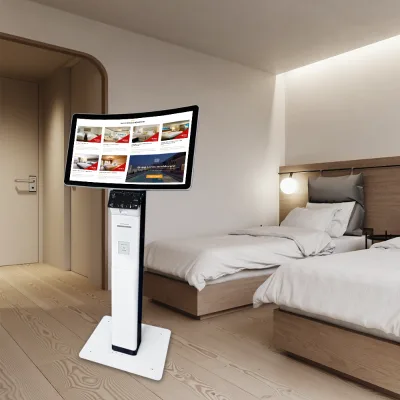
Another important aspect to compare is the customization capabilities and technical specifications offered by each supplier. Buyers should inquire about the availability of SDK support, which allows for seamless integration with existing software systems. Some suppliers offer ODM and OEM services, enabling brands to customize the hardware and software to their specific needs. Screen sizes, ranging from 10.1 inches to 32 inches, and installation options, such as desktop, floor-standing, or wall-mounted, should be evaluated based on the intended deployment environment. Additionally, buyers should compare the certifications listed for each product, such as CE, RoHS, CCC, and ISO, to ensure compliance with regional regulations. The data collector signal transmission method, whether wired or wireless, and the queue system type are also critical technical details that can impact the overall performance and user experience of the kiosk. By systematically comparing these attributes, buyers can make informed decisions that align with their operational goals and technical requirements.
Common SDK Support Photo Card Dispenser Sourcing Risks
Sourcing SDK support photo card dispensers from international suppliers introduces several risks that buyers must proactively manage to ensure a successful procurement process. One significant risk is the potential for miscommunication regarding technical specifications and SDK integration requirements. Since these devices often require custom software development, any ambiguity in the initial brief can lead to delays or incompatible products. Buyers should ensure that all technical requirements are clearly documented and agreed upon before placing an order. Another risk is the variability in product quality, which can be mitigated by requesting samples and conducting thorough inspections before mass production. Suppliers with verified badges and system certifications are generally more reliable, but buyers should still perform due diligence to verify that the final products meet their quality standards. Additionally, buyers should be aware of the potential for hidden costs, such as shipping, customs duties, and installation fees, which can significantly impact the total cost of ownership.
Logistical risks are also prevalent in international sourcing, particularly when dealing with fragile electronic equipment like kiosks. Damage during transit can result in costly replacements and project delays. Buyers should verify the packaging standards of suppliers, such as wooden box packaging, to ensure that products are adequately protected. Furthermore, lead time variability can disrupt supply chains, especially if suppliers fail to meet their promised delivery dates. Buyers should establish clear communication channels and regular check-ins to monitor production progress and address any issues promptly. Another risk is the reliance on a single supplier for critical components, which can create bottlenecks if that supplier faces production issues. Diversifying the supplier base or maintaining a buffer stock can help mitigate this risk. Finally, buyers should be cautious of suppliers who do not offer escrow services or other secure payment methods, as this can expose them to financial fraud. Using secure payment platforms and verifying supplier credentials can help protect against such risks.
SDK Support Photo Card Dispenser Regional Sourcing and Logistics
Regional sourcing plays a crucial role in determining the efficiency and cost-effectiveness of procuring SDK support photo card dispensers. Many suppliers in this sector are located in Guangdong, China, a region renowned for its advanced manufacturing capabilities and extensive supply chain infrastructure. Sourcing from this region can offer advantages such as lower production costs, faster prototyping, and access to a wide range of components and technologies. However, buyers must also consider the logistical implications of importing from China, including shipping times, customs clearance procedures, and potential tariffs. Understanding the local logistics landscape can help buyers optimize their supply chain and reduce lead times. For instance, suppliers in Guangdong may have established relationships with freight forwarders and shipping lines, which can facilitate smoother export processes. Buyers should leverage these connections to negotiate favorable shipping rates and ensure timely delivery.
In addition to cost and logistics, regional sourcing can impact the level of support and collaboration available to buyers. Suppliers in manufacturing hubs often have more experience working with international clients and may offer better after-sales support, including technical assistance and spare parts availability. Buyers should evaluate the supplier’s ability to provide remote support or on-site installation services, depending on their specific needs. Furthermore, regional sourcing can influence the customization options available, as suppliers in these areas may have more flexible production lines capable of handling small batch orders and rapid iterations. Buyers should also consider the environmental and social impact of their sourcing decisions, as many suppliers in Guangdong are increasingly adopting sustainable manufacturing practices. By aligning their sourcing strategy with regional strengths and logistical considerations, buyers can enhance their overall procurement experience and achieve better value for their investment.
SDK Support Photo Card Dispenser Commercial Terms and Order Planning
Effective order planning and understanding commercial terms are essential for managing the procurement of SDK support photo card dispensers successfully. Buyers should begin by clearly defining their order volume, delivery timeline, and budget constraints to negotiate favorable terms with suppliers. It is important to discuss payment terms, such as the use of escrow services, to ensure financial security throughout the transaction. Escrow services can protect buyers by holding funds until the goods are received and verified, reducing the risk of fraud or non-delivery. Additionally, buyers should clarify the warranty period and after-sales support policies, including the availability of spare parts and technical assistance. Suppliers with established track records and positive testimonials are more likely to offer robust support services, which can be crucial for maintaining the long-term functionality of the kiosks.
Lead time management is another critical aspect of order planning, as delays can impact project timelines and customer satisfaction. Buyers should confirm the supplier’s lead time, which can range from fifteen to forty-five days, and factor this into their project schedule. It is advisable to build in buffer time to account for potential delays in production or shipping. Buyers should also discuss the packaging and shipping methods to ensure that products are delivered in good condition. Suppliers offering wooden box packaging can provide additional protection for fragile electronic components. Furthermore, buyers should verify the supplier’s ability to handle customs documentation and compliance requirements, which can vary by destination country. By carefully planning these commercial terms and logistical details, buyers can minimize risks and ensure a smooth procurement process. Clear communication and detailed contracts are key to establishing a strong partnership with suppliers and achieving successful outcomes.
FAQs
Do kiosks with a photo card dispenser include SDK support for integration?
Yes, several card dispenser kiosks listed support SDK integration, allowing developers to connect the dispenser with hotel or payment software. Buyers should confirm SDK documentation, supported operating systems, and API scope with suppliers before ordering, since SDK features can vary by model and some units require customization agreements for full integration support.
What screen sizes are available on SDK-enabled card dispenser kiosks?
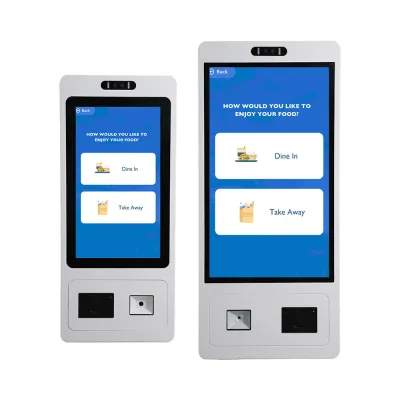
Listed models commonly offer 21.5 inch and 32 inch touch screens, while some compact desktop card issuance units use a 10.1 inch screen. Screen choice affects installation type, since larger floor-standing kiosks suit hotel lobbies and public areas, and smaller desktop terminals work at reception counters with limited space.
How much does an SDK-supported self-service card dispenser kiosk cost?
Prices observed range from roughly 229 to 1798 dollars per unit depending on size and features. Basic 10.1 inch desktop card issuance machines sit at the lower end, while 21.5 and 32 inch payment kiosks with printers, cameras, or card dispensers fall in the mid to upper range. Request quotations for exact configuration pricing.
What is the typical minimum order quantity for these card dispenser kiosks?
Some listed products allow a minimum order of one unit, which suits buyers testing a deployment before scaling. Other suppliers may set higher MOQs for customized configurations. Always confirm the MOQ for your specific build, including optional printers, cameras, and RFID modules, because added hardware can change the order requirement.
How fast do suppliers respond and deliver these kiosks?
Response times among listed suppliers range from about one hour to under three hours on average, and lead times range from roughly 15 to 45 days. Lead time depends on customization level, order quantity, and production schedule. Ask suppliers to confirm current production capacity and shipping schedules before placing a purchase order.
Which certifications should I check before importing card dispenser kiosks?
Common certifications listed include CE, RoHS, CCC, and ISO, and some suppliers hold ISO 9001, ISO 14001, or ISO 45001 system certificates. Verification by third parties such as TÜV Rheinland, CTI, or SGS adds confidence. Match certification requirements to your destination market regulations and request valid, current certificates during negotiation.
Can card dispenser kiosks be customized for hotel check-in use?
Yes, many listed models support OEM and ODM customization, with optional cameras, printers, POS terminals, RFID readers, and advertising playback functions. Installation can be desktop, floor standing, or wall mounted. Provide your software integration requirements and intended application, such as hotel, airport, or public area, so suppliers quote the correct configuration.
How are card dispenser kiosks packaged and shipped?
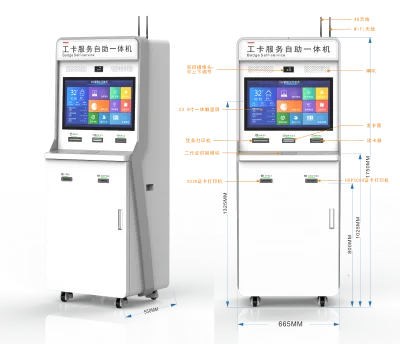
Listed products typically use wooden box packaging, which protects enclosures and screens during international freight. One floor-standing model has a single package size of about 60 by 60 by 95 centimeters with a gross weight near 60 kilograms. Confirm packing dimensions and shipping terms with suppliers, as larger kiosks may require freight forwarding arrangements.