Crazy Plane Kiddy Ride Machine Suppliers and Manufacturers
Source 26 verified suppliers for Crazy Plane Kiddy Ride Machine units. Compare grounded dimensions including lead times, certifications, and response rates. Review product specifications and request quotes directly from manufacturers; review the available evidence before requesting comparable quotations from suitable candidates.
Updated
Suppliers List
Guangzhou Riteng Electronics Co., Ltd.
- Verified by TüVRheinland
- Manufacturer, Trading Company
- Lead time7 days
- Avg. response≤ 2h
Main productsPopcorn Vending Machine, Cotton Candy Machine, Photo Booth Machine, Gift Game Machine, Amusement Machine
Main marketsNorth America(35%), South America(10%), Western Europe(10%)

Guangzhou EPARK Electronic Technology Co., Ltd.
- Verified by SGS
- Combined
- China Guangdong
- Lead time15 days
- Avg. response≤ 3h
Main products9d Vr, Racing Game Machines, Boxing Machine, Kids Game Machine, Claw Machine, Arcade Game Machine, Vr Simulator Series, Kiddie Ride, Basketball Game Machine, Amusement Game Machine
Main marketsSouth America,Africa,Southeast Asia/ Mideast

Amusement Games Propeller Big Plane Coin Operated Kids Super Plane Ride Kiddie Ride
$400.00 - $850.00
MOQ: 1 set

Dream Airplane Coin Operated Kiddie Ride Fiberglass Kiddie Ride Game Machine
$800.00 - $1050.00
MOQ: 1 set


Plane Kiddie Ride Coin Operated Electric Rocking Car Arcade Children Game Machine
$300.00 - $400.00
MOQ: 1 set
Shenzheng Dongshan Electronics Technology Co., Limited
- Manufacturer, Distributor/Wholesaler
- Guangdong, China
- Lead time0 days
- Avg. response≤ 5h
Main productsclaw machine,game board,game machine,bill acceptor,touch monitor
Main marketsSouth America(20.00%), North America(20.00%), Southern Europe(10.00%), Central America(10.00%), Western Europe(10.00%), Mid East(10.00%), Africa(10.00%), Southeast Asia(10.00%), Eastern Europe(10.00%)
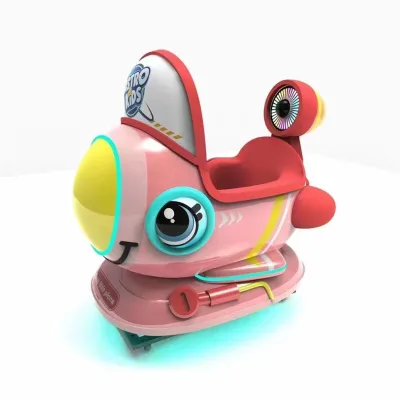
$310.5876 - $362.3521
MOQ: 1 sets
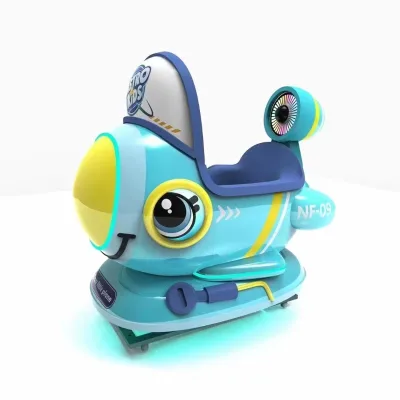
$306.9747 - $358.1379
MOQ: 1 sets
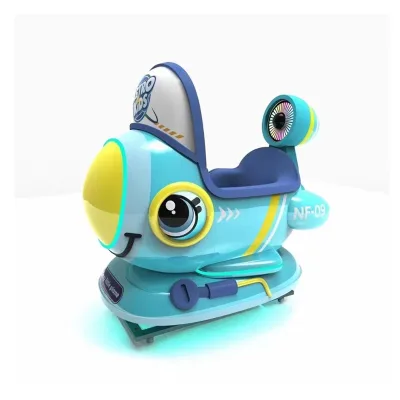
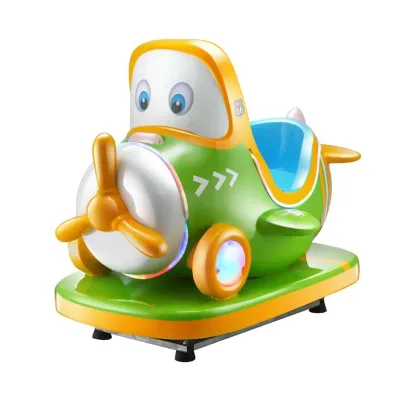
$200.00 - $430.00
MOQ: 1 sets
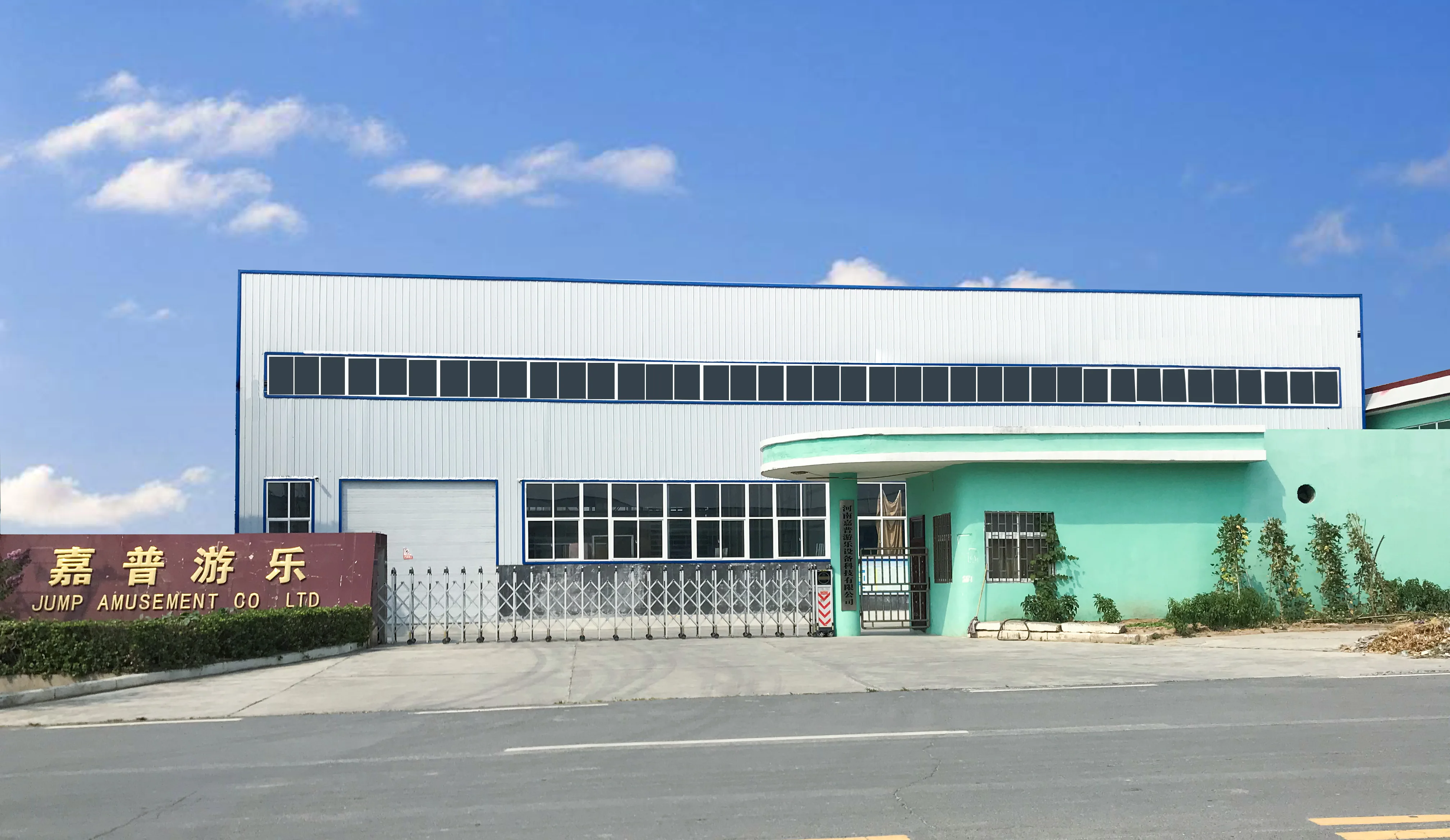
Zhengzhou Bigjoys Amusement Co.,Ltd
- Manufacturer, Trading Company
- Henan, China
- Lead time10 days
- Avg. response≤ 2h
Main productsTrampoline park/Indoor Playground,Mechanical rides(Carousel/Flying Chair/Electric Train),Inflatable products,Thrill rides,Naughty Castle
Main marketsDomestic Market(20.00%), North America(20.00%), South America(10.00%), Eastern Europe(10.00%), Oceania(6.00%), Western Europe(6.00%), Africa(5.00%), Southeast Asia(5.00%), Northern Europe(5.00%), Mid East(4.00%), Southern Europe(3.00%), Eastern Asia(2.00%), South Asia(2.00%), Central America(2.00%)
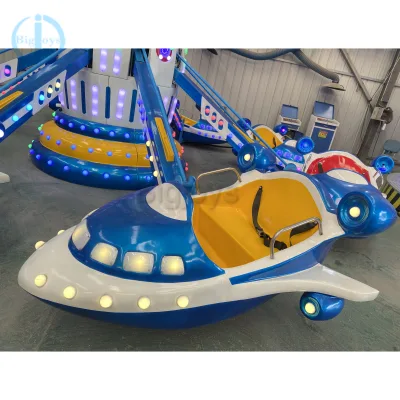
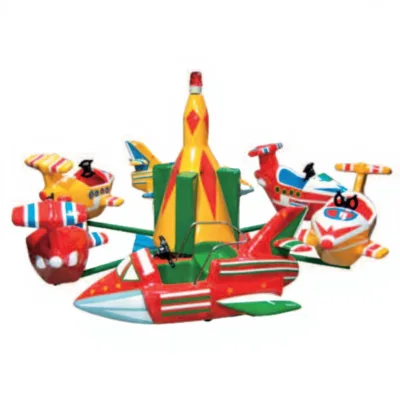
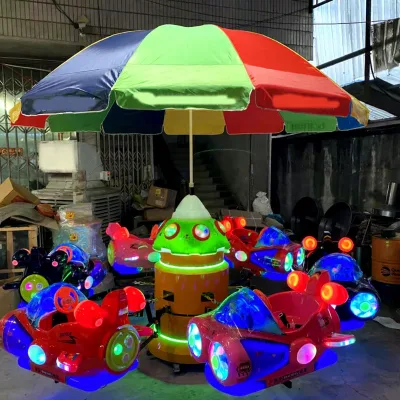
High Quality Kids Flying Plane Kiddie Rides Shopping Mall Rides Amusement Park Rides for Sale
$8174.8621 - $20437.1552
MOQ: 1 Minimum
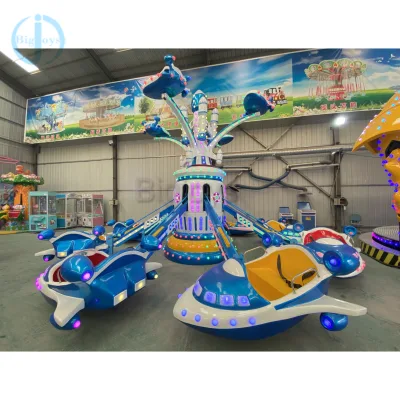
$1021.8578 - $5109.2888
MOQ: 1 Minimum
Guangzhou Waimar Animation Technology Co., Ltd.
- Verified by SGS Group
- Manufacturer, Trading Company
- Lead time7 days
- Avg. response≤ 2h
Main productsBumper Car, Coin-operated Game Consoles
Main marketsNorth America(50%), Southeast Asia(40%), Eastern Europe(10%)
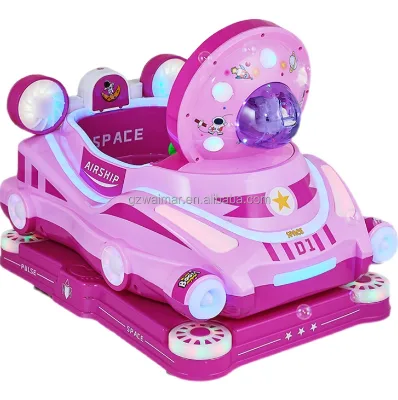
$380.00 - $430.00
MOQ: 2 pieces
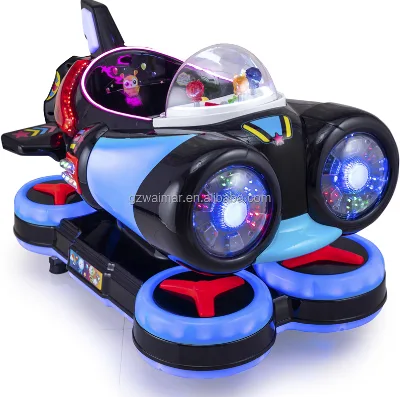

Guangzhou Colorful Park Animation Technology Co., Ltd
- Verified by SGS
- Combined
- China Guangdong
- Lead time15 days
- Avg. response≤ 9h
Main productsGame Machine, Video Game, Arcade Game Machines, Vending Machine, Car Racing Game Machine, 5D 7D 9d Cinema, Key Master Machine, Claw Crane Machine, Kiddle Ride, Amusement Machine
Main marketsAfrica,Southeast Asia/ Mideast,Europe,North America


$680.00 - $700.00
MOQ: 1 Pieces

Guangzhou Dinibao Animation Technology Co., Ltd.
- Verified by SGS
- Combined
- China Guangdong
- Lead time15 days
- Avg. response≤ 2h
Main productsRacing Arcade Machine, Motorcycle Arcade Machine, Shooting Arcade Machine, Arcade Ticket Machine, Arcade Prize Machine, Gashapon/Vending Machine, Kids Arcade Machine, Arcade Air Hockey Table, Carousel/Kiddie Ride/Kid Train, Basketball Arcade Machine
Main marketsSouth America,Southeast Asia/ Mideast,Europe,Australia,North America


Airplane Rider Kiddie Flight Redemption Machine - Sky Adventure Arcade Game
$500.00 - $580.00
MOQ: 1 Sets

Zhengzhou Wanle Amusement Equipment Co., Ltd.
- Manufacturer, Trading Company
- Henan, China
- Lead time30 days
- Avg. response≤ 10h
Main productsAmusement Rides (Except Large Amusement Equipment)
Main marketsDomestic Market(100.00%)
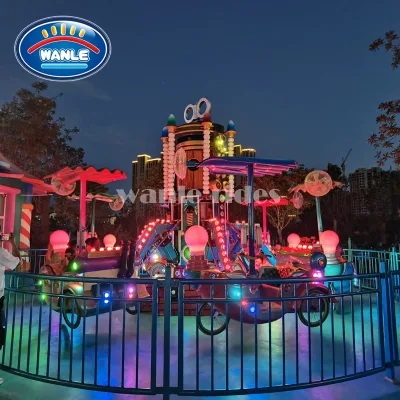
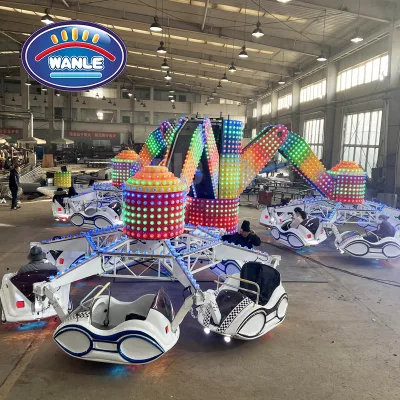
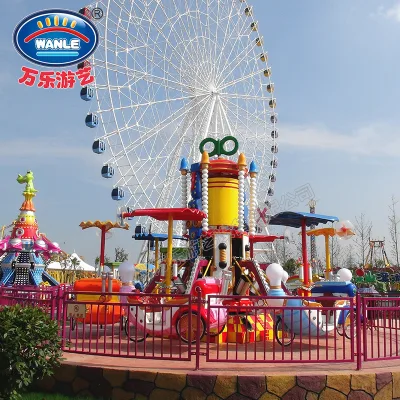
Airplane Kiddie Ride Happy Spacecraft 24 Seats Amusement Machine Ride Self Control Plane
$31000.00 - $35000.00
MOQ: 1 sets
$31895.5578 - $36011.1136
MOQ: 1 sets
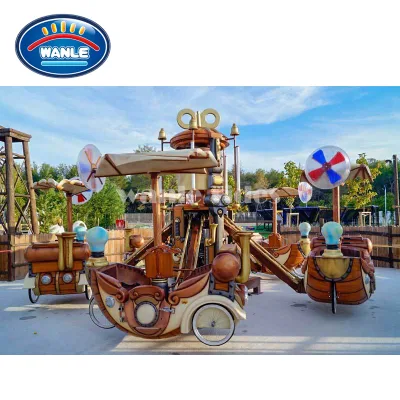
Fairground Self-Control Flying Ride for Kids with Safety Belts and Exciting Controls
$31000.00 - $35000.00
MOQ: 1 sets

Zhengzhou Ruina Amusement Equipment Co., Ltd.
- Manufacturer/Factory
- China Henan
- Lead time23 days
- Avg. response≤ 2h
Main productsAmusement Attraction Equipment, Inflatable Bouncy Castle, Carousel Rides, Mechanical Amusement Equipment, Bumper Car, Inflatable Water Park, Electric Train, Inflatable Slide, Indoor Outdoor Playground, Water Bumper Boat/Water Bike
Main marketsSouth America,Eastern Europe,Mid East,North America,Southeast Asia,Eastern Asia,Oceania,Western Europe,Africa


Mini Kids Plane Self Control Amusement Kiddie Park Ride Airplane Ride
$8000.00 - $18569.00
MOQ: 1 Pieces

Popular Attraction Kids Amusement Rides Small Self Control Planes Rides Automatic Aircraft
$8000.00 - $13000.00
MOQ: 1 Pieces

Classical Self Control Plane Rides Amusement Park Rotating Airplane Rides for Sale
$8000.00 - $13000.00
MOQ: 1 Sets
- Verified by TüVRheinland
- Trading Company
- Lead time15 days
- Avg. response≤ 4h
Main productsSimulator Game Machine, Redemption Game Machine, Kiddie Rides, Vending Prize Game Machine, Game Machines Software
Main marketsMid East(20%), Western Europe(20%), Southeast Asia(10%)
Henan Lino Amusement Equipment Co., Ltd.
- Trading Company
- Henan, China
- Lead time20 days
- Avg. response≤ 3h
Main productsCarousel,Ferris Wheel,Pirate Ship,Tourist Train,Bumper Car
Main marketsNorth America(31.00%), Western Europe(20.00%), Mid East(12.00%), Southeast Asia(12.00%), South Asia(8.00%), Eastern Europe(6.00%), Africa(3.00%), Central America(3.00%), South America(3.00%), Oceania(2.00%)
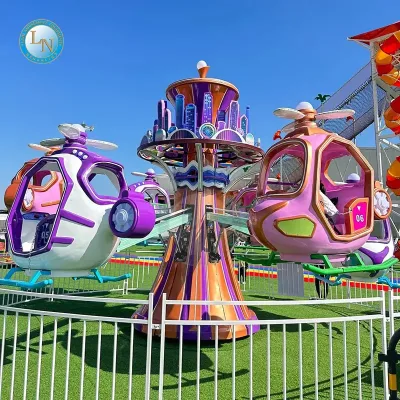
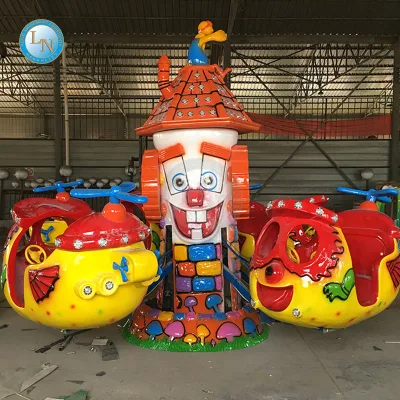
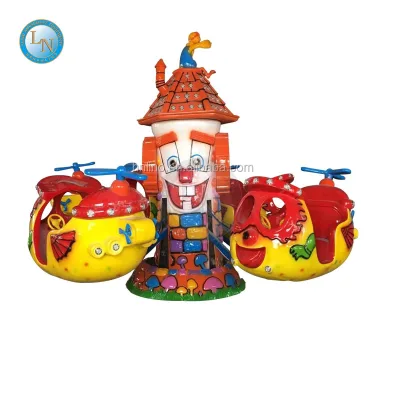
Most Popular Small Luna Park Rides Indoor Amusement Big Eye Plane Electric Kiddie Ride
$5000.00 - $6000.00
MOQ: 1 sets
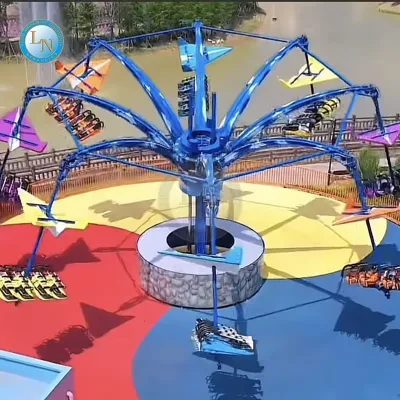
$20000.00 - $25000.00
MOQ: 1 sets
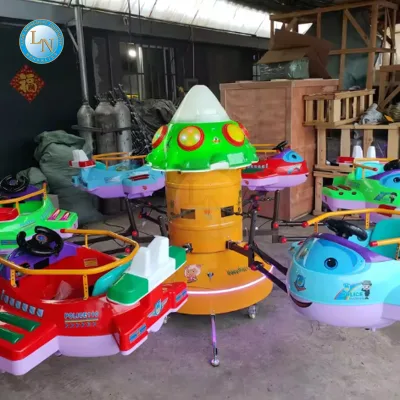

Zhengzhou Bigjoys Amusement Equipment Co., Ltd.
- Trading Company,Manufacturer/Factory
- China Henan
- Lead time23 days
- Avg. response≤ 7h
Main productsTrampoline Park/Indoor Playground, Inflatable Bouncy Castle, Inflatable Water Park, Inflatable Slide, Park Rides/Carousel, Thrill Park Rides, Family Rides, Roller Coaster, Bungee Trampoline, Ferris Wheel
Main marketsSouth America,Eastern Europe,Mid East,North America,Southeast Asia,Eastern Asia,Oceania,Western Europe,Africa
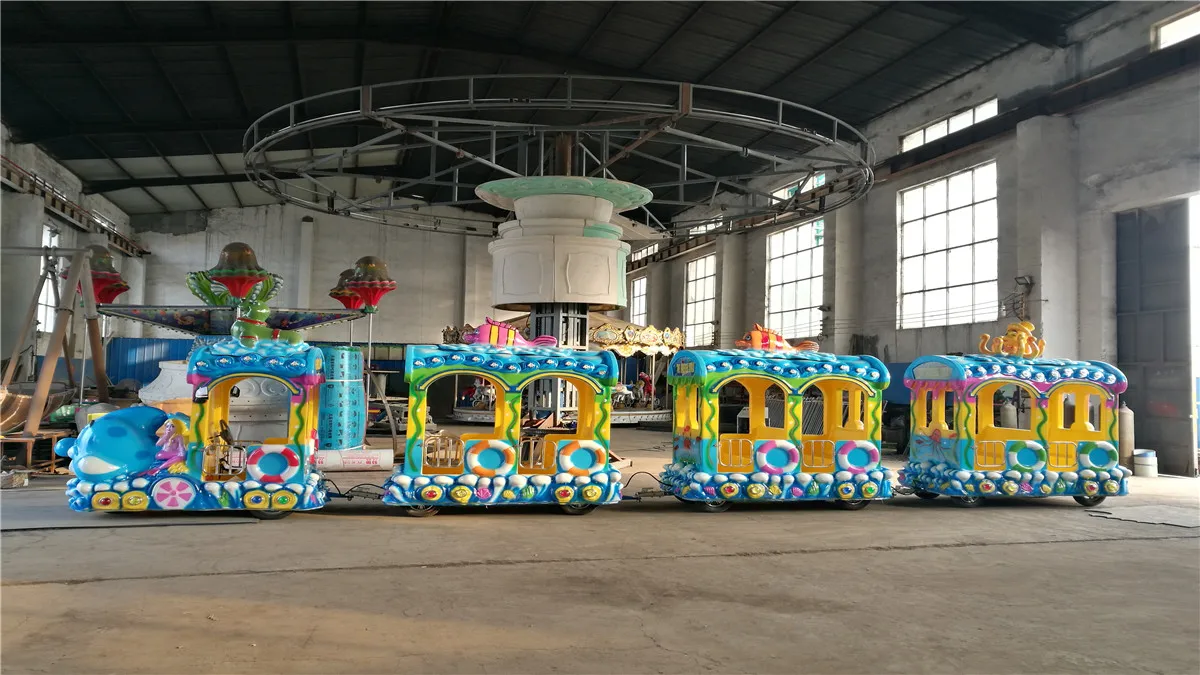
Henan Weiyuan Machinery Co., Ltd.
- Manufacturer, Trading Company
- Henan, China
- Lead time15 days
- Avg. response≤ 3h
Main productscarousel horse,bumper car,flying chairs,disco tagada,self-control plane
Main marketsAfrica(28.00%), Mid East(24.00%), North America(12.00%), Southeast Asia(8.00%), South America(5.00%), Central America(4.00%), Northern Europe(4.00%), Eastern Europe(3.00%), South Asia(3.00%), Southern Europe(3.00%), Western Europe(2.00%), Eastern Asia(2.00%), Oceania(2.00%)

Zhengzhou Jiete Amusement Equipment Co., Ltd.
- Manufacturer, Trading Company
- henan, China
- Lead time25 days
- Avg. response≤ 6h
Main productsBig pendulum rides,Pirate ship rides,Flying Tower rides,Bumper car,Flying chair
Main marketsOceania(10.00%), Southeast Asia(10.00%), Eastern Europe(10.00%), South America(10.00%), North America(10.00%), Mid East(10.00%), Central America(8.00%), Africa(6.00%), South Asia(5.00%), Domestic Market(5.00%), Western Europe(5.00%), Eastern Asia(4.00%), Southern Europe(4.00%), Northern Europe(3.00%)
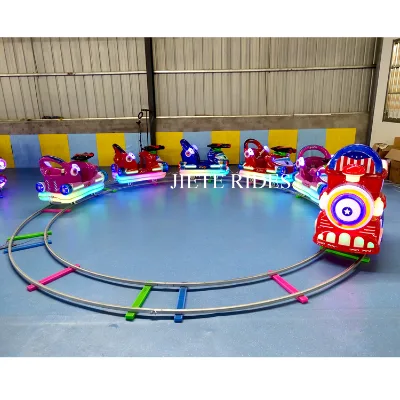
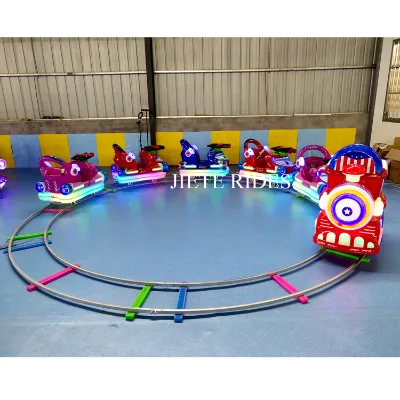
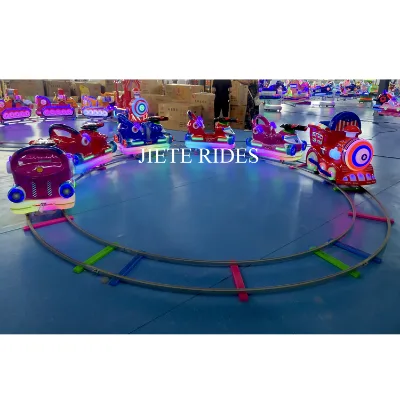
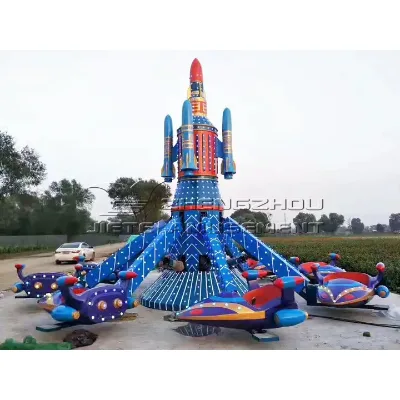
Best Selling 3d Kiddie Ride Amusement Machine Bubble Plane Kiddie Ride Electric Swing Car
$206.7741 - $1757.5801
MOQ: 1 Minimum
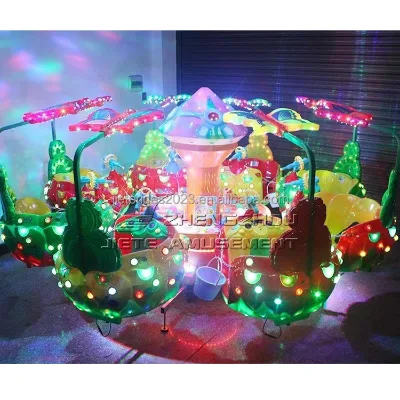
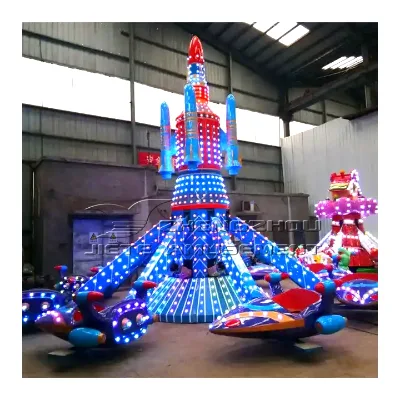
Arcade Games for Kids, Video Game Arcade Horse Ride, Plane Arcade Machine for Sale
$206.7741 - $1757.5801
MOQ: 1 Minimum
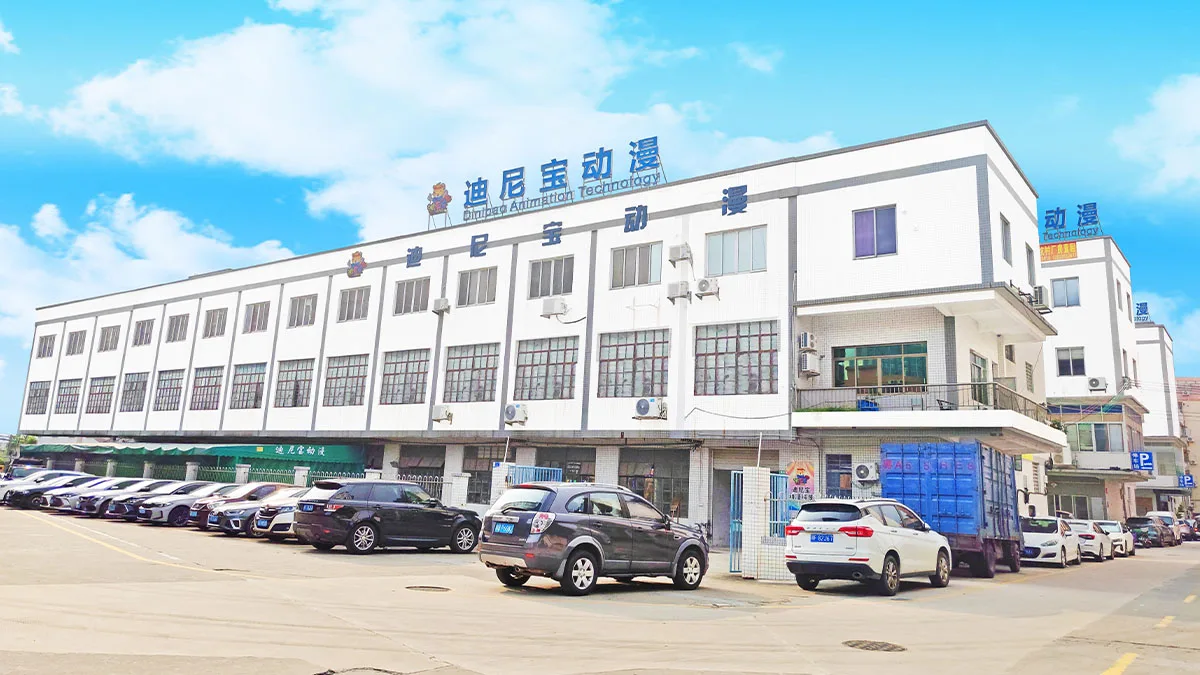
Guangzhou Dinibao Animation Technology Co., Ltd.
- Manufacturer
- Guangdong, China
- Lead time10 days
- Avg. response≤ 2h
Main productssimulator shooting game machine,simulator racing game machine,redemption game machine,basketball game machine,toy crane game machine
Main marketsSouth Asia(15.00%), Eastern Asia(14.00%), Mid East(12.00%), Africa(10.00%), Southeast Asia(8.00%), Domestic Market(6.00%), Southern Europe(5.00%), North America(5.00%), Eastern Europe(5.00%), Central America(4.00%), Western Europe(3.00%), Northern Europe(3.00%), Oceania(2.00%), South America(2.00%)
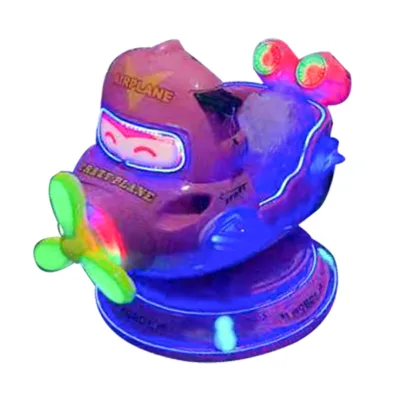
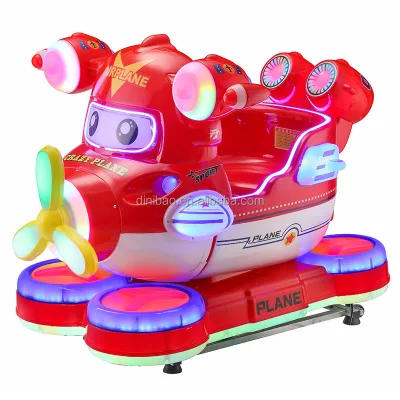
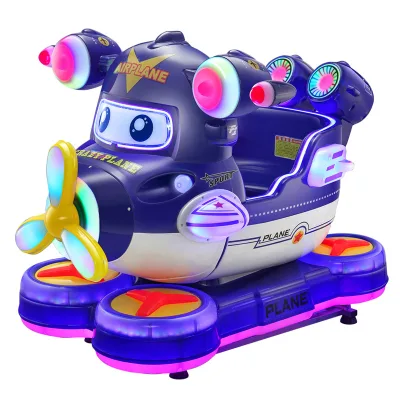
Dinibao Hot Selling Amusement Park Ride Kiddie Rides Games Machine for Shopping Mall
$409.2996 - $460.4628
MOQ: 1 pieces

Zhengzhou Cheery Amusement Equipment Co.,Ltd
- Verified by BV
- Trading Company
- China Henan
- Lead time23 days
- Avg. response≤ 5h
Main productsAmusement Ride, Carousel, Pirate Ship, Train Rides, Flying Chair Rides, Amusement Park Plane, Rainbow Slide, Zip Line, Sky Bike
Main marketsSouth America,Southeast Asia/ Mideast,North America


Attraction Kids Play Ground Equipment Cheap Amusement Self Control Plane Fun Ride
$11000.00
MOQ: 1 Pieces


Outdoor Indoor Playground Theme Park Amusement Ride Self Control Plane Airplane Ride
$14000.00
MOQ: 1 Pieces

Zhengzhou Ali Brothers Import & Export Co., Ltd
- Trading Company
- henan, China
- Lead time30 days
- Avg. response≤ 4h
Main productsAmusement Equipment,big pendulum,flying chair,pirate ship,carousel horse
Main marketsMid East(40.00%), South America(20.00%), Africa(20.00%), South Asia(10.00%), Southeast Asia(10.00%)
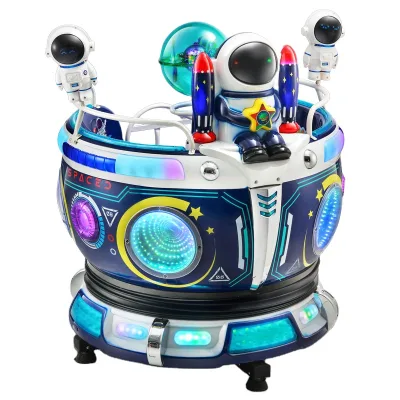
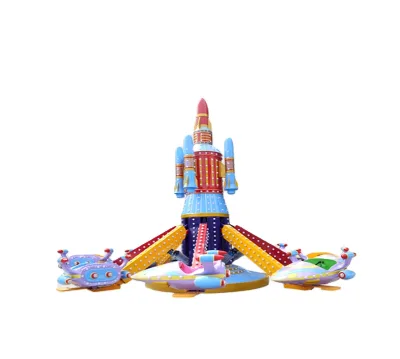
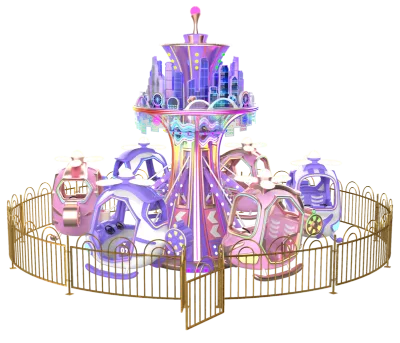
Attractive Equipment Kiddie Ride 6 Arm 12seats Amusement Self Control Plane for Sale
$14054.1944
MOQ: 1 Minimum
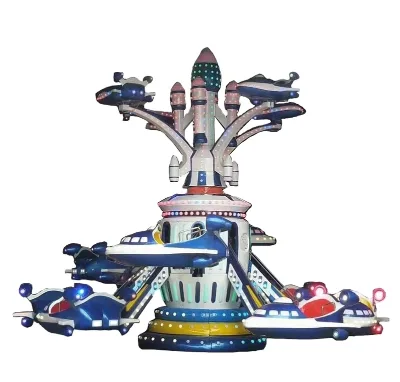
Promotion!!! New Style Top Sale Children Rides for Amusement Park Equipment Self Control Plane
$16015.5357
MOQ: 1 Minimum
Henan Dinisi Entertainment Technology Co., Ltd.
- Verified by Intertek
- Manufacturer, Trading Company
- Lead time30 days
- Avg. response≤ 2h
Main productsTrackless Train, Carousel, Ferris Wheel, Pirate Ship, Bumper Car
Main marketsDomestic Market(72%), Africa(9%), North America(3%)
Guangzhou EPARK Electronic Technology Co., Ltd.
- Verified by SGS Group
- Manufacturer, Trading Company
- Lead time10 days
- Avg. response≤ 2h
Main productsGame Machines, Arcade Game Machines, Shooting Game Machines, Kids Game Machines, Virtual Reality Simulators
Main marketsMid East(30%), Africa(20%), South America(14%)
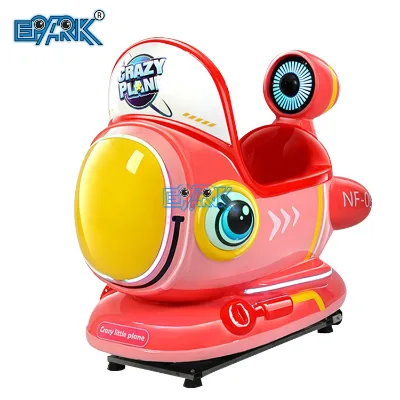
Kiddie Ride Games Swing Machine 220V Amusement Park Fiberglass Aircraft for Sale
$500.00 - $900.00
MOQ: 1 sets
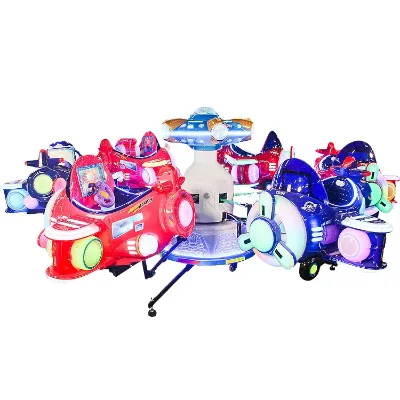
Theme Park Children Games Machine Happy Flying Airplane Small Plane Rides for Sale
$2500.00 - $2800.00
MOQ: 1
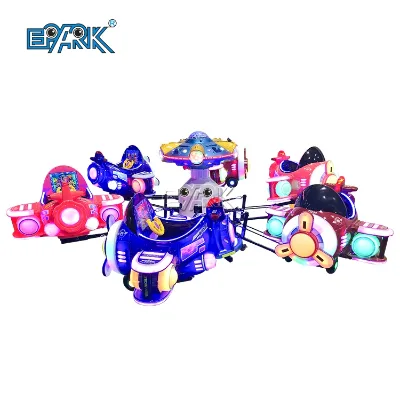
Happy Flying Airplane Small Plane Rides Mini Aircraft Rides Merry Go Round Ride on Mini Carousel
$1500.00 - $2800.00
MOQ: 1 sets
Zhengzhou Hangtian Amusement Equipment Manufacturing Co., Ltd.
- Manufacturer, Trading Company
- Henan, China
- Lead time15 days
- Avg. response≤ 2h
Main productsCarousel, Flying Chair, Big Pendulum, Tagada, Plane Ride
Main marketsDomestic Market(70.00%), South Asia(12.00%), Mid East(8.00%), Africa(5.00%), Southeast Asia(5.00%), Eastern Asia(0.00%), North America(0.00%), South America(0.00%), Oceania(0.00%), Western Europe(0.00%), Southern Europe(0.00%), Central America(0.00%), Northern Europe(0.00%), Eastern Europe(0.00%)

Guangzhou Hansel Electronic Technology Co., Ltd.
- Verified by BV
- Combined
- China Guangdong
- Lead time23 days
- Avg. response≤ 12h
Main productsWalking Animal Rides, Animal Scooters in Mall, Plush Motorized Animals, Amusement Prince Motorbike, Amusement Motorcycle Electric, Amusement Rides, Kiddy Ride Machines, Tourist Train Rides, Kids Bumper Car, Trackless Train
Main marketsSouth America,Southeast Asia/ Mideast,Europe,North America


Hansel Children Indoor Fun Game Machine Amusement Kiddie Ride on Train
$309.00 - $500.00
MOQ: 3 Pieces
Zhengzhou Longbo Machinery Equipment Co., Ltd.
- Trading Company
- Henan, China
- Lead time15 days
- Avg. response≤ 9h
Main productsAmusement rides,Bumper cars,tourist sightseeing cars,electric car,electric minibus
Main marketsSouth America(60.00%), North America(15.00%), Central America(10.00%), Africa(5.00%), South Asia(2.00%), Southeast Asia(2.00%), Oceania(1.00%), Northern Europe(1.00%), Eastern Asia(1.00%), Mid East(1.00%), Eastern Europe(0.50%), Southern Europe(0.50%), Western Europe(0.50%)
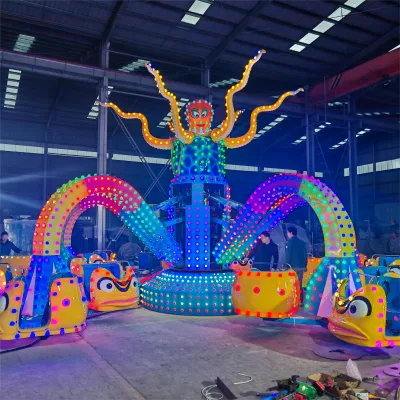
Outdoors Playground Adult Family Amusement Ride on Giant Octopus Rotation Swing Flying Game Machine
$17557.1921 - $20322.7965
MOQ: 1 pieces
Zhengzhou Limeiqi Amusement Equipment Co., Ltd.
- Verified by SGS Group
- Manufacturer, Trading Company
- Henan, China
- Lead time30 days
- Avg. response≤ 1h
Main productsFerris Wheel Series, Track Train Series, Self Control Plane Series, Flying Tower Series, Carousel Series
Main marketsDomestic Market(40%), South Asia(18%), Africa(10%)
BV, ISO Certificate New Design Kids Indoor Play Equipment Rides Mini Self-control Plane
$9285.5822
MOQ: 1 Minimum

Henan Baolu Amusement Equipment Co., Ltd.
- Verified by BV
- Combined
- China Henan
- Lead time15 days
- Avg. response≤ 9h
Main productsBumper Car, Selfcontrol Plane, Flying Chair, Amusement Park Rides, Carousel, Pirate Ship, Disco Tagada, Swing Pendulum, Ferris Wheel, Shark Sliding Train
Main marketsSouth America


Amusement Park Rides Mechanical Games Electric Racing Car Self-Control Plane for Sale
$13000.00
MOQ: 1 Pieces


Guangzhou Xiao Tong Yao Amusement Equipment Co., Ltd.
- Verified by TUVRHEINLAND
- Combined
- China Guangdong
- Lead time15 days
- Avg. response≤ 4h
Main productsAmusement Equipment, Game Machine, Arcade Machine, Outdoor Amusement, Indoor Playground, Amusement Car, Kiddie Rides, Rolling Car, Happy Car, Le Bar Car
Main marketsSoutheast Asia/ Mideast,Domestic,North America

Kids Rides on Car, Amusement Park Center Kids Car Robot Kiddide Rides Game Machines
$800.00 - $1500.00
MOQ: 1 Pieces

Kiddie Rides Amusement Park 8 Seat Rotary and Lifting Jet Plane Kids Rides for Sale
$2200.00 - $2500.00
MOQ: 1 Pieces
Zhengzhou Great Amusement Rides Co., Ltd.
- Verified by Intertek
- Trading Company
- Lead time30 days
- Avg. response≤ 2h
Main productsLeisure Boat, Speed Boat, Fishing Boat, Houseboat, Passenger boat
Main marketsDomestic Market(50%), North America(15%), Southeast Asia(15%)
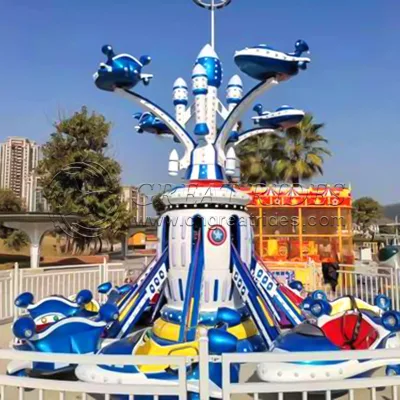
Commerical Amusement Park Rides New Design Kids Outdoor Playground Rotating Airplane Plane Rides
$10245.5295 - $20492.0823
MOQ: 1 Minimum
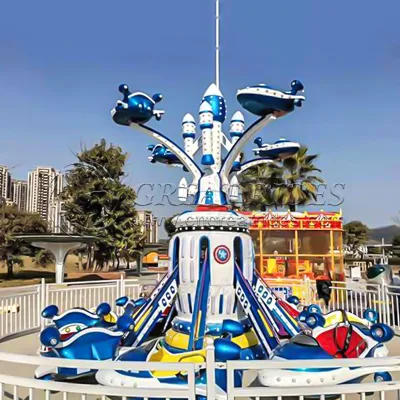
Best Selling Amusement Park Mini Kids Plane Game Attraction Self Control Ride for Kiddie Park
$10245.5295 - $20492.0823
MOQ: 1 Minimum
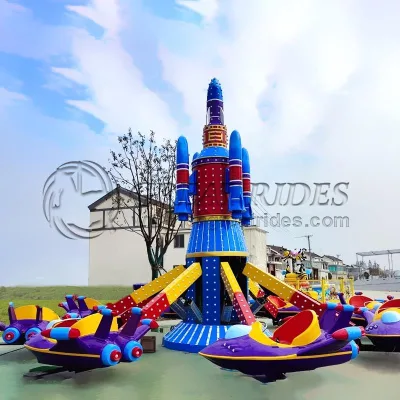
$9999.00 - $13999.00
MOQ: 1 units
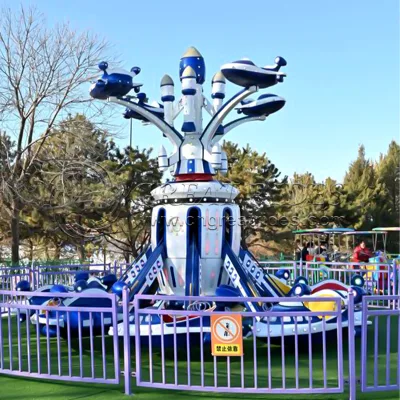
Indoor/Outdoor Amusement Equipment Kids Rides 16 Seats Self Control Plane for Shopping Mall
$9999.00 - $19999.00
MOQ: 1 Minimum
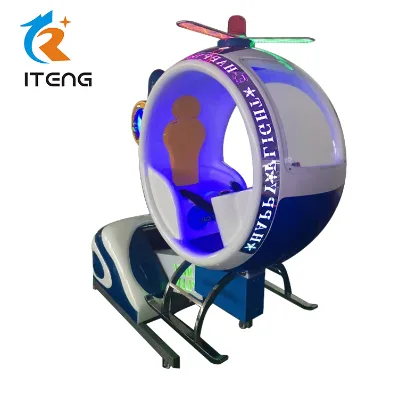
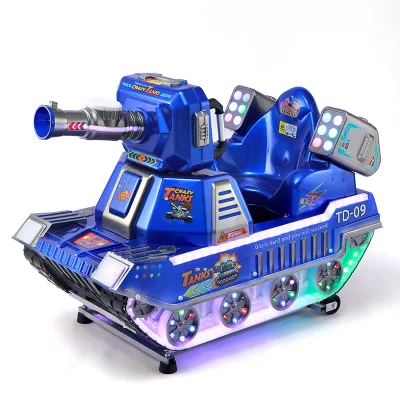


Comprehensive Sourcing Guide
Crazy Plane Kiddy Ride Machine Supplier Concentration and Factory Types
When sourcing a Crazy Plane Kiddy Ride Machine, understanding where suppliers cluster helps you shortlist efficiently. The supplier results in this category point to Guangdong, China as a documented origin location, with product listings explicitly stating Guangdong as the place of origin. This matters because amusement ride manufacturing in Guangdong is supported by fiberglass fabrication shops, metalworking vendors, electronics suppliers, and decal and graphic processors within close range, which shortens component sourcing and allows faster sample iterations. Buyers should treat listed origin data as a starting point and confirm the actual production address, since a listed location can reflect a sales office rather than the factory floor.
Supplier types in this category fall into two broad groups. Some companies identify as manufacturers, and one listing describes a manufacturer and trading company combination, meaning they both produce and resell. Manufacturer-type suppliers typically list capabilities such as sample processing, graphic processing, and customized on-demand production, which matters if you need branded cabinets or modified artwork. Combined or trading suppliers may aggregate products from several workshops, which can widen catalog choice but add a layer between you and production. Review each supplier's main product lines: many list kiddie rides alongside claw machines, basketball games, VR simulators, or vending machines, indicating an amusement equipment focus rather than a general toy trader. Match the supplier type to your order profile before requesting quotes.
How to Verify Crazy Plane Kiddy Ride Machine Suppliers
Verification should begin with third-party assessment status. In this category, some suppliers carry verification from TÜV Rheinland and others from SGS, two internationally recognized inspection bodies. These labels indicate the company has undergone an on-site or documented business assessment, but they do not certify every product, so always ask which entity, certificate scope, and audit date applies. Separately, system certifications such as CE, RoHS, LVD, and EMC appear in the supplier data; these relate to electrical safety and electromagnetic compliance, which is directly relevant for a 220V coin-operated ride. Request the certificate number and issuing body for the specific ride model, not just a company-level claim.
Next, verify operational reality. Ask for business license details and cross-check the company name, scope, and registered address. Confirm whether the supplier is a manufacturer or trading company and, if manufacturing is claimed, request workshop photos or a live video walkthrough showing kiddie ride assembly, fiberglass or metal cabinet work, and electrical wiring stations. Test responsiveness under realistic conditions: response times in the range of roughly two to two-and-a-half hours are documented in this category, so a supplier who takes days to answer a technical question is a signal worth weighing. Finally, verify the product itself against listing attributes—model number, voltage, material, weight, and dimensions—because discrepancies between the listing and the quotation often reveal whether you are dealing with the actual producer.
What to Compare Across Crazy Plane Kiddy Ride Machine Suppliers
Build a comparison sheet with dimensions that actually differ between suppliers. Lead time is a primary one: documented figures in this category include 7 days and 15 days, a gap that can determine whether you hit a mall season or park opening date. Response time is the second: one supplier shows roughly 2 hours and another about 2.5 hours, and while both are fast, consistency over a full negotiation matters more than a single data point. MOQ varies too—some kiddie ride listings show a minimum of one set, which suits operators testing a location, but never assume every supplier accepts single-unit orders; confirm per model.
Beyond logistics, compare technical and commercial attributes side by side. Available listing data includes power ratings (for example, 120W and 250W models), voltage of 220V, materials ranging from fiberglass with hardware to metal with acrylic and plastic, cabinet dimensions, unit weights, and warranty periods of twelve months or one year. Company type, verification body, system certifications, and main product breadth also belong on the sheet. Note that not every supplier displays every attribute—some show no system certification in their profile—so treat missing fields as questions to ask rather than disqualifiers. Score suppliers on the attributes that drive your total cost: a slightly higher unit price with faster lead time and stronger documentation often wins over the cheapest quote.
Common Crazy Plane Kiddy Ride Machine Sourcing Risks
The most frequent risk in this category is specification drift between the listing and the delivered unit. Kiddie ride listings carry many attributes—material, power, weight, dimensions, model number—and it is common for a quoted unit to differ in cabinet material or music board features from what the catalog page shows. Mitigate this by attaching a specification sheet to the proforma invoice, referencing the exact model number, and requiring photo confirmation of the finished cabinet before shipment. A second risk is certification mismatch: a supplier profile may list CE, RoHS, LVD, or EMC at company level, but the specific ride's control box or motor may lack documentation, creating problems for import compliance and venue inspections.
Payment and quality risks follow. One documented listing shows 30% T/T as the payment term, meaning a substantial deposit is paid before production; without milestone checks, you have limited leverage if quality issues surface at final inspection. Safety features also deserve scrutiny: some listings specify a safety belt and a maximum weight capacity, while others do not mention restraint systems at all—confirm what a young-child ride includes before paying. Finally, beware of treating trading companies as factories when customization is needed; an intermediary relaying artwork revisions adds delay and misinterpretation risk. Ask who performs graphic processing and sample work, and whether changes go directly to the production line.
Crazy Plane Kiddy Ride Machine Regional Sourcing and Logistics
The documented origin for products in this category is Guangdong, China, and that concentration shapes logistics planning. Guangdong hosts major container ports, which generally simplifies booking ocean freight for amusement equipment, but ride machines are bulky relative to their value, so freight economics deserve attention. Documented package data illustrates the point: one kiddie ride measures 180×96×130 cm with a single gross weight around 68 kg, while a smaller plastic model packs at 127×74×95 cm. Cabinet rides are typically protected with bubble pack, corrugated paper, stretch film, and a strong wooden frame or case, so confirm packing construction, since wood packaging may require ISPM-15 heat treatment for export.
Because the cluster is regional, buyers can often combine multiple machines from nearby suppliers into consolidated shipments, reducing per-unit freight. However, verify each supplier's actual dispatch point and whether they deliver to a forwarder's warehouse, and agree on Incoterms explicitly—ex-works, FOB, and delivered terms produce very different landed costs for heavy cargo. If you source from outside a documented cluster, ask the supplier to state the production location and nearest port rather than assuming proximity to a hub. Also confirm lead time in logistics terms: documented production lead times of 7 and 15 days exclude ocean transit, so build a total timeline from deposit, to production completion, to inspection, to vessel booking before committing to an opening date.
Crazy Plane Kiddy Ride Machine Commercial Terms and Order Planning
Commercial terms in this category are workable for small buyers when confirmed in writing. Documented data points include MOQs as low as one set on certain kiddie ride models, payment structured as 30% T/T deposit on one listing, and production lead times ranging from 7 to 15 days depending on the supplier. Price ranges also appear in the listings, spanning budget plastic swing units to larger fiberglass cabinet rides, but quoted prices change with configuration, quantity, and shipping terms—so request a written quotation that separates unit price, packing cost, and freight. Confirm who handles export documentation and whether the quoted price includes wooden crating.
Order planning should account for customization and after-sales support. Some listings mark customization as available, covering graphic processing and on-demand modifications, while others state non-customized stock versions; decide early, because customized artwork extends the documented lead times. Verify warranty scope in the contract—twelve months and one-year warranties appear in this category—and ask which parts are covered, how spare parts ship, and whether technical support covers the coin mechanism, MP3 board, and motor. Version matters too: some machines are documented in Chinese or English versions, so confirm language of the interface and audio. Finally, plan inspection before balance payment, checking model number, dimensions, weight, voltage, and function against the agreed specification sheet.
Word count check: sections approximately 229, 231, 231, 233, 230, 230 = ~1384 words. Within range.
FAQs
What is the price range for crazy plane kiddie ride machines?
Prices for these machines typically range from $320 to $2,450 depending on the model and material. Basic plastic versions are available near the lower end, while larger fiberglass units with advanced features cost more. Buyers should check specific product listings for exact pricing tiers.
What certifications do these amusement machines usually have?
Most suppliers provide RoHS, CE, LVD, and EMC certifications for their equipment. These standards ensure electrical safety and environmental compliance for international markets. Buyers should verify specific certificates with the supplier before placing orders to ensure they meet local regulatory requirements.
How long does production and delivery take?
Lead times generally range from 7 to 15 days for standard models. Faster production is available for some items, while customized units may take longer. Buyers should confirm the exact timeline with the supplier based on order quantity and customization requirements.
What materials are used in these ride machines?
Common materials include fiberglass, metal, acrylic, and plastic. Fiberglass is often used for durable outdoor units, while plastic suits indoor game centers. The choice affects weight, durability, and cost, so buyers should select based on their specific installation environment.
What is the minimum order quantity for these machines?
The minimum order quantity is typically one set or unit. This allows buyers to test the market or purchase single units for small venues. Suppliers often support sample processing and customized orders starting from a single piece.
Where are these machines manufactured?
These machines are primarily manufactured in Guangdong, China. This region is a major hub for amusement equipment production. Buyers can expect a wide variety of suppliers and models available from this location, offering competitive pricing and diverse options.