Interactive Laser Shooting Simulator Suppliers and Manufacturers
Explore 21 verified Interactive Laser Shooting Simulator suppliers offering FCC, CE, and RoHS certified products with response times of 2 days and lead times of 7 days. Compare specifications like refresh rates and touch points, then request samples for customized solutions.
Updated
Suppliers List
- Verified by TüVRheinland
- Manufacturer, Trading Company
- Lead time7 days
- Avg. response≤ 2h
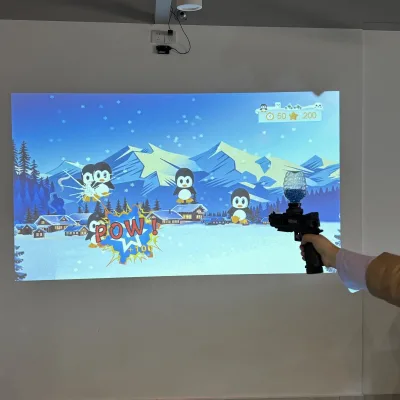
Main productsPortable Interactive Whiteboards, Interactive Wall And Floor, Interactive Projector, Interactive Projector Module, Interactive IR Pens
Main marketsSouthern Europe(13%), North America(12%), Eastern Europe(11%)
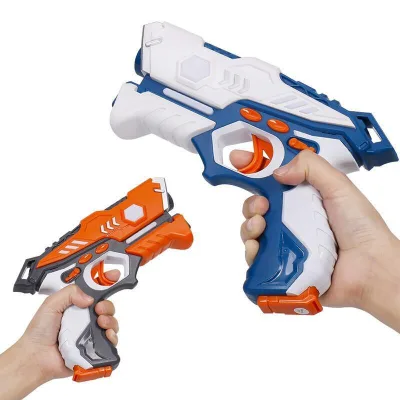
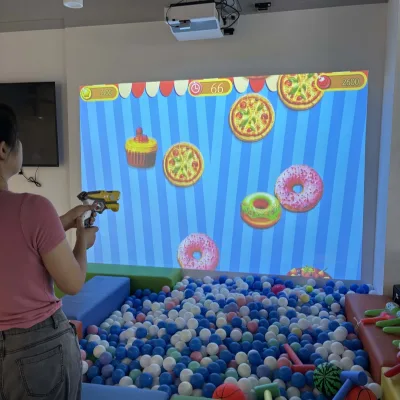
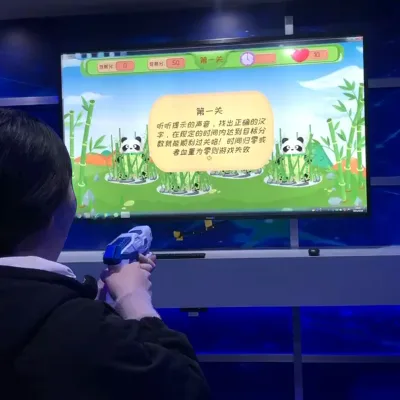
$307.2425 - $503.1347
MOQ: 1 pieces
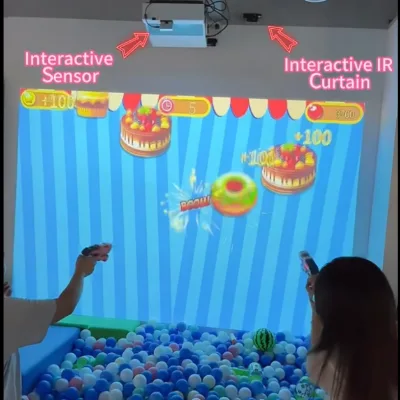
Guangzhou Waimar Animation Technology Co., Ltd.
- Verified by SGS Group
- Manufacturer, Trading Company
- Lead time7 days
- Avg. response≤ 2h
Main productsBumper Car, Coin-operated Game Consoles
Main marketsNorth America(50%), Southeast Asia(40%), Eastern Europe(10%)
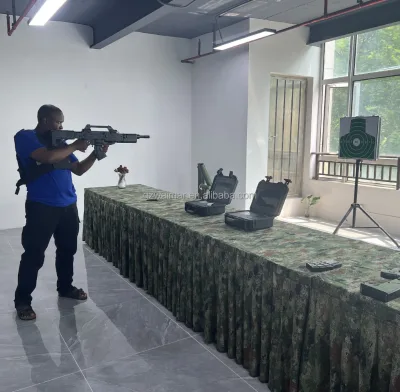
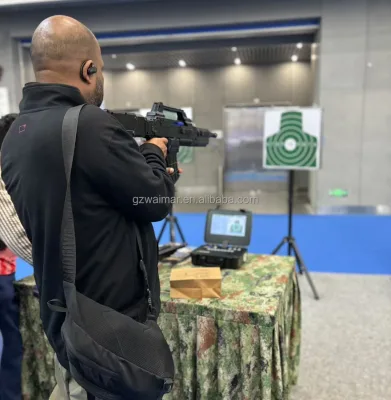
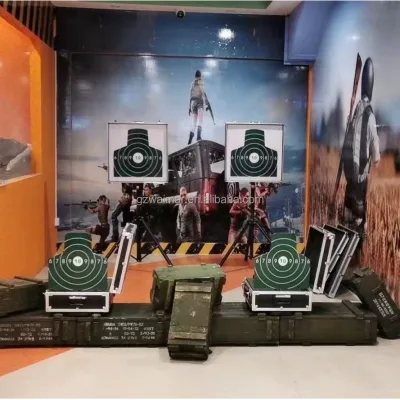
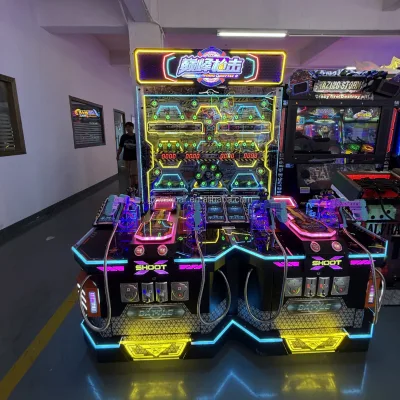
Shooting Practice Target Shooting Range Simulator for Arcade Game Center
$564.7206 - $790.6091
MOQ: 1 pieces

Guangzhou Shanghaojia Electronic Technology Co., Ltd
- Verified by TUVRHEINLAND
- Trading Company,Manufacturer/Factory,Group Corporation,Other
- China Guangdong
- Lead time23 days
- Avg. response≤ 1h
Main productsDoll Machine, Lottery Machine, Amusement Machine, Parent-Child Interactive Game Console, Basketball Machine, Video Game Console, Electronic Arcade, Amusement Equipment, Claw Machine, Pizza Vending Machine
Main marketsSouth America,Eastern Europe,Mid East,North America,Southeast Asia,Eastern Asia,Oceania,Western Europe,Africa

Guangzhou Mei Yi Lian Anime Technology Co., Ltd.
- Verified by CTI
- Combined
- China Guangdong
- Lead time23 days
- Avg. response≤ 4h
Main productsgame machine
Main marketsEast Asia(Japan/ South Korea),Domestic,Europe,North America

$4338.00 - $4500.00
MOQ: 1 Pieces

$12942.00 - $14706.00
MOQ: 1 Sets

$12942.00 - $14706.00
MOQ: 1 Sets

Liangjia Sports Technology (Guangzhou) Co., Ltd.
- Verified by SGS
- Combined
- China Guangdong
- Lead time15 days
- Avg. response≤ 3h
Main productsAr Sports Equipment, Sport Simulator
Main marketsDomestic

Indoor Vr Shooting Range: Interactive Multiplayer Training Simulator
$2280.00 - $2580.00
MOQ: 1 Pieces

$2280.00 - $2580.00
MOQ: 1 Pieces

Interactive Laser Gun Shooting Game Simulator Indoor Playground Equipment
$9000.00 - $9800.00
MOQ: 1 Pieces

$2280.00 - $2580.00
MOQ: 1 Pieces

$9800.00 - $10800.00
MOQ: 1 Pieces
Shanghai Easi Computer Technology Corporation
- Verified by TüVRheinland
- Manufacturer, Trading Company
- Lead time5 days
- Avg. response≤ 1h
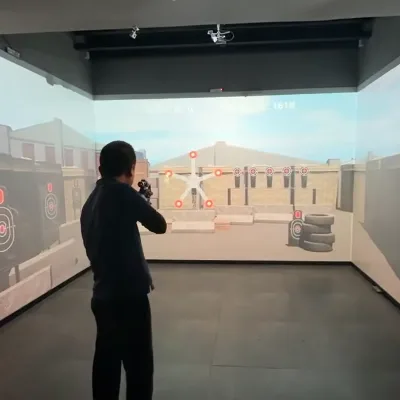
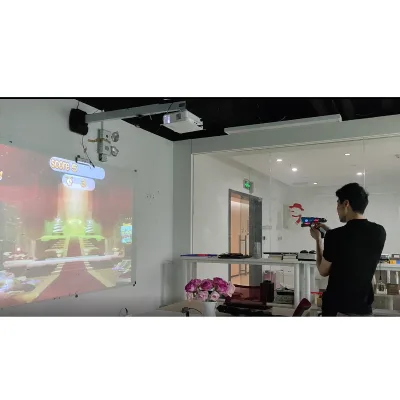
Main productsInteractive Projection, Immersive Projection, Interactive Whiteboard, Laser Touch Kit, Shooting Game
Main marketsDomestic Market(40%), North America(15%), South America(15%)
$436.00 - $484.00
MOQ: 1 sets
$830.00 - $880.00
MOQ: 1 sets

Beijing Red Sun Bowling Technology Co., Ltd.
- Verified by BV
- Combined
- China Beijing
- Lead time15 days
- Avg. response≤ 1h
Main productsBowling Equipment, String Bowling Equipment, Mini Bowling Equipment, Duckpin Bowling Equipment, Bowling Machine, Bowling Lane
Main marketsOthers(foreignTradeCapacity.exportBusinessCapacityMarketOther),Southeast Asia/ Mideast,Europe

Enhanced Laser Hunting Simulator for Interactive Game Play and Training
$6600.00 - $7600.00
MOQ: 1 Sets

Interactive Laser Hunting Simulator for High-Tech Game Scenarios and Training
$6600.00 - $7600.00
MOQ: 1 Sets

Advanced Laser Hunting Simulator with Interactive Game Training Support
$6600.00 - $7600.00
MOQ: 1 Sets

Premium Laser Hunting Simulator with Realistic Game Training and Scenarios
$6600.00 - $7600.00
MOQ: 1 Sets

Guangzhou Longcheng Electronics Co., Ltd.
- Verified by SGS
- Combined
- China Guangdong
- Lead time15 days
- Avg. response≤ 10h
Main products9d Vr Theme Park, 360 Vr Chair, Vr UFO Simulator, Vr Shooting Simulator, 9d Vr Egg, Vr Motorcycle, Racing Simulator, Vr Flying Simulator, Vr Dancing, Vr Walker
Main marketsSoutheast Asia/ Mideast,Europe,North America


Vr Play Amusement Park 9d Vr Shooting Virtual Reality Gun Simulation
$9900.00 - $49000.00
MOQ: 1 Pieces

Guangzhou Movie Power Technology Co., Ltd
- Verified by BV
- Combined
- China Guangdong
- Lead time15 days
- Avg. response≤ 5h
Main productsVr Simulator, Vr Equipment, Vr Game Machine, Vr Arcade Machine, Vr Machine, Naked-Eye 3D Flying Cinema, Arcade Game Machine, Dome Flying Cinema, 5D/9d Cinema, Vr Game Simulator
Main marketsSouth America,Africa,Others(foreignTradeCapacity.exportBusinessCapacityMarketOther),Southeast Asia/ Mideast,East Asia(Japan/ South Korea),Europe,Australia,North America


Coin Operated Game 1 Player Virtual Reality Shooting Interactive Simulator
$6500.00 - $6900.00
MOQ: 1 sets

Amusement Theme Park Multiplayer Interaction Vr Shooting Simulator
$19000.00 - $21000.00
MOQ: 1 Pieces


Guangzhou Chuangyi Network Media Co., Ltd.
- Trading Company
- Guangdong, China
- Lead time5 days
- Avg. response≤ 2h
Main productsInteractive Projector, AR Products, All-In-One Projector Interactive Machine, Interactive Floor Projector, 3D 5D 7D Motion Cinema
Main marketsNorth America(30.00%), Mid East(20.00%), Southeast Asia(20.00%), South America(5.00%), Western Europe(5.00%), Southern Europe(5.00%), Central America(5.00%), Northern Europe(5.00%), Eastern Europe(5.00%)
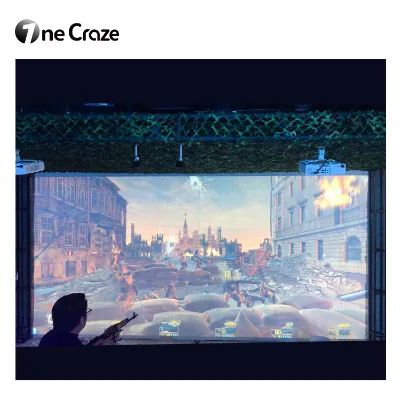
$4950.00 - $5000.00
MOQ: 1 Minimum
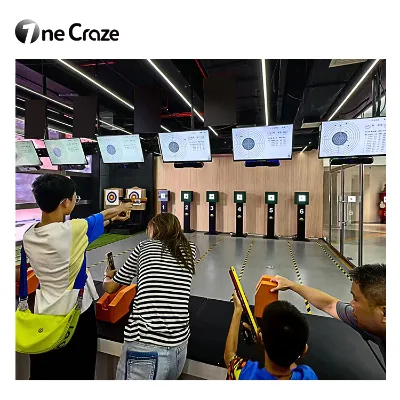
$1700.00 - $2000.00
MOQ: 1 Minimum
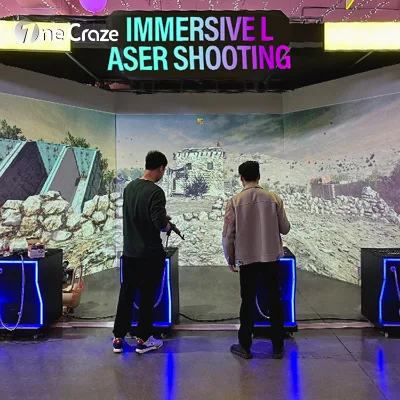
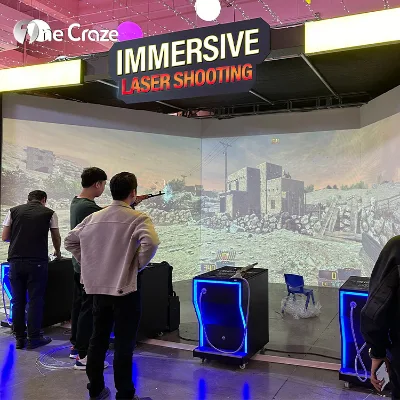
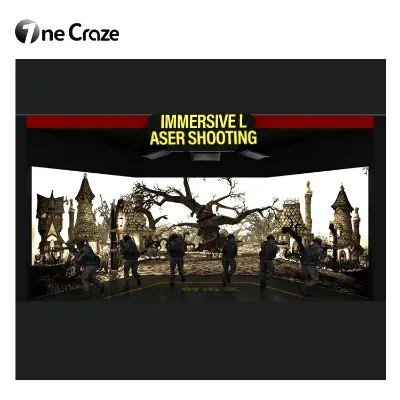
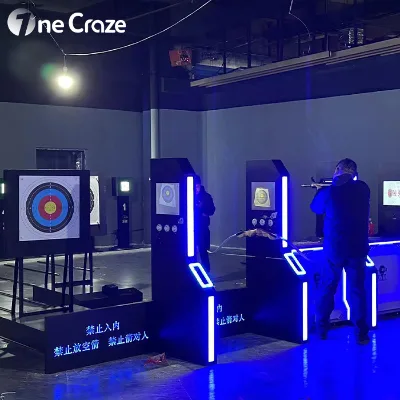
$1741.914 - $2049.3106
MOQ: 1 Minimum

Jamma Amusement Technology Co., Ltd
- Combined
- China Guangdong
- Lead time23 days
- Avg. response≤ 14h
Main productsVr Simulator
Main marketsAfrica,Southeast Asia/ Mideast,North America


Reality Station 9d Shooting Simulator Double Vr Station Interactive Shooting Game Machine
$7000.00 - $7500.00
MOQ: 1 Sets


- Verified by TUVRHEINLAND
- Combined
- China Guangdong
- Lead time30 days
- Avg. response≤ 2h
Main productsVr Game Simulator, Naked-Eye 3D Flying Cinema, Vr Simulator, Dome Flying Cinema, Vr Equipment/Machine, Cinema/ Theater Equipment, Vr Game Machine, 5D/12D Theater System, Arcade Game Machine, 5D/7D/9d/12D Cinema
Main marketsOthers(foreignTradeCapacity.exportBusinessCapacityMarketOther),Europe,North America


Vr Shooting Game Machine Arcade Gaming Simulator Virtual Reality Amusement Equipment
$23000.00 - $25000.00
MOQ: 1 Pieces


Guangzhou EPARK Electronic Technology Co., Ltd.
- Verified by SGS
- Combined
- China Guangdong
- Lead time15 days
- Avg. response≤ 3h
Main products9d Vr, Racing Game Machines, Boxing Machine, Kids Game Machine, Claw Machine, Arcade Game Machine, Vr Simulator Series, Kiddie Ride, Basketball Game Machine, Amusement Game Machine
Main marketsSouth America,Africa,Southeast Asia/ Mideast


4 Shooters Game Machine Interactive Play Shooting Gun Simulator Indoor Adult Shooting Games
$23000.00 - $24000.00
MOQ: 1 set


Vr Shooting Simulator Arcade Game Machine Ar Shooting Game Simulator Equipment
$15000.00 - $17000.00
MOQ: 1 set
Guangdong Shenghua Intelligent Technology Co., Ltd.
- Manufacturer
- Guangdong, China
- Lead time0 days
- Avg. response≤ 2h
Main productsMixed Reality,Amusement rides,Mixed reality game,AR game racing kart,VR game racing
Main marketsNorth America(30.00%), Northern Europe(10.00%), Western Europe(10.00%), Mid East(10.00%), Oceania(10.00%), Southeast Asia(10.00%), Eastern Europe(10.00%), South America(10.00%)
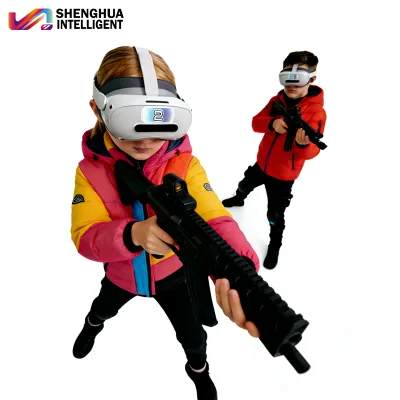
$3078.1846 - $3693.8215
MOQ: 1 Minimum
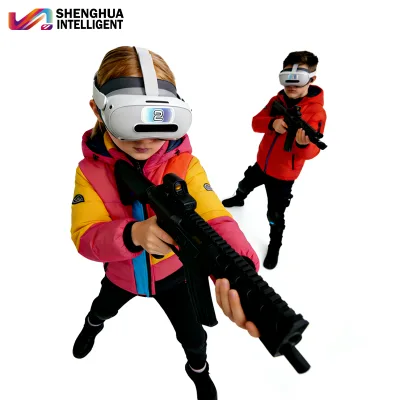
$3078.1846 - $3693.8215
MOQ: 1 Minimum
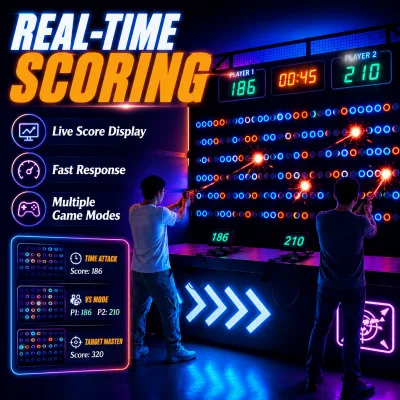
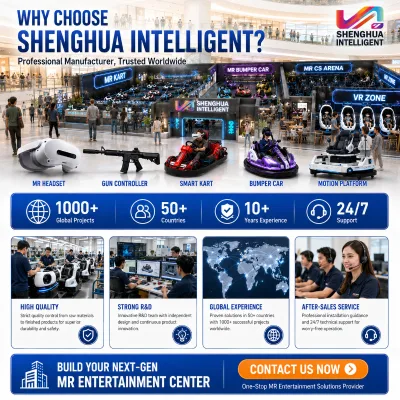
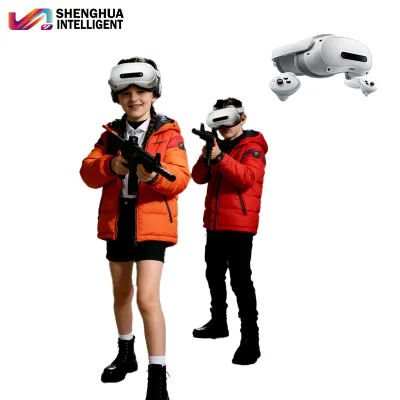
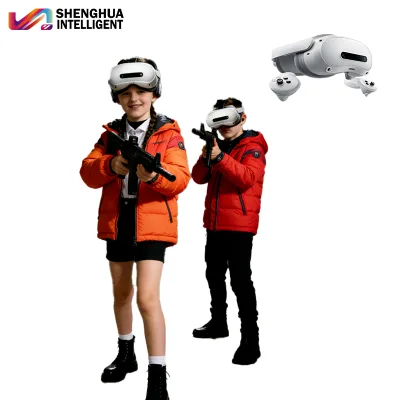
New Concept 9D Vr Shooting Simulation Virtual Reality Gun Game Interactive Sniper Machine
$3084.5575 - $3701.469
MOQ: 1 Minimum
Guangzhou Jin Xi Animation Technology Co., Ltd
- Verified by Intertek
- Manufacturer, Trading Company
- Guangdong, China
- Lead time7 days
- Avg. response≤ 2h
Main productsArcade Gifts Machines, Simulation Game Machine, Interactive Game Equipment, VR Game Machine, Kids Game Machine
Main marketsNorth America(50%), South America(20%), Southeast Asia(12%)
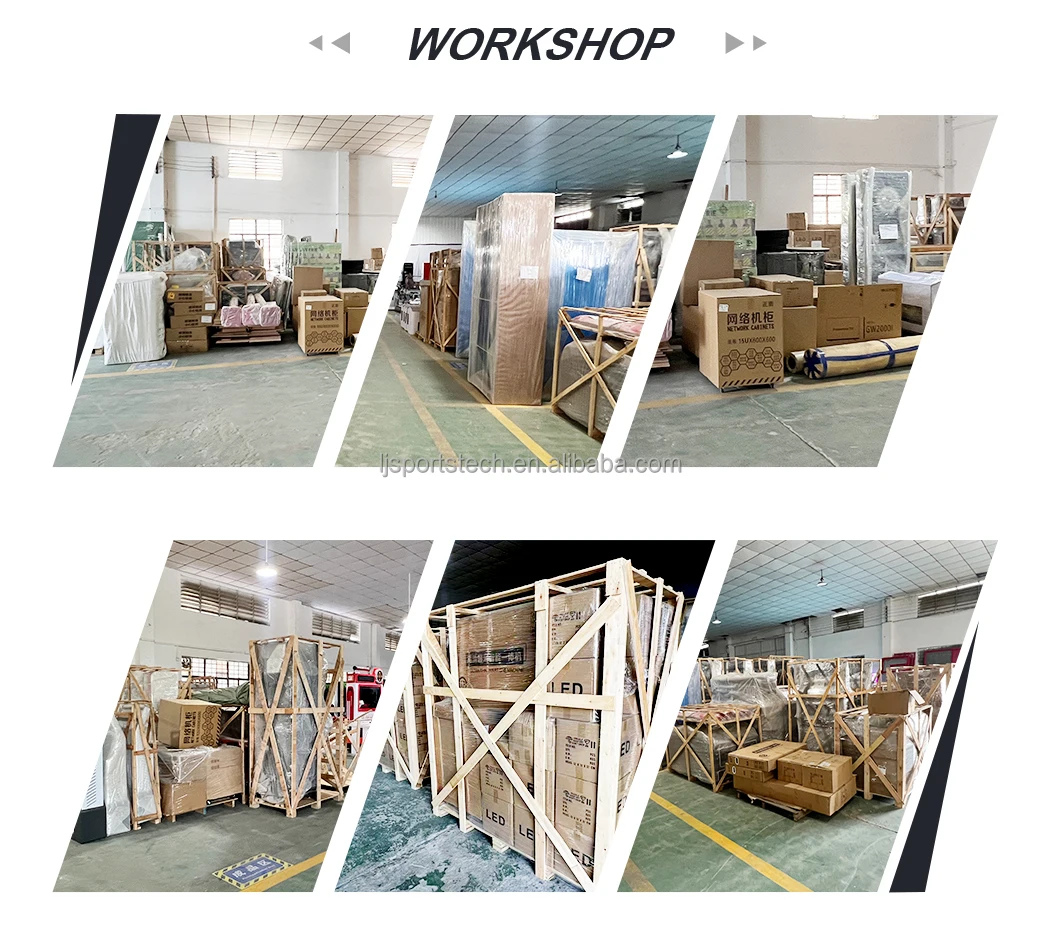
LIANGJIA SPORTS TECHNOLOGY (GUANGZHOU) CO., LTD.
- Manufacturer
- Guangdong, China
- Lead time20 days
- Avg. response≤ 3h
Main productsfootball simulator,tennis simulator,skiing simulator,indoor archery range,indoor shooting range
Main marketsSoutheast Asia(40.00%), Mid East(30.00%), Western Europe(10.00%), Eastern Europe(10.00%), North America(10.00%)

Guangzhou Funspace Technology Co., Ltd.
- Verified by SGS
- Combined
- China Guangdong
- Lead time30 days
- Avg. response≤ 8h
Main productsArcade Game Machine, Boxing Game Machine, Virtual Reality, Video Game, Gaming, Game Machine, Claw Machine, Arcade Machine, Coin Operated Kiddie Ride, Photo Booth
Main marketsSouth America,Africa,Southeast Asia/ Mideast,East Asia(Japan/ South Korea),Europe,Australia,North America

The Arcade Shooting Equipment with Simulated Laser Guns and Durable Targets
$2500.00 - $2650.00
MOQ: 1 pieces

$6490.00 - $6990.00
MOQ: 1 sets

Guangzhou Elong Animation Technology Company Limited
- Manufacturer, Trading Company
- Guangdong, China
- Lead time15 days
- Avg. response≤ 1h
Main productsCommercial arcade machines,Racing simulators,Shooting arcade machines,Redemption machines,Claw machines
Main marketsAfrica(15.00%), Southeast Asia(15.00%), Mid East(13.00%), Western Europe(10.00%), Northern Europe(10.00%), Eastern Asia(8.33%), South Asia(8.00%), Domestic Market(5.00%), Eastern Europe(5.00%), North America(5.00%), Southern Europe(2.00%), Central America(2.00%), South America(1.00%), Oceania(1.00%)
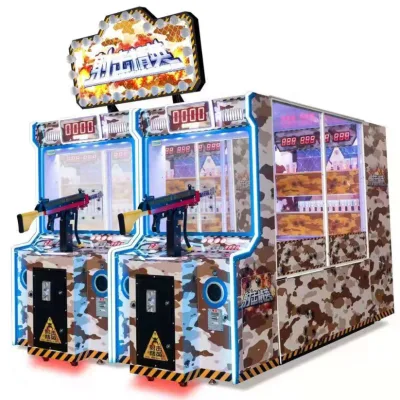
Shooting Game Indoor Target Arcade Shooting Game Machines Simulator Equipment
$8479.7753 - $8898.5296
MOQ: 2 pieces
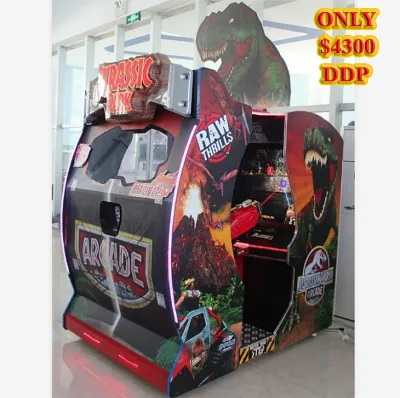
Moving Seats Relic Simulator Shooting Game Machine Shooting Game Machine
$24300.00 - $47600.00
Guangzhou Movie Power Technology Co., Ltd.
- Verified by Intertek
- Manufacturer, Trading Company
- Lead time10 days
- Avg. response≤ 2h
Main productsVR Game Machine, VR Simulator, VR Machine, Arcade Game Machine, Flying Cinema Equipment
Main marketsNorth America(26%), Mid East(23%), Eastern Europe(15%)
Guangzhou Funspace Technology Co., Ltd.
- Manufacturer, Trading Company
- Lead time旺季: "1 - 1":9,"2 - 5":40,"6 - 10":60,"> 10":"To be negotiated", 淡季: "1 - 1":9,"2 - 5":40,"6 - 10":60,"> 10":"To be negotiated"
- Avg. response≤ 4h
Main productsDoll Claw Machine, Shooting Game Machine, Boxing Machine, Children's Game Machine, Racing Game Machine
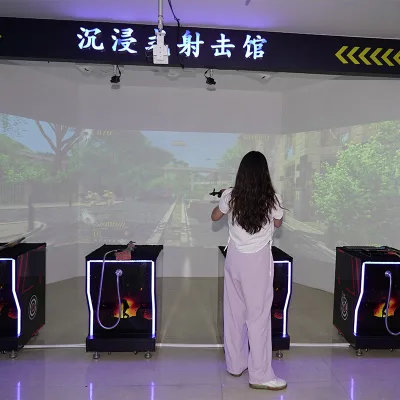
Funspace Indoor Immersive Laser Gun Shooting Air Gun Experience Shooting Experience Hall for Mall
$9399.00 - $9899.00
MOQ: 1
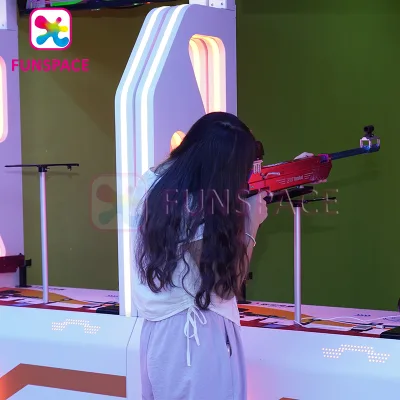
$2616.1689 - $2930.2346
MOQ: 1 pieces

Guangzhou Colorful Park Animation Technology Co., Ltd
- Verified by SGS
- Combined
- China Guangdong
- Lead time15 days
- Avg. response≤ 9h
Main productsGame Machine, Video Game, Arcade Game Machines, Vending Machine, Car Racing Game Machine, 5D 7D 9d Cinema, Key Master Machine, Claw Crane Machine, Kiddle Ride, Amusement Machine
Main marketsAfrica,Southeast Asia/ Mideast,Europe,North America

9d Shooting Amusement Equipment Shooting Arcade Virtual Reality Game Machine
$620.00 - $680.00
MOQ: 1 Pieces


Comprehensive Sourcing Guide
Interactive Laser Shooting Simulator Supplier Concentration and Factory Types
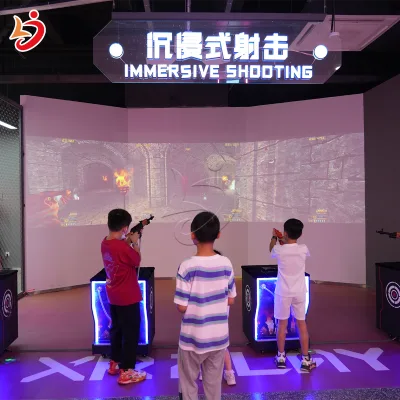
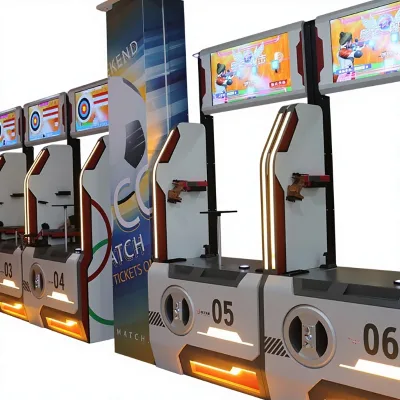
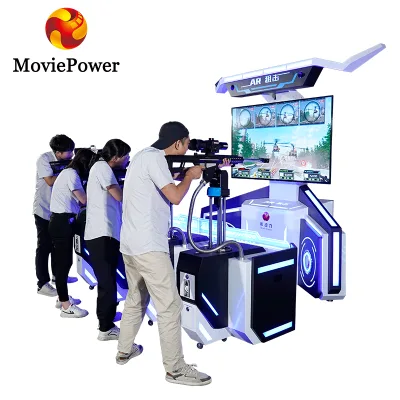
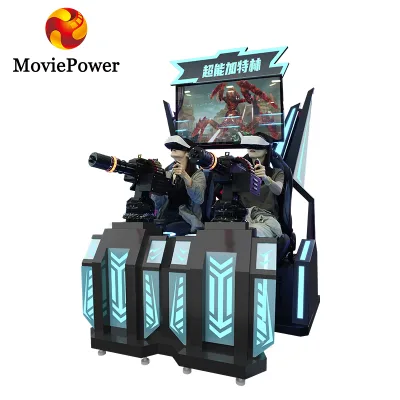
The current supplier landscape for interactive laser shooting simulators reveals a diverse mix of manufacturing capabilities and business models. Buyers will encounter both dedicated manufacturers and trading companies offering these specialized entertainment systems. The primary product categories observed include portable interactive whiteboards, interactive wall and floor systems, and various interactive projector modules. These core technologies form the backbone of the shooting simulator experience, allowing for precise tracking and immersive gameplay. Additionally, specific product evidence highlights items such as laser gun interactive shooting games and indoor multiplayer wall projection training systems. These products often utilize LED and LCD shooting simulator technologies to create engaging environments for users. The presence of multi-function pens and other writing supplies in some listings suggests that some suppliers may have broader portfolios, but the focus remains on interactive digital experiences. Understanding this variety helps buyers identify whether they are dealing with a direct factory or a reseller, which impacts pricing and customization options.
Supplier types vary significantly in their operational focus and service offerings. Some entities are identified as manufacturers, implying direct control over production processes and quality assurance. Others are classified as trading companies, which may offer a wider range of products from multiple factories but might have less direct influence on manufacturing details. The main products listed for these suppliers often include bumper cars and coin-operated game consoles alongside the laser shooting equipment. This indicates that many suppliers are part of the broader amusement and arcade equipment industry. The verification status of these suppliers also varies, with some holding credentials from recognized bodies like TÜV Rheinland or SGS Group. These verifications provide an additional layer of trust regarding the supplier's legitimacy and operational standards. Buyers should carefully review the company type and verification badges to determine the most suitable partner for their specific needs, whether they require custom manufacturing or ready-made solutions.
How to Verify Interactive Laser Shooting Simulator Suppliers
Verifying the credibility of suppliers is a critical step in the sourcing process for interactive laser shooting simulators. Buyers should prioritize suppliers who have undergone third-party verification processes. In the current results, several suppliers are marked as verified by reputable organizations such as TÜV Rheinland and SGS Group. These verifications indicate that the supplier has met specific standards for business legitimacy and operational capacity. Additionally, system certifications are a key indicator of product quality and safety compliance. Many suppliers display certifications such as FCC, CE, and RoHS, which are essential for electronic and entertainment equipment sold in various international markets. These certifications ensure that the products meet regulatory requirements for electromagnetic compatibility, safety, and environmental standards. Buyers should request copies of these certificates to verify their validity and ensure they cover the specific models they intend to purchase.
Beyond certifications, buyers should assess the supplier's response time and overall communication efficiency. The data shows that some suppliers have a response time of 2, which suggests a high level of responsiveness. Quick responses are often indicative of a well-organized sales team and efficient internal processes. Buyers can use this metric to gauge the supplier's reliability and willingness to engage in detailed discussions about product specifications and order requirements. Furthermore, examining the supplier's main products and product evidence can provide insights into their expertise. Suppliers listing specific interactive shooting games and simulators are likely more specialized than those with generic listings. Buyers should also look for detailed product attributes, such as signal refresh rates and positional accuracy, which demonstrate technical competence. By combining verification badges, certifications, response times, and product details, buyers can build a comprehensive profile of each potential supplier.
What to Compare Across Interactive Laser Shooting Simulator Suppliers
When evaluating multiple suppliers, buyers must compare key operational metrics to determine the best fit for their project. Lead time is a crucial factor, with some suppliers indicating a lead time of 7 days. This information helps buyers plan their inventory and installation schedules effectively. Minimum Order Quantity (MOQ) is another important consideration, as some suppliers offer an MOQ of 1, which is ideal for small-scale trials or custom orders. Buyers should also compare price ranges, which can vary significantly based on product features and customization options. For instance, some laser gun simulators are priced around $39, while more complex interactive wall systems may cost between $189 and $235. Understanding these price differences allows buyers to budget accurately and negotiate better terms. Additionally, comparing the main products offered by each supplier can reveal their specialization and technical strengths.
Suppliers may also differ in their capacity for customization and sample processing. Some suppliers highlight capabilities in graphic processing and customized on-demand services, which are valuable for buyers seeking unique branding or specific game configurations. The place of origin is another comparative factor, with products originating from regions like Hunan and Guangdong in China. These locations may have established clusters for electronics and amusement equipment manufacturing, potentially offering advantages in supply chain efficiency. Buyers should also compare the warranty terms and after-sales support provided by each supplier. For example, some products come with a one-year hardware warranty, which is a standard expectation for electronic equipment. By systematically comparing lead times, MOQs, prices, customization capabilities, origins, and warranties, buyers can make informed decisions that align with their operational needs and budget constraints.
Common Interactive Laser Shooting Simulator Sourcing Risks
Sourcing interactive laser shooting simulators involves several potential risks that buyers must mitigate. One significant risk is the variability in product quality and performance, particularly regarding the accuracy and responsiveness of the laser tracking systems. Products with high positional accuracy, such as those with ±1 pixel resolution, are preferable for professional training environments. Buyers should be cautious of suppliers who do not provide detailed technical specifications or who offer vague descriptions of their technology. Another risk is the mismatch between the supplier's claimed capabilities and their actual production capacity. Suppliers claiming to be manufacturers may outsource production, leading to inconsistencies in quality control. Buyers should verify the supplier's manufacturing processes and request samples to test the product's durability and performance before placing large orders.
Logistical and compliance risks are also prevalent in this category. Interactive shooting simulators often involve electronic components that must meet specific regional standards. Buyers must ensure that the products they purchase have the necessary certifications, such as CE or FCC, for their target markets. Failure to comply with these regulations can result in customs delays or product recalls. Additionally, the complexity of installation and setup poses a risk, especially for large-scale systems like indoor shooting ranges. Buyers should assess the supplier's support for installation and training to ensure a smooth deployment. Another risk is the potential for intellectual property infringement, particularly if the supplier uses proprietary game content or technology without authorization. Buyers should verify the legality of the software and hardware solutions provided by the supplier to avoid legal complications. By identifying and addressing these risks early in the sourcing process, buyers can protect their investments and ensure successful project outcomes.
Interactive Laser Shooting Simulator Regional Sourcing and Logistics
Regional sourcing considerations play a vital role in the logistics of interactive laser shooting simulators. The current data indicates that products originate from specific regions in China, such as Hunan and Guangdong. These areas are known for their manufacturing capabilities in electronics and amusement equipment. Sourcing from these regions can offer advantages in terms of supply chain efficiency and cost competitiveness. However, buyers must also consider the logistical implications of importing from these locations. Shipping times and costs can vary depending on the destination and the size of the equipment. Large interactive wall systems and shooting simulators may require special handling and freight arrangements due to their dimensions and weight. Buyers should work with suppliers who have experience in international shipping and can provide accurate logistics estimates.
Customs and import regulations are another critical aspect of regional sourcing. Different countries have varying requirements for electronic and entertainment equipment. Buyers must ensure that the products they import comply with local safety and environmental standards. This may involve obtaining additional certifications or undergoing specific testing procedures. Buyers should also consider the availability of local support and maintenance services. Suppliers located in regions with established export networks may have better access to local partners who can provide installation and after-sales support. By understanding the regional sourcing landscape and logistical requirements, buyers can optimize their supply chain and reduce potential delays. Collaborating with suppliers who have a strong presence in key manufacturing regions can also facilitate smoother communication and faster resolution of any issues that may arise during the sourcing process.
Interactive Laser Shooting Simulator Commercial Terms and Order Planning
Commercial terms and order planning are essential components of a successful sourcing strategy for interactive laser shooting simulators. Buyers should negotiate clear payment terms that protect their interests, such as using escrow services for secure transactions. The availability of escrow can provide an additional layer of security, ensuring that funds are only released upon satisfactory delivery and inspection of the goods. Buyers should also clarify the warranty terms and after-sales support policies with the supplier. A one-year hardware warranty is common, but buyers should verify the scope of coverage and the process for claiming repairs or replacements. Additionally, buyers should plan for the installation and setup of the equipment, which may require technical support from the supplier. Some suppliers offer customized solutions, which may involve additional costs and longer lead times.
Order planning should also account for the scalability of the solution. Buyers may start with a small order to test the product and then scale up based on performance and user feedback. Suppliers with low MOQs, such as an MOQ of 1, offer flexibility for initial trials. Buyers should also consider the total cost of ownership, including shipping, installation, and maintenance costs. Comparing the price ranges of different products, from basic laser guns to complex interactive wall systems, helps in budgeting accurately. Buyers should also evaluate the supplier's capacity for handling large orders, especially if they plan to deploy multiple units across various locations. By carefully planning the commercial terms and order logistics, buyers can ensure a smooth procurement process and maximize the value of their investment in interactive laser shooting simulators.
FAQs
What certifications do interactive laser shooting simulators have?
Manufacturers typically provide FCC, CE, and RoHS certifications for their interactive laser shooting simulators. These standards ensure the electronic components and materials meet international safety and environmental requirements. Some suppliers also hold EN 71 certification for amusement equipment. Buyers should verify specific certificates with the supplier before placing orders to ensure compliance with local regulations.
What is the typical lead time for these simulators?
The typical lead time for manufacturing interactive laser shooting simulators is approximately seven days. This duration allows for sample processing and customized graphic processing on demand. However, lead times may vary based on order volume and specific customization requirements. Buyers should confirm exact delivery schedules with the supplier to align with their project timelines effectively.
What is the minimum order quantity for these products?
The minimum order quantity for interactive laser shooting simulators is often one unit. This low MOQ allows buyers to test the product quality before committing to larger purchases. It is particularly useful for small businesses or those testing new amusement concepts. Buyers should verify the MOQ with the specific supplier, as some may have different requirements for customized models.
What is the price range for these simulators?
Prices for interactive laser shooting simulators range from approximately thirty dollars to five hundred dollars per unit. Basic laser guns may cost around thirty-nine dollars, while complete arcade systems can exceed five hundred dollars. The price depends on features, size, and customization. Buyers should request detailed quotes to understand the total cost including shipping and installation.
Where are these simulators typically manufactured?
These simulators are primarily manufactured in China, with specific production hubs in Hunan and Guangdong provinces. Manufacturers in these regions offer advanced technology like laser image calibration and high-precision touch points. Buyers should verify the place of origin to ensure quality standards and logistics efficiency. Some suppliers may offer customized production based on specific buyer requirements.
What is the response time for supplier inquiries?
Suppliers typically respond to inquiries within two hours. This quick response time ensures that buyers can get timely information about product specifications, pricing, and availability. Fast communication is crucial for efficient sourcing and negotiation. Buyers should expect prompt replies and use this time to clarify any technical details or customization needs before finalizing orders.