Source Magnetic PTFE Coated Stirring Rod for Lab Test, School, Hospital
Explore 30 listings for the Magnetic PTFE Coated Stirring Rod suitable for lab tests, school experiments, and hospital treatments. Compare specifications, sizes, and prices from verified suppliers to find the right stirring solution for your needs; compare the available evidence and request quotations based on your requirements.
Updated
Key considerations
Products List














Comprehensive Sourcing Guide
Magnetic PTFE Coated Stirring Rod Sourcing Guide
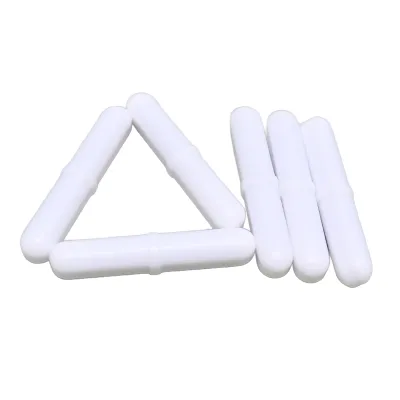
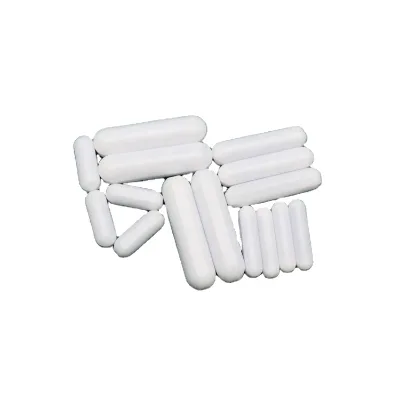
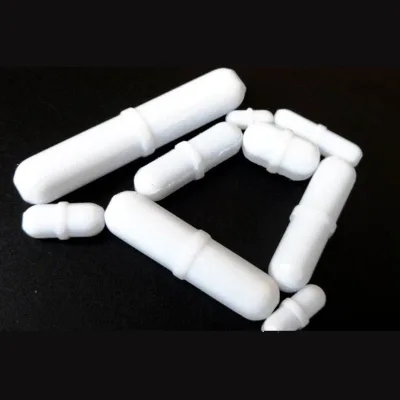
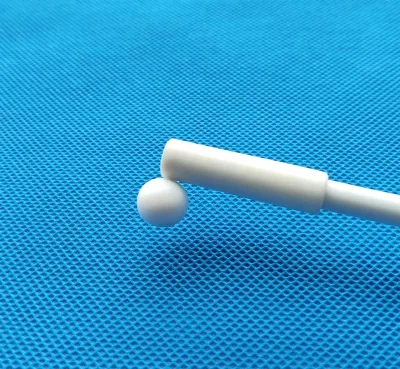
Buyers must first distinguish between single-item rods and complete sets when evaluating listings, as the observed market includes both "Laboratory white PTFE coating magnetic stirring rod with paddle" configurations and "Magnetic Stir Bar Set" options. The product scope varies significantly in material composition, with some listings specifying a composite of PTFE and magnet while others list generic plastic magnet combinations. This distinction is critical because the coating integrity directly impacts chemical resistance and the longevity of the stirring element in aggressive laboratory environments.
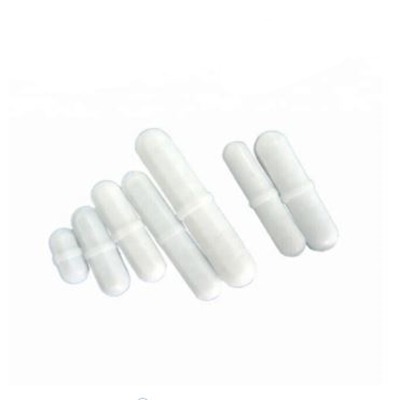
Procurement decisions should also account for the diverse size specifications available, ranging from standard dimensions like 3x5mm to larger variants such as 8x60mm. The observed listings indicate that "Customised Size" is a common attribute, allowing for tailored solutions, yet buyers must verify if the specific model number, such as C or B00101-B01003, aligns with their existing stirrer equipment. Understanding these physical variances ensures that the selected stirring rod will generate the appropriate hydrodynamic flow for the specific vessel volume and fluid viscosity encountered in the lab.
Product Scope and Observed Listing Signals
The market signals reveal a wide spectrum of minimum order quantities, ranging from as low as 2 pieces to 1000 units, which significantly influences inventory planning and budget allocation. Some suppliers list an MOQ of 10 pieces or even 1 set, while others require bulk purchases of 100 units. Buyers should carefully scrutinize the "Selling Units" field to determine if they are purchasing individual rods or pre-packaged sets, as this affects the unit cost calculation and the total capital required to fulfill a laboratory's immediate testing needs.
Another critical signal is the variation in packaging and weight data, which impacts shipping logistics and cost estimation. Listings show single package sizes varying from 5x8x5 cm to 5x10x15 cm, with gross weights ranging from 0.025 kg to 0.150 kg per unit. These discrepancies suggest that packaging density and protective measures differ between suppliers. Procurement teams must verify the actual packaging dimensions and weight to accurately forecast freight charges and ensure that the delivery method protects the delicate PTFE coating and magnetic core during transit.
Technical Specifications to Verify
Verification of the composite material structure is paramount, as the core functionality relies on the bond between the PTFE coating and the internal magnet. Buyers should confirm whether the product is explicitly described as a "PTFE+Magnet" composite or a generic "Plastic Magnet" assembly, as the latter may indicate inferior chemical resistance or magnetic strength. The "High Temperature Resistnt" advantage noted in some listings requires validation against the specific thermal conditions of the intended application, ensuring the coating will not degrade during heating treatments.
Dimensional tolerance and shape consistency are equally vital for operational reliability, with observed tolerances listed at ±10% and shapes defined as "Bar" or "Type A B C". The extensive list of specifications, including diameters from 3mm to 10mm and lengths up to 60mm, indicates a need for precise matching to the stirrer's speed and torque capabilities. Buyers must request physical samples or detailed dimensional drawings to confirm that the actual product matches the advertised "35mm" or "630mm" specifications, preventing issues with slippage or inefficient mixing in the laboratory setting.
Compliance and Safety Documentation
While some listings mention ISO and CE certifications, buyers must treat these as claims requiring independent verification rather than guaranteed attributes of every listed product. The presence of "ISO,CE" in the data suggests a potential compliance pathway, but the absence of specific certificate numbers or valid dates in the general product description necessitates a direct request for documentation from the supplier. Procurement teams should not assume that all items in a batch meet these standards without seeing the actual certificates, especially for equipment used in regulated testing environments.
Safety considerations extend to the material composition and the "Disposable" nature of certain items, which implies a single-use protocol for specific applications. The "Environmental" keyword suggests a focus on eco-friendly practices, yet buyers should clarify if the PTFE material is recyclable or if the disposal process requires special handling due to the embedded magnet. Ensuring that the product aligns with local waste management regulations and laboratory safety protocols is essential, particularly when the item is designated for "School Hospital Lab" use where strict safety standards apply.
Cost Drivers and Commercial Terms
Pricing in this category is influenced by the complexity of the customization and the specific material composition, with observed price ranges spanning from $0.1 to $360. The wide variance suggests that factors such as the length of the rod, the quality of the PTFE coating, and the strength of the magnet significantly drive the final cost. Buyers should analyze whether the lower price points correspond to standard sizes or generic plastic composites, while higher prices likely reflect custom dimensions or specialized high-temperature resistant coatings.
Commercial terms regarding delivery time and warranty status are critical for supply chain planning, as observed lead times vary from 3-5 days to 8-14 days. Furthermore, the warranty information is inconsistent, with some listings stating "no" warranty while others classify the item as "Consumables" with no warranty coverage. Procurement strategies must account for these variables by factoring in potential delays and the lack of replacement guarantees, ensuring that the total cost of ownership includes the risk of product failure and the need for immediate reordering.
Supplier Qualification and Quality Control
Supplier qualification should focus on the "place of origin" and the specific manufacturing capabilities, with Jiangsu, China identified as a primary production hub. Buyers must verify if the supplier offers OEM support, as indicated by the "customized support: OEM" attribute, which is essential for obtaining tailored solutions. The ability to provide "Cutting" processing services suggests a level of manufacturing flexibility, but buyers should assess the supplier's capacity to maintain consistent quality across different batch sizes and custom orders.
Quality control measures must be explicitly defined, particularly regarding the "Tolerance" and "Single package size" consistency. Since the observed data includes a ±10% tolerance, buyers should establish stricter internal acceptance criteria to ensure that the stirring rods perform reliably in sensitive experiments. Implementing a pre-shipment inspection protocol to verify the "Composite" integrity and the "Color" consistency, specifically the "White" appearance, helps mitigate the risk of receiving substandard products that could compromise experimental results.
Long-Term Procurement Checks
Establishing a long-term relationship requires monitoring the consistency of the "Model Number" and "Specification" lists over time, as product lines may evolve or change. Buyers should maintain a log of the specific model numbers, such as C or B00101-B01003, to ensure that future orders match the performance characteristics of the initial successful batches. Regular audits of the supplier's ability to meet the "Customization" requests and maintain the "High Temperature Resistnt" properties are necessary to sustain operational efficiency.
Finally, continuous evaluation of the supplier's adherence to the "Environmental" keyword and "ISO,CE" claims is vital for maintaining compliance and sustainability goals. Buyers should periodically request updated certification documents and verify that the "Disposable" nature of the product aligns with evolving environmental regulations. By systematically tracking these factors, procurement teams can ensure that the supply chain remains robust, compliant, and capable of supporting the laboratory's long-term testing and research requirements without interruption.
FAQs
What materials are used for the magnetic stirring rod?
The stirring rods are constructed from PTFE and plastic composites with an internal magnet. This combination ensures chemical resistance and durability for laboratory applications. The white PTFE coating provides a non-stick surface, while the plastic body offers structural integrity. These materials are selected to withstand harsh chemical environments during lab testing and heating treatments without degrading or contaminating samples.
Can I customize the size of the magnetic stirring rod?
Yes, customized sizes are available for these magnetic stirring rods. The product supports OEM services, allowing buyers to specify dimensions such as 3x5mm or larger variants like 8x60mm. Customization is explicitly listed as an available option. Buyers should confirm specific dimensional requirements with the supplier to ensure the rod fits their particular laboratory equipment and stirring vessel specifications effectively.
What is the minimum order quantity for these rods?
The minimum order quantity varies by product type, ranging from 2 pieces to 100 pieces. Some listings indicate an MOQ of 10 pieces or 1 set, while others specify 100 pieces. Buyers should check the specific product listing for the exact MOQ. This flexibility allows small labs to order small quantities while larger institutions can place bulk orders for their testing needs.
Are these magnetic stirring rods certified for safety?
Yes, the products hold ISO and CE certifications. These certifications indicate compliance with relevant safety and quality standards for laboratory equipment. The rods are designed for lab applications, including school and hospital settings. Buyers can rely on these certifications to ensure the products meet international regulatory requirements for use in professional laboratory environments and testing procedures.
How long does delivery take for these stirring rods?
Delivery times typically range from 3 to 14 days depending on the order. Some items have a lead time of 3 to 5 days, while others may take 8 to 14 days. This variation depends on the specific product model and stock availability. Buyers should confirm the exact delivery time with the supplier before placing an order to plan their laboratory supply chain accordingly.
What is the warranty period for the magnetic stirring rod?
These magnetic stirring rods are generally classified as consumables with no warranty. As laboratory consumables, they are expected to be replaced after use or wear. Buyers should consider them as single-use or limited-use items rather than durable goods with long-term guarantees. This classification is standard for PTFE-coated stirring bars used in routine lab testing and heating treatments.