Shaking Platelet Incubator for Lab Suppliers and Manufacturers
Source 24 verified suppliers for Shaking Platelet Incubator for Lab applications. Compare key dimensions including ISO certifications, lead times, and pricing ranges to identify suitable partners. Review product specifications and request quotes directly from the platform; review the available evidence before requesting comparable quotations from suitable candidates.
Updated
Suppliers List

- Verified by BV
- Combined
- China Jiangsu
- Lead time15 days
- Avg. response≤ 4h
Main productsOven, Incubator, Baby Incubator, Vacuum Oven, Biological Safety Cabinet, Cooling Incubator, CO2 Incubator, Orbital Shaker, Clean Bench, Vacuum Pump
Main marketsSouth America,Africa,Southeast Asia/ Mideast,Europe,North America


Touch Screen Laboratory Electric Constant Temperature Shaker Lab Shaker Incubator
$1050.00 - $2500.00
MOQ: 1 Pieces
Biobase Meihua Trading Co., Ltd.
- Verified by SGS Group
- Manufacturer, Trading Company
- Lead time20 days
- Avg. response≤ 2h
Main productsChemistry Analyzer, Autoclave, Centrifuge, Laboratory Equipment, Biological Safety Cabinet
Main marketsSoutheast Asia(20%), Africa(17%), South America(15%)
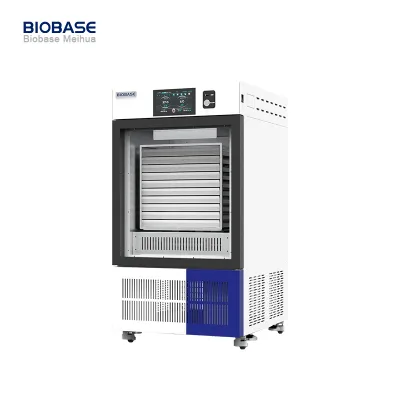
BIOBASE Blood Bank Platelet Agitator Shaking Platelet Incubator for Lab
$1380.00 - $1400.00
MOQ: 1 units
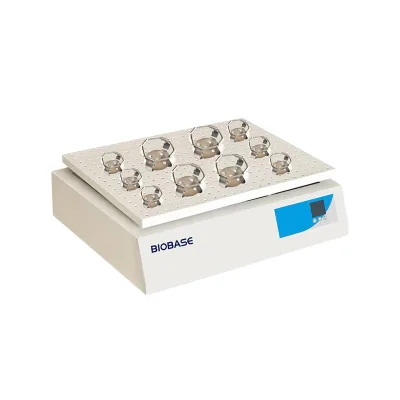

- Verified by BV
- Combined
- China Shandong
- Lead time15 days
- Avg. response≤ 3h
Main productsRefrigeration Equipment, Autoclave, Chemistry Analyzer
Main marketsSouth America,Africa,Southeast Asia/ Mideast,Europe,Australia,North America


Shaking Incubator Laboratory Orbital Shaker Cooling Heating Thermo Shaker Incubator
$800.00 - $1000.00
MOQ: 1 Pieces

Yangzhou Kindsway Biotech Co., Ltd.
- Trading Company,Manufacturer/Factory
- China Jiangsu
- Lead time15 days
- Avg. response≤ 4h
Main productsVentilator, X-ray, Ultrasound, C-Arm, Slippers, Dr System, Cr System, Test Kit, Medical Equipment, Ambulance
Main marketsSouth America,Eastern Europe,Mid East,North America,Southeast Asia,Eastern Asia,Oceania,Western Europe,Africa

Medical Laboratory Platelet Shaking Incubator for Blood Sample Processing
$1000.00 - $1150.00
MOQ: 1 Pieces

Guangzhou Maya Medical Equipment Co.,ltd
- Verified by SGS Group
- Manufacturer, Trading Company
- Lead time15 days
- Avg. response≤ 2h
Main productsB Ultrsound, X Ray System, CT, MRI, Endoscope
Main marketsMid East(31%), Africa(23%), South America(18%)

Biobase Biodustry (Shandong) Co., Ltd.
- Verified by BV
- Combined
- China Shandong
- Lead time15 days
- Avg. response≤ 3h
Main productsLaminar Flow Cabinet, Fume Hood, Biosafety Cabinet, Clean Bench, Fume Cupboard, Safety Cabinet, Laminar Airflow, Laboratory Equipments, Autoclave, Centrifuge
Main marketsEurope


Biobase Lab Shaker Tabletop Thermostatic Small Capacity Shaking Incubator
$599.00 - $799.00
MOQ: 1 Pieces

Zhejiang FUXIA Medical Technology Co., Ltd.
- Verified by BV
- Combined
- China Zhejiang
- Lead time15 days
- Avg. response≤ 2h
Main productsBiosafety Cabinet, Biological Safety Cabinet, Fume Hood, Pass Box, Muffle Furnace, Air Shower, Dying Oven, Clean Bench, Laminar Flow Cabinet, Weighing Booth
Main marketsSouth America,Africa,Others(foreignTradeCapacity.exportBusinessCapacityMarketOther),Southeast Asia/ Mideast,Europe


Platelet Agitator / Platelet Incubator /Platelet Shaking Incubator with Cheap Price
$2064.00
MOQ: 1 Pieces


Biobase Meihua Trading Co., Ltd.
- Manufacturer, Trading Company
- Lead time旺季: "1 - 7":31,"> 7":"To be negotiated", 淡季: "1 - 7":31,"> 7":"To be negotiated"
- Avg. response≤ 2h
Main productsLaboratory Equipment, Biological Safety Cabinet, Autoclave, Freezer And Refrigerator, Centrifuge
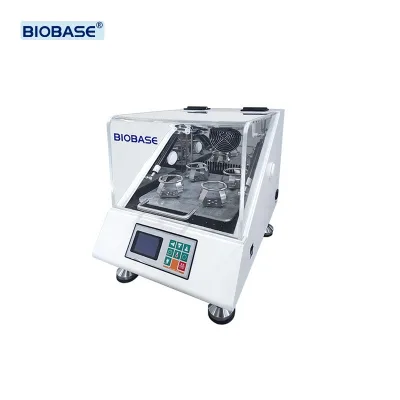
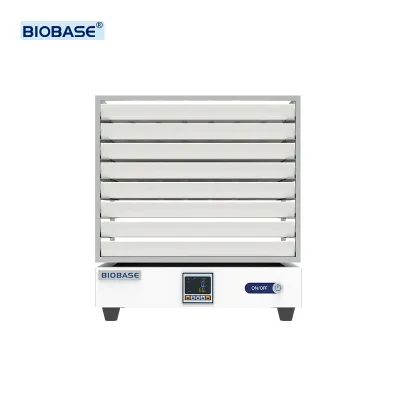
BIOBASE Platelet Oscillator 8 Layers Blood Platelet Agitator for Laboratory
$199.00 - $459.00
MOQ: 1 Minimum
Labtex Biotech China Co., Ltd.
- Verified by SGS Group
- Trading Company
- Lead time15 days
- Avg. response≤ 1h
Main productsBiosafety Cabinet, Autoclave Sterilizer, Drying Oven, Pipette, Centrifuge
Main marketsSoutheast Asia(15%), Africa(15%), Mid East(15%)
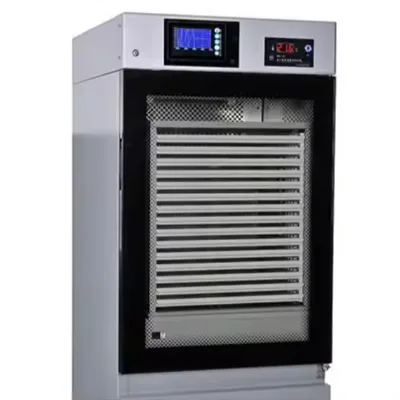
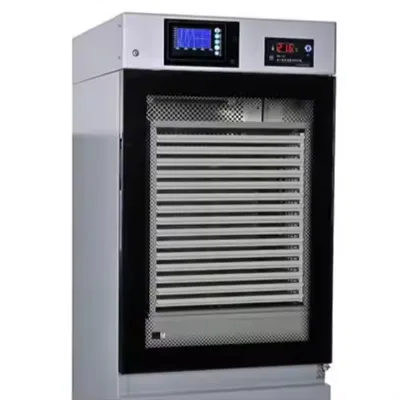
$9227.2008 - $10047.4876
MOQ: 3 sets
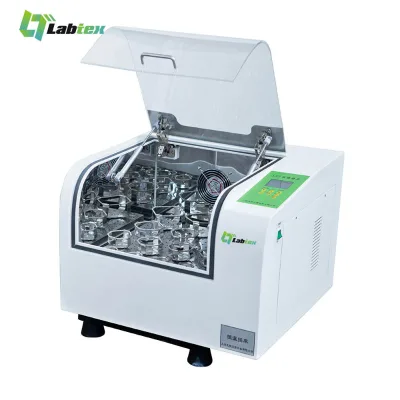
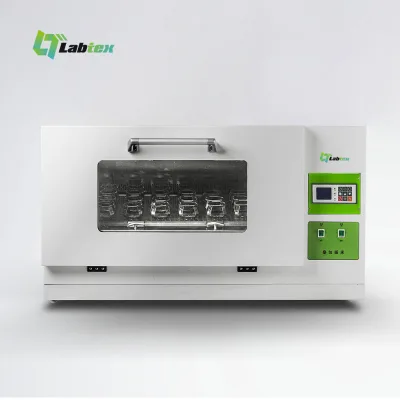
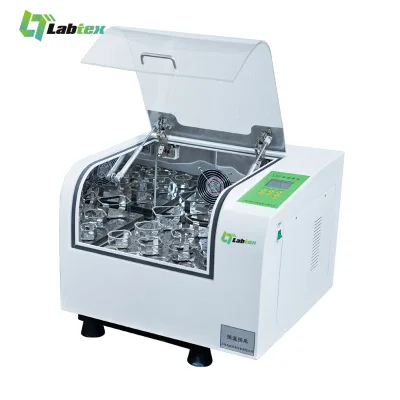
$830.00 - $5630.00
MOQ: 1 Minimum
Labfreez Instruments (Hunan) Co., Ltd.
- Manufacturer
- Hunan, China
- Lead time10 days
- Avg. response≤ 5h
Main productsFreeze Dryer,Bioreactor Fermenter,Thermal Analyzer,spray dryer,ultrafiltration equipments
Main marketsDomestic Market(20.00%), North America(15.00%), South Asia(15.00%), Eastern Europe(10.00%), Western Europe(10.00%), Northern Europe(5.00%), Southern Europe(5.00%), Southeast Asia(5.00%), Africa(3.00%), Mid East(3.00%), Oceania(3.00%), Eastern Asia(2.00%), Central America(2.00%), South America(2.00%)

Zhejiang Top Cloud-Agri Technology Co., Ltd.
- China Zhejiang
- Lead time0 days
- Avg. response≤ 8h
Main productsSoil Nutrient Analyzer, Seed Tester Meter, Chlorophyll Meter, Leaf Area Meter, Fat Analyzer, Fruit Hardness Tester, Incubator, Grain Testing Meter Tester, Plant Physical Tester, Flour and Oil Testing Instrument
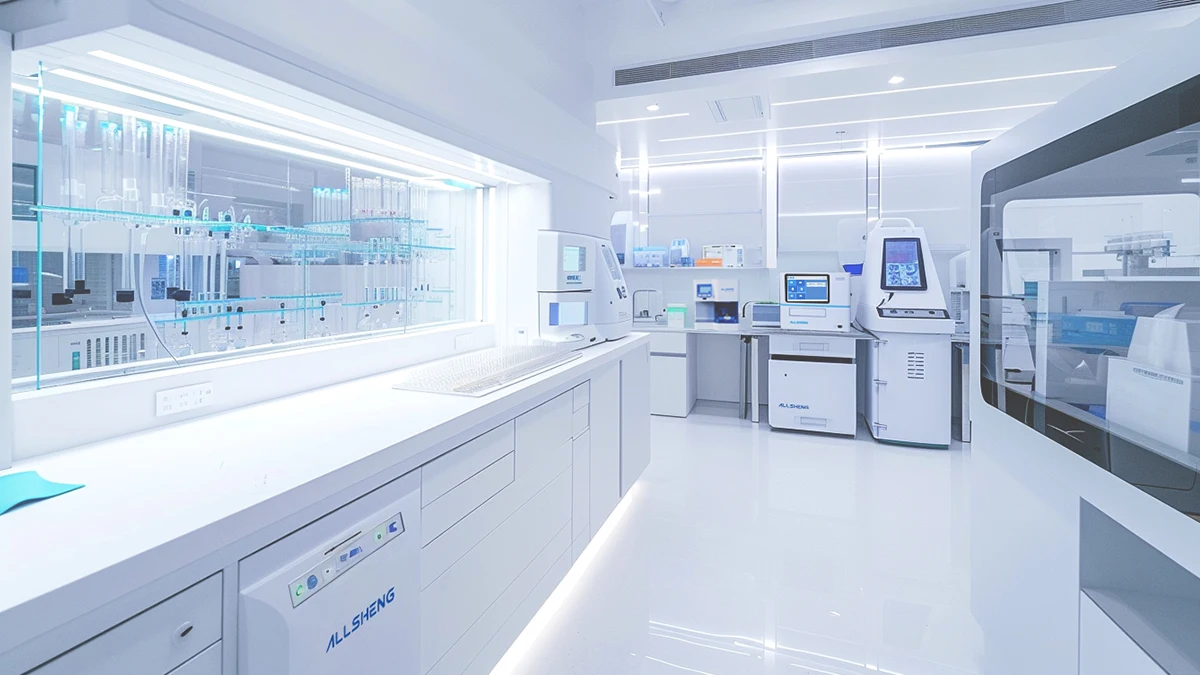
Hangzhou Allsheng Instruments Co., Ltd.
- Manufacturer
- Zhejiang, China
- Lead time10 days
- Avg. response≤ 1h
Main productsAutomatic Nucleic Acid Extraction System,Automated NGS Library Preparation Workstation,Laboratory Instrument,Life Science Detection Product,Molecular POCT Detection
Main marketsEastern Asia(20.00%), North America(20.00%), South America(15.00%), Northern Europe(10.00%), South Asia(5.00%), Southern Europe(5.00%), Southeast Asia(5.00%), Central America(5.00%), Western Europe(5.00%), Eastern Europe(5.00%), Africa(5.00%)

Faithful lnstrument (Hebei) Co., Ltd.
- Verified by BV
- Combined
- China Hebei
- Lead time15 days
- Avg. response≤ 6h
Main productsIncubator, Magnetic Stirrer, Drying Oven, Heating Mantle, Water Bath, Laminar Flow Cabinet, Stainless Steel Water Still, Disintegrator, Furnace, Vortex Mixer
Main marketsSouth America,Africa,Southeast Asia/ Mideast,Europe,Australia,North America

Medical Blood Platelet Refrigerator Incubator Blood Platelet Incubator
$1500.00 - $1900.00
MOQ: 1 Pieces


High Quality Laboratory Hospital Platelet Incubator Platelet Incubator
$1500.00 - $1900.00
MOQ: 1 Pieces

Biobase Meihua Trading Co., Ltd.
- Verified by BV
- Combined
- China Shandong
- Lead time15 days
- Avg. response≤ 4h
Main productsSterilizer, Lab Refrigerator, Drying Oven, Laminar Flow Cabinet, Lab Incubator, Freeze Dryer, Spectrophotometer
Main marketsSouth America,Africa,Southeast Asia/ Mideast,East Asia(Japan/ South Korea),Europe,Australia,North America


Biobase China S Stacked Large Capacity Shaking Incubator for Laboratory for Lab
$1900.00 - $2100.00
MOQ: 1 Pieces

Biobase I Hospital Platelet Agitator Incubator with Touch Screen for Laboratory
$600.00 - $1600.00
MOQ: 1 unit

Biobase I Small Capacity Thermostatic Shaking Incubator for Clinical with 104 L
$500.00 - $900.00
MOQ: 1 unit

- Verified by TUVRHEINLAND
- Trading Company,Manufacturer/Factory
- China Hunan
- Lead time38 days
- Avg. response≤ 13h
Main productsMicrocope Centrifuge Water Bath Heating Mantel, Shaker Stirrer Incubator and Oven Freezer Aas, Autoclave &Sterilizer Water Distiller pH Meter, Spectrophotometer Viscometer Balance&Scale HPLC, Lab Glassware; Electrophoresis Suction Machine, ECG Thermometer Ultrasound Scanner, Operating Table Lamp Bed Wheel Chair, Infusion Oxygen Concentrator Cylinder, X-ray Machine Hematology Analyzer, Human Models Medical Disposable
Main marketsSouth America,Eastern Europe,Mid East,North America,Southeast Asia,Eastern Asia,Oceania,Western Europe,Africa


$720.00 - $1680.00
MOQ: 1 Pieces
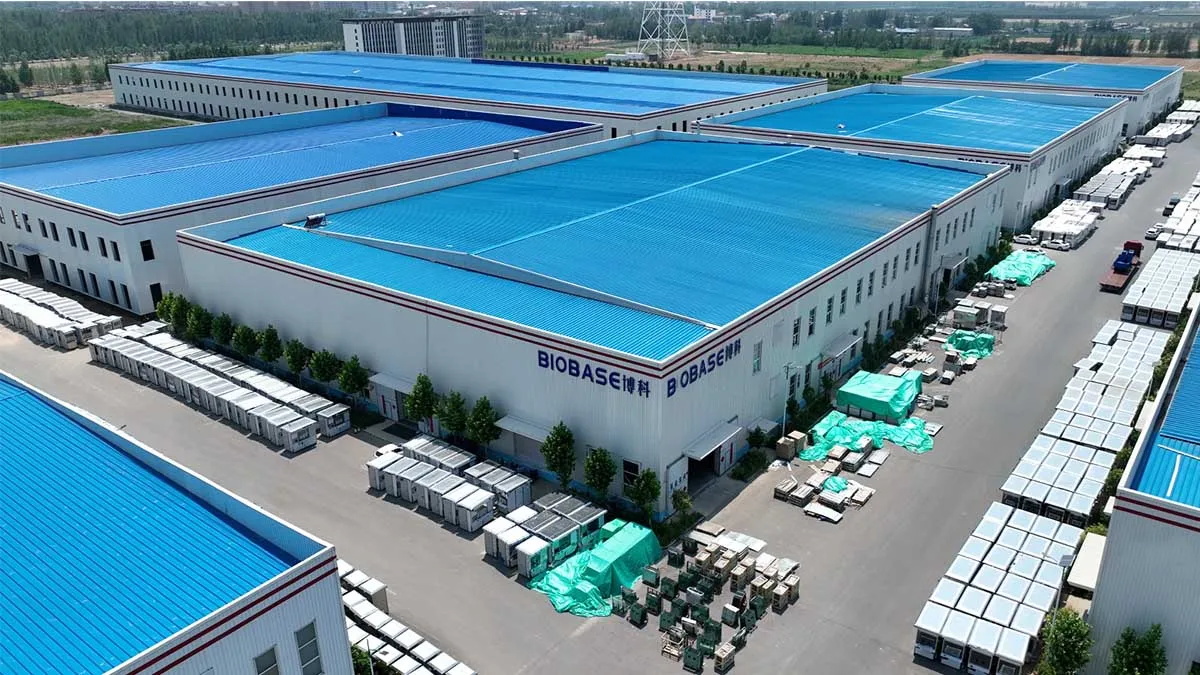
- Trading Company
- Shandong, China
- Lead time20 days
- Avg. response≤ 2h
Main productsLaboratory Equipment,Autoclave,Freezer and Refrigerator,Centrifuge,Spectrophotometer
Main marketsAfrica(25.00%), South America(23.00%), Eastern Asia(15.00%), Mid East(12.00%), Eastern Europe(12.00%), Southeast Asia(6.00%), Oceania(2.00%), South Asia(1.00%), Southern Europe(1.00%), Northern Europe(1.00%), Central America(1.00%), Western Europe(1.00%)
Hangzhou Boyn Instrument Co., Ltd.
- Verified by SGS Group
- Trading Company
- Lead time10 days
- Avg. response≤ 2h
Main productsuv vis spectrophotometer, centrifuge, ultra low temperature freezer, balance, magnetic stirrer
Main marketsSouth America(40%), Southeast Asia(20%), Eastern Asia(20%)

Changsha Suny Electronic Technology Limited
- Verified by SGS
- Combined
- China Hunan
- Lead time15 days
- Avg. response≤ 7h
Main productsPCB Making Machine, Laboratory Instrument, Copper Plating Machine, Through Hole Machine, Etching Machine, Dry Film Laminator
Main marketsSouth America,Africa,Southeast Asia/ Mideast,East Asia(Japan/ South Korea),Domestic,Europe,Australia,North America
Hangzhou Chincan Instument Co., Ltd.
- Trading Company
- Zhejiang, China
- Lead time10 days
- Avg. response≤ 2h
Main productsLaboratory Equipments,Industrial Equipment,Agriculture Analyzers,Bio-Chemical Analyzers,Optical Instruments
Main marketsNorth America(25.00%), South America(15.00%), Central America(10.00%), South Asia(10.00%), Southeast Asia(5.00%), Western Europe(5.00%), Southern Europe(5.00%), Mid East(5.00%), Oceania(5.00%), Domestic Market(5.00%), Eastern Asia(3.00%), Africa(3.00%), Northern Europe(2.00%), Eastern Europe(2.00%)
HANGZHOU BOYN EQUIPMENT IMPORT & EXPORT CO.,LTD
- Verified by TüVRheinland
- Trading Company
- Lead time0 days
- Avg. response≤ 1h
Main productsLaboratory Instrument, XRF Equipment, UV Vis Spectrophotometer, Centrifuge, Magnetic Stirrer
Main marketsNorth America(15%), South America(15%), Southeast Asia(15%)
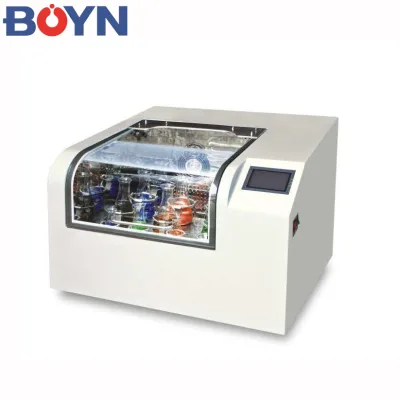
$1880.00 - $1960.00
MOQ: 1 sets
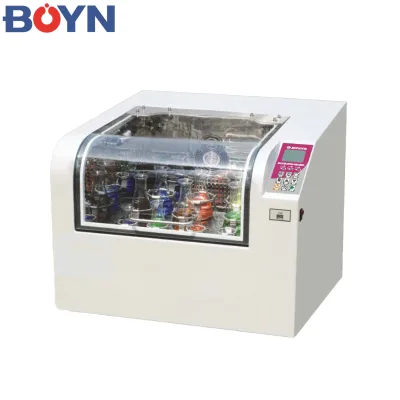
$2010.00 - $2090.00
MOQ: 1 pieces
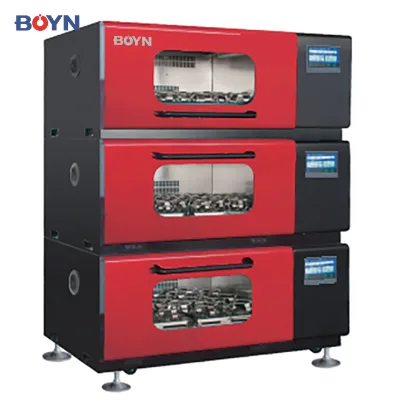
$4250.00 - $4360.00
MOQ: 1 pieces
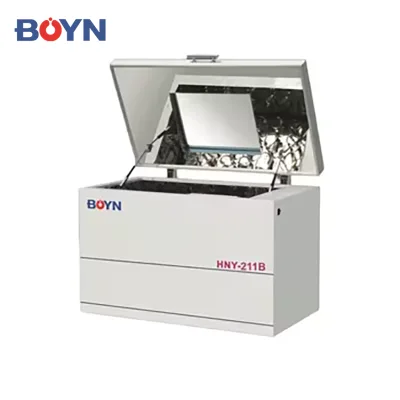
BNHNY-211B Air Duct Design Lab Shaker Laboratory Thermostatic Horizontal Incubator Shaker
$2860.00 - $3010.00
MOQ: 1 sets

GUANGZHOU LEYTE MEDICAL EQUIPMENT CO LIMITED
- Trading Company
- China Guangdong
- Lead time15 days
- Avg. response≤ 8h
Main productsECG Machine, Patient Monitor, Ultrasound Machine
Main marketsSouth America,Africa,Southeast Asia/ Mideast

BS-1e Thermostatic Horizontal Shaking Incubator Price Medical Equipment Shaking Incubator
$857.00 - $893.00
MOQ: 1 Pieces

BS-2f Cost Price Thermostatic Horizontal Medical Equipment Laboratory Shaking Incubator
$1714.00 - $1786.00
MOQ: 1 Pieces
- Trading Company
- Hubei, China
- Lead time10 days
- Avg. response≤ 7h
Main productsLaboratory Instruments,Pulp Paper Testing Instrument,Textile Fabric Tester,Plastic Rubber Testing Machine,Laboratory Instruments
Main marketsWestern Europe(20.00%), North America(18.00%), South America(18.00%), Southeast Asia(15.00%), Mid East(9.00%), Eastern Europe(5.00%), Oceania(3.00%), South Asia(2.00%), Southern Europe(2.00%), Northern Europe(2.00%), Central America(2.00%), Africa(2.00%), Eastern Asia(2.00%)
Guangzhou Binjiang Medical Equipment Co., Ltd.
- Trading Company
- Guangdong, China
- Lead time15 days
- Avg. response≤ 2h
Main productsVertical Type Autoclave,Portable Type Autoclave,Horizontal Type Autoclave,Table Top Type Autoclave,Pluse Vacuum Steam Sterilizer
Main marketsMid East(15.00%), Western Europe(15.00%), North America(15.00%), Southeast Asia(10.00%), Oceania(10.00%), South Asia(10.00%), Africa(5.00%), Southern Europe(5.00%), Central America(5.00%), South America(5.00%), Eastern Asia(5.00%)

Zhengzhou Laboao Instrument Equipment Co., Ltd.
- Verified by TUVRHEINLAND
- Trading Company
- China Henan
- Lead time15 days
- Avg. response≤ 3h
Main productsReactor, Rotary Evaporator, Bioreactor Fermenter, Freeze Dryer, Spray Dryer, Lab Drying Oven, Laboratory Equipment, Drug Testing Instrument, Chemical Analysis Instrument, Agriculture Testing Instrument
Main marketsSouth America,Southeast Asia/ Mideast,East Asia(Japan/ South Korea),Europe,Australia,North America


Hospital Large Horizontal Constant Temperature Lab Shaker Medical Equipment
$3160.00 - $3420.00
MOQ: 1 Pieces
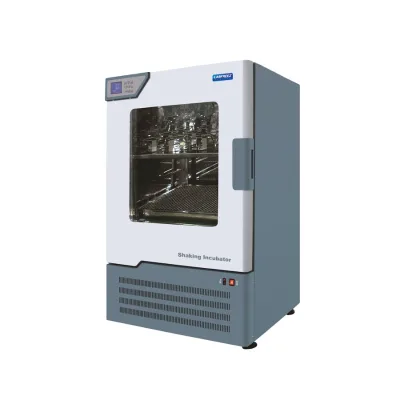


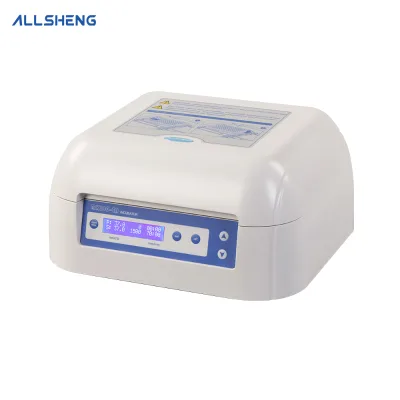
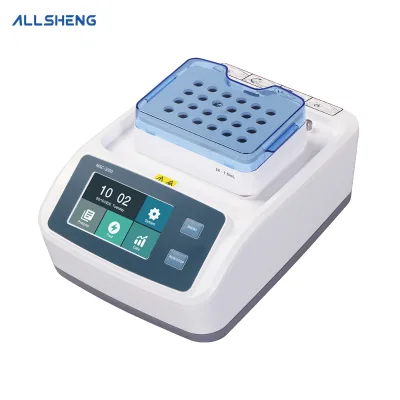
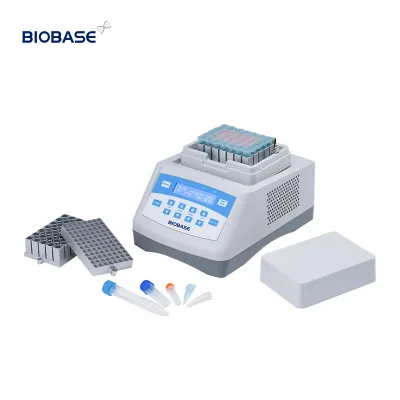


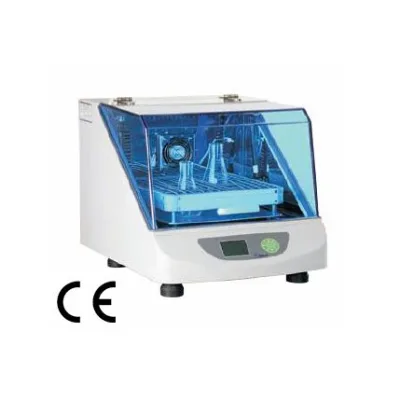
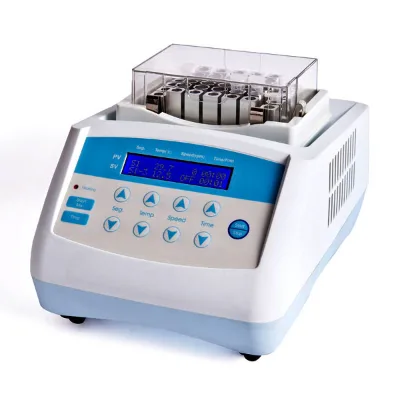
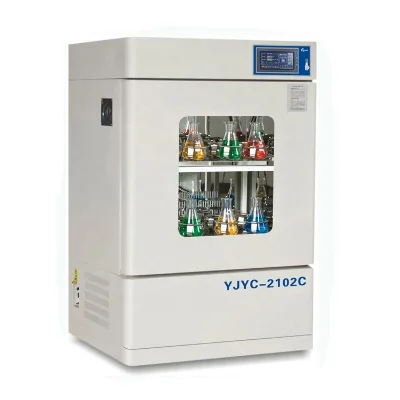
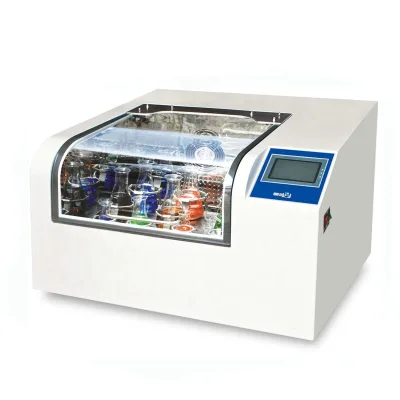
Comprehensive Sourcing Guide
Shaking Platelet Incubator for Lab Supplier Concentration and Factory Types
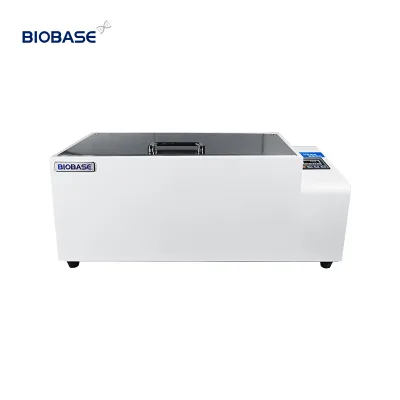
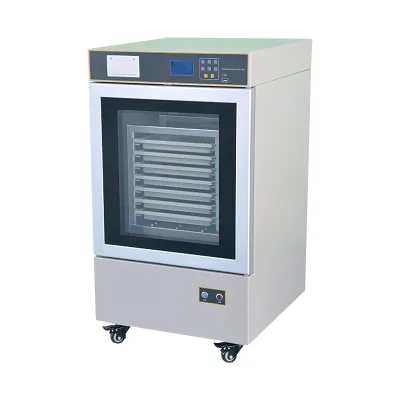
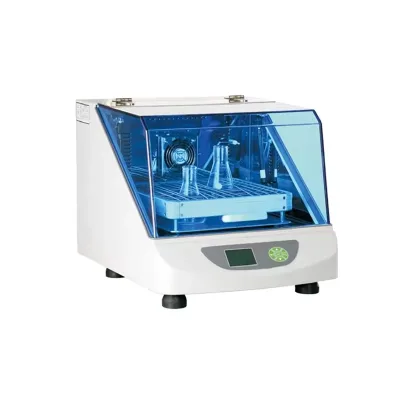
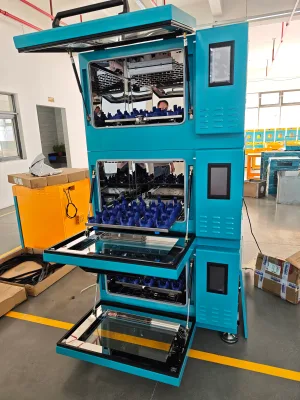
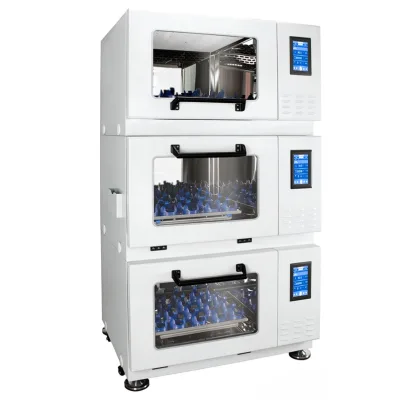
Buyers searching for a Shaking Platelet Incubator for Lab applications will encounter two broad supplier archetypes. The first is the laboratory equipment specialist: a combined manufacturer and trading operation whose main products span ovens, incubators, biological safety cabinets, orbital shakers, clean benches, vacuum ovens and CO2 incubators. These suppliers list shaking incubators, chest-type shaking incubators, thermostatic horizontal units and stacked large-capacity models, often in the laboratory thermostatic devices category. The second archetype is the clinical diagnostics manufacturer, whose main products include chemistry analyzers, autoclaves, centrifuges and biological safety cabinets, and which offers a dedicated blood bank platelet agitator combined with a platelet incubator. The distinction matters because a dedicated platelet product typically reflects blood bank engineering experience, while a general shaking incubator may require adaptation for platelet use.
On geography, the supplier results confirm a concentration in China. One supplier group is based in Jiangsu province, with products whose declared origin is Jiangsu and specifically Suzhou, while another supplier's platelet incubator product declares Shandong, China as its place of origin. This means buyers should treat eastern China as the practical cluster for this category, and can use origin declarations on product listings as an initial filter. Company type also varies: some listings are combined manufacturers, others are manufacturer and trading company hybrids, so the factory-versus-middleman question must be resolved supplier by supplier rather than assumed from a product page.
How to Verify Shaking Platelet Incubator for Lab Suppliers
Verification should begin with third-party inspection status, because the supplier results show that verification badges differ even within one category. One supplier group carries BV verification, while another is verified by SGS Group. These are different auditing bodies, so a buyer should not treat a generic "verified" label as equivalent across listings; instead, note which entity performed the verification and request the underlying audit scope. System certification is equally variable in this category. Observed credentials include an ISO9001:2015 certificate, and, for a clinical-oriented supplier, a combination of ISO13485, ISO 9001, ISO45001, ISO14001, CE and a TUV SUD mark. For a platelet incubator destined for blood bank use, the presence of a medical-device quality system certificate is a meaningfully stronger signal than a general factory certificate alone, so ask for certificate numbers and issuing bodies rather than logos.
Product-level certification also deserves scrutiny. Listings in this category declare product certifications such as ISO and CE on some shaking incubator models and CE and RoHS on others. Buyers should reconcile these product declarations with the supplier's system certificates and confirm which certificate covers the exact model number quoted, for example a specific BSI-series or SK-series unit. Practical verification steps include requesting a video call from the declared factory location, asking whether the supplier is a combined manufacturer or a trading company, and checking customization capability: the results show ODM and OEM capacity on one side and OBM, OEM and ODM support plus sample and graphic processing on the other. A supplier claiming customization should be able to evidence prior modified builds.
What to Compare Across Shaking Platelet Incubator for Lab Suppliers
Build the comparison on the supplier-label dimensions actually displayed, without assuming every supplier shows every attribute. Lead time is one such dimension: the observed results show 15 days for one supplier and 20 days for another, a five-day difference that can matter for urgent blood bank projects, though both figures should be reconfirmed for the specific model and order volume. Response time is a second comparable label, with observed values of roughly 3.31 hours and 2 hours; a faster median response suggests smoother communication during specification and after-sales phases, but it does not prove engineering competence. Verification body, company type and location, as covered earlier, complete the supplier-level baseline.
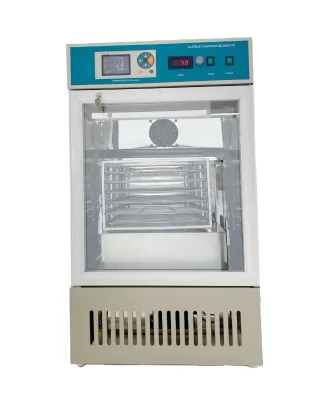
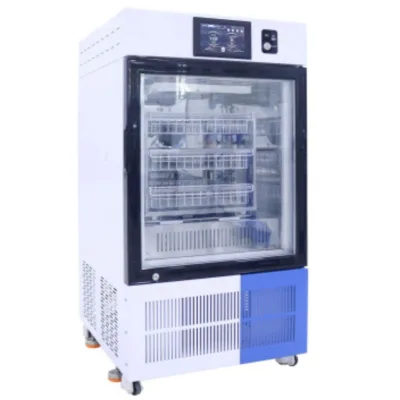
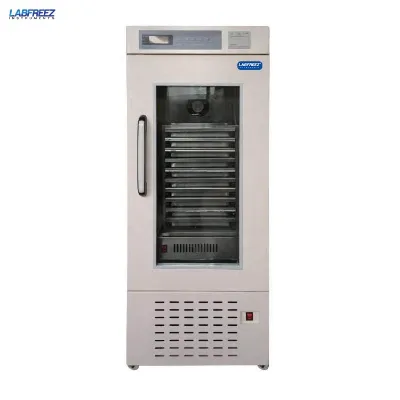
At product level, compare declared specifications rather than marketing phrases. One platelet incubator listing declares a temperature range of 22±2℃, an oscillation amplitude of 35±2mm, an oscillation frequency of 50 r/min, semiconductor refrigeration, LED display with 0.1℃ precision, a fluctuation of ±1℃ and a model number; a shaker incubator listing declares ±1rpm rotating accuracy and a 26mm vibration range. Price bands also vary widely across the observed results, from roughly 1,000–1,050 dollars on an entry shaking incubator to 2,050–2,250 dollars on a touch-screen chest type, up to about 3,000–3,100 dollars for a stacked large-capacity unit, so compare like-for-like configurations. Also record warranty (one year appears on multiple listings), power supply, material and packing.
Common Shaking Platelet Incubator for Lab Sourcing Risks
The most common risk is category mismatch. A general laboratory shaking incubator and a blood bank platelet agitator with incubator share motion and temperature control, but platelet storage has a specific declared setpoint of 22±2℃ with continuous gentle agitation around 50 r/min. A supplier whose main products are general lab thermostatic devices may offer to adapt a standard shaker, which introduces validation risk if your application requires documented platelet storage conditions. Confirm that the quoted model, whether a BSI-series unit or a dedicated platelet incubator model, was designed and tested for your intended sample type rather than repositioned from a generic catalog.
A second risk is over-reading labels and declarations. Certifications shown on a listing may be system-level, product-level, or a mix; one observed supplier lists ISO9001:2015 while another lists a broader ISO13485 and CE set, and individual products declare ISO, CE or CE and RoHS. None of these should be copied into your compliance file without the certificate document itself. Third risks include trading companies presenting themselves ambiguously, customization claims without demonstrated capability, and price quotes that cover different configurations, since the observed price spread in this category spans a wide band from roughly a thousand to over three thousand dollars. Finally, packing and shipping of heavy units, with single gross weights such as 160 kg declared on a platelet incubator, creates damage risk if wooden-box export packing is not confirmed in writing before production starts.
Shaking Platelet Incubator for Lab Regional Sourcing and Logistics
The confirmed sourcing geography for this category is eastern China. Jiangsu province, with a declared product origin in Suzhou, is associated with the general laboratory equipment supplier group whose catalog includes shaking incubators, chest-type shaking incubators, thermostatic units and stacked large-capacity models. Shandong province is declared as the place of origin for a dedicated blood bank platelet agitator and incubator from the diagnostics-oriented supplier. Both provinces sit within China's established laboratory instrument manufacturing belt, which typically shortens the distances between component suppliers, assembly plants and major export ports, though buyers should confirm the actual dispatch port with each supplier rather than assuming it from the province name.
Logistics planning should start from the physical footprint of the chosen product. Observed data illustrate the range: a desktop shaker incubator may weigh under 50 kg, a stacked large-capacity unit falls in the 50–100 kg band, and a platelet incubator declares a single package size of 74 by 85.3 by 137.5 cm with a single gross weight of 160 kg. Wooden box export packing is explicitly declared on several shaking incubator listings and should be treated as the default requirement. Lead times of 15 and 20 days are displayed at supplier level, but sea freight duration, customs clearance and inland delivery must be added separately. For institutional buyers, align delivery documentation, including declared origin on the commercial invoice, with the product's declared province to avoid discrepancies.
Shaking Platelet Incubator for Lab Commercial Terms and Order Planning
Commercial terms in this category are favorable to pilot orders. The observed listings show a minimum order quantity of 1 on shaking incubator products, which means buyers can validate a unit before committing to fleet purchases for multiple lab sites or blood bank stations. Price bands are declared rather than fixed: a factory-direct shaking incubator lists around 1,000–1,050 dollars, a touch-screen chest type lists 2,050–2,250 dollars, a thermostatic desktop unit spans 1,200–2,400 dollars, and stacked large-capacity models list near 3,000–3,100 dollars. Treat these as starting positions, and request quotes tied to a specific model number, configuration and declared certification scope before comparing suppliers on price alone.
Order planning should lock down the items that change between quotes. Confirm in writing the power supply version, the display type, the warranty duration, which the listings commonly declare as one year, and the packing method, with wooden boxes declared on multiple products. If customization is required, note which suppliers advertise it: ODM and OEM capacity appears on one supplier group's profile, while the other declares OBM, OEM and ODM support along with sample processing, graphic processing and customized-on-demand capability. Payment protection is a normal buyer expectation in cross-border B2B; ask each supplier what trade assurance or escrow-style arrangement applies to your order, and stage payments against inspection milestones. Finally, plan reorders by recording the confirmed lead time, since supplier-level figures such as 15 or 20 days may stretch once customization is involved.
FAQs
What is the price range for lab shaking platelet incubators?
Prices for these units typically range from $1000 to $3100 depending on capacity and features. Basic models start around $1000, while larger stacked or refrigerated options can reach $3100. Buyers should check specific product listings for exact pricing based on their required specifications and customization needs.
What certifications are available for these laboratory incubators?
Common certifications include ISO 9001, ISO 13485, CE, RoHS, and TUV SUD Mark. Some suppliers also hold ISO 45001 and ISO 14001 certificates. Buyers should verify specific product certifications, as items may carry ISO, CE, or RoHS marks depending on the manufacturer and model selected.
What is the typical lead time for ordering these incubators?
Lead times generally range from 15 to 20 days for production and shipping. Suppliers may offer faster turnaround for sample processing or customized orders. Buyers should confirm exact delivery schedules with the supplier, as lead times can vary based on order volume and specific manufacturing requirements.
What is the minimum order quantity for these lab devices?
The minimum order quantity is often just one unit, allowing for single-item purchases. This low MOQ supports both individual labs and larger institutions. Buyers can typically order single units without needing to meet bulk thresholds, making it easier to test equipment before committing to larger orders.
What is the response time for supplier inquiries?
Suppliers typically respond to inquiries within 2 to 3.31 hours. This quick response time ensures that buyers can get timely information about product specifications, pricing, and availability. Fast communication helps streamline the sourcing process and allows for quicker decision-making when evaluating potential suppliers for laboratory equipment.
Can these incubators be customized for specific lab needs?
Yes, customization is available for many models, including OEM and ODM services. Buyers can request specific materials, structures, or performance features tailored to their laboratory requirements. Customization options may include digital displays, specific temperature ranges, or unique structural designs to fit particular lab environments or protocols.