Lab Supplies Pipette Rack Suppliers and Manufacturers in China
Explore 20 verified options for Lab Supplies Pipette Rack from Zhejiang and Hunan factories. Compare ISO certifications, response times, lead times, and pricing to find the right fit. Contact suppliers directly to request samples or custom orders; review the available evidence before requesting comparable quotations from suitable candidates.
Updated
Suppliers List

Ningbo Sintrue Medical Instruments Co., Ltd.
- Trading Company
- China Zhejiang
- Lead time30 days
- Avg. response≤ 12h
Main productsMedical Device, Diagnostic Products, Medical Tubes, Wound Dressing, Surgical Instruments, Hospital Uniform, Laboratory Instruments
Main marketsSouth America,Africa,Southeast Asia/ Mideast,East Asia(Japan/ South Korea),Europe,Australia,North America
Hunan Bkmam International Trade Co., Ltd.
- Verified by TüVRheinland
- Manufacturer, Trading Company
- Lead time0 days
- Avg. response≤ 3h
Main productsLaboratory Instruments, Laboratory Glass, Laboratory Consumables
Main marketsSoutheast Asia(30%), Mid East(30%), North America(20%)

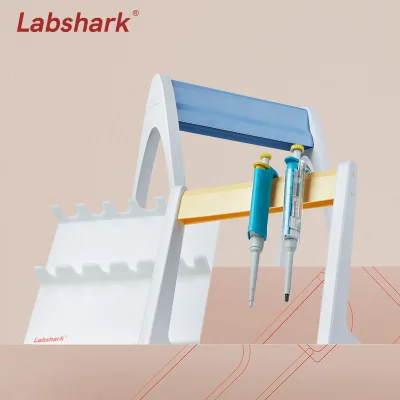
Lab Supplier for Pipette Hold PS Pipette Rack Pipette Stand Pipette Holder
$1.0097 - $1.5444
MOQ: 100 Minimum
$0.2472 - $0.5752
MOQ: 100 Minimum
Data Biotechnology (Hangzhou) Co., Ltd
- Manufacturer, Trading Company
- Zhejiang, China
- Lead time0 days
- Avg. response≤ 2h
Main productsBicycle,Electric bicycle,Bicycle accessories,Customized bicycle,electrocar
Main marketsNorth America(40.00%), Mid East(10.00%), Western Europe(10.00%), Eastern Europe(10.00%), South America(10.00%), Southern Europe(5.00%), Northern Europe(5.00%), Southeast Asia(5.00%), Eastern Asia(5.00%)

Chongqing New World Trading Co., Ltd.
- Trading Company
- China Chongqing
- Lead time15 days
- Avg. response≤ 5h
Main productsFlocked Swab, Pipette Filter Tips, Vtm Kits, Blood Collection Tubes, Face Mask, Pipette Tips, Microscope Slides, Centrifuge Tube, Cryotube, Petri Dish
Main marketsSouth America,Africa,Southeast Asia/ Mideast,East Asia(Japan/ South Korea),Europe,Australia,North America

Cheap Factory Supplier Laboratory Plastic Pipette Rack Pipette Holder Pipette Stand
$1.00 - $3.00
MOQ: 10 Pieces


Laboratory Micropipette Adjustable Pipettes Plastic Pipette Stand Rack Pipette Holder
$1.00 - $3.00
MOQ: 10 Pieces

Sichuan Machinery Imp.& Exp. Corp
- Verified by SGS Group
- Trading Company
- Lead time20 days
- Avg. response≤ 1h
Main productsMelodica, Plastic Packaging Bottle, Blood Collection Tube, Microscope
Main marketsNorth America(33%), Eastern Europe(26%), Northern Europe(6%)

- Verified by CTI
- Trading Company
- China Zhejiang
- Lead time30 days
- Avg. response≤ 8h
Main productsPipette Tip, Nasal Swab, Oral Swab, PCR Plate, Cryo Vial, Face Mask, Virus Transport Medium, Centrifuge Tube, Robotic Tip, PCR Tube
Main marketsEurope
Chongqing New World Trading Co., Ltd.
- Verified by SGS Group
- Trading Company
- Lead time30 days
- Avg. response≤ 4h
Main productsBlood Collection Needle, Specimen Collection Swab, Urine Container, Vacuum Blood Collection Tube, Centrifuge Tube
Main marketsAfrica(22%), Southeast Asia(17%), South Asia(15%)

Chongqing New World Trading Co., Ltd.
- Verified by BV
- Trading Company
- China Chongqing
- Lead time15 days
- Avg. response≤ 9h
Main productsVacuum Blood Collection Tubes, Test Tube, Pipette Tip, Urine Container, Microscope Slide, Filter Tip, Swab, Centrifuge Tube, Cryovial Tube, Blood Lancet
Main marketsSouth America,Africa,Southeast Asia/ Mideast,East Asia(Japan/ South Korea),Europe,Australia,North America

Medical Equipment Lab Automatic Pipettes Pipettor Holder Rack Pipette Stand
$4.96 - $7.10
MOQ: 1 Pieces


Hykras Exper Imental Equipment (nantong) Co., Ltd.
- Manufacturer, Trading Company
- Jiangsu, China
- Lead time30 days
- Avg. response≤ 3h
Main productsCentrifuge tube,Freezing tube,pipette tips,Petri dish,Micro Centrifuge Tube
Main marketsSouth Asia(12.00%), Central America(12.00%), Western Europe(12.00%), Eastern Asia(12.00%), Oceania(12.00%), Africa(12.00%), Eastern Europe(12.00%), South America(12.00%), Southern Europe(4.00%)

Nantong Dusheng Experimental Equipment Co., Ltd
- Verified by TUVRHEINLAND
- Combined
- China Jiangsu
- Lead time15 days
- Avg. response≤ 5h
Main productsPetri Dishes, Centrifuge Tubes, Pipette Tips, Centrifuge Tube Racks
Main marketsSoutheast Asia/ Mideast

Premium Lab Pipette Rack Stable Support for Research Institute and Analytical Chemistry Testing
$0.01 - $1.00
MOQ: 1 Pieces

Acrylic Pipette Stand 28 Positions OEM Custom Laboratory Pipette Holder Rack
$0.01 - $1.00
MOQ: 1 Pieces

Lightweight Reliable Pipette Holder Rack Practical Layout for Molecular Lab Sample Preparation
$0.01 - $1.00
MOQ: 1 Pieces

- Verified by TUVRHEINLAND
- Trading Company,Manufacturer/Factory
- China Hunan
- Lead time38 days
- Avg. response≤ 14h
Main productsMicrocope Centrifuge Water Bath Heating Mantel, Shaker Stirrer Incubator and Oven Freezer Aas, Autoclave &Sterilizer Water Distiller pH Meter, Spectrophotometer Viscometer Balance&Scale HPLC, Lab Glassware; Electrophoresis Suction Machine, ECG Thermometer Ultrasound Scanner, Operating Table Lamp Bed Wheel Chair, Infusion Oxygen Concentrator Cylinder, X-ray Machine Hematology Analyzer, Human Models Medical Disposable
Main marketsSouth America,Eastern Europe,Mid East,North America,Southeast Asia,Eastern Asia,Oceania,Western Europe,Africa

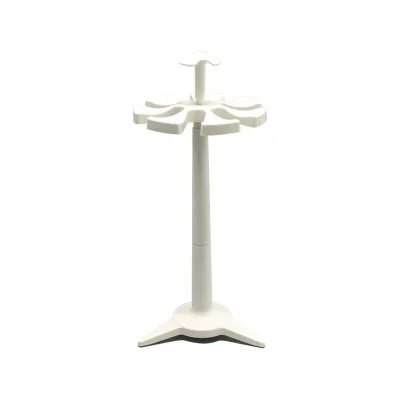
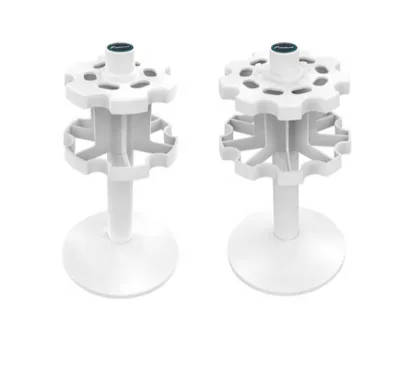
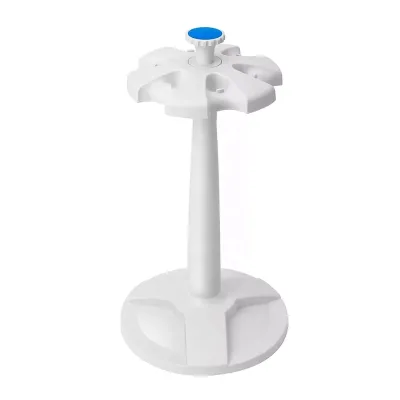
Lab and Medical Pipette Rack Stand Freely Rotating Stand Rack for 6PCS Micropipette
$15.00 - $20.00
MOQ: 20 Pieces

$20.00 - $25.00
MOQ: 20 Pieces

$8.50 - $12.00
MOQ: 10 Pieces

$16.00 - $20.00
MOQ: 20 Pieces

Ningbo Yingmed Medical Instruments Co., Ltd.
- Verified by TUVRHEINLAND
- Trading Company,Manufacturer/Factory
- China Zhejiang
- Lead time23 days
- Avg. response≤ 16h
Main productsSurgical Gloves, Alcohol Pads, Surgical Mask, Syringe, IV Set, Bandage, Urine Bag, Oxygen Mask, Nebulizer Mask, Surgical Suture
Main marketsMid East,Southeast Asia,Western Europe,Africa

Shanghai Haiker Environmental Protection Equipment Co., Ltd
- Verified by SGS
- Trading Company
- China Shanghai
- Lead time15 days
- Avg. response≤ 4h
Main productsLaboratory Fume Hood, Colony Counter, Quanti-Tray System, Ultrapure Water Systems
Main marketsOthers(foreignTradeCapacity.exportBusinessCapacityMarketOther),Europe
Shaoxing Beant Import & Export Co., Ltd.
- Trading Company
- Zhejiang, China
- Lead time0 days
- Avg. response≤ 1h
Main productsLab equipments,Lab plastic ware,Lab glassware,Teaching aids,Medical consumables
Main marketsNorth America(13.00%), Eastern Asia(12.00%), Southeast Asia(11.00%), Western Europe(9.00%), Central America(9.00%), South Asia(9.00%), South America(8.00%), Eastern Europe(7.00%), Africa(6.00%), Domestic Market(5.00%), Southern Europe(3.00%), Northern Europe(3.00%), Mid East(3.00%), Oceania(2.00%)
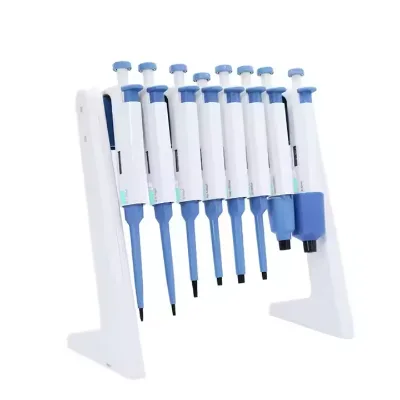
Pipette Rack Storage Racks Pipettes Linear Sampling Plastic Holder for Experiment
$2.00 - $2.40
MOQ: 100 pieces
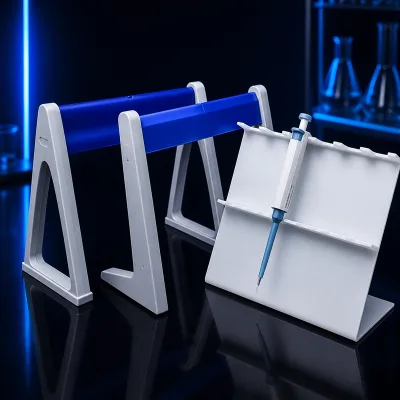
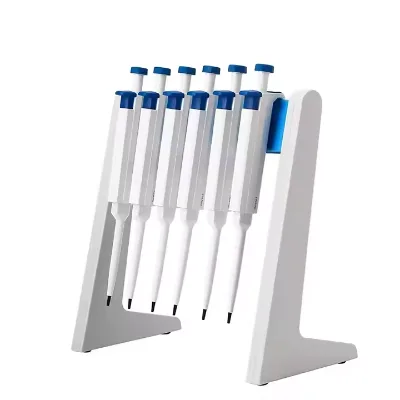
$2.0523 - $2.4627
MOQ: 100 pieces
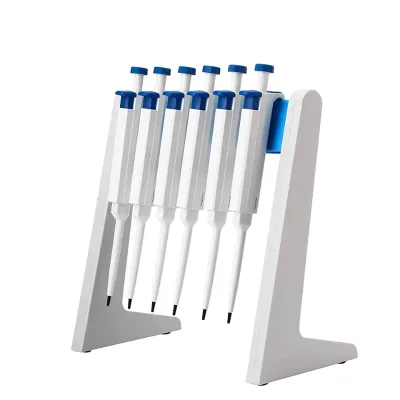
Pipette Rack Laboratory Tools Portable Stand Holder for Experiment Plastic Micro Sampling Storage
$2.0523 - $2.4627
MOQ: 100 pieces

YANCHENG CORDIAL MEDLAB TECHNOLOGY CO., LTD.
- Trading Company,Manufacturer/Factory
- China Jiangsu
- Lead time45 days
- Avg. response≤ 16h
Main productsLaboratory Glassware, Lab Glassware, Glassware, Lab Plasticware, Lab Metalware, Test Tube, Conical Flask, Blood Counting Chamber, Laboratory Plasticware
Main marketsSouth America,Eastern Europe,Mid East,North America,Southeast Asia,Eastern Asia,Oceania,Western Europe,Africa

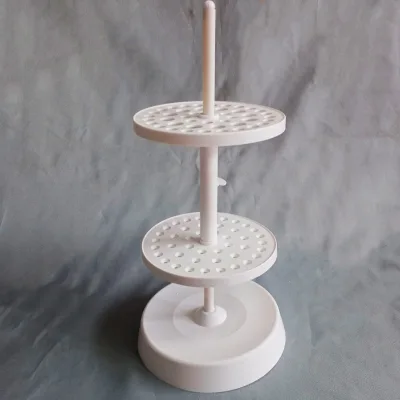
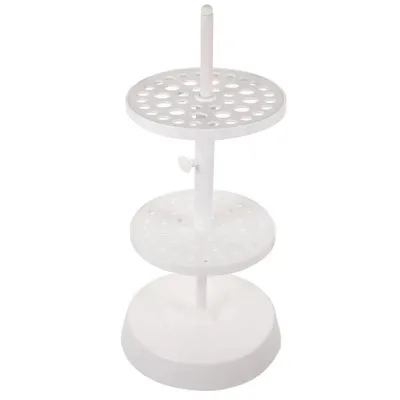
Cordial Lab 44 Holes Round Vertical Plastic Pipette Rack for Laboratory Use
$2.33 - $2.42
MOQ: 10 Pieces


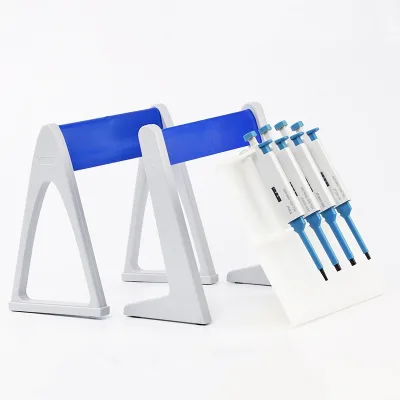
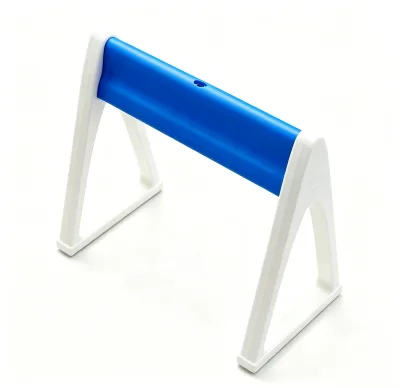
Cordial Lab Horizontal Trapezoidal Plastic Pipette Rack for Laboratory Use
$2.33 - $2.42
MOQ: 10 Pieces
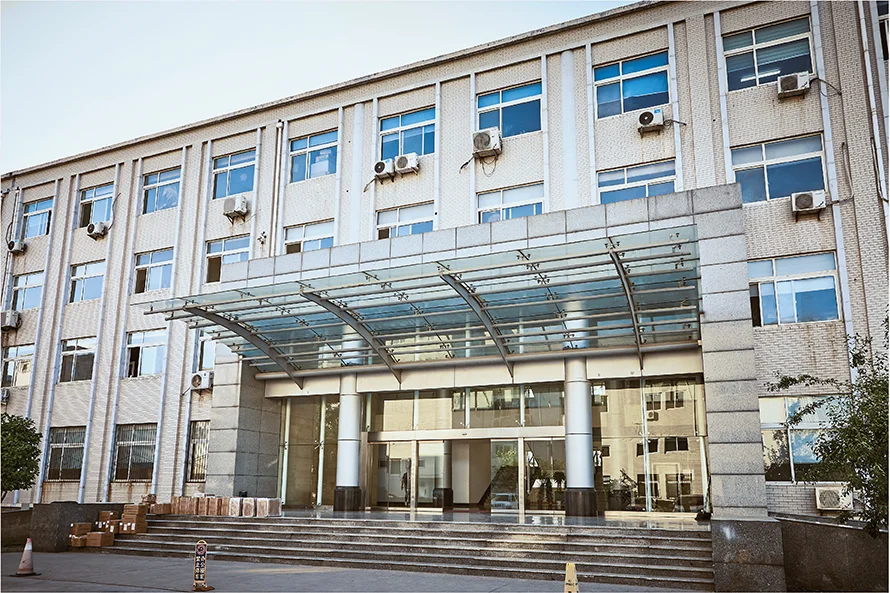
Prosperity Biotech (Shandong) Co., LTD.
- Manufacturer, Trading Company
- shandong, China
- Lead time20 days
- Avg. response≤ 2h
Main productsIncubator, Oven, Centrifuge, Autoclave, Fume Hood
Main marketsSouth America(15.00%), Eastern Europe(12.00%), North America(10.00%), Southern Europe(10.00%), Africa(10.00%), Eastern Asia(8.00%), Western Europe(8.00%), South Asia(5.00%), Central America(5.00%), Domestic Market(4.00%), Southeast Asia(4.00%), Oceania(3.00%), Northern Europe(3.00%), Mid East(3.00%)
Ningbo Justop Medical Instruments Co., Ltd.
- Verified by SGS Group
- Trading Company
- Lead time30 days
- Avg. response≤ 6h
Main productsMedical Equipments
Main marketsAfrica(30%), Southeast Asia(20%), Mid East(10%)
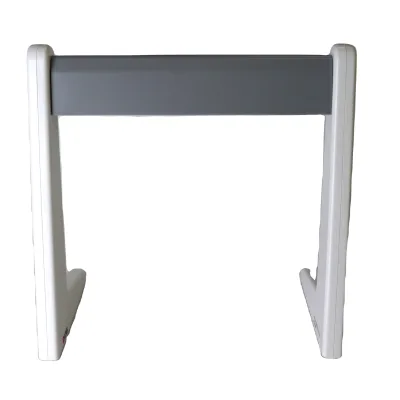
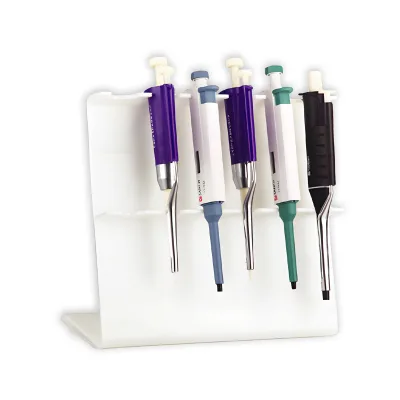
Laboratory Medical Hospital Double-Sided Pipette Rack Pipettor Pipette Gun Rack Linear Pipette Stand
$3.33 - $4.55
MOQ: 5 pieces
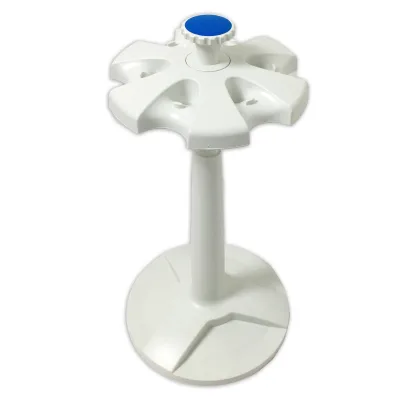
Shaoxing Kere Import & Export Co., Ltd.
- Trading Company
- Zhejiang, China
- Lead time0 days
- Avg. response≤ 7h
Main productsLab equipments,Lab plastic ware,Lab glassware,Teaching aids,Medical consumables
Main marketsNorth America(18.00%), Northern Europe(15.00%), Western Europe(12.00%), South America(12.00%), Eastern Europe(12.00%), South Asia(8.00%), Eastern Asia(8.00%), Africa(6.00%), Mid East(3.00%), Southeast Asia(2.00%), Central America(2.00%), Southern Europe(1.00%)
$2.1556 - $2.8732
MOQ: 1 pieces
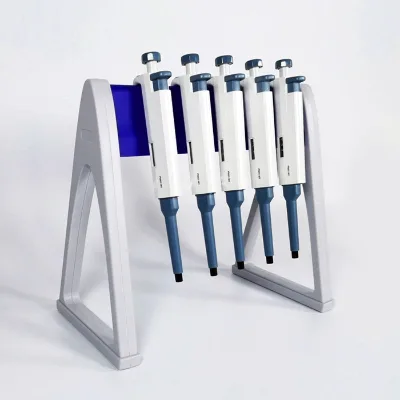
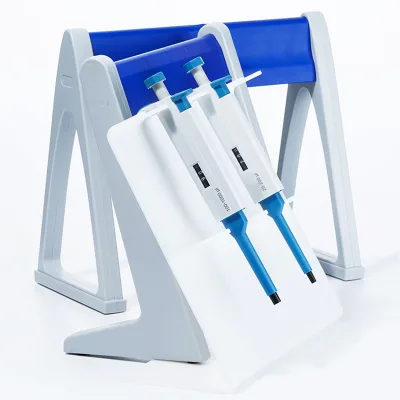
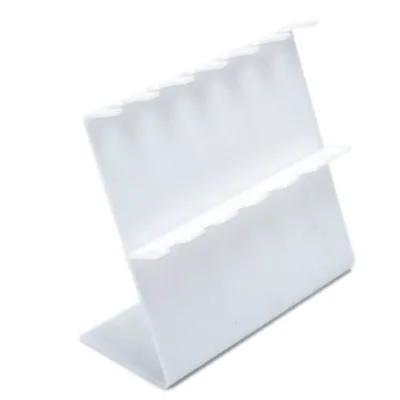
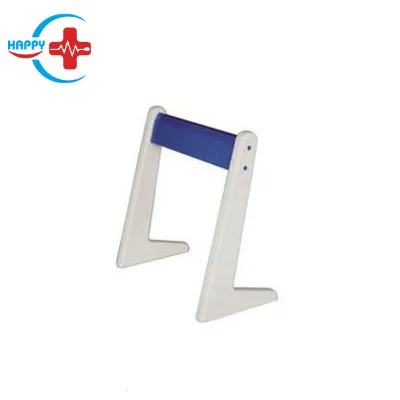
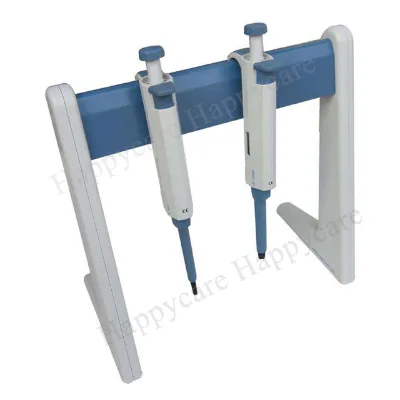
Pipette Stand White Pipettor Holder Z-shaped Pipet Rack Holds up to 5 Single-channel Pipettes
$2.90 - $5.50
MOQ: 1 pieces
Guangzhou Happycare Medical Equipment Co., Ltd.
- Trading Company
- Lead time旺季: "1 - 5":15,"> 5":"To be negotiated", 淡季: "1 - 5":15,"> 5":"To be negotiated"
- Avg. response≤ 3h
Main productsChemistry Analyzer, Hematology Analyzer, Ultrasound Scanner, Dental X Ray, X Ray Machine
Guangzhou Leafing Science Co., Ltd.
- Verified by TüVRheinland
- Trading Company
- Lead time9 days
- Avg. response≤ 4h
Main productsMagnetic Stirrer, Centrifuge, Electronic Pipettes, Overhead Stirrer, Mixer
Main marketsNorth America(38%), Western Europe(30%), Eastern Europe(8%)
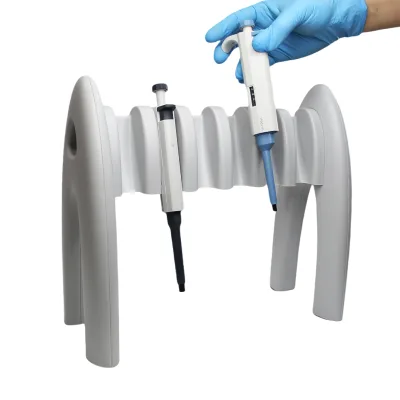
$14.04 - $18.25
MOQ: 2 pieces
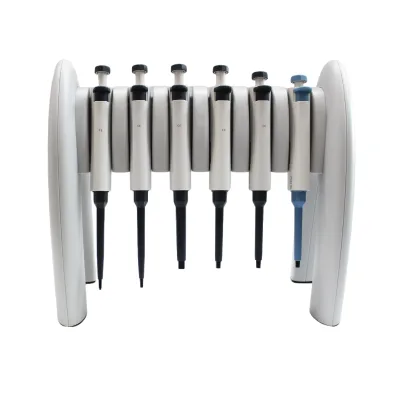
$14.5651 - $18.9332
MOQ: 2 pieces






Comprehensive Sourcing Guide
Lab Supplies Pipette Rack Supplier Concentration and Factory Types
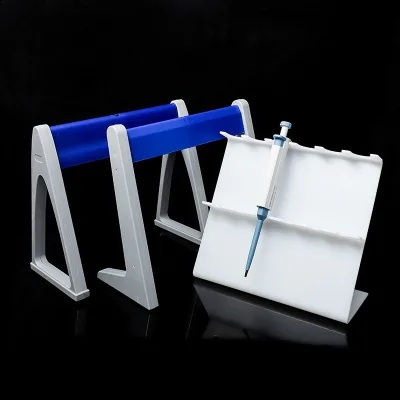
The current supplier landscape for Lab Supplies Pipette Rack items shows a distinct concentration of manufacturing and trading entities within China, specifically in the Zhejiang province. This region appears frequently in the location data associated with various product listings, indicating a regional cluster for these specific laboratory consumables. Buyers observing this pattern should recognize that a significant portion of available inventory originates from this specific area, which can influence shipping logistics and lead time expectations. The presence of multiple suppliers in this zone suggests a mature supply chain ecosystem dedicated to producing items like ABS pipette stands and plastic racks.
Regarding company structures, the market presents a mix of trading companies and manufacturers, with some entities operating as both. This dual classification is critical for buyers to understand, as it affects the directness of communication and the potential for customization. Some suppliers list their main products as medical devices and laboratory instruments, while others focus specifically on laboratory glass and consumables. The distinction matters because a manufacturer might offer more flexibility on material specifications, whereas a trading company might provide a broader range of complementary items. Buyers must verify the specific operational model of each potential partner to align with their procurement strategy.
How to Verify Lab Supplies Pipette Rack Suppliers
Verification of supplier credentials is a primary step when sourcing Lab Supplies Pipette Rack products, as the data indicates varying levels of third-party validation. Some suppliers in the current results display verification badges from recognized bodies such as TüVRheinland, which serves as a concrete indicator of a specific audit or assessment having been completed. However, not all suppliers in the search results show this specific verification status, meaning buyers cannot assume uniform validation across the entire pool. It is essential to check the specific profile of each supplier to confirm if they hold certifications like ISO, CE, FDA, or RoHS, which are listed in product attributes for certain items but may not apply to the entire company portfolio.
Beyond certifications, buyers should scrutinize the response time metrics provided in supplier profiles to gauge operational readiness. The observed data shows response times ranging from as low as 2 hours to over 11 hours, which can significantly impact the speed of negotiation and order processing. A faster response time often correlates with a more active sales team and potentially quicker resolution of technical queries regarding product dimensions or material composition. Additionally, the presence of specific product attributes like "Customization: Available" or "OEM: Yes" in the product evidence suggests that the supplier has the capacity for tailored orders, but this should be confirmed directly rather than assumed based on a single listing.
What to Compare Across Lab Supplies Pipette Rack Suppliers
When evaluating multiple sources, buyers must compare key operational metrics such as lead time, minimum order quantity, and pricing structures to determine the best fit for their needs. The available data reveals lead times that vary, with some suppliers indicating a standard 30-day window while others show a lead time of zero, which may imply immediate stock availability or a specific production model. Minimum order quantities also differ significantly, with some listings requiring 500 units while others accept orders as low as 100 units. These variations directly impact the total cost of ownership and the feasibility of small-batch testing or initial market entry strategies.
Price comparison requires careful attention to the specific product model and material composition, as costs can fluctuate based on these factors. For instance, ABS pipette stands and plastic racks show price ranges that differ based on the number of holes or specific design features like rotatability. One product listing shows a price range of 5.00 to 9.00, while another for a similar item ranges from 16.00 to 18.00, highlighting that price is not uniform across all suppliers. Buyers should also consider the material type, such as PP or plastic, and whether the item is disposable or non-disposable, as these attributes influence the unit cost and long-term value.
Common Lab Supplies Pipette Rack Sourcing Risks
One significant risk in sourcing Lab Supplies Pipette Rack items involves the potential mismatch between advertised certifications and actual product compliance. While product attributes may list certifications like ISO, CE, or FDA, these are often tied to specific product models rather than the entire supplier's manufacturing capability. A supplier might claim ISO certification for a specific pipette stand model, but this does not guarantee that all their other products or future production runs adhere to the same standards. Buyers must verify that the specific certification applies to the exact item they intend to purchase to avoid regulatory issues in their destination market.
Another risk relates to the variability in product specifications and the potential for inconsistency in quality across different batches. The data shows diverse product attributes, including variations in material (Rubber/Plastic vs. PP), shape (L/A/Z types), and capacity (1-10 pcs vs. 12 pcs). If a buyer relies on a single supplier without a robust quality control agreement, there is a risk of receiving items that do not match the initial sample or the detailed product description. Furthermore, the "Customization: Available" attribute suggests flexibility, but without clear written specifications and agreed-upon tolerances, the final product may deviate from the buyer's requirements, leading to delays or rejection of goods.
Lab Supplies Pipette Rack Regional Sourcing and Logistics
The regional concentration of suppliers in Zhejiang, China, presents specific logistical considerations for international buyers. Since a large portion of the observed supplier locations are in this province, shipping routes and transit times will likely be standardized around ports serving this region. Buyers should anticipate that lead times may include the time required for inland transportation to the port before the goods are loaded onto vessels. The proximity of multiple suppliers in this area can be advantageous for consolidating orders from different vendors, potentially reducing overall shipping costs and simplifying the logistics chain for mixed product orders.
However, buyers must also account for the specific origin details provided in product attributes, which sometimes list locations like Hunan, China, alongside Zhejiang. This variation indicates that not all products originate from the same manufacturing cluster, which could complicate logistics if a buyer attempts to source from a single supplier who aggregates goods from different factories. Understanding the precise place of origin for each item is crucial for accurate freight calculation and customs documentation. Buyers should verify the shipping origin for every line item in their purchase order to ensure that the logistics plan aligns with the actual production locations and avoids unexpected delays or additional fees.
Lab Supplies Pipette Rack Commercial Terms and Order Planning
Commercial terms for Lab Supplies Pipette Rack orders often hinge on the minimum order quantity and the specific pricing tiers associated with different product models. The data indicates that MOQs can range from 100 pieces to 500 pieces, which requires buyers to plan their inventory levels carefully to meet these thresholds without overstocking. Pricing is also dynamic, with some items showing a fixed price point while others display a range, suggesting that volume discounts or material cost fluctuations may apply. Buyers should request detailed quotations that clarify whether the price includes packaging, such as the carton packing mentioned in product attributes, to avoid hidden costs.
Order planning must also consider the response time and lead time capabilities of the selected supplier to ensure timely delivery. With response times varying from 2 to 11 hours, communication efficiency can impact the speed of finalizing orders and resolving any pre-production queries. Lead times, ranging from immediate availability to 30 days, dictate the production schedule and the need for buffer stock. Buyers should align their order placement with the supplier's stated lead time and response capabilities to maintain a smooth supply chain. Additionally, verifying the availability of samples, as indicated in some product attributes, can help mitigate risks before committing to a large-scale order.
FAQs
What is the price range for lab pipette racks?
Prices for laboratory pipette racks typically range from approximately $0.25 to $19.00 per unit depending on the model and capacity. Basic plastic holders start near $0.25, while specialized ABS stands with multiple holes can cost up to $19.00. Buyers should check specific product listings for exact pricing tiers based on quantity and customization needs.
What materials are used for pipette racks?
Most pipette racks are manufactured from durable plastic, ABS, or polypropylene (PP). Some products also utilize rubber and plastic combinations for enhanced stability. These materials ensure the racks are non-slip, stable, and suitable for both laboratory and hospital environments. The choice of material often depends on the required durability and specific laboratory usage conditions.
What certifications do pipette racks have?
Many available pipette racks hold ISO certification, ensuring they meet international quality standards. Some suppliers also provide products certified with CE, FDA, and RoHS standards. These certifications verify that the laboratory supplies are safe and compliant with regulatory requirements. Buyers should verify specific product documentation to confirm which certifications apply to their intended use case.
What is the minimum order quantity for racks?
The minimum order quantity (MOQ) for pipette racks generally starts at 100 pieces for standard models. Some suppliers may require a higher MOQ of 500 pieces for certain ABS stands. Buyers should confirm the specific MOQ with the supplier before placing an order, as requirements can vary based on the product model and customization options requested.
Where are these pipette racks manufactured?
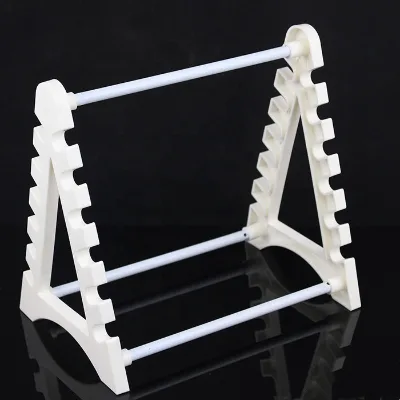
These laboratory pipette racks are primarily manufactured in China, with specific production hubs located in Zhejiang and Hunan provinces. Suppliers in these regions offer various models including triangular, Z-type, and round stands. Buyers can source directly from these locations to benefit from established manufacturing capabilities and competitive pricing for laboratory consumables and equipment.
Can suppliers customize pipette racks?
Yes, many suppliers offer customization options for pipette racks, including OEM services. Buyers can request specific colors, sizes, or structural shapes like L, A, or Z types. Customization is available for various materials and capacities. It is advisable to discuss specific design requirements and lead times with the supplier to ensure the customized product meets your laboratory's exact needs.