Source Modern Acrylic LED Table Lamp for Home Hotel Villa
Find 30 Modern Acrylic LED Table Lamp options with varying power sources, certifications, and customization features. Buyers can compare specifications like voltage, color temperature, and control methods for home, hotel, and villa applications; compare the available evidence and request quotations based on your requirements.
Updated
Key considerations
Products List
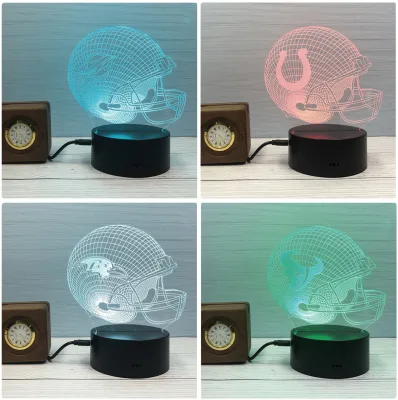

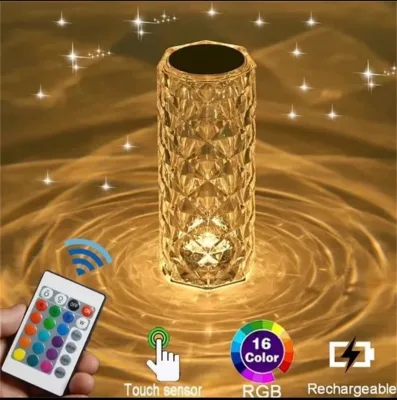
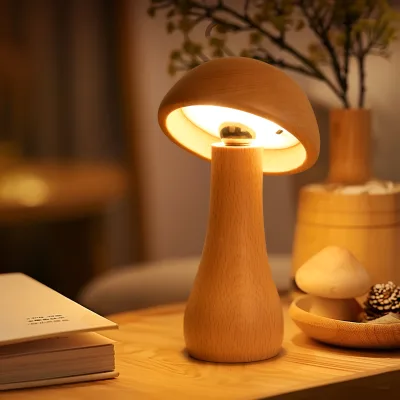
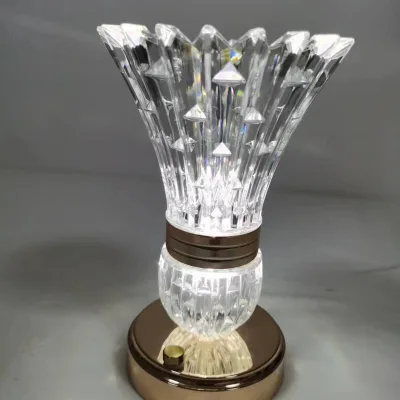
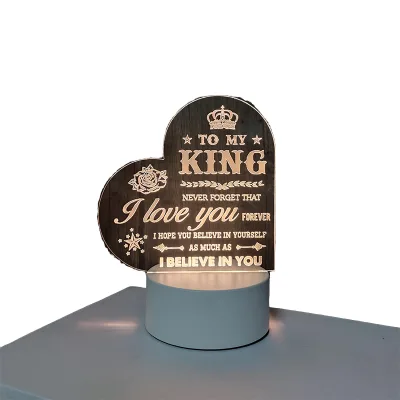
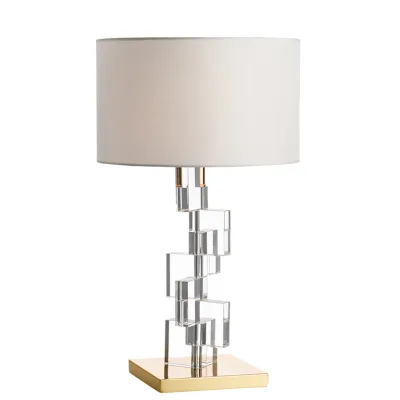
Rechargeable Bedside Luxury Acrylic Modern LED Touch Control Crystal Table Lamp
$14.00 - $25.00
MOQ: 1 Pieces


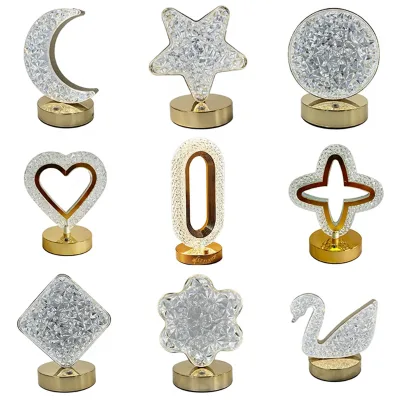
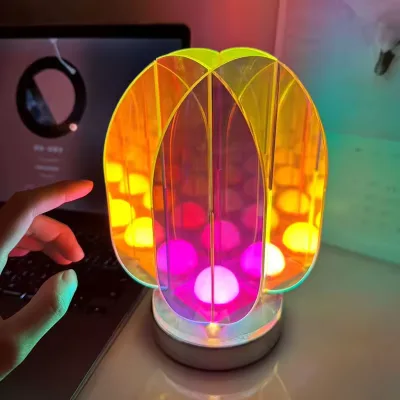
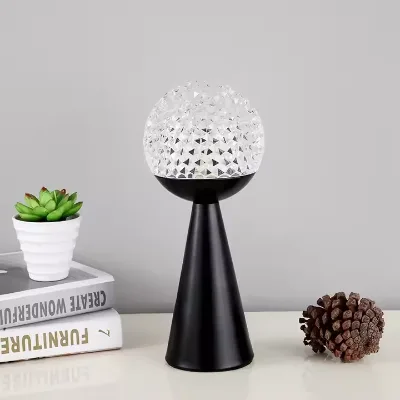


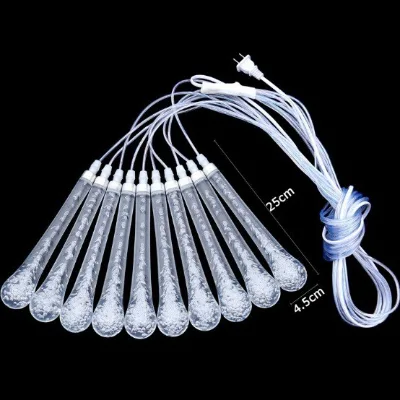
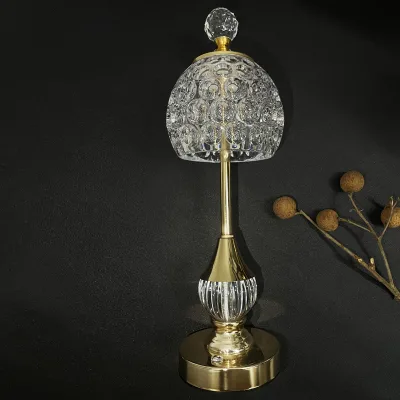


Comprehensive Sourcing Guide
Modern Acrylic LED Table Lamp Sourcing Guide
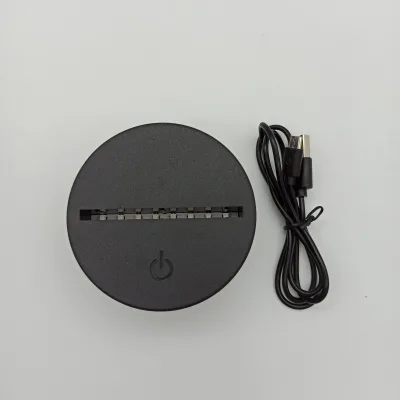
Sourcing modern acrylic LED table lamps requires a clear understanding of the diverse product landscape available from Chinese manufacturers. The market offers a wide spectrum of designs, ranging from traditional metal and crystal styles to contemporary 3D acrylic bases that serve primarily as decorative elements. Buyers must distinguish between lamps that include integrated light sources and those sold as bases requiring separate bulb installation. This distinction is critical for inventory planning and final assembly logistics, as it directly impacts shipping volume, packaging requirements, and the complexity of the end-user experience.
The observed product range highlights significant variation in power sources and control mechanisms, which defines the target application for each unit. Some models rely on electric power with push-button switches, suitable for permanent or semi-permanent installations in homes, hotels, and villas. Others utilize battery power, including AAA batteries or USB rechargeable options, offering greater flexibility for placement in bedrooms or areas without convenient outlets. Understanding these operational differences allows procurement teams to align product selection with specific customer needs, whether the goal is ambient lighting, decorative accentuation, or functional task lighting.
Product Scope and Observed Listing Signals
The current market signals indicate a strong emphasis on customization and aesthetic versatility in the acrylic LED segment. Products are frequently described with attributes such as "Energy Saving" light sources and "Modern" design styles, catering to contemporary interior trends. The availability of customization options suggests that buyers can tailor specific features to match brand identities or specific retail requirements. This flexibility is particularly relevant for private label opportunities, where unique packaging, color schemes, or functional additions can differentiate a product in a crowded marketplace.
Observed listings reveal a broad range of color temperatures and emitting colors, allowing for precise mood setting in various environments. Options include soft warm white at 2700K, neutral white at 4100K, and warm white at 3500K, alongside multi-color capabilities with seven or sixteen color choices. These variations are often paired with touch controls or remote controls, enhancing user convenience. The presence of features like "Changed Colors" and sensor-based power generation indicates a trend toward interactive and responsive lighting solutions that appeal to tech-savvy consumers looking for dynamic home decor items.
Technical Specifications to Verify
When evaluating technical specifications, the input voltage and power source are primary considerations for global distribution. Products are observed with voltages ranging from 110V to 220-240V, necessitating careful verification of compatibility with target markets. Additionally, some models operate on low-voltage DC inputs, such as 6V, which may require specific adapters or internal power management systems. Buyers must confirm the exact power requirements to ensure that the lamps function correctly in the destination country without the need for additional voltage converters, which can add cost and complexity to the supply chain.
Light source characteristics and lifespan are also critical technical factors that influence product longevity and customer satisfaction. The observed data points to LED light sources with a lifespan of up to 30,000 hours, which is a significant advantage over traditional incandescent bulbs. The Color Rendering Index (Ra) is noted at 80, indicating good color accuracy for decorative purposes. Furthermore, the inclusion of dimmer support in some models adds functional value. Procurement teams should verify these specifications against actual product samples to ensure that the claimed performance metrics are consistent across production batches.
Compliance and Safety Documentation
Compliance with international safety and environmental standards is non-negotiable for importing electronic lighting products. The observed certifications include GS, VDE, RoHS, CE, and FCC, which cover various aspects of electrical safety, electromagnetic compatibility, and hazardous substance restrictions. Buyers must ensure that the specific models they intend to purchase hold the relevant certifications for their target markets. For instance, the FCC certification is essential for the United States, while CE marking is required for the European Union. Verifying the validity of these certificates with the issuing bodies is a crucial step to avoid customs delays or legal liabilities.
Beyond certifications, the materials used in construction also play a role in regulatory compliance. The use of ABS plastic for lamp bases is common and generally aligns with RoHS requirements for restricted hazardous substances. However, buyers should request material safety data sheets (MSDS) and test reports to confirm that the plastics and electronic components meet specific environmental standards. This due diligence helps mitigate risks associated with non-compliant materials, ensuring that the products can be legally sold and used in regulated markets without posing health or environmental hazards.
Cost Drivers and Commercial Terms
Several factors influence the cost structure of modern acrylic LED table lamps, including material quality, electronic complexity, and packaging. The use of high-quality ABS and acrylic materials, along with features like remote controls and touch sensors, can increase the unit price. Additionally, the inclusion of light sources versus selling the lamp as a base-only unit affects the final cost. Buyers should analyze the cost breakdown to understand where value is added and identify opportunities for cost optimization without compromising quality or functionality.
Commercial terms such as Minimum Order Quantity (MOQ) and lead times are also significant considerations in procurement planning. The observed MOQ range varies from 1 to 5000 units, offering flexibility for both small-scale testers and large-volume buyers. Lead times and production capacity should be discussed early in the negotiation process to ensure that supply can meet demand peaks. Understanding these commercial terms helps buyers align their inventory strategies with supplier capabilities, reducing the risk of stockouts or excess inventory holding costs.
Supplier Qualification and Quality Control
Supplier qualification is a critical step in ensuring a reliable supply chain for electronic lighting products. Buyers should verify the supplier's manufacturing capabilities, quality management systems, and track record in producing similar items. Factories with experience in producing LED lamps and acrylic products are more likely to deliver consistent quality and meet technical specifications. Conducting on-site audits or requesting third-party inspection reports can provide valuable insights into the supplier's operational standards and ability to maintain quality control throughout the production process.
Quality control measures should be established before production begins to prevent defects and ensure product consistency. This includes defining clear acceptance criteria for visual appearance, electrical performance, and packaging integrity. Implementing pre-production samples and during-production inspections can help identify and address issues early in the manufacturing cycle. Buyers should also consider post-production testing, such as drop tests and electrical safety checks, to ensure that the products meet the required standards before shipment.
Long-Term Procurement Checks
Long-term procurement success depends on continuous monitoring of supplier performance and product quality. Establishing key performance indicators (KPIs) such as defect rates, on-time delivery, and responsiveness to issues can help track supplier reliability over time. Regular communication and feedback loops with suppliers are essential for addressing any emerging problems and fostering a collaborative relationship. This proactive approach helps maintain high standards and ensures that the supply chain remains resilient to disruptions.
Additionally, staying informed about market trends and regulatory changes is crucial for long-term procurement strategy. As technology evolves, new features and materials may become available that offer better value or performance. Buyers should regularly review their product offerings and supplier base to ensure they remain competitive and compliant. By continuously evaluating and adapting their procurement practices, buyers can mitigate risks and capitalize on new opportunities in the dynamic lighting market.
FAQs
What certifications do these modern acrylic led table lamps have?
These lamps hold GS, VDE, RoHS, CE, and FCC certifications. These credentials ensure compliance with international safety and environmental standards for home and hotel use. Buyers can verify these documents to meet regulatory requirements in target markets before placing bulk orders.
Can the Modern Acrylic LED Table Lamp be customized?
Yes, customization is available for these lamps. The product standard is listed as customized, allowing buyers to tailor specific attributes. This flexibility supports unique branding or functional requirements for villa and indoor lighting projects without compromising the core design integrity.
What is the typical lifespan of the LED light source?
The LED light source has a lifespan of 30,000 hours. This durability ensures long-term performance for bedroom or hotel applications. The energy-saving design further reduces maintenance costs, making it a reliable choice for continuous indoor lighting needs in residential settings.
How is the Modern Acrylic LED Table Lamp powered?
Power sources include electric input, AAA batteries, or USB rechargeable options. Some models use DC 6V input, while others rely on battery power. This variety allows flexible installation in bedrooms or hotels, accommodating both wired and wireless lighting setups effectively.
What control methods are supported by these table lamps?
Control methods include push-button switches, touch control, and remote control. These options provide convenient operation for users. The support for dimmers and multiple color temperatures enhances user experience, allowing precise adjustment of lighting ambiance in modern interior design schemes.
Where are these modern acrylic led table lamps manufactured?
These lamps originate from Guangdong, China. The place of origin is consistently listed as China. This location is a major hub for lighting manufacturing, offering established supply chains and production capabilities for global export and wholesale distribution channels.