Source Triac Dimmable LED Jewelry Spotlight for Retail, Museum, Gallery
Compare 30 Triac Dimmable LED Jewelry Spotlight options from verified suppliers. Evaluate specifications like beam angle, color temperature, and warranty to find the right lighting for retail displays, museums, and galleries; compare the available evidence and request quotations based on your requirements.
Updated
Key considerations
Products List
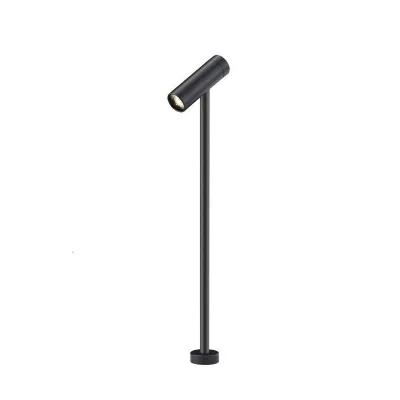
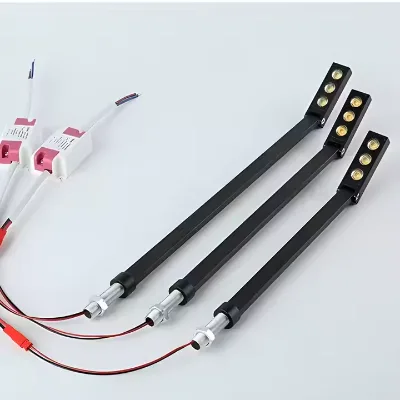


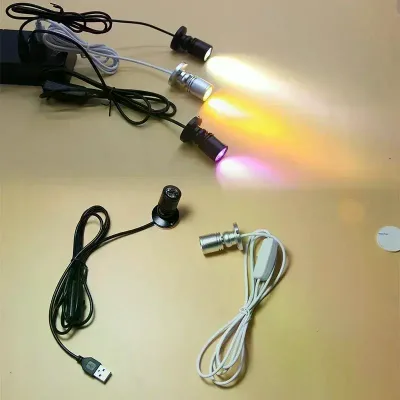
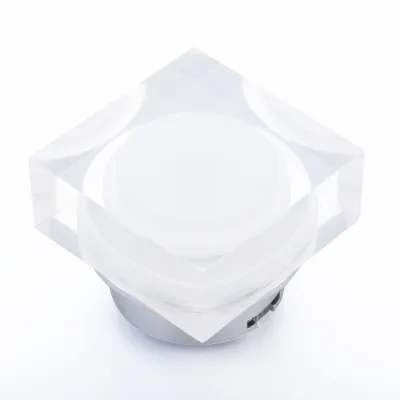
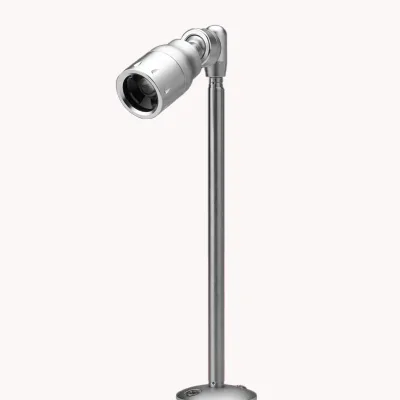
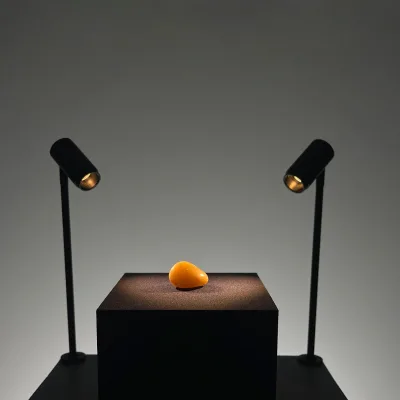
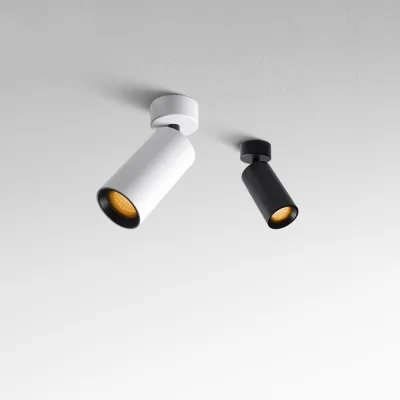
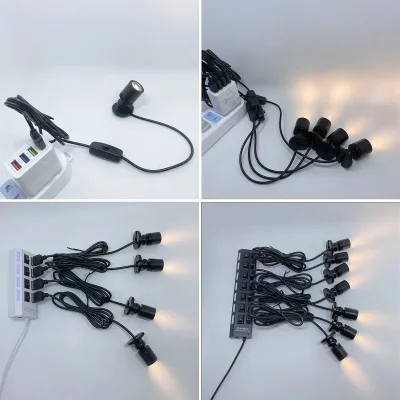
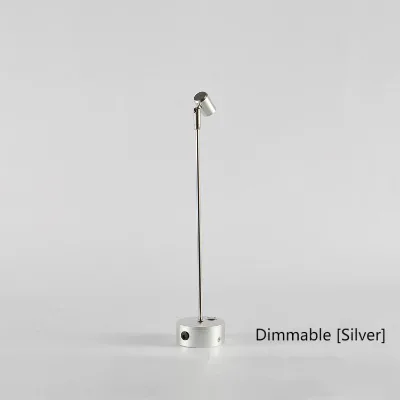
LED Under Cabinet Light Museum Exhibition Lighting Jewelry Showcase Spotlight
$12.05 - $16.68
MOQ: 10 Pieces

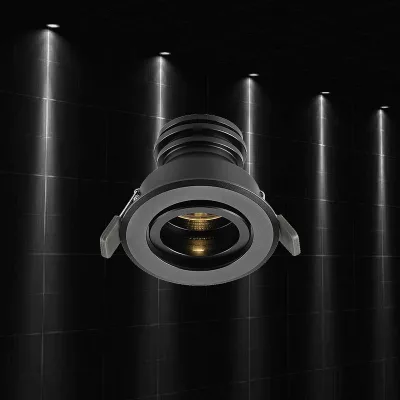
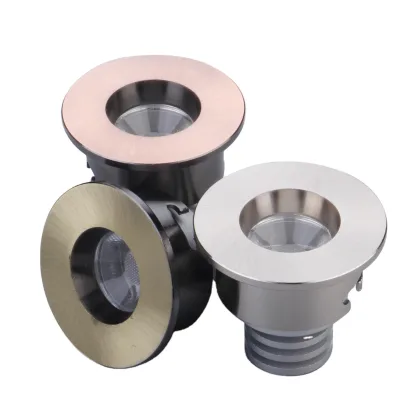
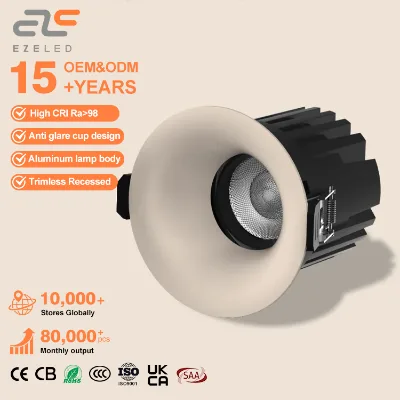
Lamp Bead Rotation Recessed Ceiling Light High Brightness 24W LED Jewelry Spotlight
$93.63 - $129.59
MOQ: 10 Pieces


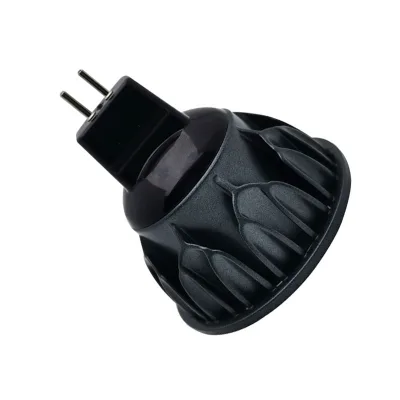
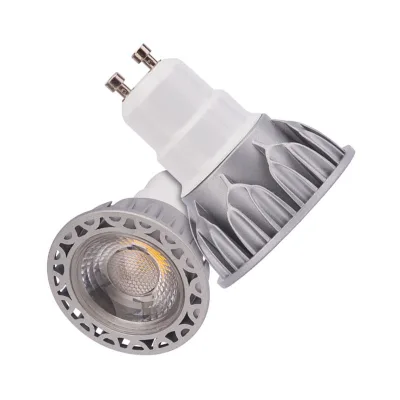
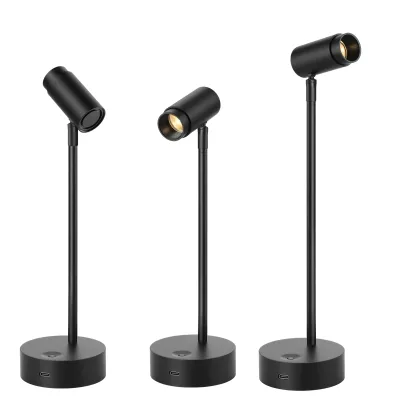
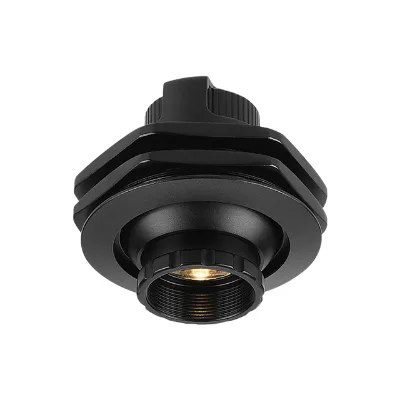

Comprehensive Sourcing Guide
Triac Dimmable LED Jewelry Spotlight Sourcing Guide
Sourcing triac dimmable LED jewelry spotlights requires careful alignment of electrical compatibility and optical performance. The core keyword suggests a specific dimming technology, yet observed product data indicates a prevalence of DC input voltages ranging from 2.5V to 3.5V or 12V/24V. Buyers must verify whether the supplier provides a compatible transformer or driver that converts mains AC to the required low-voltage DC while supporting triac dimming signals. This distinction is critical because standard low-voltage LED strips often require electronic dimmers, not traditional leading-edge triac dimmers. Misalignment here can lead to flickering, reduced dimming range, or complete failure of the lighting system in high-end jewelry displays.
Optical quality is equally vital for showcasing jewelry, where color accuracy and beam control define the visual appeal. Observed specifications highlight Color Rendering Index (Ra) values of 85 and 90, which are suitable for general illumination but may require higher CRI options for premium gemstone evaluation. Beam angles are listed at 30 degrees, providing focused illumination ideal for highlighting specific items within a cabinet or display case. The observed products also feature modern design styles with aluminum bodies, ensuring heat dissipation and aesthetic integration into retail environments. Buyers should prioritize suppliers who offer customizable lengths and precise light source configurations to meet specific merchandising needs.
Product Scope and Observed Listing Signals
The current market landscape for LED jewelry lighting features a diverse range of product types, including cabinet lights and pole spotlights. Observed listings indicate a price range from $1.3 to $280 USD, reflecting variations in power, build quality, and brand positioning. Minimum Order Quantities (MOQ) are generally low, ranging from 1 to 50 units, which facilitates sampling and small-batch testing for boutique retailers. The observed products are primarily manufactured in China, with specific origins noted in Shanghai, indicating a concentrated supply chain hub for lighting components. This geographic concentration can offer logistical advantages but requires due diligence on supplier reliability and export capabilities.
Product attributes vary significantly across listings, with power ratings observed at 1W and 3W, and luminous flux between 90-120 lumens and 100 lumens respectively. Color temperatures span from 3000K to 6500K, allowing for warm to cool white light options to suit different jewelry metals and gemstones. Some products feature touch on/off switches, adding convenience for interactive displays, while others rely on external control systems. The observed single package sizes range from 28x10x10 cm to 60x20x10 cm, impacting shipping costs and storage requirements. Buyers should analyze these signals to determine which product tier aligns with their budget and aesthetic requirements.
Technical Specifications to Verify
Electrical compatibility is the primary technical hurdle for triac dimmable systems. Buyers must confirm the input voltage and whether the product includes an integrated driver or requires an external one. Observed data shows DC inputs of 2.5-3.5V and 12V/24V, which are not directly compatible with standard 110V/220V triac dimmers without appropriate conversion. Verify if the supplier provides a dimmable transformer that supports the specific triac dimmer model used in the retail environment. Additionally, check the dimming curve to ensure smooth transition from minimum to maximum brightness without flicker or dropout, which is crucial for maintaining a premium customer experience.
Optical and physical specifications must also be rigorously verified. The observed beam angle of 30 degrees is suitable for focused highlighting, but buyers should confirm if this is adjustable or fixed. Color Rendering Index (Ra) values of 85 and 90 are observed, but for high-value jewelry, Ra 95+ may be necessary to accurately render diamond fire and gemstone colors. Verify the lifespan claims, with observed values of 30,000 and 36,000 hours, and request test reports to substantiate these figures. The aluminum lamp body material aids in heat management, but confirm the thermal design ensures consistent lumen maintenance over the product's warranty period.
Compliance and Safety Documentation
Certification is non-negotiable for electrical safety and market access. Observed products list CE and RoHS certifications, which are essential for selling in the European Union and many other regions. Buyers must request valid test reports from accredited laboratories to verify these certifications, as self-declaration is insufficient for high-risk electrical components. Ensure the documentation covers the entire system, including the LED module, driver, and any included transformers. For markets like the US, verify UL or ETL certification, which is not explicitly mentioned in the observed data but is often required for commercial installations.
Data privacy and environmental compliance are also critical considerations. RoHS certification ensures the absence of hazardous substances, aligning with global environmental standards. Verify that the supplier provides a Material Safety Data Sheet (MSDS) for any components containing adhesives or coatings. Additionally, check for energy efficiency labels or compliance with local energy regulations, such as the EU Ecodesign Directive. Ensure the warranty documentation clearly outlines coverage for both the LED source and the electronic components, as failures often occur in the driver rather than the LED itself. Clear warranty terms protect against premature failures and reduce long-term maintenance costs.
Cost Drivers and Commercial Terms
Pricing is influenced by multiple factors, including power output, CRI, and dimming capability. Observed prices range from $1.3 to $280, with lower costs associated with basic 1W units and higher costs for specialized 3W or high-CRI options. MOQs are flexible, ranging from 1 to 50 units, allowing for cost-effective sampling. However, bulk orders may offer significant discounts, so negotiate tiered pricing structures based on volume. Consider the total cost of ownership, including shipping, duties, and potential replacement costs, rather than just the unit price. Low MOQs are advantageous for testing but may carry a premium per unit.
Shipping and lead times are critical for inventory management. Observed single gross weights range from 0.300 kg to 0.500 kg, impacting freight costs. Verify the packaging dimensions to optimize container space and reduce shipping expenses. Lead times can vary based on customization needs, such as customized lengths or specific color temperatures. Confirm the production schedule and any potential delays due to component shortages. Negotiate clear delivery terms, such as FOB or CIF, to define responsibility for logistics and insurance. Transparent commercial terms prevent unexpected costs and ensure timely delivery for retail launches.
Supplier Qualification and Quality Control
Supplier verification is essential to mitigate risk. Check the supplier’s business license, export history, and customer references. Observed brand names like LAI LI and LAILI indicate established manufacturers, but verify their current operational status and financial stability. Request samples to evaluate build quality, light output, and dimming performance firsthand. Assess the supplier’s responsiveness and technical support capabilities, as these are crucial for resolving issues post-purchase. Consider visiting the factory or hiring a third-party inspection service to verify production capabilities and quality control processes.
Quality control protocols should be clearly defined and enforced. Implement incoming quality control (IQC) checks upon receipt of goods, verifying electrical performance, optical consistency, and physical integrity. Establish clear acceptance criteria for defects, such as flicker, color variation, or mechanical damage. Require the supplier to provide a Certificate of Conformity (CoC) for each batch. Implement a robust warranty claim process to handle defective units efficiently. Regularly audit supplier performance based on defect rates and on-time delivery to ensure continuous improvement and reliability in the supply chain.
Long-Term Procurement Checks
Continuous monitoring of product performance is vital for long-term success. Track warranty claims and failure rates to identify potential quality issues early. Monitor changes in component availability, such as LED chips or drivers, which can affect consistency and supply stability. Stay updated on regulatory changes in target markets, such as new energy efficiency standards or safety requirements. Engage with the supplier for regular performance reviews and feedback on product improvements. Build a relationship based on transparency and mutual growth to ensure priority support during peak seasons or supply disruptions.
Strategic sourcing involves diversifying suppliers to reduce dependency on a single source. Maintain a list of qualified alternative suppliers who meet the same technical and compliance standards. Regularly re-evaluate the cost-benefit analysis of current suppliers versus potential new partners. Invest in training for retail staff on the proper installation and maintenance of the lighting systems to minimize user-induced failures. Use data analytics to forecast demand and optimize inventory levels, reducing holding costs and stockouts. A proactive approach to procurement ensures resilience and competitiveness in the dynamic jewelry retail market.
FAQs
What is the input voltage for these LED cabinet lights?
The input voltage is DC 2.5-3.5V for the specific cabinet light model. This low voltage ensures safe operation in jewelry display cases. Another variant operates on AC 220V or DC 12V/24V. Always verify the specific model requirements before installation to ensure compatibility with your existing power supply infrastructure and safety standards.
Can these lights be dimmed using a standard triac dimmer?
No, the product specifications explicitly state that the lights do not support dimmers. They feature a touch on/off switch instead. This means they are designed for constant brightness operation. Buyers requiring dimmable functionality should look for different models, as this specific LED jewelry spotlight lacks the necessary circuitry for triac dimming compatibility.
What color temperature options are available for these LED spotlights?
The available color temperatures range from 3000K to 6500K. Specific options include 3000K, 4000K, and 6000K. The emitting colors are white, warm white, and cold white. This wide range allows buyers to select the precise lighting tone that best enhances the visibility and appeal of jewelry items in museum or retail displays.
What is the expected working lifetime of these LED lights?
The working lifetime is 30,000 hours for the standard cabinet light model. A different pole spotlight variant offers a lifespan of 36,000 hours. These durations indicate reliable long-term performance for continuous use. The warranty period is typically two to three years, providing assurance for commercial applications in museums or high-end retail environments.
What certifications do these LED lights hold?
The products hold CE and RoHS certifications. These certifications confirm compliance with European safety and environmental standards. This is crucial for importing goods into regulated markets. Buyers should verify specific documentation for each order to ensure all regulatory requirements for their destination country are met during the sourcing process.
What is the minimum order quantity for these LED lights?
The observed minimum order quantity ranges from 1 to 50 units. This flexibility allows buyers to test samples or order small batches. The exact MOQ depends on the specific supplier and product variant. Buyers should confirm the precise MOQ with the manufacturer before placing orders to ensure it aligns with their inventory needs and budget constraints.