Source Japanese Retro LED Pendant Light for Living Room Bedroom Restaurant
Find 30 Japanese Retro LED Pendant Light options from verified suppliers. Compare specifications like color temperature, material, and dimensions for living rooms, bedrooms, and restaurants to find the perfect fit; compare the available evidence and request quotations based on your requirements.
Updated
Key considerations
Products List
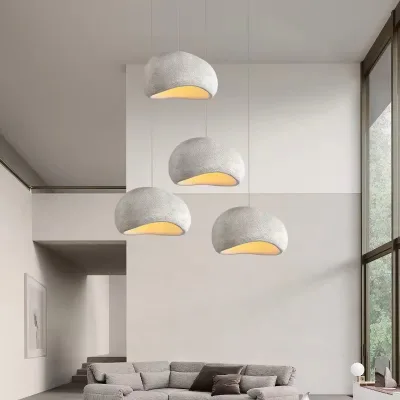
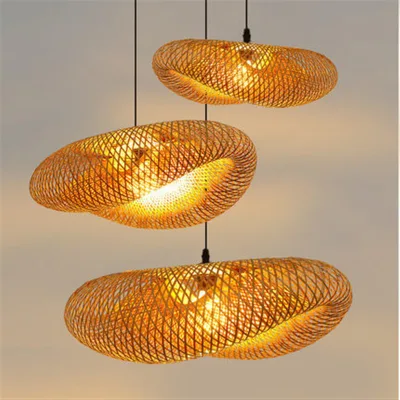
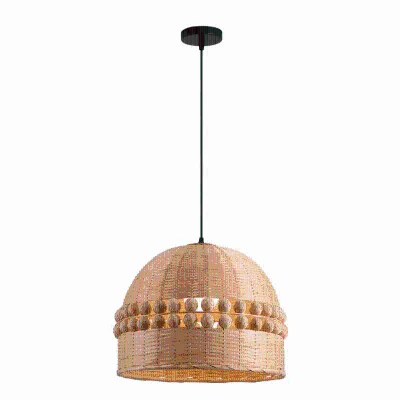
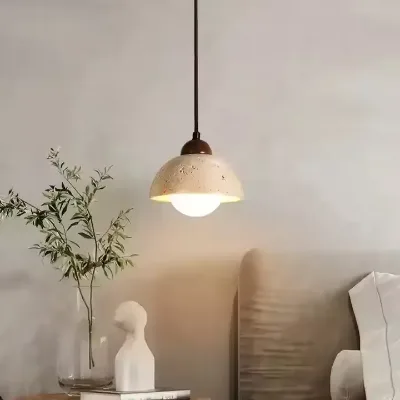


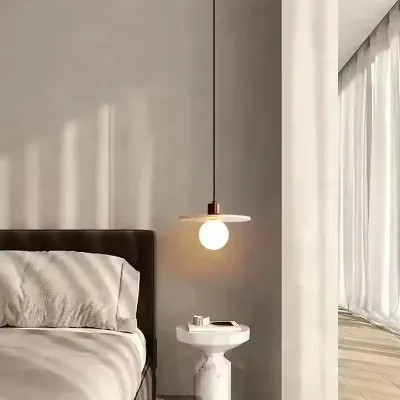
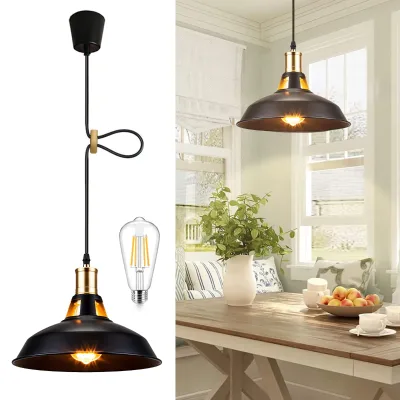


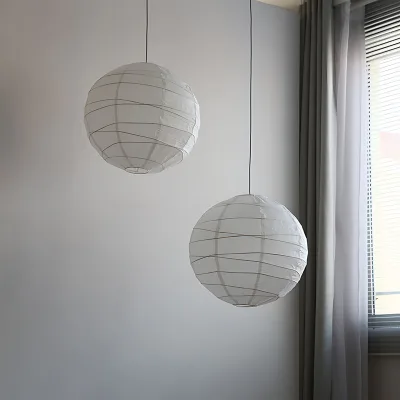
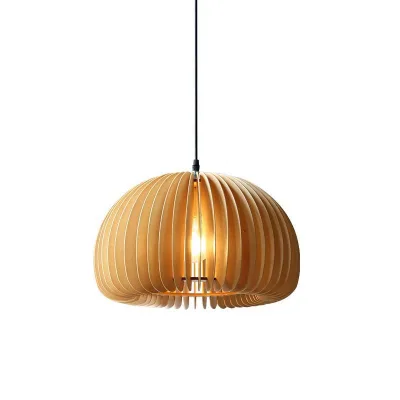


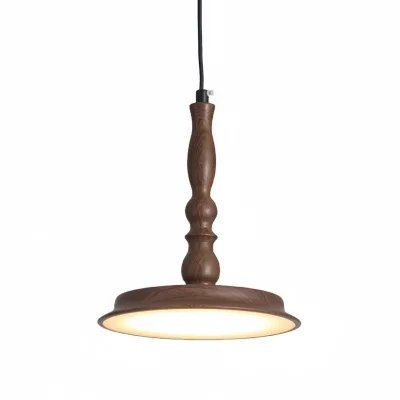
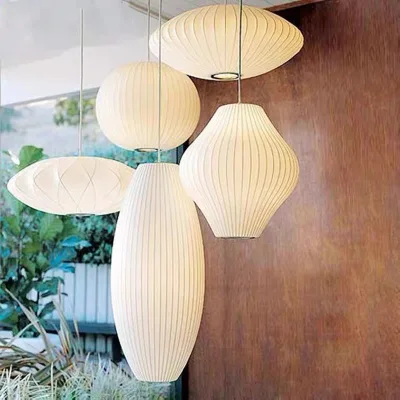
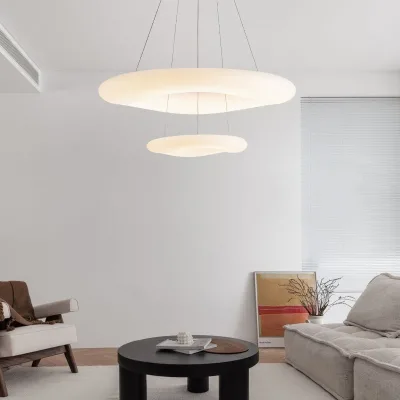
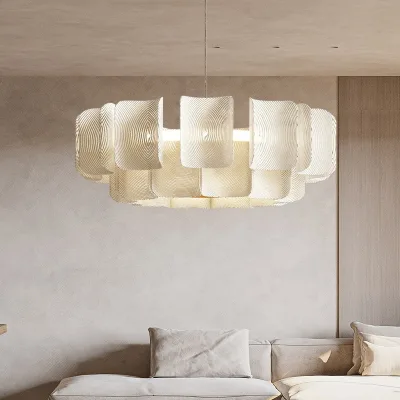
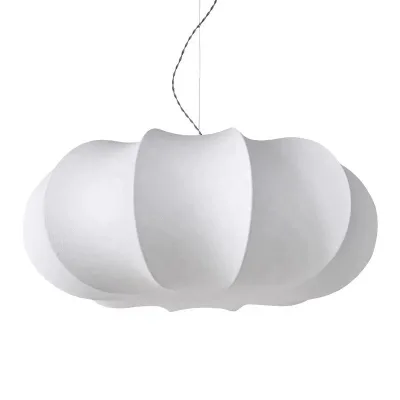
Comprehensive Sourcing Guide
Japanese Retro LED Pendant Light Sourcing Guide
Sourcing Japanese retro LED pendant lights requires a nuanced understanding of aesthetic balance and technical precision. Buyers must distinguish between authentic vintage-inspired designs and mass-produced imitations that lack the subtle craftsmanship associated with the style. The market offers a wide variety of options, from minimalist bamboo structures to resin-based modern interpretations, each presenting unique challenges in material sourcing and quality assurance. Understanding these distinctions is critical for maintaining brand integrity and meeting specific interior design requirements.
Procurement teams should prioritize suppliers who demonstrate expertise in both traditional Japanese design principles and modern LED technology. This involves verifying the authenticity of materials such as bamboo, resin, or metal, and ensuring that the LED components meet current efficiency standards. The goal is to secure lighting fixtures that not only provide adequate illumination but also serve as statement pieces that enhance the ambiance of residential or commercial spaces. A thorough vetting process helps mitigate risks associated with inconsistent quality and aesthetic misalignment.
Product Scope and Observed Listing Signals
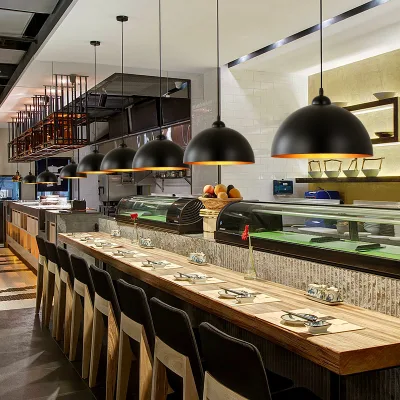
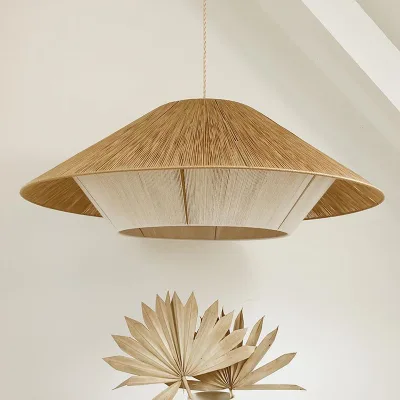
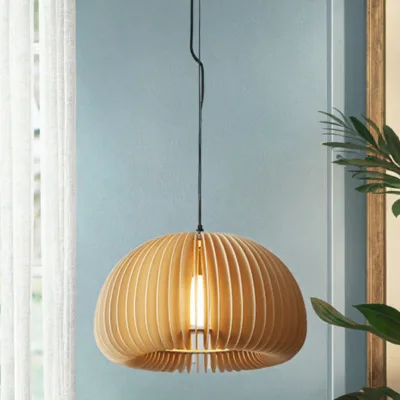
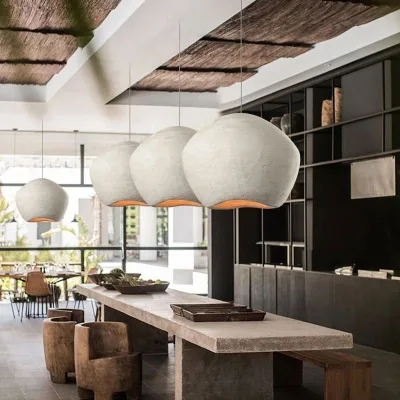
Current market listings reveal a diverse range of products that may appeal to buyers seeking retro-inspired aesthetics. Observed attributes include products made from resin with warm white color temperatures around 3500K, as well as bamboo and metal combinations featuring natural shades. These materials suggest a focus on organic textures and warm lighting, which are hallmarks of the Japanese retro style. Buyers should carefully examine product dimensions, which vary from small sizes like 40cm to larger fixtures up to 100cm, to ensure they fit the intended installation space.
The observed data also highlights variations in lamp sizes, categorized as small, middle, or large, which can influence the visual impact of the lighting. Some listings indicate a single bulb configuration with E27 bases, while others may support different bulb types. It is essential to verify the specific application areas, such as living rooms, bedrooms, or restaurants, to ensure the product aligns with the intended use case. Buyers must also consider the input voltage requirements, which range from AC 220V to 100-240V, to ensure compatibility with local electrical standards.
Technical Specifications to Verify
Technical verification is paramount when sourcing LED pendant lights to ensure performance and longevity. Buyers should confirm the color rendering index (CRI), with observed values ranging from Ra 80 to Ra 90, which affects how accurately colors are displayed under the light. The color temperature is another critical factor, with options typically falling between 3000K and 3500K, providing a warm and inviting atmosphere. Additionally, the lifespan of the LED components, often cited around 40,000 to 50,000 hours, should be verified to ensure long-term reliability and reduced maintenance costs.
Power consumption and beam angle are also key technical specifications to review. Observed data indicates lamp powers around 10W, which suggests energy-efficient operation. The beam angle, noted in some listings as 5-10 degrees, indicates a focused light output, which may be suitable for accent lighting rather than general illumination. Buyers should also check the control mode, with switch control being a common feature, and ensure that the product does not require a dimmer if compatibility is a concern. Verifying these details helps in selecting the right product for specific lighting needs.
Compliance and Safety Documentation
Compliance with safety standards is non-negotiable when importing lighting fixtures. Buyers must ensure that suppliers provide necessary certifications, such as CE, RoHS, or UL, depending on the target market. These certifications confirm that the products meet electrical safety and environmental regulations. It is crucial to request test reports from accredited laboratories to verify that the LED components and electrical wiring adhere to international safety standards. This step helps prevent potential hazards and ensures the product can be legally sold in the destination country.
In addition to electrical safety, buyers should verify the material safety of the pendant lights. For products made from bamboo or resin, it is important to confirm that the materials are free from harmful chemicals and comply with relevant environmental regulations. Documentation should also include information on the warranty period, typically one year, which provides assurance of product quality and supplier support. Buyers should also check for any specific labeling requirements, such as energy efficiency labels, to ensure full compliance with local regulations.
Cost Drivers and Commercial Terms
Several factors influence the cost of Japanese retro LED pendant lights, including material quality, design complexity, and order volume. Products made from natural materials like bamboo may incur higher costs due to sourcing and processing expenses. Similarly, intricate designs that require skilled craftsmanship can drive up prices. Buyers should also consider the impact of packaging dimensions and weight on shipping costs, as larger or heavier items may incur additional freight charges. Understanding these cost drivers helps in budgeting and negotiating favorable terms with suppliers.
Commercial terms, such as minimum order quantity (MOQ) and lead times, also play a significant role in procurement planning. Observed MOQs range from 1 to 10 units, offering flexibility for small-scale orders. However, buyers should be aware that larger orders may qualify for volume discounts. Lead times can vary based on production schedules and shipping methods, so it is essential to establish clear timelines with suppliers. Additionally, payment terms and return policies should be clearly defined to mitigate financial risks and ensure a smooth transaction process.
Supplier Qualification and Quality Control
Selecting a reliable supplier is critical for ensuring consistent quality and timely delivery. Buyers should conduct thorough due diligence, including verifying the supplier’s business license, production capacity, and quality management systems. Suppliers with a strong track record in exporting lighting products are preferable, as they are likely to have experience in meeting international standards and customer expectations. It is also advisable to request samples to evaluate the product’s build quality, finish, and lighting performance before placing a bulk order.
Quality control measures should be implemented throughout the production process to minimize defects and ensure product consistency. Buyers should establish clear quality standards and inspection criteria, including visual checks, electrical tests, and packaging inspections. Regular communication with the supplier can help address any issues promptly and ensure that the final product meets the agreed-upon specifications. Additionally, buyers should consider third-party inspection services for large orders to provide an independent assessment of product quality and compliance.
Long-Term Procurement Checks
Long-term procurement success depends on continuous monitoring and evaluation of supplier performance. Buyers should establish key performance indicators (KPIs) to track metrics such as on-time delivery, product quality, and customer satisfaction. Regular reviews of these metrics can help identify areas for improvement and strengthen the supplier relationship. It is also important to stay updated on market trends and technological advancements in LED lighting to ensure that the products remain competitive and relevant.
Sustainability and ethical sourcing are increasingly important considerations in long-term procurement strategies. Buyers should prioritize suppliers who demonstrate a commitment to environmental responsibility and ethical labor practices. This may include using sustainable materials, reducing waste, and ensuring fair working conditions. By aligning procurement practices with sustainability goals, buyers can enhance their brand reputation and contribute to a more responsible supply chain. Continuous engagement with suppliers on these issues fosters a collaborative approach to achieving shared objectives.
FAQs
What is the typical lifespan of these LED pendant lights?
The typical lifespan ranges from 40,000 to 50,000 hours depending on the specific model selected. This extended durability ensures long-term reliability for residential applications like living rooms or bedrooms without frequent bulb replacements.
Can these lights be dimmed using standard dimmer switches?
No, the current product specifications indicate that these lights do not support dimming functions. They operate strictly via switch control, so users should plan their electrical setup accordingly to avoid compatibility issues with dimmer circuits.
Which materials are commonly used for the lamp body and shade?
Common materials include resin for modern designs and a combination of bamboo plus metal for retro styles. The shade colors typically appear in white or natural tones, offering versatile aesthetic options for various interior design themes.
What is the input voltage range for these lighting fixtures?
The input voltage varies between AC 220V and a broader range of 100-240V depending on the specific model. This flexibility allows for installation in different regions while ensuring safe and stable electrical performance for the LED components.
How large are the available product dimensions for these fixtures?
Product dimensions range from 40cm up to 100cm in length, with specific sizes like 40cm, 50cm, 60cm, and 80cm available. The lamp sizes are categorized as small, middle, or large to suit different room scales and ceiling heights effectively.
What is the color temperature available for these LED lights?
Available color temperatures include 3000K and 3500K, providing warm white lighting options. These settings create a cozy atmosphere suitable for living rooms, bedrooms, or restaurants, enhancing the visual comfort of the space.
Which application areas are these pendant lights designed for?
These lights are designed for use in living rooms, bedrooms, and restaurants. Their versatile design and lighting solutions support both residential and commercial environments, making them suitable for various interior spaces requiring ambient illumination.
What is the warranty period provided for these products?
The standard warranty period provided is one year for the product. This coverage ensures protection against manufacturing defects, giving buyers confidence in the quality and durability of the lighting fixtures they purchase from the supplier.