Source luxury dual-function console table for Living Room, Hotel, Villa
Explore 30 listings of luxury dual-function console table options featuring adjustable heights and modern designs. Compare specifications, materials, and prices from verified suppliers to find the perfect piece for your living room, hotel, or villa needs; compare the available evidence and request quotations based on your requirements.
Updated
Key considerations
Products List
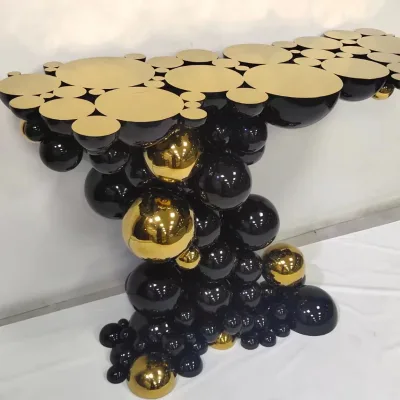


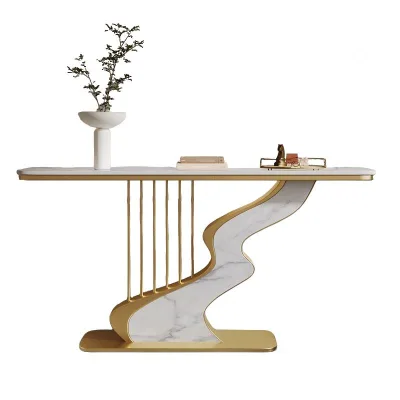
Home Hotel Decor Usage Console Designer Table Luxury Worldwide Selling Console Table
$51.2343 - $54.3133
MOQ: 2 Minimum
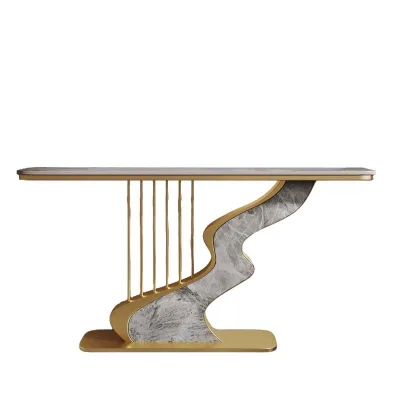


Italian Artisan-Crafted Luxury Console Tables with Timeless Furniture Aesthetics
$969.00 - $999.00
MOQ: 3 Pieces


Designer Console Tables for Entryways - Premium Luxury Furniture Decor
$789.00 - $829.00
MOQ: 3 Pieces


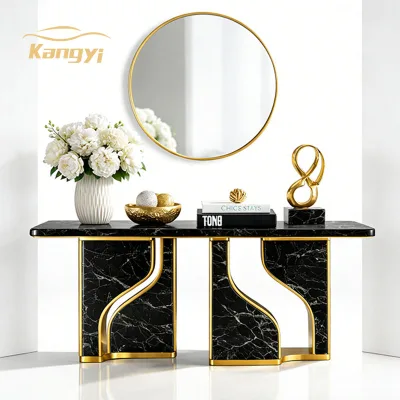
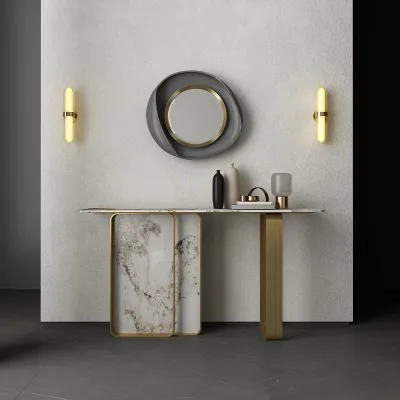
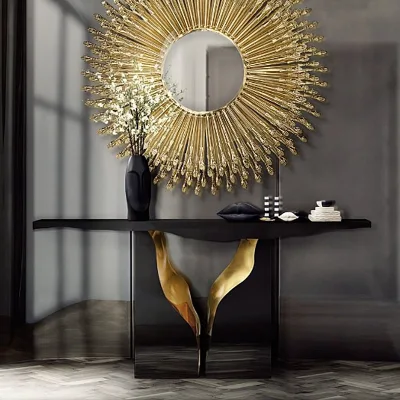
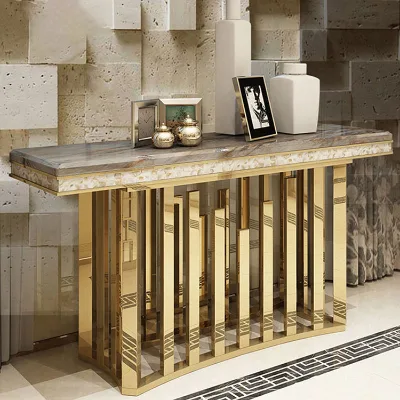
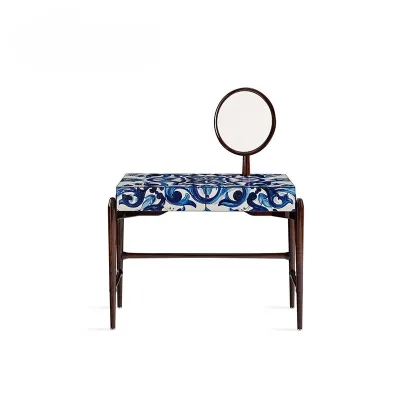
Luxury Living Room With Mirror Console Table, Hallway Entrance Control Table
$966.00 - $1155.00
MOQ: 1 pieces
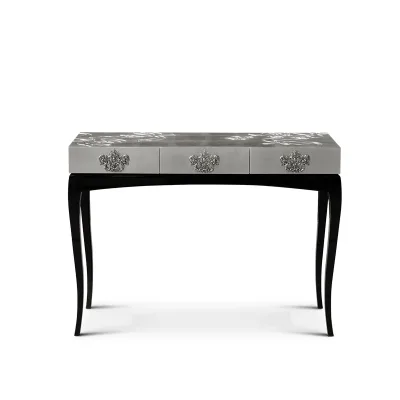
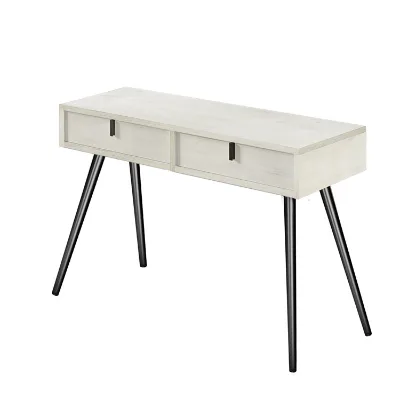
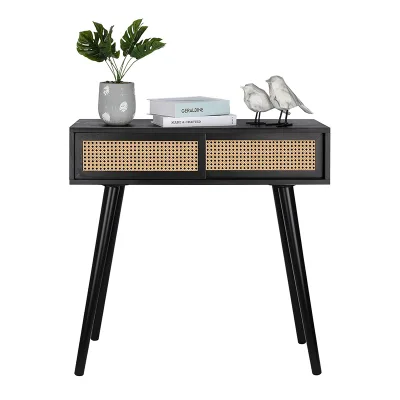
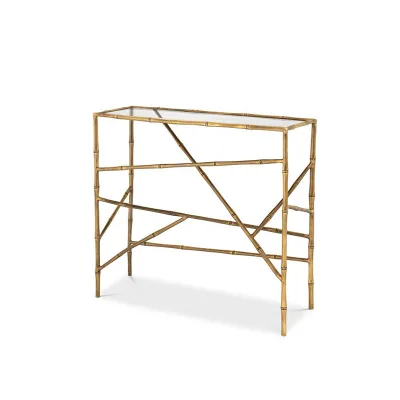
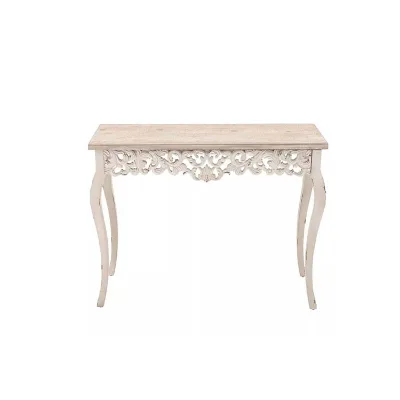
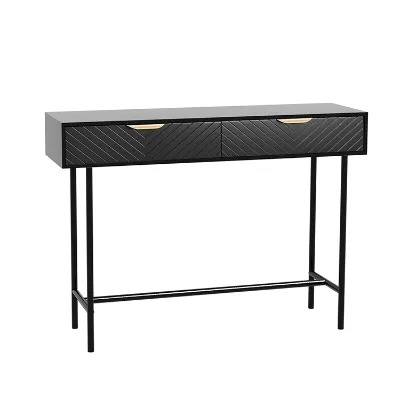
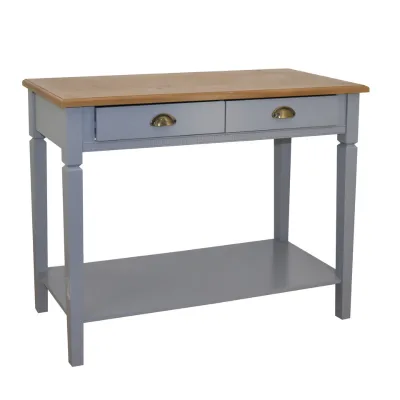
European Antique Great Gifts Wooden Wooden Console Table With Mirror
$25.9342 - $57.0564
MOQ: 50 Minimum


High Quality Luxury Sideboard Furniture Console Table for Living and Dining Room
$80.00 - $150.00
MOQ: 10 Pieces


Comprehensive Sourcing Guide
Luxury Dual-Function Console Table Sourcing Guide
Sourcing a luxury dual-function console table requires balancing aesthetic precision with functional versatility, particularly for high-end residential and hospitality projects. Buyers must navigate a market where "luxury" is often a stylistic descriptor rather than a certified quality tier. The observed product landscape reveals a wide variance in materials, ranging from traditional wood constructions to contemporary combinations of rock slabs and metal frames. This diversity means that procurement teams cannot rely on a single definition of luxury; instead, they must define specific material and finish requirements early in the sourcing process to avoid mismatches between supplier samples and project specifications.
The term "dual-function" in this context often refers to tables that serve as both decorative focal points and practical surfaces, such as entryway consoles or living room accent pieces. Listings indicate applications in living rooms, bedrooms, hotels, and villas, suggesting that durability and ease of cleaning are critical performance metrics alongside visual appeal. Procurement specialists should prioritize suppliers who offer clear customization options for top materials, such as marble, solid wood, or glass, as these choices significantly impact the table’s perceived value and functional suitability for high-traffic environments like banquet halls or busy hotel lobbies.
Product Scope and Observed Listing Signals
The current market signals for luxury console tables show a strong emphasis on European and modern design styles, with antique finishes also present for specific niche applications. Observed attributes highlight a preference for specific color palettes, including white, grey and white combinations, black and white, and gold and grey variations. These color choices are not merely aesthetic but serve to integrate the furniture into broader interior design schemes, particularly in contemporary settings where clean lines and metallic accents are prevalent. Buyers should verify that the "As picture" color descriptions are backed by physical samples, as digital representations can often mislead regarding the true tone and finish of materials like stainless steel or painted wood.
Functional features observed in listings include adjustable heights and easy installation capabilities, which are crucial for modular furniture systems in hotels and apartments. The presence of "OEM" branding and available customization indicates that many suppliers are prepared to produce private-label goods, allowing buyers to maintain brand consistency across large-scale projects. However, the variation in single package sizes, such as 130x25x45 cm versus larger dimensions, suggests that logistics planning must be tailored to each specific model. Procurement teams must carefully review the "mail packing" status, as some items are packed for direct shipping while others require standard export packaging, impacting both cost and damage risk during transit.
Technical Specifications to Verify
Technical verification begins with precise dimensional analysis, as observed sizes range from compact 100x30x80 cm units to larger 1600x400x850 mm configurations. Buyers must confirm that the listed dimensions align with the intended spatial constraints of the installation site, particularly for entryways or narrow hallways where clearance is limited. The model numbers, such as K-839, CT034, and CST5001, serve as critical identifiers for tracking production batches and ensuring consistency across multiple orders. It is essential to verify whether these models support the specific top options requested, such as marble or glass, as not all frame designs may accommodate heavier or specialized surface materials without structural reinforcement.
Material composition is another critical technical parameter, with listings indicating the use of wood, metal, and rock slab combinations. The specific mention of golden, silver, or black stainless steel for metal components requires verification of thickness and corrosion resistance, especially for items intended for humid environments or high-touch areas. Buyers should also assess the panel types and general use classifications, ensuring that the furniture meets the structural demands of its intended application, whether it is a lightweight decorative piece for a villa or a robust dining table for a restaurant. Confirming the unfolded state and weight specifications, such as the observed 25.000 kg gross weight, is vital for calculating freight costs and handling requirements at the destination.
Compliance and Safety Documentation
While specific certification statuses are not universally confirmed in the observed data, buyers must proactively request documentation for any safety or quality standards relevant to their target market. The mention of CE certification in background contexts suggests that some suppliers may adhere to European safety norms, but this should never be assumed. Procurement teams should require valid test reports for flammability, formaldehyde emissions, and structural stability, particularly for furniture intended for use in hotels, hospitals, or schools where regulatory scrutiny is higher. Verifying these documents ensures that the luxury console table meets legal import requirements and protects the buyer from liability in case of product failure or safety incidents.
Documentation should also cover the origin of materials, particularly for wood and metal components, to ensure compliance with environmental and labor standards. Buyers should ask for material safety data sheets (MSDS) for any finishes or coatings used on the table, especially if the surface is designed to be easy to clean with chemical agents. Additionally, verifying the manufacturer’s quality management system certifications can provide insight into their production consistency and defect rates. Without these documents, buyers risk sourcing furniture that may fail to meet international safety benchmarks, leading to costly returns or reputational damage in high-end hospitality projects.
Cost Drivers and Commercial Terms
Cost structures for luxury console tables are heavily influenced by material choices, customization levels, and order quantities. The observed MOQ of 2 pcs indicates flexibility for smaller orders, but buyers should be aware that unit prices may increase significantly for low-volume purchases compared to bulk orders. The lead time of 25-30 days is a standard expectation for customized furniture, but this can extend if complex finishes or rare materials are involved. Procurement teams must factor in these timelines when planning project schedules, as delays in furniture delivery can disrupt the overall installation and opening dates for hotels or residential developments.
Pricing variations are also driven by packaging requirements and shipping methods. Items marked with "mail packing" may have different freight implications compared to those requiring standard export packaging with EPE bubble bags and cardboard. Buyers should request detailed breakdowns of costs, including material, labor, packaging, and logistics, to identify potential areas for negotiation. Additionally, understanding the terms for customization, such as changes to top materials or colors, is crucial as these modifications often incur additional charges. Clear commercial terms regarding payment schedules and warranty coverage are essential to mitigate financial risk and ensure accountability from the supplier.
Supplier Qualification and Quality Control
Supplier qualification for luxury furniture requires a thorough assessment of manufacturing capabilities and quality control processes. Buyers should verify the supplier’s place of origin, with Guangdong and Jiangsu being key manufacturing hubs in China, known for their specialized furniture production clusters. Visiting the factory or requesting virtual tours can provide insight into their production lines, particularly for metal fabrication and wood finishing processes. It is also important to assess their experience with OEM projects, as this indicates their ability to adhere to specific brand guidelines and quality standards required for high-end clients.
Quality control measures should include pre-production sample approvals and in-line inspections during manufacturing. Buyers must establish clear acceptance criteria for surface finishes, joint integrity, and dimensional accuracy before authorizing mass production. Given the "New" condition of most listed items, verifying the supplier’s defect rate and return policy is essential. Implementing a third-party inspection service before shipment can help identify potential issues such as scratches, misalignments, or packaging damage. This proactive approach ensures that the luxury console tables meet the expected quality standards and reduces the risk of receiving subpar products that could compromise the project’s aesthetic and functional goals.
Long-Term Procurement Checks
Long-term procurement success depends on establishing a reliable supply chain that can support future orders and potential expansions. Buyers should monitor supplier performance metrics, such as on-time delivery rates, product quality consistency, and responsiveness to issues. Building a relationship with a supplier who offers consistent customization options and competitive lead times can provide a strategic advantage in the competitive luxury furniture market. Regularly reviewing supplier certifications and compliance documentation ensures that they continue to meet evolving regulatory requirements and industry standards.
Additionally, buyers should plan for the lifecycle of the furniture, including maintenance requirements and potential replacement parts. Understanding the durability of materials like rock slabs and stainless steel under long-term use is crucial for maintaining the luxury appeal of the product. Establishing clear communication channels for after-sales support and warranty claims can help resolve issues quickly and maintain customer satisfaction. By focusing on these long-term factors, procurement teams can ensure that their investment in luxury dual-function console tables delivers sustained value and supports the overall success of their hospitality or residential projects.
FAQs
What materials are used for luxury dual-function console tables?
These tables typically utilize wood, metal, or a combination of rock slab and metal. Some models feature tops made from marble, solid wood, or glass. The main structure often combines metal frames with wooden or stone surfaces to ensure durability and aesthetic appeal for various interior settings.
Can luxury dual-function console tables be customized?
Yes, customization is available for many models. Buyers can often select specific colors, top options, and dimensions. Some suppliers offer OEM services and allow adjustments to panel types or finishes. This flexibility ensures the furniture aligns with specific design requirements for homes, hotels, or commercial spaces.
What are the standard sizes for these console tables?
Standard sizes vary by model, with common dimensions including 1600*400*850mm or 120*30*80cm. Other options include 100*30*80cm or standard custom sizes. Buyers should check specific model numbers like K-839 or CT034 for exact measurements to ensure the table fits the intended space correctly.
Where are luxury dual-function console tables manufactured?
These products are primarily manufactured in China, with origins in provinces like Guangdong and Jiangsu. Factories in these regions specialize in producing high-quality furniture for global export. Buyers can source directly from these locations to benefit from established supply chains and competitive manufacturing capabilities for various furniture styles.
What is the typical lead time for ordering?
The typical lead time is approximately 25-30 days for production and preparation. This duration allows for manufacturing, quality checks, and packaging. Buyers should plan their procurement schedules accordingly, especially for large orders or customized items, to ensure timely delivery to their destination markets or project sites.
What is the minimum order quantity for these tables?
The minimum order quantity is often low, starting at 2 pieces for some models. Other listings may indicate an MOQ of 1 to 50 units depending on the supplier. This flexibility allows buyers to test market demand or purchase small batches for specific projects without committing to large inventory volumes.