Source Steel Cabinets for Industrial Labs, Hospitals, and Schools
Compare 30 Steel Cabinets from verified Chinese suppliers. Options include stainless steel and painted steel models for industrial labs, hospitals, and schools with customization available. These units feature waterproof and dustproof protection, epoxy resin powder coating, and various layer configurations suitable for diverse facility needs.
Updated
Key considerations
Products List


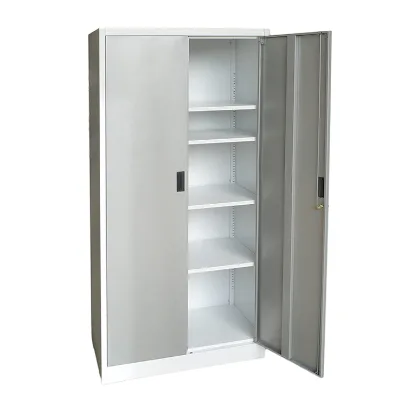


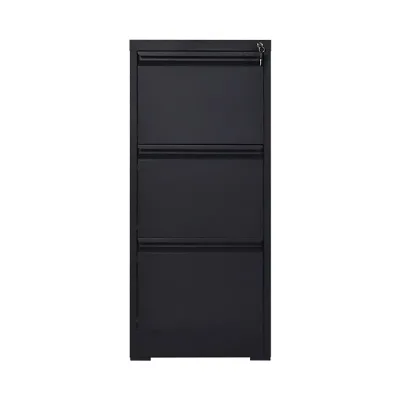
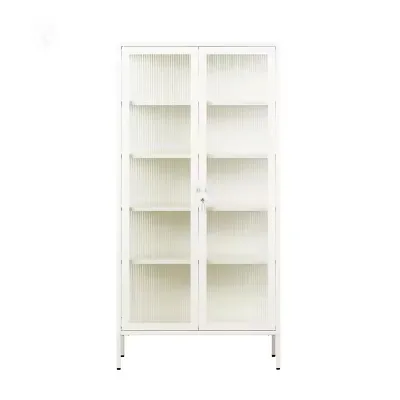
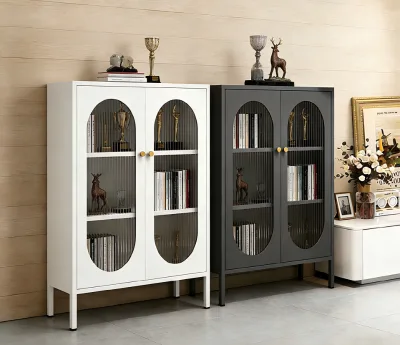
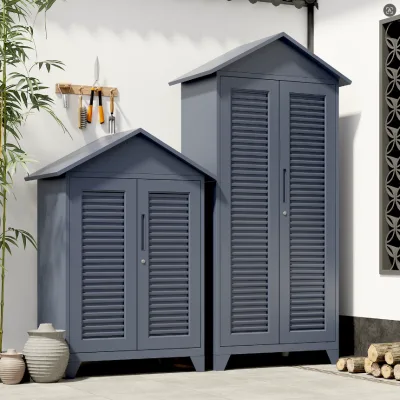
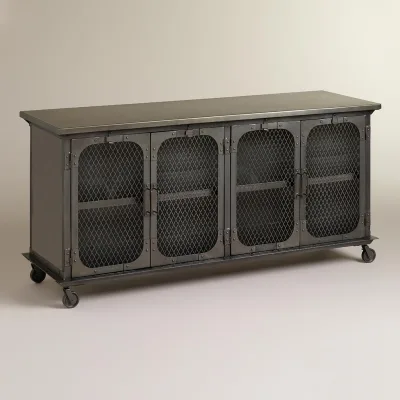
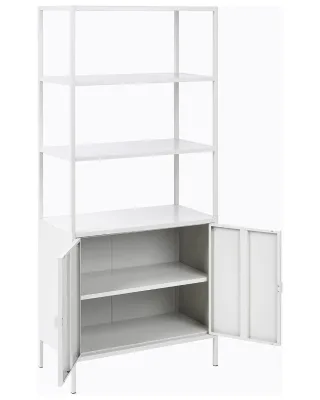
High Quality Steel Cabinet with Glass Door and 4 Adjustable Shelves for Kitchen
$54.5486 - $57.695
MOQ: 50 pieces
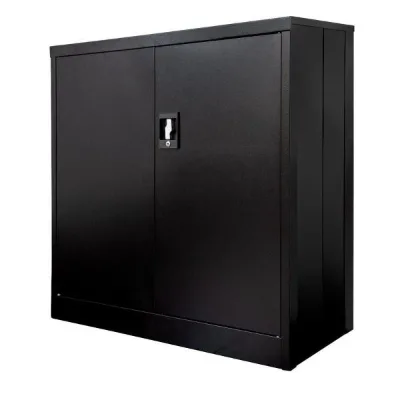
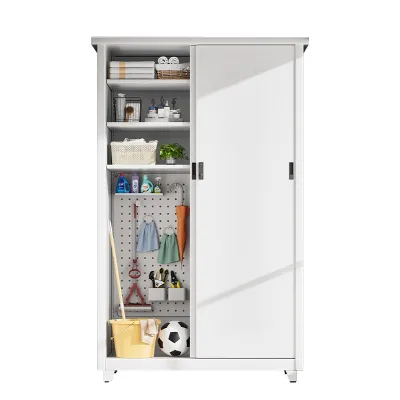
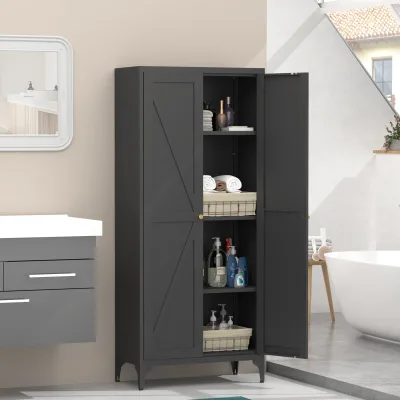
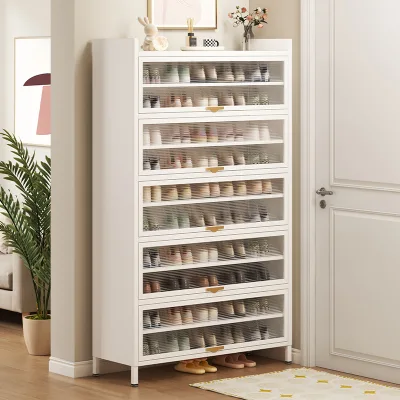
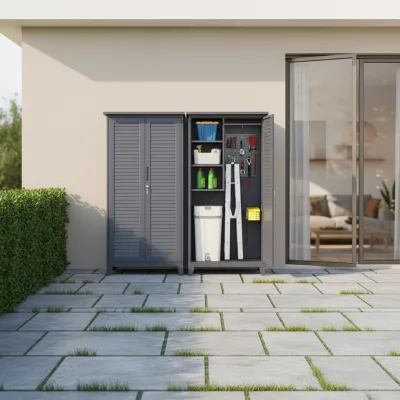


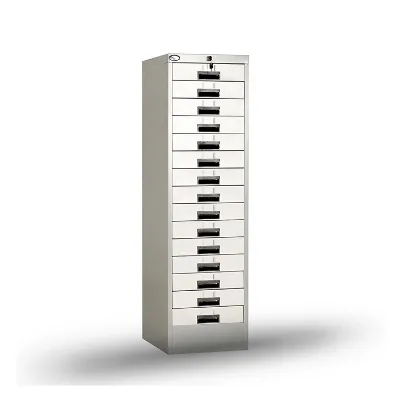
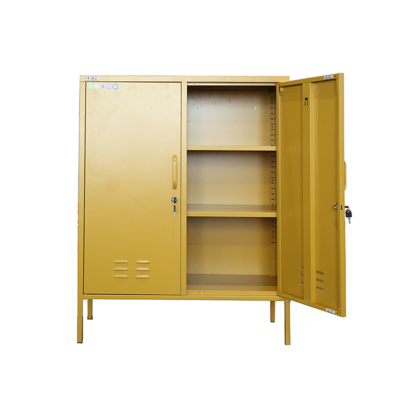
Comprehensive Sourcing Guide
Steel Cabinets Sourcing Guide
Procuring Steel Cabinets requires a disciplined approach to aligning technical specifications with operational needs, particularly when sourcing from major manufacturing hubs like Zhejiang and Guangdong in China. Buyers must navigate a diverse market where products range from simple distribution metering boxes to complex laboratory storage units, each demanding specific verification steps. The observed market signals indicate a wide variance in customization options, with many suppliers offering tailored solutions for high-rise buildings, hospitals, and industrial facilities. Understanding these distinctions is critical for ensuring that the selected cabinets meet both structural integrity and functional requirements.
The sourcing process is further complicated by the variety of materials and finishes available, including stainless steel, painted steel, and epoxy resin powder coatings. These material choices directly impact durability, corrosion resistance, and aesthetic compatibility with the installation environment. Buyers should prioritize suppliers who provide clear evidence of their fabrication capabilities, such as manufacturing precision ratings and standardized packing methods. By focusing on verified attributes like waterproof and dustproof protections, procurement teams can mitigate risks associated with premature failure or environmental damage in demanding settings.
Product Scope and Observed Listing Signals
The current market for Steel Cabinets encompasses a broad spectrum of product types, ranging from basic distribution metering boxes to specialized laboratory storage solutions. Observed listings highlight products with specific dimensions, such as the 400x300x200 model, and various layer configurations, including two-layer and six-layer designs. These variations cater to different spatial constraints and storage needs, from compact industrial applications to extensive research institute requirements. The presence of customization options suggests that buyers are not limited to off-the-shelf items but can request modifications to fit unique operational workflows.
Color and finish options are also significant differentiators in the current product landscape, with grey and yellow finishes commonly available to suit safety or aesthetic standards. Packaging methods vary from standard export packing to specialized corrugated boxes, indicating a focus on protecting the product during transit. The observed supply types, including make-to-order models, suggest that lead times may vary based on the level of customization required. Buyers should carefully review these signals to determine whether a supplier’s standard offerings align with their immediate needs or if they require a more flexible manufacturing partner.
Technical Specifications to Verify
When evaluating Steel Cabinets, verifying the shell material is paramount, with stainless steel and standard steel being the most common choices. Buyers must confirm the thickness and grade of the steel to ensure adequate structural support, especially for cabinets intended for heavy loads in industrial or laboratory settings. The presence of epoxy resin powder coating is a critical technical detail, as it provides essential corrosion resistance and durability against environmental factors. Additionally, the manufacturing precision, often cited within a range of ±0.05-0.1mm, indicates the quality of fabrication and the fit of moving parts like doors and locks.
Operational voltage and protection features are also key technical considerations, particularly for cabinets used in electrical distribution or high-rise building applications. Waterproof and dustproof ratings ensure that internal components remain safe from environmental ingress, which is vital for longevity and safety. Buyers should verify the open type, such as coin lockers or separate types, to ensure compatibility with security protocols. Furthermore, the application range, including hospitals and schools, implies specific design standards that must be met to ensure user safety and regulatory compliance in public or semi-public spaces.
Compliance and Safety Documentation
Ensuring that Steel Cabinets meet relevant safety and quality standards is a critical step in the procurement process. Buyers should request documentation that verifies compliance with local and international regulations, particularly for products used in hospitals, schools, and industrial facilities. While specific certification names may not always be listed, the presence of standardized production processes, such as those adhering to customsized standards, suggests a level of regulatory awareness. It is essential to confirm that the manufacturing process includes rigorous quality checks to prevent defects that could compromise safety.
Warranty terms provide an additional layer of assurance, with some suppliers offering three-year warranties that reflect confidence in their product’s durability. Buyers should carefully review the terms of these warranties to understand what is covered, including potential issues with coatings, structural integrity, or mechanical components. Additionally, verifying the condition of the product as new and ensuring that all components are included in the standard export packing can prevent post-delivery disputes. Clear documentation of these terms helps establish accountability and provides a recourse mechanism if the product fails to meet expected performance standards.
Cost Drivers and Commercial Terms
The cost of Steel Cabinets is influenced by several factors, including material selection, customization level, and order quantity. Stainless Steel Cabinets typically command a higher price than standard steel alternatives due to the superior corrosion resistance and aesthetic appeal of the material. Customization options, such as specific dimensions or specialized coatings, can also increase the unit price, as they require additional manufacturing steps and material handling. Buyers should consider the total cost of ownership, including maintenance and potential replacement costs, rather than focusing solely on the initial purchase price.
Minimum order quantities (MOQ) and lead times are significant commercial terms that impact procurement planning. Observed MOQs range from one to five hundred units, allowing for flexibility in order sizes but potentially affecting unit pricing for smaller orders. Suppliers offering make-to-order services may have longer lead times, which buyers must account for in their project schedules. Understanding these commercial terms helps buyers negotiate better pricing and delivery conditions, ensuring that the procurement process aligns with their budgetary and timeline constraints.
Supplier Qualification and Quality Control
Selecting a qualified supplier is crucial for ensuring the quality and reliability of Steel Cabinets. Buyers should prioritize suppliers with a proven track record in manufacturing precision and consistent quality control processes. The location of the supplier, whether in Zhejiang, Guangdong, or Shandong, can provide insights into their supply chain capabilities and access to raw materials. Suppliers with established export experience are likely to have more robust quality control measures in place, reducing the risk of defects and ensuring that products meet international standards.
Quality control should extend beyond the final product to include the manufacturing process itself. Buyers should inquire about the supplier’s inspection protocols, including checks for material thickness, coating uniformity, and structural integrity. Suppliers who offer customization should also demonstrate their ability to maintain quality across varied product specifications. By verifying these aspects, buyers can mitigate the risk of receiving substandard products and ensure that their investment in Steel Cabinets delivers long-term value and performance.
Long-Term Procurement Checks
Establishing long-term procurement checks is essential for maintaining the quality and reliability of steel cabinet supplies over time. Buyers should implement regular audits of supplier performance, focusing on metrics such as delivery times, product defect rates, and customer service responsiveness. These checks help identify potential issues early, allowing for corrective actions before they impact operations. Additionally, maintaining open communication with suppliers regarding any changes in product specifications or market conditions can help ensure that the supplied cabinets continue to meet evolving needs.
Reviewing warranty claims and product feedback is another critical aspect of long-term procurement management. Analyzing patterns in warranty claims can reveal systemic issues with specific product models or manufacturing batches, enabling buyers to make informed decisions about future purchases. Furthermore, staying informed about industry trends and technological advancements in steel cabinet design can help buyers identify opportunities for improvement and innovation. By proactively managing these long-term checks, buyers can build a resilient supply chain that supports their operational goals and minimizes risks.
FAQs
What materials are used for steel cabinet shells?
Steel cabinet shells are primarily constructed from stainless steel, standard steel, or aluminum. These materials provide robust protection and durability for industrial applications. The choice of material depends on specific environmental requirements and budget constraints. Stainless steel offers superior corrosion resistance, while standard steel provides cost-effective strength for general use.
Can Steel Cabinets be customized for specific needs?
Yes, customization is available for Steel Cabinets to meet unique operational requirements. Buyers can specify dimensions, layer configurations, and protective features like waterproof and dustproof seals. Customized options include specific paint finishes and internal layouts. This flexibility ensures the cabinet fits perfectly into high-rise buildings, hospitals, or industrial labs.
What is the typical warranty period for these cabinets?
The typical warranty period for these Steel Cabinets is three years. This coverage ensures reliability for industrial, hospital, and school applications. The warranty protects against manufacturing defects and material failures. Buyers should verify specific terms with suppliers, as conditions may vary based on the chosen model and coating type.
How are Steel Cabinets packaged for shipping?
Steel Cabinets are packaged using standard export methods, often in carton packages or corrugated boxes. Some models use a standard five-layer outlet corrugated box for enhanced protection. This packaging ensures safe transit from origins like Zhejiang or Shandong. Proper packing prevents damage during international shipping and handling.
Where are these Steel Cabinets manufactured?
These Steel Cabinets are manufactured in China, specifically in regions like Zhejiang Wenzhou and Shandong Province. Guangdong is also a noted place of origin for some models. These locations are known for robust manufacturing capabilities. Buyers can trace the product origin to ensure quality standards and logistical efficiency.
What specifications are available for steel cabinet models?
Available specifications include various models such as 400X300X200, SS-F207, and #BLS118. Dimensions and layer counts vary, with options for two or six layers. Some models feature coin locker open types or separate structures. These specifications cater to diverse applications ranging from physics labs to general industrial use.