Source Modern Glass Food Jar for Candy, Tea, and Honey Storage
Compare 30 Modern Glass Food Jar options featuring round shapes, screw caps, and capacities from 100ml to 1L. These stocked items support custom packaging and OEM requests for food, candy, tea, fruit, and honey applications; compare the available evidence and request quotations based on your requirements.
Updated
Key considerations
Products List
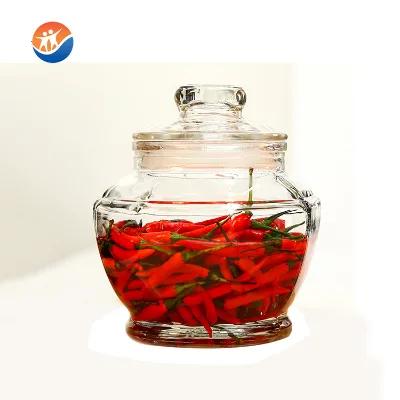


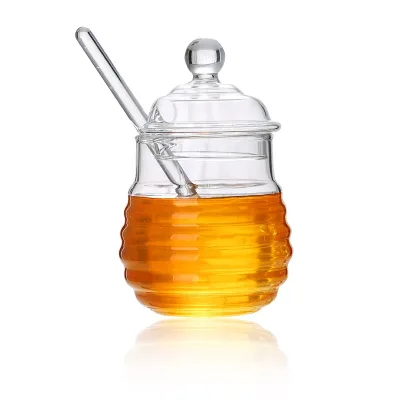


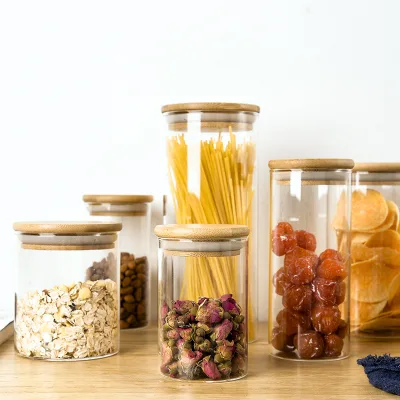


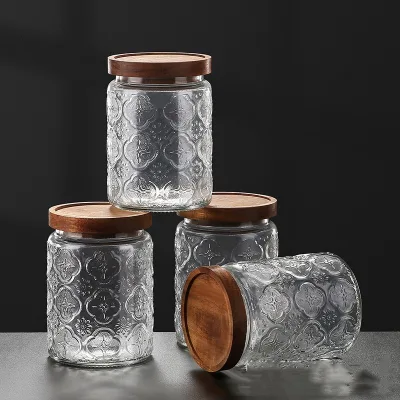




Comprehensive Sourcing Guide
Modern Glass Food Jar Sourcing Guide
Sourcing modern glass food jars requires a strategic balance between aesthetic appeal, functional integrity, and supply chain reliability. Buyers must navigate a market where product attributes vary significantly across suppliers, necessitating a disciplined approach to verification. The core keyword "Modern Glass Food Jar" encompasses a wide range of designs, from classic round shapes to customized forms, each serving distinct storage needs. Understanding the specific requirements for capacity, sealing, and material composition is essential before engaging with potential vendors. This guide provides a structured framework for evaluating listings, ensuring that procurement decisions are grounded in observable data rather than marketing claims.
The procurement process begins with a clear definition of the product scope, focusing on verified attributes such as material type, capacity, and packaging standards. Buyers should prioritize suppliers who offer transparent specifications regarding dimensional tolerances and weight limits, as these factors directly impact logistics and shelf stability. Additionally, the availability of stock versus custom manufacturing options plays a crucial role in lead time management. By aligning initial inquiries with precise technical requirements, buyers can filter out irrelevant listings and focus on suppliers capable of meeting their specific operational needs. This foundational step reduces the risk of miscommunication and ensures that subsequent negotiations are based on accurate product data.
Product Scope and Observed Listing Signals
The observed product landscape for modern glass food jars reveals a diverse array of specifications, with capacities ranging from small 100ml portions to larger 1L containers. Listings frequently highlight features such as "Stocked" availability, which suggests immediate shipment capabilities for standard items, while others emphasize "Customized" options for unique branding needs. The predominant style observed is "CLASSIC," often paired with a "Round" shape and "Clear" glass material, catering to traditional aesthetic preferences. However, some suppliers offer "Multifunctional" designs that may include specialized sealing mechanisms or unique structural elements. Buyers should carefully review these signals to determine if the product aligns with their target market's expectations for both form and function.
Packaging and logistical details are critical indicators of supplier maturity, with many listings specifying "Pallet or Carton Packaging" to ensure safe transit. The observed price range of $0.05 to $3.12 USD reflects significant variation based on size, customization, and order volume, with minimum order quantities (MOQs) spanning from 1 to 20,000 pieces. It is important to note that certain pricing and MOQ terms may apply only to the smallest sizes without logos, as indicated in some listings. Buyers must verify these conditions explicitly to avoid unexpected cost escalations. Understanding these listing signals helps in forecasting total landed costs and assessing the flexibility of the supplier’s production capabilities.
Technical Specifications to Verify
Dimensional accuracy and material integrity are paramount when evaluating modern glass food jars. Buyers should verify that products adhere to strict dimensional tolerances, such as those observed at less than ±1mm, to ensure compatibility with automated filling and capping equipment. Weight tolerance is another critical metric, with some suppliers guaranteeing limits of less than ±1%, including the product itself. These specifications are vital for maintaining consistent fill levels and preventing packaging failures during transit. Additionally, the sealing type, often identified as a "Screw Cap," must be tested for leak-proof performance, especially for liquid or semi-liquid contents like honey or sauces.
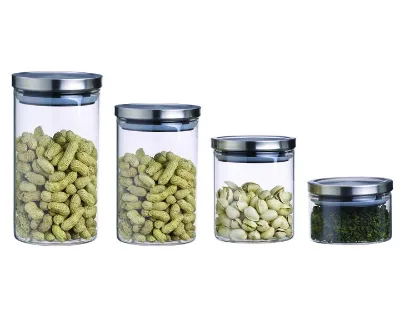
Capacity standards vary across suppliers, with common offerings including 100ml, 250ml, 500ml, and 730ml sizes, alongside 1L options. Buyers must confirm that the selected jar model, such as ID-104 or IDEM-102, matches their required volume precisely. The material composition should be confirmed as lead-free glass to ensure safety for food contact applications. Furthermore, the presence of a "Non-hole Cover" style indicates a specific design choice that may affect ventilation or preservation needs. Verifying these technical details through sample requests or detailed datasheets is essential to prevent production delays and ensure product quality meets regulatory and customer expectations.
Compliance and Safety Documentation
Food contact safety is a non-negotiable aspect of sourcing glass jars, requiring robust documentation from suppliers. Buyers should request evidence of compliance with relevant food safety standards, although specific certifications like CE, REACH, or RoHS are noted as low-confidence background information and should be verified independently. The primary focus should be on the material's suitability for direct food contact, particularly for acidic or high-sugar contents like fruit preserves or honey. Suppliers must provide clear statements confirming that the glass is lead-free and free from harmful contaminants, ensuring that no toxic substances leach into the product during storage.
Quality control processes are another critical component of compliance, with some suppliers claiming that all products undergo checks over three times. Buyers should inquire about the specific protocols used for these inspections, including visual defect detection and structural integrity tests. Additionally, the H.S Code 7010902000 provides a standardized classification for customs purposes, but buyers must ensure that the supplier’s documentation aligns with this code to avoid clearance issues. Understanding the regulatory landscape of the destination market is essential, as import requirements may vary significantly. Proactive engagement with suppliers regarding compliance documentation helps mitigate risks associated with product recalls or regulatory penalties.
Cost Drivers and Commercial Terms
Pricing for modern glass food jars is influenced by several key factors, including order volume, customization level, and packaging requirements. The observed MOQ of 5,000 pieces for some items suggests that economies of scale play a significant role in unit cost reduction. Buyers should negotiate based on their projected annual volume to secure favorable pricing tiers. Additionally, the availability of free samples is a common commercial term that allows buyers to evaluate product quality before committing to large orders. However, it is important to clarify whether sample fees are waived entirely or credited against future purchases, as this can impact initial cash flow.
Payment terms and lead times are critical components of the commercial agreement, with T/T (Telegraphic Transfer) being a standard payment method. Lead times typically range from 7 to 10 days for standard items, but may extend for customized orders requiring new molds. Buyers should account for sample preparation times, which can take 5 to 7 days, when planning their inventory replenishment cycles. Promotions and discounts may be available upon request, but these should be confirmed in writing to ensure they are applied correctly. Understanding these commercial terms helps in creating accurate financial forecasts and managing working capital effectively throughout the procurement cycle.
Supplier Qualification and Quality Control
Evaluating supplier qualifications involves assessing their production capabilities, quality assurance systems, and customer service responsiveness. Buyers should prioritize suppliers who offer OEM services and accept customized packing, as this indicates flexibility and a commitment to meeting specific brand requirements. The ability to accommodate customer shapes by opening new molds is a valuable capability for brands seeking unique product differentiation. However, buyers must verify the supplier’s track record in managing such custom projects, including their ability to maintain consistent quality across different mold iterations.
Quality control is further reinforced by suppliers who implement rigorous inspection protocols, such as checking products over three times before shipment. Buyers should request detailed quality control reports or audit results to validate these claims. Additionally, the supplier’s origin, often China for these types of products, may influence logistics costs and lead times. Buyers should consider the supplier’s experience in exporting to their target market, as this can impact their understanding of local regulatory requirements and packaging standards. Establishing a strong relationship with a qualified supplier ensures long-term reliability and reduces the risk of supply chain disruptions.
Long-Term Procurement Checks
Sustaining a successful procurement relationship requires ongoing monitoring of supplier performance and market trends. Buyers should regularly review supplier adherence to agreed-upon quality standards, including dimensional tolerances and weight limits, to ensure consistency over time. Periodic audits or third-party inspections can provide objective assessments of the supplier’s manufacturing processes and quality control systems. Additionally, staying informed about changes in material costs or regulatory requirements helps buyers anticipate potential price adjustments or compliance challenges. Proactive communication with suppliers regarding these factors ensures that both parties remain aligned on expectations and responsibilities.
Market dynamics for modern glass food jars are influenced by consumer preferences for eco-friendly and customizable packaging. Buyers should monitor trends in sustainable materials and design innovations to stay competitive. Engaging with suppliers who offer eco-friendly options can enhance brand value and appeal to environmentally conscious consumers. Furthermore, maintaining a diversified supplier base can mitigate risks associated with single-source dependencies. By continuously evaluating supplier performance and market conditions, buyers can optimize their procurement strategies and ensure long-term success in the competitive food packaging industry.
FAQs
What materials and styles are available for modern glass food jars?
Modern glass food jars are crafted from lead-free glass with a classic style. They feature a round shape and clear color, suitable for storing food, candy, tea, fruit, and honey. These multifunctional containers are eco-friendly and can be customized with specific logos or designs to meet unique branding requirements.
Can I get free samples for Modern Glass Food Jar testing?
Yes, free samples are available for modern glass food jars to help you evaluate quality before placing a bulk order. The sample time typically takes 5-7 days. Please note that the minimum order quantity and pricing listed are usually based on the smallest size without a logo applied.
What is the minimum order quantity for modern glass food jars?
The minimum order quantity for modern glass food jars is generally 5000 pieces. However, this figure applies specifically to the smallest size without a logo. For customized orders or different sizes, the MOQ may vary, so it is best to contact sales for precise pricing and quantity details.
How long is the lead time for Modern Glass Food Jar orders?
The standard lead time for Modern Glass Food Jar orders is 7-10 days. This timeframe allows for efficient production and quality control checks. All products undergo inspection over three times to ensure they meet the specified dimensional and weight tolerances before being packed in cartons or on pallets for shipment.
What payment terms are accepted for Modern Glass Food Jar purchases?
T/T payment terms are accepted for Modern Glass Food Jar purchases. This method ensures secure transactions for both buyers and suppliers. For any promotional offers or specific payment arrangements, you should contact the sales team directly to discuss the best options for your order volume and customization needs.
What capacities are available for Modern Glass Food Jar storage?
Modern glass food jars are available in various capacities, including 100ml, 250ml, 500ml, 730ml, and up to 1L. These sizes cater to different storage needs for condiments, honey, or dry goods. The jars feature a non-hole cover and screw cap sealing type to maintain freshness and prevent leaks.