Source Waterproof Eco-Friendly Dining Room Table for Home Hotel Restaurant
Find 30 waterproof eco-friendly dining room table options from verified suppliers. Compare models like Orient-02 and ds1, featuring materials such as acrylic, wood, and fabric, with customizable designs for home, hotel, and dining room applications; compare the available evidence and request quotations based on your requirements.
Updated
Key considerations
Products List


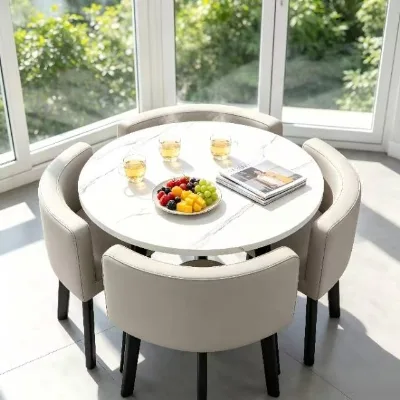
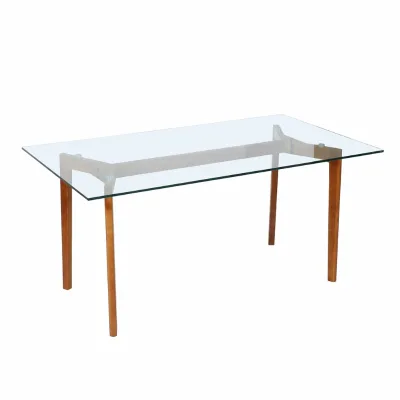
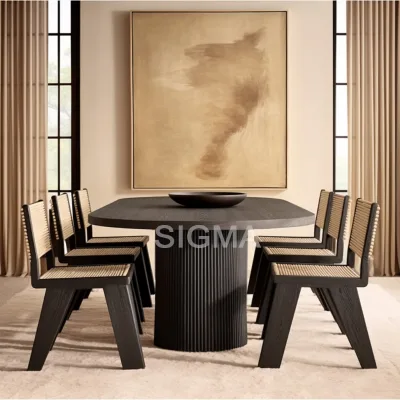

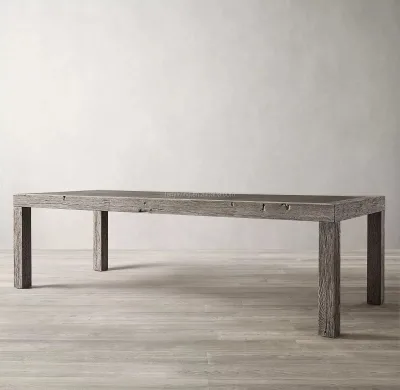


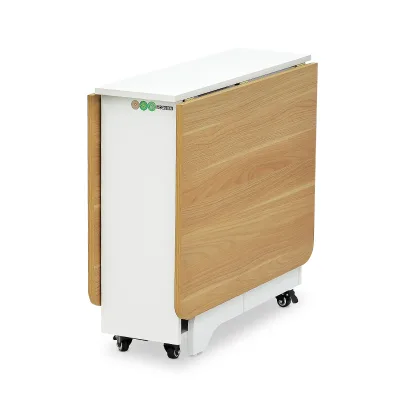


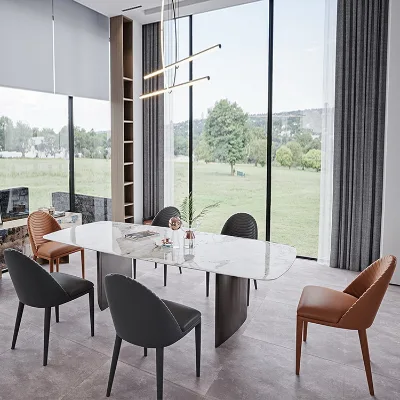


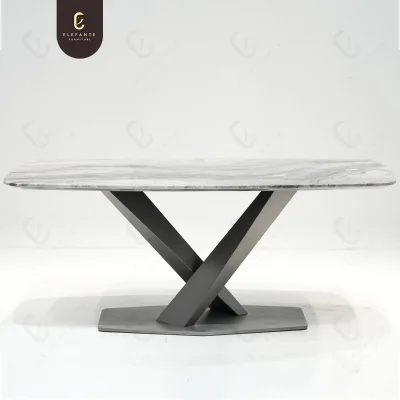
Tough Durable Custom Lightweight Heatproof Easy Clean Eco Dining Table
$136.00 - $204.00
MOQ: 40 Pieces
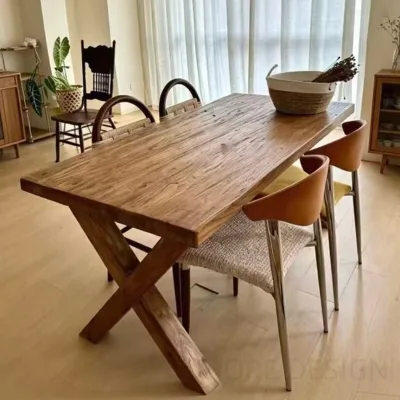
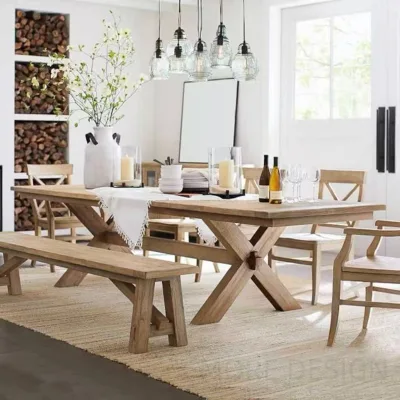
Comprehensive Sourcing Guide
Waterproof Eco-Friendly Dining Room Table Sourcing Guide
Procuring a waterproof and eco-friendly dining room table requires balancing material durability with sustainable sourcing practices. Buyers must first define whether the primary need is moisture resistance for high-traffic areas or formaldehyde-free emissions for health compliance. The observed market shows a wide range of options, from acrylic and wood composites to fabric-covered MDF structures. Understanding these material distinctions is critical, as "waterproof" often refers to surface coatings rather than the core substrate. Eco-friendly claims typically hinge on the use of certified adhesives and responsibly sourced timber or recycled components.
This guide focuses on verifying these attributes through rigorous supplier engagement and specification checks. The observed product landscape includes models with specific certifications and customizability options, indicating that off-the-shelf items may not meet strict environmental mandates. Buyers should prioritize suppliers who provide transparent material breakdowns and third-party test reports. By aligning technical requirements with commercial terms, procurement teams can mitigate risks associated with greenwashing and ensure that the final product meets both aesthetic and functional standards for residential or hospitality environments.
Product Scope and Observed Listing Signals
The current market offers diverse configurations, including rectangular and square shapes with modern or simple modern styles. Observed listings indicate a strong presence of customized options, allowing buyers to tailor dimensions and finishes to specific interior designs. Materials range from acrylic and wood to fabric and MDF, each offering distinct advantages in terms of water resistance and environmental impact. For instance, acrylic surfaces provide inherent waterproofing, while wood and MDF require specialized sealing to achieve similar performance levels. The presence of multiple color choices further enhances the ability to match existing decor schemes.
Usage scenarios span from home dining rooms to hotel settings, suggesting versatility in design and durability. Some products are explicitly marketed as luxury dining table sets, emphasizing elegance and comfort alongside functional attributes. The observed price range of $25 to $2,598 reflects significant variation in quality, material grade, and brand positioning. Buyers should note that lower-priced items may use standard MDF with basic coatings, whereas higher-end options might feature solid wood or advanced composite materials. Understanding these signals helps in filtering suppliers and identifying those who can deliver on specific eco-friendly and waterproof promises.
Technical Specifications to Verify
Verifying technical specifications is paramount to ensuring the table meets waterproof and eco-friendly claims. Buyers should request detailed material composition reports, specifically looking for formaldehyde emission levels and the type of adhesives used in MDF or wood products. The observed standard of 3.8kg for certain models suggests a focus on lightweight yet durable construction, but weight alone does not indicate quality. It is essential to confirm whether the waterproofing is achieved through laminates, veneers, or solid material properties. Additionally, checking the single package size and gross weight helps in planning logistics and ensuring the product arrives without damage.
Customization capabilities should be explicitly defined, including options for size, color, and material selection. The observed lead time of 25-35 days indicates that custom orders require careful scheduling and inventory management. Buyers must verify if the supplier can provide samples for testing water resistance and environmental safety before committing to bulk orders. The model numbers, such as Orient-02 and ds1, serve as reference points for specific configurations, but buyers should not assume all models share the same eco-certifications. Clear communication of technical requirements ensures that the final product aligns with procurement goals and avoids costly mismatches.
Compliance and Safety Documentation
Compliance with safety and environmental standards is non-negotiable for eco-friendly furniture procurement. Buyers must request documentation proving adherence to relevant regulations, such as CARB Phase 2 or EPA TSCA Title VI for formaldehyde emissions. The observed standard based on client requirements suggests flexibility, but this must be backed by verifiable certifications. Suppliers should provide test reports from accredited laboratories confirming the absence of harmful substances like lead, mercury, and cadmium. These documents are crucial for ensuring that the dining table is safe for residential use and meets international environmental benchmarks.
Waterproof claims should be supported by performance tests, such as resistance to moisture absorption and staining. Buyers should inquire about the durability of the surface coating and its ability to withstand daily wear and tear. The observed warranty of 3 years indicates a level of confidence in product longevity, but buyers should clarify what this warranty covers. It is essential to verify if the warranty includes protection against water damage or only structural defects. By demanding comprehensive compliance documentation, buyers can mitigate risks and ensure that their procurement decisions align with corporate sustainability goals and regulatory requirements.
Cost Drivers and Commercial Terms
Cost drivers for waterproof and eco-friendly dining tables include material selection, customization complexity, and certification costs. The observed MOQ range of 1 to 105 units allows for flexibility, but higher volumes may yield better pricing. Buyers should analyze the cost breakdown to understand how much is attributed to sustainable materials versus standard components. The presence of pearl cotton, corner protectors, and plywood box packaging adds to the overall cost but ensures safe delivery. Understanding these factors helps in negotiating favorable terms and avoiding hidden fees that can inflate the final price.
Commercial terms such as delivery time and payment conditions significantly impact procurement planning. The observed delivery time of 25-35 days requires accurate forecasting to avoid stockouts or delays. Buyers should negotiate clear terms for late deliveries and quality issues. The option for customized products may incur additional setup costs, which should be factored into the budget. Additionally, the availability of after-sales service is a critical value-add that can reduce long-term maintenance costs. By aligning commercial terms with operational needs, buyers can optimize their supply chain and ensure a smooth procurement process.
Supplier Qualification and Quality Control
Supplier qualification involves assessing their manufacturing capabilities, quality control processes, and commitment to sustainability. Buyers should verify if the supplier has experience in producing eco-friendly furniture and can provide references from previous clients. The observed customization availability suggests a flexible production line, but buyers must ensure that quality remains consistent across different configurations. Requesting a factory audit or third-party inspection report can provide insights into the supplier’s operational standards and ethical practices. This due diligence helps in identifying reliable partners who can deliver on both quality and sustainability promises.
Quality control measures should include pre-production samples, in-process inspections, and final random inspections. Buyers should define clear acceptance criteria for water resistance and environmental safety before production begins. The observed packing methods, such as plastic and wood combinations, indicate attention to product protection, but buyers should verify if these methods are sustainable. Establishing a robust quality control plan ensures that any deviations from specifications are caught early, reducing the risk of receiving non-compliant goods. By prioritizing supplier qualification and rigorous quality checks, buyers can build a resilient supply chain that supports their long-term procurement objectives.
Long-Term Procurement Checks
Long-term procurement checks focus on maintaining supplier performance and adapting to evolving market trends. Buyers should conduct regular reviews of supplier quality, delivery reliability, and compliance with environmental standards. The observed 3-year warranty provides a baseline for product durability, but buyers should monitor for any recurring issues or customer complaints. Establishing a feedback loop with end-users can provide valuable insights into product performance and areas for improvement. This continuous monitoring helps in identifying potential risks and opportunities for optimization in the supply chain.
As sustainability regulations tighten, buyers must stay informed about new standards and certifications that may impact their procurement strategy. The observed trend towards customized and eco-friendly products suggests a growing demand for sustainable furniture solutions. Buyers should engage in ongoing dialogue with suppliers to explore new materials and technologies that enhance product performance and environmental impact. By proactively managing supplier relationships and staying ahead of regulatory changes, buyers can ensure that their procurement practices remain competitive and aligned with global sustainability goals. This forward-looking approach minimizes risks and maximizes value over the long term.
FAQs
What materials are used for the dining table?
The dining table is constructed from acrylic, wood, fabric, and MDF materials. These components ensure durability while meeting eco-friendly standards. Buyers can select from multiple color choices to match their specific interior design requirements for home or hotel settings.
Can the table be customized for specific needs?
Customization is available for this dining table set according to client requirements. The product supports custom designs and specific usage scenarios like dining rooms. Buyers should note that some listings indicate non-customized options, so verify the specific model details before ordering.
What is the minimum order quantity for this table?
The minimum order quantity varies by supplier, ranging from 2 pieces to 100 pieces per color. Some listings specify a MOQ of 100 pieces per color, while others allow orders as low as 2 pieces. Buyers must check the specific product model to confirm the exact threshold.
How long does delivery take for this furniture?
Delivery typically takes between 25 to 35 days after order confirmation. This lead time applies to the standard production and shipping process for the dining room furniture. Buyers should account for this duration when planning their procurement schedule and inventory management.
What warranty is provided for the dining table?
A three-year warranty is provided for the dining table to ensure product reliability. This coverage applies to the structural integrity and finish of the furniture. Buyers should review the specific terms associated with the model to understand the full scope of the warranty protection.
How is the table packed for shipping?
The table is packed using pearl cotton, corner protectors, and plywood boxes for safe transport. Some listings also mention plastic and wood packaging or standard carton packing. This robust packaging ensures the furniture arrives in perfect condition for home or hotel installation.
Where is this dining table manufactured?
This dining table is manufactured in China. The product origin is clearly stated as China for all listed models. Buyers sourcing from this region should consider the logistics and shipping implications associated with international trade from this specific manufacturing location.