Source Natural Latex Baby Bath Toy for Teething, Sensory, and Play
Compare 30 listings for Natural Latex Baby Bath Toy options including sensory balls and teething toys. Buyers can evaluate materials like natural rubber and ABS, check certifications such as EN71, and review customization services for OEM orders; compare the available evidence and request quotations based on your requirements.
Updated
Key considerations
Products List
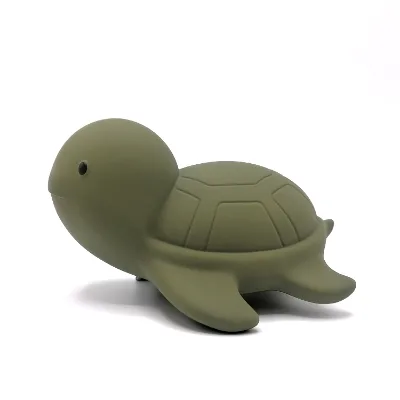
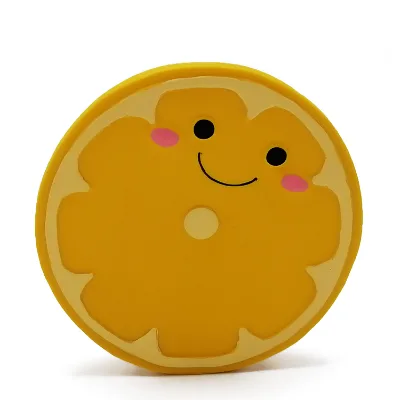
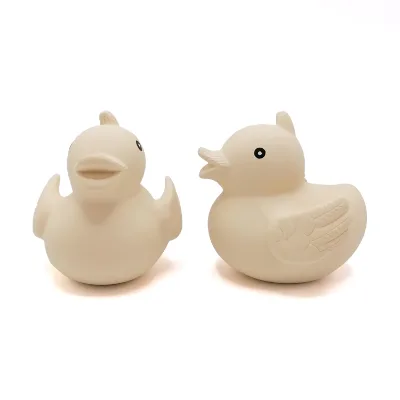
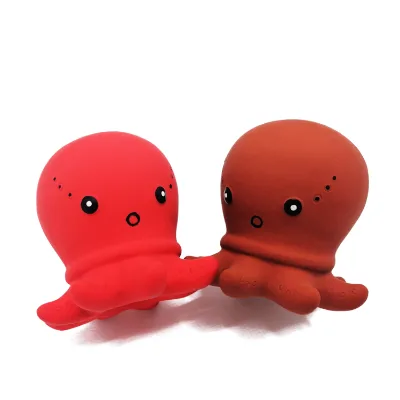
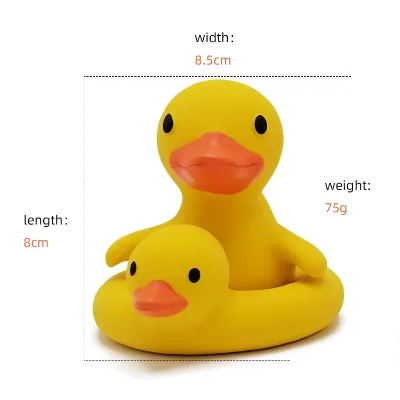
Latex Squeak Rubber Duck Four Color Baby Bath Play Latex Baby Chew Bath Toy
$4.1043 - $5.1311
MOQ: 3000 pieces




Comprehensive Sourcing Guide
Natural Latex Baby Bath Toy Sourcing Guide
Sourcing natural latex baby bath toys requires a careful balance between material authenticity, safety compliance, and commercial viability. Buyers must navigate a market where terms like "natural rubber" and "latex" are often used interchangeably, yet distinct in their chemical composition and regulatory implications. The core keyword highlights a specific material preference that appeals to eco-conscious retailers and parents seeking non-toxic, biodegradable alternatives to traditional PVC or ABS plastic toys. However, the supply chain for genuine natural latex is complex, involving specific agricultural sourcing and processing standards that differ significantly from synthetic rubber manufacturing.
This guide provides evidence-based procurement strategies for buyers evaluating natural latex bath toys. It focuses on verifying material claims, understanding technical specifications, and ensuring compliance with international safety standards. By adhering to the observed listing signals and technical requirements detailed herein, procurement teams can mitigate risks associated with material substitution, regulatory non-compliance, and quality inconsistencies. The objective is to equip buyers with the knowledge to make informed decisions that align with brand values and regulatory obligations in key markets such as the European Union and North America.
Product Scope and Observed Listing Signals
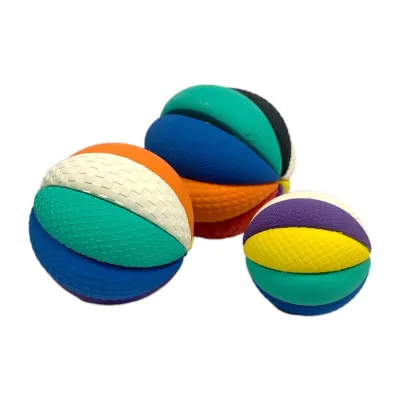
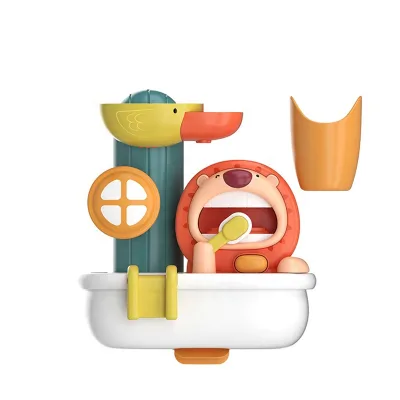
The observed product landscape includes items explicitly labeled as "Sensory Ball" and "Baby Bath Toy," with materials ranging from natural rubber to ABS plastic. Listings indicate a diverse array of colors, including Army Green, Yellow, Ivory, Brown, Red, and Blue, catering to varied aesthetic preferences. Some products are described as "Jellyfish Toy Baby Bath Waterfall Toy," suggesting functional designs that enhance bath time engagement. The presence of "Natural Eco-friendly" features in product attributes highlights a market trend toward sustainable materials, although buyers must verify that these claims are substantiated by material composition data rather than marketing language alone.
Minimum Order Quantities (MOQs) vary significantly, ranging from 200 pieces for smaller batches to 6000 pieces for larger industrial orders. This variance allows buyers to test market response with lower initial commitments or secure better unit economics through volume purchases. Product names such as "TX-B0127" and model numbers like "10331067" provide specific identifiers for tracking and reordering. Additionally, attributes like "Customized Box Packing" and "OEM of Baby Bath Toy Is Supported" indicate that suppliers are prepared to offer white-label solutions, enabling brands to create unique packaging and branding strategies that differentiate their products in a competitive marketplace.
Technical Specifications to Verify
Technical verification begins with confirming the material composition, as listings show both "Natural Rubber" and "ABS" materials for similar product types. Buyers must ensure that the product specified as "natural latex" does not contain synthetic blends that dilute its eco-friendly properties. Single package sizes observed include 6X4X6 cm and 5X4X5 cm, which are critical for calculating shipping volume and storage requirements. The single gross weight of 1.000 kg for certain items suggests that packaging density can vary, impacting freight costs. Verifying these physical dimensions and weights is essential for accurate logistics planning and cost estimation.
Age range specifications are crucial for product safety and marketing alignment. Observed age ranges include "0 to 24 Months" and "2 to 4 Years," with some products targeting "12 Month+" infants. These distinctions dictate the required durability, size, and texture of the toy to prevent choking hazards and ensure developmental appropriateness. Features such as "Spin" function and "Soft Toy" style indicate interactive elements that enhance sensory development. Buyers should verify that these functional attributes are securely integrated into the toy structure to withstand vigorous use by babies and toddlers without breaking into small, hazardous parts.
Compliance and Safety Documentation
Safety compliance is paramount for baby bath toys, with certifications like "En71" and "CE" being critical market entry requirements. The En71 standard, particularly parts 1, 2, and 3, addresses mechanical, flammability, and chemical migration risks, respectively. Buyers must request valid test reports from accredited laboratories to verify that the natural latex material does not contain harmful levels of nitrosamines or other residual chemicals. The presence of "Third Party Inspection: Welcomed" in supplier attributes suggests a willingness to undergo independent quality checks, which can provide an additional layer of assurance for buyers concerned about manufacturing consistency.
Documentation should also include material safety data sheets (MSDS) and declarations of conformity. These documents confirm that the product meets specific regulatory thresholds for heavy metals, phthalates, and other restricted substances. For products marketed as "Natural Eco-friendly," buyers should inquire about certifications such as FSC for packaging or organic rubber standards, if applicable. Ensuring that all compliance documentation is up-to-date and covers the specific batch of goods being purchased is essential to avoid customs delays and product recalls in regulated markets.
Cost Drivers and Commercial Terms
Cost structures for natural latex bath toys are influenced by material sourcing, manufacturing complexity, and order volume. The observed price range of $0.15 to $8.20 USD reflects significant variation based on product design, material quality, and packaging options. Higher-priced items may feature more intricate designs, such as the "Jellyfish Toy Baby Bath Waterfall Toy," which requires additional engineering and quality control. Buyers should analyze the cost per unit in the context of the MOQ, as larger orders often benefit from economies of scale, reducing the per-unit cost significantly.
Commercial terms such as sample availability and shipping methods also impact the total cost of ownership. Suppliers offering "Accept Sample Service" with a sample time of 3-5 days allow buyers to evaluate product quality before committing to large orders. Shipping options including "by Sea, by Air, by Express" provide flexibility based on urgency and budget. Buyers should negotiate clear terms regarding payment methods, warranty policies, and liability for defective goods to protect their investment. Understanding these commercial dynamics helps in building a sustainable and profitable supply chain.
Supplier Qualification and Quality Control
Supplier qualification involves assessing manufacturing capabilities, quality management systems, and ethical sourcing practices. Buyers should verify that suppliers have experience in producing natural latex products, as this material requires specific handling to prevent degradation and maintain elasticity. The location "Guangdong, China" is a known hub for toy manufacturing, offering access to a robust supply chain and skilled labor. However, buyers must conduct due diligence to ensure that suppliers adhere to international labor standards and environmental regulations, particularly regarding the sourcing of natural rubber.
Quality control processes should include pre-production samples, in-line inspections, and final random inspections. Suppliers that welcome third-party inspections demonstrate a commitment to transparency and quality assurance. Buyers should establish clear quality acceptance criteria, including visual defects, dimensional accuracy, and functional performance. Regular communication with suppliers regarding quality feedback and continuous improvement initiatives can help maintain high standards and reduce the risk of receiving substandard products. Building a strong relationship with qualified suppliers is key to long-term procurement success.
Long-Term Procurement Checks
Long-term procurement success depends on continuous monitoring of supplier performance, market trends, and regulatory changes. Buyers should regularly review supplier audit results, on-time delivery rates, and defect rates to ensure consistent quality and reliability. Staying informed about updates to safety standards, such as revisions to En71 or new regulations in key markets, is essential to maintain compliance. Proactive engagement with suppliers regarding new product developments and material innovations can help buyers stay ahead of market trends and offer unique products to their customers.
Sustainability is an increasingly important factor in long-term procurement strategies. Buyers should evaluate suppliers' efforts to reduce environmental impact, such as using biodegradable packaging or sourcing rubber from sustainable plantations. Building a resilient supply chain involves diversifying suppliers and maintaining open communication channels to address potential disruptions. By focusing on ethical sourcing, quality assurance, and sustainability, buyers can build a brand reputation that resonates with conscious consumers and ensures long-term business growth in the competitive baby toy market.
FAQs
What materials are used for the sensory ball?
The sensory ball is made from natural rubber to ensure safety for infants. This material is eco-friendly and suitable for babies aged 0 to 24 months. It serves as a training toy designed to support sensory development while remaining soft and chewable for young children.
Can I customize the logo on the bath toys?
Yes, you can customize the logo on the bath toys as the service is available. The manufacturer supports OEM services for baby bath toys and offers customized box packing options. This allows buyers to brand the products according to their specific business requirements and market needs.
What is the minimum order quantity for these toys?
The minimum order quantity varies depending on the specific product model selected. Some items require 200 pieces while others may need 3000 pieces. Buyers should check the specific model number to confirm the exact MOQ before placing an order for natural rubber bath toys.
Which certifications do the baby bath toys hold?
The baby bath toys hold the En71 certification to ensure safety compliance. This standard is critical for children's products and verifies that the materials meet strict safety requirements. Buyers can rely on this certification when sourcing natural rubber bath toys for international markets.
How long does it take to receive samples?
It typically takes 3 to 5 days to receive samples of the bath toys. The supplier accepts sample services to help buyers evaluate product quality before bulk orders. This short lead time allows for quick decision-making regarding the natural rubber baby teether toys.
Where are these natural rubber toys manufactured?
These natural rubber toys are manufactured in Guangdong, China. This location is a known hub for toy production and offers efficient logistics for shipping. Buyers can expect reliable supply chain management when sourcing these items from the specified region.
What age range is suitable for these sensory toys?
These sensory toys are suitable for children aged 0 to 24 months and 2 to 4 years. They are designed as baby chewable items that help improve intelligence and strengthen physical exercise. The soft toy style ensures safety for infants and toddlers during play.