Source Network Cable Tray for Industrial, Telecom, and Data Centers
Compare 30 Network Cable Tray options from verified Chinese suppliers. Buyers can evaluate materials like GRP and stainless steel, thickness ranges, and certifications including CE and ISO for industrial and telecommunications applications; compare the available evidence and request quotations based on your requirements.
Updated
Key considerations
Products List







Comprehensive Sourcing Guide
Network Cable Tray Sourcing Guide
Procuring network cable trays requires a disciplined approach to material selection and structural integrity, ensuring that the infrastructure supports both current data loads and future expansion. Buyers must evaluate the specific environmental conditions of the installation site, as factors such as humidity, chemical exposure, and physical stress dictate the appropriate tray type. The market offers diverse options ranging from perforated ventilated troughs to solid GRP (Glass Reinforced Plastic) ladders, each serving distinct operational needs. Understanding these variations is critical for maintaining signal integrity and preventing physical damage to sensitive fiber optic or copper cabling.
This guide synthesizes observed market signals to help procurement teams navigate supplier claims and technical specifications effectively. By focusing on verifiable attributes such as material composition, surface treatment processes, and dimensional tolerances, buyers can mitigate the risk of selecting substandard components. The following sections provide a structured framework for evaluating network cable trays, emphasizing evidence-based decision-making over marketing assertions. This approach ensures that sourced products align with project requirements, regulatory standards, and long-term maintenance goals, ultimately reducing total cost of ownership.
Product Scope and Observed Listing Signals
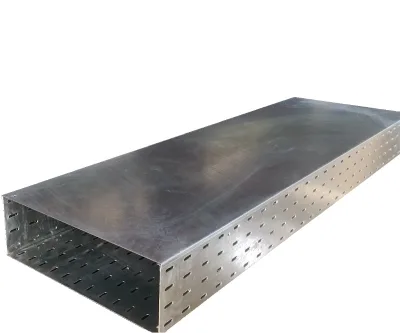
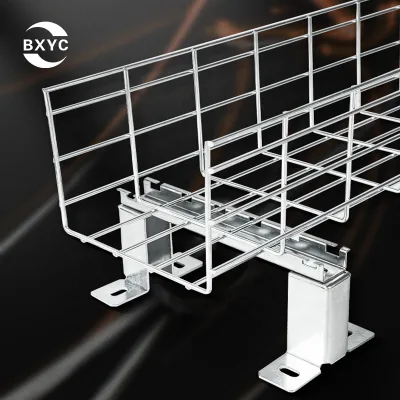
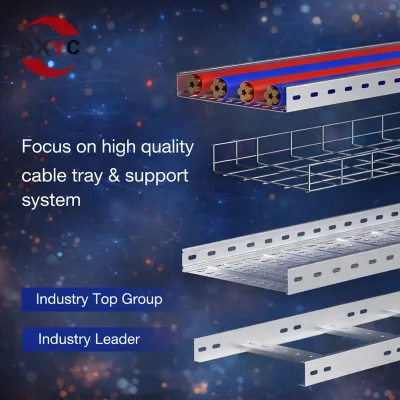
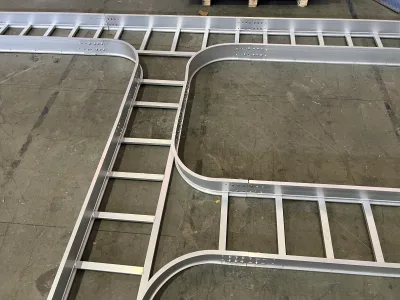
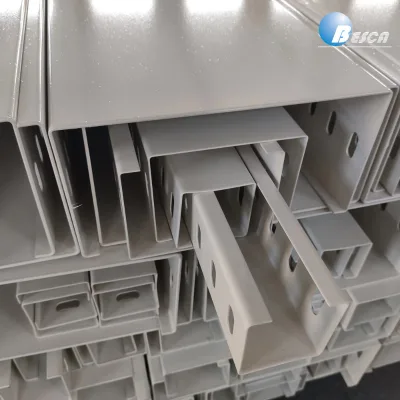
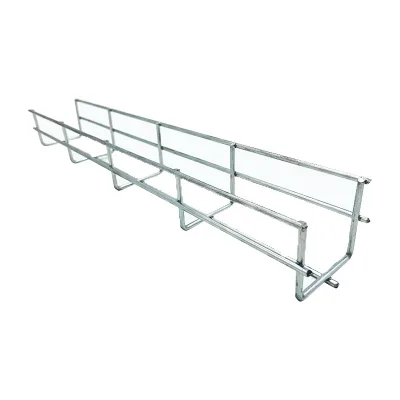
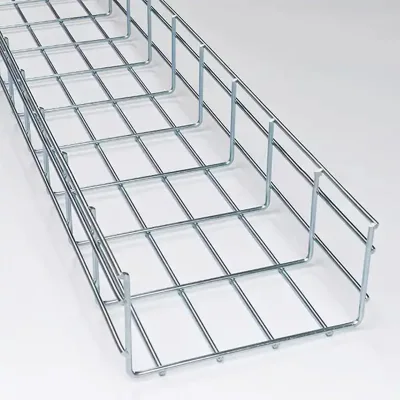
The observed product landscape for network cable trays reveals a wide spectrum of materials, including GRP, stainless steel, aluminum, and various steel alloys. Listings frequently highlight features such as corrosion resistance, dustproofing, and lightweight construction, which are particularly relevant for industrial and telecommunications applications. Buyers should note that "ladder" type trays and "perforated" or "ventilated" troughs represent distinct structural categories, each offering different airflow and load-bearing characteristics. The presence of holes or the absence thereof significantly impacts ventilation and weight, requiring careful alignment with thermal management needs.
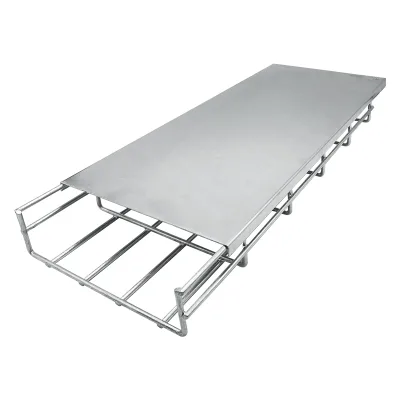
Commercial signals indicate that suppliers often provide customization options, including OEM services and specific surface treatments like pre-galvanizing, hot-dip galvanizing, or powder coating. Some listings specify standard packaging methods such as cartons or pallets, while others mention accessories like covers, joints, and bolts. It is essential to distinguish between general product descriptions and specific model capabilities, as attributes like side rail height and thickness vary widely across different supplier offerings. Buyers must verify these details against their project specifications rather than assuming uniformity across all listed items.
Technical Specifications to Verify
Dimensional accuracy is paramount when sourcing network cable trays, as improper fit can compromise installation efficiency and structural stability. Key specifications to verify include length, width, and side rail height, with observed ranges extending from 25mm to 400mm in height and widths up to 1000mm. Thickness is another critical parameter, with observed values ranging from 0.5mm to 3.0mm depending on the material and intended load. Buyers should request detailed dimensional drawings for each proposed model, ensuring that tolerances meet project requirements and that the tray can accommodate the planned cable bundle without overcrowding.
Material composition and surface treatment directly influence durability and performance in harsh environments. Stainless steel and aluminum offer inherent corrosion resistance, while steel trays often require galvanization or specialized coatings for protection. Observed surface treatments include fire-retardant coatings and cold galvanizing, which add layers of protection against environmental degradation. Buyers must confirm that the specified surface treatment matches the environmental conditions of the installation site, such as exposure to moisture, chemicals, or high temperatures, to ensure long-term reliability and safety.
Compliance and Safety Documentation
Certification verification is a non-negotiable step in the procurement process, as it ensures that products meet international safety and quality standards. Observed certifications include CE, ISO, RoHS, CCC, TUV, and GB standards, which indicate varying levels of regulatory compliance depending on the target market. Buyers should request valid certification documents for each product batch, verifying that the certificates are current and issued by accredited bodies. This step is crucial for avoiding customs delays and ensuring that the installed infrastructure adheres to local building codes and electrical safety regulations.
Safety features such as fire-retardant coatings and specific material compositions play a vital role in risk mitigation. In telecommunications and industrial settings, the potential for fire spread is a significant concern, making fire-resistant materials and coatings essential. Buyers should inquire about the specific fire-rating of the cable trays and verify that these ratings are supported by independent test results. Additionally, understanding the load-bearing capacity and working load limits is critical for preventing structural failures, especially in overhead installations where dynamic loads may occur.
Cost Drivers and Commercial Terms
Pricing for network cable trays is influenced by material costs, manufacturing complexity, and surface treatment requirements. Observed price ranges vary significantly, reflecting differences in material quality and production methods. Buyers should analyze cost drivers such as the thickness of the material, the type of alloy used, and the extent of customization required. It is important to distinguish between unit price and total landed cost, which includes shipping, insurance, and potential tariffs. Understanding these factors helps in budgeting accurately and avoiding unexpected expenses during the procurement process.
Commercial terms such as MOQ (Minimum Order Quantity) and lead times are critical for supply chain planning. Observed MOQs range from 1 piece to 1000 pieces, allowing for flexibility in order sizes. Lead times can vary, with some suppliers offering delivery within 15 days for a container load. Buyers should negotiate clear terms regarding payment schedules, warranty periods, and return policies. Establishing a robust commercial agreement ensures that both parties have aligned expectations regarding delivery schedules and quality assurance, reducing the risk of project delays.
Supplier Qualification and Quality Control
Supplier qualification involves assessing the manufacturer’s production capabilities, quality management systems, and track record. Buyers should verify that suppliers have established quality control processes, including raw material inspection, in-process monitoring, and final product testing. Observing the supplier’s facility or requesting third-party audit reports can provide insights into their operational standards. Additionally, checking for certifications like ISO9001 indicates a commitment to consistent quality management, which is essential for large-scale procurement projects.
Quality control extends to the consistency of product attributes across batches. Buyers should request samples for initial evaluation, checking for dimensional accuracy, surface finish, and material integrity. Establishing clear acceptance criteria and inspection protocols helps in maintaining quality standards throughout the supply chain. Regular communication with the supplier regarding any deviations or issues ensures that problems are addressed promptly. Building a strong relationship with qualified suppliers fosters trust and reliability, which is crucial for long-term procurement success.
Long-Term Procurement Checks
Long-term procurement success depends on continuous monitoring of supplier performance and product reliability. Buyers should establish key performance indicators (KPIs) such as on-time delivery rates, defect rates, and responsiveness to issues. Regular reviews of these metrics help in identifying potential problems early and taking corrective actions. Additionally, staying informed about industry trends and technological advancements ensures that the sourced cable trays remain relevant and effective for future network expansions.
Maintenance and lifecycle management are also critical considerations. Buyers should evaluate the ease of installation and maintenance of the cable trays, as these factors impact long-term operational costs. Providing training for installation teams and establishing clear maintenance schedules can extend the lifespan of the infrastructure. By focusing on these long-term aspects, buyers can ensure that their Network Cable Tray investments deliver sustained value and support the evolving needs of their telecommunications and industrial operations.
FAQs
What materials are used for network cable trays?
Network cable trays are manufactured from GRP, stainless steel, steel, and aluminum. GRP options offer corrosion resistance and light weight, while metal variants provide structural strength. These materials ensure durability for industrial and telecommunications applications, allowing buyers to select the best fit for their specific environmental and load requirements.
Can network cable trays be customized for specific projects?
Yes, customization is available for network cable trays to meet unique project specifications. Buyers can request specific dimensions, surface treatments like pre-galvanized or powder-coated finishes, and tailored hole configurations. This flexibility ensures that the trays integrate seamlessly into existing infrastructure while maintaining compliance with required standards and performance expectations.
What certifications do network cable trays typically hold?
Network cable trays commonly hold certifications such as CE, ISO, RoHS, CCC, TUV, and GS. These certifications verify compliance with international safety and quality standards. Buyers should verify specific certification lists with suppliers to ensure the products meet the regulatory requirements of their target markets and installation environments.
How long is the delivery time for network cable trays?
Delivery time is typically around 15 days for one container. This lead time allows for production and preparation of standard packaging. Buyers should confirm exact schedules with manufacturers, as lead times may vary based on order volume, customization requirements, and current production capacity at the supplier's facility in China.
What is the minimum order quantity for network cable trays?
The minimum order quantity varies, with some suppliers requiring 100 pieces. Other options may allow orders starting from 1 unit up to 1000 units. Buyers should check specific MOQ requirements with vendors, as these thresholds depend on the product type, material, and whether the order involves standard or customized specifications.
What surface treatments are available for metal cable trays?
Metal cable trays offer surface treatments including pre-galvanizing, hot-dip galvanizing, powder coating, and cold galvanizing. These treatments enhance corrosion resistance and durability. Buyers can choose finishes based on environmental conditions, ensuring the trays withstand industrial or outdoor exposure while maintaining structural integrity and aesthetic appeal for telecommunications or industrial applications.