Reusable Releasable Cable Ties Suppliers and Manufacturers
Compare 23 verified suppliers of Reusable Releasable Cable Ties based on location, lead times, certifications, and pricing. Review product specifications like flame rating and customization options before contacting factories in Zhejiang, China for quotes; review the available evidence before requesting comparable quotations from suitable candidates.
Updated
Suppliers List

Yueqing Haitai Plastics Manufacture Co., Ltd.
- Manufacturer
- China Zhejiang
- Lead time30 days
- Avg. response≤ 19h
Main productsCable Tie / Cable Tie Mount
Main marketsSouth America,Southeast Asia/ Mideast,East Asia(Japan/ South Korea),Domestic,Europe,North America

Zhejiang Lianpu Plastic Co., Ltd.
- Verified by SGS
- Combined
- China Zhejiang
- Lead time23 days
- Avg. response≤ 19h
Main productsCable Tie, Nylon Cable Tie, Plastic Wall Plugs, Cable Clip, Zip Tie, Cable Tie Nylon, Plastic Cable Tie, Nylon66 Cable Tie, Expand Nails, Cabletie Tile Mounts
Main marketsSoutheast Asia/ Mideast,Europe


$0.006 - $0.60
MOQ: 1000 Bags

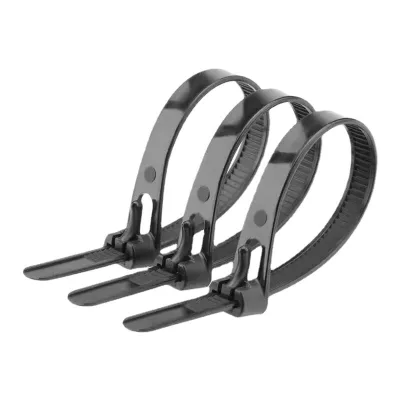
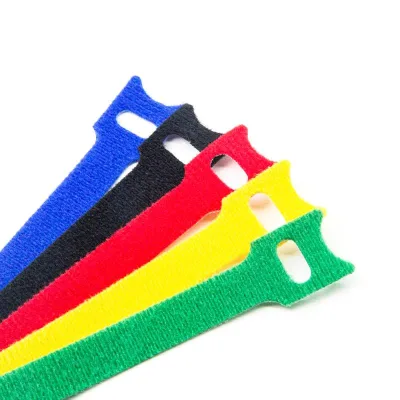
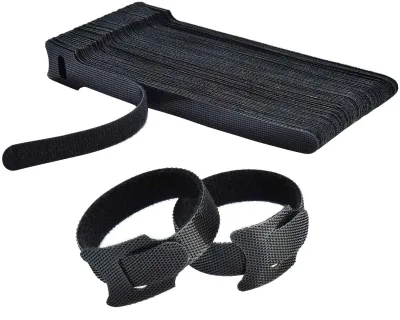
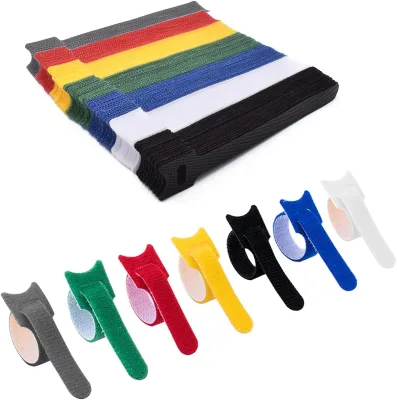
Releasable Cable Ties Black Reusable Cable Tie Zip Tie Tidy Wire Nylon Colorful
$0.001 - $0.01
MOQ: 1000 Bags

Yueqing Xinxing Cable Accessories Co., Ltd.
- Verified by BV
- Manufacturer/Factory
- China Zhejiang
- Lead time15 days
- Avg. response≤ 15h
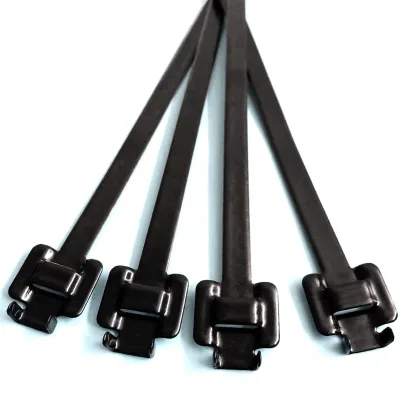
Main productsCable Tie, Stainless Steel Cable Tie, Metal Zip Tie, Stainless Steel Barb Lock Cable Tie, Metal Cable Tie, Cable Marker, Stainless Steel Fastening Tools, Stainless Steel Bands, Polyester Coated Stainless Steel Cable Tie, Full Coated Coated Tie
Main marketsSouth America,Eastern Europe,Mid East,North America,Southeast Asia,Eastern Asia,Oceania,Western Europe,Africa

Zhejiang Jiuhong Electric Co., Ltd.
- Verified by BV
- Combined
- China Zhejiang
- Lead time15 days
- Avg. response≤ 6h
Main productsStainless Steel Cable Ties, PVC Coated Stainless Steel Ties, Stainless Steel Strapping Band, Cable Glands, Nylon Cable Ties, Cable Clips, Cable Marking, Wiring Duct, Stainless Steel Buckles, Flexible Metal Conduit
Main marketsSouth America,Africa,Southeast Asia/ Mideast,East Asia(Japan/ South Korea),Domestic,Europe,Australia,North America

- Verified by BV
- Combined
- China Zhejiang
- Lead time30 days
- Avg. response≤ 3h
Main productsStainless Steel Cable Ties, PVC Coated Stainless Steel Ties, Nylon Cable Ties, Wiring Ducts, Cable Glands, Cable Tie Tool, Cable Clamp, Cable Corrugated Conduit, Stainless Steel Band Strap & Buckle, Terminals
Main marketsDomestic
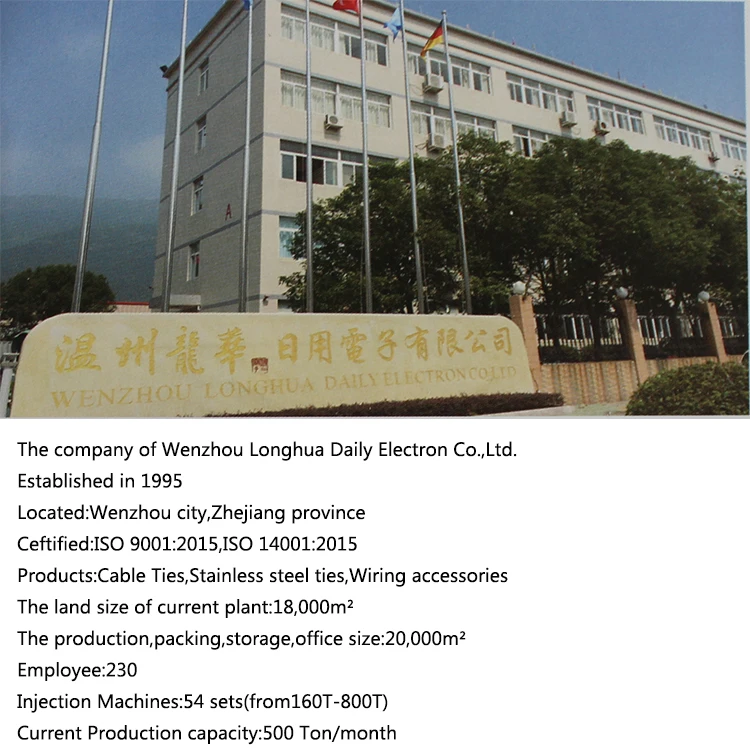
Wenzhou Longhua Daily Electron Co., Ltd.
- Manufacturer, Trading Company
- Zhejiang, China
- Lead time30 days
- Avg. response≤ 11h
Main productsnylon Cable ties,stainless cable ties,plastic jerry can,expand nail,magic ties
Main marketsNorth America(32.00%), Western Europe(26.50%), Eastern Europe(9.20%), South America(6.00%), Mid East(5.50%), Southern Europe(5.00%), Eastern Asia(4.00%), Domestic Market(4.00%), Southeast Asia(2.80%), Northern Europe(2.00%), South Asia(1.20%), Africa(1.10%), Central America(0.50%), Oceania(0.20%)
Yueqing Hoored Electric Co., Ltd.
- Manufacturer, Trading Company
- Zhejiang, China
- Lead time20 days
- Avg. response≤ 3h
Main productsInsulated Terminal,Cable Gland,Cable Tie,Cable Lug,Terminal
Main marketsMid East(40.00%), Domestic Market(20.00%), South America(20.00%), Eastern Europe(10.00%), Western Europe(5.00%), Southern Europe(5.00%)
Shanghai Total Industrial Co., Ltd.
- Verified by SGS
- Manufacturer/Factory
- China Shanghai
- Lead time0 days
- Avg. response≤ 24h
Main productsFeeder Clamp, Weather Shield Enclosure, Rubber Grommet, Hoisting Grip, Cable Entry, Flexible Jumper Cable, Cablen Ties, Terminal Lugs, Conduit and Fittings, Hole Saw
Zhejiang Jiaguan Plastic Co., Ltd.
- Verified by SGS Group
- Manufacturer, Trading Company
- Lead time7 days
- Avg. response≤ 1h
Main productsNylon Cable Tie, Stainless Steel Cable Tie
Main marketsSoutheast Asia(15%), Mid East(15%), South America(10%)

Ningbo Sanzheng Plastic Co., Ltd.
- Verified by SGS
- Combined
- China Zhejiang
- Lead time23 days
- Avg. response≤ 7h
Main productsCable Tie, Cable Gland, Cable Clip, Terminal, Expand Plugs, Wire Connectors, Stainless Steel Cable Tie, Cable Tie Tools, Wiring Duct, Cable Tie Mounts
Main marketsSouth America,Europe,North America


Removable and Reusable Nylon Cable Ties with UV Protection Cable Tie Reusable
$0.001 - $0.003
MOQ: 100 Pieces
- Verified by TüVRheinland
- Manufacturer, Trading Company
- Lead time30 days
- Avg. response≤ 1h
Main productsNylon Cable Tie, Stainless Steel Tie, Cable Clip
Main marketsWestern Europe(18%), South America(15%), Mid East(10%)
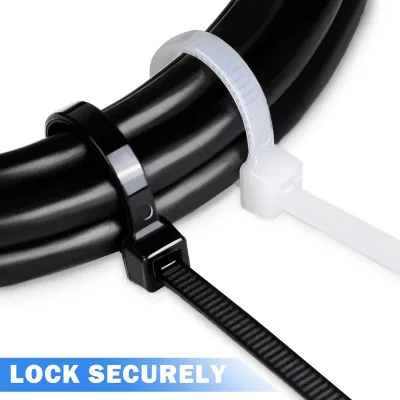
Hot Releasable Cable Ties 8*400mm Reusable Zip Tie Customized UV Plastic Ties
$1.69 - $15.87
MOQ: 1000 bags
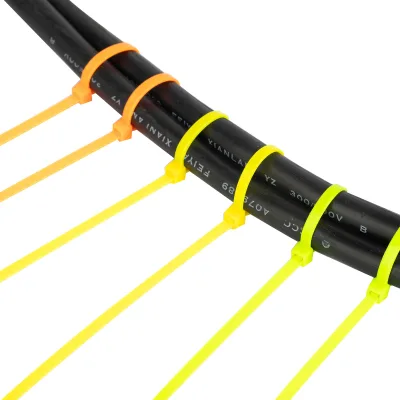
4.8*300 Best Price Releasable and Reusable Nylon Cable Ties,Plastic Tie Straps,Plastic Wire Tie
$0.80 - $0.99
MOQ: 1000 bags
Wenzhou Accory Security Seals Co., Ltd.
- Manufacturer
- Zhejiang, China
- Lead time30 days
- Avg. response≤ 8h
Main productsPull Tight Plastic Seals,Cable Seals,Bolt Seals,Cable Ties,Identification Cable Ties
Main marketsDomestic Market(40.00%), Western Europe(20.00%), North America(5.00%), South Asia(5.00%), Southern Europe(5.00%), Northern Europe(5.00%), South America(5.00%), Eastern Asia(5.00%), Oceania(5.00%), Eastern Europe(5.00%)
Yueqing Yage Precision Plastic Co., Ltd.
- Manufacturer, Trading Company
- Zhejiang, China
- Lead time15 days
- Avg. response≤ 2h
Main productscable ties,distribution box
Main marketsDomestic Market(50.00%), Mid East(10.00%), Southeast Asia(10.00%), Northern Europe(5.00%), South Asia(5.00%), North America(5.00%), Africa(5.00%), Western Europe(4.00%), Eastern Asia(4.00%), Southern Europe(2.00%)

Ease Cable Termination&Accessories Co., Ltd.
- Verified by TUVRHEINLAND
- Trading Company
- China Shanghai
- Lead time45 days
- Avg. response≤ 9h
Main productsIP68 Nylon Cable Gland, IP68 Brass Cable Gland, UL Pre-Insulated Terminals, UL Stainless Steel Cable Ties, PE/PP/PA Terminal Block, Ceramic Terminal Block, Heat Shrink Solderable Butts, Braided Sleeves, Copper Tube Terminals, UL Nylon Cable Ties
Main marketsSouth America,Others(foreignTradeCapacity.exportBusinessCapacityMarketOther),Southeast Asia/ Mideast,East Asia(Japan/ South Korea),Europe,Australia
Yueqing Aoda Electric Co., Ltd.
- Trading Company
- Zhejiang, China
- Lead time10 days
- Avg. response≤ 7h
Main productsGensets sparts parts,Plastic customized,Low voltage electric item,High voltage electric item,drone spare parts
Main marketsDomestic Market(4.00%), South Asia(4.00%), Eastern Asia(4.00%), Southern Europe(4.00%), Central America(3.00%), Western Europe(3.00%), Africa(3.00%), Northern Europe(2.00%), Eastern Europe(2.00%), Oceania(2.00%), South America(2.00%), Southeast Asia(1.00%), Mid East(1.00%), North America(1.00%)

- Combined
- China Zhejiang
- Lead time15 days
- Avg. response≤ 9h
Main productsCable Tie, Cable Clip, Stainless Steel Tie, Nylon Cable Tie
Main marketsSouth America,Southeast Asia/ Mideast,Europe


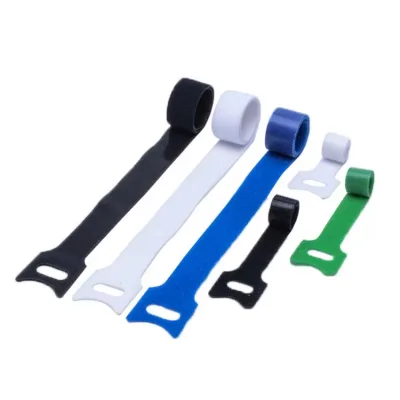
Heavy Duty 8 Inch Special Temperature Releasable Cable Ties with Yellow Color
$0.11 - $0.30
MOQ: 3000 Bags


Zhejiang Changcheng Trading Co., Ltd.
- Verified by Intertek
- Manufacturer, Trading Company
- Lead time60 days
- Avg. response≤ 5h
Main productsCircuit Breaker, Contactor, Transformer, Energy Meter, Switchgear
Main marketsSouth America(15%), Eastern Europe(11%), Africa(10%)

Changhong Plastics Group Imperial Plastics Co., Ltd.
- Verified by TUVRHEINLAND
- Combined
- China Zhejiang
- Lead time30 days
- Avg. response≤ 6h
Main productsCable Tie, Cable Clip, Terminal, Tie Mounts, Cable Tie Holders, Wiring Ducts, Wire Connectors, Terminal Blocks, Cable Glands, Spiral Wrapping Bands
Main marketsEurope

Hangzhou Gordon Electric Co., Ltd.
- Trading Company
- Zhejiang, China
- Lead time10 days
- Avg. response≤ 7h
Main productscable ties,cable glands,corrugated pipe,cable lugs,cable accessorics
Main marketsNorth America(37.00%), Mid East(20.00%), Southeast Asia(10.00%), South America(10.00%), Northern Europe(5.00%), Southern Europe(5.00%), Western Europe(5.00%), Eastern Europe(5.00%), South Asia(2.00%), Central America(1.00%)
Guangzhou Balance Daily Commodities Co., Ltd.
- Verified by SGS Group
- Manufacturer, Trading Company
- Lead time15 days
- Avg. response≤ 5h
Main productsHook And Loop, Adhesive Hook And Loop, Functional Strap, Injection Mold Hook
Main marketsNorth America(45%), Domestic Market(20%), Oceania(8%)
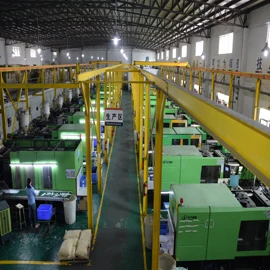
Dongguan Gino Plastic Products Co., Ltd.
- Manufacturer, Trading Company
- Guangdong, China
- Lead time7 days
- Avg. response≤ 4h
Main productscable ties,custom injection moulding parts,automobile cable tie,zip tie,Printed cable tie
Main marketsNorthern Europe(35.00%), North America(18.00%), Oceania(15.00%), Domestic Market(10.00%), Eastern Europe(3.00%), Southeast Asia(3.00%), Africa(2.00%), South Asia(2.00%), Southern Europe(2.00%), South America(2.00%), Central America(2.00%), Western Europe(2.00%), Eastern Asia(2.00%), Mid East(2.00%)
Shenzhen Xichuan New Materials Co., Ltd.
- Trading Company
- Guangdong, China
- Lead time10 days
- Avg. response≤ 5h
Main productsCable Tie, Cable Ties Mount, Cable Clip, Cable Duct, Cable Joint
Main marketsCentral America(30.00%), North America(30.00%), Northern Europe(20.00%), South Asia(10.00%), Eastern Europe(10.00%)
Linhai Lvyin Silicone Technology Co., Ltd.
- Verified by Intertek
- Manufacturer, Trading Company
- Lead time0 days
- Avg. response≤ 2h
Main productsSilicone Insulation Pad, Silicone Drain Mat, Silicone Ice Mold, Silicone Dishwashing Brush, Silicone Countertop
Main marketsDomestic Market(65%), Western Europe(15%), Eastern Asia(5%)








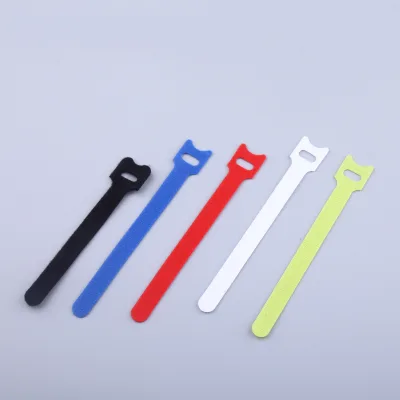
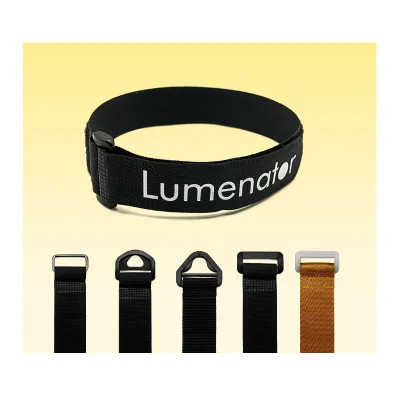
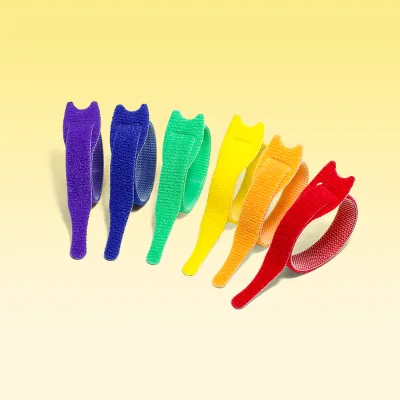
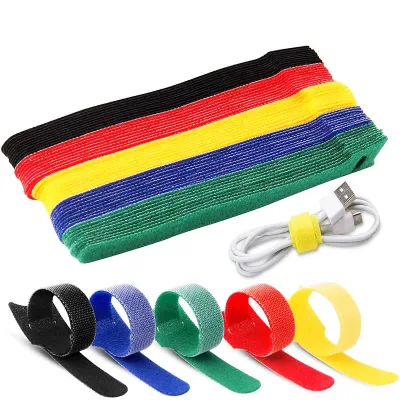
Comprehensive Sourcing Guide
Reusable Releasable Cable Ties Supplier Concentration and Factory Types
The available data indicates that manufacturing for Reusable Releasable Cable Ties is concentrated in specific regions of China, with Zhejiang province emerging as a primary hub for production facilities. Several observed supplier profiles list their origin as Wenzhou City or generally Zhejiang, China, suggesting a localized cluster where raw material access and specialized molding capabilities are established. This geographic concentration allows for efficient supply chains, though buyers must verify if a specific factory is located within this cluster or if they are a trading company sourcing from elsewhere. The supplier types observed in the results vary, with some entities identified strictly as manufacturers while others are classified as combined entities capable of both manufacturing and trading. This distinction is critical because a manufacturer typically controls the production line and quality assurance directly, whereas a combined entity might manage logistics and sales while outsourcing the actual fabrication.
When evaluating the factory type, buyers should look for explicit declarations of company type such as Manufacturer or Combined, rather than assuming production capability based on product listings alone. The observed data shows that some suppliers offer OEM, ODM, and own brand capabilities, which implies a deeper level of manufacturing integration than a simple reseller. However, the presence of an ISO9001:2015 certificate or ISO14001:2015 certificate on a combined entity does not automatically guarantee that the specific cable tie product is manufactured in-house by that entity. Buyers must investigate whether the facility holding the certification is the actual production site or a corporate office. Without a confirmed factory address or a direct link to the production floor, the distinction between a manufacturer and a trading company remains a key variable in assessing the reliability of the supply source for these specific nylon and stainless steel fasteners.
How to Verify Reusable Releasable Cable Ties Suppliers
Verification of suppliers for Reusable Releasable Cable Ties requires a rigorous check of system certifications and product-specific attributes found in the supplier profile. The data shows that some suppliers list certifications such as RoHS, CCC, ISO, SGS, and CE, while others display system certifications like ISO9001:2015 and ISO14001:2015. Buyers must distinguish between a general company system certification and a specific product certification, as the latter confirms the cable ties meet safety and environmental standards. For instance, a product listing might claim a Fire Rating of 94V, but this must be backed by a valid test report from a recognized body like SGS, which is noted as a verification status for some suppliers. Relying solely on the text description of certifications without requesting the actual certificate documents can lead to sourcing non-compliant materials that fail to meet international safety requirements.
Beyond certifications, buyers should verify the supplier's response time and verification status to gauge their operational readiness and trustworth. The observed response times in the data range around 18 to 19 hours, which serves as a baseline metric for communication efficiency. A supplier with a verified status, such as an SGS verification, offers an additional layer of confidence regarding their business legitimacy. However, buyers should not assume that a verified status covers all product lines; it is essential to confirm that the specific Reusable Releasable Cable Ties being ordered are covered under the verification scope. Additionally, checking the condition of the product listed as New versus Used is a basic but necessary step to ensure the supplier is not clearing out old inventory. Buyers should request recent photos of the actual production line and the specific batch of cable ties to confirm that the product matches the description of being new, high flame retardant, and made from materials like Nylon 66 or stainless steel as advertised.
What to Compare Across Reusable Releasable Cable Ties Suppliers
Comparing suppliers for Reusable Releasable Cable Ties involves analyzing key operational metrics such as lead time, minimum order quantity, and pricing structures to determine the best fit for the project. The data reveals significant variation in lead times, with some suppliers indicating a 30-day lead time while others offer a faster 23-day turnaround. These differences can impact production schedules and inventory planning, making it essential to confirm the current lead time before placing an order. Similarly, the minimum order quantity (MOQ) varies widely, with some listings showing an MOQ of 10 units while others require 1000 units. This disparity affects the feasibility of small-scale testing versus large-volume procurement, and buyers must align their order volume with the supplier's capacity to avoid unnecessary costs or stockouts.
Pricing and customization options are also critical comparison points that vary across the supplier pool. The observed price range for these cable ties spans from as low as $0.001 to $2.90 per unit, depending on the specific model, size, and material composition. Buyers should compare the price per unit against the MOQ to calculate the total cost of ownership, rather than focusing solely on the unit price. Furthermore, the availability of customization is a differentiator, with some suppliers offering custom sizes, colors, and packaging while others provide standard models. The data indicates that customization is generally available, but the specific parameters, such as the ability to produce a 7.0x200mm tie versus a 3.6x300mm tie, must be confirmed. Buyers should also compare the packaging standards, such as polybag plus sticker versus bulk packing, as this affects downstream logistics and retail presentation.
Common Reusable Releasable Cable Ties Sourcing Risks
One of the primary risks in sourcing Reusable Releasable Cable Ties is the discrepancy between the claimed product attributes and the actual delivered goods, particularly regarding material quality and fire ratings. The product data lists various fire ratings, such as 94V, and materials like Nylon, but buyers must verify that the physical product matches these claims through independent testing. There is a risk that a supplier might list a high flame retardant rating but deliver a product that fails to meet the standard under actual stress conditions. Additionally, the condition of the product is listed as both New and Used in different entries, which creates confusion about the quality and lifespan of the cable ties. Buyers must explicitly confirm that the product is new and unused to avoid receiving degraded or recycled materials that compromise the safety of the cable management system.
Another significant risk involves the reliability of the supply chain and the consistency of the product specifications across different batches. The data shows multiple product models with varying dimensions, such as 7.0x200mm, 7.0x250mm, and 3.6x300mm, which suggests a complex product line. If a supplier changes the mold or material source without notice, the dimensions or tensile strength of the cable ties could change, leading to compatibility issues with the buyer's existing infrastructure. Furthermore, the presence of multiple trademarks, such as Haitai or Chs, on the same product listings raises questions about brand ownership and authenticity. Buyers should ensure that the trademark on the product matches the agreed-upon branding and that the supplier has the legal right to use it. Failure to verify these details can result in legal disputes or the rejection of goods by customs authorities in the destination country.
Reusable Releasable Cable Ties Regional Sourcing and Logistics
Sourcing Reusable Releasable Cable Ties from China, specifically from the Zhejiang region, offers logistical advantages due to the established infrastructure for exporting industrial fasteners. The concentration of manufacturers in Wenzhou City and Zhejiang province facilitates efficient shipping routes and reduces transit times for bulk orders. However, buyers must account for the specific logistics requirements associated with these products, such as the weight and volume of the packaging. The data indicates various packing standards, including 100 pieces per polybag or larger bulk packs like 12x29cm 130g, which directly impacts the shipping cost and container utilization. Understanding these packaging dimensions is crucial for calculating the total landed cost, as inefficient packing can lead to higher freight charges and increased carbon footprint.
Logistics planning also involves coordinating with the supplier to ensure that the lead time aligns with the shipping schedule. With lead times ranging from 23 to 30 days, buyers need to factor in the production duration plus the transit time to their destination. The response time of the supplier, observed around 18 hours, plays a vital role in resolving any logistical issues that may arise during the shipping process. Buyers should establish clear communication channels to track the production status and shipping updates, ensuring that any delays are identified early. Additionally, the origin of the product, whether listed as Wenzhou City or generally Zhejiang, China, should be verified to ensure compliance with any regional trade agreements or tariffs that might apply. Proper logistics planning ensures that the Reusable Releasable Cable Ties arrive on time and in the condition required for immediate deployment.
Reusable Releasable Cable Ties Commercial Terms and Order Planning
Commercial terms for Reusable Releasable Cable Ties must be carefully negotiated to align with the buyer's budget and operational needs, particularly regarding payment terms and pricing structures. The observed price range for these products is extensive, from $0.001 to $2.90 per unit, which allows for flexibility in sourcing based on volume and specification requirements. Buyers should request detailed quotations that break down the cost per unit, including any customization fees, packaging costs, and shipping expenses. It is also important to clarify the payment terms, such as whether the supplier requires a deposit or offers escrow services to protect the buyer's funds. The data shows that some suppliers offer customization, which may incur additional costs that need to be factored into the overall budget.
Order planning for Reusable Releasable Cable Ties requires a strategic approach to managing inventory and production schedules. Given the varying MOQs, from 10 units to 1000 units, buyers should plan their orders to optimize the balance between inventory holding costs and the risk of stockouts. For large-scale projects, placing orders that meet the higher MOQs can result in better unit pricing, while smaller orders might be necessary for testing new designs or markets. Buyers should also consider the lead time of 23 to 30 days when planning their procurement cycles to ensure a continuous supply of cable ties. Establishing a long-term relationship with a reliable supplier can help stabilize the supply chain and secure favorable commercial terms, such as volume discounts or priority production slots. By carefully planning orders and negotiating clear commercial terms, buyers can mitigate risks and ensure a steady flow of high-quality Reusable Releasable Cable Ties for their operations.
FAQs
What certifications are available for releasable cable ties?
Suppliers offer products with RoHS, CCC, ISO, SGS, and CE certifications. These standards ensure compliance with international safety and environmental regulations. Buyers should verify specific certificates for their target market to guarantee product acceptance and regulatory adherence during import processes.
What is the typical lead time for orders?
Manufacturers generally report lead times ranging from 23 to 30 days. This duration depends on order volume and customization requirements. Buyers should confirm exact timelines with suppliers before placing orders to ensure timely delivery for project schedules.
What is the minimum order quantity for these ties?
Minimum order quantities vary by product type. Some items require a minimum of 10 units, while others demand 1000 units. Buyers should check specific product listings to determine the applicable MOQ and plan inventory accordingly to meet supplier thresholds.
Where are these cable ties manufactured?
Products are primarily sourced from manufacturers in Zhejiang, China, specifically Wenzhou City. This region is known for its robust manufacturing infrastructure for plastic fasteners. Buyers can expect consistent supply chains and competitive pricing from these established industrial hubs.
What is the price range for reusable cable ties?
Prices range from $0.001 to $2.90 per unit depending on specifications. Basic self-locking ties start near $0.10, while heavy-duty or specialized releasable straps cost more. Buyers should compare unit prices against MOQs to determine the most cost-effective option.
Do suppliers offer OEM and ODM services?
Yes, many manufacturers provide OEM and ODM capabilities. Buyers can request custom branding, packaging, or specific product dimensions. This flexibility allows businesses to tailor cable ties to their unique requirements while maintaining quality standards and compliance with industry certifications.