Source Non Spill PP Trigger Sprayer for Cosmetics, Cleaning, and Sanitizer
Explore 30 listings of Non Spill PP Trigger Sprayer options suitable for cosmetic, cleaning, and sanitizer applications. Buyers can compare specifications like closure sizes, nozzle types, and customization features from verified Chinese manufacturers.
Key considerations
Products List




Comprehensive Sourcing Guide
Strategic Sourcing Guide for Non-Spill PP Trigger Sprayers
The global market for packaging components has seen a significant shift toward sustainable, high-performance dispensing systems, with the non-spill PP trigger sprayer emerging as a critical category for industrial and consumer goods. Buyers seeking these specific components must navigate a complex landscape of material specifications, closure standards, and regulatory compliance. This guide provides a disciplined approach to sourcing, grounded in verified product attributes and industry standards, ensuring that procurement decisions are based on factual evidence rather than marketing assertions. The focus remains on Polypropylene (PP) construction, which offers distinct advantages in chemical resistance and durability, making it the preferred material for a wide array of applications ranging from household cleaning to professional salon products.
Technical Specifications and Material Composition
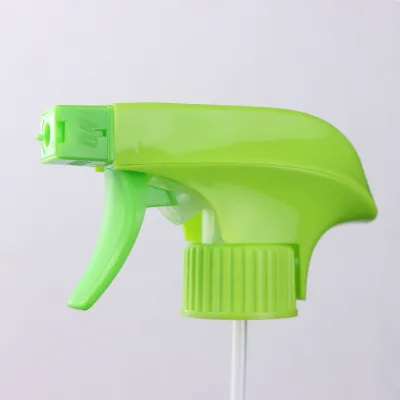
Understanding the technical architecture of the trigger sprayer is the first step in defining a successful procurement strategy. The core material for these units is consistently identified as Polypropylene (PP), a thermoplastic polymer known for its excellent fatigue resistance and ability to withstand repeated actuation without failure. This material choice is critical for maintaining the structural integrity of the "non-spill" mechanism, which relies on precise tolerances between the pump stem, the valve seat, and the actuator.
The physical dimensions of the sprayer are equally vital. Market observations indicate a prevalence of "Small" size classifications, designed to fit standard bottle necks without compromising the aesthetic profile of the final product. The closure size, often referred to as the thread specification, is a primary determinant of compatibility. Verified data points to specific standard threads such as 28/400, 28/410, 20/410, 24/410, 15/410, and 18/410. Buyers must verify that the selected sprayer matches the thread specification of their existing bottle inventory to ensure a leak-proof seal. The standard thread notation typically denotes the outer diameter of the thread in millimeters and the height of the thread in millimeters.
Furthermore, the nozzle configuration plays a pivotal role in the functionality of the sprayer. The available options include Foam, Spray, and Stream outputs. The "non-spill" feature is often engineered through specific internal valve designs that prevent dripping after actuation. This is frequently paired with a "Ratchet" closure option, which allows the user to lock the trigger in a specific position, preventing accidental discharge during transport or storage. The manufacturing technique is predominantly Injection Moulding, a process that ensures high consistency in the wall thickness and dimensional accuracy of the plastic components.
Compliance, Certification, and Regulatory Standards
In the B2B procurement of packaging components, compliance is not merely a formality but a prerequisite for market access. The supply chain for PP trigger sprayers is characterized by a rigorous adherence to international quality and safety standards. Verified product attributes indicate that suppliers in this sector frequently hold CE certification, which signifies conformity with health, safety, and environmental protection standards for products sold within the European Economic Area. Additionally, ISO certification is a common requirement, serving as a benchmark for quality management systems and ensuring that the manufacturing process is consistent and reliable.
When evaluating potential suppliers, buyers should request documentation that explicitly confirms the status of these certifications. It is important to note that while some listings mention both ISO and CE, others may list only one. The presence of these certifications suggests that the manufacturer has undergone third-party audits, but the buyer must verify the scope of these certifications to ensure they cover the specific product line being ordered.
Beyond general certifications, the material itself must comply with regulations regarding food contact and chemical safety, especially when the sprayer is intended for use with cleaning agents, sanitizers, or cosmetic products. The "Recyclable" attribute observed in the product data is a significant selling point for companies aiming to meet sustainability goals. However, buyers should verify the specific recycling codes and the feasibility of recycling the PP material in the destination market. Some products also carry attributes like "Degradable" or "Disposable," which require careful scrutiny to ensure these claims align with local waste management regulations and do not mislead end consumers regarding the product's environmental impact.
Cost Drivers and Pricing Dynamics
The pricing structure for non-spill PP trigger sprayers is influenced by a complex interplay of factors, including material costs, order volume, and customization requirements. The observed price range in the market is notably low, often falling between $0 and $0.90 USD per unit. This low unit cost is typical for high-volume plastic injection molded components, where economies of scale significantly reduce the per-unit price. However, buyers must be cautious of the Minimum Order Quantity (MOQ) requirements that accompany these attractive prices.
The MOQ for these products varies widely, with observed ranges spanning from 500 units to as high as 50,000 units. A specific data point highlights an MOQ of 20,000 pieces for certain models, indicating that smaller buyers may face challenges in accessing the lowest price tiers without aggregating demand. The cost drivers include the complexity of the nozzle design, the specific thread standard required, and the volume of the order. Customization, which is listed as "Available," will invariably increase the unit cost due to the setup fees for new molds and the longer lead times associated with custom production runs.
Sample availability is another cost consideration. Suppliers typically offer samples in small quantities, such as 5 pieces, to allow buyers to test the functionality and fit before committing to a large order. While these samples may be free or low-cost, the shipping fees can be significant relative to the unit price. Buyers should factor in the total cost of ownership, including the cost of samples, tooling fees for custom molds, and the logistics of shipping large volumes, rather than focusing solely on the base unit price.
Typical Applications and Market Segmentation
The versatility of the non-spill PP trigger sprayer allows it to serve a diverse range of industries. The primary application areas identified include cosmetics, cleaning products, salon treatments, and sanitizers. The "Industrial Use" classification often points to the cosmetics sector, where the sprayer is used for perfumes, lotions, and hair care products. The "Perfume Mist Spray" attribute suggests a specialized nozzle configuration designed for fine, even distribution, which is essential for high-end cosmetic packaging.
In the home cleaning sector, the sprayer is utilized for surface cleaners, glass cleaners, and general household disinfectants. The "Non Spill" feature is particularly valuable here, as it prevents product waste and ensures a clean application environment. The "Square" and "Oval" shape options allow for ergonomic handling and aesthetic differentiation in the retail space. The "Solid Cone" nozzle shape is another variation, likely designed for targeted application of cleaning agents or sanitizers.
The "Type" of product is broadly categorized as a "Trigger Sprayer," but the specific "Lock Type" (Screw/Crimp) and "Closure Option" (Ratchet) provide additional functionality for different use cases. For instance, a ratchet lock is essential for products that need to be stored upright without fear of accidental spraying, while a screw lock provides a more permanent seal for long-term storage. The "Packing" configuration, often 500 or 1000 pieces per carton, is designed to optimize logistics and storage efficiency for both the manufacturer and the end-user.
Supplier Evaluation and Sourcing Strategy
Selecting the right supplier requires a rigorous evaluation process that goes beyond price comparisons. Buyers should prioritize suppliers who demonstrate transparency in their manufacturing capabilities and quality control processes. The "Place of Origin" is a key factor, with verified data pointing to Zhejiang, China, as a major manufacturing hub for these components. This region is known for its mature plastic injection molding industry and a dense network of suppliers specializing in packaging.
When evaluating suppliers, buyers should verify the "Quality" attributes, such as the "Good" quality rating observed in some listings. This should be supported by tangible evidence, such as quality control reports, inspection certificates, and references from previous clients. The "Custom Order" acceptance indicates that the supplier is flexible and capable of adapting to specific client needs, which is crucial for brands looking to differentiate their products.
The "Delivery Time" is another critical metric, with a standard lead time of 25 days observed in the market. This timeline should be factored into the overall supply chain planning to avoid stockouts. Buyers should also consider the "prod_packing" details, such as the use of Paper Cartons or Carton Boxes, to ensure that the packaging is robust enough to protect the sprayers during transit. The "Shape" and "Color" options, such as the "White" color observed, should be confirmed to ensure they meet the brand's visual identity requirements.
Quality Control and Long-Term Procurement Considerations
Maintaining consistent quality is paramount in the procurement of trigger sprayers. The "Injection Mould" technique, while efficient, requires strict process control to prevent defects such as flash, warping, or dimensional inaccuracies. Buyers should implement a robust quality control protocol that includes pre-production sample approval, in-process inspections, and final random sampling. The "Feature" of being "Recyclable" and "Disposable" adds a layer of complexity to quality assurance, as the material must meet specific standards for recyclability without compromising the mechanical performance of the sprayer.
Long-term procurement considerations involve building a sustainable relationship with suppliers who can scale production as demand grows. The "MOQ" flexibility is a key indicator of a supplier's ability to accommodate fluctuating order volumes. Buyers should also consider the "Standard" specifications, such as the 28/400, 28/410, and 28/415 threads, to ensure compatibility with future product lines. The "prod_model" numbers, such as FP101, FP103, FP104, FP109, JD-103A, and JD-101F, serve as unique identifiers for specific product configurations and should be used to maintain consistency in ordering.
Finally, buyers should remain vigilant about the evolving regulatory landscape regarding plastic packaging. The "Recyclable" and "Degradable" attributes may become subject to stricter regulations in the future, requiring suppliers to adapt their material formulations. By maintaining a close relationship with suppliers and staying informed about industry trends, buyers can ensure a resilient and compliant supply chain for their non-spill PP trigger sprayer needs.
| Feature Category | Observed Attributes | Verification Requirement |
|---|---|---|
| Material | PP, Plastic | Confirm food-grade or chemical-resistant grade |
| Closure Size | 28/400, 28/410, 20/410, 24/410, 15/410, 18/410 | Match with bottle thread specifications |
| Nozzle Type | Foam, Spray, Stream, Solid Cone | Test spray pattern and droplet size |
| Certification | CE, ISO | Request valid certificate copies |
| MOQ Range | 500 - 50,000 PCS | Confirm minimum order for price tier |
| Lead Time | 25 Days | Verify production capacity and schedule |
| Packing | 500/1000 PCS/CTN, Paper Carton | Check carton strength and labeling |
| Features | Recyclable, Non Spill, Disposable | Validate claims with test data |
| Origin | China, Zhejiang | Confirm factory location and audit status |
In conclusion, sourcing non-spill PP trigger sprayers requires a methodical approach that balances technical specifications, regulatory compliance, and cost efficiency. By focusing on verified attributes such as material composition, thread standards, and certification status, buyers can make informed decisions that ensure product quality and supply chain reliability. The low unit cost and high customization potential make these components an attractive option for a wide range of industries, provided that the procurement process is managed with diligence and attention to detail.
FAQs
Can I get custom non spill pp trigger sprayers with specific nozzle types?
Yes, customization is available for these sprayers. You can select from foam, spray, or stream nozzle options to match your product needs. This allows you to tailor the dispensing mechanism for cosmetics, cleaning agents, or sanitizers while maintaining the non-spill functionality.
What certifications do Non Spill PP Trigger Sprayer manufacturers hold?
Verified manufacturers often hold CE and ISO certifications. These standards ensure the products meet health, safety, and quality management requirements for international markets. Buyers should request documentation to confirm the specific scope of these certifications for their order.
Which closure sizes are compatible with non spill pp trigger sprayers?
Common closure sizes include 28/400, 28/410, 20/410, and 24/410 threads. These specifications ensure a leak-proof seal with standard bottle necks. Always verify your bottle thread dimensions before ordering to guarantee compatibility with the selected sprayer model.
How long is the delivery time for Non Spill PP Trigger Sprayer orders?
The standard delivery time is approximately 25 days for production and shipping. This timeline applies to standard orders and may vary if customization or large volume orders are required. Plan your inventory accordingly to avoid stockouts during peak demand periods.
What is the minimum order quantity for non spill pp trigger sprayers?
Minimum order quantities typically range from 500 to 50,000 pieces depending on the model and customization. Some specific models may require an MOQ of 20,000 pieces. Buyers should confirm the exact MOQ with the supplier before finalizing their purchase agreement.
Are non spill pp trigger sprayers recyclable and environmentally friendly?
Yes, these sprayers are made from Polypropylene (PP) and are listed as recyclable. Some variants also feature degradable properties. This makes them suitable for brands aiming to meet sustainability goals, though local recycling regulations should be verified for the destination market.
Can I request samples before placing a large order for non spill pp trigger sprayers?
Suppliers typically provide samples in quantities of 5 pieces for testing purposes. These samples allow you to verify the fit, nozzle performance, and build quality. While the samples may be low cost, shipping fees often apply and should be factored into your total procurement budget.