Source non-toxic white liquid silicone mold for Car, Home, and Hardware
Compare 30 listings of non-toxic white liquid silicone mold from verified Chinese suppliers. Buyers can evaluate hardness, mixing ratios, and certifications like FDA and SGS for applications in car, household appliances, and hardware manufacturing; compare the available evidence and request quotations based on your requirements.
Updated
Key considerations
Products List

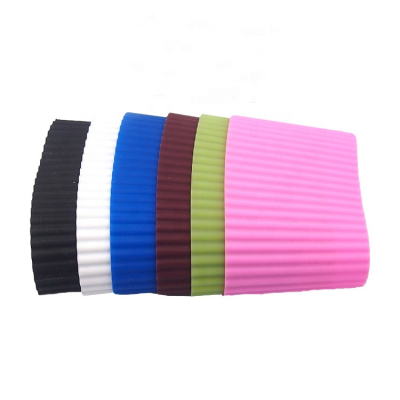
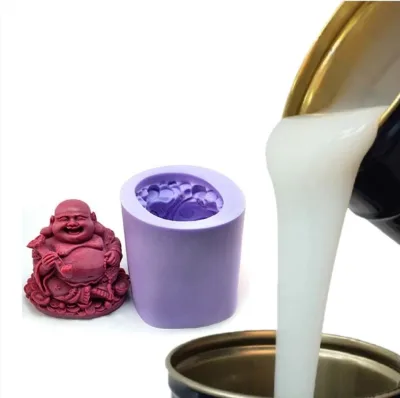
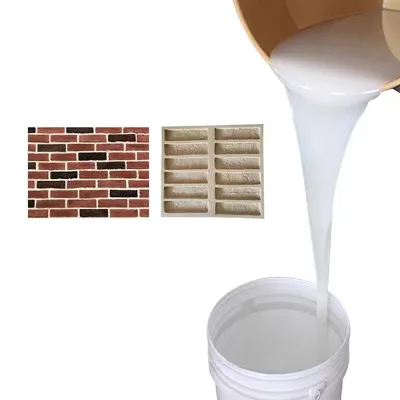

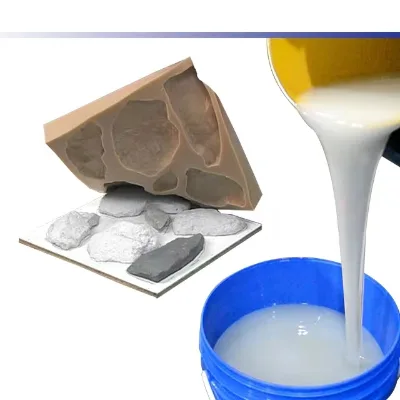

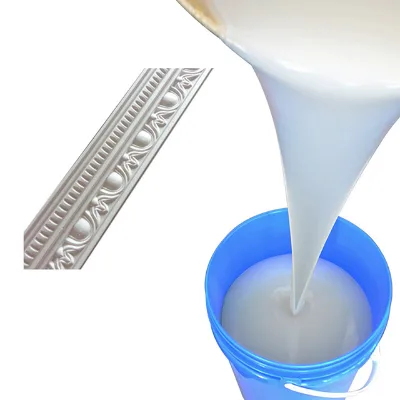
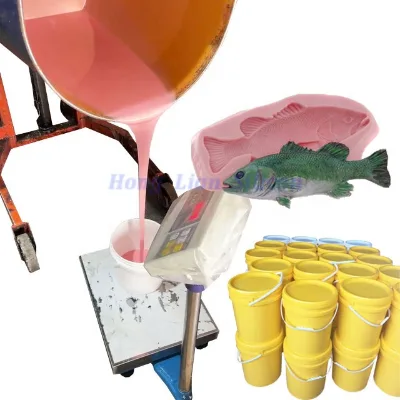
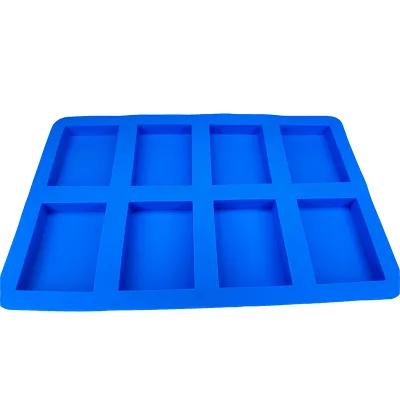
Silicone Liquid Food Grade Cheap Price Free Sample for Plaster Silicone Mold
$3.99 - $4.99
MOQ: 100 Minimum







Comprehensive Sourcing Guide
Non-Toxic White Liquid Silicone Mold Sourcing Guide
Sourcing non-toxic white liquid silicone mold materials requires a disciplined approach to verifying material safety and processing compatibility. Buyers must prioritize suppliers who explicitly declare food-grade or medical-grade compliance, as the term "non-toxic" is not a regulated standard in itself. The observed market data indicates a wide range of certifications, including FDA, ISO, and TSCE, which serve as critical indicators of regulatory adherence. Procurement teams should demand current, valid certificates for each batch rather than relying on generic company claims. This verification step is essential to ensure that the final molded products meet the stringent safety requirements of their target markets, whether for consumer goods, medical devices, or culinary applications.
Beyond certification, the physical properties of the silicone must align with the specific molding process. The available product listings reveal a variety of hardness ratings, ranging from 5 to 60 shoreA, and mixing ratios that vary between 1:1 and 100:2 by weight. These technical variables directly impact the viscosity, cure time, and final elasticity of the mold. Buyers need to match these specifications to their production equipment and design software, such as AutoCAD, to ensure seamless integration. Understanding these technical nuances prevents costly trial-and-error cycles and ensures that the liquid silicone performs predictably under industrial conditions, reducing waste and improving overall manufacturing efficiency.
Product Scope and Observed Listing Signals
The current market landscape for liquid silicone mold materials presents a diverse array of options, primarily centered in Guangdong, China. Listings frequently highlight features such as low shrinkage, high temperature resistance up to 250°C, and a shelf life of 10 to 12 months under controlled storage conditions. The observed price range is extensive, spanning from $0.1 to over $98,000, reflecting differences in volume, purity, and specialized formulations. Minimum order quantities also vary significantly, from single items to 2,000 units, catering to both prototyping needs and large-scale industrial production. This variability allows buyers to scale their procurement strategy according to immediate project demands and long-term supply chain stability.
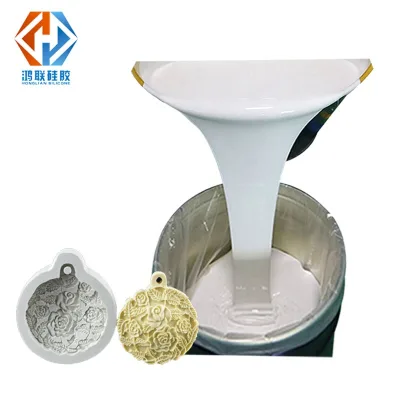
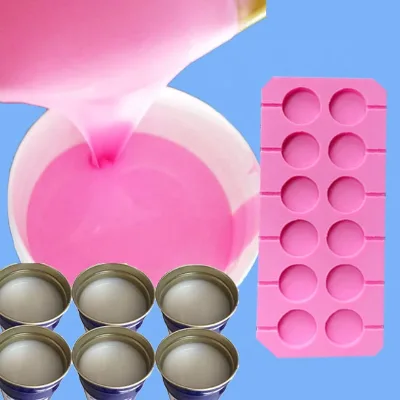
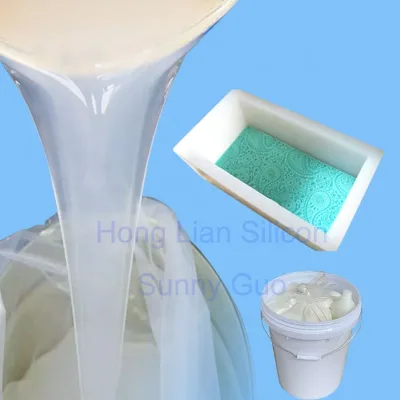
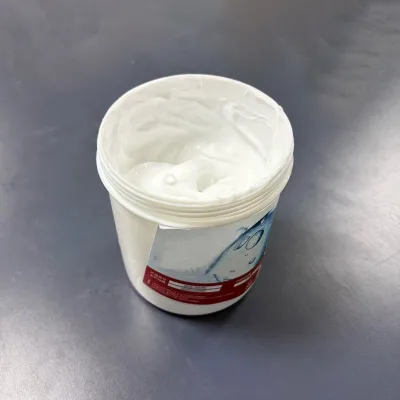
Visual and descriptive cues in product listings often emphasize the white or translucent color of the silicone, which aids in detecting air bubbles and ensuring uniform mixing. Many suppliers offer customization services, including OEM and ODM branding, which is crucial for companies looking to maintain brand consistency across their supply chain. The packaging formats typically include 1kg, 5kg, 20kg, and 200kg containers, providing flexibility for different storage capacities and usage rates. Buyers should carefully review these listing signals to identify suppliers who can meet their specific logistical and operational requirements, ensuring that the material arrives in optimal condition and is ready for immediate use upon delivery.
Technical Specifications to Verify
Verifying the hardness and mixing ratio is the first critical step in technical qualification. The observed data shows hardness values ranging from 10 to 40 shoreA, with some models offering a broader range of 0 to 60 shoreA. These variations determine the flexibility and durability of the final mold, which must withstand the specific stresses of the casting process. Additionally, the mixing ratio is a pivotal factor, with options including 1:1 by weight or volume, and other specialized ratios like 100:2. Incorrect mixing can lead to incomplete curing or compromised mechanical properties, so buyers must confirm the exact ratio required for their specific model number, such as INI-620 or INI-625, to ensure consistent results.
Temperature resistance and shelf life are equally important technical parameters that influence storage and application strategies. The silicone must resist temperatures from -60°C to 250°C, ensuring stability during both storage and high-temperature curing processes. Buyers should verify the recommended storage temperature, typically around 25°C, to maintain the 10 to 12-month shelf life. Furthermore, the single gross weight and package dimensions, such as 23x12x15 cm for certain models, impact logistics and handling. Understanding these specifications allows procurement teams to calculate accurate freight costs and plan warehouse storage efficiently, minimizing the risk of material degradation due to improper handling or environmental exposure.
Compliance and Safety Documentation
Compliance documentation is the cornerstone of sourcing non-toxic silicone, particularly for applications involving food contact or medical devices. Buyers must request and validate certificates such as FDA, MSDS, REACH, RoHS, and SGS for each product batch. These documents provide independent verification that the silicone does not contain harmful substances like heavy metals or volatile organic compounds. The presence of these certifications indicates that the supplier adheres to international safety standards, reducing legal and reputational risks for the buyer. It is essential to ensure that the certificates are current and specifically cover the model numbers being purchased, as formulations can vary between product lines.
In addition to regulatory certificates, buyers should review the Material Safety Data Sheet (MSDS) to understand handling precautions and emergency procedures. The MSDS provides critical information on first aid measures, fire-fighting methods, and accidental release procedures, ensuring workplace safety. Buyers must also verify that the supplier provides clear instructions for proper storage and disposal, which are vital for maintaining compliance with environmental regulations. By thoroughly reviewing these documents, procurement teams can establish a robust safety protocol, protecting both their employees and the end-users of the final molded products from potential health hazards associated with improper material handling.
Cost Drivers and Commercial Terms
Several factors influence the total cost of ownership for liquid silicone mold materials, including raw material quality, certification level, and packaging. High-purity silicone with comprehensive certifications typically commands a premium price, but this investment is justified by reduced defect rates and enhanced product safety. Buyers should also consider the minimum order quantity (MOQ) and its impact on unit pricing, as larger orders often result in significant discounts. The observed MOQ range of 1 to 2,000 units allows for flexible purchasing, but buyers must balance inventory holding costs against the benefits of bulk pricing. Understanding these cost drivers helps in negotiating favorable terms and optimizing the overall procurement budget.
Shipping and logistics costs are another significant component, especially when sourcing from international suppliers in Guangdong, China. The port of shipment, typically Shenzhen, affects transit times and freight expenses. Buyers should factor in customs duties, insurance, and handling fees when calculating the landed cost. Additionally, the availability of free samples can reduce initial testing costs, allowing buyers to evaluate material performance before committing to large orders. By carefully analyzing these commercial terms, procurement teams can develop a cost-effective sourcing strategy that aligns with their financial goals and operational requirements, ensuring value for money without compromising on quality or safety.
Supplier Qualification and Quality Control
Supplier qualification involves a rigorous assessment of manufacturing capabilities, quality management systems, and customer support. Buyers should verify the supplier’s production capacity, lead times, and ability to provide consistent quality across batches. The observed data highlights suppliers with 20 years of experience, which can be a strong indicator of reliability and expertise. However, experience alone is not sufficient; buyers must also evaluate the supplier’s quality control processes, including incoming material inspection, in-process monitoring, and final product testing. Requesting detailed quality reports and audit results can provide valuable insights into the supplier’s commitment to maintaining high standards.
Effective communication and technical support are also critical aspects of supplier qualification. Buyers should assess the supplier’s responsiveness to inquiries, their ability to provide technical guidance on mixing and curing processes, and their willingness to accommodate custom requirements. The availability of customization services, such as OEM branding and tailored packaging, can add significant value to the procurement process. By selecting a supplier with strong technical support and flexible manufacturing capabilities, buyers can ensure a smooth collaboration and mitigate potential risks associated with supply chain disruptions or quality issues. This proactive approach to supplier selection fosters long-term partnerships and enhances overall supply chain resilience.
Long-Term Procurement Checks
Establishing a robust long-term procurement strategy requires continuous monitoring of supplier performance and market trends. Buyers should regularly review supplier delivery times, product quality, and compliance documentation to ensure ongoing adherence to agreed-upon standards. Implementing a supplier scorecard system can help track key performance indicators and identify areas for improvement. Additionally, staying informed about changes in regulatory requirements and industry standards is essential to maintain compliance. Buyers should proactively engage with suppliers to discuss potential updates in product formulations or certifications, ensuring that their sourcing strategy remains aligned with current best practices and legal obligations.
Diversifying the supplier base is another critical aspect of long-term risk management. Relying on a single supplier can expose buyers to significant risks, such as production delays or quality inconsistencies. By cultivating relationships with multiple qualified suppliers, buyers can ensure continuity of supply and negotiate better terms. Regularly evaluating alternative sources and conducting periodic market research can help identify new opportunities for cost savings and innovation. This strategic approach to supplier management not only mitigates risks but also enhances the buyer’s ability to adapt to changing market conditions, ensuring a stable and efficient supply chain for non-toxic white liquid silicone mold materials.
FAQs
What certifications are available for non-toxic white liquid silicone mold?
The product holds TSCE, ISO, and FDA certifications. Additional certificates include MSDS, Reach, RoHS, and SGS. These credentials ensure the material meets international safety and quality standards for various applications.
How is the mixing ratio for non-toxic white liquid silicone mold determined?
The mixing ratio varies by model. Some models use a 100:2 ratio by weight, while others use a 1:1 ratio by weight. Always check the specific model number, such as INI-620 or INI-610, to determine the correct proportion for your needs.
Can I customize the hardness of non-toxic white liquid silicone mold?
Yes, customization is available with hardness options ranging from 5 to 40 shoreA or 0 to 60 shoreA depending on the series. Specific models like INI-625 offer 25 shoreA, while INI-620 provides 20 shoreA. You can select the ideal consistency for your mold-making project.
What is the shelf life of non-toxic white liquid silicone mold?
The shelf life is typically 12 months when stored under 25°C. Some product listings indicate a shelf life of 10 months or 12 months. Proper storage conditions are essential to maintain the liquid rubber's performance and ensure optimal results during application.
Which packaging options are provided for non-toxic white liquid silicone mold?
Packaging is available in 1kg, 5kg, 20kg, 25kg, and 200kg containers. The single gross weight ranges from 1.5kg to 2.0kg depending on the package size. This flexibility allows buyers to choose the most suitable quantity for their production volume and logistical requirements.
Where is the non-toxic white liquid silicone mold manufactured?
The product originates from Guangdong, China. The brand name is OEM ODM or INIBABA. The port of shipment is Shenzhen port. This location supports efficient logistics and supply chain management for international buyers seeking reliable sourcing partners.