Source Handmade Crystal Soy Scented Candles for Home, Yoga, and Travel
Compare 30 listings of Handmade Crystal Soy Scented Candles featuring glass containers, cotton wicks, and diverse scents like lavender and sandalwood. Buyers can evaluate sizes, weights, and packaging options for home, yoga, and travel applications; compare the available evidence and request quotations based on your requirements.
Updated
Key considerations
Products List
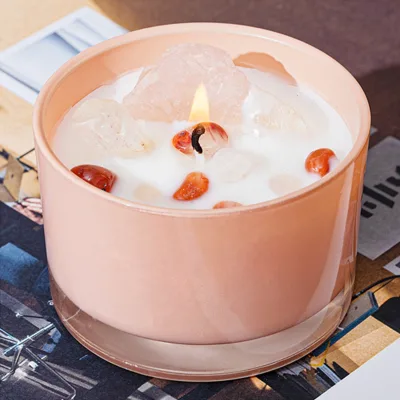


Handmade Soy Wax Scented Candles Covered with Yarn Glass Scented Candles
$1.24 - $1.39
MOQ: 100 Pieces


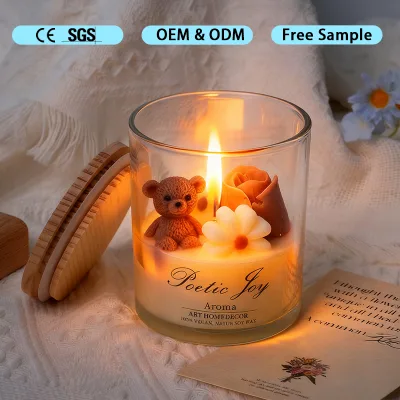
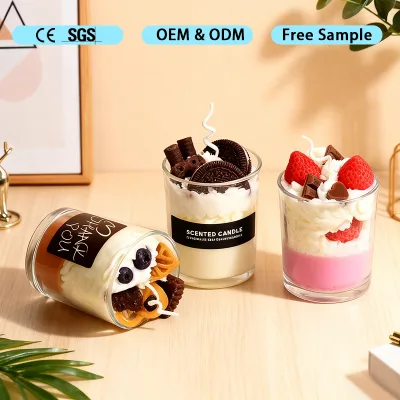
Custom Handmade Dried Flower Scented Valentine's Day Crystal Soy Cup Glass Candle
$3.20 - $3.60
MOQ: 1000 Pieces


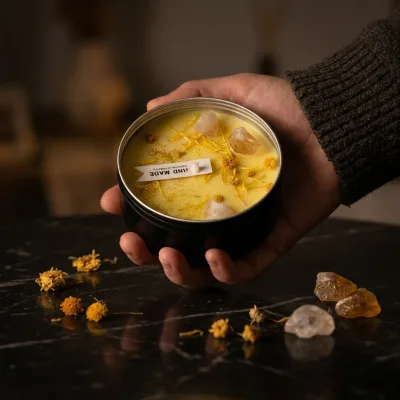
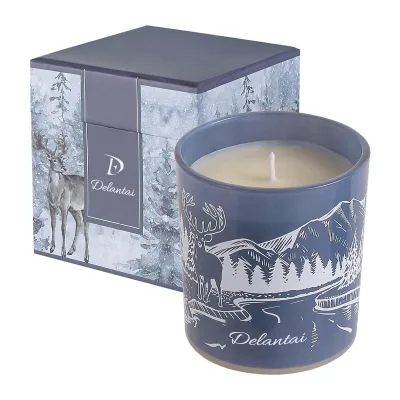
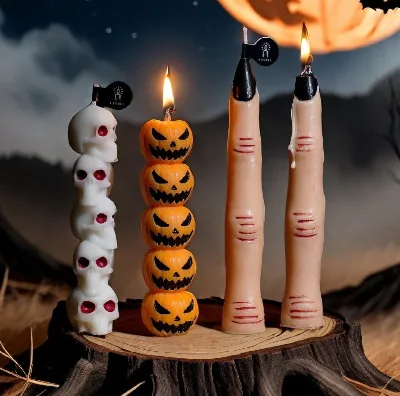


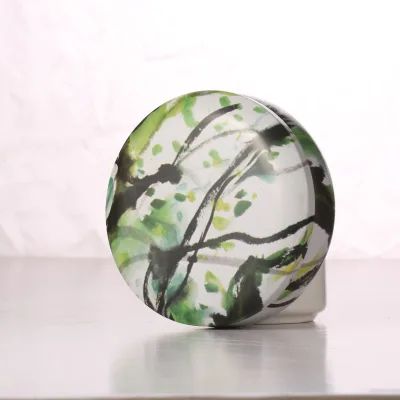
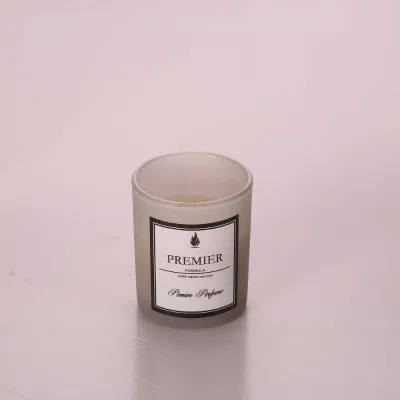
Colored Glass Crystal Soy Wax Scented Candles Wedding Companion Crystal Candles
$2.35 - $2.61
MOQ: 1000 Pieces

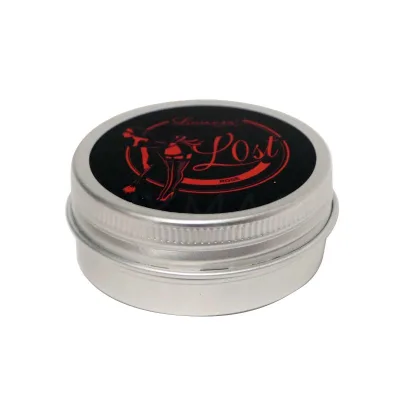

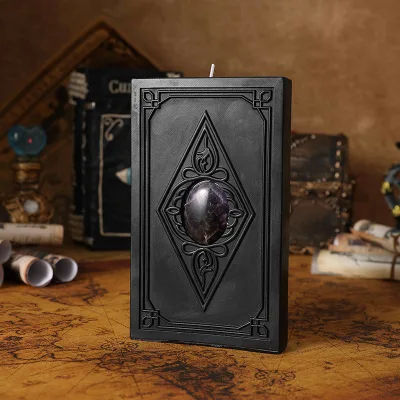
Comprehensive Sourcing Guide
Handmade Crystal Soy Scented Candles Sourcing Guide
Sourcing Handmade Crystal Soy Scented Candles requires a nuanced understanding of material composition, artisanal production methods, and specific usage environments. These products blend aesthetic appeal with functional aromatherapy, targeting markets that value both visual design and olfactory experience. Buyers must distinguish between generic mass-produced items and true handmade variants, which often command higher prices due to labor-intensive crafting processes. The integration of crystal elements or decorative containers adds complexity to the supply chain, requiring careful attention to packaging integrity and product durability during transit.
The procurement landscape for these candles is characterized by a wide variety of scent profiles and container styles, ranging from modern minimalist designs to more ornate presentations. Suppliers often offer extensive customization options, allowing buyers to tailor scents, packaging, and branding to specific niche markets. However, this flexibility introduces challenges in quality consistency and lead time management. Buyers need to establish clear specifications early in the negotiation process to ensure that the final product aligns with their brand identity and customer expectations, particularly regarding the authenticity of the "handmade" claim and the quality of the soy wax base.
Product Scope and Observed Listing Signals
The observed product range includes various sizes, from small cups weighing 248g to larger variants at 358g, with standard weights like 150g, 240g, and 85g also prevalent. These candles are typically packaged in boxes, with specific dimensions such as 89 cm for individual units and larger carton sizes like 45.533.5*25.5 cm for bulk shipping. The fragrances offered are diverse, including Sandalwood, Rose, Lavender, Eucalyptus, and specialized scents like Wormwood and Frankincense, catering to different therapeutic and decorative needs. This variety suggests a mature supply chain capable of handling complex scent formulations and multiple SKUs simultaneously.
Applications for these candles span prayer rooms, homes, gyms, cars, and yoga studios, indicating a broad market appeal. The usage categories highlight their role in health care, fresh air purification, and decoration, with some products specifically designed for meditation and odor removal. The presence of cotton wicks and soy wax materials points to a focus on cleaner burning and natural ingredients. Buyers should note that while "crystal" is in the core keyword, the observed data emphasizes glass containers and soy wax, suggesting that the "crystal" aspect may refer to decorative elements or specific product lines not fully detailed in the general listing signals.
Technical Specifications to Verify
Verifying the physical dimensions and weight of the candles is crucial for logistics planning and shelf placement. Observed specifications include product sizes of 8080mm, 7.58.3 cm, and 67.4 cm, with corresponding packing sizes that must be accounted for in freight calculations. The weight variations, from 6085g to 300g, impact the overall shipping cost and the perceived value of the product. Buyers must confirm whether the stated weights include the container or just the wax, as this affects the net content and pricing structure. Additionally, the diffusion range of 15-20 square meters provides a benchmark for evaluating the effectiveness of the fragrance throw in different room sizes.
The material composition, specifically the use of soy wax and plant essential oils, is a key technical differentiator. Buyers should request detailed ingredient lists to ensure the absence of harmful additives and to verify the purity of the essential oils used. The craftsmanship method, described as "handmake," requires verification through factory audits or sample analysis to ensure consistency in quality. Furthermore, the wick type, identified as cotton, should be checked for burn performance, including smoke production and tunneling tendencies. These technical details are essential for ensuring that the product meets safety standards and delivers the expected user experience.
Compliance and Safety Documentation
Safety compliance is paramount for candles, especially those marketed for health care and meditation purposes. Buyers must ensure that suppliers provide relevant safety data sheets and test reports for flammability, toxicity, and chemical composition. While specific certifications like ISO 9001, CE, and REACH are mentioned in background contexts, their applicability to the specific product batch must be confirmed. Buyers should request evidence of compliance with international safety standards, such as ASTM or EN standards for candle safety, to mitigate liability risks. This is particularly important for products intended for use in sensitive environments like prayer rooms or gyms.
Documentation should also cover the origin of materials, particularly the soy wax and essential oils, to ensure ethical sourcing and traceability. Buyers need to verify that the suppliers adhere to regulations regarding labeling, including accurate ingredient disclosure and warning labels. The presence of "customized" packaging options suggests that buyers may need to manage their own compliance requirements for branding and labeling in their target markets. Establishing a clear chain of custody for raw materials helps in maintaining product integrity and addressing any potential recalls or quality issues efficiently.
Cost Drivers and Commercial Terms
The cost of Handmade Crystal Soy Scented Candles is influenced by several factors, including the complexity of the design, the quality of raw materials, and the labor intensity of the handcrafting process. Observed price ranges vary, reflecting differences in size, scent complexity, and packaging. Buyers should analyze the cost breakdown to understand the proportion attributed to materials versus labor. The MOQ ranges from 2 to 1000 units, offering flexibility for small businesses and larger retailers alike. However, lower MOQs may come with higher per-unit costs, so buyers should evaluate the trade-off between inventory risk and unit price.
Commercial terms such as lead times, payment terms, and shipping responsibilities significantly impact the total cost of ownership. Buyers should negotiate clear terms for customization, including any additional fees for mold creation or special packaging. The origin of the products, primarily from China and Hebei, affects shipping costs and import duties. Understanding the Incoterms agreed upon is essential for accurate cost forecasting. Additionally, buyers should consider the potential for volume discounts and long-term partnership benefits, which can offset higher initial costs associated with premium handmade products.
Supplier Qualification and Quality Control
Qualifying suppliers for handmade candles requires a thorough assessment of their production capabilities and quality control systems. Buyers should conduct factory audits to verify the "handmade" claim and ensure that production processes are consistent and scalable. The presence of multiple product models, such as ZHXL-558 and ZHXL-458, indicates a diverse product line, so buyers must ensure that quality standards are maintained across all SKUs. Requesting samples from different production batches is essential to assess consistency in scent, burn quality, and aesthetic appeal.
Quality control measures should include pre-shipment inspections to check for defects in the wax, container, and packaging. Buyers should establish clear acceptance criteria for visual defects, scent strength, and burn performance. The packing quantity and weight, such as 24 units per box weighing 15.4kg, must be verified to ensure accurate inventory management. Suppliers with robust QC processes will provide detailed inspection reports and be willing to address any non-conformities promptly. Building a strong relationship with the supplier through regular communication and feedback loops can help maintain high quality standards over time.
Long-Term Procurement Checks
Long-term procurement success depends on continuous monitoring of supplier performance and market trends. Buyers should regularly review supplier metrics, including on-time delivery rates, defect rates, and responsiveness to issues. The dynamic nature of the aromatherapy market means that scent preferences and packaging trends evolve rapidly. Buyers must stay informed about emerging scents and design innovations to keep their product offerings relevant. Engaging in periodic business reviews with suppliers can help identify opportunities for improvement and collaboration on new product development.
Sustainability and ethical sourcing are increasingly important factors in long-term procurement strategies. Buyers should assess the supplier's commitment to sustainable practices, such as using renewable materials and minimizing waste. The origin of the products, particularly from specific regions like Hebei, may have implications for supply chain resilience and geopolitical risks. Diversifying the supplier base can mitigate these risks and ensure continuity of supply. By maintaining a proactive approach to supplier management and market analysis, buyers can secure a competitive advantage in the handmade candle market.
FAQs
What scents are available for these handmade soy candles?
A wide variety of fragrances is available, including Sandalwood, Rose, Lavender, Peppermint, Ocean, Eucalyptus, Cinnamon, Chamomile, Agalloch, Wormwood, Vanilla, Tea Tree, Lemon, Jasmine, and Frankincense. These scents are derived from plant essential oils and soy wax, offering moderate strength suitable for home, prayer rooms, gyms, and cars.
What container materials and styles are used for these candles?
The candles are primarily housed in glass containers with a modern style. Some variants feature black color options. The craftsmanship is handmade, utilizing soy wax as the primary waxy material. Cotton wicks are used for burning, ensuring a clean and steady flame for everyday use, decoration, and health care applications.
What are the standard sizes and weights for these products?
Products come in Small, Medium, and Large sizes. Specific weights include 150g, 240g, 85g, 300g, 248g for small cups, and 358g for big cups. Dimensions vary, with some measuring 80*80mm, 7.5*8.3, or 60*85. Packaging sizes also differ, such as 8*9 or 45.5*33.5*25.5, depending on the specific model and quantity per box.
Can these candles be customized for specific branding needs?
Yes, customization is available for these handmade soy scented candles. Buyers can request specific packaging options, including customized boxes or standard packaging boxes. The product origin is China, with some specific models originating from Hebei. This flexibility allows businesses to tailor the aesthetic and functional aspects to their target market requirements effectively.
What is the fragrance diffusion range for these soy candles?
The fragrance diffusion range is typically 15-20 square meters. This moderate scent strength makes them suitable for various indoor environments, including prayer rooms, homes, gyms, and cars. The use of plant essential oils ensures a pleasant aroma that supports fresh air, meditation, yoga, and odor removal without being overpowering in standard room sizes.
What are the typical packaging quantities and weights per box?
Packaging quantities vary by model, with some boxes containing 24 units and others 36 units. The packing weight for a box containing 24 units is approximately 15.4kg. Standard packaging includes boxes, while customized packaging options are also available. These details help buyers calculate shipping costs and storage requirements accurately for bulk orders.