Source eco-friendly silicone candlestick holder for Wedding, Christmas, Home Decor
Compare 30 listings for eco-friendly silicone candlestick holder options suitable for wedding, Christmas, and home decorative applications. Buyers can review specifications, customization availability, and MOQs to find the right supplier; compare the available evidence and request quotations based on your requirements.
Updated
Key considerations
Products List
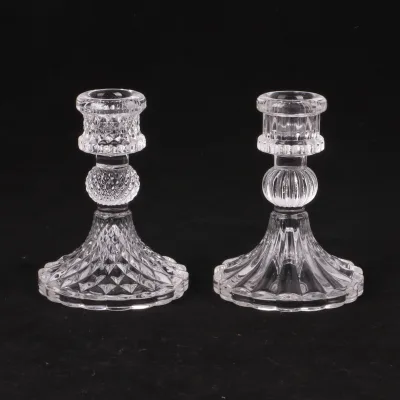
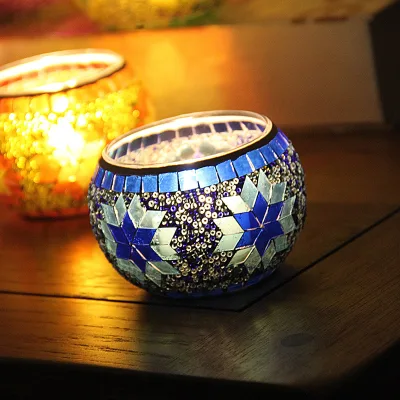

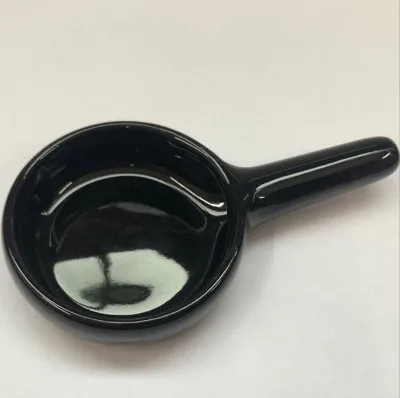
$2.8856 - $3.2978
MOQ: 50 pieces


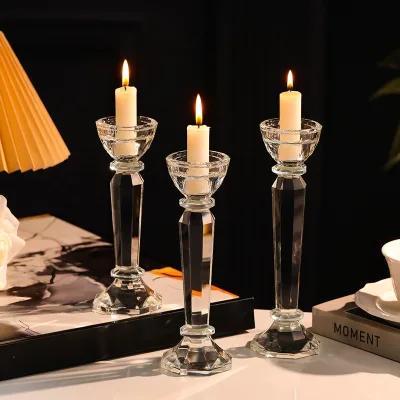
Candle Holders Decorative Candlestick Holder Crystal Glass Candle Holder
$4.99 - $5.90
MOQ: 100 Pieces
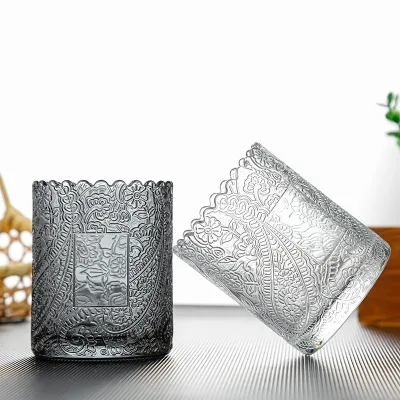


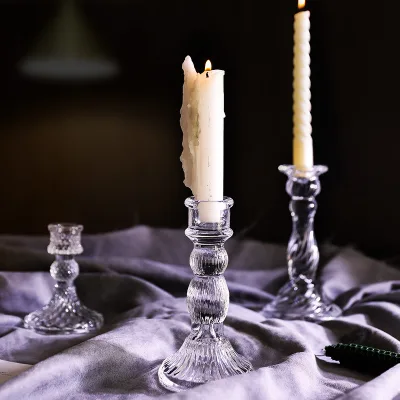
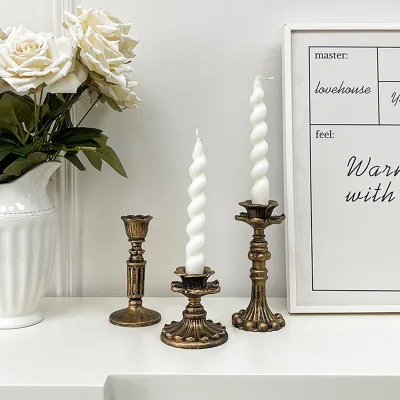


2.5oz Embossed Glass Candle Holder/Candlesticker with Metal Lid / Glass Storage Jar
$0.105 - $0.135
MOQ: 20000 Pieces






Comprehensive Sourcing Guide
Eco-Friendly Silicone Candlestick Holder Sourcing Guide
Sourcing eco-friendly silicone candlestick holders requires a nuanced understanding of material properties, manufacturing processes, and supplier capabilities. While the core keyword emphasizes silicone, the observed market data reveals a diverse landscape of materials, including metal, aluminum, and mixed compositions. Buyers must carefully distinguish between genuine silicone products and those marketed with similar aesthetic qualities but different material bases. This distinction is critical for meeting specific sustainability goals and functional requirements, such as heat resistance and durability. The presence of various materials in listings indicates that buyers should verify the exact composition of each product to ensure it aligns with their eco-friendly criteria.
The procurement process also involves navigating a wide range of product specifications, from small decorative items to larger, functional holders. Observed data shows products with dimensions ranging from 8x10.2cm to larger sets, with various finishes like gold, matte black, and polished surfaces. These variations impact not only the visual appeal but also the manufacturing complexity and cost. Buyers need to establish clear specifications early in the sourcing process to avoid misunderstandings with suppliers. Understanding the specific design requirements, such as customization options or OEM/ODM capabilities, is essential for finding a supplier who can deliver the desired product quality and style.
Product Scope and Observed Listing Signals
The current market for candlestick holders includes a variety of styles, from European classical designs to modern, functional pieces. Observed listings highlight products with specific shapes, such as cylinders, and applications ranging from wedding decor to Christmas decorations. These signals suggest that buyers should look for suppliers who offer a broad range of design options to cater to different market segments. The presence of customization options, including ODM and OEM services, indicates that many suppliers are willing to tailor products to specific buyer needs. This flexibility is a valuable asset for buyers looking to create unique product lines or private label offerings.
In addition to design, the observed data points to various packaging and shipping configurations, such as 3PCS/set or 1PC/OPP bag. These details are crucial for logistics planning and cost estimation. Buyers should pay close attention to the packaging specifications to ensure they align with their distribution channels and sustainability goals. The mention of carton quantities, such as 40 sets per carton, provides insight into the supplier's production scale and shipping efficiency. Understanding these logistical details helps buyers make informed decisions about inventory management and supply chain optimization.
Technical Specifications to Verify
Verifying technical specifications is paramount when sourcing candlestick holders, particularly those claimed to be eco-friendly. Buyers must confirm the exact material composition, as observed data includes metal, aluminum, and potentially silicone options. It is essential to request material safety data sheets (MSDS) and test reports to verify the absence of harmful substances. For silicone products, buyers should inquire about the grade of silicone used, such as food-grade or medical-grade, depending on the intended application. This verification ensures that the product meets safety standards and aligns with eco-friendly claims.
Dimensions and tolerances are another critical area for verification. Observed listings show sizes ranging from 8cm to 33cm, with specific diameters and heights. Buyers should confirm these dimensions with the supplier to ensure they meet their design requirements. Additionally, surface treatments, such as painting or polishing, should be verified for durability and aesthetic consistency. Requesting samples is a practical step to assess the quality of materials and finishes. This hands-on evaluation helps buyers identify potential issues before committing to large orders.
Compliance and Safety Documentation
Compliance with safety standards is non-negotiable for candlestick holders, especially those used in decorative or functional settings. Buyers should request documentation proving compliance with relevant international standards, such as EN 15493, EN 15426, and EN 15494, if applicable to the product type. These standards often relate to safety requirements for decorative items and lighting accessories. Verifying compliance ensures that the products are safe for consumers and reduces the risk of liability issues. Buyers should also inquire about any additional certifications, such as ISO 9001 for quality management, which indicate a supplier's commitment to consistent quality.
In addition to product-specific standards, buyers should verify the supplier's overall compliance with environmental regulations. This includes checking for certifications related to sustainable manufacturing practices and waste management. For eco-friendly claims, buyers should look for evidence of responsible sourcing and production methods. Requesting third-party audit reports can provide additional assurance of the supplier's compliance efforts. This due diligence helps buyers build a supply chain that aligns with their corporate social responsibility goals and regulatory requirements.
Cost Drivers and Commercial Terms
Understanding the cost drivers for candlestick holders is essential for effective budgeting and negotiation. Key factors include material costs, manufacturing complexity, and customization requirements. Observed data shows a wide price range, from $0.1 to $20, reflecting the diversity of products and quality levels. Buyers should analyze these costs in relation to the product specifications and desired quality. Customization options, such as OEM/ODM services, may incur additional costs, which should be factored into the total procurement budget. Understanding these drivers helps buyers make informed decisions about product selection and supplier engagement.
Commercial terms, including MOQ and lead times, also significantly impact procurement costs. Observed MOQs range from 2 pieces to 20,000 pieces, offering flexibility for different order sizes. Buyers should negotiate terms that align with their inventory management strategy and cash flow requirements. Lead times, while not explicitly stated in the observed data, are a critical factor in supply chain planning. Buyers should establish clear expectations with suppliers regarding production schedules and delivery timelines. Effective negotiation of these terms can lead to cost savings and improved supply chain efficiency.
Supplier Qualification and Quality Control
Supplier qualification is a critical step in ensuring the reliability and quality of candlestick holders. Buyers should conduct thorough due diligence on potential suppliers, including verifying their business licenses, production capabilities, and quality control processes. Observed data indicates that many suppliers are located in China, particularly in Guangdong province, which is known for its manufacturing expertise. Buyers should assess the supplier's experience in producing similar products and their ability to meet specific requirements. Requesting references and conducting factory audits can provide valuable insights into the supplier's operational standards.
Quality control measures should be clearly defined and agreed upon with the supplier. This includes establishing inspection criteria, sampling plans, and acceptance standards. Buyers should consider implementing third-party inspection services to verify product quality before shipment. Observed data highlights the importance of after-sales service, with some suppliers offering 7*24h support. This level of service can be beneficial in resolving any issues that arise post-delivery. Establishing a robust quality control framework helps buyers maintain product consistency and customer satisfaction.
Long-Term Procurement Checks
Long-term procurement success depends on continuous monitoring and evaluation of supplier performance. Buyers should establish key performance indicators (KPIs) to track metrics such as on-time delivery, product quality, and responsiveness. Regular communication with suppliers is essential for addressing any issues promptly and maintaining a strong partnership. Observed data suggests that suppliers offering customization and design services can be valuable long-term partners for product development. Buyers should leverage these capabilities to innovate and stay competitive in the market.
Sustainability should remain a core focus in long-term procurement strategies. Buyers should regularly review their suppliers' environmental practices and encourage continuous improvement. This may involve collaborating on initiatives to reduce waste, energy consumption, and carbon footprint. Observed data highlights the availability of eco-friendly options, such as sustainable materials and processes. By prioritizing sustainability, buyers can enhance their brand reputation and meet the growing demand for environmentally responsible products. Long-term checks ensure that procurement practices align with evolving market trends and regulatory requirements.
FAQs
What materials are used for these candle holders?
The candle holders are constructed from metal and aluminium materials. This combination provides structural durability while maintaining a lightweight profile for easy handling and placement. The metal components ensure stability, while the aluminium adds to the overall aesthetic finish and longevity of the decorative piece.
What sizes are available for the candlestick holders?
Available specifications include sizes of 23, 28, and 33 cm. Additionally, diameter options of 8 cm or 10 cm are offered. The product is also categorized by medium sizing. These varied dimensions allow buyers to select the appropriate scale for different decorative settings or specific candle types.
Can the candle holders be customized for branding?
Yes, customization is available for these decorative items. The product supports both ODM and OEM design services. This flexibility allows buyers to tailor the appearance or specifications to match specific brand requirements or unique project needs, ensuring the final product aligns perfectly with their intended market or event theme.
What is the minimum order quantity for these items?
The minimum order quantity varies by product variant. Some items require a minimum of 2 pieces, while others specify 40 sets or 200 pieces. Buyers should check the specific product listing for the exact MOQ. This range accommodates both small trial orders and larger bulk procurement needs for various business scales.
Where are these candle holders manufactured?
These products originate from China, specifically from the Guangdong region. The manufacturing location ensures access to established supply chains and production capabilities. Buyers can expect consistent quality standards associated with this production hub, which is known for its expertise in metal and aluminium decorative goods manufacturing.
What surface treatments are applied to the metal?
The metal surfaces undergo specific finishing processes such as painting or polishing. Some variants feature a gold or matte black finish. These treatments enhance the visual appeal and protect the material. The choice of surface treatment contributes to the overall style, whether European classical or modern, ensuring durability and aesthetic consistency.