Source Handmade Eco Friendly Flower Vase for Table Centerpiece, Gift, Decorative
Compare 30 Handmade Eco Friendly Flower Vase options from Chinese manufacturers. Buyers can review models like Industrial Wood Vase-090J and Plastic Vase-089A with varying sizes, finishes, and OEM customization for table centerpieces, gifts, and decorative collection use; compare the available evidence and request quotations based on your requirements.
Updated
Key considerations
Products List


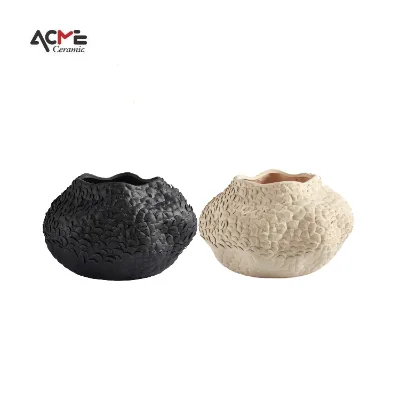
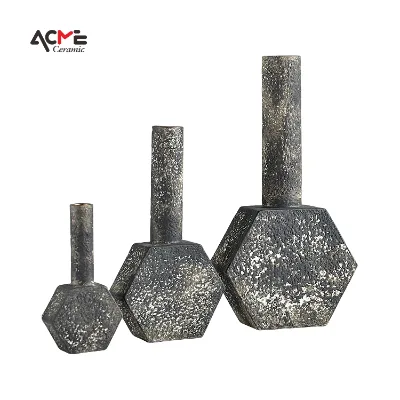

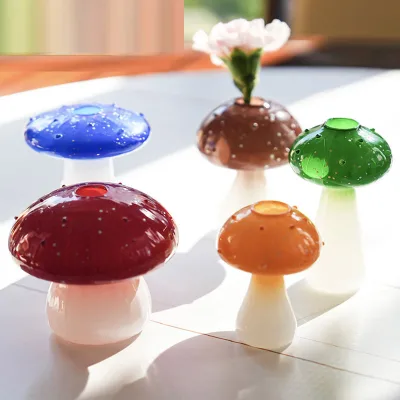
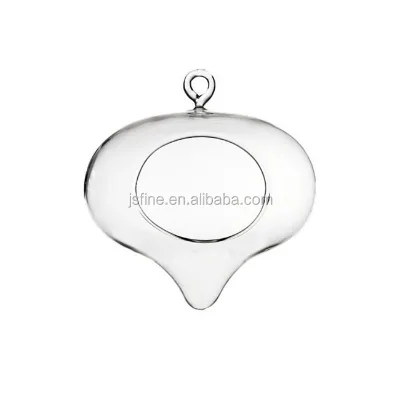
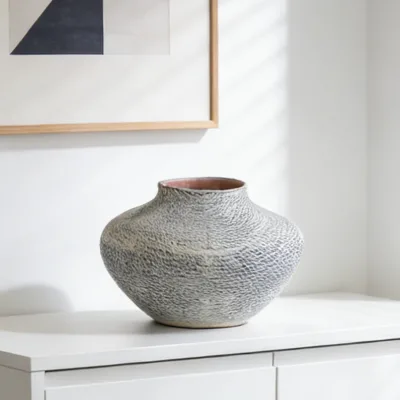
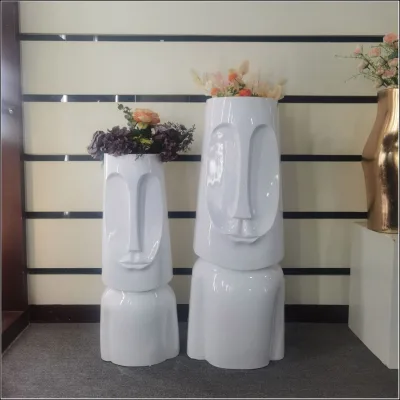
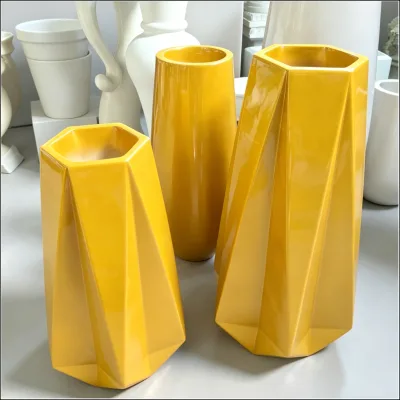
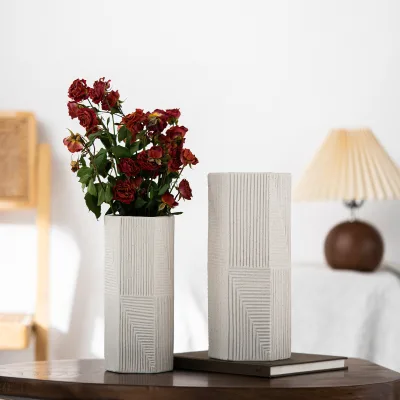
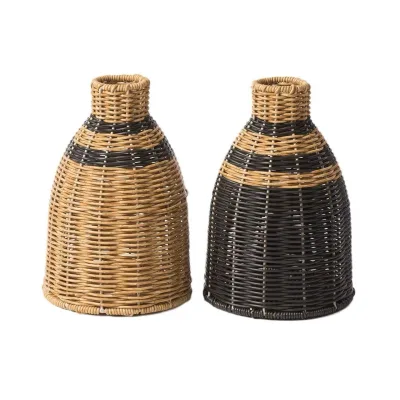
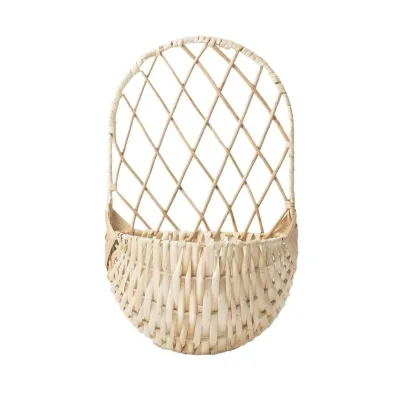
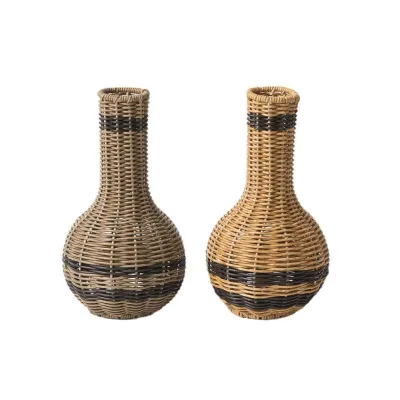
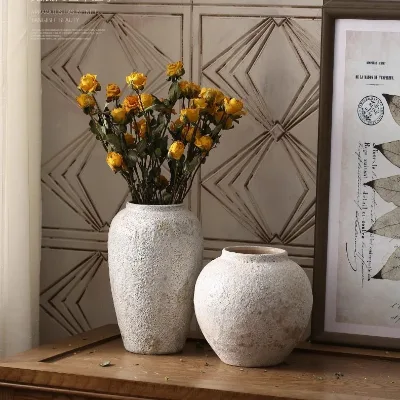



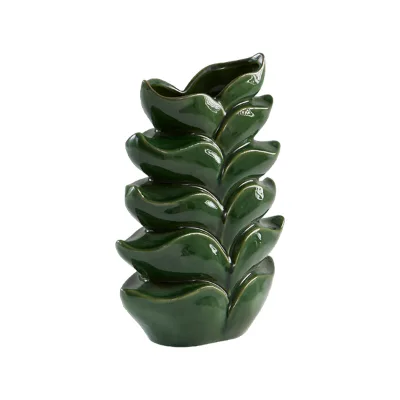
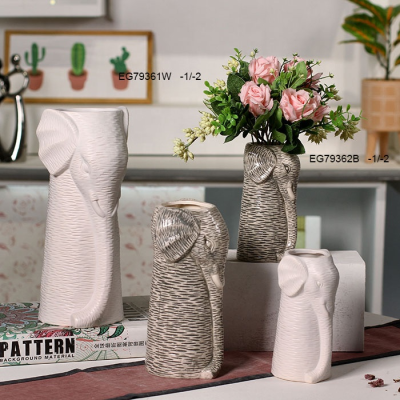
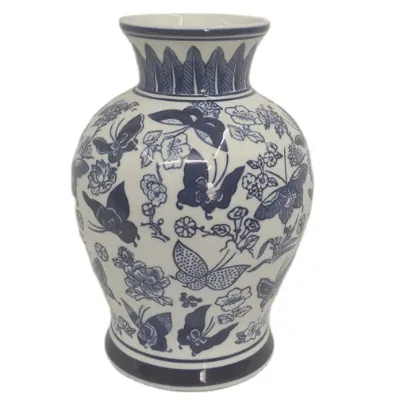
Flower Vase Blue and White Ceramic, New, Vintage, Chinese, Decorative Home
$9.0809 - $33.723
MOQ: 300 Minimum
Comprehensive Sourcing Guide
Handmade Eco Friendly Flower Vase Sourcing Guide
Procuring handmade eco-friendly flower vases requires a nuanced understanding of material authenticity and artisanal production methods. Buyers must distinguish between mass-produced items labeled as "eco" and genuinely sustainable products crafted from renewable or recycled resources. The market offers various interpretations of this term, ranging from bamboo and reclaimed wood to recycled glass and biodegradable clays. Understanding these distinctions is critical for aligning procurement with corporate sustainability goals and consumer expectations.
Verification of the "handmade" claim is equally important, as it impacts both product uniqueness and production scalability. True handmade items often exhibit slight variations that serve as markers of authenticity but may complicate quality control for large orders. Sourcing guides should emphasize the need for clear communication with suppliers regarding production techniques, ensuring that the final product meets both aesthetic standards and environmental commitments without compromising on durability or safety.
Product Scope and Observed Listing Signals
The current market landscape for handmade eco-friendly vases includes a diverse array of materials and styles, as evidenced by observed listings. Products range from industrial wood vases with natural finishes to polished plastic alternatives and blown glass designs. Specific models such as the Industrial Wood Vase-090J and Plastic Vase-089A highlight the variety in design, from solid fashion styles to customized packaging options. These signals indicate that buyers can find options suitable for table centerpieces, gifts, or decorative collections, though material composition varies significantly.
Observed specifications reveal a wide range of sizes and glaze types, from large glass vases with color glazes to medium-sized transparent options. Models like GA226-35P and glass vase 10628 demonstrate the availability of different dimensions, including small, medium, and large sizes. The presence of OEM and ODM capabilities suggests that buyers can request custom designs, but they must verify the actual material composition to ensure it aligns with eco-friendly claims. Listings often include details like packing methods, such as polybags or cartons, which are crucial for logistics planning.
Technical Specifications to Verify
When evaluating technical specifications, buyers should prioritize material composition and processing methods to ensure genuine eco-friendly attributes. For instance, while some listings mention glass or wood, others may specify plastic, which requires careful scrutiny to confirm recycled content or biodegradability. Processing techniques such as blowing for glass or natural finishing for wood should be verified against sustainability standards. Buyers must request detailed material certificates to confirm that the raw materials are sourced responsibly and processed without harmful chemicals.
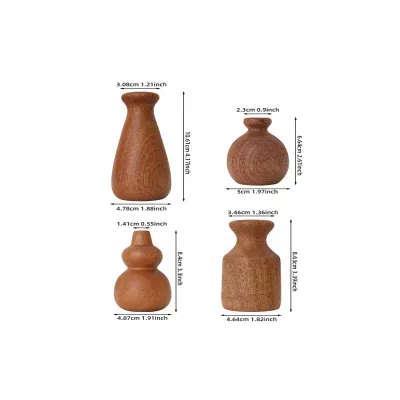
Dimensional accuracy and packaging integrity are also critical technical factors. Listings indicate various standard sizes, such as 12.7x35cm H or 16.5*21.5cm H, which must be matched to specific display or shipping requirements. Packaging options like brown boxes or customized cartons should be evaluated for their own environmental impact, preferring recycled or minimal packaging materials. Additionally, buyers should verify the durability of finishes, such as color glazed or transparent coatings, to ensure they do not degrade quickly or release toxins, maintaining the product's eco-friendly lifecycle.
Compliance and Safety Documentation
Compliance with international safety and environmental standards is non-negotiable for sourcing handmade eco-friendly vases. Buyers must ensure that suppliers hold relevant certifications, such as ISO for quality management or BSCI for social compliance, which indicate adherence to ethical labor practices. Factory audits, including FSC certification for wood products, provide assurance that materials are sourced from responsibly managed forests. These documents are essential for mitigating risks associated with supply chain transparency and ensuring that the "eco-friendly" label is substantiated by credible third-party verification.
Safety documentation should also cover chemical compliance, particularly for glazed or painted vases. Buyers need to verify that products meet regulations for lead, cadmium, and other heavy metals, especially if the vases are intended for use in homes or by children. Certifications like ISOColor or specific glaze type approvals can help confirm that finishes are non-toxic and safe for long-term use. Requesting test reports from accredited laboratories ensures that the products comply with regional safety standards, protecting both the brand and the end consumer from potential health hazards.
Cost Drivers and Commercial Terms
Cost structures for handmade eco-friendly vases are influenced by material scarcity, artisanal labor, and customization levels. Premium materials like reclaimed wood or high-quality recycled glass often command higher prices due to their limited availability and processing complexity. Labor-intensive handmade processes further increase costs, as each piece requires individual attention and quality checks. Buyers should anticipate higher unit prices compared to mass-produced alternatives but should evaluate the long-term value through brand differentiation and customer loyalty driven by sustainability.
Commercial terms, including MOQs and lead times, vary significantly based on production capacity and customization requirements. Observed MOQs range from small batches to large orders, with some suppliers requiring up to 10,000 units for certain models. Lead times may extend due to the handmade nature of the products, requiring careful planning to avoid stockouts. Buyers should negotiate flexible terms that accommodate smaller initial orders for testing while securing volume discounts for larger commitments, ensuring a balanced approach to inventory management and cash flow.
Supplier Qualification and Quality Control
Supplier qualification involves assessing both production capabilities and ethical standards to ensure alignment with eco-friendly values. Buyers should conduct thorough due diligence, including factory audits and site visits, to verify claims about handmade processes and material sourcing. Suppliers with OEM and ODM capabilities should be evaluated for their ability to maintain consistency in quality while offering customization. Establishing clear communication channels and regular updates helps build trust and ensures that any deviations from specifications are addressed promptly.
Quality control measures must be rigorous, given the inherent variations in handmade products. Implementing pre-shipment inspections and defining acceptable tolerance levels for size, finish, and structural integrity is essential. Buyers should request samples before placing bulk orders to assess craftsmanship and durability. Establishing a feedback loop with suppliers allows for continuous improvement and ensures that the final products meet the desired aesthetic and functional standards. Regular quality audits help maintain consistency and reinforce the supplier's commitment to high-quality, sustainable manufacturing.
Long-Term Procurement Checks
Long-term procurement success depends on continuous monitoring of supplier performance and market trends. Buyers should regularly review supplier compliance with environmental and social standards, ensuring that certifications remain valid and practices evolve with industry best practices. Tracking changes in material availability and pricing helps in anticipating cost fluctuations and adjusting procurement strategies accordingly. Building strong relationships with suppliers fosters collaboration and innovation, leading to new eco-friendly designs and improved production efficiencies over time.
Sustainability metrics should be integrated into procurement evaluations to measure the environmental impact of sourcing decisions. Buyers can track metrics such as carbon footprint, waste reduction, and water usage to assess the true eco-friendliness of their supply chain. Regularly updating sustainability goals and sharing progress with stakeholders enhances brand reputation and meets growing consumer demand for transparent, responsible sourcing. By maintaining a proactive approach to long-term checks, buyers can ensure that their procurement of handmade eco-friendly vases remains aligned with their corporate values and market expectations.
FAQs
What materials are used for these vases?
The available materials include industrial wood, plastic, glass, and wooden options. Specific models like the Industrial Wood Vase-090J and Plastic Vase-089A demonstrate this variety. Buyers can select based on their preference for natural finishes or polished surfaces depending on the specific product model chosen.
Can I request custom packaging for orders?
Yes, customized packaging is available for many products in this collection. Some items come packed individually in polybags, while others use cartons or brown boxes. The standard packaging can be tailored to meet specific buyer requirements for shipping and presentation purposes.
Which certifications do the manufacturers hold?
The factories hold ISO, BSCI, and FSC certifications to ensure quality and ethical standards. These credentials verify that the production processes meet international requirements for safety and sustainability. Buyers seeking certified suppliers can rely on these documented standards for their sourcing decisions.
What is the minimum order quantity for vases?
The minimum order quantity varies by product, with some items requiring as few as one unit. However, specific models like the Industrial Wood Vase-090J have a minimum order quantity of 10,000 units. Buyers should check the specific product details to confirm the exact MOQ before placing an order.
Where are these vases manufactured?
All listed products originate from China, as indicated by the product origin specifications. This location allows for competitive pricing and efficient manufacturing processes. Buyers can expect the supply chain to be centered in this region for the majority of the available inventory.
Are these vases suitable for home decoration?
Yes, the vases are explicitly suitable for home use and various decorative purposes. They function well as table centerpieces, gifts, or collectible items. The modern style and available sizes make them versatile additions to any interior design scheme.
What sizes are available for the glass vases?
Glass vases come in small, medium, and large sizes to fit different needs. Specific dimensions include heights like 9x16m H and 12.7x35cm H depending on the model. Buyers can choose from three distinct size options to match their floral arrangements or display requirements.