Retro Wooden Music Box with Projector Suppliers and Manufacturers
Explore 16 verified options for Retro Wooden Music Box with Projector from Shandong, China. Compare lead times, MOQs, and response times to find the right factory. Request quotes today to finalize your order; review the available evidence before requesting comparable quotations from suitable candidates.
Updated
Suppliers List
- Manufacturer, Trading Company
- Shandong, China
- Lead time15 days
- Avg. response≤ 4h
Main productsScissors,Garden Tools,Kitchen Tools,Scales,Cable
Main marketsNorth America(30.00%), Northern Europe(10.00%), Western Europe(10.00%), Mid East(10.00%), Africa(10.00%), Southeast Asia(10.00%), Eastern Europe(10.00%), South America(10.00%)
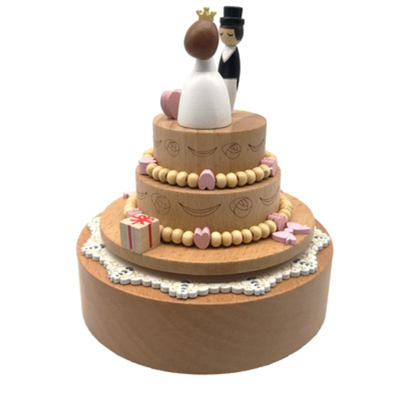
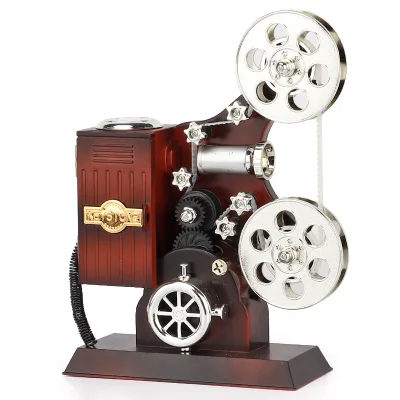
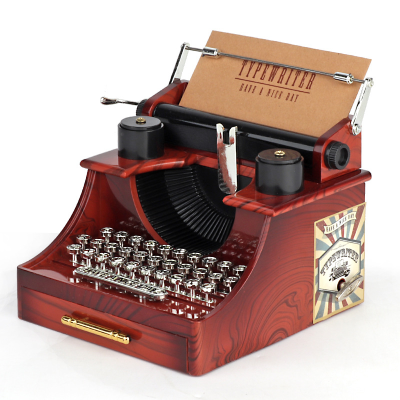
Creative Typewriter Music Box Retro Clockwork Music Box Dynamic Typewriter Music Box
$3.61 - $3.77
MOQ: 48 pieces
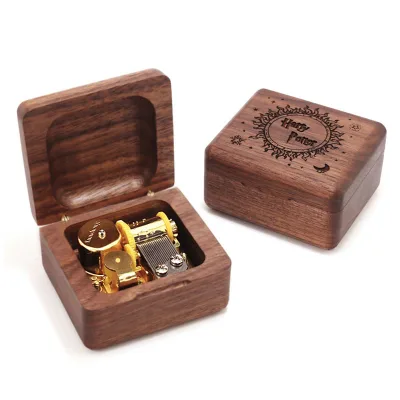
Custom Retro Walnut Wood Music Box Wooden Mechanical Spring Engraved Music Box
$7.5065 - $7.8375
MOQ: 50 pieces
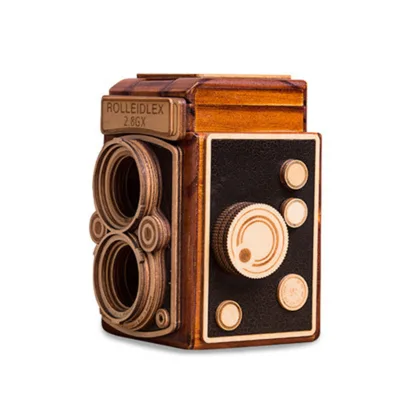
$4.78 - $4.98
MOQ: 108 pieces
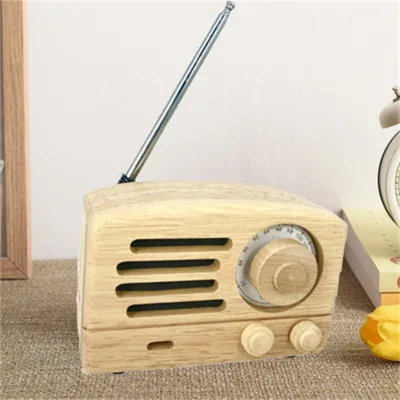
Wenzhou Fun Arts & Crafts Co., Ltd.
- Manufacturer, Trading Company
- Zhejiang, China
- Lead time25 days
- Avg. response≤ 15h
Main productsMontessori Toys,Wooden Wall Toy,Wooden Puzzle,Wooden Building Block,Pretend Play Game
Main marketsNorth America(30.00%), Northern Europe(16.00%), Western Europe(15.00%), Southern Europe(9.00%), South America(8.00%), Eastern Asia(4.00%), Oceania(4.00%), Central America(3.00%), South Asia(2.00%), Southeast Asia(2.00%), Africa(2.00%), Mid East(2.00%), Eastern Europe(2.00%), Domestic Market(1.00%)

Ningbo Shone Med-Tech Co., Ltd.
- Verified by SGS
- Trading Company,Manufacturer/Factory,Group Corporation
- China Zhejiang
- Lead time23 days
- Avg. response≤ 3h
Main productsWooden Games, Wooden Toys, Bingo Games, Wooden Sport Items, Wooden Box
Main marketsSouth America,Eastern Europe,Mid East,North America,Southeast Asia,Eastern Asia,Oceania,Western Europe,Africa
Shandong Best G And G Enterprise Co., Ltd.
- Trading Company
- Shandong, China
- Lead time0 days
- Avg. response≤ 4h
Main productsMusic Box,Kalimba,Pan Drum,Tongue Drum,Garden Tool
Main marketsSouth America(20.00%), Central America(20.00%), North America(20.00%), Eastern Europe(10.00%), Southeast Asia(10.00%), Northern Europe(10.00%), Mid East(5.00%), South Asia(5.00%)
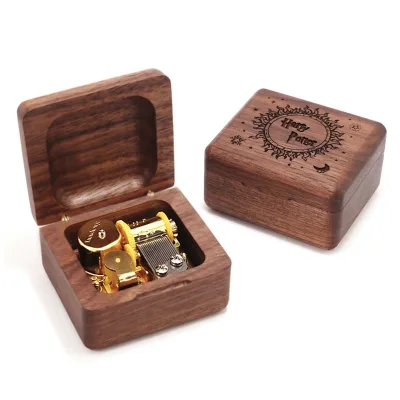
$7.25 - $7.57
MOQ: 50 pieces
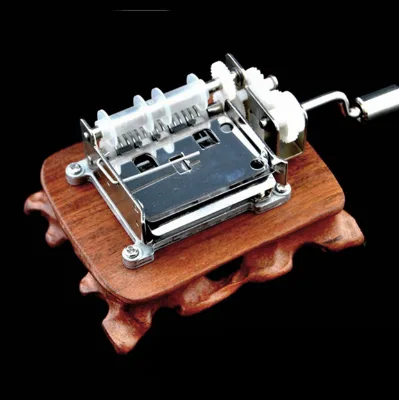
$8.85 - $9.23
MOQ: 50 pieces
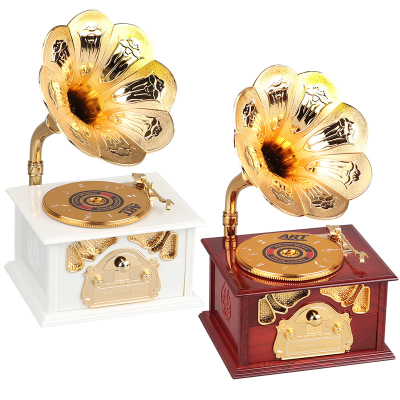
Creative Vintage Nostalgic Wood Record Player and Music Box "Castle in the Sky" Music Box
$3.5503 - $3.7061
MOQ: 96 pieces
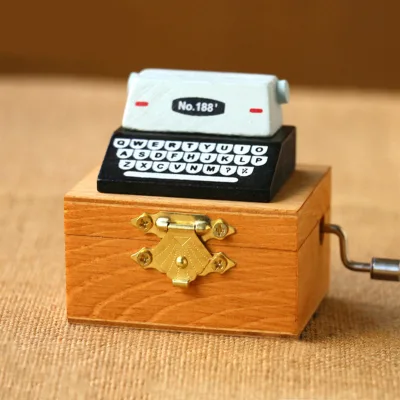
Vintage Hand-Cranked Typewriter Music Box Wooden Mini Music Box Creative Home Decoration
$2.6889 - $3.4589
MOQ: 100 Minimum
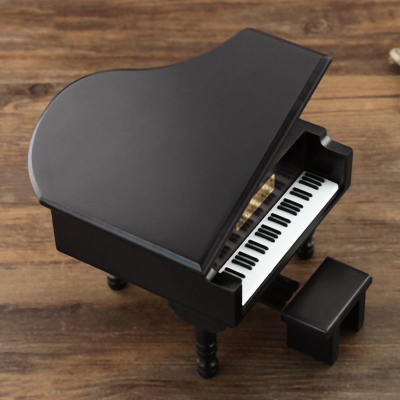
Simulated Triangular Piano Music Box Wooden Spring Creative Musical Box
$8.3319 - $9.2861
MOQ: 50 Minimum
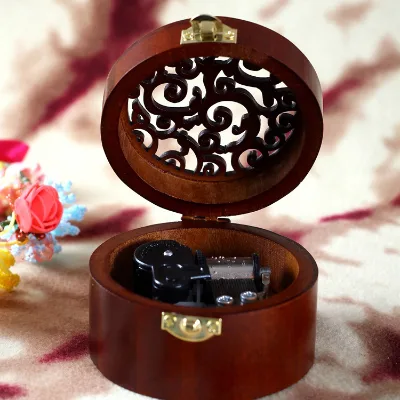
Creative Retro Round Clockwork Music Box Wooden Classical Eight-Tone Box Commemorative Music Gift
$5.5696 - $6.5388
MOQ: 50 Minimum

WENZHOU TIMES ARTS&CRAFTS CO., LTD.
- Verified by SGS
- Manufacturer/Factory
- China Zhejiang
- Lead time23 days
- Avg. response≤ 5h
Main productsToys, Montessori Toys, Wooden Toy, Educational Toy, Role Play Toys, Children Furniture, Puzzle, Kid Bike, Musical Toy, Wooden Blocks
Main marketsSouth America,Eastern Europe,Mid East,North America,Southeast Asia,Eastern Asia,Oceania,Western Europe,Africa

$0.85 - $5.00
MOQ: 2000 Pieces


$3.00 - $13.00
MOQ: 1000 Pieces


Wooden Music Instrument Carousel Music Box for Gifts and Home Decoration W07b028
$3.00 - $13.00
MOQ: 1000 Pieces

Dongguan Bowen Electronic Technology Limited
- Trading Company
- Dongguan, China
- Lead time0 days
- Avg. response≤ 2h
Main productsToys&Hobbies,Educational Toys,Puzzle & Games,Blocks&Model Building Toys,Remote Control Toys
Main marketsNorth America(25.00%), South America(20.00%), Eastern Europe(10.00%), Western Europe(8.00%), Central America(8.00%), Northern Europe(6.00%), Southern Europe(5.00%), Southeast Asia(5.00%), Eastern Asia(4.00%), Africa(3.00%), Mid East(3.00%), Oceania(2.00%), South Asia(1.00%)
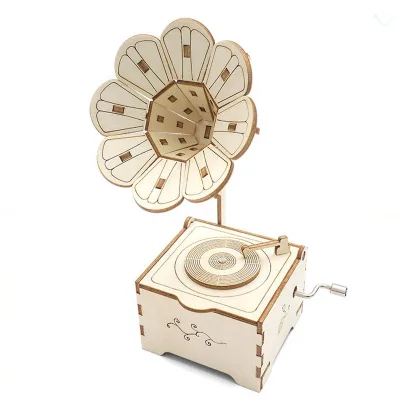
Wholesale Retro Wooden Music Box Phonograph Music Box Creative Mini Music Box Diy Birthday Gift
$1.30 - $2.40
MOQ: 10 pieces
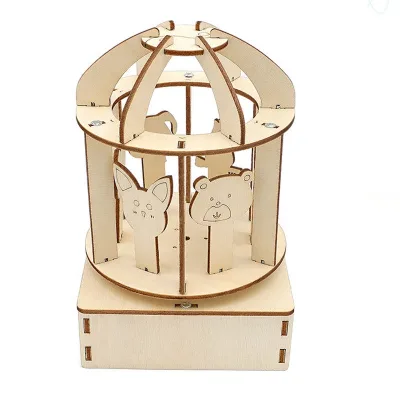
Carousel Musical Boxes Wooden Music Box Wood Crafts Birthday Gift Home Puzzle Game Accessories Gift
$1.50 - $2.50
MOQ: 10 pieces
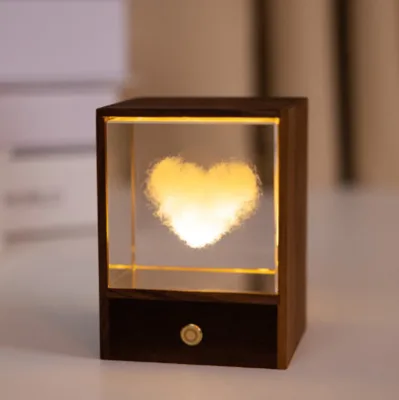
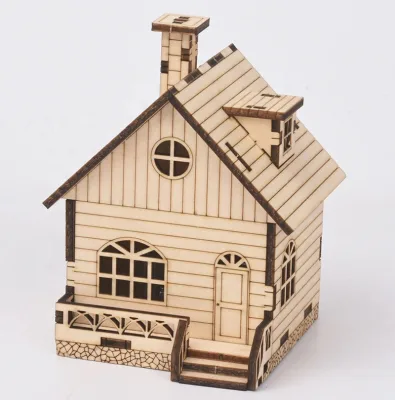
Wood Diy Music Box House Hand-cranked Music Box Home Accessories Modern
$1.7661 - $2.6679
MOQ: 10 pieces
- Verified by SGS Group
- Trading Company
- Lead time15 days
- Avg. response≤ 4h
Main productsHome Decorations, Musical Instruments, Christmas and Party Supplies, Music Box, Garden Decorations
Main marketsNorth America(20%), Western Europe(20%), Southeast Asia(15%)
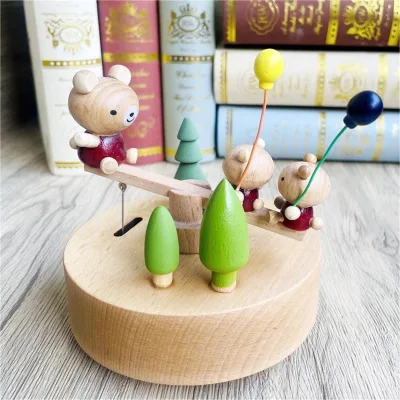
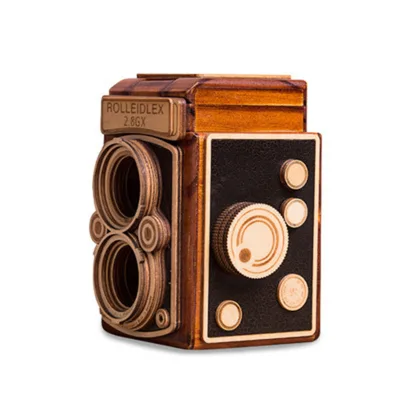
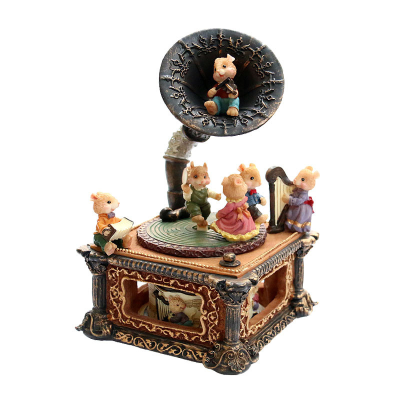
Christmas Mouse Gift Home Decor Vintage Horn Phonograph Music Box Custom Music Box Song
$12.0215 - $20.5496
MOQ: 20 pieces
- Manufacturer
- Shandong, China
- Lead time30 days
- Avg. response≤ 3h
Main productsKitchen Items,Pet Supplies,Home Decoration,Garden Decoration,Pet Toy
Main marketsNorth America(52.00%), Western Europe(20.00%), Southern Europe(5.00%), Northern Europe(5.00%), South America(5.00%), Eastern Asia(3.00%), Eastern Europe(3.00%), South Asia(2.00%), Southeast Asia(2.00%), Mid East(2.00%), Africa(1.00%)
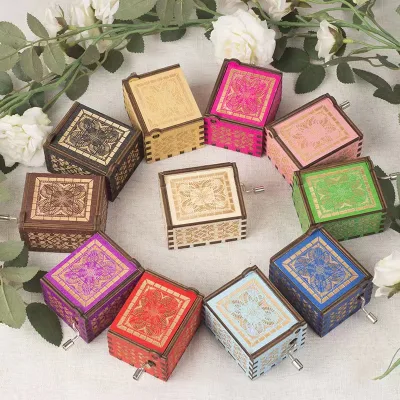
Wooden Custom Song Music Boxes Animated Music Box Mechanical Wholesale Music Boxes
$1.20 - $1.58
MOQ: 100 pieces
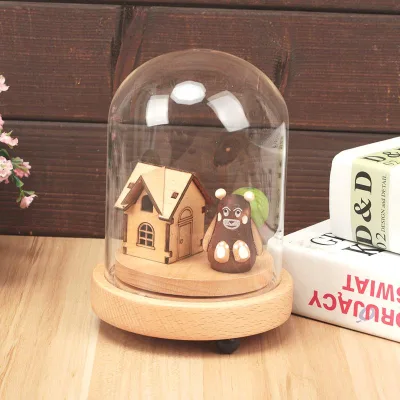
Creative Students Gift Cartoon Wind up Rotating Glass Dome Music Box with Lamp
$13.30 - $13.60
MOQ: 12 pieces
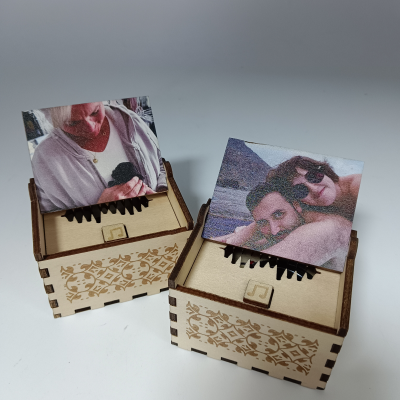
New Function Battery Operated Voice Record Music Gift Happy New Year Musical Box
$2.0358 - $2.6125
MOQ: 200 pieces

Jinjiang Jiayi Supply Chain Management Co., Ltd.
- Verified by BV
- Trading Company
- China Fujian
- Lead time30 days
- Avg. response≤ 2h
Main productsGift, Shoe, Garment, Machine
Main marketsDomestic

Classic Vintage Projector Music Box Home Living Room TV Cabinet Office Plastic Decorations
$3.59 - $3.65
MOQ: 200 Pieces

Creative Home Desktop Resin Gift Decoration Ferris Wheel Hourglass Music Box
$3.73 - $3.85
MOQ: 200 Pieces
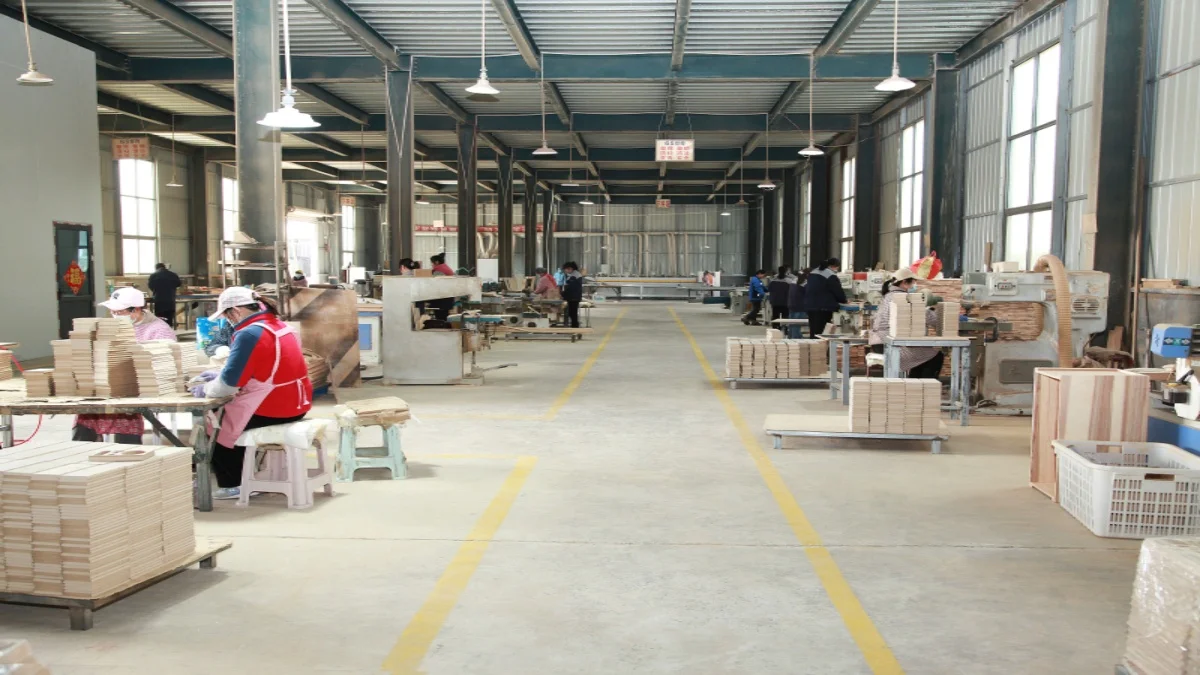
Caoxian Dongxing Arts And Crafts Co., Ltd.
- Manufacturer, Trading Company
- Shandong, China
- Lead time30 days
- Avg. response≤ 5h
Main productswooden craft,wooden tray,wooden box,wooden home decor,wooden shelf
Main marketsNorth America(50.00%), Eastern Asia(30.00%), Western Europe(20.00%)
Kunming Leying Flower Co., Ltd.
- Manufacturer, Trading Company
- Yunnan, China
- Lead time30 days
- Avg. response≤ 3h
Main productsdried flowers,preserved flowers,Aquarium accessories,Aquarium Decoration,Home Decoration
Main marketsEastern Europe(30.00%), Northern Europe(20.00%), Western Europe(20.00%), Southern Europe(10.00%), Mid East(10.00%), North America(10.00%)
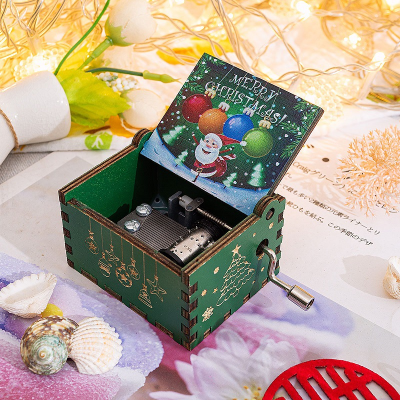
Factory Hand Crank Music Box Music Box Wooden/christmas Decorations Moving Wooden Music Box
$1.2838 - $1.489
MOQ: 20 pieces
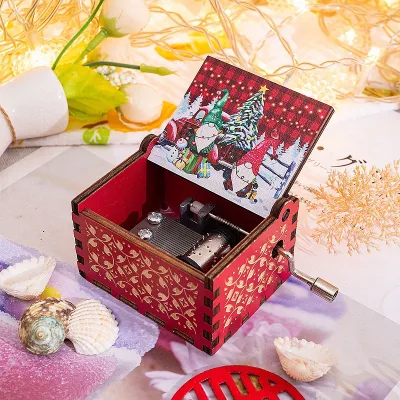
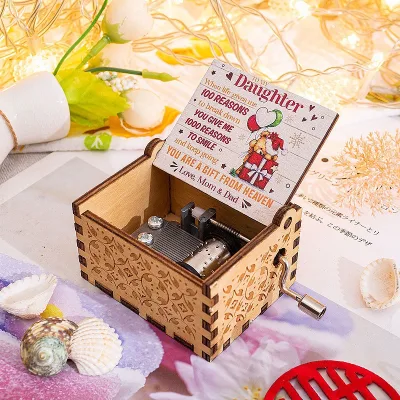
$1.2928 - $1.4995
MOQ: 20 pieces

DONGGUAN ZHIHE WOOD PACKAGING LIMITED
- Verified by SGS
- Combined
- China Guangdong
- Lead time60 days
- Avg. response≤ 7h
Main productsWooden Box, Wine Box, Jewelry Box, Pet House, Hotel Furniture, Smart Pet Furniture, Watch Box, Pet Urn, Precious Metals Display Box, The Wooden
Main marketsSouth America,Africa,Southeast Asia/ Mideast,East Asia(Japan/ South Korea),Domestic,Europe,Australia,North America


$10.63 - $12.20
MOQ: 300 Pieces

NINGBO XUANHENG OUTDOOR & HOME APPLIANCES CO., LTD.
- Trading Company,Manufacturer/Factory
- China Zhejiang
- Lead time45 days
- Avg. response≤ 2h
Main productsWooden Beach Chair, Beach Umbrella, Sling Chair, Wooden Beer Table, Bamboo Home Products, Bamboo Shelf, Canvas Bag, Outdoor Beach Furniture, Art Accessories, Wooden Box
Main marketsSouth America,Eastern Europe,Mid East,North America,Southeast Asia,Eastern Asia,Oceania,Western Europe,Africa


Luxury High-Quality Wooden Gift and Music Box with Personalization Options
$1.00 - $1.99
MOQ: 500 Pieces


- Verified by TUVRHEINLAND
- Manufacturer/Factory
- China Zhejiang
- Lead time45 days
- Avg. response≤ 4h
Main productsIce Bucket, Toys, Kitchen Products, Hip Flask, Shaker, Bar Caddy, Menu Board, Bottle Opener, Barwares, Wine Glasses
Main marketsSouth America,Eastern Europe,Mid East,North America,Southeast Asia,Eastern Asia,Oceania,Western Europe,Africa


Christmas Accessories Wooden Rotating Music Box Creative Christmas Gift Ornaments
$6.10 - $45.80
MOQ: 1000 Pieces

Dongguan AST Industry Co., Ltd.
- Verified by TUVRHEINLAND
- Manufacturer/Factory
- China Guangdong
- Lead time23 days
- Avg. response≤ 14h
Main productsSound Module, Voice Recorder, Video Brochure, Sound Chip, LED Flashing Module for POS, Musical Greeting Cards, Video Module, Musical Bottle Opener, Musical Postcards, DC Motor for Pop Dispay
Main marketsSouth America,Eastern Europe,Mid East,North America,Southeast Asia,Eastern Asia,Oceania,Western Europe,Africa
Liaocheng Solistar Art And Crafts Co., Ltd.
- Trading Company
- Shandong, China
- Lead time15 days
- Avg. response≤ 3h
Main productsBook Nook,DIY Puzzle,Baby Milestone Card,3D Assemble Crafts,Wooden Coaster
Main marketsDomestic Market(100.00%), North America(26.00%), Oceania(16.00%), Eastern Europe(10.00%), Mid East(9.00%), Western Europe(8.00%), Southern Europe(7.00%), Southeast Asia(6.00%), South America(6.00%), Eastern Asia(5.00%), South Asia(2.00%), Africa(2.00%), Northern Europe(2.00%), Central America(1.00%)
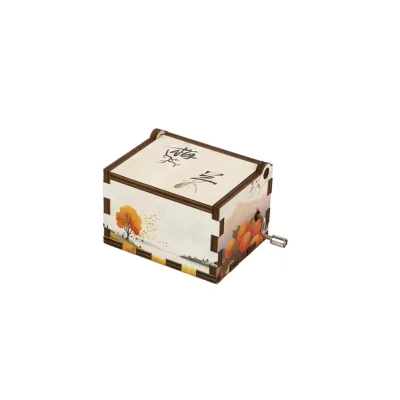
Chinese Style Wooden Music Box Best Holiday Celebrity Tabletop Decorative Craft
$2.20 - $3.50
MOQ: 100



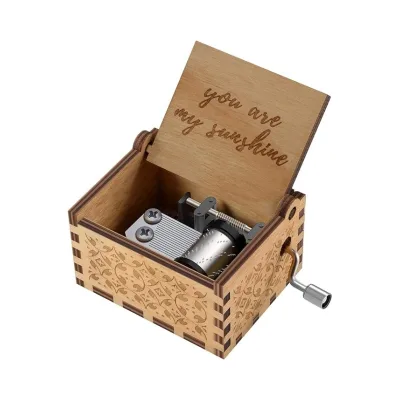


Comprehensive Sourcing Guide
Retro Wooden Music Box with Projector Supplier Concentration and Factory Types
The sourcing landscape for retro wooden music boxes with projector mechanisms reveals a distinct concentration of manufacturing activity in specific industrial regions, with Shandong, China emerging as a primary hub for these specialized decorative items. This geographic clustering suggests that buyers seeking this niche product category will likely encounter suppliers located within this province, where established supply chains for both woodworking and small mechanical components converge. The presence of manufacturers in this area indicates a mature ecosystem capable of handling the dual requirements of aesthetic wood finishing and the precise assembly of internal music box movements. Buyers should recognize that this regional focus is not merely a coincidence but a result of historical industrial development and specialized labor availability in the region. Consequently, when evaluating potential partners, understanding that a significant portion of the market originates from this specific location can help streamline the initial screening process. It allows for more targeted searches and potentially reduces logistical complexities if the buyer is willing to source from this known cluster. However, it is crucial to verify that the supplier’s stated location matches their actual operational base, as some trading companies may list their headquarters in one area while their factories are elsewhere. The concentration in Shandong implies that many suppliers here have developed specific expertise in producing wooden goods, which is a critical component for the retro aesthetic required by this product type. This regional advantage often translates to better access to raw materials like various wood types and a workforce familiar with traditional craftsmanship techniques. For buyers, this means that suppliers from this region may offer a wider variety of wood finishes and design options compared to those from less specialized industrial zones. The density of suppliers in this area also fosters competition, which can drive innovation in design and potentially improve pricing structures for bulk orders. Understanding this geographic reality helps buyers set realistic expectations regarding supplier availability and the types of products they can expect to find. It also highlights the importance of verifying the supplier’s actual manufacturing capabilities, as some entities in this region may be trading companies rather than direct factories. The presence of both manufacturers and trading companies in the results indicates a diverse market structure where buyers can choose between direct factory engagement or the convenience of a trading partner. This diversity offers flexibility but requires careful due diligence to ensure quality control and communication efficiency. The regional concentration also suggests that logistics infrastructure in Shandong is likely well-developed for exporting these types of goods, which can facilitate smoother shipping processes. Buyers should consider this logistical advantage when calculating total landed costs and delivery timelines. Ultimately, recognizing the Shandong connection provides a foundational understanding of where to look and what to expect in terms of supplier capabilities and product variety.
The types of entities operating in this space vary significantly, ranging from direct manufacturers to trading companies, each offering distinct advantages and challenges for the buyer. Manufacturers typically possess the internal machinery and skilled labor required to produce the wooden casings and assemble the intricate music box movements in-house. This vertical integration can lead to better quality control and more competitive pricing, especially for larger orders, as there are fewer intermediaries adding margins. However, manufacturers may have higher minimum order quantities (MOQs) and less flexibility in handling small, customized orders. On the other hand, trading companies often act as intermediaries, sourcing products from multiple factories and consolidating them for the buyer. This model can be beneficial for buyers who need a variety of products or smaller quantities, as trading companies can aggregate orders from different suppliers. They may also offer more flexible payment terms and customer service support. However, trading companies may have less direct control over the production process, which can sometimes lead to communication gaps or quality inconsistencies. The supplier results indicate a mix of both types, with some companies explicitly identifying as manufacturers and others as trading companies. This mix suggests that buyers have options depending on their specific needs, such as order volume, customization requirements, and desired level of involvement in the production process. It is important for buyers to clearly identify the supplier type before engaging in detailed negotiations, as this will influence the terms of the agreement and the level of support they can expect. Manufacturers may be more willing to accommodate custom designs and engineering changes, while trading companies may excel in logistics and multi-product sourcing. Understanding these differences allows buyers to align their sourcing strategy with their business goals. For instance, a buyer looking for a highly customized, large-volume order might prefer a manufacturer, while a buyer needing a diverse range of small orders might benefit from a trading company. The presence of both types in the market also indicates a healthy competitive environment, where suppliers must differentiate themselves through service, quality, or price. Buyers should leverage this competition to their advantage by requesting detailed information about the supplier’s capabilities and past performance. This includes asking for factory audits, product samples, and references from other clients. By carefully evaluating the supplier type and their specific strengths, buyers can make informed decisions that align with their operational needs and risk tolerance. The key is to match the supplier’s model with the buyer’s requirements, ensuring a smooth and successful sourcing experience.
How to Verify Retro Wooden Music Box with Projector Suppliers
Verifying the authenticity and capability of suppliers for retro wooden music boxes with projector mechanisms requires a multi-layered approach that goes beyond simple online profiles. Buyers must prioritize direct communication and tangible evidence of production capabilities to mitigate the risk of engaging with fraudulent or incompetent entities. One of the most effective methods is to request detailed video tours of the factory floor, which can provide visual confirmation of the manufacturing processes, equipment, and workforce. This visual evidence helps buyers assess the scale of operations and the level of automation versus manual labor involved in producing the wooden casings and assembling the music box movements. Additionally, buyers should ask for specific product samples that match their requirements, including the projector functionality and the quality of the wood finish. These samples allow for a hands-on evaluation of the product’s durability, sound quality, and overall aesthetic appeal. It is crucial to ensure that the samples are produced using the same materials and processes that will be used for the bulk order. Buyers should also verify the supplier’s business license and any relevant certifications, such as ISO standards or quality management system certifications, which indicate a commitment to consistent quality and operational efficiency. These documents provide a legal and operational foundation for the supplier’s business and can help identify any red flags, such as expired licenses or mismatched business scopes. Furthermore, buyers should check the supplier’s response time and communication style, as these factors are indicative of their professionalism and reliability. A supplier that responds promptly and provides clear, detailed answers is more likely to be a reliable partner. Buyers should also inquire about the supplier’s experience with similar products and their ability to handle custom orders, such as engraving or custom music tracks. This information helps gauge the supplier’s flexibility and expertise in meeting specific buyer requirements. By combining these verification steps, buyers can build a comprehensive picture of the supplier’s capabilities and reliability. This due diligence process is essential for minimizing risks and ensuring a successful sourcing outcome. It also helps buyers establish a strong foundation for a long-term business relationship based on trust and transparency. The goal is to identify suppliers who not only meet the technical specifications but also align with the buyer’s values and operational standards. This thorough verification process is a critical step in the sourcing journey, providing the confidence needed to proceed with negotiations and orders.
In addition to the initial verification steps, buyers should conduct deeper due diligence by checking the supplier’s track record and customer feedback. This can be done by requesting references from previous clients, particularly those who have ordered similar products or have had similar customization needs. Speaking directly with these references can provide valuable insights into the supplier’s performance, reliability, and after-sales support. Buyers should also look for any online reviews or testimonials, although these should be taken with a grain of salt and cross-referenced with other sources. Another important aspect of verification is to assess the supplier’s financial stability and reputation in the industry. This can be done by checking their credit rating, if available, or by looking for any news articles or industry reports that mention the company. Buyers should also be wary of suppliers who are unwilling to provide detailed information or who pressure buyers to make quick decisions without proper due diligence. These behaviors can be red flags indicating potential issues with the supplier’s operations or integrity. Furthermore, buyers should verify the supplier’s ability to handle international shipping and compliance with export regulations. This includes checking their experience with customs clearance, documentation, and logistics partners. A supplier with a strong logistics network can help ensure that orders are delivered on time and in good condition. Buyers should also inquire about the supplier’s quality control processes, including inspection procedures and defect rates. This information helps buyers understand the supplier’s commitment to quality and their ability to maintain consistent standards. By conducting this comprehensive verification process, buyers can significantly reduce the risk of sourcing from unreliable suppliers. It also helps buyers identify suppliers who are truly capable of meeting their specific needs and expectations. The key is to be thorough and persistent in the verification process, leaving no stone unturned in the quest for a reliable partner. This diligence is an investment that pays off in the form of a smoother sourcing experience and a higher quality product.
What to Compare Across Retro Wooden Music Box with Projector Suppliers
When evaluating multiple suppliers for retro wooden music boxes with projector mechanisms, buyers must systematically compare key operational metrics to identify the most suitable partner for their specific needs. One of the primary factors to compare is the minimum order quantity (MOQ), which can vary significantly across suppliers. Some suppliers may offer low MOQs, such as 12 pieces per song, which is ideal for buyers testing the market or placing small initial orders. Others may require higher MOQs, such as 48 or 50 pieces, which can be more cost-effective for larger volumes but may pose a barrier for smaller buyers. Buyers should align their MOQ requirements with their inventory strategy and cash flow constraints. Another critical metric is the lead time, which indicates how long it takes for the supplier to produce and ship the order. A lead time of 15 days, for example, suggests a relatively fast production cycle, which can be beneficial for buyers with tight deadlines. However, buyers should also consider the variability in lead times and the supplier’s ability to meet these deadlines consistently. Response time is another important factor, as it reflects the supplier’s responsiveness and customer service quality. A response time of 4 hours, for instance, indicates a high level of availability and willingness to engage with buyers. This can be crucial for resolving issues quickly and maintaining a smooth communication flow. Buyers should also compare the price ranges offered by different suppliers, keeping in mind that lower prices may come with trade-offs in quality or service. The price range for these products can vary from approximately $3.61 to $12.55, depending on the complexity of the design, the quality of materials, and the customization options. Buyers should request detailed quotes that break down the costs, including material, labor, and shipping, to ensure transparency. Additionally, buyers should compare the customization options available, such as the ability to customize the music track, the wood finish, or the projector design. Suppliers that offer flexible customization options can help buyers differentiate their products in the market. By systematically comparing these metrics, buyers can make informed decisions that balance cost, quality, and service. This comparative analysis helps buyers identify the supplier that best aligns with their business goals and operational requirements. It also helps buyers negotiate better terms by leveraging the information gathered from multiple suppliers. The key is to create a structured evaluation framework that allows for objective comparison and decision-making. This approach ensures that buyers do not rely on intuition alone but use data-driven insights to guide their sourcing strategy.
Beyond the basic metrics, buyers should also compare the supplier’s product portfolio and specialization to ensure they have the necessary expertise for this niche product. Some suppliers may specialize in wooden music boxes, while others may offer a broader range of products, including garden tools or
FAQs
What is the typical lead time for these music boxes?
The standard lead time for manufacturing these items is 15 days. This duration allows for production scheduling and quality checks before shipment. Buyers should confirm specific delivery dates with suppliers to account for potential logistical delays or custom order requirements during peak seasons.
What is the minimum order quantity for custom music boxes?
Minimum order quantities vary by design, typically ranging from 12 pieces per song to 108 pieces per song. Some plastic models require a flat MOQ of 48 pieces, while wooden variants may start at 50 pieces. Buyers must verify the specific MOQ for their chosen model and customization level.
How quickly do suppliers respond to inquiries?
Suppliers on this platform generally respond to inquiries within 4 hours. This rapid response time facilitates efficient communication regarding pricing, customization options, and shipping details. Buyers can expect timely updates on order status and product specifications during the sourcing process.
Where are these music boxes manufactured?
These products are primarily manufactured in Shandong, China. This region is known for its robust manufacturing capabilities in wooden and plastic goods. Buyers sourcing from this location benefit from established supply chains and specialized production facilities for decorative music boxes.
What materials are used in these music boxes?
Materials include wood, plastic, and walnut wood finishes. Wooden models often feature hand-cranked or wind-up mechanisms, while plastic versions may use clockwork power. Buyers should check specific product attributes to confirm material composition, as options range from eco-friendly wood to durable plastic constructions.
What is the price range for these items?
Prices range from approximately $3.61 to $12.55 per unit depending on complexity. Simple plastic models cost around $3.61, while intricate wooden or camera-style designs reach up to $12.55. Costs are influenced by material quality, customization options, and order volume.