Source Customized Wooden Pet Welcome Sign for Home, Gift, Business
Compare 30 listings for Customized Wooden Pet Welcome Sign options from suppliers in China. Buyers can evaluate materials like acacia and pine, sizes, and customization features for home decor, gifts, and business use; compare the available evidence and request quotations based on your requirements.
Updated
Key considerations
Products List
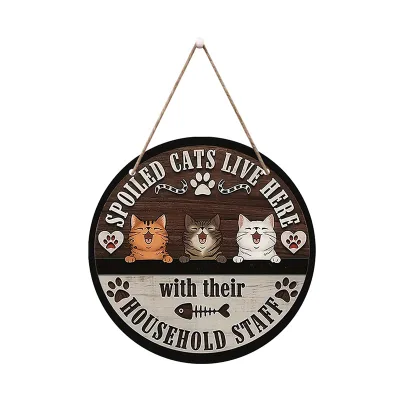
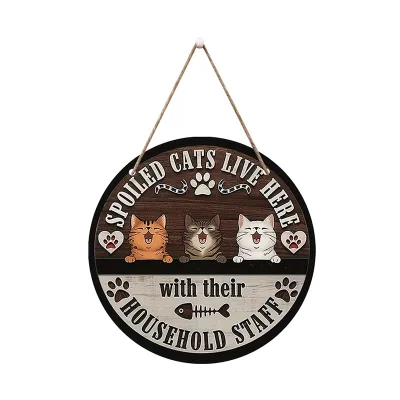
Interesting cat logo Doorplate Wooden Creative Round Wooden Pet Welcome Sign
$1.06 - $1.11
MOQ: 100 pieces
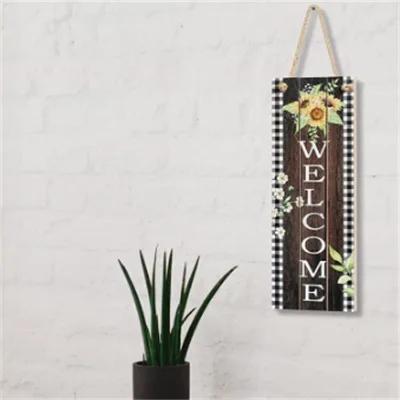
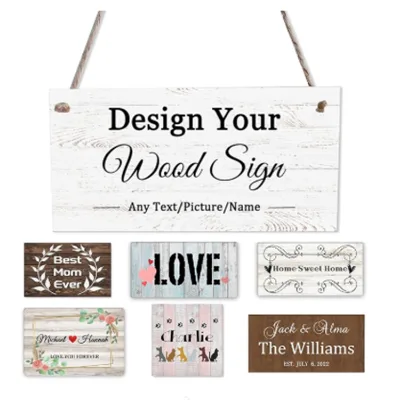
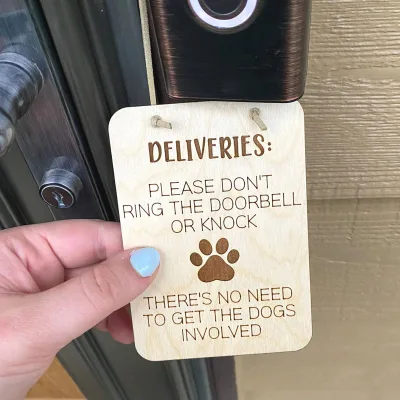
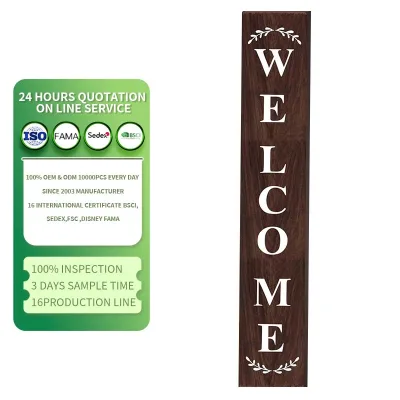
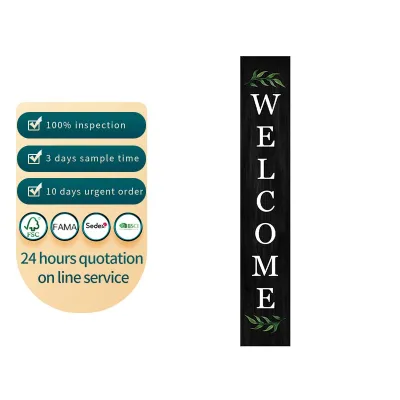
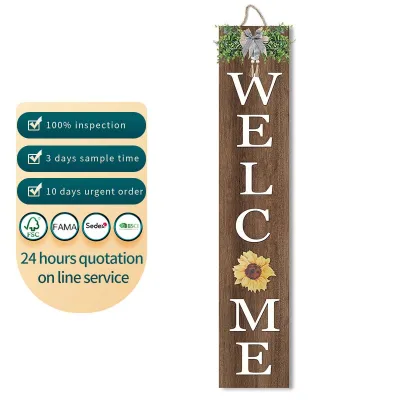
Wooden welcome signs are suitable for decorating wooden signs with icons at the entrance
$2.1571 - $2.7312
MOQ: 500 pieces


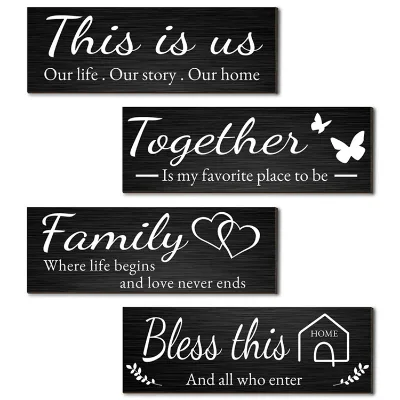


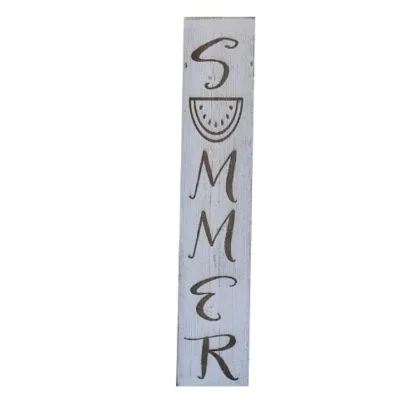


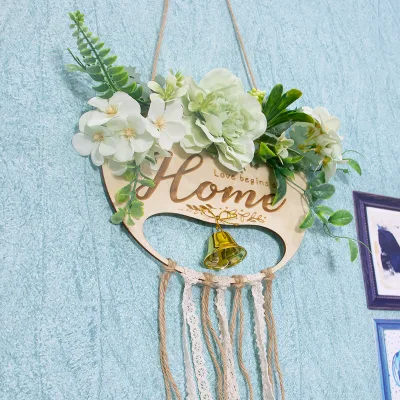
Wooden Floral Welcome Door Sign Customizable Home Entrance Decoration
$2.944 - $3.3653
MOQ: 100 pieces

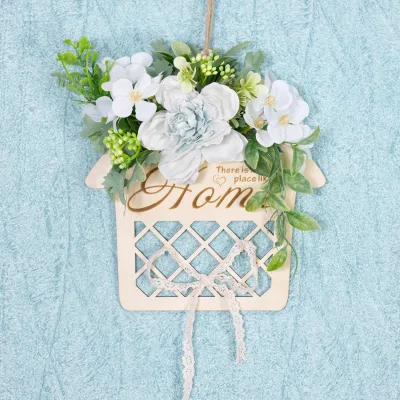


Home Decoration Hello Welcome Front Door Round Wood Wall Hanging Welcome Sign
$1.42 - $1.62
MOQ: 1000 Pieces


Comprehensive Sourcing Guide
Customized Wooden Pet Welcome Sign Sourcing Guide
Sourcing customized wooden pet welcome signs requires a strategic approach that balances aesthetic appeal with functional durability. These decorative items serve as both functional household markers and sentimental gifts, often featuring personalized names or pet portraits. Buyers must navigate a market where design flexibility is paramount, yet material consistency remains a critical quality indicator. The intersection of custom branding and natural wood textures creates unique challenges in production, requiring clear communication of design files and material preferences to suppliers.
The procurement process involves selecting from various wood types, each offering distinct grain patterns and durability profiles. Acacia, pine, and beech are common choices, influencing both the final look and the unit cost. Buyers should prioritize suppliers who demonstrate expertise in wood handicraft techniques, ensuring that the finished product maintains structural integrity while delivering the desired artistic finish. Understanding the specific application, whether for home decor or business gifting, helps in defining the necessary specifications and quality thresholds for the order.
Product Scope and Observed Listing Signals
The current market for wooden pet signs exhibits a wide range of product attributes, from standard round shapes to customized silhouettes. Observed listings indicate that products often feature modern or art deco design styles, catering to diverse interior aesthetics. The application scope extends beyond simple wall decoration, encompassing anniversary gifts and general home decor items. Buyers should note that while some products are marketed as "welcome signs," others are positioned as general decorative pieces, requiring careful verification of the intended use case before placing an order.
Material composition varies significantly across suppliers, with some offering single-material options like pine or beech, while others provide multi-material combinations. The observed price range suggests a competitive market, but buyers must correlate price with material quality and customization depth. Some listings highlight specific dimensions, such as 20x20 cm, while others offer fully customizable sizes. This variability necessitates a thorough review of product specifications to ensure the selected item meets the spatial and aesthetic requirements of the end-user environment.
Technical Specifications to Verify
Dimensional accuracy is a primary technical concern, as observed listings show variations in size, including specific measurements like 20x20x0.3 cm and larger formats up to 40x30x10 cm. Buyers must verify whether the supplier provides standard sizes or fully customizable dimensions, as this impacts packaging and shipping logistics. The single package size and gross weight are critical for calculating freight costs, with observed weights ranging from 0.100 kg to 0.500 kg per unit. Confirming these metrics ensures accurate budgeting for logistics and storage.
Surface finish and structural details also require close attention. The observed "wood handicraft" technic suggests hand-finished elements, which can introduce slight variations in texture and color. Buyers should request samples to assess the quality of the bronze or other color finishes and the stability of the hanging mechanism. Additionally, verifying the model number and design style, such as modern or art deco, helps in aligning the product with the target market's aesthetic preferences. Clear specifications prevent misunderstandings regarding the final product's appearance and functionality.
Compliance and Safety Documentation
Safety compliance is essential for wooden products, particularly those intended for home environments where children or pets may interact with them. Buyers should verify that suppliers adhere to relevant safety standards for wood finishes, ensuring that paints and stains are non-toxic and free from harmful chemicals. While specific certification statuses are not universally listed, requesting documentation for material safety is a prudent step. This is especially important for products marketed as gifts or decorative items that may be handled frequently.
Environmental regulations also play a role in sourcing wooden goods, with increasing demand for sustainably sourced materials. Buyers should inquire about the origin of the wood, such as Shandong, China, and verify that the supply chain complies with environmental protection laws. Documentation regarding the treatment of the wood, including any preservatives or sealants used, should be reviewed to ensure compliance with import regulations in the destination country. This due diligence helps mitigate risks associated with regulatory non-compliance and enhances the product's marketability.
Cost Drivers and Commercial Terms
The cost of customized wooden signs is influenced by several factors, including material selection, design complexity, and order volume. Observed minimum order quantities (MOQ) range from 20 to 1000 pieces, with some suppliers requiring a standard MOQ of 100 pieces. Buyers should negotiate terms that align with their inventory needs, considering the trade-off between unit price and order size. The payment terms, often structured as a 30% deposit plus 70% balance, are common in the industry and should be clearly defined in the contract to manage cash flow effectively.
Lead times and sample availability are also critical cost drivers. Sample times typically range from 5 to 7 days, allowing buyers to evaluate quality before committing to a larger order. However, production lead times can vary based on the level of customization and the supplier's current workload. Buyers should factor in these timelines when planning their procurement schedule to avoid delays. Additionally, considering the shipping costs based on the single package size and gross weight is essential for accurate total cost calculation.
Supplier Qualification and Quality Control
Evaluating supplier qualifications involves assessing their production capabilities and quality control processes. Buyers should prioritize suppliers with a proven track record in wood handicrafts and customization, as indicated by their product portfolios and client feedback. Verifying the supplier's ability to handle customized logos and patterns is crucial, as this is a key feature of the product. Suppliers with OEM experience are often better equipped to meet specific branding requirements and maintain consistency across large orders.
Quality control measures should include regular inspections of raw materials, production processes, and finished goods. Buyers should request detailed quality assurance protocols, including checks for dimensional accuracy, surface finish, and structural integrity. Establishing clear acceptance criteria and inspection points helps in maintaining product quality. Additionally, suppliers who offer flexible customization options and responsive communication are more likely to deliver satisfactory results, ensuring that the final product meets the buyer's expectations.
Long-Term Procurement Checks
Long-term procurement success depends on establishing a reliable supply chain that can adapt to changing market demands. Buyers should regularly review supplier performance metrics, including on-time delivery rates, product quality consistency, and responsiveness to issues. Building a strong relationship with suppliers can lead to better pricing, priority production, and improved service levels. Continuous monitoring of market trends and competitor offerings helps in staying competitive and identifying new opportunities for product differentiation.
Sustainability and ethical sourcing practices should be integrated into long-term procurement strategies. Buyers should periodically audit suppliers to ensure compliance with environmental and labor standards, enhancing brand reputation and reducing risk. Developing a diversified supplier base can mitigate supply chain disruptions and provide flexibility in sourcing. By focusing on these long-term checks, buyers can build a resilient procurement function that supports business growth and customer satisfaction in the competitive home decor market.
FAQs
What materials are used for these wooden signs?
The signs are crafted from Acacia Wood, Pine Wood, and Beech Wood. These durable materials ensure longevity for home decor or business gifts. The wood handcraft technique adds a unique texture. This variety allows for different aesthetic finishes while maintaining structural integrity for wall-mounted applications.
Can I customize the logo and pattern?
Yes, the logo and pattern are fully customized. Buyers can request specific designs, including still life or modern styles. The OEM brand name option supports private labeling. This flexibility ensures the product aligns with your brand identity or specific occasion requirements, such as anniversaries or general home decoration.
What is the minimum order quantity for production?
The standard minimum order quantity is 100 pieces. This MOQ applies to the customizable wooden signs. Bulk orders may offer better pricing efficiency. Buyers should confirm specific MOQs with suppliers as some listings indicate ranges from 20 to 1000 units depending on the complexity of customization and material selection.
How long does sample production take?
Sample production typically requires 5 to 7 days. This timeframe allows for the creation of prototypes with custom patterns or logos. After sample approval, bulk manufacturing lead times will vary. Buyers should account for this initial period when planning inventory for home decor or gift distribution channels.
What are the standard package dimensions?
Single package sizes vary, often measuring 26x26x1 cm or 26x26x2 cm. Larger custom shapes may use 40x30x10 cm packaging. The gross weight ranges from 0.100 kg to 0.500 kg per unit. These dimensions facilitate efficient shipping and storage for both single-item sales and multi-piece package configurations.
Where are these wooden signs manufactured?
The products originate from Shandong, China. This region is known for wood handicraft production. Buyers can source directly from factories in this location. The place of origin influences logistics and lead times. Sourcing from this area provides access to established supply chains for acacia, pine, and beech wood materials.