French Country Round Curtain Tape Suppliers and Manufacturers
Source 22 verified suppliers for French Country Round Curtain Tape. Compare lead times, MOQs, and certifications like ISO9001:2015. Review response times and pricing to identify suitable partners for your procurement needs; review the available evidence before requesting comparable quotations from suitable candidates.
Updated
Suppliers List
Foshan Jinlang Curtain Blinds Co., Ltd.
- Verified by SGS Group
- Manufacturer, Trading Company
- Lead time25 days
- Avg. response≤ 9h
Main productsRoman Blind, Curtain Track, Hospital Track, Motorized Track, Wave Track & Accessories
Main marketsDomestic Market(58%), Eastern Asia(10%), Western Europe(10%)
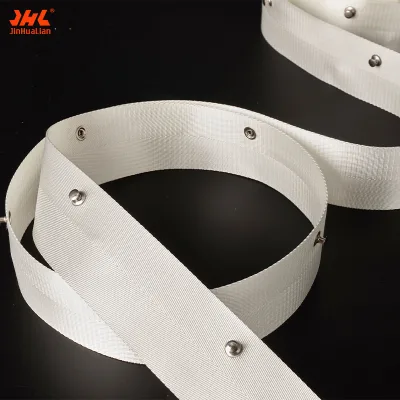
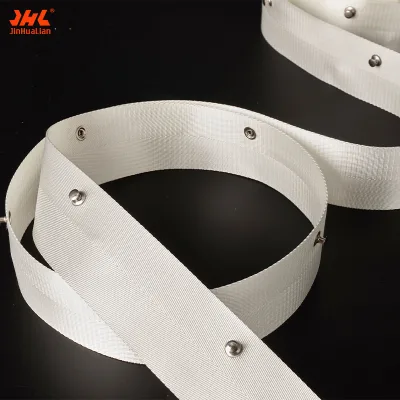
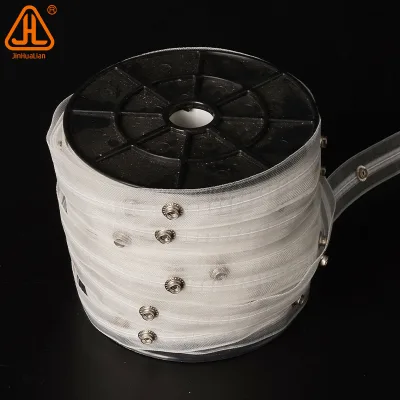
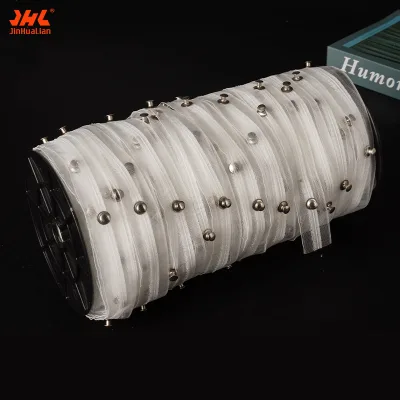
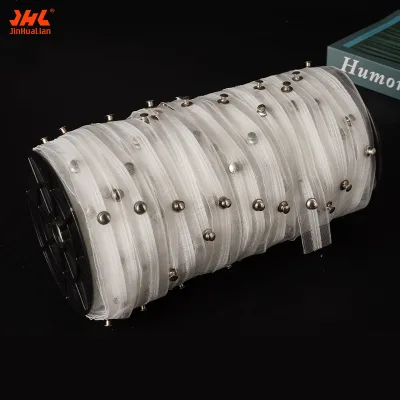
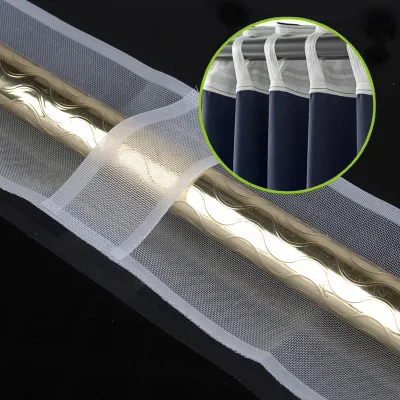
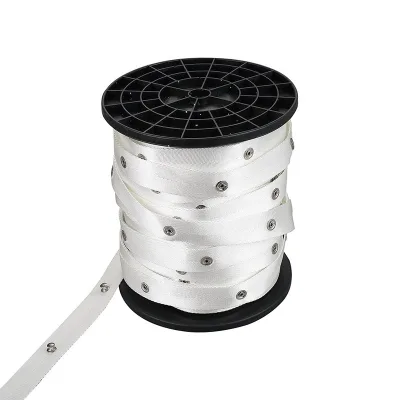
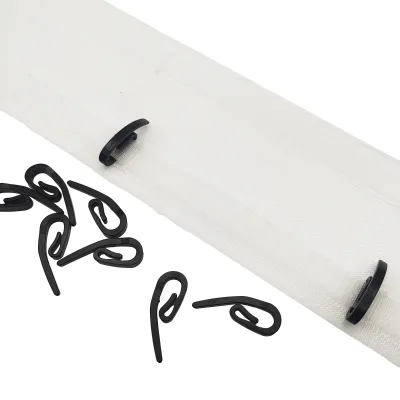
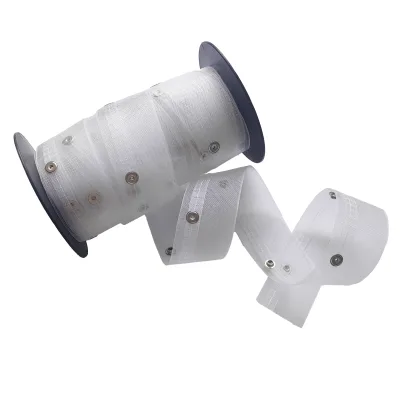
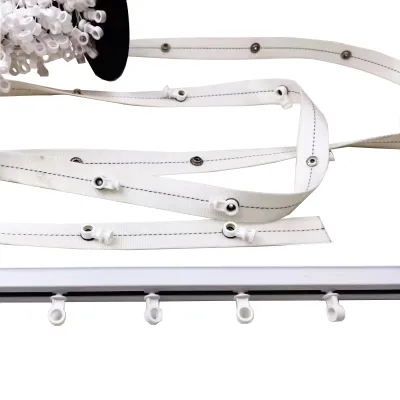
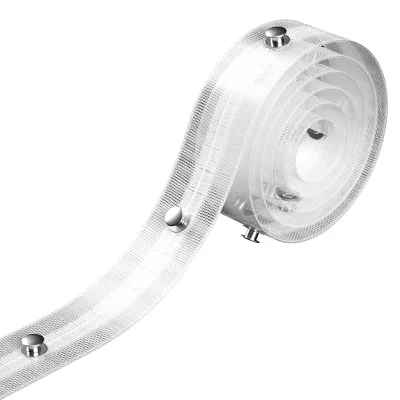
New Product Curtain Tape for 30mm Width Ripple Fold Snack Curtain Tape Curtain Track Cotton Tape
$0.3475 - $1.0231
MOQ: 100 meters
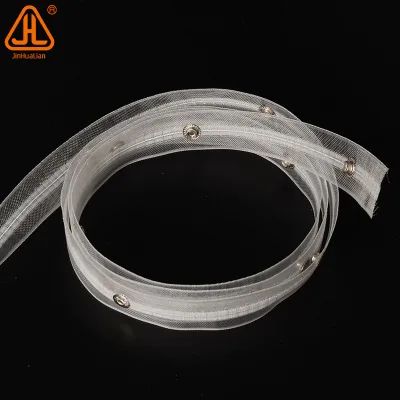

Ningbo Yue Na Import & Export Co., Ltd.
- Verified by TUVRHEINLAND
- Trading Company
- China Zhejiang
- Lead time23 days
- Avg. response≤ 3h
Main productsLace, Thread, Button, Ribbon, Zipper, Tailors Materials, Fabric, Reflective Materials, Sewing Machine Part, Bra Parts
Main marketsSouth America,Africa,Southeast Asia/ Mideast,Europe,North America

- Verified by BV
- Trading Company
- China Zhejiang
- Lead time30 days
- Avg. response≤ 7h
Main productsTextile, Zipper, Lace, Elastic, Ribbon, Thread, Tape, Fabric, Interlining, Button
Main marketsSouth America,Africa,Europe


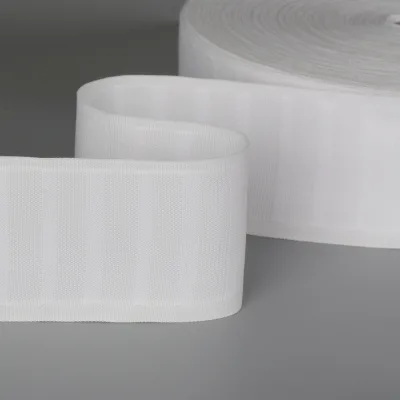
100% Nylon Polyester Durable American Curtain Tape for Easy Home Decor Projects
$0.09
MOQ: 1000 Meters


Ningbo Yinzhou Xindew Textile Co., Ltd.
- Trading Company
- China Zhejiang
- Lead time15 days
- Avg. response≤ 10h
Main productsKnitting Needles, Knitting Looms, Knitting Crochet Hook Set, Acrylic Yarn, Elastic Tape, Zipper, Thread, Hook and Loop, Baby Blankets, Baby Bibs
Main marketsSouth America,Africa,Southeast Asia/ Mideast,East Asia(Japan/ South Korea),Domestic,Europe,Australia,North America
Foshan Hualink Home Furnishings Co., Ltd.
- Manufacturer, Trading Company, Distributor/Wholesaler
- Guangdong, China
- Lead time15 days
- Avg. response≤ 12h
Main productsSmart Curtain Track,Smart ripple fold curtain,Smart Roman Blind,Hospital track,Smart roller blind
Main marketsSouth America(20.00%), North America(20.00%), Western Europe(10.00%), Southern Europe(10.00%), Oceania(10.00%), Northern Europe(10.00%), Eastern Europe(10.00%), Eastern Asia(5.00%), Southeast Asia(5.00%)
Guangzhou Jiejia Decoration Material Co., Ltd.
- Manufacturer, Trading Company
- Guangdong, China
- Lead time30 days
- Avg. response≤ 8h
Main productsCurtain Rod,Curtain track,window blind,Zebra blinds,Roller blinds
Main marketsEastern Europe(25.00%), Africa(17.00%), Western Europe(15.00%), Southeast Asia(15.00%), North America(15.00%), South America(5.00%), Southern Europe(5.00%), Mid East(2.00%), Oceania(1.00%)
Deqing Bochuang Hardware Co., Ltd.
- Verified by SGS Group
- Trading Company
- Lead time30 days
- Avg. response≤ 3h
Main productsCurtain Rod, Curtain Accessories, Roller Blinds, Curtain Decoration
Main marketsSouth America(30%), North America(10%), Western Europe(10%)
$0.0411 - $0.0823
MOQ: 10 meters
$0.2367 - $0.361
MOQ: 5000 meters

- Verified by TUVRHEINLAND
- Combined
- China Zhejiang
- Lead time30 days
- Avg. response≤ 8h
Main productsThread, Zipper, Lace, Button, Webbing & Tape, Ribbon, Interlining, Fabric, Tailoring Materials, Hook & Loop
Main marketsSouth America,Africa,Europe,Australia

$0.07 - $0.20
MOQ: 10000 Meters

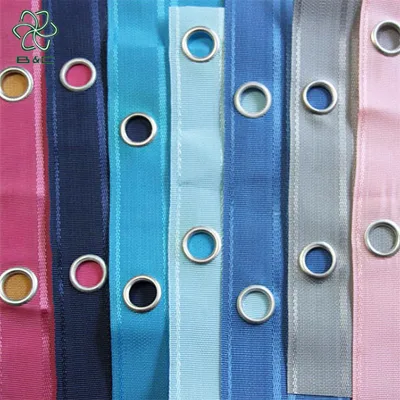
Eyelet Curtain Tape with Ring High Quality Eyelet Curtain Tape for Curtain Accessories
$0.01 - $0.30
MOQ: 10000 Meters


10cm Mesh Tape Curtain Ring Eyelet Curtain Tape with Ring Curtain Accessories
Negotiable
MOQ: 10000 Meters

Foshan Nanhai Wandaochaoche Curtain Decoration Co., Ltd.
- Verified by SGS Group
- Manufacturer, Trading Company
- Lead time30 days
- Avg. response≤ 2h
Main productsBlackout Curtain, Ripple Fold Curtain Track, Curtain Rails, Curtain Tape, Roller Blinds
Main marketsMid East(45%), Southeast Asia(30%), Oceania(20%)
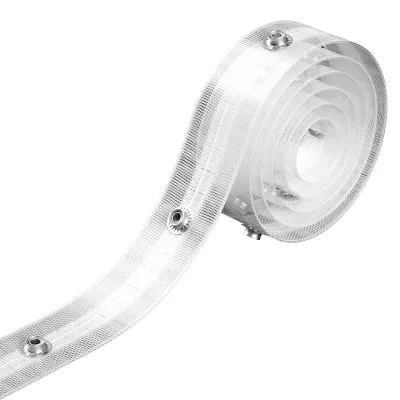
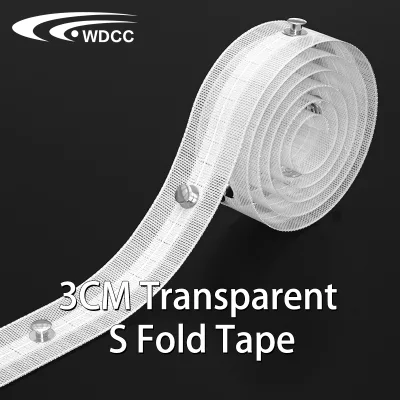
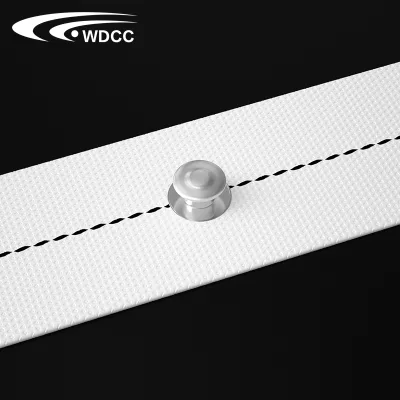
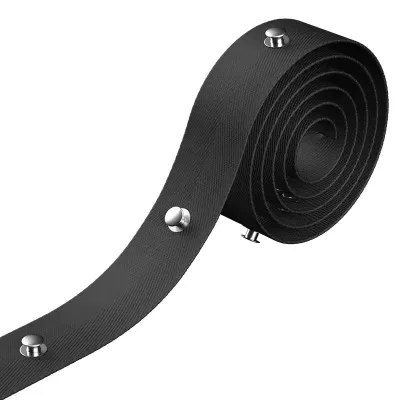
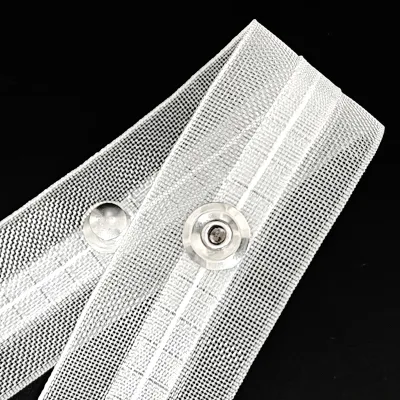
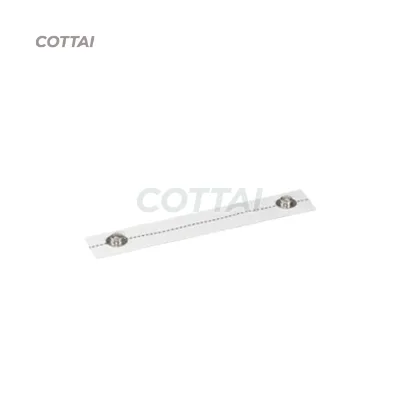
Nylon Snap Button Curtain Tape Curtain Border Tape Transparent Curtain Pleat Tape
$0.24 - $0.27
MOQ: 300

Hangzhou Dan Hong Import&Export Co. Ltd
- Verified by Intertek
- Trading Company
- Zhejiang, China
- Lead time30 days
- Avg. response≤ 7h
Main productsCurtain Tape, Curtain Tassel, Curtain Fringe, Curtain Hook, Curtain
Main marketsAfrica(50%), Southeast Asia(25%), Mid East(15%)
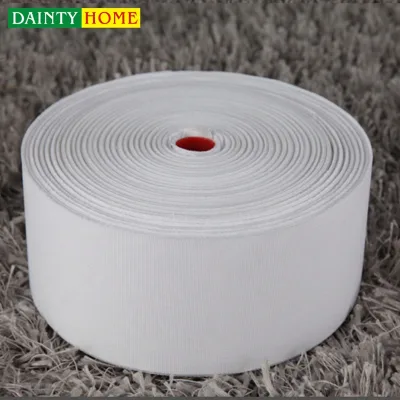

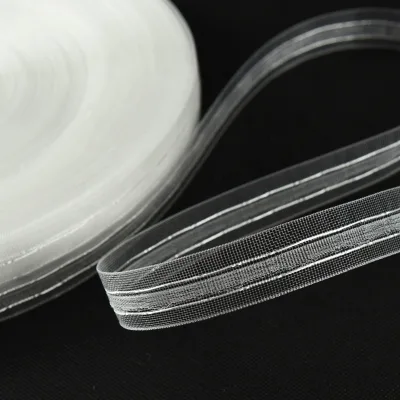
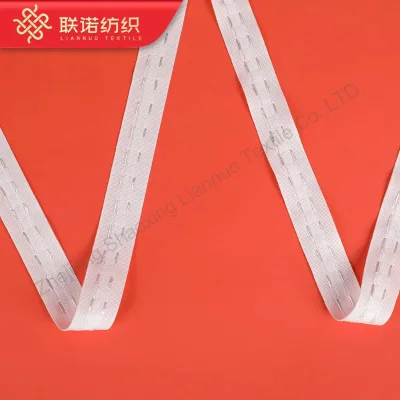
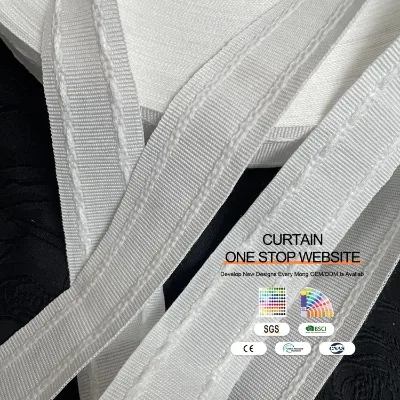
Quality Assurance Custom Tape Various Width Transparent Weaving Curtain Tape with Holes
$0.06 - $0.08
MOQ: 10000
Guangdong Aoli Chuang Yun Technology Co., Ltd.
- Manufacturer, Agent, Distributor/Wholesaler
- Guangdong, China
- Lead time5 days
- Avg. response≤ 2h
Main productsBlinds Accessories,Curtain Driver,Curtain Track,Curtain Motor,Blinds Motor
Main marketsMid East(30.00%), South Asia(20.00%), Domestic Market(10.00%), Northern Europe(10.00%), Eastern Asia(8.00%), Africa(6.00%), South America(6.00%), Eastern Europe(5.00%), Southern Europe(3.00%), Oceania(2.00%)
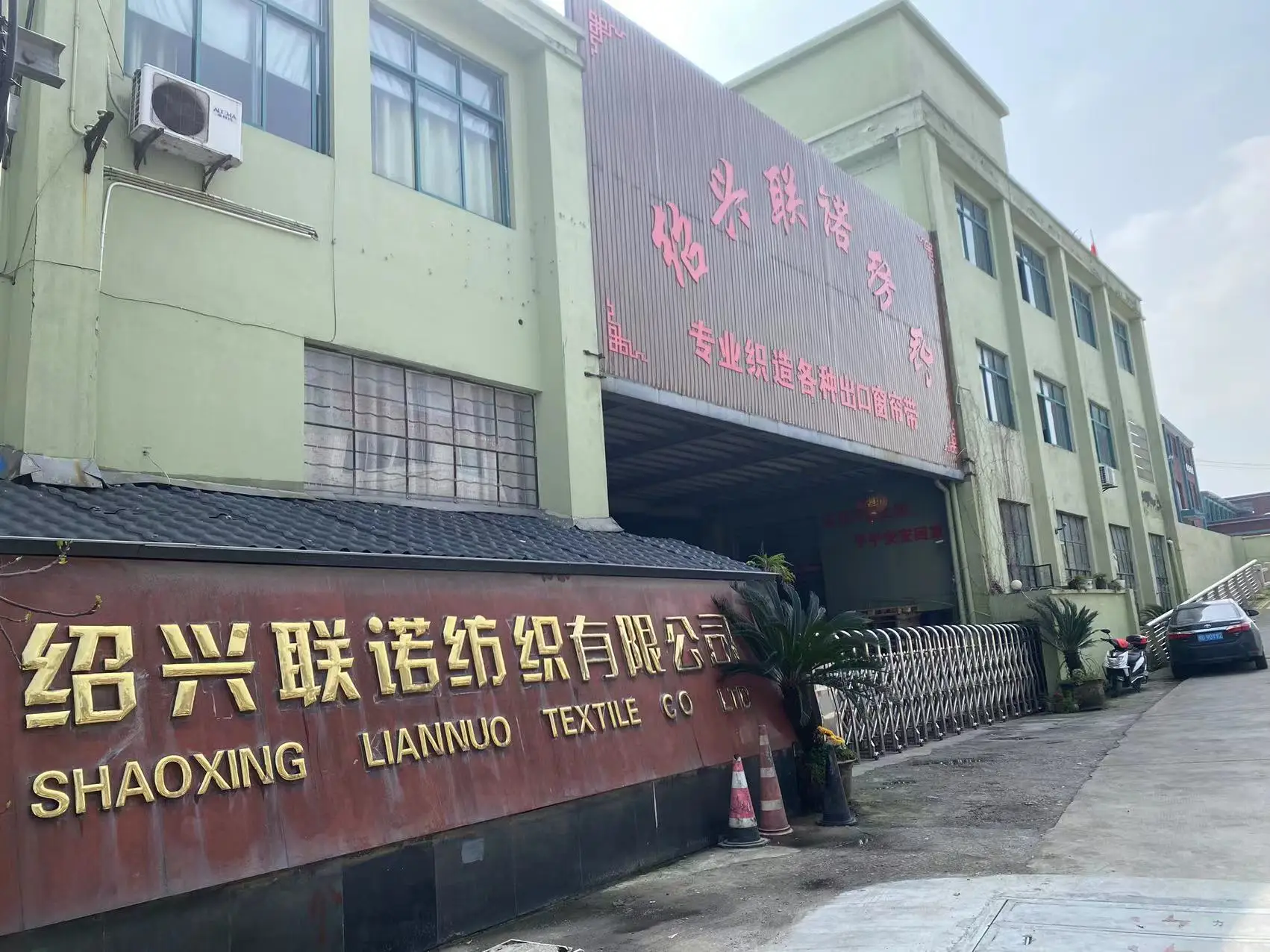
Shaoxing Liannuo Textile Co., Ltd.
- Manufacturer
- Zhejiang, China
- Lead time25 days
- Avg. response≤ 3h
Main productsCurtain fabric,Curtain accessories,Curtain beads
Main marketsMid East(50.00%), Africa(25.00%), Southeast Asia(15.00%), South Asia(5.00%), Northern Europe(5.00%)

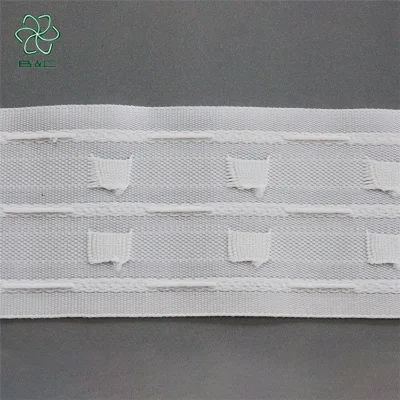
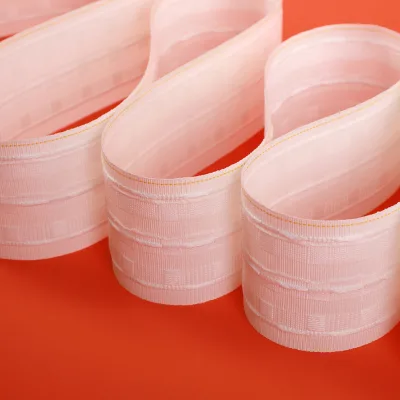
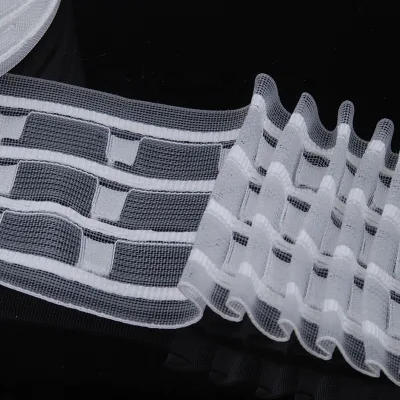
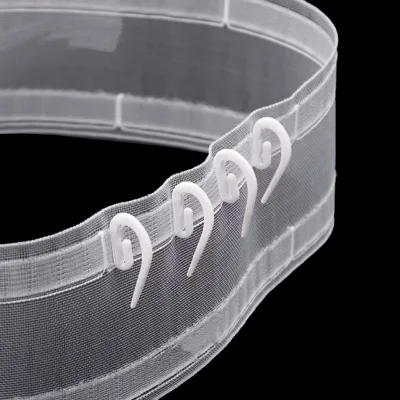
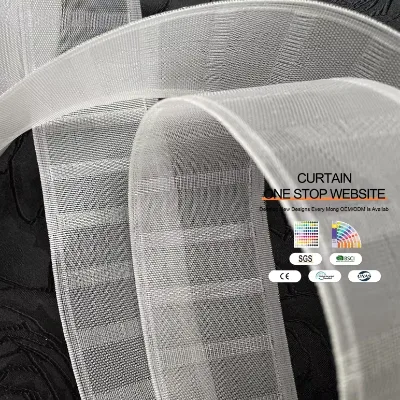
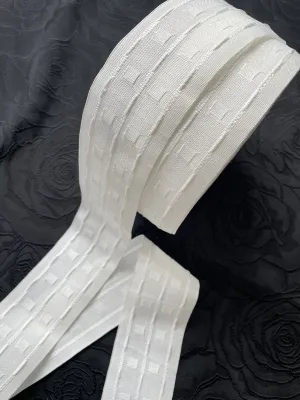
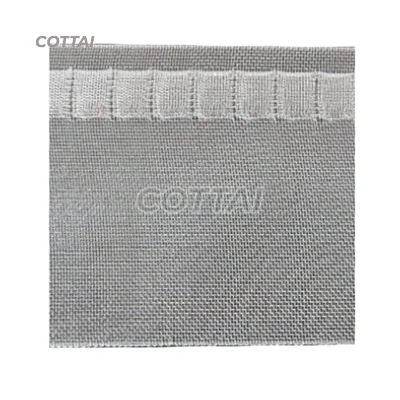
High Quality Transparent Polyester 6.5CM Woven Curtain Pleat Tape French Country ROMAN Style
$0.08 - $0.09
MOQ: 10000

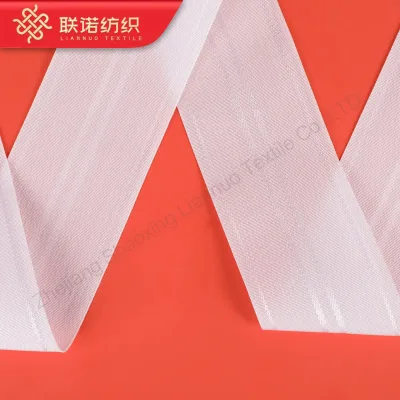
Customized Size High Quality Curtain Pleat Tape with Holes Curtain Accessories
$0.06 - $0.08
MOQ: 10000
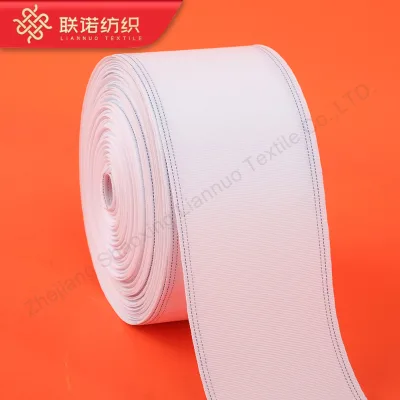
$0.0617 - $0.0925
MOQ: 5000 meters

Ningbo Haishu Creative industrial Trade Co., Ltd.
- Trading Company
- Zhejiang, China
- Lead time35 days
- Avg. response≤ 9h
Main productsCurtain Ripple Fold Tape Tape,Curtain Ripple Fold Carrie,Curtain Rail Track,Curtain Bracket,Curtain Runner
Main marketsWestern Europe(51.00%), North America(22.00%), South America(7.00%), Southeast Asia(6.00%), Eastern Europe(5.00%), Oceania(4.00%)
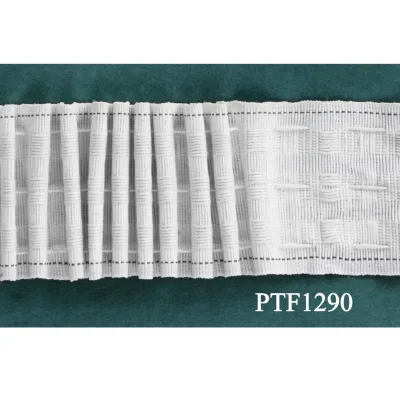
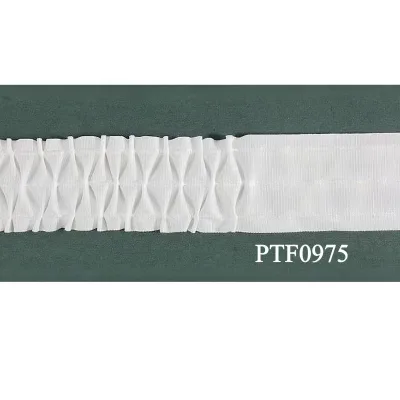
$0.04 - $0.12
MOQ: 10000 meters
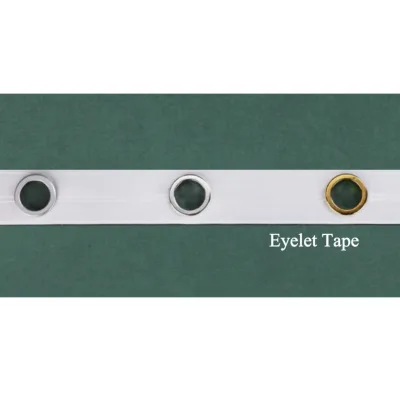
Wholesale China Eyelet Curtain Tape for Decorative Curtains & Valances
$0.04 - $0.11
MOQ: 10000 meters
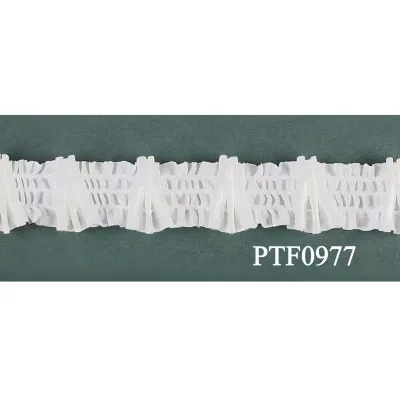
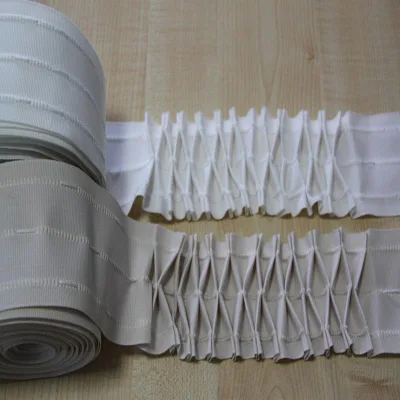
Wholesale Machine Made Curtain Tape Accessories Promotion Tape for Curtains & Valances
$0.04 - $0.10
MOQ: 10000 meters
Ningbo Yibo Curtain Decoration Co.,ltd
- Verified by SGS Group
- Manufacturer, Trading Company
- Lead time5 days
- Avg. response≤ 2h
Main productsCurtain Accessories
Main marketsOceania(25%), South America(20%), North America(15%)

R & C FUZHOU HOUSEWARE CO., LTD.
- Combined
- China Fujian
- Lead time23 days
- Avg. response≤ 1h
Main productsVenetian Blind, Curtain, Curtain Tieback, Sofa Cover, Bedding Set, Zebra Blind, Curtain Rod, Luxury Curtains, Electric Track, Curtain Accessories
Main marketsSouth America,Africa,Southeast Asia/ Mideast,East Asia(Japan/ South Korea),Europe,Australia,North America


75mm Polyester Cheap Curtain Accessories Eyelet Curtain Tape with Ring Home Decor
$0.25
MOQ: 1000 Meters

Shaoxing City Golden Choice Textile Co., Ltd.
- Verified by SGS Group
- Manufacturer, Trading Company
- Lead time3 days
- Avg. response≤ 4h
Main productsSimple Style Curtain Fabric, Print Style Curtain Fabric, Jacquard Style Curtain Fabric, Voile Curtain Fabric, Ready Made Home Textile
Main marketsNorth America(15%), Africa(15%), Mid East(15%)
- Verified by SGS Group
- Trading Company
- Lead time30 days
- Avg. response≤ 4h
Main productsZipper and Slider; Fabric; Thread; Tape; Lace
Main marketsSouth America(27%), Africa(14%), Mid East(13%)
Foshan HDCC Curtain Decoration Co., Ltd.
- Manufacturer, Trading Company
- Guangdong, China
- Lead time0 days
- Avg. response≤ 3h
Main productsBlackout Curtain, Ripple Fold Curtain Track, Curtain Rails, Curtain Tape, Roller Blinds
Main marketsMid East(45.00%), Southeast Asia(30.00%), Oceania(20.00%), North America(5.00%)
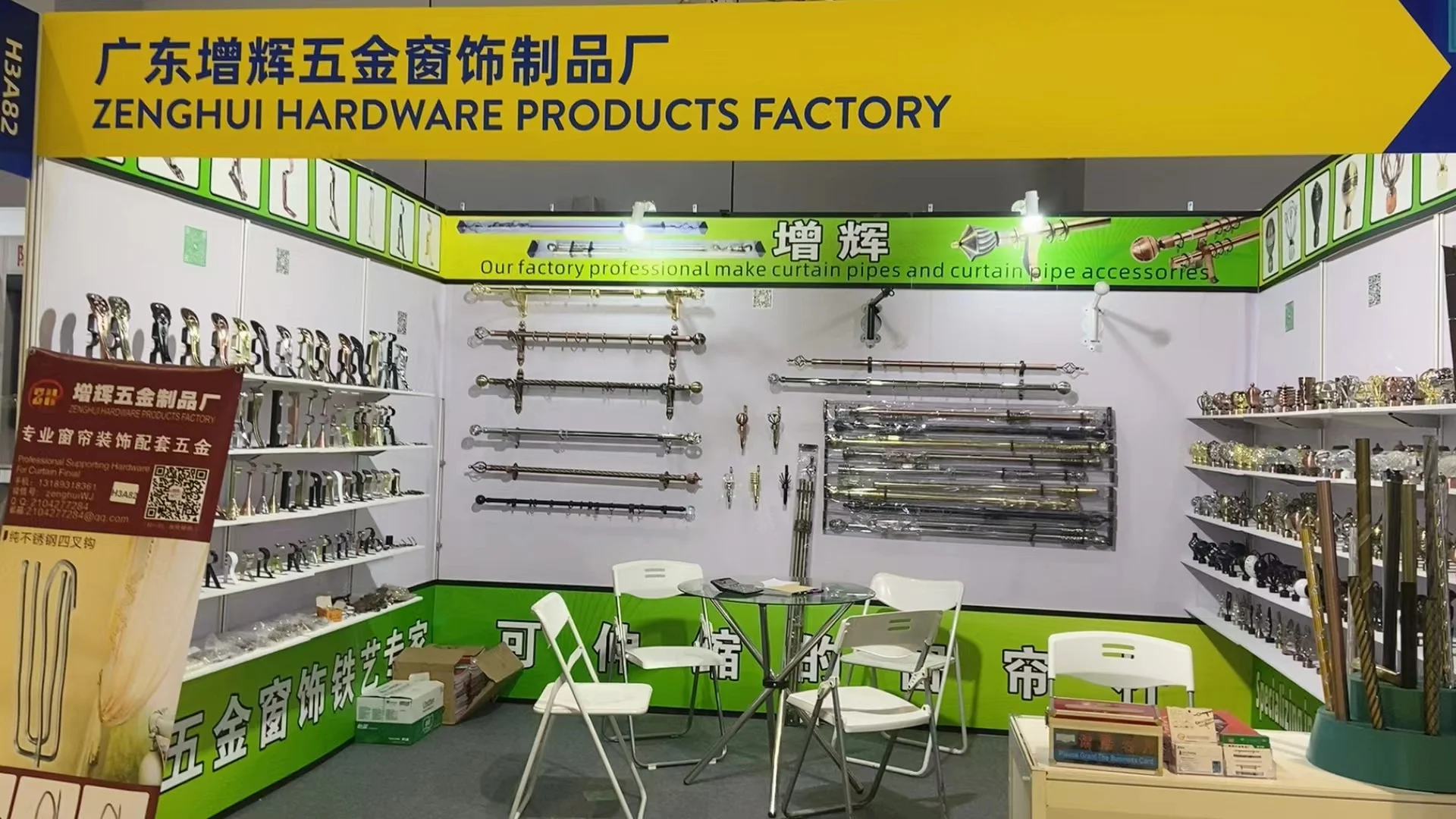
Zhaoqing Jinteng Hardware Products Co., Ltd.
- Manufacturer, Trading Company
- Guangdong, China
- Lead time15 days
- Avg. response≤ 19h
Main productsCurtain rod,Curtain finial,The curtain accessories,Curtain pipe,curtain bracket
Main marketsAfrica(40.00%), Mid East(30.00%), Domestic Market(10.00%), South Asia(10.00%), Southeast Asia(10.00%)

- Trading Company
- Taiwan, China
- Lead time15 days
- Avg. response≤ 3h
Main productsRoller Blind,Roman Blind,Curtain Accessory,Venetian Blind,Vertical Blind
Main marketsMid East(25.00%), Western Europe(25.00%), Oceania(20.00%), Southeast Asia(15.00%), South Asia(5.00%), Central America(5.00%), South America(5.00%)

Shouguang Runchen Environmental Protection Technology Co., Ltd.
- Verified by BV
- Combined
- China Shandong
- Lead time15 days
- Avg. response≤ 4h
Main productsZebra Blinds, Roller Blinds, Honeycomb Blinds, Shangri-La Blinds, Sunshine Blinds, Dream Curtain, Vertical Curtain, Sunscreen Blinds, Wooden Blinds, Motor End Caps Heading
Main marketsSouth America,Africa,Southeast Asia/ Mideast,Europe,Australia,North America

Dongguan City Shanli Weaving Co., Ltd.
- Verified by BV
- Combined
- China Guangdong
- Lead time30 days
- Avg. response≤ 9h
Main productsWebbing, Nylon Webbing, Polyester Webbing, Polypropylene Webbing, Cotton Webbing, Elastic Webbing, Jacquard Webbing, Printed Webbing, Tubular Webbing, Reflective Webbing
Main marketsEurope,North America


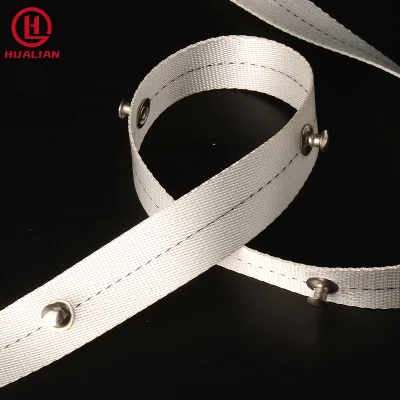
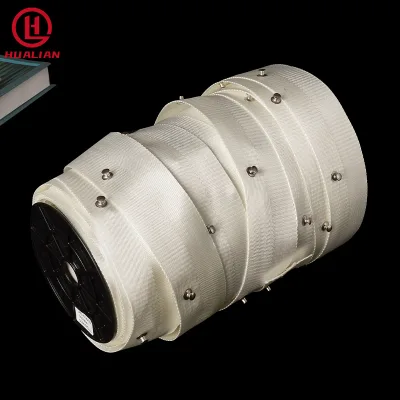
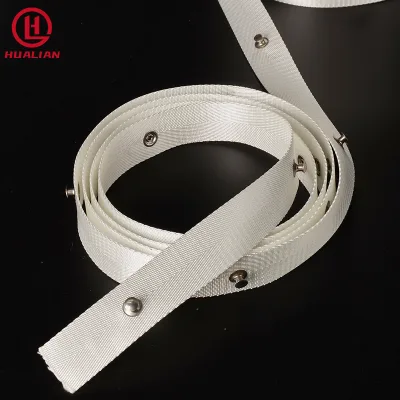
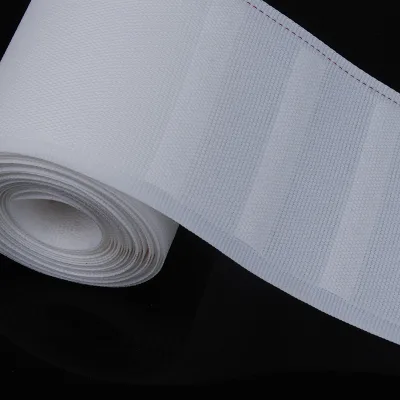
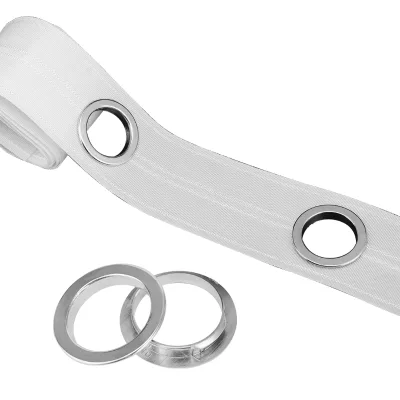

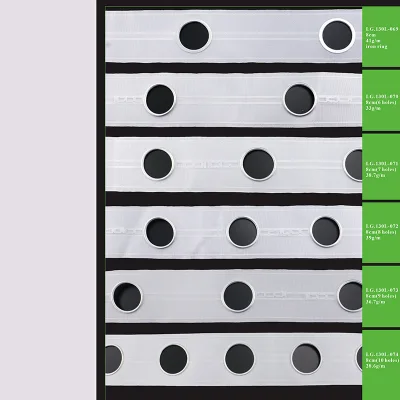
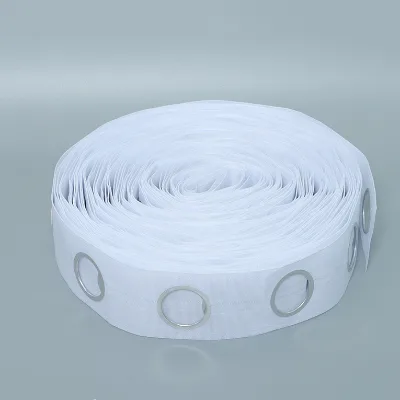
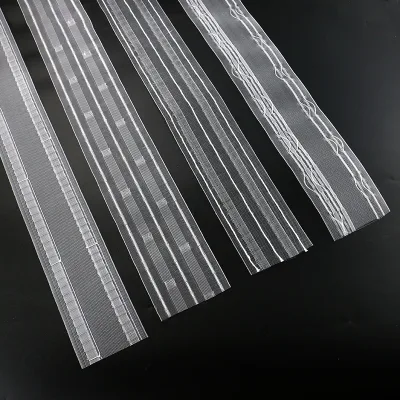
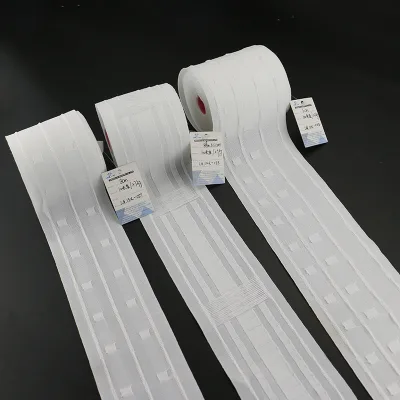


Comprehensive Sourcing Guide
French Country Round Curtain Tape Supplier Concentration and Factory Types
Sourcing results for this category show suppliers rooted in China's decorative textile and trim supply base, with product origin data pointing to Guangdong and Zhejiang provinces. Some listings place production in Foshan specifically, a city with a long association with curtain hardware and track systems, while others report Zhejiang origins tied more to trims, ribbons, laces and sewing notions. A buyer reading these results should treat that spread as a hint rather than a certainty: origins are often declared per product listing, not per factory, so the same company may show multiple provinces across its catalog. The practical takeaway is that this is a category where suppliers cluster around complementary products rather than a single branded niche, because country-style decorative tapes are frequently made by the same factories producing functional curtain tapes, wave-fold tapes and track accessories.
Company types in the results split between manufacturers and trading companies, and some combine both roles. The manufacturer-side listings center on Roman blinds, curtain tracks, hospital tracks, motorized and wave tracks, and matching accessories, which positions decorative tape as an add-on line within a track-system business. Trading companies list broader notion assortments — lace, thread, buttons, ribbons, zippers, tailoring materials and fabrics — and can aggregate tape production from multiple mills. Buyers should map each candidate against these profiles early: a track manufacturer is the better route for coordinated wave-fold and ripple systems, while a notions trader suits mixed-country decorative assortments. Neither type is inherently superior; the risk profile differs mainly in who controls the weaving loom and who answers for color consistency across repeats.
How to Verify French Country Round Curtain Tape Suppliers
Verification in this category starts with the on-platform credentials that are actually displayed rather than assumed. Some results show third-party verification badges — for example, one supplier carries an SGS Group verification and another carries a TÜV Rheinland badge — which signal that an inspection body has audited the company's registration and site claims. Independently, one trading-company listing displays ISO9001:2015 and ISO14001:2015 system certificates, which cover quality management and environmental management respectively. Buyers should not generalize any of these credentials across the category: each badge belongs to a specific company, and a candidate without a visible badge may still be fully legitimate. The correct move is to request the certificate numbers directly and, where possible, cross-check scope and validity before sampling.
Beyond credentials, verify that the displayed capabilities match what a decorative country tape order actually requires. Research-and-development capacity notes in the results range from light customization, sample processing, graphic processing and customized-on-demand work to own-brand development — the former matters if you need custom round-tape patterning or pleat spacing, the latter if you want exclusive designs. Match declared origins against factory addresses; Guangdong and Foshan should be corroborated with a business license showing the same region. Finally, test responsiveness before committing: one manufacturer reports an average response time of nine hours while a trading company reports under three hours, and that difference shapes how quickly problems get solved mid-run. Ask each candidate for a recent third-party inspection report on woven tape shipments, and treat refusals as a screening signal rather than an inconvenience.
What to Compare Across French Country Round Curtain Tape Suppliers
Build a comparison table using only attributes that suppliers actually display, because not every listing carries every field. Lead time is a reliable differentiator where shown: reported figures in this category cluster around 23 to 25 days from order to dispatch, and a buyer with a seasonal country-collection launch should weight that gap heavily. Response time varies more dramatically — the nine-hour versus roughly two-and-a-half-hour examples above — so log it during first contact rather than trusting a stated average. Minimum order quantities differ by product line, with one decorative tape listing at a 10,000-unit MOQ and a track-accessory listing at 100 units; confirm which figure applies to your specific tape specification, since wider woven tapes and pleated tapes often carry the higher thresholds.
Beyond the operational numbers, compare structural attributes that affect landed cost and fit. Price ranges visible in results span from roughly $0.10–0.12 per unit on flat polyester tape up to around $0.34–1.02 on plastic wave-fold distance runners, so a per-meter or per-unit comparison must first normalize for material, width and function. Compare packaging specifications — one listing details carton configurations for tracks, runners, end caps and brackets in precise per-bag counts — because packing density drives freight cost on low-density textile goods. Compare supply-ability claims, brand-name policies (some listings operate under named house brands, which may limit re-labeling), customization availability, and whether the supplier is a manufacturer or trader. Finally, weigh main-product breadth: a supplier whose core line is curtain track systems may coordinate tape, track and runner sourcing in one order, reducing vendor count but increasing dependence on a single partner.
Common French Country Round Curtain Tape Sourcing Risks
The most frequent risk in this category is specification drift between the listing and the shipment. Product data in the results shows how easily attributes diverge: one tape is polyester plus metal at a 0.5 kg gross weight in a 10×10×5 cm package, while another is plastic, transparent, sold in 10-meter lengths at 0.01 kg — the same search results can mix woven fabric tapes, non-woven yarn tapes and rigid track runners. A buyer searching for round country-style tape must therefore pin down material (polyester, plastic or cotton blend), width, round-cord or flat structure, pleat formation type and colorfastness in a written specification before quoting. Without that, quotations across suppliers are not comparable, and a low headline price may describe an entirely different product.
Second-tier risks concentrate in scale mismatch and branding. The MOQ spread — 100 units on accessories versus 10,000 on some tapes — means small buyers can accidentally anchor a conversation with a supplier whose true minimum exceeds their buy, then discover it only after sampling. Package-size and gross-weight data shown per SKU should be converted into a container-fill calculation early; light, bulky textile tapes that appear cheap per unit can carry disproportionate freight. Brand-name fields reveal another trap: several listings carry house brand names, so a buyer expecting blank goods must negotiate label removal or private-label rights in writing. Finally, design-style labels such as Bohemian, Art Deco or Contemporary describe listing metadata, not guaranteed French-country aesthetics — always approve a physical woven sample, not a catalog photograph, before production.
French Country Round Curtain Tape Regional Sourcing and Logistics
Regional structure matters in this category because the suppliers who list it sit inside established decorative-textile geographies. Product origin fields in the results point to Guangdong province — with Foshan named as a specific origin for tape products — and to Zhejiang province for the notions-heavy trading suppliers. Guangdong listings additionally name Guangzhou and Shenzhen as dispatch ports, which places these suppliers close to two of China's largest deep-water container gateways and simplifies carrier choice for both full-container and consolidated shipments. A buyer should nonetheless treat province-level origins as a starting hypothesis: confirm the actual weaving or dyeing facility address, because trading companies may declare a product origin that differs from their own registered location.
Logistics planning should start from the packing data suppliers actually publish. One manufacturer's listing itemizes carton loading in detail — runners at 10,000 pieces per bag, ten bags per carton; end caps at 500 per bag; brackets at 100 per bag — while tape products show smaller individual package dimensions like 10×10×5 cm or 20×20×20 cm with single-item gross weights from 0.01 to 0.5 kg. These figures let you estimate pieces per cubic meter and decide between carton-only consolidation and palletized loading, which matters for soft woven tapes that compress. Combine that with the 23–25 day lead-time range visible in results to schedule vessel bookings, and ask each candidate which port they ship from and whether they support both FOB collection and door-to-door options before comparing quotations.
French Country Round Curtain Tape Commercial Terms and Order Planning
Commercial planning should translate the displayed data into an order structure before negotiations begin. Start by mapping each candidate's terms: a manufacturer showing a 25-day lead time and a nine-hour response time suits scheduled replenishment, while a faster-responding trading company with a 23-day lead time may better absorb urgent top-up orders. Anchor pricing on the ranges that are actually visible — roughly $0.10–0.12 for flat polyester tape, $0.35–0.50 for yarn and non-woven tape variants, and $0.34–1.02 for plastic wave-fold accessories — and require quotations on identical specifications, material grade, packaging format and Incoterms basis, since the price fields alone do not reveal which of these variables each figure reflects. Confirm whether quotations are per meter, per unit or per roll, because the results mix all three conventions.
Order structuring should respect the MOQ asymmetry in the category. With 100-unit minimums on track accessories but 10,000-unit minimums on some tape lines, a sensible first order often combines a volume tape run with a small accessory trial, letting you evaluate weaving quality and color consistency without committing full quantity on every SKU. Build the timeline backward from lead time: sample approval, production at 23–25 days, and inspection before container loading. Secure escrow or platform-protected payment where available rather than assuming it applies, since verification badges do not automatically include payment protection. Finally, negotiate re-order terms now — locked pricing for a defined period, retained color standards and a documented packing spec — because decorative tape collections typically reorder seasonally and consistency, not price, is what the second order actually tests.
FAQs
What is the price range for curtain tape?
Curtain tape prices typically range from $0.10 to $1.02 per unit depending on material and customization. Basic polyester options start near $0.10, while specialized wave or ripple fold tapes cost up to $1.02. Buyers should verify exact pricing based on order volume and specific design requirements before finalizing procurement.
What is the minimum order quantity for curtain tape?
Minimum order quantities vary significantly by supplier and product type. Some manufacturers require a minimum of 10,000 units for standard polyester tapes, while others accept orders as low as 100 units for customized or sample processing. Buyers must check specific supplier listings to confirm the applicable MOQ for their desired quantity.
How long does production take for curtain tape?
Production lead times generally range from 23 to 25 days for standard orders. This timeframe allows for material sourcing, manufacturing, and quality control processes. Buyers should confirm exact delivery schedules with suppliers, as rush orders or complex customizations may extend the production period beyond the standard lead time window.
What materials are used for curtain tape?
Curtain tapes are commonly manufactured from polyester, plastic, or non-woven yarn materials. Polyester woven tapes offer durability for home decoration, while plastic components provide structural support for tracks. Some products combine polyester with metal elements for enhanced strength. Buyers should select materials based on the specific application and desired aesthetic finish.
Are suppliers verified for quality assurance?
Many suppliers hold verification from recognized third-party agencies such as SGS Group and TÜV Rheinland. These certifications indicate adherence to specific quality and safety standards. Buyers should verify current certification status directly with suppliers, as verification levels and audit dates may vary across different manufacturing facilities and product lines.
What is the response time for supplier inquiries?
Supplier response times typically average between 2.56 and 9 hours for initial inquiries. Faster response rates often indicate higher operational efficiency and customer service readiness. Buyers should expect prompt communication during business hours, though response speeds may vary depending on the supplier's current workload and specific communication channels used.