Source eco-friendly modern resin flower vase for Home, Gift, Art
Compare 30 eco-friendly modern resin flower vase options from verified suppliers. Explore variations in material, size, and customization to find the perfect piece for home decoration, business gifts, or art collection; compare the available evidence and request quotations based on your requirements.
Updated
Key considerations
Products List


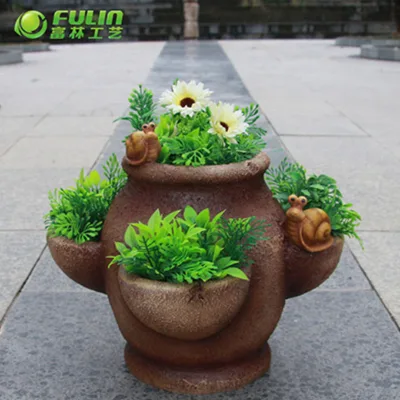


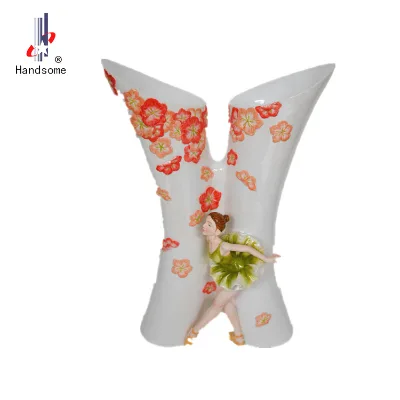


Modern Home Colored Design Decorate Glass Flower Vase for Home Decoration
$2.00 - $5.00
MOQ: 300 Pieces


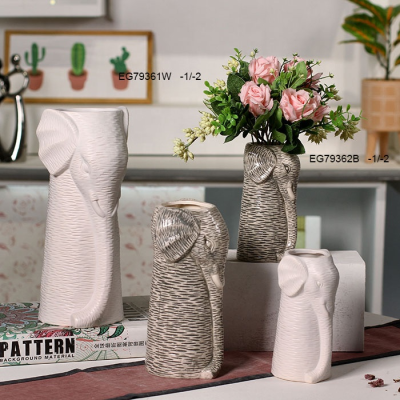
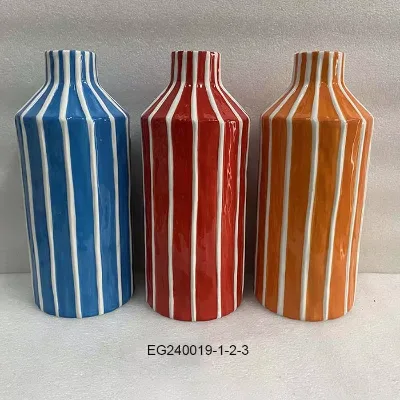
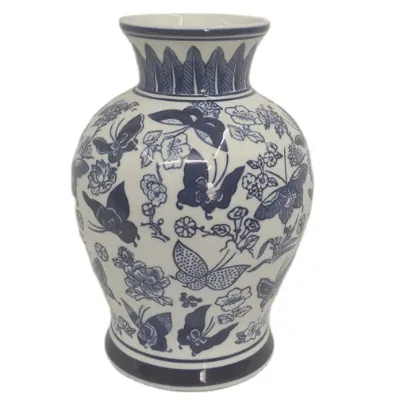
Flower Vase Blue and White Ceramic, New, Vintage, Chinese, Decorative Home
$9.0809 - $33.723
MOQ: 300 Minimum
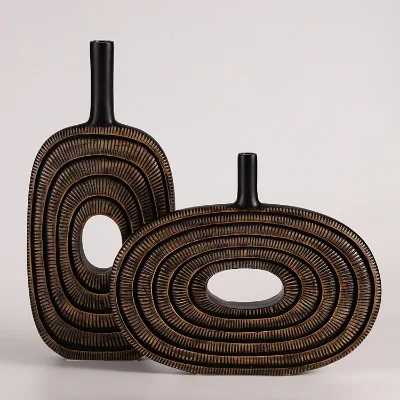
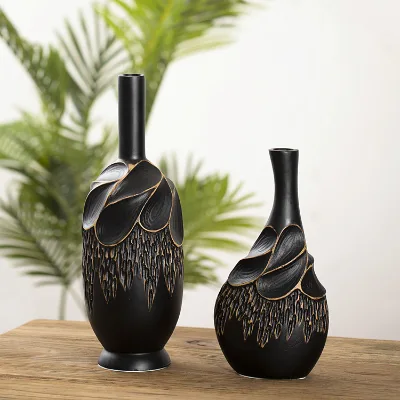
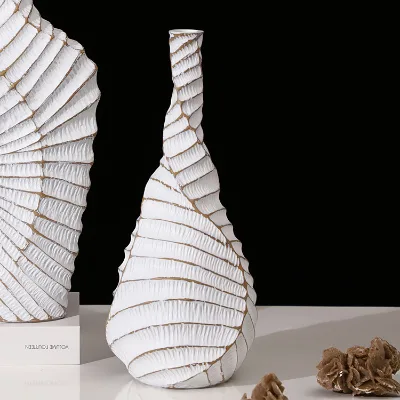
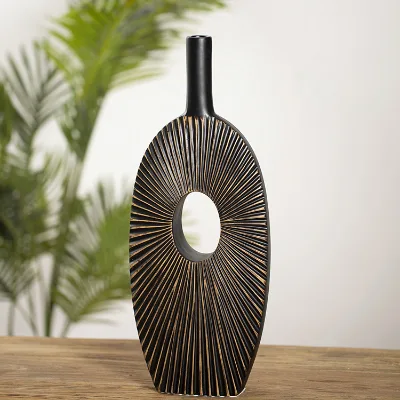
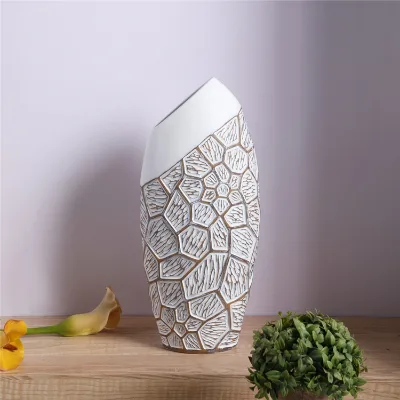
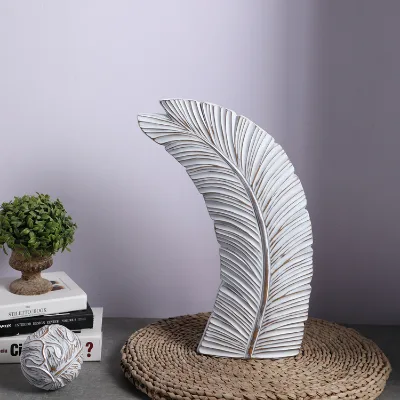
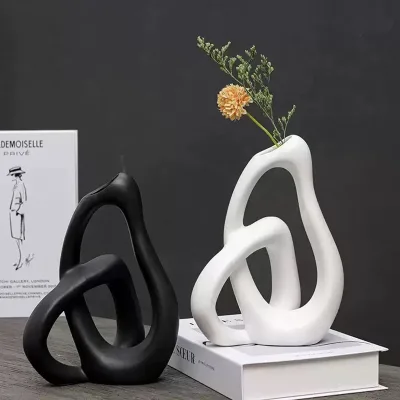

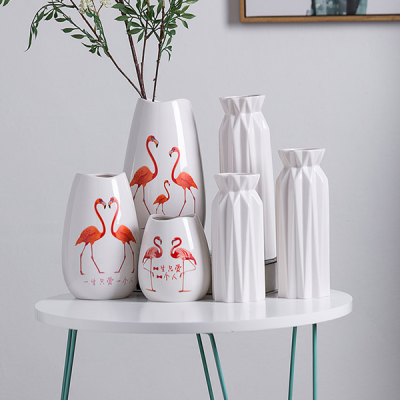
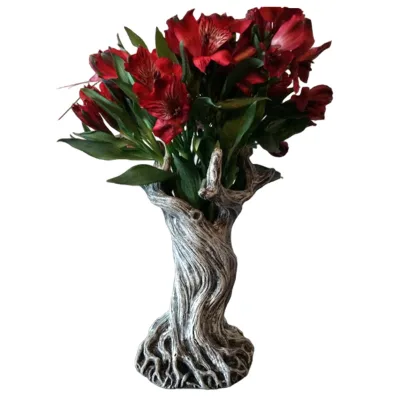


Polyresin Fashion Vase Home Decorative Flower Vase Nordic Floor Standing Vase
$3.78 - $4.20
MOQ: 100 Pieces


Comprehensive Sourcing Guide
Eco-Friendly Modern Resin Flower Vase Sourcing Guide
Procuring eco-friendly modern resin flower vases requires a nuanced understanding of material science and supply chain transparency. Buyers must distinguish between standard synthetic resins and those incorporating bio-based or recycled components to ensure genuine sustainability claims. The term "eco-friendly" is often used loosely in global trade, so verification of raw material sources is critical. This guide outlines the essential steps for validating product integrity, ensuring that the aesthetic appeal of modern designs does not compromise environmental standards or regulatory compliance.
Modern resin vases offer versatility in shape and finish, catering to diverse interior design trends. However, the manufacturing process must align with green procurement policies. Sourcing teams should prioritize suppliers who disclose their resin composition and manufacturing energy sources. By focusing on verified eco-friendly attributes, buyers can mitigate reputational risks associated with greenwashing. This approach ensures that the final product meets both aesthetic expectations and corporate sustainability goals, providing a competitive edge in the home decor market.
Product Scope and Observed Listing Signals
The observed product landscape includes items labeled as resin, ceramic, and bamboo, indicating a broad category of decorative vessels. Specific listings highlight features such as "hand-carved" finishes and "folk art" styles, suggesting a market segment that values artisanal craftsmanship over mass-produced uniformity. Buyers should note that while some products are explicitly described as resin, others may use ceramic or natural materials, requiring careful filtering to isolate true resin-based options. The presence of "creative" and "funny" attributes points to novelty items that may appeal to specific retail niches.
Observed specifications reveal a wide range of dimensions, with base diameters around seven inches and heights near eight inches for certain ceramic models, while resin items may vary significantly. Packaging details often include styrofoam and brown boxes, which raises questions about the "eco-friendly" claim if non-recyclable materials are used. Some listings mention "natural resin," which is a key differentiator for sustainability-focused buyers. Understanding these listing signals helps buyers identify products that genuinely align with eco-friendly modern design principles rather than those merely using the term for marketing purposes.
Technical Specifications to Verify
Verifying the exact resin composition is paramount for confirming eco-friendly status. Buyers should request technical data sheets that specify whether the resin is petroleum-based, bio-based, or contains recycled content. The presence of "hand-made" processes, as seen in some listings, can influence quality consistency and environmental impact. It is essential to confirm if the production methods minimize waste and energy consumption. Additionally, surface treatments like painting should be evaluated for toxicity and VOC emissions to ensure they do not negate the eco-friendly benefits of the base material.
Dimensional accuracy and structural integrity are critical for functional vases. Specifications such as a seven-inch base diameter and eight-inch height provide a baseline for storage and display planning. Buyers must verify that the resin formulation provides adequate durability for holding water or floral arrangements without degrading. The weight of items, such as 300g per piece for some ceramic models, offers insight into material density. For resin products, similar weight checks can help assess material quality and potential hollow structures that might affect longevity and environmental footprint.
Compliance and Safety Documentation
Regulatory compliance is non-negotiable for international trade, particularly regarding chemical safety. Buyers must ensure that the resin vases comply with relevant standards for consumer products, such as REACH in Europe or CPSIA in the United States. Although some listings mention ISO9001 certification, this pertains to quality management systems rather than product safety or environmental impact. It is crucial to request third-party test reports confirming the absence of harmful substances like lead, phthalates, or formaldehyde in the resin and any applied finishes.
Environmental certifications provide additional assurance of sustainable practices. Buyers should look for certifications related to biodegradability, recyclability, or responsible sourcing of raw materials. The "eco-friendly" label must be backed by verifiable documentation, such as Life Cycle Assessment (LCA) reports or green material declarations. Without these, the claim remains unsubstantiated. Ensuring that the supplier can provide comprehensive compliance documentation protects the buyer from legal liabilities and aligns the procurement with corporate social responsibility commitments, enhancing brand trust among environmentally conscious consumers.
Cost Drivers and Commercial Terms
Cost structures for eco-friendly resin vases are influenced by material sourcing and manufacturing complexity. Bio-based or recycled resins typically command a premium over standard petroleum-based alternatives. The "hand-made" aspect, observed in some listings, adds labor costs but may justify higher price points due to perceived uniqueness and quality. Buyers should analyze the cost breakdown to understand how much of the price reflects genuine sustainable materials versus marketing overhead. Volume discounts may apply, but the minimum order quantities (MOQ) can vary significantly, affecting inventory planning and cash flow.
Commercial terms such as lead times and payment conditions impact overall procurement efficiency. Observed delivery times of fifteen days after order confirmation suggest a relatively agile supply chain, but this can fluctuate based on material availability. Packaging costs, including styrofoam and cardboard, contribute to the final price and must be evaluated for sustainability. Buyers should negotiate terms that align with their inventory needs, considering the potential for higher MOQs to secure better unit prices. Clear communication regarding these terms helps avoid unexpected costs and ensures a smooth transaction process.
Supplier Qualification and Quality Control
Supplier qualification involves assessing their commitment to sustainable manufacturing practices. Buyers should verify the supplier's origin, such as Fujian, China, and evaluate their production capabilities for eco-friendly materials. The presence of "natural resin" in some listings indicates a potential for higher quality, but direct verification is necessary. Quality control processes must include rigorous testing for material consistency and finish durability. Suppliers with established quality management systems, like ISO9001, are better positioned to maintain consistent product standards, reducing the risk of defects and returns.
On-site audits or third-party inspections can provide deeper insights into supplier practices. Buyers should inquire about waste management, energy usage, and employee safety standards. The ability to provide samples for testing is a critical step in validating quality claims. Additionally, suppliers should demonstrate traceability in their supply chain, from raw material sourcing to final product delivery. This transparency ensures that the "eco-friendly" attributes are genuine and not merely superficial. Establishing a strong relationship with qualified suppliers fosters long-term collaboration and continuous improvement in product sustainability.
Long-Term Procurement Checks
Long-term procurement success depends on continuous monitoring of supplier performance and product evolution. Buyers should regularly review supplier compliance with environmental regulations and sustainability goals. The market for eco-friendly products is dynamic, with new materials and technologies emerging frequently. Staying informed about these advancements allows buyers to upgrade their product offerings and maintain a competitive edge. Regular feedback loops with suppliers can drive innovation and improve the sustainability profile of the vases over time.
Building a resilient supply chain involves diversifying suppliers and maintaining open communication channels. Buyers should assess the supplier's ability to scale production while adhering to eco-friendly standards. Monitoring market trends and consumer preferences helps in anticipating demand shifts and adjusting procurement strategies accordingly. By prioritizing long-term partnerships based on shared values of sustainability and quality, buyers can ensure a steady supply of high-end, eco-friendly resin flower vases that meet evolving market demands and regulatory requirements.
FAQs
What materials are used for the eco-friendly modern resin flower vase?
The product is made from natural resin and ceramic materials. Some items feature hand-carved finishes with painted surfaces. These materials ensure durability while maintaining an artistic appearance suitable for home decoration and business gifts.
Can I customize the design of the resin flower vase?
Customization is available for this product line. Buyers can request specific styles or features to meet their needs. The manufacturer supports creative designs and offers various models to ensure the final product aligns with your specific requirements.
What is the minimum order quantity for the resin flower vase?
The minimum order quantity varies by product model. Some items require 36 pieces while others need 160 pieces. Buyers should confirm the specific MOQ based on the selected model number and packaging details before placing an order.
How long does it take to deliver the flower vase order?
Delivery time is confirmed within 15 days after the order is placed. This lead time applies to the production and shipping process. Buyers should plan their procurement schedule accordingly to ensure timely receipt of the goods.
Which certifications does the manufacturer hold for these products?
The manufacturer holds ISO9001 certification for their production processes. This ensures quality management standards are met during manufacturing. Buyers can rely on these certified practices when sourcing eco-friendly modern resin flower vases for their business needs.
What are the standard dimensions for the ceramic flower vase?
Standard dimensions include a base diameter of 7 inches and a height of 8 inches. Some models measure 18 by 19 centimeters. These specifications ensure the vases fit various interior spaces while maintaining a consistent aesthetic profile.
Where is the origin of the eco-friendly modern resin flower vase?
The products originate from Fujian, China. The port of dispatch is Xiamen. This location allows for efficient logistics and shipping to international markets while maintaining the quality standards expected from regional manufacturers.