Source Customized Wood Fridge Magnet for Souvenirs, Crafts, and Decor
Explore 30 listings for Customized Wood Fridge Magnet options from suppliers in China. Compare specifications like size, material, and MOQ to find the right fit for souvenir, craft, or home decoration projects; compare the available evidence and request quotations based on your requirements.
Updated
Key considerations
Products List
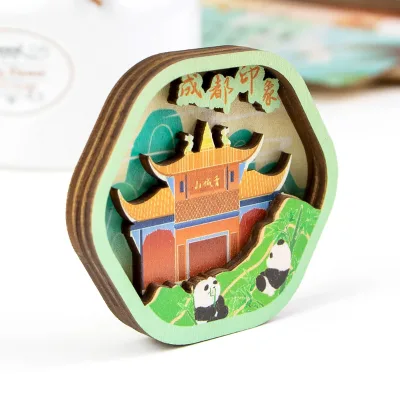
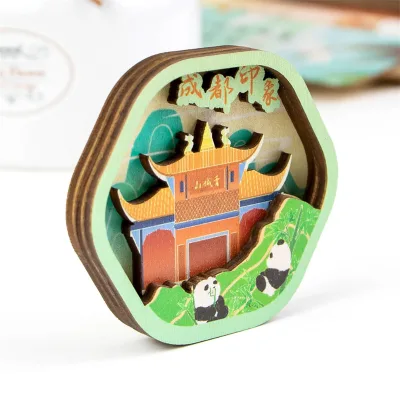
Custom 3d Fridge Magnets Wooden Magnet Sticker Fridge Chengdu Souvenir Fridge Magnet
$0.3598 - $0.5651
MOQ: 1000 pieces
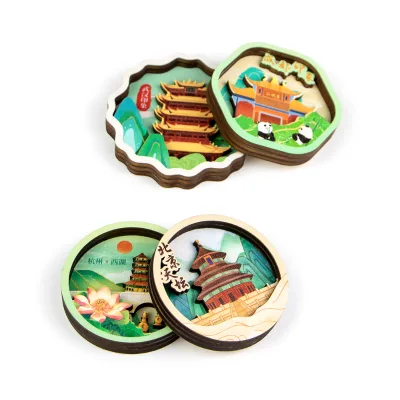
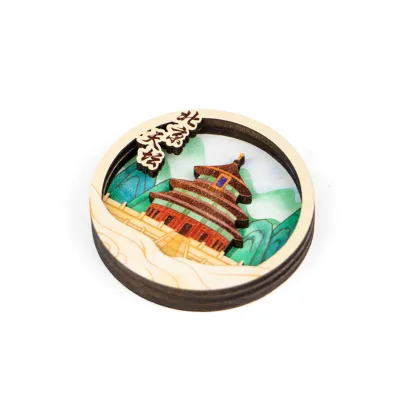
Custom City Tourism Souvenir Wooden Refrigerator Magnet As Promotional Gifts
$0.3598 - $0.5651
MOQ: 1000 pieces

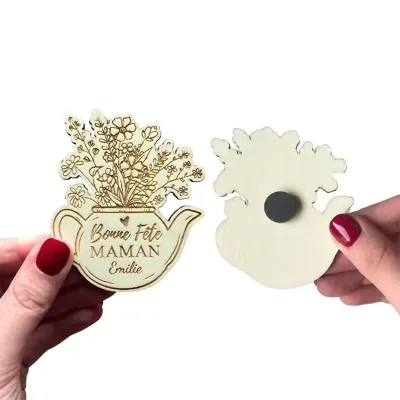
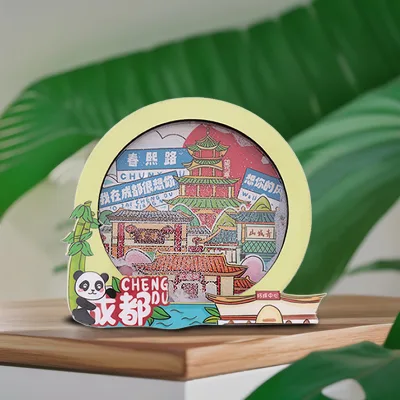




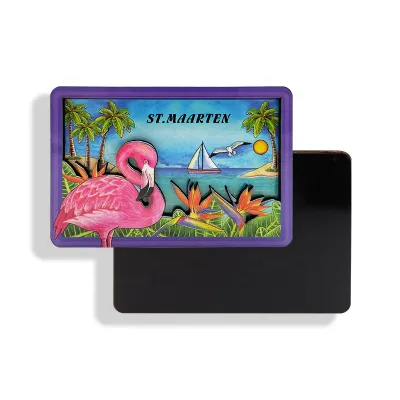



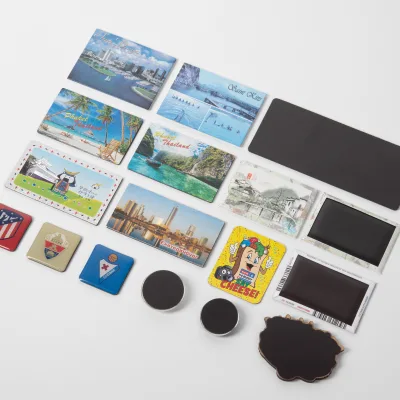


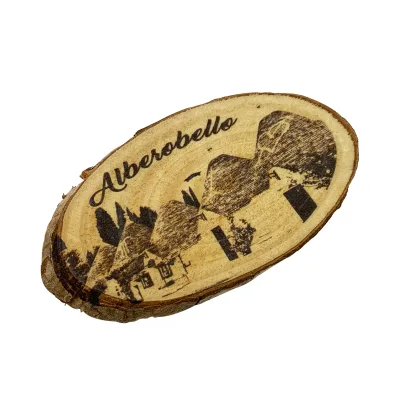
Wooden Fridge Magnet Tourism Souvenirs Customised Promotional Fridge Magnets
$0.30 - $0.50
MOQ: 1000 Pieces

Comprehensive Sourcing Guide
Customized Wood Fridge Magnet Sourcing Guide
Sourcing customized wood fridge magnets requires a clear understanding of the diverse material options and manufacturing techniques available in the current market. Buyers often encounter products ranging from simple laser-cut basswood plywood to more complex carved bamboo wood designs, each offering distinct aesthetic and functional properties. The observed listings indicate a strong emphasis on OEM and ODM capabilities, allowing purchasers to tailor shapes, sizes, and branding to specific marketing needs. This flexibility is crucial for businesses looking to create unique promotional items or souvenir products that stand out in competitive retail environments.
The procurement landscape for these items is characterized by significant variability in minimum order quantities and production lead times. While some suppliers accept orders as low as fifty pieces, others require minimums of five thousand units, which directly impacts inventory planning and cash flow management. Additionally, delivery times can range from seven to thirty days depending on the order volume and customization complexity. Understanding these operational constraints early in the sourcing process helps buyers align their procurement strategies with their sales forecasts and logistical capabilities, ensuring a smoother transaction from initial inquiry to final delivery.
Product Scope and Observed Listing Signals
The current market for customized wood fridge magnets presents a wide array of product types, primarily categorized by material composition and intended use. Listings frequently highlight products made from natural materials such as bamboo wood and basswood plywood, appealing to buyers seeking eco-friendly and sustainable options. These materials are often marketed with features like "natural material" and "eco-friendly" attributes, which resonate with environmentally conscious consumers. The product scope also includes various shapes and sizes, with common dimensions observed around 6x6cm or 9x5cm, though customized sizes are widely available to meet specific design requirements.
Observations of listing signals reveal that many suppliers position these magnets as versatile items suitable for home decoration, souvenirs, and DIY crafts. The usage tags often include "fridge magnet," "freezer magnet," and "souvenir," indicating their broad applicability across different consumer segments. Furthermore, the presence of "custom logo" and "OEM acceptable" attributes suggests that branding is a key differentiator in this category. Buyers should note that while some listings emphasize freestanding decoration or specific techniques like carving, the core function remains magnetic attachment, making the quality of the embedded magnet a critical factor in overall product performance and customer satisfaction.
Technical Specifications to Verify
When evaluating technical specifications, buyers must prioritize the verification of material thickness, magnetic strength, and surface finish quality. The observed listings mention materials such as basswood plywood and bamboo wood, but the specific grade and density of these woods can vary significantly between suppliers. It is essential to request physical samples to assess the smoothness of the laser-cut edges and the durability of the UV printing or carving techniques used. Additionally, the size specifications, such as 6x6cm or 9x5cm, should be confirmed against the actual product dimensions, as tolerances can affect how well the magnet adheres to metal surfaces and fits within packaging constraints.
Another critical technical aspect is the packaging and gross weight, which directly impact shipping costs and product protection. Listings indicate single package sizes ranging from compact 6x6x2 cm boxes to larger 46x36x35 cm cartons, reflecting different packing strategies for individual units versus bulk shipments. Buyers should verify the single gross weight, which has been observed around 0.5 kg for some items, to accurately calculate freight charges. Ensuring that the packaging, often described as OPP bags or custom boxes, provides adequate protection against moisture and physical damage during transit is vital to maintaining product integrity upon arrival at the destination warehouse.
Compliance and Safety Documentation
Compliance and safety documentation are paramount when sourcing wood products, particularly those intended for use in households or as children’s toys. Although specific certification statuses like REACH or EN71 are mentioned in background contexts, buyers must independently verify the current validity and scope of these certifications with their chosen suppliers. It is crucial to confirm that the wood materials used are free from harmful chemicals and that any adhesives or coatings applied during the manufacturing process meet international safety standards. Requesting recent test reports from accredited laboratories ensures that the products comply with the regulatory requirements of the target market, thereby mitigating legal and reputational risks.
In addition to material safety, buyers should inquire about the environmental impact of the production process. Many suppliers highlight "eco-friendly" features, but these claims should be substantiated by verifiable data regarding sustainable sourcing practices and waste management. Understanding the supply chain transparency is equally important, as it allows buyers to assess the ethical implications of their procurement decisions. By prioritizing suppliers who provide comprehensive compliance documentation and transparent environmental claims, buyers can build a responsible sourcing strategy that aligns with global sustainability trends and consumer expectations for safe, high-quality wooden products.
Cost Drivers and Commercial Terms
Cost drivers for customized wood fridge magnets include material selection, order volume, and the complexity of the customization process. The observed price range of 0.1 to 1.48 USD per unit reflects significant variation based on these factors. Higher prices are typically associated with intricate designs, premium materials like solid bamboo, or small order quantities that do not benefit from economies of scale. Conversely, larger orders with standardized designs can achieve lower unit costs. Buyers should carefully analyze the cost breakdown to understand how much of the price is attributed to raw materials versus labor and customization fees, enabling more accurate budgeting and margin calculations.
Commercial terms also play a significant role in the total cost of ownership. Payment structures often involve a deposit, such as 30% upfront with the balance due before shipping, which affects cash flow management. Additionally, lead times ranging from seven to thirty days must be factored into inventory planning to avoid stockouts or excess inventory. Buyers should negotiate clear terms regarding sample costs, which can range from three to ten days for production, and clarify who bears the cost of shipping and insurance. Understanding these commercial dynamics helps in establishing realistic timelines and financial expectations, ensuring a smoother procurement experience from order placement to final delivery.
Supplier Qualification and Quality Control
Supplier qualification is a critical step in ensuring the reliability and consistency of Customized Wood Fridge Magnet orders. Buyers should verify the supplier’s production capacity, quality control processes, and track record in handling OEM and ODM projects. Observations indicate that suppliers are located in regions like Zhejiang and Shandong in China, which are known for their manufacturing capabilities. However, buyers must conduct thorough due diligence to assess the supplier’s ability to maintain consistent quality across large batches. Requesting references or case studies from previous clients can provide valuable insights into the supplier’s performance and reliability in meeting deadlines and specifications.
Quality control measures should be clearly defined and agreed upon before production begins. This includes establishing acceptance criteria for material defects, printing alignment, and magnetic strength. Buyers should consider implementing third-party inspection services to verify product quality before shipment, especially for large orders. Clear communication regarding design files, color proofs, and sample approvals is essential to minimize the risk of errors and rework. By prioritizing suppliers with robust quality control systems and transparent communication practices, buyers can ensure that the final products meet their expectations and maintain brand integrity in the market.
Long-Term Procurement Checks
Long-term procurement checks involve continuous monitoring of supplier performance, market trends, and product quality to ensure sustained value. Buyers should establish key performance indicators (KPIs) to track metrics such as on-time delivery rates, defect rates, and responsiveness to issues. Regular audits and feedback sessions with suppliers can help identify areas for improvement and strengthen the partnership over time. Additionally, staying informed about changes in material costs, regulatory requirements, and consumer preferences allows buyers to adapt their sourcing strategies proactively. This ongoing evaluation ensures that the procurement process remains efficient, cost-effective, and aligned with business objectives.
Furthermore, buyers should explore opportunities for product innovation and diversification within the customized wood magnet category. As market demands evolve, there may be opportunities to introduce new designs, materials, or functionalities that enhance product appeal. Collaborating with suppliers on research and development initiatives can lead to unique offerings that differentiate the buyer’s brand in the marketplace. By maintaining a flexible and forward-thinking approach to procurement, buyers can capitalize on emerging trends and maintain a competitive edge. Continuous engagement with suppliers and market analysis is essential for long-term success in the dynamic world of customized wooden products.
FAQs
What materials are used for customized wood fridge magnets?
Customized wood fridge magnets are typically crafted from natural materials such as bamboo wood, basswood plywood, or solid wood. These materials provide a durable and eco-friendly base for laser cutting and UV printing. The natural wood grain adds a unique aesthetic appeal, making them suitable for home decoration, souvenirs, and promotional gifts while maintaining structural integrity.
Can I customize the size and shape of wood magnets?
Yes, manufacturers offer fully customized sizes and shapes for wood fridge magnets. Standard options include specific dimensions like 9x5cm or 6x6cm, but buyers can request tailored specifications to fit branding needs. OEM and ODM services are available, allowing for unique designs, logos, and themes to be carved or printed onto the wooden surface for distinct visual impact.
What is the typical lead time for custom wood magnets?
The typical lead time for producing customized wood fridge magnets ranges from 7 to 30 days, depending on the order quantity and complexity. Sample production usually takes 3 to 10 days, while bulk manufacturing requires 15 to 30 days. Buyers should confirm specific delivery schedules with suppliers based on their required volume and customization details.
What are the MOQ requirements for ordering wood magnets?
Minimum Order Quantities for customized wood fridge magnets vary by supplier, typically ranging from 50 to 5000 pieces. Some vendors accept orders as low as 50 units, while others may require 1000 or 5000 pieces for production. Buyers should verify the specific MOQ with each manufacturer to ensure it aligns with their budget and inventory requirements.
How are custom wood magnets packaged for shipping?
Custom wood magnets are generally packaged in OPP bags, with one piece per bag, to protect the surface during transit. For bulk orders, they may be packed in larger cartons. Single package sizes vary, such as 10x10x5 cm or larger dimensions for heavier items. Buyers should confirm packaging details to ensure safe delivery and compliance with their storage needs.
What payment terms are accepted for wood magnet orders?
Common payment terms for customized wood fridge magnets include T/T (Telegraphic Transfer) or a deposit structure. Many suppliers require a 30% deposit with the remaining 70% balance paid before shipping. Buyers should discuss and agree upon secure payment methods with the supplier to facilitate smooth transaction processing and order fulfillment.