eco-friendly wedding tabletop flower vase Suppliers and Manufacturers
Source 28 verified suppliers for eco-friendly wedding tabletop flower vase options. Compare grounded dimensions including China-based locations, OEM capabilities, ISO certifications, and lead times. Review product specifications and request quotes directly from the listed factories; review the available evidence before requesting comparable quotations from suitable candidates.
Updated
Suppliers List

Jinjiang Jiayi Supply Chain Management Co., Ltd.
- Verified by BV
- Trading Company
- China Fujian
- Lead time30 days
- Avg. response≤ 2h
Main productsGift, Shoe, Garment, Machine
Main marketsDomestic

Golden Ace Industrial Co., Ltd.
- Verified by BV
- Combined
- China Shandong
- Lead time60 days
- Avg. response≤ 12h
Main productsGlassware, Kitchenware, Houseware, Glass Vase, Giftware
Main marketsAfrica,Southeast Asia/ Mideast,Europe,Australia,North America


Simple Green Color Flower Vase Tabletop Decorative Glass Vase for Flowers
$2.00 - $5.00
MOQ: 300 Pieces

Hand Blown Glass Flower Vase for Living Room Centerpieces Tabletop Wedding
$2.00 - $5.00
MOQ: 300 Pieces


Yancheng Xinboyuan Glass Co., Ltd.
- Verified by BV
- Trading Company,Manufacturer/Factory
- China Jiangsu
- Lead time23 days
- Avg. response≤ 7h
Main productsGlass Table Lamp, Glass Perfume Bottles, Glass Lampshade, Glass Labware, Glass Bottles & Jars, Glass Candlesticks, Borosilicate Mug & Cups, Glass Vases & Terrariums, Glass Beakers, Glass Reagent Bottles
Main marketsEastern Europe,Mid East,North America,Western Europe


Creative Pigment Flower Glass Vase Color Modern Vase Flowers Creative Flower Vase
$1.00 - $3.50
MOQ: 50 Pieces
Xuzhou Longhua Glass Products Co., Ltd.
- Trading Company
- Jiangsu, China
- Lead time15 days
- Avg. response≤ 2h
Main productsglass bottle,Glass candle holder,Glass storage jar,Glass oil bottle,Cosmetic bottle
Main marketsDomestic Market(10.00%), Africa(10.00%), Southern Europe(10.00%), Eastern Europe(10.00%), South America(10.00%), Northern Europe(10.00%), Oceania(5.00%), South Asia(5.00%), Southeast Asia(5.00%), North America(5.00%), Central America(5.00%), Western Europe(5.00%), Eastern Asia(5.00%), Mid East(5.00%)

Fujian Dehua Ciwenyuan Ceramics Co., Ltd.
- Manufacturer
- Fujian, China
- Lead time15 days
- Avg. response≤ 3h
Main productsCeramic Flower Vase,Ceramic Home Decoration,Ceramic Candle Cup,Ceramic Candlestick Holder,Ceramic Incense Burner
Main marketsNorth America(70.00%), Western Europe(15.00%), Mid East(15.00%)

Xiamen Yoyo Ceramic Trading Co., Ltd.
- Verified by BV
- Combined
- China Fujian
- Lead time23 days
- Avg. response≤ 11h
Main productsCeramic Mugs, Ceramic Plates, Teawares, Ceramic Canisters, Ceramic Vases, Ceramic Flower Planters, Ceramic Coin Bank, Flowerpot, Canisters, Resin Crafts
Main marketsSouth America,Africa,Southeast Asia/ Mideast,East Asia(Japan/ South Korea),Europe,Australia,North America

Creative Design Ceramic Flower Tabletop Vase Home Decoration Porcelain Flower Vases
$0.60 - $3.00
MOQ: 1000 Pieces


Terracotta Clay Farmhouse Rustic Decorative Flower Vase for Party Wedding
$0.60 - $3.00
MOQ: 1000 Pieces
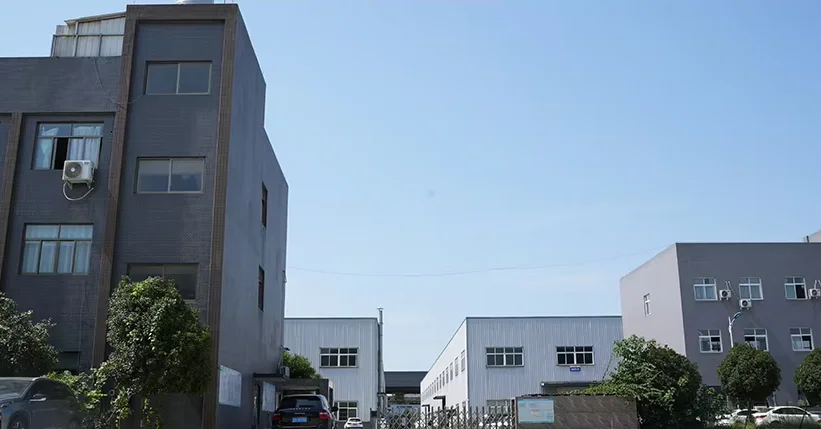
Zhengzhou Feiyang Homeware Co., Ltd.
- Trading Company
- Henan, China
- Lead time7 days
- Avg. response≤ 1h
Main productsCeramic mug,Ceramic plate,Ceramic bowl,Ceramic vase,Ceramic kitchenware
Main marketsNorth America(30.00%), Domestic Market(20.00%), Southern Europe(10.00%), Northern Europe(10.00%), Western Europe(10.00%), Oceania(10.00%), Southeast Asia(10.00%)
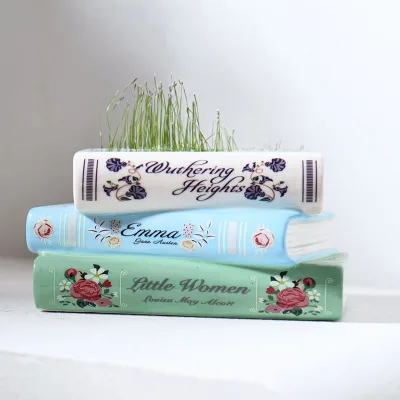
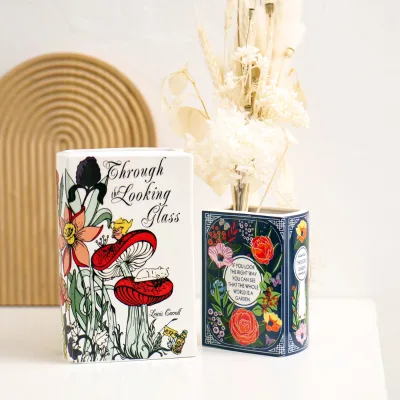
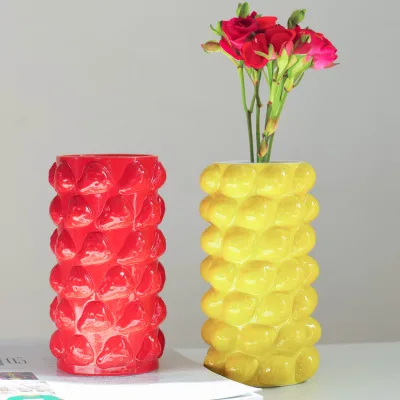
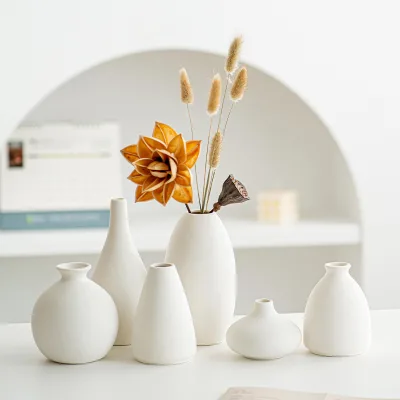
Cheap Simple Small White Ceramic Flower Vase Wedding Centerpiece Arrangement
$0.5033 - $0.9138
MOQ: 100 pieces

JINGDEZHEN SHENGJIANG CERAMICS TRADING CO., LTD.
- Trading Company
- China Jiangxi
- Lead time30 days
- Avg. response≤ 4h
Main productsPorcelain Vase, Garden Stool Ceramic Seat, Porcelain Ginger Jar Cerammic Temple Jar, Ceramic Basin/Sink, Asian Antique Reproduction Vase and Jar, China Decoration Porcelain, Table Lamp Bedside Lamp, Blue and White Chinese Porcelain, Ceramic Lamp Porcelain Table Lamp, Flower Pot Planter
Main marketsSouth America,Africa,Southeast Asia/ Mideast,East Asia(Japan/ South Korea),Domestic,Europe,Australia,North America

$8.50 - $13.00
MOQ: 20 Pieces

Blue and White Flower and Bird Pattern Small Size Tabletop Ceramic Flower Vase
$12.00 - $25.00
MOQ: 3 Pieces

Different Shapes White Color Decorative Porcelain Tabletop Flower Vase for Home Decoration
$19.00 - $50.00
MOQ: 2 Pieces
Zhongshan Fashim Home Decoration Co., Ltd.
- Verified by TüVRheinland
- Manufacturer, Trading Company
- Lead time35 days
- Avg. response≤ 8h
Main productsDesktop Object, Vase, Candle Holder, Tray, Decorative Jewelry Box
Main marketsDomestic Market(39%), Mid East(30%), Southeast Asia(8%)
Baoying County Xuzhiguang Glass Crafts Co., Ltd.
- Verified by SGS Group
- Manufacturer, Trading Company
- Lead time7 days
- Avg. response≤ 1h
Main productsGlass Vases, Glass Candle Holders, Glass Tea Sets, Glass Wind Chimes, Glass Wine Glasses
Main marketsDomestic Market(66%), North America(12%), Western Europe(5%)
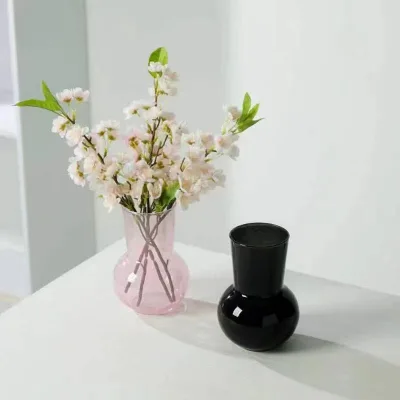
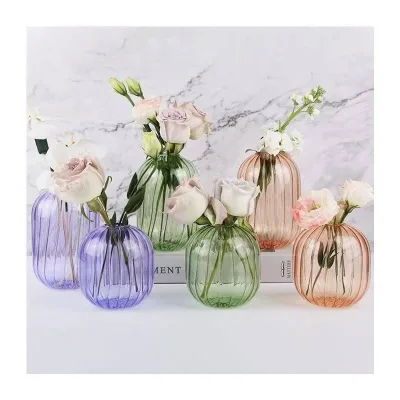
New Spring Festival Colored Tabletop Vase
$1.20 - $1.80

Guangzhou Garbo International Trading Co., Ltd.
- Verified by TUVRHEINLAND
- Trading Company,Manufacturer/Factory
- China Guangdong
- Lead time45 days
- Avg. response≤ 5h
Main productsGlassware, Glass Cup, Glass Mug, Glass Bowl, Glass Candy Jar, Glass Pitcher, Glass Ice Cream Cup and Ice Bucket, Opal Glassware, Stainless Steel Cutlery, Ceramic Dinnerware
Main marketsSouth America,Eastern Europe,Mid East,North America,Southeast Asia,Eastern Asia,Oceania,Western Europe,Africa

Handmade Craft Decorative Colored Glass Flower Vase for Gift Tabletop Glass Vase with Wooden Sleeve
$5.80 - $6.24
MOQ: 1000 Pieces

Handmade Luxury Colored Glass Flower Vase Tabletop Decorative 20cm Glass Vase
$1.30 - $1.56
MOQ: 3000 Pieces

Tabletop Decorative Glass Flower Vase Handmade Artwork Color Glazed Glass Vase for Gift
$20.00 - $30.70
MOQ: 1000 Pieces

$1.528 - $2.038
MOQ: 1200 Pieces


Original Factory Cheap Price Decor Desktop Tulip Flower Vase Machine Made
$0.27 - $0.63
MOQ: 5000 Pieces
- Verified by TüVRheinland
- Trading Company
- Fujian, China
- Lead time60 days
- Avg. response≤ 3h
Main productsCeramic & Cement Craft Products
Main marketsNorth America(45%), Oceania(14%), Eastern Asia(10%)
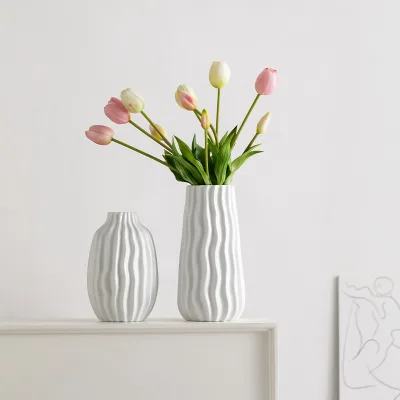
Modern Flower Vase for Concise Style Vase Decoration Flower Home Flower Decoration
$2.48 - $2.58
MOQ: 1000 pieces
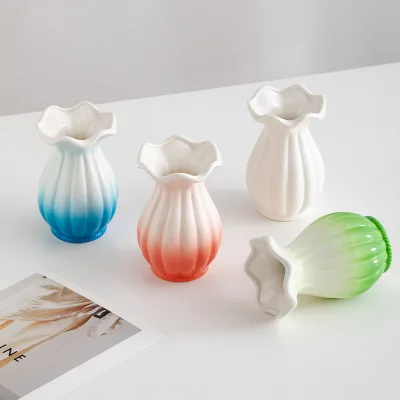
Ceramic Vase Modern Art Deco Style Ins Style Wedding Decoration Creative Wedding Vase
$2.48 - $2.58
MOQ: 1000 pieces
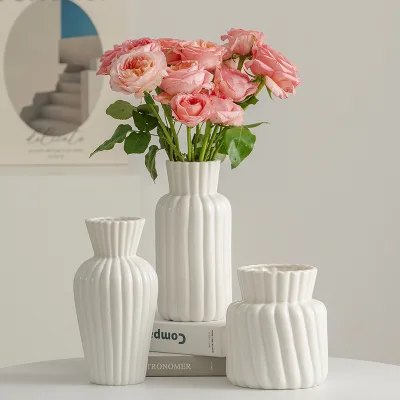
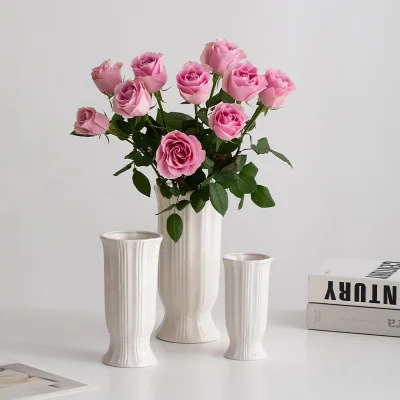
Customized Size Antique Modern Vase Beautiful Flower Vases for Living Room Decor
$2.5451 - $2.6485
MOQ: 1000 pieces
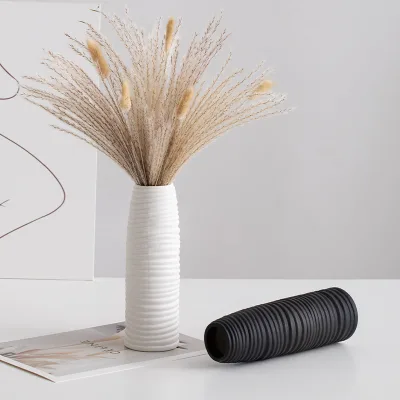
$2.5631 - $2.6664
MOQ: 1000 pieces
Taiyuan Jarvi Glassware Co., Ltd.
- Trading Company
- Shanxi, China
- Lead time0 days
- Avg. response≤ 5h
Main productswine glasses,glass plates,glass vases,glass candle holders,glass decanters
Main marketsNorth America(65.00%), Northern Europe(20.00%), Mid East(10.00%), South Asia(2.00%), Africa(2.00%), Domestic Market(1.00%)
- Trading Company
- Fujian, China
- Lead time120 days
- Avg. response≤ 2h
Main productsA wide range of Ceramic/Porcelain/Stoneware items,such as Spring/Valentine/Easter/Summer/Autumn/Halloween/Christmas/Bathroom wares/Tableware/ Home Decor,Etc...
Main marketsEastern Europe(35.00%), Northern Europe(30.00%), Western Europe(20.00%), Southern Europe(10.00%), North America(5.00%)

Foshan Ron Hospitality Supplies Co., Ltd.
- Verified by BV
- Manufacturer/Factory,Group Corporation
- China Guangdong
- Lead time45 days
- Avg. response≤ 2h
Main productsRestaurant Furniture, Restaurant Booth, Restaurant Chair, Restaurant Table, Bar Stools, Wedding Chairs, Flatware Sets, Dinnerware Sets, Garden Chairs, Disposable Dinnerware & Tableware
Main marketsSouth America,Eastern Europe,Mid East,North America,Southeast Asia,Eastern Asia,Oceania,Western Europe,Africa

Cheap Price Home Tabletop Decorative Flower Glass Vase for Wedding Centerpieces
$8.62 - $20.30
MOQ: 2 pieces

Xiamen Joinste Arts & Crafts Co., Ltd.
- Trading Company
- Fujian, China
- Lead time45 days
- Avg. response≤ 4h
Main productsCeramic Coffee Mug, Ceramic Cookie Jar, Ceramic Salt and Pepper Shakers, Ceramic Candle Jar, Ceramic Coin Bank
Main marketsNorth America(40.00%), South America(20.00%), Western Europe(10.00%), Eastern Asia(10.00%), Oceania(5.00%), Southern Europe(5.00%), Central America(5.00%), Northern Europe(5.00%)
Chaozhou Jizhi Ceramics Co., Ltd
- Manufacturer, Trading Company
- Guangdong, China
- Lead time40 days
- Avg. response≤ 3h
Main productsFlower vase,ceramic pot,ceramic animal,table lamp,ceramic fruit plate
Main marketsNorthern Europe(30.00%), South America(20.00%), South Asia(10.00%), North America(10.00%), Eastern Asia(10.00%), Southeast Asia(10.00%), Eastern Europe(10.00%)
Wenzhou Celebrity Chef Trade Co., Ltd.
- Verified by TüVRheinland
- Trading Company
- Lead time0 days
- Avg. response≤ 2h
Main productsPlate, Cutlery, Cup, Tableware, Mug
Main marketsWestern Europe(30%), Southern Europe(30%), South America(20%)
- Verified by SGS Group
- Trading Company
- Lead time20 days
- Avg. response≤ 10h
Main productsKitchenware, Coffee French Maker, Plastic Bento Box, Bamboo Wooden Kitchen Items, Ceramic & Glass Products
Main marketsNorthern Europe(20%), South Asia(20%), North America(10%)
Shenzhen HaiweiXun Technology Co., Ltd.
- Verified by Intertek
- Manufacturer, Trading Company
- Guangdong, China
- Lead time0 days
- Avg. response≤ 1h
Main productsAcrylic Box, Acrylic Display Stand, Acrylic Storage Box, Acrylic Advertising Sign, Acrylic LED-illuminated Display Product
Main marketsNorth America(25%), Eastern Europe(10%), Western Europe(10%)
Kunming JX-EventLight Technology Co., Ltd.
- Trading Company
- Yunnan, China
- Lead time5 days
- Avg. response≤ 3h
Main productsFlower Vase Stand,Backdrop Curtain Drape,Wedding Chandelier Lighting,Table Linens,Metal Arch
Main marketsNorth America(30.00%), Western Europe(10.00%), Northern Europe(10.00%), Central America(8.00%), Southern Europe(8.00%), Eastern Europe(7.00%), Mid East(5.00%), Oceania(5.00%), Africa(5.00%), Southeast Asia(3.00%), South America(3.00%), Eastern Asia(2.00%), South Asia(2.00%), Domestic Market(2.00%)
$0.9932 - $1.0651
MOQ: 50 pieces
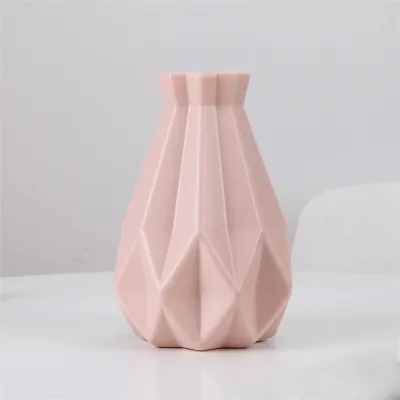
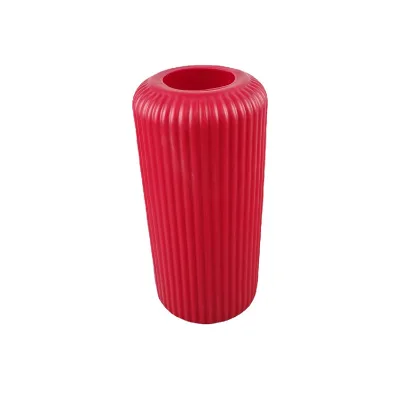
$0.9932 - $1.0651
MOQ: 50 pieces
Shanxi Delight Houseware Co., Ltd.
- Verified by Intertek
- Trading Company
- Lead time30 days
- Avg. response≤ 4h
Main productsGlass Drinkware, Glass Plate and Bowl, Glass Candle Holder, Glass Decanter
Main marketsNorth America(20%), Mid East(15%), South America(10%)

Qingdao Simpassic Import and Export Co., Ltd.
- Trading Company,Manufacturer/Factory
- China Shandong
- Lead time0 days
- Avg. response≤ 24h
Main productsGlass Cup, Glass Jar, Borosilicate Glass Food Containers, Glass Mug, Tableare, Glass Tumbler, Glassware, Glass Jug, Glass
Main marketsSouth America,Eastern Europe,Mid East,North America,Southeast Asia,Eastern Asia,Oceania,Western Europe,Africa

- Verified by TUVRHEINLAND
- Trading Company
- China Hunan
- Lead time45 days
- Avg. response≤ 1h
Main productsCeramic Mug, Vacuum Flask, Dinner Set, Cup, Mug, Thermal Bottle, Ceramic Dinner Set, Glass Jar, Glass Cup, Wine Cup
Main marketsSoutheast Asia/ Mideast
Dongguan HWD Acrylic Co., Ltd.
- Verified by SGS Group
- Manufacturer, Trading Company
- Lead time30 days
- Avg. response≤ 7h
Main productsAcrylic Photo Frame, Acrylic Stationery, Acrylic Display, Acrylic Furniture, Acrylic Storage Box
Main marketsWestern Europe(35%), North America(20%), Oceania(10%)
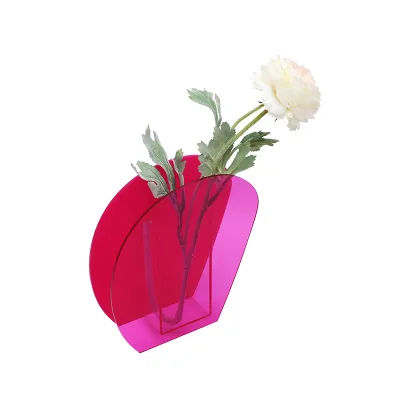
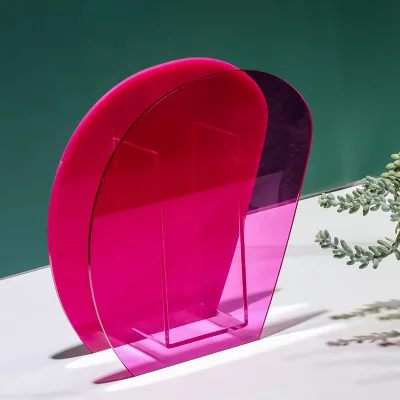
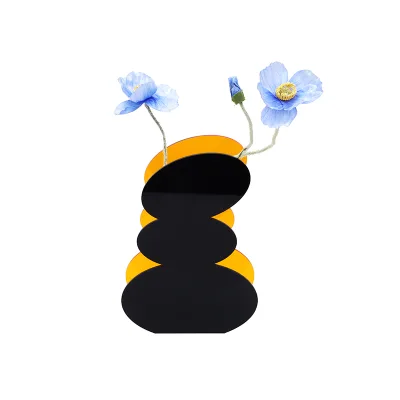
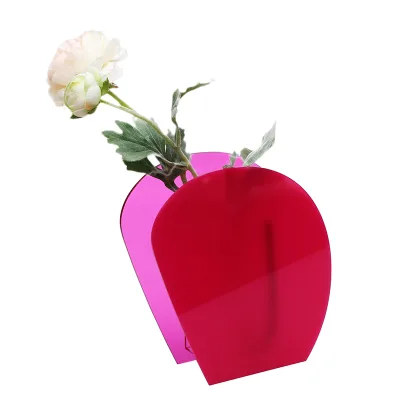
Factory Unique Double-Sided Vase Home Office Centerpieces Wedding Holiday Party Gift
$3.4724
MOQ: 300 Minimum

Quanzhou Xiaoye Trading Co., Ltd.
- Verified by CTI
- Trading Company
- China Fujian
- Lead time15 days
- Avg. response≤ 3h
Main productsShoe Charm, Custom Shoe Charm, Straw Topper, Custom Straw Topper, Refrigerator Magnet, Shoe Decorations, Key Chain, Custom Keychain, Crocs Charms, Jibitz Charms
Main marketsSouth America,Africa,Southeast Asia/ Mideast,East Asia(Japan/ South Korea),Domestic,Europe,Australia,North America

Ningbo Paiaopai Display Co., Ltd
- Verified by TUVRHEINLAND
- Combined
- China Zhejiang
- Lead time30 days
- Avg. response≤ 2h
Main productsMakeup Cosmetic Display Organizer Beauty, Jewelry Display Stand for Necklace Breclet Tray, Counter Display for Retial Store Sunglass, Buffet Display for Cake Dessert Party Stand, Funko Pop Acrylic Box Pokemon Etb Booster Pack, Acrylic Sign Label Price Tag Display Holder Fram, Juice Wine Display Racking Shelf Showcase, Acrylic Floor Display Pop up Display Side Table, House Decoration Display Stand Desktop Vase, Store Display Rack Supermarket Metal Acrylic PVC
Main marketsDomestic,North America
- Manufacturer, Trading Company
- Shandong, China
- Lead time15 days
- Avg. response≤ 4h
Main productsScissors,Garden Tools,Kitchen Tools,Scales,Cable
Main marketsNorth America(30.00%), Northern Europe(10.00%), Western Europe(10.00%), Mid East(10.00%), Africa(10.00%), Southeast Asia(10.00%), Eastern Europe(10.00%), South America(10.00%)
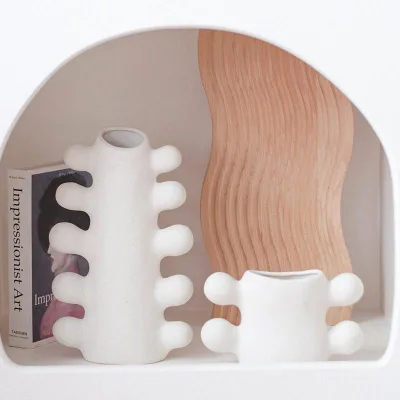
$2.8657 - $5.7403
MOQ: 100 Minimum
$4.6423 - $4.84
MOQ: 100 pieces


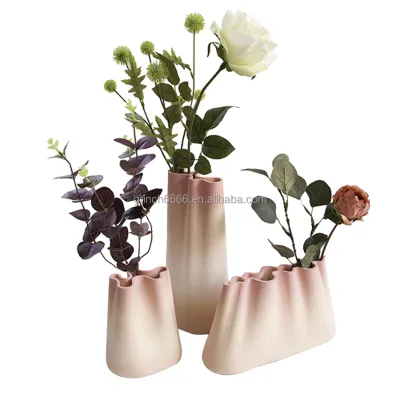
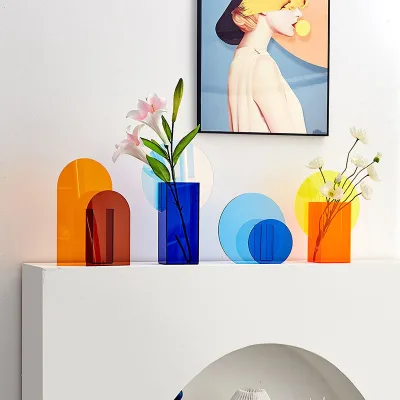
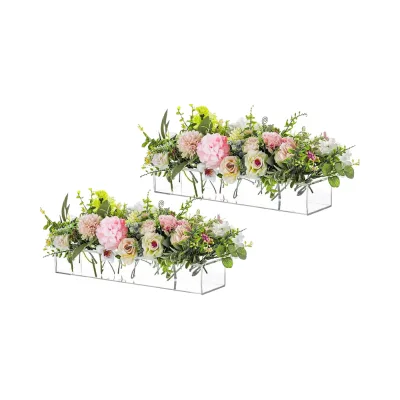
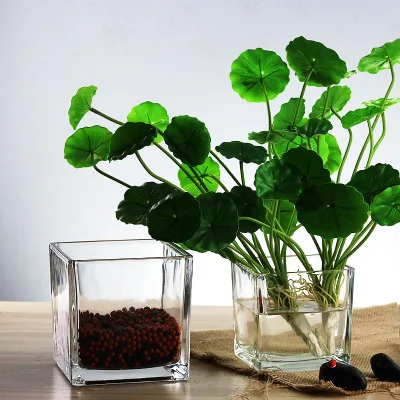
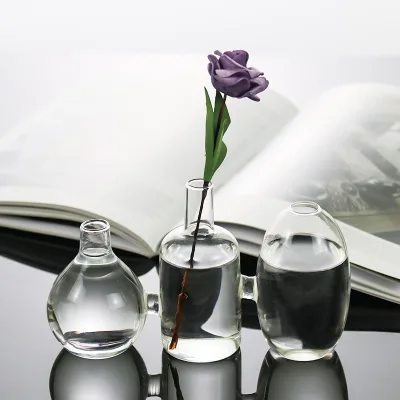


Comprehensive Sourcing Guide
Eco-Friendly Wedding Tabletop Flower Vase Supplier Concentration and Factory Types
When you search for eco-friendly wedding tabletop flower vases, the results tend to cluster by material rather than by a single town or province. In the current supplier pool, listings divide into wooden and bamboo vases, ceramic and porcelain vases, glass and crystal vases, and artificial-flower vase crafts. This is useful for buyers because it means the first screening step is material selection: a wedding tabletop program built around mouth-blown glass requires a different supplier profile than one built around handcrafted wood. One observed listing, for example, is a Fujian-based trading company whose main products span gifts, shoes, garments and machines, with wooden and ceramic vase models among its catalog items, while another is a Shandong combined-type supplier focused on glassware, kitchenware, houseware, glass vases and giftware.
Factory types also vary visibly. Some suppliers identify as trading companies, some as manufacturers or factories, and some as combined entities offering both. A Jiangsu-based listing combines trading company and manufacturer/factory roles and lists glass vases and terrariums among its main products, alongside lamps, bottles and labware. That breadth matters: a vase-only specialist will usually be easier to audit for decoration-grade quality, while a diversified factory may offer better pricing through shared glass production lines. When no location is displayed for a given listing, treat concentration claims cautiously and rely instead on product category evidence, origin fields such as China, and the supplier's own type labels to infer whether you are dealing with a specialized workshop or a general exporter.
How to Verify Eco-Friendly Wedding Tabletop Flower Vase Suppliers
Verification starts with the displayed credentials, but only where they actually appear. In the current results, one Fujian-based trading supplier shows BV verification, and one Shandong glassware supplier displays ISO9001:2015 and ISO14001:2015 system certificates plus other certifications. These are meaningful signals, yet not every listing carries them; many show no certification field at all. The right response is to treat missing credentials as a verification task, not a rejection: request certificate copies directly, confirm scope covers decorative glassware or wooden craft production, and check that the certifying body and validity period are genuine. For eco-friendly claims specifically, ask what the supplier means by the term, since none of the displayed product attributes in this category include a formal eco-standard, and the ISO14001 badge relates to environmental management systems rather than product composition.
Beyond certificates, verify through product-level evidence. Check each listing's origin field, model numbers, packing specifications and standard notes: several vase models here state China origin, customized packing and OEM production, which confirms an export-ready operation but says nothing about material safety. Ask for material declarations for glass lead content, wood species and finishing agents, and request samples before committing. Response behavior is also verifiable: displayed response times range from under two hours to nearly twelve among these suppliers, so send identical RFQs to all candidates and measure who replies with complete, specific answers. Finally, verify production capability claims against the company type label, since a trading company must honestly disclose whether it subcontracts manufacturing or controls the process itself.
What to Compare Across Eco-Friendly Wedding Tabletop Flower Vase Suppliers
Build a comparison sheet from the dimensions actually displayed on supplier listings, starting with lead time. In the current results, one wooden-vase supplier shows a 30-day lead time while a Shandong glassware supplier shows 60 days, a doubling that will reshape your ordering calendar for a fixed wedding date or seasonal retail window. Compare response time next: observed figures range from 1.80 to 11.66, and a fast first reply usually predicts faster sampling and problem resolution. Compare MOQ across products as well, because it differs sharply even within one supplier's catalog: one wooden tabletop vase lists an MOQ of 100 pieces, another polished wooden vase in the same pool shows an MOQ of 200 with a noted MOQ of 10,000 in its attributes, and glass vase models cluster at 300 pieces.
Then compare company type, verification status, location and main products side by side. A trading company versus a combined manufacturer changes who controls quality, and a supplier whose main products are glassware and giftware will treat your vase order as core business, unlike one whose catalog is dominated by shoes and machines. Compare customization capability too: several glass listings explicitly state customization available with ODM and OEM capacity, while wooden listings show OEM standards and customized packing. Compare price bands where displayed, from sub-dollar artificial flower vases to multi-dollar glass and wooden pieces, and compare certification display, since the presence of ISO9001 and ISO14001 on one supplier and nothing on another is itself a differentiator worth weighing against price.
Common Eco-Friendly Wedding Tabletop Flower Vase Sourcing Risks
The most common risk in this category is ambiguous eco-friendly definition. Suppliers list keywords such as natural finish, handcrafted and modern style, but none of the displayed product attributes includes a certified eco-label, so a buyer who assumes formal compliance may discover at customs or retail audit that "eco-friendly" was a marketing word. Mitigate this by requiring written material specifications, finishing-agent disclosures for wooden vases, and glass composition details for blown pieces before sampling. A second risk is size and spec mismatch: glass listings here show specific standards such as 14cmx29cm H, 127cm H and 1122.5cm H, and a vase that photographs as a centerpiece may arrive small; always confirm dimensions in writing and against a physical sample.
Lead-time and MOQ risks follow. With displayed lead times spanning 30 to 60 days, a late sample approval can push delivery past a wedding season, so build buffers into the calendar. MOQ inconsistency within a single catalog, as seen where one vase lists 100 pieces and a related listing references 10,000, signals that quoted MOQs may change at negotiation, so confirm MOQ in the proforma invoice. Fragility is a glass-specific risk: transparent, mouth-blown pieces packed in cartons need drop-testing and inner-pack review before shipment. Finally, beware diversified suppliers whose vase business is a minor line; check that quality-control attention and after-sales support match what a dedicated glassware or wooden-craft producer would offer for the same order value.
Eco-Friendly Wedding Tabletop Flower Vase Regional Sourcing and Logistics
Location evidence in the current results points to three provinces: Fujian, Shandong and Jiangsu. Fujian appears with a trading company whose catalog includes handcrafted wooden table vases alongside gifts and garments; Shandong appears with a combined glassware and giftware supplier whose products are mouth-blown decorative glass; Jiangsu appears with a trading-and-manufacturing entity listing glass vases, terrariums, bottles and labware. These are consistent with broader Chinese craft and glass production patterns, but the buyer should still confirm each factory's actual address through a business license check and, ideally, an audit or third-party inspection, because displayed locations describe company registration rather than necessarily the production site.
Logistics planning should reflect material differences. Glass vases are heavy and fragile, so freight cost per unit rises quickly and export cartons, dividers and palletization deserve explicit specification; the displayed packing notes say carton, which is not enough detail for fragile blown glass. Wooden vases are lighter but may require phytosanitary documentation or heat-treatment declarations depending on destination rules, so ask the supplier what export paperwork it routinely provides. Lead times of 30 to 60 days displayed here should anchor your shipping mode decision: sea freight suits planned wedding-season programs, while air freight reserves should be priced in case of delays. For buyers without a verified cluster in view, identify candidate regions by searching the material category itself, then triangulate via product origin fields, response behavior and sample quality rather than assuming any single province guarantees better pricing or craftsmanship.
Eco-Friendly Wedding Tabletop Flower Vase Commercial Terms and Order Planning
Commercial terms should be locked in a proforma invoice that converts displayed data into binding commitments. Where a listing shows a price range, such as the wooden vase spanning roughly $3 to $50 depending on specification, or glass models from about $1 to $5, treat those as reference bands and negotiate against your exact size, finish and packing requirements; the sub-dollar artificial tulip vase listing shows how wide the category's price spread is. Confirm MOQ explicitly, because displayed figures of 100, 200, 300 and 10,000 pieces across similar products prove that assumptions are dangerous. Agree on Incoterms, payment structure and, where available, transaction protection such as escrow-style arrangements, asking the supplier directly what secure-payment options it supports since not every listing displays one.
Order planning should sequence around the verified 30-to-60-day lead-time range and a realistic sample cycle. Start with a paid sample of your exact model, approve dimensions against the stated standards in writing, then place a pilot order at or near MOQ before scaling. For wedding-market demand, which is date-driven and seasonal, work backward from your delivery deadline and add buffer for customization, since several suppliers state OEM standards, customized packing and ODM capability but those services add time. Plan packaging detail per SKU, especially for transparent blown glass, and reserve reinspection rights. Finally, diversify across at least two suppliers of different company types so a single factory delay cannot collapse your season, and document every agreed term to keep reorders friction-free.
(Word count: approximately 1,380)
FAQs
What is the price range for wooden tabletop vases?
Prices for wooden tabletop vases typically range from $0.50 to $50.00 per unit. Specific models like the Tulip Flower Vase are priced at $0.50, while eco-friendly handcrafted options start around $3.00. Buyers should verify exact costs based on customization needs and order volume.
What is the minimum order quantity for these vases?
Minimum order quantities vary by product type. Wooden vases generally require a minimum of 100 units, though some specific models may demand 10,000 units. Glass tabletop vases typically have a minimum order of 300 units. Always confirm the specific MOQ with the supplier before placing an order.
Where are these suppliers located?
Suppliers for these vases are located in China, specifically in the Fujian, Shandong, and Jiangsu provinces. These regions are known for manufacturing both wooden and glass tabletop decor. Buyers can filter results by these locations to find suppliers with established production capabilities and logistics networks.
How long does production take?
Production lead times generally range from 30 to 60 days. Wooden vase suppliers often cite a 30-day lead time, while glass manufacturers may require up to 60 days. These timelines depend on order volume and customization requirements. Buyers should confirm current schedules directly with the supplier.
Are OEM and customization services available?
Yes, OEM and customization services are widely available. Many suppliers offer customized packing, specific designs, and tailored standards. Glass vases often feature available customization for style and size. Buyers seeking eco-friendly wedding vases should request samples to verify quality and design alignment with their event themes.
What certifications do the suppliers hold?
Some suppliers hold BV verification and ISO9001:2015 or ISO14001:2015 certifications. These credentials indicate adherence to quality and environmental management standards. Buyers should request valid certificates to ensure compliance with their sourcing requirements. Verification status helps assess supplier reliability and operational consistency.