Source Pain Relief Iron Knee Warmers for athletes, seniors, and workers
Find 30 verified options for Pain Relief Iron Knee Warmers designed for athletes, seniors, and workers. Compare specifications, certifications, and pricing from multiple suppliers to select the best fit for your needs; compare the available evidence and request quotations based on your requirements.
Updated
Key considerations
Products List
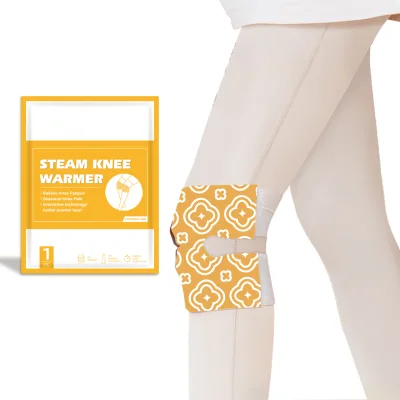
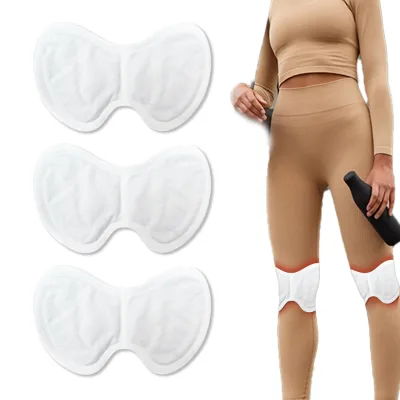
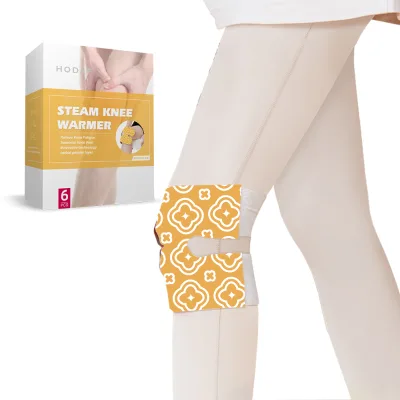
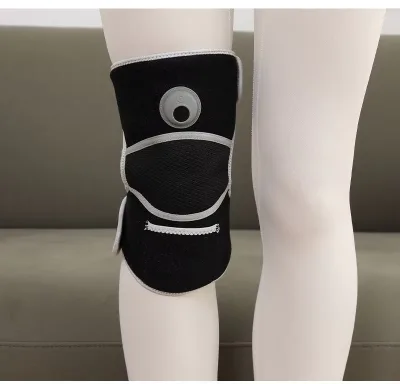
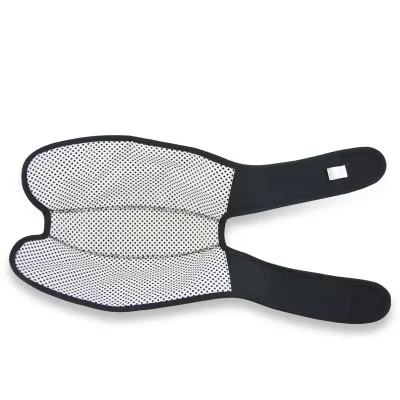


Heating Magnetic Health Knee Sport Warm Brace Knee Support for Running Sport
$15.00 - $16.00
MOQ: 300 Pieces


Wholesale Knee Care Self Heating Warmer Patch Health Care Leg Pad Heated Knee Warmers
$0.51 - $0.75
MOQ: 10000 Pieces

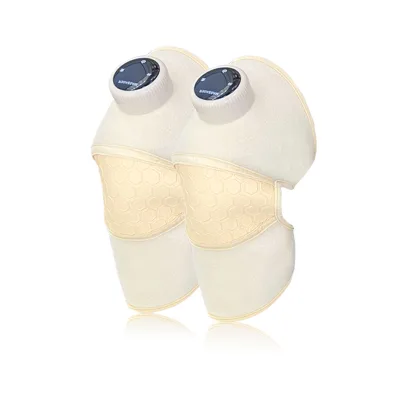
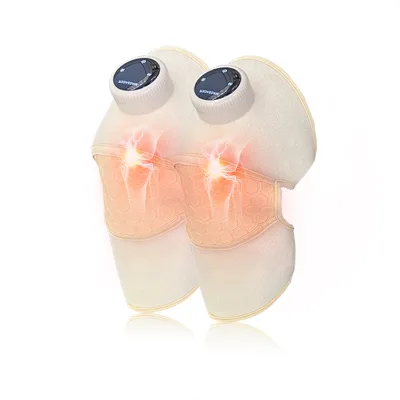


Sports Knee Heating Patch Instant Heating Pad Pain Relief Warmer Pack Comfort
$0.06 - $0.12
MOQ: 20000 Pieces


Self Heating Mugwort Pain Relief Warming Knee Elbow Patch Knee Warmer Heat
$0.42 - $0.52
MOQ: 3000 pieces


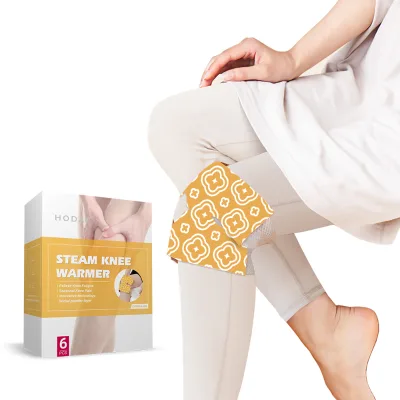
High Quality Customized Packaging Cold-Proof and Warm Steam Knee Warmer
$0.42 - $0.52
MOQ: 3000 pieces


Comprehensive Sourcing Guide
Pain Relief Iron Knee Warmers Sourcing Guide
Procuring Pain Relief Iron Knee Warmers requires a clear distinction between disposable chemical heat patches and reusable electric heating pads, as both categories address joint discomfort but operate on fundamentally different mechanisms. The market offers disposable patches containing iron powder, activated carbon, and vermiculite, which generate heat through an exothermic reaction when exposed to air, providing a convenient, single-use solution for acute knee pain. These products are typically constructed from non-woven fabric and are designed for immediate application, offering a cost-effective option for high-volume distribution or personal use where convenience is prioritized over reusability.
In contrast, reusable electric heating knee pads utilize neoprene materials and internal heating elements to deliver consistent, adjustable warmth, often featuring digital displays and smart temperature control for chronic condition management. Buyers must carefully evaluate whether their target audience prefers the simplicity and low unit cost of disposable iron-based patches or the advanced functionality and durability of electric devices. Understanding this dichotomy is essential for aligning product selection with specific customer needs, ensuring that the sourced items effectively meet the desired therapeutic goals without unnecessary feature bloat or insufficient performance.
Product Scope and Observed Listing Signals
The current market landscape for knee warmers includes a diverse range of products, with observed price points varying significantly based on technology and material composition. Disposable iron-based patches are generally positioned at the lower end of the price spectrum, reflecting their simple construction and single-use nature, while reusable electric models command higher prices due to integrated electronics and complex manufacturing processes. Buyers should note that minimum order quantities (MOQs) can range widely, from small batches for sampling to large volumes for established distribution channels, influencing initial investment and inventory risk.
Listing signals indicate that many suppliers offer customization options, including private labeling and custom packaging, which are critical for brands seeking to differentiate their offerings in a competitive market. Attributes such as "PAIN RELIEF" and "Body Warm" are commonly highlighted to emphasize therapeutic benefits, while specifications like size and weight provide logistical insights for shipping and storage. It is important to verify that the listed attributes, such as color options or specific material compositions, match the actual product samples received, as discrepancies can lead to customer dissatisfaction and returns.
Technical Specifications to Verify
When evaluating disposable iron knee warmers, buyers must verify the precise composition of the heat-generating core, which typically includes iron powder, activated carbon, vermiculite, wood powder, salt, and water. The physical dimensions of these patches, such as a size of 39*14.5CM for the product and a single package size of 10X13X2 cm, are crucial for ensuring proper fit and comfort during application. Additionally, the shelf life of these chemical-based products is a critical technical parameter, with observed listings indicating a two-year shelf life, which impacts inventory management and rotation strategies to prevent degradation of the heat-generating materials.
For reusable electric knee pads, technical verification should focus on the material composition, such as neoprene with hot silver lining or composite fiber, which affects durability and thermal retention. Features like adjustable straps, digital display screens, and smart temperature control mechanisms must be tested for reliability and ease of use. Buyers should also confirm the single gross weight and packaging dimensions, as these factors influence shipping costs and storage requirements, ensuring that the logistical planning aligns with the physical characteristics of the final product.
Compliance and Safety Documentation
Safety and regulatory compliance are paramount when sourcing products that come into direct contact with the skin and generate heat. For disposable iron-based patches, suppliers often provide certifications such as ISO, CE, and MSDS, which indicate adherence to quality management systems, European safety standards, and material safety data requirements. Buyers must request and verify these documents to ensure that the chemical components used in the heat-generating core are safe for human use and do not pose risks of burns or allergic reactions during application.
For electric heating knee pads, compliance documentation should include electrical safety standards and material safety certifications to ensure that the device operates safely under various conditions. Buyers should verify that the products meet relevant regional electrical safety regulations, particularly if the devices are intended for export to markets with strict electrical appliance standards. Additionally, it is essential to confirm that the materials used, such as neoprene and non-woven fabrics, are hypoallergenic and free from harmful substances, protecting both the end-user and the brand from potential liability issues.
Cost Drivers and Commercial Terms
The cost structure for knee warmers is influenced by several key factors, including the complexity of the product, the materials used, and the volume of the order. Disposable iron-based patches are generally less expensive to produce due to their simple construction and lack of electronic components, making them attractive for high-volume, low-margin business models. However, buyers should consider the recurring nature of disposable products, which may lead to higher long-term costs for consumers compared to reusable alternatives, affecting market positioning and customer retention strategies.
For reusable electric knee pads, the cost is driven by the inclusion of electronic components, such as heating elements and digital displays, as well as the more complex manufacturing processes involved. Buyers should negotiate commercial terms that account for these higher production costs, including payment terms, shipping responsibilities, and warranty provisions. It is also important to consider the potential for customization, such as private labeling and custom packaging, which may incur additional fees but can enhance brand value and customer loyalty.
Supplier Qualification and Quality Control
Selecting a reliable supplier for knee warmers requires a thorough evaluation of their manufacturing capabilities, quality control processes, and track record. Buyers should verify that suppliers have established quality management systems, such as ISO certification, and conduct regular audits to ensure consistent product quality and safety. It is also important to assess the supplier's ability to meet specific technical requirements, such as the precise composition of heat-generating cores or the functionality of electronic components, through sample testing and performance evaluations.
Quality control measures should include incoming material inspections, in-process checks, and final product testing to identify and rectify defects before shipment. Buyers should establish clear acceptance criteria for product attributes, such as size, weight, and functionality, and implement a robust inspection protocol to ensure that the delivered goods meet these standards. Additionally, suppliers should be evaluated on their responsiveness to issues, their ability to provide timely support, and their commitment to continuous improvement, ensuring a long-term partnership that supports business growth and customer satisfaction.
Long-Term Procurement Checks
Long-term procurement success depends on continuous monitoring of product performance, market trends, and supplier reliability. Buyers should regularly review customer feedback and return rates to identify any recurring issues with product quality or performance, such as inconsistent heat generation in disposable patches or malfunctioning electronics in reusable pads. This data-driven approach allows for proactive adjustments to product specifications or supplier selection, ensuring that the sourced products continue to meet customer expectations and market demands.
It is also essential to stay informed about changes in regulatory requirements and industry standards, ensuring that the sourced products remain compliant with current safety and quality regulations. Buyers should maintain open communication with suppliers to discuss potential improvements, new product developments, and cost optimization opportunities. By fostering a collaborative relationship with suppliers and maintaining a flexible procurement strategy, buyers can mitigate risks and capitalize on emerging opportunities in the dynamic knee warmer market.
FAQs
What ingredients are in Pain Relief Iron Knee Warmers?
These warmers typically contain iron powder, activated carbon, vermiculite, wood powder, salt, and water. The mixture generates heat through oxidation when exposed to air. This composition allows for a consistent and safe warming effect without requiring external power sources or electricity.
Can I customize the packaging for these knee warmers?
Yes, suppliers offer customization services for branding and packaging design. You can print your own brand logo and create unique package designs to match your marketing strategy. This service allows businesses to establish a distinct identity while sourcing these disposable heating patches for their customers.
What certifications do these knee warmers have?
Products often carry ISO, CE, and MSDS quality certifications. These documents verify that the manufacturing processes and materials meet international safety and quality standards. Buyers should request these certificates to ensure compliance with regulatory requirements in their target markets before placing bulk orders.
How long is the shelf life of these patches?
The standard shelf life for these disposable knee warmers is two years. Proper storage in a cool, dry place helps maintain the effectiveness of the iron powder and other ingredients. Buyers should check production dates to ensure they receive fresh stock with maximum remaining usability.
Where are these knee warmers manufactured?
Many of these products originate from Hebei, China. This region is a known manufacturing hub for various textile and heating products. Buyers sourcing from this location should verify specific factory details and logistics capabilities to ensure reliable delivery and consistent product quality for their supply chain.
What is the typical MOQ for these items?
Minimum order quantities typically range from 2 to 50,000 units depending on the supplier. Smaller MOQs allow for sample testing or small batch orders, while larger quantities often secure better pricing. Buyers should confirm the specific MOQ with their chosen vendor to align with their inventory needs.