Source Portable Epoxy AirTag Case for Travel, Pets, and Home
Compare 30 Portable Epoxy AirTag Case options from verified suppliers. Buyers can evaluate features like waterproofing, customization, and lead times for travel, pet tracking, and home organization needs. Explore diverse materials including leather and silicone with various colors and shapes available for specific applications.
Updated
Key considerations
Products List


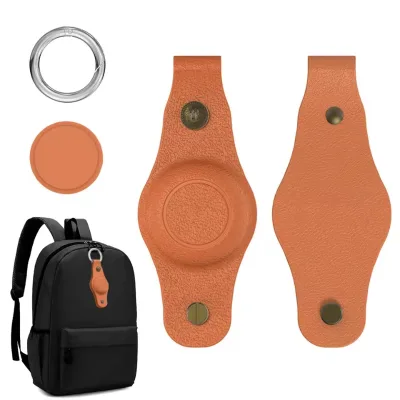
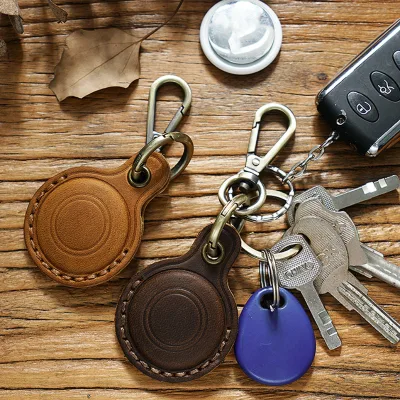
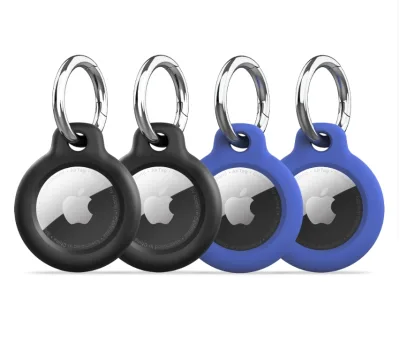


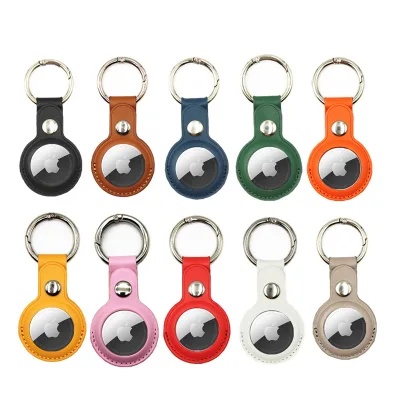
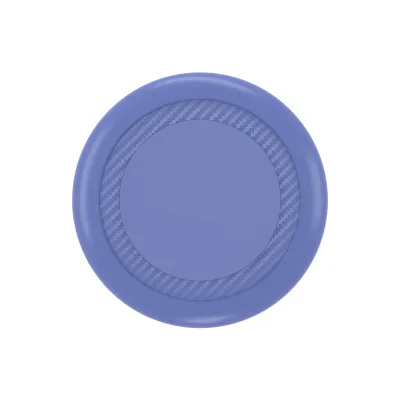
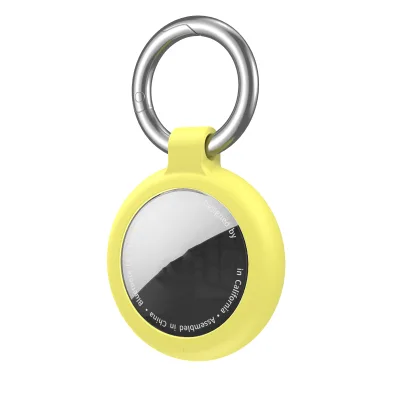
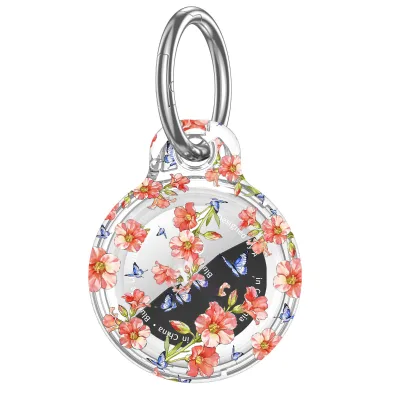
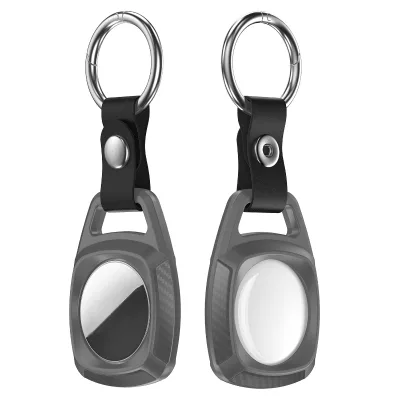
Comprehensive Sourcing Guide
Portable Epoxy AirTag Case Sourcing Guide
Sourcing protective accessories for Apple AirTags requires careful attention to material composition and functional design, particularly when evaluating options that blend aesthetic appeal with rugged durability. Buyers often encounter listings for genuine leather and silicone variants, both of which offer distinct advantages in terms of tactile feel and environmental resistance. The observed market includes products with specific attributes such as dirt-resistance, anti-knock properties, and waterproof capabilities, which are critical for users who need reliable tracking in outdoor or high-wear scenarios. Understanding these material distinctions is the first step in aligning procurement with end-user expectations for longevity and protection.
Beyond basic material selection, the customization landscape for these cases is highly flexible, allowing brands to tailor products to specific market niches. Suppliers frequently offer slide designs, round shapes, and various closure types, including break-away mechanisms that enhance security for pets or personal items. The availability of multi-color options and custom logo printing enables buyers to create unique brand identities, while the presence of retail packaging suggests a readiness for direct-to-consumer sales channels. This flexibility supports a wide range of commercial strategies, from private labeling to bespoke corporate gifting, provided the supplier can meet specific design and volume requirements.
Product Scope and Observed Listing Signals
The current product landscape reveals a diverse array of AirTag cases, ranging from soft silicone constructions to genuine leather options, each tailored to different use cases. Observed listings highlight features such as dirt-resistance and anti-knock durability, indicating a focus on practical protection for everyday carry. Some products are specifically designed for pet applications, featuring sturdy closures and durable materials suitable for dog collars, while others prioritize sleek aesthetics with slide designs and injection color treatments. These variations suggest that buyers must clearly define their target audience, whether it is tech enthusiasts seeking minimalist protection or pet owners requiring robust, secure attachments.
Listing signals also indicate significant variability in packaging and presentation, which directly impacts retail readiness and perceived value. Products are available in retail boxes, OPP bags, or simple carton packaging, with some suppliers emphasizing 100% inspection before shipment to ensure quality consistency. The presence of specific model numbers and standard dimensions, such as 8x8x2mm or 10x9x5cm, provides a baseline for physical compatibility, though buyers should verify these against actual AirTag dimensions. Additionally, the observation of "any color and any shape" options points to a high degree of manufacturing flexibility, allowing for bespoke orders that can differentiate a brand in a crowded marketplace.
Technical Specifications to Verify
When evaluating technical specifications, buyers must prioritize the physical dimensions and material hardness to ensure a snug fit for the AirTag. Observed standards include specific measurements like 8x8x2mm for leather cases and 10x9x5cm for broader packaging standards, but these likely refer to product or box dimensions rather than the case itself. It is essential to confirm that the internal cavity matches the AirTag’s exact profile to prevent rattling or exposure. The hardness attribute, described as "soft" for silicone variants, suggests a flexible fit that may offer better shock absorption, whereas leather options may provide a more rigid, premium feel that requires precise molding to accommodate the device securely.
Compatibility and functional features are equally critical, with many listings claiming waterproof and dirt-resistant properties that need independent verification. Buyers should request detailed specifications on the closure mechanisms, such as break-away designs for pet safety or slide mechanisms for easy access, to ensure they meet operational needs. The presence of injection color treatments indicates a manufacturing process that enhances colorfastness and surface durability, but the exact thickness and layering of these treatments should be confirmed. Additionally, verifying the width and shape compatibility, such as the 2.5cm width noted for some models, ensures that the case will not interfere with the AirTag’s signal transmission or physical attachment points.
Compliance and Safety Documentation
While specific certification statuses are not explicitly detailed in the observed listings, buyers must proactively request documentation to ensure regulatory compliance, particularly for products intended for international markets. Materials such as silicone and genuine leather may be subject to restrictions on harmful substances, requiring compliance with standards like REACH or CPSIA depending on the target region. Buyers should verify that the supplier can provide material safety data sheets (MSDS) and test reports confirming the absence of heavy metals, phthalates, or other hazardous chemicals, especially since these cases may come into direct contact with skin or pets.
Safety considerations also extend to the functional design of the case, particularly for pet-related applications where break-away closures are used. Buyers should ensure that the closure mechanism meets relevant safety standards to prevent accidental ingestion or injury if the case detaches. Additionally, the waterproof claims made by some suppliers should be backed by independent testing results, such as IP rating certifications, to validate the product’s performance in wet conditions. Without this documentation, buyers risk liability issues and customer dissatisfaction, making it crucial to establish clear compliance requirements before finalizing any procurement agreements.
Cost Drivers and Commercial Terms
The cost structure for AirTag cases is influenced by several key factors, including material choice, customization complexity, and order volume. Observed MOQs range from 10 to 500 pieces, with specific listings noting 50 PCS for leather options and 100 PCS for other variants, indicating that smaller batches may incur higher per-unit costs. The availability of custom logo printing and multi-color options adds to the production complexity, potentially increasing setup fees and unit prices. Buyers should negotiate clearly on these variables, understanding that higher customization levels and lower volumes will likely result in a higher total cost of ownership.
Lead times and payment terms also play a significant role in the commercial equation, with observed lead times ranging from 1-5 days to 10 days depending on the product and order specifics. Suppliers in Guangdong, China, offer varying turnaround times, with some promising rapid delivery for standard items while others require longer periods for customized orders. Buyers should align their inventory planning with these lead times to avoid stockouts, and clarify whether expedited shipping options are available at an additional cost. Understanding these commercial terms helps in budgeting accurately and managing supply chain risks effectively.
Supplier Qualification and Quality Control
Supplier qualification is paramount when sourcing AirTag cases, given the variability in quality and manufacturing standards observed across listings. Buyers should prioritize suppliers who demonstrate a commitment to quality control, such as those offering 100% inspection before shipment, to minimize the risk of defective products reaching the market. Verifying the supplier’s production capabilities, including their ability to handle injection color treatments and precise molding, is essential to ensure consistency in product appearance and functionality. Additionally, checking the supplier’s origin and facility standards can provide insights into their operational reliability and adherence to international manufacturing practices.
Quality control processes should be explicitly defined in the procurement agreement, including criteria for acceptable defect rates and procedures for handling non-conforming goods. Buyers should request samples to evaluate the tactile feel, fit, and durability of the cases, paying close attention to the softness of silicone and the finish of leather options. Establishing clear communication channels with the supplier for ongoing quality monitoring is also crucial, especially for long-term partnerships. By rigorously vetting suppliers and implementing robust quality control measures, buyers can ensure that their products meet customer expectations and maintain brand reputation.
Long-Term Procurement Checks
Long-term procurement success depends on continuous monitoring of supplier performance and market trends to ensure sustained value and reliability. Buyers should regularly review supplier lead times, quality consistency, and responsiveness to address any emerging issues promptly. Tracking changes in material costs and regulatory requirements is also essential to anticipate potential price fluctuations or compliance challenges. By maintaining a proactive approach to supplier management, buyers can mitigate risks and ensure a stable supply chain for their AirTag case products.
Additionally, staying informed about evolving consumer preferences and design trends will help buyers adapt their product offerings to remain competitive. The observed flexibility in colors, shapes, and customization options suggests a dynamic market where innovation is key. Buyers should engage in regular feedback loops with their suppliers to explore new materials, designs, and technologies that can enhance product appeal. By fostering strong, collaborative relationships with suppliers and remaining agile in their procurement strategies, buyers can secure a long-term advantage in the portable accessory market.
FAQs
Can I customize the logo on portable epoxy airtag cases?
Yes, logo printing is available for many Portable Epoxy AirTag Case options. Suppliers accept custom branding to enhance product identity. This service allows businesses to add their own marks to the protective cases. It is a common customization feature for bulk orders. Buyers should confirm specific printing methods and costs with the vendor before finalizing the purchase agreement.
What is the typical lead time for these cases?
Lead times generally range from one to ten working days after order confirmation. Specific durations depend on the manufacturer and order volume. Some suppliers offer rapid production within three to five days. Others may require up to ten days for complex requests. Buyers should verify the exact timeline with their chosen supplier to ensure timely delivery for their project needs.
What materials are used for portable epoxy airtag cases?
Common materials include genuine leather and silicone for durability and protection. Some options feature soft, waterproof designs suitable for various environments. Leather cases often provide a premium feel, while silicone offers flexibility. These materials ensure the air tag remains secure and protected. Buyers can choose based on their preferred aesthetic and functional requirements for the tracking device.
What is the minimum order quantity for these cases?
Minimum order quantities typically range from ten to five hundred pieces. Specific MOQs vary by supplier and product model. Some vendors require fifty pieces, while others may ask for three hundred. Buyers should check the specific requirements for their selected item. Lower MOQs are available for standard models, while custom designs may have higher thresholds.
Are these cases compatible with Apple AirTags?
Yes, these cases are designed specifically for Apple AirTags. They provide a secure fit for the tracking device. The designs ensure the air tag remains protected while maintaining functionality. Buyers can find options tailored for specific uses, such as pet collars or keychains. The compatibility ensures seamless integration with the Apple ecosystem for location tracking.
What packaging options are available for bulk orders?
Packaging options include retail boxes, OPP bags, and cartons. Suppliers offer various methods to suit different distribution needs. Retail packaging is suitable for direct consumer sales. Bulk cartons are ideal for wholesale distribution. Buyers should specify their preferred packaging type to ensure products arrive safely and meet their branding requirements.