Braided Copper USB Cable Suppliers and Manufacturers
Explore 31 verified suppliers offering Braided Copper USB Cable with ODM and OEM capabilities. Compare response times, lead times, certifications like ISO 9001, and pricing ranges from 0.10 to 5.20 USD. Contact suppliers directly to request samples and verify MOQ requirements.
Updated
Suppliers List

Changzhou HITEK Electronics Co., Ltd.
- Combined
- China Jiangsu
- Lead time30 days
- Avg. response≤ 24h
Main productsHDMI Cable, Connector, Antenna, RCA Cable, DVI Cable, AV Cable, Vedio Cable, Audio Cable, USB Cable, Network Cable
Main marketsDomestic

YUOKO ELECTRONICS CO., LIMITED
- Verified by SGS
- Manufacturer/Factory
- China Guangdong
- Lead time23 days
- Avg. response≤ 24h
Main productsMobile Phone Accessories, Cell Phone Batteries, Pd Fast Charger, Energy Battery & BMS, Wall Charger Power Bank, Bt Mini Speaker, Interlligent Battery Equalizer, Interlligent Battery Equirement, Energy Storage Battery, electronic Vehiche Charger
Main marketsSouth America,Eastern Europe,Mid East,North America,Southeast Asia,Eastern Asia,Oceania,Western Europe,Africa
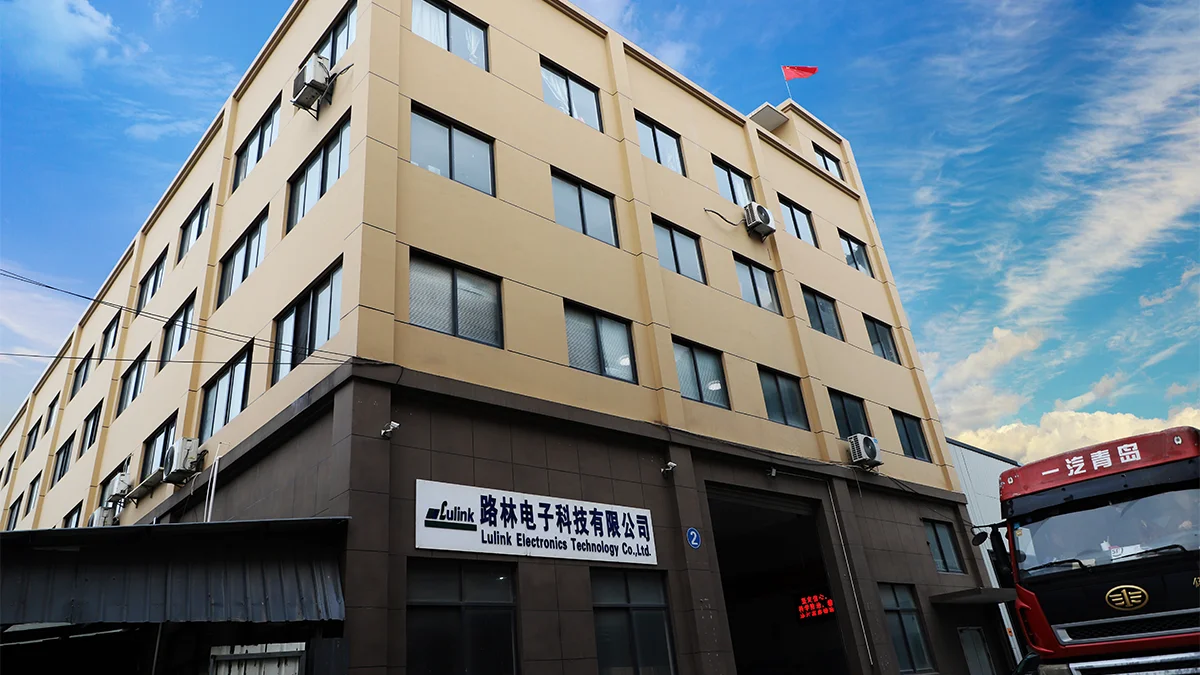
Guangzhou Lulink Information Technology Co., Ltd.
- Manufacturer, Trading Company
- Guangdong, China
- Lead time10 days
- Avg. response≤ 2h
Main productsnetwork patch cable patch panel cable manager faceplate keystone jack rj45 connector boot,FO patch cord pigtail patch panel ODF distribution box splice closure cabinet,telephone cabling systems,pdu power cord,smart home socket
Main marketsSouth America(25.00%), North America(22.00%), Southeast Asia(10.00%)

Changzhou Traful Electronic Co., Ltd.
- Combined
- China Jiangsu
- Lead time30 days
- Avg. response≤ 15h
Main productsCharger, HDMI/DVI/VGA Cable, Mobile-Phone Accessories, Adaptor, USB/Video Cable, Patch Cable, Telephone Cable
Main marketsSouth America,Southeast Asia/ Mideast,East Asia(Japan/ South Korea),Domestic,Europe,Australia,North America

Ningbo Longtime Cable Co., Ltd.
- Trading Company
- Zhejiang Province, China
- Lead time30 days
- Avg. response≤ 1h
Main productsDisplayport cables/VGA cables/DVI cables,CAT.5E/CAT.6/CAT.7/CAT.8 Patch Cords cable/ Fiber Optic Patch Cords,USB cables/ Charging cables,Telephone cable/Solar PV cables/ Speaker cables/ Coaxial cables/Antenna cables/ Satellite cables,RCA/3.5mm/XLR Audio cables
Main marketsWestern Europe(30.00%), Eastern Europe(20.00%), Northern Europe(10.00%), North America(10.00%), South Asia(9.00%), Southern Europe(5.00%), Mid East(5.00%), South America(5.00%), Domestic Market(1.00%), Africa(1.00%), Eastern Asia(1.00%), Southeast Asia(1.00%), Central America(1.00%), Oceania(1.00%)
- Verified by SGS Group
- Manufacturer, Trading Company
- Lead time20 days
- Avg. response≤ 5h
Main productsConnectors & Convertors, Cables
Main marketsWestern Europe(56%), North America(28%), Southeast Asia(13%)
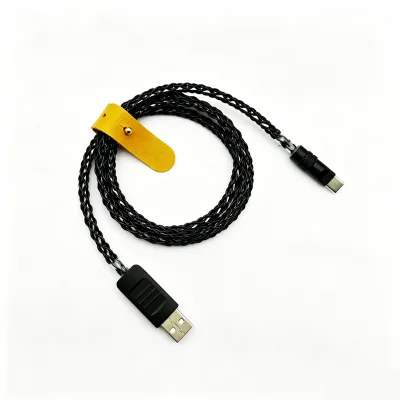
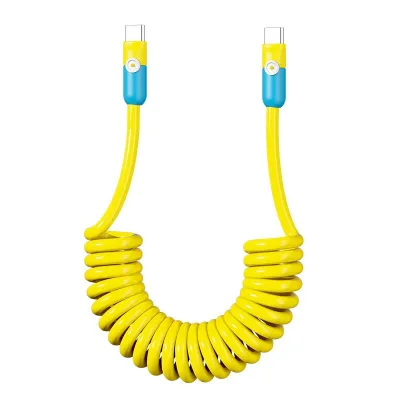
Braided USB Data Cable Single-color Glowing Cable
$3.64 - $3.85
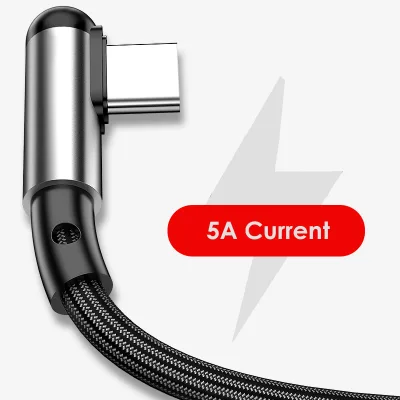
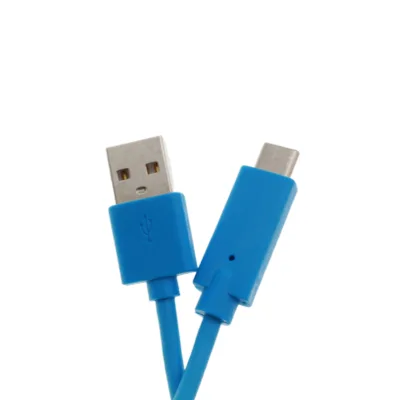

SHENZHEN XIANGTIANZHONG TECHNOLOGY CO., LTD.
- Manufacturer/Factory
- China Guangdong
- Lead time23 days
- Avg. response≤ 5h
Main productsUSB C Type Series Cable, USB Series Connector, Wire Harness Cable, HDMI Cable, Displayport Cable
Main marketsSouth America,Eastern Europe,Mid East,North America,Southeast Asia,Eastern Asia,Oceania,Western Europe,Africa

SHENZHEN HYDONG ELECTRONICS CO., LTD.
- Verified by TUVRHEINLAND
- Manufacturer/Factory
- China Guangdong
- Lead time15 days
- Avg. response≤ 6h
Main productsUSB Cable, Lightning Cable, Android Cable, Type-C Cable, iPhone Cable, HDMI Cable
Main marketsSouth America,Eastern Europe,Mid East,North America,Western Europe
Karve Electronics Enterprise Co., Limited
- Verified by TüVRheinland
- Trading Company
- Lead time15 days
- Avg. response≤ 1h
Main productsCable Assembly, Wire Harness, Power Adapter, Connector, Consumer Electronic Accessories
Main marketsOceania(30%), Southeast Asia(20%), North America(10%)

Changzhou Carrot Import & Export Co., Ltd.
- Trading Company
- China Jiangsu
- Lead time45 days
- Avg. response≤ 23h
Main productsAudio/Video Cable, HDMI Cable, USB Cable, CATV Connector, Patch Cord, CATV Splitter, Cooling Fan, CATV Cable, RCA Cable, Scart Cable
Main marketsSouth America,Africa,Southeast Asia/ Mideast,East Asia(Japan/ South Korea),Europe,Australia,North America
Changzhou Wistar Electronics Co., Ltd.
- Verified by SGS Group
- Manufacturer, Trading Company
- Lead time30 days
- Avg. response≤ 5h
Main productsHDMI Cable, Smart Phone Cable, Audio Video Cable, Wall Charger, Car Charger
Main marketsEastern Europe(20%), Northern Europe(15%), Eastern Asia(10%)
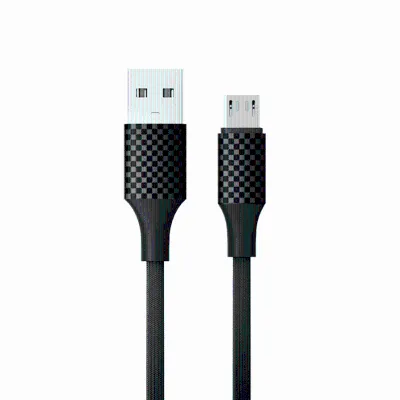
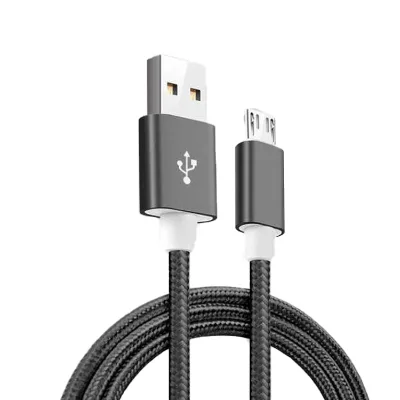
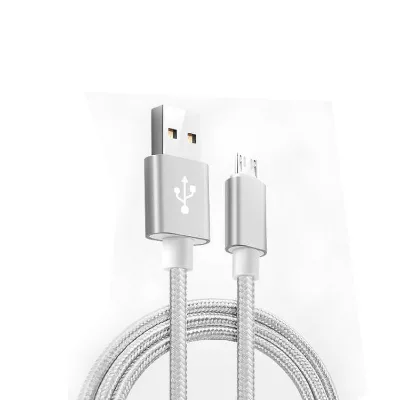
Factory Price Braided USB-A to Micro Android Usb Data Cable for Android Mobile Phone
$0.28 - $0.36
MOQ: 1000 pieces
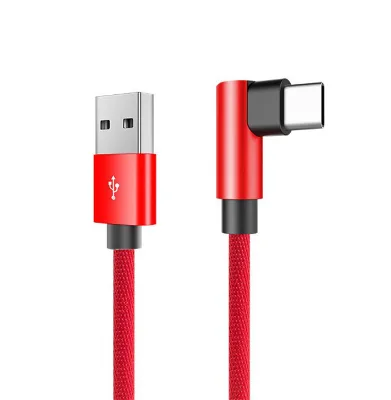
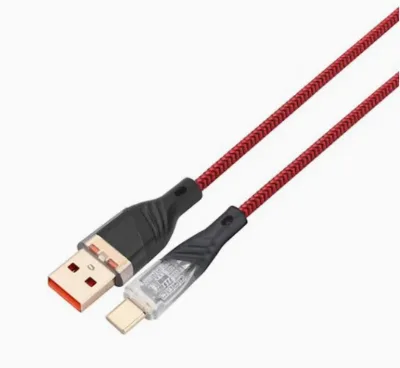
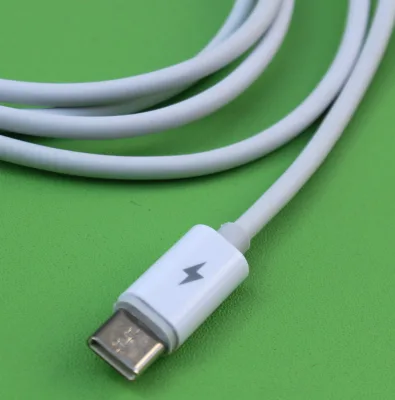
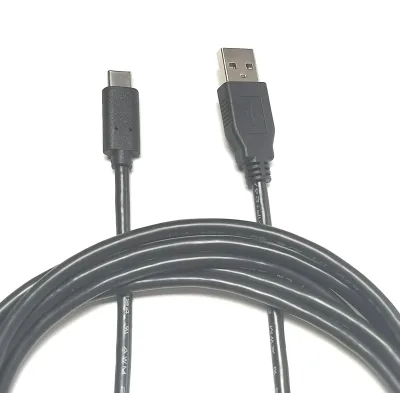
Usb Cable Type-c Transparent Plug Design Type c Cable Fast Charging Aluminum Braiding Type c Cable
$1.10 - $1.20
MOQ: 1000 pieces
- Manufacturer
- Guangdong, China
- Lead time8 days
- Avg. response≤ 6h
Main productsUSB Cable,Video&Audio Cable,Power Cord,Hub,SATA&SAS Cable
Main marketsNorth America(40.00%), South America(20.00%), Domestic Market(15.00%), Eastern Europe(5.00%), Western Europe(5.00%), Eastern Asia(4.00%), Southeast Asia(2.00%), Southern Europe(2.00%), Northern Europe(2.00%), Africa(1.00%), South Asia(1.00%), Oceania(1.00%), Mid East(1.00%), Central America(1.00%)
Guangzhou Beike Electronics Co., Ltd.
- Trading Company
- Guangdong, China
- Lead time0 days
- Avg. response≤ 1h
Main productsUSB cables,RF cables,Mobile accessories,RF Connectors,Electronic Adaptors
Main marketsNorth America(30.00%), Western Europe(15.00%), Southern Europe(10.00%), Northern Europe(10.00%), Eastern Europe(10.00%), South Asia(5.00%), Eastern Asia(5.00%), Mid East(5.00%), Central America(5.00%), South America(5.00%)

Dongguan Vistech lmport&Export CO.,LTD
- Trading Company
- China Guangdong
- Lead time15 days
- Avg. response≤ 6h
Main productsDouble Sided Tape, Plastic Mold, Bushing Aluminum, Ceramic Lamp Holder, LED Plafon, LED Lighting, Switch and Socket, USB Circuit PCBA, Wireless Dingdong Door Bell, Microswitch
Main marketsSouth America,Africa,Southeast Asia/ Mideast,Europe,Australia,North America


Long Lasting Type C USB Braided Cable with Fast Charging and Data Function for Mobile Phone
$0.35 - $0.55
MOQ: 5000 Pieces


High Efficiency Type C Cable for Quick Charging and Data Exchange Mobile Phone USB Cable
$0.35 - $0.55
MOQ: 5000 Pieces

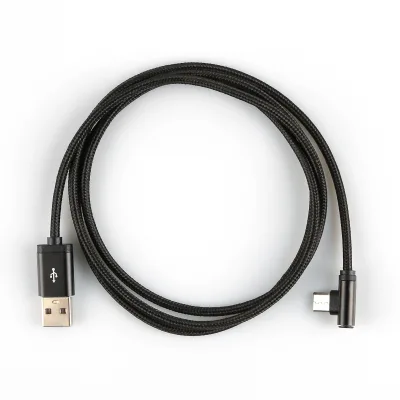
Durable Nylon Braided Type-C Cable for Fast Charging and Data Sync Hot Sale Cable
$0.35 - $0.55
MOQ: 5000 Pieces

Dongguan Maoye Electrical Co., Ltd.
- Manufacturer, Trading Company
- Guangdong, China
- Lead time10 days
- Avg. response≤ 2h
Main productsUSB 3.0 cable,computer case front panel cable,extension cable,Type C cable,HDMI cable
Main marketsNorth America(30.00%), Southern Europe(15.00%), Central America(10.00%), Western Europe(10.00%), Eastern Asia(8.00%), South Asia(5.00%), Northern Europe(5.00%), Africa(5.00%), Southeast Asia(5.00%), Mid East(5.00%), Eastern Europe(2.00%)
Shenzhen Keyway Electronic Technology Co., Ltd.
- Trading Company
- Guangdong, China
- Lead time7 days
- Avg. response≤ 5h
Main productsWireless Car Holder Charger,Phone Wall Charger,Bluetooth Earphone,Bluetooth Speaker,Phone USB Cable
Main marketsWestern Europe(25.00%), North America(25.00%), Africa(10.00%), South America(10.00%), Southeast Asia(8.00%), Eastern Europe(5.00%), Northern Europe(4.00%), Mid East(4.00%), Eastern Asia(3.00%), Oceania(3.00%), South Asia(1.00%), Southern Europe(1.00%), Central America(1.00%)

Shenzhen Ikeemi Technology Co., Ltd.
- Trading Company,Manufacturer/Factory
- China Guangdong
- Lead time15 days
- Avg. response≤ 14h
Main productsPhone Accessory, Phone Case, Phone Holder, Screen Protector, iPhone Case, Samsung Case, LG Case, Apple Watch Stand, Promotion Gift, Drawing and Pattern Customized Phone Case
Main marketsSouth America,Eastern Europe,Mid East,North America,Southeast Asia,Eastern Asia,Oceania,Western Europe,Africa

Dongguan KaiWin Electronic Co., Ltd.
- Manufacturer
- China Guangdong
- Lead time15 days
- Avg. response≤ 20h
Main productsTypec Product
Main marketsEurope,North America
Dongguan Guangao Electronic Technology Co., Ltd.
- Verified by SGS Group
- Manufacturer, Trading Company
- Lead time15 days
- Avg. response≤ 3h
Main productsCable Assembly, Wire Harness, Audio Cables, USB Hubs, Chargers
Main marketsDomestic Market(40%), North America(15%), Eastern Asia(8%)

Shenzhen Lianle Tech Co., Ltd.
- Manufacturer
- Guangdong, China
- Lead time30 days
- Avg. response≤ 3h
Main productssecurity cables,network cables,USB cables,power cables,vga cables
Main marketsNorth America(20.00%), South America(15.00%), Eastern Europe(11.11%), Southeast Asia(10.00%), Western Europe(5.00%), Eastern Asia(5.00%), Mid East(5.00%)

- Verified by BV
- Manufacturer/Factory
- China Guangdong
- Lead time0 days
- Avg. response≤ 8h
Main productsBluetooth Speaker, USB Flash Disk, Bluetooth Headphone, Power Bank, Touch Pen, Memory Card, Data Cable
Main marketsSouth America,Eastern Europe,Mid East,North America,Southeast Asia,Eastern Asia,Oceania,Western Europe,Africa

Double Head Design Custom Charger Data Cables Nylon Braided USB Cable Type C Cable
$0.80 - $1.00
MOQ: 500 Pieces

$1.50 - $2.25
MOQ: 1000 Pieces

- Manufacturer/Factory
- China Guangdong
- Lead time15 days
- Avg. response≤ 15h
Main productsDIN41612 Connectors, PCB Connectors, RJ45 with Magentic and PCB Jack, Wire to Board Conncetors, Terminal Block, Wire to Wire Connectors, Flat Cables, Board to Board Connectors, Wire Harness, Automotive Connector
Main marketsSouth America,Eastern Europe,Mid East,North America,Southeast Asia,Eastern Asia,Oceania,Western Europe

Changzhou Wistar Electronics Co., Ltd.
- Verified by BV
- Combined
- China Jiangsu
- Lead time15 days
- Avg. response≤ 5h
Main productsSmartphone USB Cable, Computer Cable, Computer HDMI Cable, Pd Cable, Type C Hubs, USB Hub, USB C Hub, Network Cables, USB Adapter, USB 4 Cable
Main marketsEast Asia(Japan/ South Korea),Europe

Huizhou Tat Shing Electronic Co., Ltd.
- Verified by SGS
- Combined
- China Guangdong
- Lead time15 days
- Avg. response≤ 6h
Main productsDC Cables, USB Cables, Waterproof Cables
Main marketsOthers(foreignTradeCapacity.exportBusinessCapacityMarketOther),Domestic,Europe


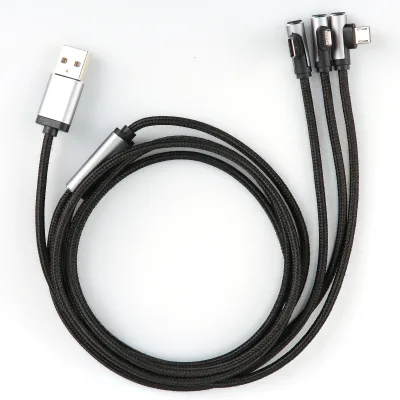
Best Selling 3 In1 USB Data Cable 2A/3A Charging Braided Cable 1.2m/1.5m
$0.28 - $1.20
MOQ: 100 Pieces


Shenzhen Magelei Electronic And Technology Co., Ltd.
- Manufacturer, Trading Company
- Lead time旺季: "1 - 2000":12,"> 2000":"To be negotiated", 淡季: "1 - 2000":12,"> 2000":"To be negotiated"
- Avg. response≤ 3h
Main productsHDMI Cable Fiber-8K-4K-1080P, DP-HDMI/DVI/VGA Cable, USB Type-c Cable, HDMI Splitter/Switch, Ethernet Cat7 Cat8 Cable
Shenzhen All-Define Electronic Technology Co., Ltd.
- Verified by SGS Group
- Manufacturer, Trading Company
- Lead time25 days
- Avg. response≤ 3h
Main productsComputer Cable, HDMI Cable, USB Cable, Audio Cable, Wire Harness
Main marketsNorth America(45%), Western Europe(20%), South America(10%)
Shenzhen Dinggong Electronic Tool Instrument Co., Ltd.
- Manufacturer
- Guangdong, China
- Lead time0 days
- Avg. response≤ 7h
Main productsCharger,Soldering station,Hot air gun,Repair pad,Maintenance power supply
Main marketsDomestic Market(30.00%), Southeast Asia(25.00%), Eastern Asia(10.00%), North America(9.00%), South Asia(9.00%), South America(8.00%), Africa(8.00%)
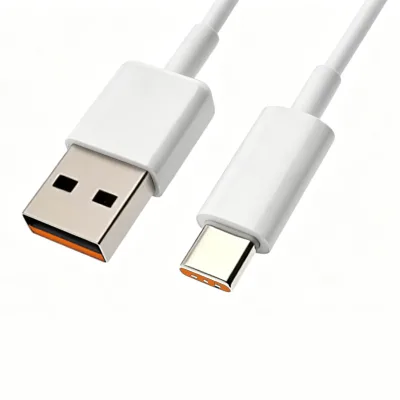
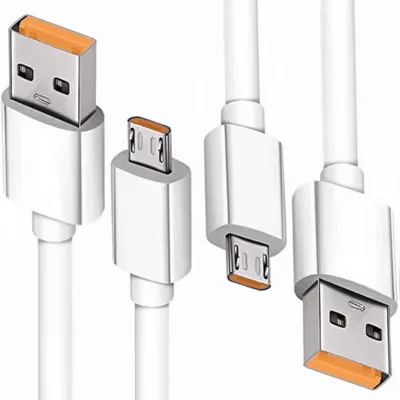
Micro USB Cable 90cm Long PVC for Android Devices
$0.50 - $0.70
Shenzhen Bai Jia Cai Industrial Co., Ltd.
- Manufacturer
- Guangdong, China
- Lead time3 days
- Avg. response≤ 2h
Main productsCharger Adapter Power Adapter,Earphone/Headphone,USB Cable,Car Charging Charger,USB Home Charger
Main marketsSouth America(30.00%), North America(30.00%), Central America(20.00%), Southern Europe(10.00%), Eastern Europe(10.00%), Northern Europe(10.00%), Western Europe(10.00%), Mid East(5.00%), Oceania(5.00%), Africa(5.00%), Southeast Asia(5.00%), South Asia(5.00%), Eastern Asia(3.00%), Domestic Market(2.00%)
Shenzhen Haoyue Industry Co., Ltd.
- Manufacturer, Trading Company
- Guangdong, China
- Lead time0 days
- Avg. response≤ 2h
Main productsCharging Station,Canvas Apron,Advertising T-Shirt,USB charging cable,Wireless charger
Main marketsWestern Europe(20.00%), North America(20.00%), Southern Europe(10.00%), Northern Europe(10.00%), Central America(10.00%), South America(10.00%), Mid East(5.00%), Africa(5.00%), Southeast Asia(5.00%), Eastern Europe(5.00%)

Shenzhen Firstone Technology Co.,Ltd
- Verified by TUVRHEINLAND
- Combined
- China Guangdong
- Lead time15 days
- Avg. response≤ 8h
Main productsFtdi Cable, USB RS485 Cable, USB RS422 Cable, USB RS232 Cable, USB Ttl Serial Cable, Tc2030 Cable, Passive Poe Splitter, Poe Injector, Poe Extender, Kvm Matrix
Main marketsEurope

Dongguan Saisonic Electronics Co., Ltd
- Verified by SGS
- Combined
- China Guangdong
- Lead time30 days
- Avg. response≤ 5h
Main productsWire Harness, Custom Cable Assembly, Wire Cable, Over Molded Cable Assemblies, USB Cable, Medical Cable Harness Assembly, Aux Audio and Video Cable, Automotive Wiring Harness, Computer Cable, Home Appliances Wiring Harness














Comprehensive Sourcing Guide
Braided Copper USB Cable Supplier Concentration and Factory Types
The current supplier landscape for braided copper USB cables reveals a distinct concentration in China, specifically within the Jiangsu and Guangdong provinces. These regions serve as critical manufacturing hubs for consumer electronics accessories, offering a dense network of potential partners for buyers seeking bulk orders. In Jiangsu, suppliers often operate as combined entities, blending trading capabilities with manufacturing oversight, which can provide flexibility in order sizes and product customization. This setup allows for a broader range of product offerings, including HDMI, DVI, and various audio and video cables alongside USB data lines. The presence of such combined companies suggests a mature supply chain infrastructure where logistics and sourcing are integrated, potentially reducing the friction often associated with dealing with pure trading companies or isolated factories. Buyers should recognize that this geographic clustering facilitates easier communication and faster sample shipping, as many suppliers are located in close proximity to major ports and industrial zones.
In contrast, suppliers located in Guangdong frequently present themselves as manufacturers or factories, emphasizing direct production capabilities. These entities often highlight specific certifications such as ISO 14001 and ISO 9001, indicating a structured approach to quality management and environmental compliance. The Guangdong cluster is particularly known for its focus on mobile phone accessories and power solutions, which aligns closely with the demand for durable braided USB cables. Many of these factories offer OEM and ODM services, allowing buyers to customize cable lengths, connector types, and packaging. The distinction between combined companies in Jiangsu and pure manufacturers in Guangdong is crucial for sourcing strategy. Buyers evaluating these options must consider whether they prioritize the flexibility and breadth of a combined supplier or the specialized production control and certification rigor of a dedicated factory. Understanding these structural differences helps in aligning supplier selection with specific project requirements, whether for high-volume standard items or customized niche products.
How to Verify Braided Copper USB Cable Suppliers
Verifying the legitimacy and capability of suppliers requires a multi-layered approach that goes beyond basic profile reviews. One critical step is to check for third-party verification badges, such as SGS, which provide an independent assessment of a supplier’s business operations and product quality. For instance, some manufacturers in the Guangdong region display SGS verification, offering an additional layer of trust regarding their manufacturing processes and compliance standards. Buyers should also scrutinize system certifications like ISO 9001 and ISO 14001, which indicate adherence to international quality and environmental management systems. These certifications are not merely decorative; they reflect a supplier’s commitment to consistent production standards and sustainable practices. When evaluating suppliers, look for explicit mentions of these credentials in their company profiles or product listings. If such information is absent, it is advisable to request documentation directly from the supplier to confirm their compliance status. This due diligence helps mitigate the risk of partnering with entities that may lack the necessary infrastructure for reliable production.
Another essential verification step involves assessing the supplier’s response time and communication efficiency. Data indicates that response times can vary, with some suppliers averaging around 23 hours, which may be acceptable for non-urgent inquiries but less ideal for time-sensitive projects. Buyers should test the supplier’s responsiveness by sending detailed inquiries about braided copper USB cables, including specific requests for material composition and testing reports. A prompt and detailed response often correlates with a more professional and organized operation. Additionally, buyers should verify the supplier’s claimed capabilities, such as OEM and ODM services, by asking for examples of previous custom orders or technical specifications sheets. It is also important to confirm the origin of the products, ensuring that claims of being made in specific cities like Shenzhen are accurate. By combining verification of certifications, response metrics, and operational claims, buyers can build a more accurate picture of a supplier’s reliability and suitability for their sourcing needs.
What to Compare Across Braided Copper USB Cable Suppliers
When comparing suppliers, key metrics such as lead time, minimum order quantity (MOQ), and pricing structure should be analyzed side by side. Lead times can vary significantly, with some suppliers offering a 30-day turnaround while others may provide faster service, such as 23 days. This difference can impact inventory planning and delivery schedules, making it crucial to align supplier capabilities with project deadlines. Similarly, MOQs are a critical factor, with some suppliers requiring orders as low as 1,000 units, while others may set the threshold at 3,000 or even 2,000 units. Buyers with smaller initial orders should prioritize suppliers with lower MOQs to reduce inventory risk, whereas those planning large-scale deployments might leverage higher volumes for better pricing. Pricing also varies, with some products listed at competitive rates like $0.50 to $1.00 per unit, while others may be priced higher at around $5.20, depending on features and materials. Understanding these financial and logistical parameters helps in selecting a supplier that fits the buyer’s budget and volume requirements.
Beyond basic metrics, buyers should compare product specifications and customization options to ensure alignment with their technical needs. Attributes such as cable material, connector type, and additional features like IC chips or waterproofing are vital for performance and durability. For example, some braided USB cables are equipped with IC chips for enhanced data transmission and charging efficiency, while others may lack this feature. Buyers must verify these details by reviewing product attributes like pin count, shape, and application compatibility. Additionally, the availability of customization services, such as logo printing or custom packaging, can be a differentiating factor for brands looking to enhance their product identity. Suppliers that offer flexible customization options, including various colors and lengths, provide greater value for specialized projects. By systematically comparing these technical and commercial attributes, buyers can identify suppliers that not only meet their quantitative requirements but also deliver the qualitative product features necessary for success in their target market.
Common Braided Copper USB Cable Sourcing Risks
One significant risk in sourcing braided copper USB cables is the potential discrepancy between advertised specifications and actual product quality. Buyers may encounter suppliers who claim high standards, such as explosion-proof features or waterproof ratings, without providing verifiable test results. It is essential to request detailed product data sheets and third-party test reports to confirm these claims. For instance, while some products are listed with certifications like Rohs, PAHs, and CE, buyers must ensure these apply to the specific braided cable models they intend to purchase. Another risk involves the variability in material composition, such as the use of copper versus cheaper alternatives. Buyers should verify the material specifications, including pin count and cable structure, to ensure durability and performance. Misleading product descriptions can lead to subpar products that fail in real-world applications, damaging the buyer’s brand reputation. Therefore, rigorous verification of product attributes is necessary to mitigate this risk.
Another common risk is the inconsistency in lead times and order fulfillment reliability. Suppliers may quote attractive lead times, such as 23 or 30 days, but fail to meet these deadlines due to production bottlenecks or capacity issues. This can disrupt supply chains and lead to stockouts, especially for time-sensitive retail seasons. Additionally, the risk of communication gaps is heightened when dealing with suppliers in different time zones or with varying levels of English proficiency. Misunderstandings regarding customization requirements, packaging details, or shipping instructions can result in costly errors. Buyers should establish clear communication protocols and request written confirmations of all order details. Furthermore, the risk of hidden costs, such as unexpected shipping fees or customs duties, can impact the total landed cost. Buyers must clarify all commercial terms upfront, including payment methods and incoterms, to avoid surprises. By proactively addressing these risks through thorough due diligence and clear contracts, buyers can protect their interests and ensure a smoother sourcing process.
Braided Copper USB Cable Regional Sourcing and Logistics
Sourcing from China, particularly from Jiangsu and Guangdong, offers logistical advantages due to the region’s advanced manufacturing infrastructure and proximity to major shipping ports. Jiangsu’s location in the eastern part of China provides easy access to Shanghai and Ningbo ports, facilitating efficient export logistics for bulk orders. Suppliers in this region often benefit from a well-developed supply chain network, which can reduce lead times and transportation costs. On the other hand, Guangdong, home to Shenzhen and Guangzhou, is a global hub for electronics manufacturing, offering a dense cluster of suppliers and component manufacturers. This concentration allows for faster prototyping and production cycles, making it ideal for buyers needing quick turnaround times. The logistical efficiency in these regions is further enhanced by the availability of comprehensive freight forwarding services and customs clearance support. Buyers should consider the specific port of departure when planning logistics, as this can impact shipping costs and transit times. Understanding these regional logistical strengths helps in optimizing the supply chain for braided copper USB cables.
However, buyers must also account for the complexities of international shipping and customs regulations when sourcing from these regions. While the infrastructure is robust, delays can occur due to peak season congestion, port strikes, or changes in trade policies. Buyers should work with experienced freight forwarders who can navigate these challenges and provide accurate shipping estimates. Additionally, the choice between air and sea freight will depend on the order volume and urgency. For large orders of braided USB cables, sea freight is often more cost-effective, while air freight may be necessary for urgent replenishments. Buyers should also consider the packaging and labeling requirements of their target markets, ensuring that products comply with local regulations. Proper packaging not only protects the cables during transit but also enhances the product’s presentation upon arrival. By carefully planning logistics and partnering with reliable shipping providers, buyers can minimize transit risks and ensure timely delivery of their orders.
Braided Copper USB Cable Commercial Terms and Order Planning
Effective order planning for braided copper USB cables requires a clear understanding of commercial terms, including payment methods, pricing structures, and warranty policies. Buyers should negotiate favorable payment terms, such as partial upfront payments with the balance due upon shipment, to balance risk and cash flow. It is also important to clarify the pricing model, whether it is based on unit cost, volume discounts, or custom pricing for OEM orders. Some suppliers offer competitive pricing for standard items, while others may charge premiums for customized features like braided exteriors or specific connector types. Buyers must ensure that all costs, including tooling fees for custom molds, are transparently disclosed upfront. Additionally, understanding the supplier’s warranty and return policies is crucial for managing post-sale issues. A clear warranty policy can provide peace of mind and protect the buyer from defective products. By establishing robust commercial terms, buyers can create a stable foundation for their sourcing relationship.
Furthermore, buyers should plan for scalability and long-term partnership potential when ordering braided USB cables. Starting with a trial order allows buyers to assess the supplier’s quality, reliability, and communication before committing to larger volumes. This approach minimizes risk and provides an opportunity to refine specifications and processes. Buyers should also consider the supplier’s capacity to handle increased orders, especially during peak seasons. Suppliers with established OEM and ODM capabilities are often better equipped to scale production as demand grows. Additionally, buyers should explore opportunities for continuous improvement, such as negotiating better pricing for repeat orders or requesting product enhancements based on market feedback. Building a collaborative relationship with the supplier can lead to mutual benefits, including priority production slots and exclusive product designs. By focusing on strategic order planning and relationship management, buyers can secure a reliable supply of high-quality braided copper USB cables for their business needs.
FAQs
What is a Braided Copper USB Cable and why do buyers choose it?
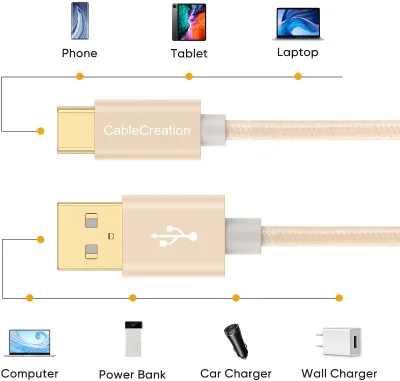
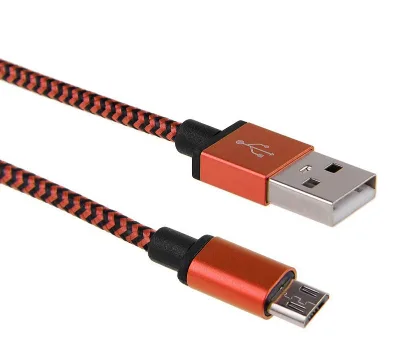
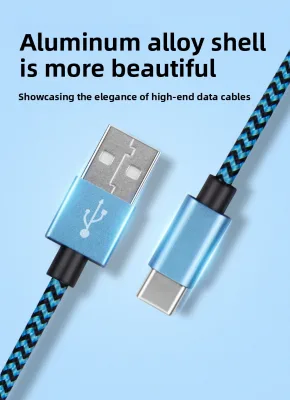
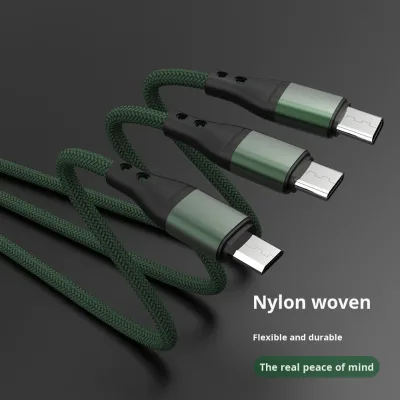
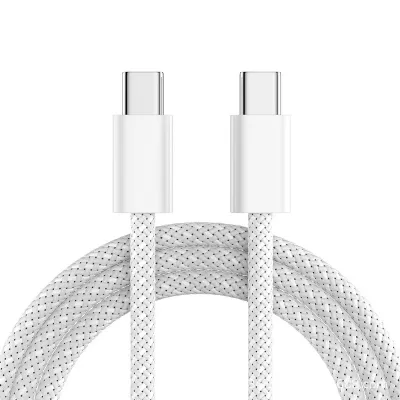
A Braided Copper USB Cable uses copper conductors wrapped in a woven fabric jacket for extra durability. The braid resists fraying and tangling better than plastic insulation, while copper supports reliable charging and data transmission. Many listings on this page offer copper material, customization, and charging plus data functions, making them suitable for phone, computer, and network applications.
What MOQs apply to braided copper USB cables on this page?
Minimum order quantities vary by product listing rather than following one rule. Observed listings include MOQs of 1000 units, 2000 units, and 3000 units for different USB cable models. Because MOQ depends on the specific model, connector type, and customization level, confirm the exact quantity requirement with each supplier before requesting a formal quotation.
How long is the typical lead time for these USB cable orders?
Lead times listed on this page range from 23 to 30 days depending on the supplier. Actual production time can shift with order volume, customization requests, and packaging choices such as PE bag, blister, or gift box. Ask each supplier to confirm current lead time for your specific quantity before placing a purchase order.
Do suppliers on this page support customization for USB cables?
Yes, product listings shown here indicate that customization is available on multiple USB cable models. Options mentioned in the data include different colors, cable lengths, packaging formats, and model configurations. Some suppliers also state OEM and ODM capability, so you can request private-label or engineered variations. Discuss tooling costs, sample approval, and customization timelines before committing to production.
What certifications or standards should I verify for braided copper USB cables?
Some listings reference standards such as RoHS, PAHs, CE, and ISO 9001, and one supplier lists ISO 9001 and ISO 14001 system certifications. You should always request current certificate copies directly from the supplier and verify their validity. Certification coverage can differ by product model, so confirm which standards apply to the exact cable you plan to order.
Which regions do the USB cable suppliers on this page come from?
Suppliers in these results are located in China, specifically Jiangsu and Guangdong provinces. Jiangsu suppliers list cable products including HDMI, RCA, DVI, and USB cables, while Guangdong suppliers focus on mobile phone accessories and chargers. Location affects shipping cost, factory visit feasibility, and port access, so weigh these factors when shortlisting manufacturing partners.
What price ranges appear for USB cables on this page?
Listed unit prices vary widely by model and specification. Observed price points include roughly 0.10, 0.50 to 1.00, 1.20, and 5.20 per unit, with some listings not displaying a price. Differences reflect conductor quality, IC chip inclusion, braiding, length, and order quantity. Request itemized quotations that separate unit price, packaging, and freight costs.
How quickly do suppliers on this page respond to inquiries?
Response times recorded on this page are approximately 23 to 24 hours, meaning suppliers typically reply within about a day. Response speed can vary with time zones, inquiry complexity, and staffing. Send detailed inquiries covering quantity, customization, and target price to receive accurate quotes faster, and follow up by phone or chat when answers are urgent.