Source eco-friendly dog cat puzzle toy for Training, Feeding, and Play
Find 30 verified listings for eco-friendly dog cat puzzle toy options including plush, plastic, and slow feeder designs. Compare specifications, certifications, and customization features to select the right supplier for your pet product needs; compare the available evidence and request quotations based on your requirements.
Updated
Key considerations
Products List


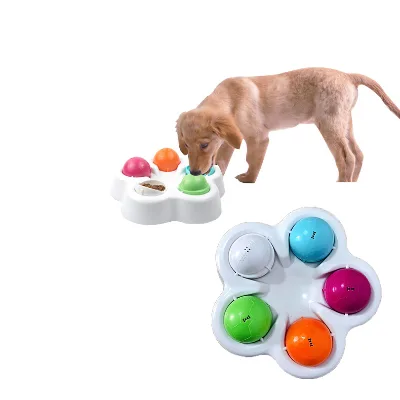


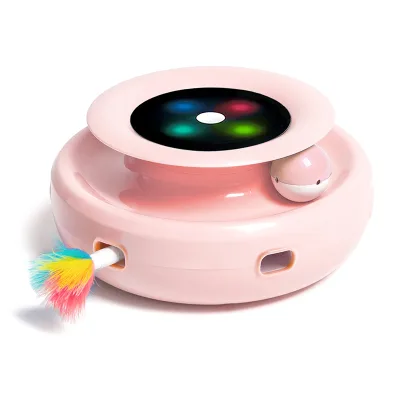
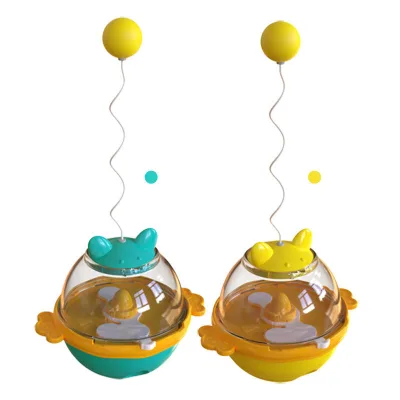
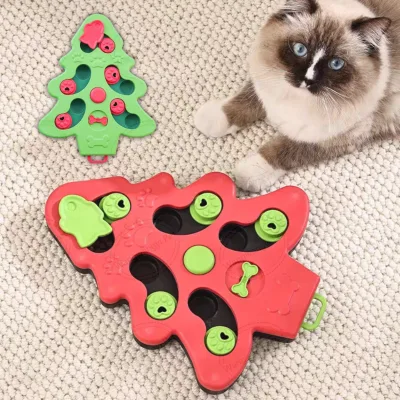
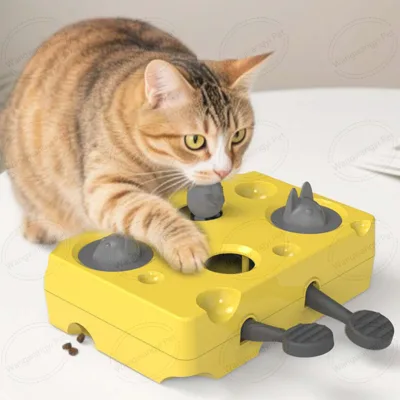
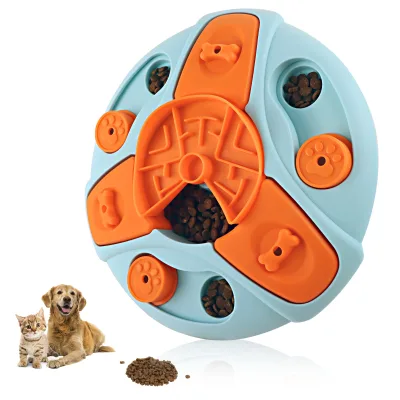
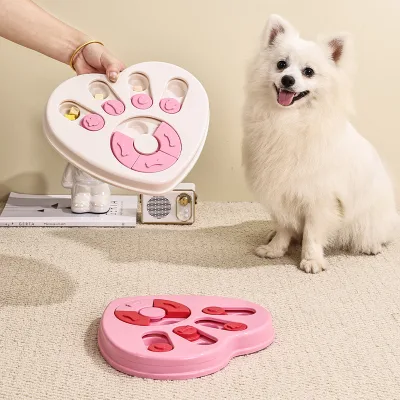
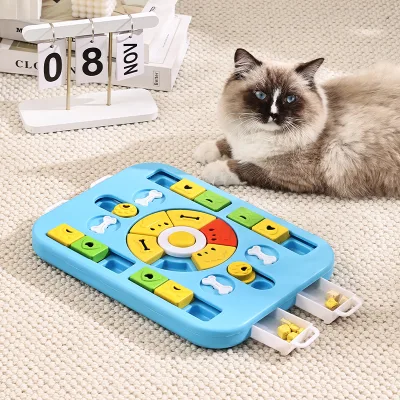
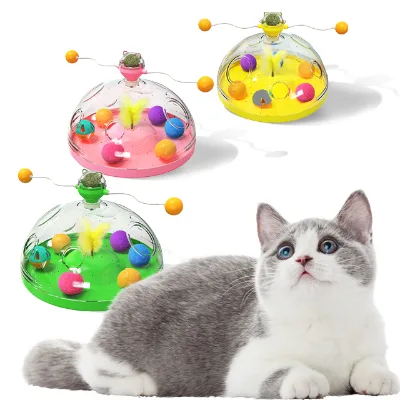
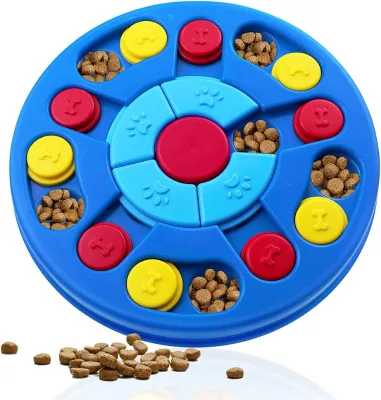

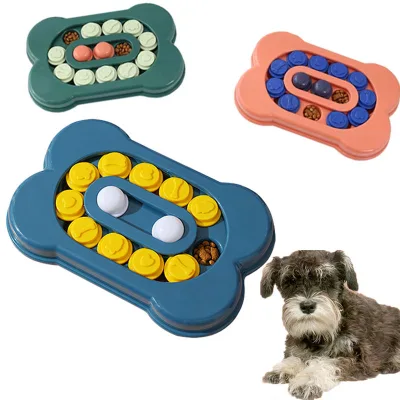
Hot Sell Plastic Pet Eco Friendly Round Training Plate Smart Treat Cat Dog Puzzle Toy
$1.85 - $1.93
MOQ: 200 Pieces


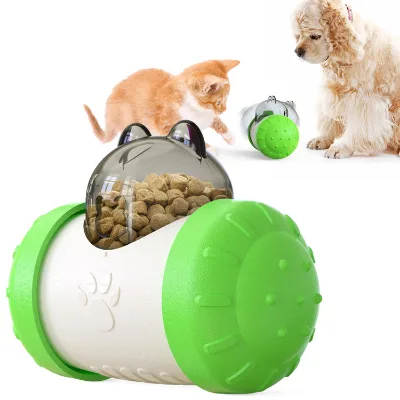
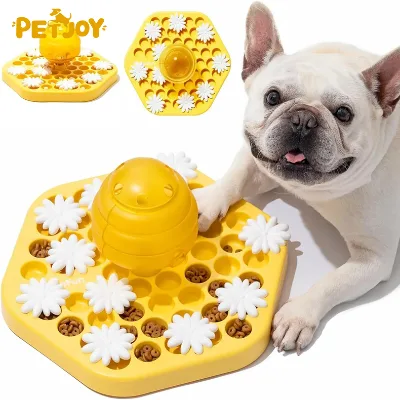


Comprehensive Sourcing Guide
Eco-Friendly Dog Cat Puzzle Toy Sourcing Guide
Sourcing eco-friendly dog and cat puzzle toys requires a careful balance between sustainable material claims and functional durability. Buyers must distinguish between products marketed as environmentally friendly and those that genuinely utilize non-toxic, recyclable, or biodegradable components. The observed market data indicates a wide variance in material composition, ranging from plush and stuffed fabrics to rigid plastic structures. This diversity necessitates a rigorous verification process to ensure that the "eco-friendly" label is not merely a marketing tactic but reflects actual supply chain practices. Procurement teams should prioritize suppliers who provide transparent material breakdowns and third-party validation of their sustainability claims.
Furthermore, the functional design of puzzle toys varies significantly, with some models focusing on slow feeding while others emphasize mental stimulation through interactive mechanisms. The observed listings include items with specific dimensions, such as 6.3x6.3cm or larger 30x30x10cm packages, indicating that size and shape are critical factors in product selection. Buyers must align these physical specifications with the intended use case, whether for small pets or larger dogs. Understanding the mechanical complexity of the puzzle is essential, as overly intricate designs may frustrate pets, while overly simple ones fail to provide adequate engagement. This guide outlines the key technical, compliance, and commercial considerations for sourcing these specialized pet accessories effectively.
Product Scope and Observed Listing Signals
The current market landscape for pet puzzle toys reveals a broad spectrum of product types, including slow feeders, travel bowls, and general interactive toys. Observed listings highlight specific models such as the ZXY-0063 and ZXY-0224, which demonstrate the variety in design and application. Some products are explicitly labeled as suitable for small animals, while others are designed for dogs and cats more generally. The presence of waterproof features in certain listings suggests that durability and ease of cleaning are key selling points for buyers. Additionally, the observation of "tree" shaped products indicates that aesthetic design plays a role in consumer appeal, potentially influencing retail placement and shelf visibility.
Customization options are prominently featured, with many suppliers offering logo printing and customized packaging services. This flexibility allows brands to create unique product identities that stand out in competitive markets. The availability of OEM and ODM services further supports private label strategies, enabling buyers to tailor products to specific brand guidelines. However, the distinction between customized and non-customized items is crucial for lead time and cost planning. Buyers must clearly define their customization requirements early in the sourcing process to avoid misunderstandings with suppliers. The observed range of single package sizes, from small 14x14x14cm boxes to larger 50x24x5cm cartons, also impacts logistics and storage decisions.
Technical Specifications to Verify
Verifying technical specifications is paramount to ensuring product quality and safety. Buyers should confirm the exact material composition, as observed listings include both plush/stuffed materials and plastic variants. The presence of certifications such as CCC, ISO, CE, and RoHS suggests that some suppliers adhere to strict quality and safety standards. However, buyers must verify that these certifications apply to the specific materials used in the puzzle toys, particularly for plastic components that may come into direct contact with pets. The absence of electrical components in most observed products simplifies safety checks, but mechanical integrity remains a critical concern.
Dimensional accuracy is another vital specification to verify. Observed standards include precise measurements like 6.3x6.3cm and 0.5kg weight, which indicate that size and weight are controlled parameters. Buyers should request detailed technical drawings or product samples to confirm that these dimensions match their requirements. Additionally, the waterproof attribute observed in some listings requires validation through practical testing to ensure long-term performance. Packaging specifications, such as carton packaging and customizable options, also need to be aligned with logistical needs. Ensuring that the single package size matches the shipping container configuration can optimize freight costs and reduce damage risks during transit.
Compliance and Safety Documentation
Compliance with international safety standards is non-negotiable for pet products. The observed certifications, including CE, RoHS, and CCC, provide a baseline for regulatory adherence. Buyers must ensure that these certifications are current and issued by recognized testing bodies. RoHS compliance is particularly important for plastic components, as it restricts the use of hazardous substances. For plush and stuffed toys, buyers should verify that the materials are free from harmful chemicals and allergens. The absence of electrical components reduces the risk of electrical hazards, but mechanical safety, such as the absence of small detachable parts, remains a key concern.
Documentation should also include material safety data sheets (MSDS) and test reports for specific product batches. Buyers should request these documents to verify that the products meet the safety standards of their target markets. For products marketed as eco-friendly, additional documentation may be required to substantiate these claims, such as biodegradability certificates or recycled content verification. The observed "eco-friendly" attribute suggests a growing market demand for sustainable products, but buyers must be vigilant against greenwashing. Ensuring that all compliance documentation is complete and accurate is essential for avoiding regulatory issues and maintaining brand reputation.
Cost Drivers and Commercial Terms
Cost drivers for eco-friendly dog and cat puzzle toys include material selection, customization complexity, and order volume. The observed MOQ range of 1 to 500 units indicates flexibility for small buyers, but larger orders may offer better pricing. Customization options, such as logo printing and customized packaging, typically add to the unit cost. Buyers should negotiate clearly on these additional costs to avoid unexpected expenses. The observed price range of $0.11 to $15.4 USD reflects the wide variance in product quality and features. Higher-priced items may offer superior materials or more complex designs, while lower-priced items may be basic models.
Commercial terms, including payment methods and lead times, are critical for supply chain planning. Buyers should establish clear agreements on payment milestones and delivery schedules. The observed "in stock" status for some products suggests faster lead times, but customized items may require longer production periods. Freight costs are influenced by the observed packaging sizes, with larger cartons potentially increasing shipping expenses. Buyers should optimize order quantities to balance inventory holding costs with freight efficiency. Understanding the total landed cost, including duties and taxes, is essential for accurate profit margin calculations.
Supplier Qualification and Quality Control
Supplier qualification involves assessing manufacturing capabilities, quality management systems, and ethical practices. Buyers should verify that suppliers have experience in producing pet toys and adhere to international quality standards. The observed certifications, such as ISO and CE, indicate a commitment to quality and safety. Buyers should conduct factory audits or request third-party inspection reports to verify production conditions. Quality control processes should include raw material inspection, in-process checks, and final product testing. The observed "eco-friendly" attribute requires additional scrutiny to ensure that sustainable practices are genuinely implemented.
Establishing a robust quality control plan is essential for maintaining product consistency. Buyers should define clear acceptance criteria for dimensions, materials, and functionality. Sampling plans should be implemented to verify that production batches meet these criteria. The observed variability in product models, such as ZXY-0063 and ZXY-0224, suggests that suppliers may offer multiple SKUs. Buyers should ensure that quality control processes are standardized across all SKUs. Regular communication with suppliers regarding quality issues and corrective actions is vital for continuous improvement. Building a strong partnership with qualified suppliers enhances supply chain resilience and product reliability.
Long-Term Procurement Checks
Long-term procurement success depends on continuous monitoring of supplier performance and market trends. Buyers should establish key performance indicators (KPIs) for quality, delivery, and responsiveness. Regular reviews of supplier performance data help identify areas for improvement and potential risks. The observed customization options suggest that market demands may evolve, requiring flexible supply chain strategies. Buyers should stay informed about changes in safety regulations and sustainability standards in their target markets. Adapting to these changes ensures ongoing compliance and competitiveness.
Building a diversified supplier base reduces dependency on single sources and mitigates supply chain disruptions. Buyers should evaluate alternative suppliers periodically to ensure competitive pricing and quality. The observed range of product models and materials indicates a dynamic market with opportunities for innovation. Buyers should engage in collaborative planning with suppliers to anticipate demand fluctuations and optimize inventory levels. Long-term relationships with trusted suppliers facilitate better communication and problem-solving. By focusing on continuous improvement and strategic partnership, buyers can secure a reliable supply of high-quality eco-friendly pet puzzle toys.
FAQs
What materials are used in these eco-friendly dog and cat puzzle toys?
These puzzle toys are made from plush and stuffed materials or plastic, depending on the model. Both material options are positioned as eco-friendly, soft, and comfortable for pets. Plush versions suit gentle chewers and cats, while plastic slow-feeder styles work for dogs. Buyers should confirm the material of each specific model before ordering.
Can the puzzle toys be customized with my own logo and packaging?
Yes, customization is available. Many listed items support customized logo printing, and packing can be specified as carton or other customizable arrangements. ODM and OEM services are accepted on several models. Minimum order quantities and customization costs vary by item, so buyers should confirm requirements with the supplier for the exact product they want.
What certifications do these pet puzzle toys carry?
Certifications listed across the products include CE and RoHS, with some items also showing CCC and ISO. Certification coverage differs by product, so a specific toy may not carry every listed certification. Buyers needing CE or RoHS compliance for their market should verify the certificates for the exact model before placing an order.
How do I choose between plush and plastic puzzle toys for my pets?
Plush and stuffed suits cats, small animals, and dogs that prefer soft, comfortable toys, and these items are marketed as eco-friendly and suitable for all seasons. Plastic versions, such as slow feeders, better suit dogs that need feeding enrichment. Consider the pet's chewing strength, the toy size like 6.3 by 6.3 cm, and cleaning needs.
Which pets are these puzzle toys suitable for?
The products are designed for both dogs and cats, with some items explicitly suitable for small pets and animals. Shapes include round and tree designs, and sizes range from small formats around 6.3 by 6.3 cm to larger items like 50 by 24 by 5 cm. Match the toy dimensions to your pet's size for safe play.
What are the typical minimum order quantities and price ranges?
Observed minimum order quantities range from 1 to 500 pieces, with some items listing an MOQ of 10 pieces and stock availability. Listed prices span roughly 0.11 to 15.4 US dollars per item depending on the model, material, and specification. Single-item selling units are common, so small trial orders may be possible for certain products.
Where are these pet puzzle toys produced and how are they packed?
The products originate from China, with Ningbo noted as an origin for some items. Packing is typically carton or standard export packing, and customizable packing is offered on select models. A listed single package size is 30 by 30 by 10 cm, and one slow feeder model weighs about 0.5 kg. Confirm packing details per item.
Are these puzzle toys waterproof and usable in all seasons?
Waterproof is listed as an attribute for some models, and the toys are generally described as suitable for all seasons. However, plush and stuffed items may not tolerate wet conditions as well as plastic slow feeders. Buyers should check the product attributes of each specific model and confirm waterproofing requirements with the supplier before ordering.