Source Real Time OBD2 GPS Tracker for Automotive, Motorcycle, Bicycle
Compare 30 Real Time OBD2 GPS Tracker options for automotive, motorcycle, and bicycle applications. View specifications including GSM, GPS, and GPRS positioning modes, cloud storage, and mobile app tracking capabilities from verified suppliers; compare the available evidence and request quotations based on your requirements.
Updated
Key considerations
Products List


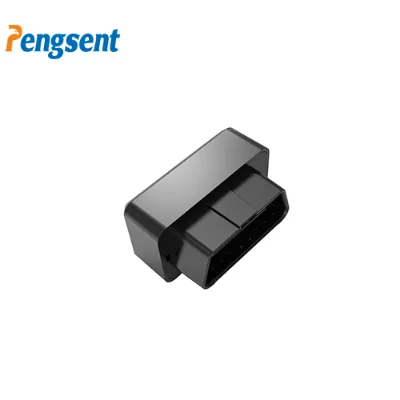
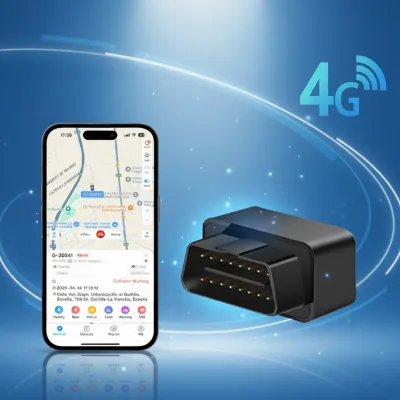

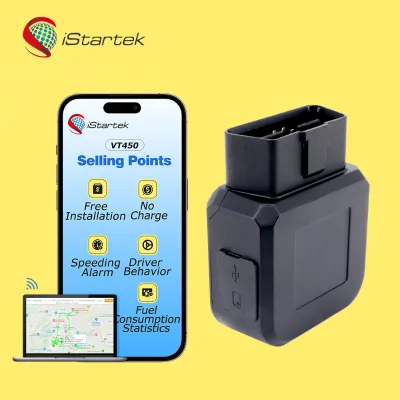
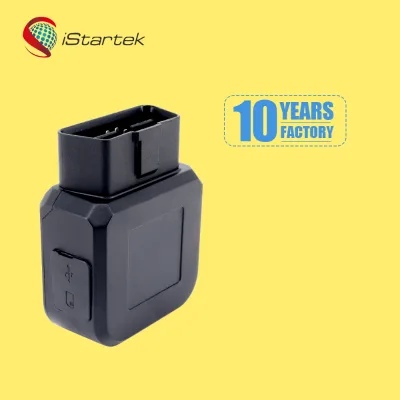
Real Time Location OBD 2 GPS Tracker Easy Install 4G OBD GPS Tracker Car
$62.00 - $69.00
MOQ: 1 Pieces

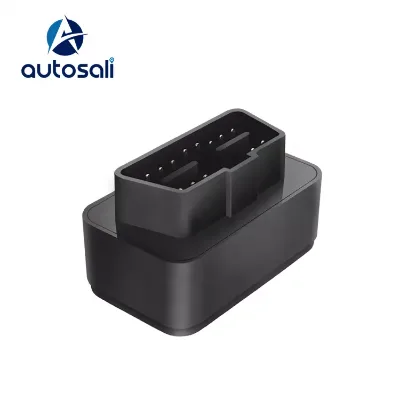
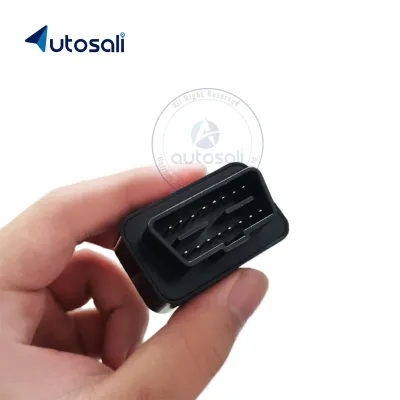


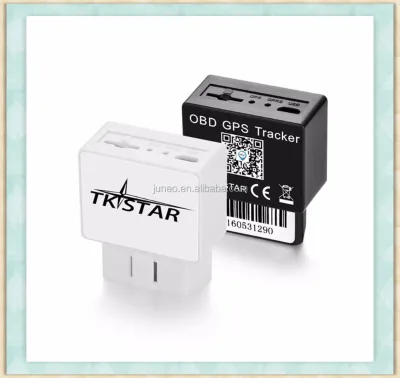
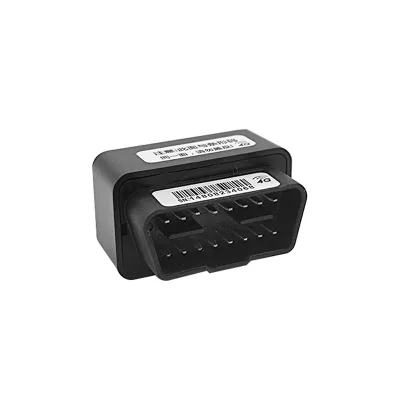
CE Approved Gps tracker tracker Obd Sos Gps Geolocation Car Gps tracker
$1.0523 - $34.6899
MOQ: 1 Minimum
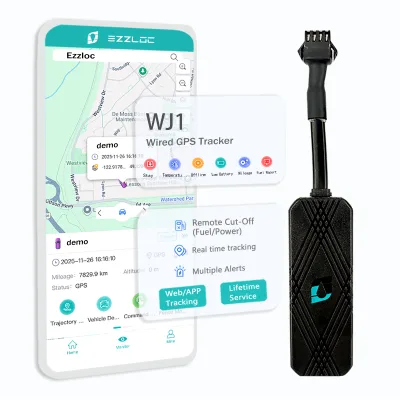
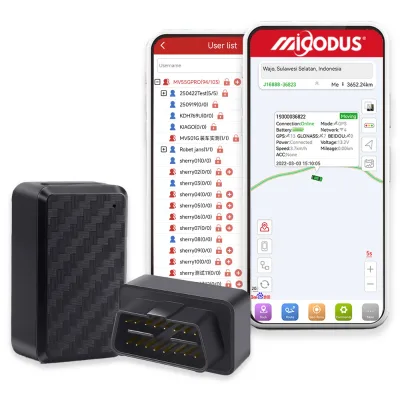
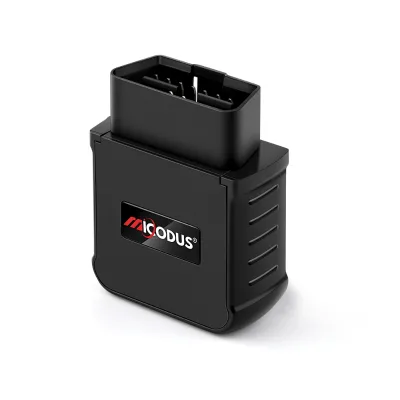


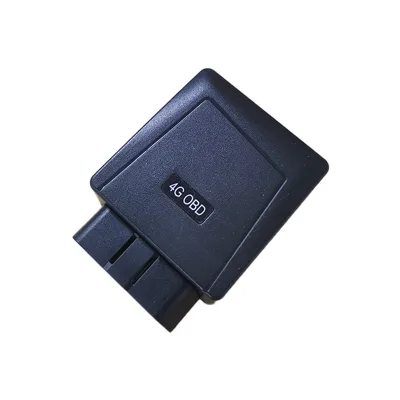



Comprehensive Sourcing Guide
Real Time OBD2 GPS Tracker Sourcing Guide
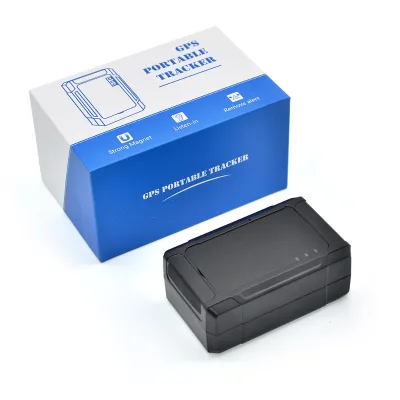
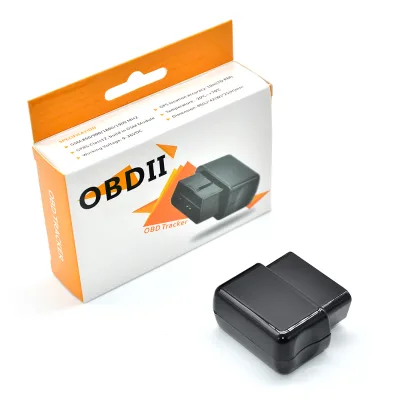
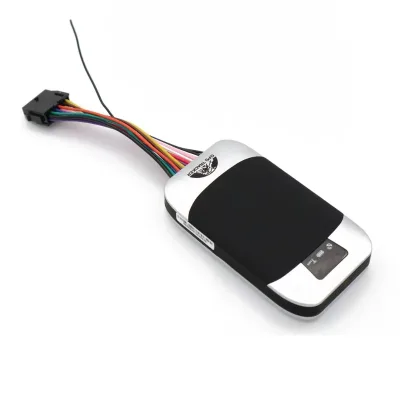
Procuring real-time OBD2 GPS trackers requires distinguishing between portable units and hardwired OBDII solutions, as the supplied data indicates a mix of placement options including windshield, dashboard, and direct OBD port integration. Buyers must verify whether the device relies on cellular networks like GSM, GPRS, or 4G LTE for data transmission, as models vary significantly in their communication protocols and positioning modes such as GPS, Beidou, or LBS.
The functional scope extends beyond simple location tracking to include advanced features like voice monitoring, ACC detection, and geofencing capabilities. Sourcing decisions should prioritize devices that offer specific alarm types, such as vibration, low battery, or SOS alerts, while ensuring the selected model supports the required data storage method, whether cloud-based or local, to meet fleet management or personal security needs.
Product Scope and Observed Listing Signals
Market listings for these devices reveal a diverse range of physical specifications, with some units designed as compact portable trackers measuring approximately 5cm by 5cm, while others are larger dashboard or windshield mounts. The observed product models, such as QH302 and FM08-2G, demonstrate that manufacturers offer varying battery capacities, ranging from 100mAh to 150mAh, which directly impacts the operational duration and the necessity for external power sources in OBDII configurations.
Buyers should note that the observed price range spans from 1.05 to 81.95 USD, reflecting differences in feature sets, network capabilities, and build quality. Minimum Order Quantities (MOQ) are flexible, ranging from single units to 100 pieces, allowing small businesses to test specific models before committing to larger inventory purchases, though bulk orders may yield better commercial terms.
Technical Specifications to Verify
When evaluating technical performance, the positioning mode is a critical factor, with many devices supporting a hybrid approach including GSM, GPS, GPRS, LBS, AGPS, and Beidou to ensure accuracy in diverse environments. It is essential to confirm that the tracker supports the specific network types required for your region, such as 2G, 4G, or 4G LTE, and to verify the battery life expectations, which can range from 48 to 96 hours depending on the power supply configuration and usage intensity.
The software interface and data visualization capabilities must also be rigorously tested, as the supplied facts indicate support for PC, Android, and iOS applications alongside SMS coordinate tracking. Buyers should verify the presence of a screen or the reliance on a mobile app for viewing, and ensure the device offers a 360-degree bird's eye view or similar visualization tools if detailed monitoring is required for the specific application.
Compliance and Safety Documentation
Regulatory compliance is a non-negotiable aspect of sourcing, with the observed product data frequently citing CE and RoHS certifications as standard requirements for electronic devices sold in international markets. Procurement teams must request valid certification documents to ensure the devices meet safety standards for electromagnetic compatibility and hazardous substance restrictions, particularly when deploying equipment across different jurisdictions with varying regulatory frameworks.
In addition to general certifications, buyers should verify specific safety features such as waterproofing and remote control capabilities, which are listed as key attributes for certain models. Ensuring that the device adheres to these standards protects the end-user from potential hazards and guarantees that the product can withstand environmental conditions, such as vibration or temperature fluctuations, without compromising its tracking accuracy or structural integrity.
Cost Drivers and Commercial Terms
The final cost of a real-time OBD2 GPS tracker is influenced by several factors, including the complexity of the positioning system, the inclusion of advanced features like voice monitoring or over-speed warnings, and the network technology employed. Devices with multiple alarm functions, such as geofencing and movement alarms, typically command a higher price point compared to basic location-only units, and the choice between battery-powered and power-supply-dependent models also affects the overall unit cost.
Commercial terms such as the Minimum Order Quantity (MOQ) and lead times are critical for budgeting and supply chain planning, with observed MOQs ranging from 1 to 100 units. Buyers should negotiate based on the specific model requirements, noting that some suppliers may offer flexible packaging options like cartons, while others might have specific single package sizes that impact shipping costs and logistics efficiency.
Supplier Qualification and Quality Control
Supplier qualification should focus on verifying the place of origin and the manufacturing capabilities of the vendor, as the data indicates production in regions like Shenzhen, Guangdong, and Jiangxi, China. Buyers must assess the supplier's ability to provide consistent quality control, ensuring that the product model numbers, such as QH302R or 0BDII, match the specifications promised and that the warranty periods, which range from one year to 24 months, are clearly defined and enforceable.
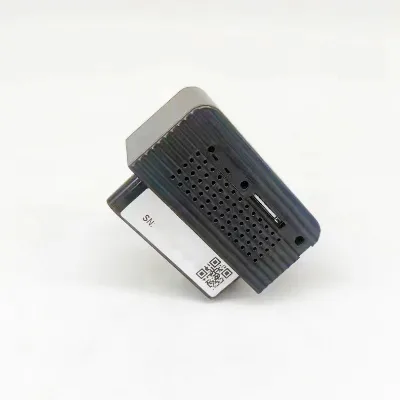
Quality control processes must also include checks on the physical attributes of the device, such as the fixing method, which can be plug-and-play OBD design or other fixed methods, and the overall build quality. It is advisable to request samples to test the durability of the casing, the reliability of the USB or cellular connections, and the accuracy of the real-time tracking features before finalizing a large-scale procurement agreement.
Long-Term Procurement Checks
Sustaining a successful procurement relationship requires ongoing monitoring of the device's performance and the supplier's ability to maintain product consistency over time. Buyers should establish clear protocols for handling warranty claims, ensuring that the 1-year or 24-month warranty periods are honored and that replacement units are available promptly if defects arise in the field.
Long-term checks should also include periodic reviews of the software updates and network compatibility, as cellular networks evolve and older 2G or 3G technologies may become obsolete. Procurement teams must verify that the supplier can support the transition to newer network standards like 4G LTE and ensure that the cloud storage and app integration remain functional and secure throughout the lifecycle of the deployed devices.
FAQs
What tracking platforms support Real Time OBD2 GPS Tracker data?
Data is viewable on PC, iOS APP, SMS Coordinate, and Android APP. These platforms enable real-time tracking and historical playback. The system supports cloud storage for data retention. Users can monitor vehicle location and status through these integrated digital interfaces without needing additional hardware.
Can Real Time OBD2 GPS Tracker devices be used on motorcycles?
Yes, certain models are designed for motorcycles, automobiles, and bicycles. These portable units offer versatile placement options including windshield or dashboard mounting. They support multiple positioning modes like GSM, GPS, and Beidou. This flexibility allows users to track various vehicle types effectively using the same technology.
Which certifications are required for Real Time OBD2 GPS Tracker exports?
Products typically hold CE, RoHS, and FCC certifications for international compliance. These standards ensure electromagnetic compatibility and environmental safety. Buyers should verify specific certification documents with suppliers. Compliance with these regulations is essential for importing electronic tracking devices into regulated markets across Europe and North America.
How does Real Time OBD2 GPS Tracker handle power supply?
Devices are generally battery powered or plug directly into the OBD port. Some models feature specific battery capacities like 100mAh or 150mAh for portable use. Others rely on vehicle power for continuous operation. This dual capability ensures reliable tracking whether the device is permanently installed or used temporarily for monitoring.
What is the typical warranty period for Real Time OBD2 GPS Tracker?
Warranty periods vary, with some products offering one year and others providing twenty-four months. Buyers should confirm the specific warranty terms with the supplier before purchase. A longer warranty often indicates higher manufacturing quality. This coverage protects against defects and ensures long-term reliability for fleet management or personal vehicle tracking applications.
What are the common placement options for Real Time OBD2 GPS Tracker?
Common placements include OBD port, windshield, and dashboard locations. The OBD design allows for plug-and-play installation without wiring. Portable units can be placed anywhere inside the vehicle. These options provide flexibility for different vehicle types and user preferences, ensuring discreet and effective location monitoring.