Source Recycled Velvet Jewelry Box for Storage, Gift, and Collection
Compare 30 Recycled Velvet Jewelry Box options from verified suppliers. These boxes feature custom sizes, shapes like hexagonal and square, and materials including plastic and velvet for storage, packing, collection, and gift purposes; compare the available evidence and request quotations based on your requirements.
Updated
Key considerations
Products List
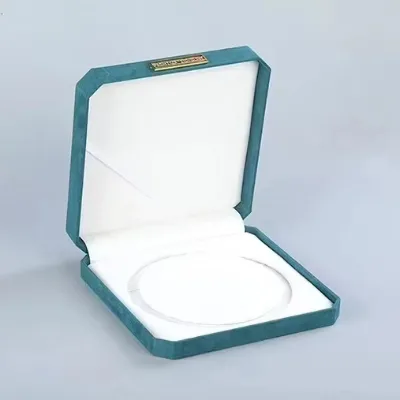
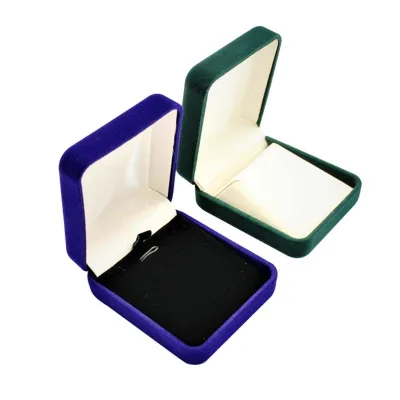
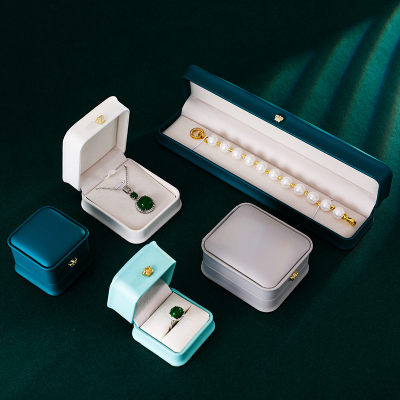
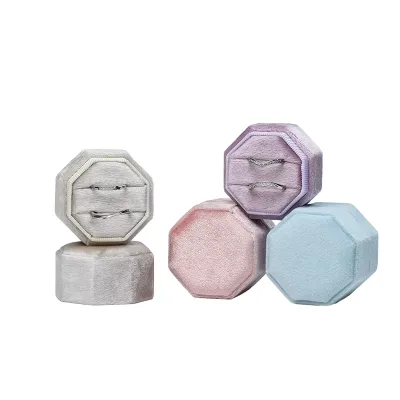
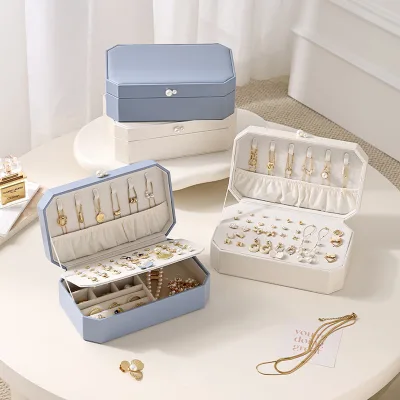


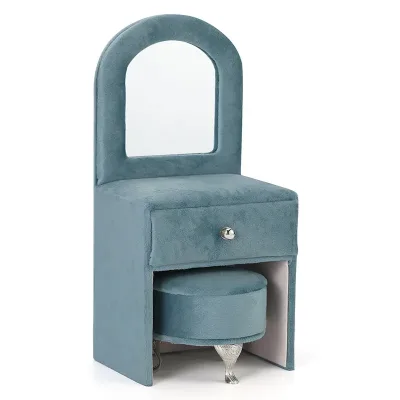
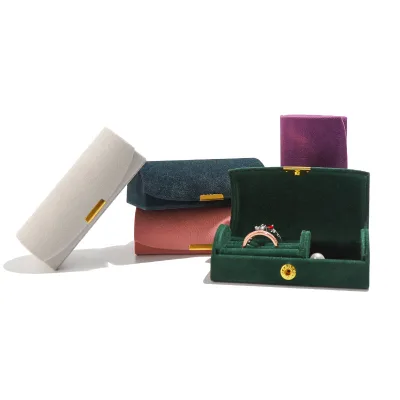


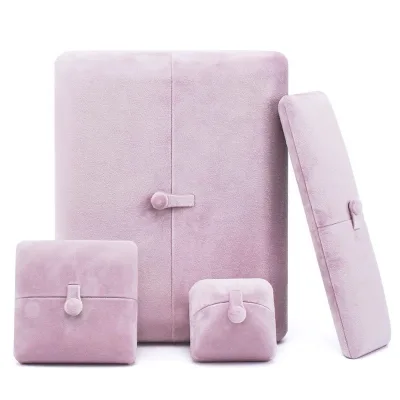
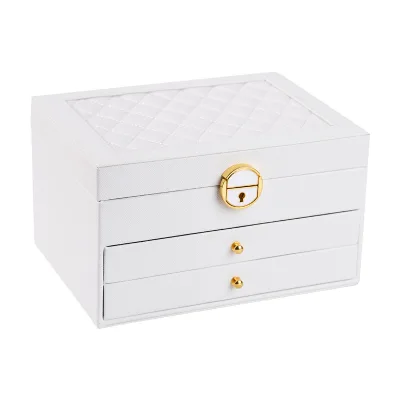


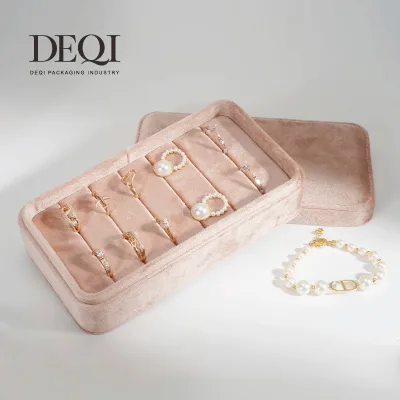
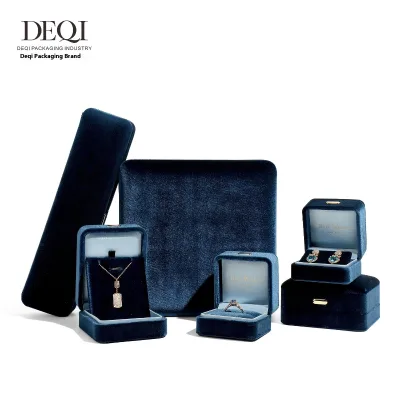
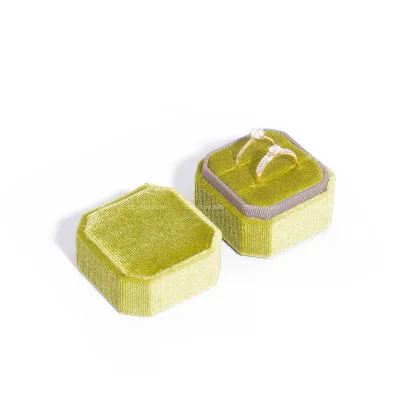

Comprehensive Sourcing Guide
Recycled Velvet Jewelry Box Sourcing Guide
Sourcing recycled velvet jewelry boxes requires a nuanced understanding of material composition, structural integrity, and aesthetic customization. Buyers must distinguish between boxes that use genuine recycled velvet fibers and those that merely feature a velvet-like texture on synthetic substrates. The visual appeal of these packaging solutions often drives initial interest, but the underlying sustainability claims must be verified through supplier documentation. This guide outlines the critical verification steps for procurement teams seeking to align packaging choices with corporate responsibility goals while maintaining high-end product presentation standards.
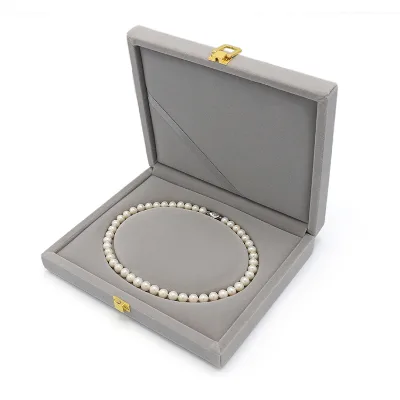
The market offers a variety of shapes and opening mechanisms, from hexagonal pull-out designs to clamshell and square configurations. Each style serves different functional needs, whether for earring storage, full jewelry sets, or gift presentation. Procurement specialists should evaluate how the chosen shape impacts internal protection and external shelf presence. Understanding these structural variations is essential for selecting packaging that not only protects the product but also enhances the unboxing experience for the end consumer.
Product Scope and Observed Listing Signals
Current market listings indicate a diverse range of product attributes, including custom colors such as blue, green, and gold, alongside standardized options. The observed price range spans from $0.20 to $9.40 USD, reflecting significant variation in material quality, size, and customization depth. Minimum order quantities typically range from 1 to 1,000 pieces, allowing for flexibility in initial trial orders versus large-scale production runs. Buyers should note that "customized" often implies additional tooling or setup fees, which can impact the total landed cost per unit.
Product names and descriptions frequently highlight features like luxury styling, simple aesthetics, or sweet designs, catering to different brand identities. Materials observed include plastic middle parts covered with velvet, suggesting a hybrid construction that balances durability with soft-touch aesthetics. Some listings specify eco-friendly standards, though buyers must verify what specific certifications or material compositions these terms represent. The presence of export cartons and individual white box packing indicates preparedness for international logistics, reducing the need for secondary packaging handling.
Technical Specifications to Verify
Verification of physical dimensions is critical, as sizes range from small to medium and can be customized to specific requirements. Buyers should confirm exact internal dimensions to ensure compatibility with their jewelry items, particularly for specialized formats like earring boxes or hexagonal containers. The opening mechanism, whether pull-out, clamshell, or standard lid, must be tested for smooth operation and durability. Structural integrity tests should assess the box's ability to withstand stacking and transit without deformation, especially for heavier jewelry pieces.
Material composition details must be scrutinized to validate recycled content claims. Procurement teams should request material safety data sheets and fiber composition reports to confirm the percentage of recycled velvet used. The inner lining material, often velvet, should be checked for colorfastness and resistance to snagging. Additionally, the printing and logo application methods, such as hot stamping, should be evaluated for longevity and resistance to wear during handling. These technical checks ensure that the packaging maintains its premium appearance throughout the supply chain.
Compliance and Safety Documentation
Sustainability claims require robust documentation to avoid greenwashing risks. Buyers should request third-party certifications that verify the recycled content of the velvet and the overall eco-friendly status of the product. Standards such as ASTM F1980 may be relevant for safety testing, though specific applicability depends on the final product's intended use and regional regulations. Procurement teams must ensure that all chemical treatments applied to the velvet or plastic components comply with international safety standards for consumer goods.
Documentation should also cover the manufacturing process, including waste management practices and energy consumption metrics. Suppliers should provide evidence of compliance with local environmental regulations in their place of origin, typically Guangdong, China. Buyers must verify that the packaging materials do not contain restricted substances that could hinder importation into target markets. Clear and accessible compliance documentation is essential for maintaining brand integrity and avoiding regulatory penalties in global supply chains.
Cost Drivers and Commercial Terms
Several factors influence the final cost of recycled velvet jewelry boxes, including material selection, customization complexity, and order volume. Custom colors and shapes often incur higher setup costs, which are amortized over larger production runs. The inclusion of additional features like custom logos or specific opening mechanisms can also increase unit prices. Buyers should negotiate tiered pricing structures that reward larger commitments while allowing for manageable initial orders to test market response.
Lead times and payment terms are critical components of the commercial agreement. Production times typically range from 15 to 25 working days, depending on the complexity of the order and current supplier capacity. Sample fees, often around $50 per piece, are common and should be factored into the initial budget. Buyers should clarify whether sample costs are deductible from the final production order. Understanding these commercial terms helps in accurate cost forecasting and cash flow management.
Supplier Qualification and Quality Control
Supplier qualification involves assessing manufacturing capabilities, quality control processes, and past performance. Buyers should request factory audits or third-party inspection reports to verify production standards and working conditions. Quality control protocols should include random sampling and rigorous testing of physical attributes like color consistency and structural strength. Suppliers with established track records in exporting to your target market are preferable, as they are likely familiar with international logistics and compliance requirements.
Communication and responsiveness are key indicators of a reliable supplier. Procurement teams should evaluate the supplier's ability to provide timely updates and resolve issues during the production process. Clear communication channels ensure that any deviations from specifications are identified and corrected early. Building a strong relationship with the supplier can lead to better pricing, priority production scheduling, and collaborative innovation in packaging design. Due diligence in supplier selection minimizes risks and ensures a smooth procurement experience.
Long-Term Procurement Checks
Long-term success in sourcing recycled velvet jewelry boxes requires ongoing monitoring of supplier performance and market trends. Regular quality audits and feedback loops help maintain consistent product standards and address any emerging issues promptly. Buyers should stay informed about advancements in sustainable materials and packaging technologies to identify opportunities for further cost savings or environmental improvements. Adapting to market changes ensures that packaging solutions remain competitive and aligned with evolving consumer preferences.
Strategic relationship management with suppliers can lead to long-term benefits such as volume discounts and exclusive design access. Buyers should periodically review contract terms and explore alternative suppliers to ensure competitive pricing and supply chain resilience. Continuous improvement initiatives, such as reducing packaging waste or enhancing recyclability, can strengthen brand reputation and meet increasing sustainability demands. Proactive management of the procurement process ensures that packaging remains a value driver rather than a cost center.
FAQs
Can I customize the color and logo on velvet jewelry boxes?
Yes, customized colors and logos are available for these packaging solutions. The product attributes indicate that both color and logo customization are accepted, allowing buyers to tailor the appearance to their brand identity. This flexibility supports unique branding requirements for jewelry retailers seeking distinctive packaging aesthetics.
What materials are used in the construction of these jewelry boxes?
The boxes typically feature a plastic middle part with velvet covering and inside lining. Some variants may use plastic as the primary material. This combination ensures durability while providing a luxurious soft touch for jewelry storage. The materials are selected to protect items while maintaining an elegant presentation.
What is the typical lead time for production of these boxes?
The delivery time is generally 15-20 working days for standard orders. Some specific models may require 20-25 days for production. Buyers should account for this timeframe when planning inventory. Sample times are approximately 7 days, allowing for quick approval before full-scale manufacturing begins.
What shapes are available for these velvet jewelry packaging boxes?
Available shapes include hexagonal, square, shell, and rectangle designs. These varied forms cater to different jewelry types and aesthetic preferences. The customization options allow for specific shape requirements, ensuring the packaging aligns with the product's visual appeal and functional needs for secure storage and presentation.
What is the minimum order quantity for these jewelry boxes?
The minimum order quantity ranges from 1 to 1000 pieces depending on the supplier and customization level. Some specific models list an MOQ of 500 pieces. Buyers should verify the exact MOQ with the supplier, as it varies based on the complexity of the custom design and material choices.
How are these jewelry boxes packaged for shipping?
Packaging methods include export cartons and individual white boxes or OPP bags. The specific packing method depends on the product model and supplier standards. This ensures safe transit and protects the velvet surface from damage. Buyers should confirm the packing details to ensure compatibility with their logistics requirements.