Source Biodegradable Corrugated Cake Box with Handle for bakery, catering, events
Compare 30 listings for Biodegradable Corrugated Cake Box with Handle options featuring custom printing, recycled materials, and various shapes. Buyers can evaluate specifications like thickness, size, and packaging methods from suppliers in China; compare the available evidence and request quotations based on your requirements.
Updated
Key considerations
Products List


Custom Biodegradable Dessert Pastry Paper Cupcake Packaging with Handle
$0.10 - $1.00
MOQ: 3000 Pieces


Custom Takeaway Biodegradable Cupcake Cake Paper Packaging Box with Handle
$0.10 - $1.00
MOQ: 3000 Pieces


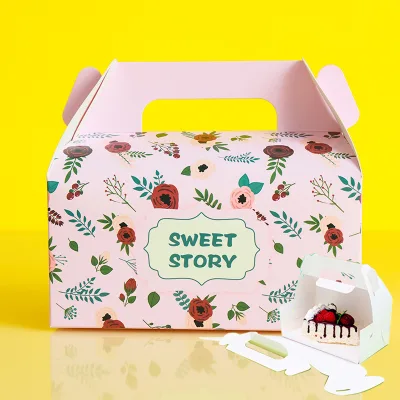
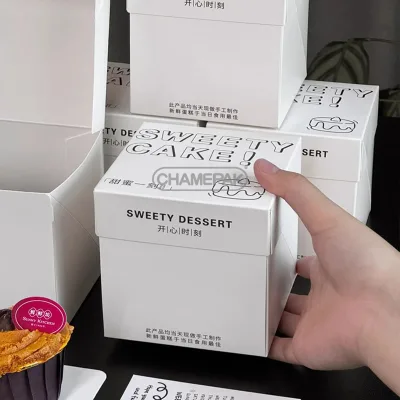
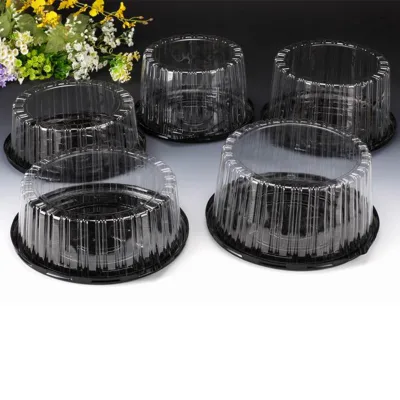

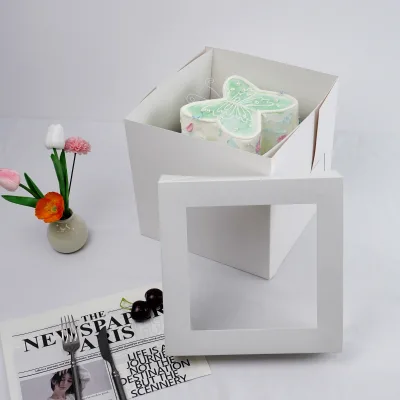
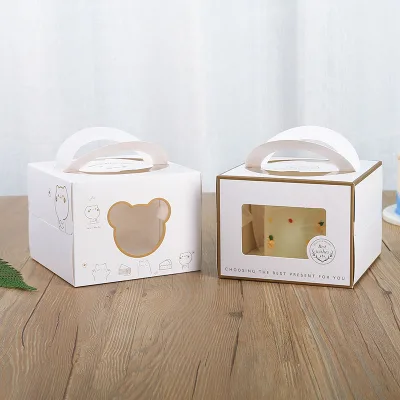
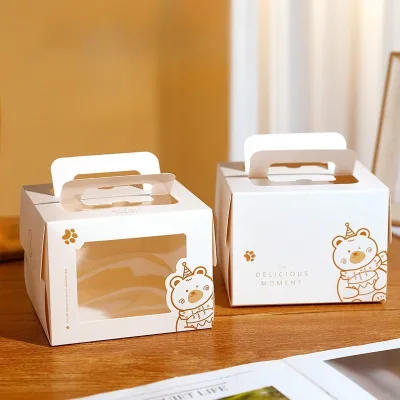


$0.33 - $0.66
MOQ: 1000 Pieces
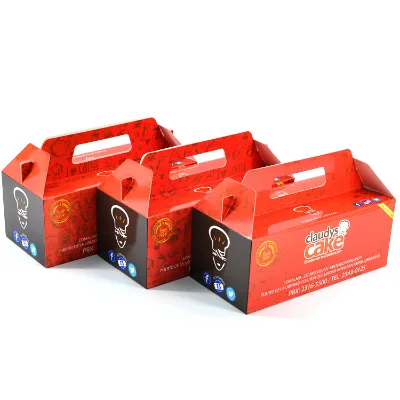
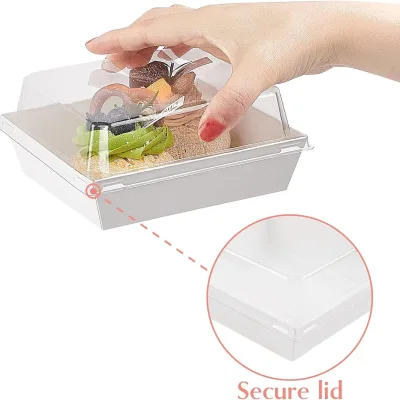
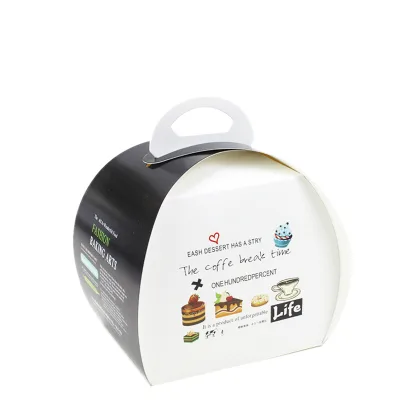


Plastic Dispostable Eco-Fridenly Cake Packing Boxes with Paper Lid to Go
$0.40 - $0.80
MOQ: 10000 Pieces

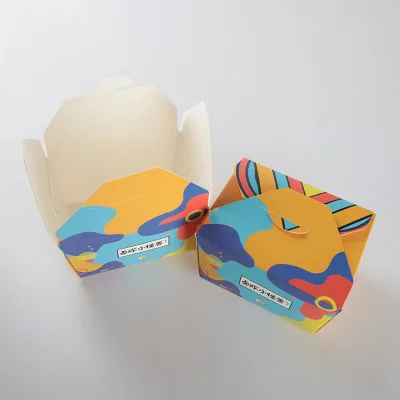

Comprehensive Sourcing Guide
Biodegradable Corrugated Cake Box with Handle Sourcing Guide
Sourcing biodegradable corrugated cake boxes with handles requires careful alignment of material properties with food safety standards. While the supplied product data highlights paper-based rigid boxes, mailer boxes, and white cardboard options, it does not explicitly confirm corrugated structures or integrated handles for the listed items. Buyers must verify if the specific "biodegradable" claim applies to the core structural material or only to surface coatings and adhesives. The observed listings emphasize recycled paper features and customizable shapes, including square, rectangular, and cylindrical forms, which suggests a broad category of paper packaging rather than a single standardized corrugated design.
Procurement teams should distinguish between general paperboard packaging and true corrugated solutions when evaluating suppliers. The provided facts mention materials such as white cardboard, paperboard, and plastic, alongside paper features labeled as recycled. This diversity indicates that not all listed products may meet the specific structural rigidity or biodegradability criteria required for heavy cakes. Buyers need to request material composition sheets to confirm the presence of corrugated fluting and the absence of non-biodegradable plastic laminates. Clear communication with suppliers about the exact definition of "biodegradable" is essential to avoid receiving standard kraft paper boxes that lack the necessary structural integrity or environmental certifications.
Product Scope and Observed Listing Signals
The observed market signals indicate a wide range of paper-based packaging solutions, including rigid boxes, mailer boxes, and custom-shaped containers. Listings show product names like "baking cake dessert portable packaging box" and specify applications for cake, dessert, cookie, and bread. The observed price range of $0.02 to $1 USD suggests a competitive market for basic paper packaging, while MOQs vary significantly from 500 to 30,000 pieces. This variability implies that buyers can find options for both small boutique bakeries and large-scale industrial producers, but the specific feature of a handle is not explicitly confirmed in the provided data points.
Visual and structural attributes observed include matte or gloss lamination, UV coating, and various printing techniques such as offset and four-color printing. Shapes range from square and rectangular to cylindrical and heart-shaped, with sizes like 16.2x9.2x13cm and 11.5x8x9.3cm noted for specific models. The presence of "With Logo Printing" and "Customized Printing" attributes highlights the importance of branding in this category. However, buyers must carefully inspect product images and technical drawings to confirm the existence of a handle, as the text primarily describes box types and surface finishes rather than structural carrying mechanisms.
Technical Specifications to Verify
Thickness and material composition are critical technical parameters that must be verified for cake packaging. The supplied data lists paper thicknesses ranging from 1.0 to 3.0 mm, with some specific models noting a 1 mm thickness. For corrugated boxes, buyers should request the flute type (e.g., B-flute, E-flute) and the number of plies (single-wall vs. double-wall) to ensure adequate crush resistance. The observed materials include white cardboard and paperboard, but buyers must confirm if the core layer is corrugated fiberboard. Verifying the grammage of the paper and the density of the corrugated medium will help determine if the box can support the weight of a cake without deforming during transit.
Printing and surface treatment specifications also impact the final product quality and functionality. The observed surface handling includes offset printing, varnishing, embossing, and stamping, with options for matte or gloss finishes. Buyers should verify if the chosen surface treatment is food-safe and does not compromise the biodegradability of the box. The data mentions CMYK and Pantone color customization, which allows for precise brand matching. However, it is crucial to ensure that inks and coatings used in the printing process are non-toxic and compliant with food contact regulations, especially for products that may have direct or indirect contact with the cake.
Compliance and Safety Documentation
Food safety compliance is paramount when sourcing packaging for baked goods. Buyers must request documentation proving that the materials meet relevant food contact standards, such as FDA or EU regulations, depending on the target market. The observed product attributes mention "Food" as an application and "Recyclable" as a feature, but these labels do not automatically imply food-grade safety. Suppliers should provide migration test results to ensure that no harmful substances leach from the packaging into the food. Verifying the source of the paper and the adhesives used in lamination is essential to maintain the integrity of the food safety claim.
Environmental certifications are equally important for buyers targeting eco-conscious consumers. The term "biodegradable" must be backed by recognized certifications, such as OK Compost or BPI, rather than vague marketing claims. Buyers should ask for third-party test reports that confirm the degradation rate and conditions required for the material to break down. The observed data mentions "Recycled" paper features, so buyers should also verify the percentage of post-consumer recycled content. Ensuring that the packaging is not only biodegradable but also compostable in home or industrial settings adds significant value and aligns with global sustainability trends.
Cost Drivers and Commercial Terms
Several factors influence the cost of biodegradable corrugated cake boxes with handles. Material costs are driven by the price of virgin or recycled paper pulp and the complexity of the corrugation process. The observed supply ability of 5,000,000 pieces per year suggests that large-scale production can offer economies of scale. Buyers should consider the impact of customization on pricing, as custom sizes, shapes, and printing requirements often increase unit costs. The observed MOQs range from 500 to 3,0000 pieces, indicating that lower volumes may incur higher per-unit prices due to setup and production inefficiencies.
Shipping and logistics also play a significant role in the total landed cost. The observed shipment options include sea, air, and express delivery, each with different cost and time implications. Corrugated boxes are lightweight but bulky, so volumetric weight calculations are essential for accurate freight estimation. Buyers should negotiate clear terms regarding packaging for shipment, such as carton packing or brown box OEM packing, to minimize damage during transit. Additionally, understanding the lead times for sample production and bulk manufacturing is crucial for inventory planning and meeting seasonal demand peaks.
Supplier Qualification and Quality Control
Supplier qualification involves assessing manufacturing capabilities and quality management systems. Buyers should verify if the supplier has experience in producing food-grade packaging and holds relevant quality certifications, such as ISO 9001. The observed locations include Sichuan and Hebei in China, indicating a concentration of manufacturing hubs. Buyers should request factory audits or virtual tours to inspect production lines, raw material storage, and quality control processes. Confirming the supplier's ability to handle custom orders and provide samples is also essential for evaluating their flexibility and responsiveness.
Quality control measures must be established to ensure consistent product performance. Buyers should define clear acceptance criteria for dimensions, print quality, and structural integrity. The observed attributes mention "Customized" standards and models, which requires robust inspection protocols to prevent deviations. Implementing a pre-shipment inspection process can help identify defects before goods leave the factory. Buyers should also establish a communication channel for addressing quality issues and requesting replacements or refunds. Regular feedback loops with the supplier can drive continuous improvement and ensure long-term partnership success.
Long-Term Procurement Checks
Long-term procurement success depends on continuous monitoring of supplier performance and market trends. Buyers should track key performance indicators such as on-time delivery rates, defect rates, and responsiveness to inquiries. The observed customization options and printing capabilities suggest that suppliers can adapt to changing design needs, but buyers must ensure that these capabilities remain consistent over time. Regularly reviewing supplier certifications and compliance documentation is necessary to maintain adherence to evolving food safety and environmental regulations. Building a diversified supplier base can mitigate risks associated with single-source dependencies.
Sustainability trends are rapidly evolving, and buyers must stay informed about new materials and technologies. The observed focus on recycled and biodegradable features indicates a market shift towards eco-friendly packaging. Buyers should proactively engage with suppliers to explore innovative solutions that enhance sustainability without compromising cost or quality. Participating in industry events and networking with other procurement professionals can provide insights into best practices and emerging standards. By maintaining a strategic approach to sourcing, buyers can secure a reliable supply of high-quality biodegradable corrugated cake boxes with handles that meet their business and environmental goals.
FAQs
Can these cake boxes be customized with a logo?
Yes, logo printing is available for these packaging boxes. The supplier offers customization services including offset printing and surface handling options like varnishing or embossing. Buyers can choose from various styles and colors to match their brand identity. This ensures the packaging aligns with specific marketing needs while maintaining structural integrity for food products.
What is the minimum order quantity for these boxes?
The minimum order quantity varies by supplier, with observed values ranging from 2 to 30,000 pieces. Some listings specify an MOQ of 500 or 1,000 pieces. Buyers should contact suppliers directly to confirm the exact MOQ for their specific customization requirements and order volume to ensure the best pricing and production terms.
What materials are used to make these cake boxes?
These boxes are primarily made from paper, white cardboard, and plastic materials. The paper features include recycled options, and the thickness ranges from 1.0 to 3.0 mm. Some products use paperboard for durability. The material choice supports food safety and recyclability, making them suitable for baking, desserts, and cookies while offering sturdy protection during transport.
What shapes are available for these packaging boxes?
Available shapes include square, rectangle, cylindrical, oval, and heart-shaped designs. Specific models like cake box05 come in rectangular dimensions such as 16.2x9.2x13cm. Buyers can select from multiple styles to fit different cake sizes. The customization options allow for unique branding and functional design, ensuring the packaging meets specific aesthetic and practical requirements for dessert presentation.
How are these boxes shipped and packaged?
Shipment options include sea, air, and express delivery methods. The boxes are typically packed in cartons or brown boxes for OEM packing. This ensures safe transit and protection during logistics. Buyers can choose the most cost-effective or fastest shipping method based on their urgency and location. The packaging is designed to prevent damage and maintain product quality upon arrival.
What printing options are available for these boxes?
Printing options include offset printing, four-color printing, and customized printing. Surface handling features matte or gloss lamination, varnishing, and UV coating. Buyers can select from CMYK, Pantone colors, or custom colors. These options allow for high-quality branding and visual appeal. The printing process supports detailed designs, ensuring the packaging stands out on shelves and enhances product presentation.