Source Recyclable Red Popcorn Box for Fries, Snacks, Candy
Compare 30 listings for the Recyclable Red Popcorn Box from verified Chinese manufacturers. Buyers can evaluate custom sizes, printing options, and eco-friendly features for snacks, fries, and candy packaging needs; compare the available evidence and request quotations based on your requirements.
Updated
Key considerations
Products List

Custom Disposable Recyclable Food Packaging Box Cardboard Paper Popcorn Box
$0.02 - $0.045
MOQ: 30000 piece


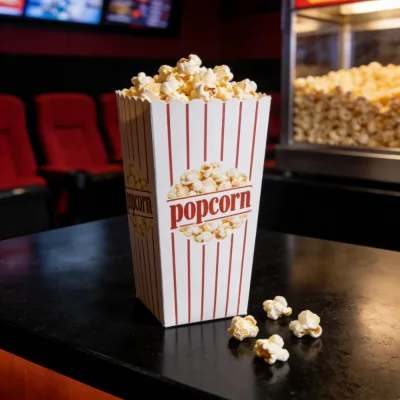

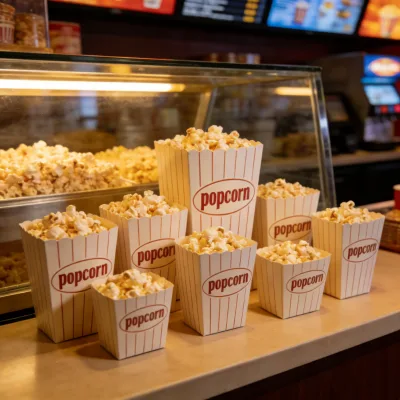
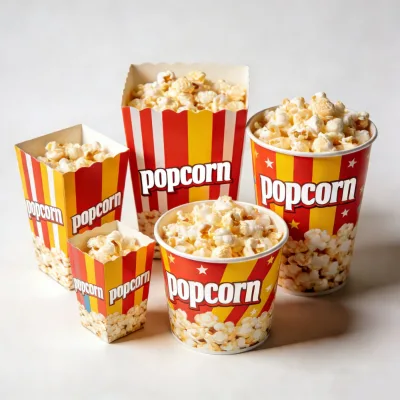
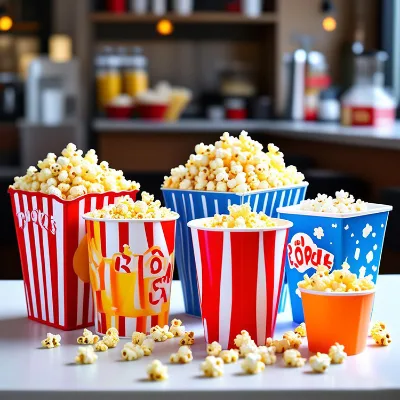
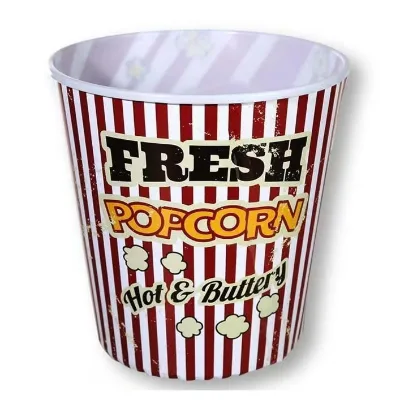
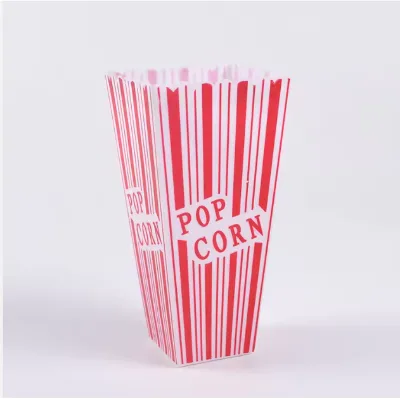
Wholesale Paper Popcorn Boxes Striped Red and White Popcorn Boxes for Party
$0.0206 - $0.0308
MOQ: 200 pieces
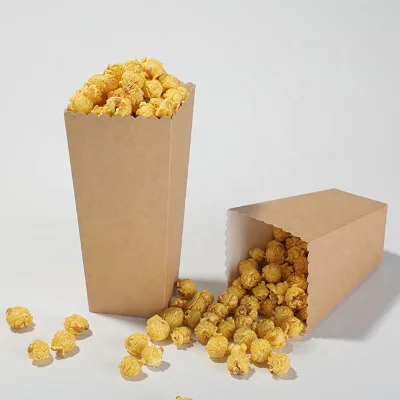
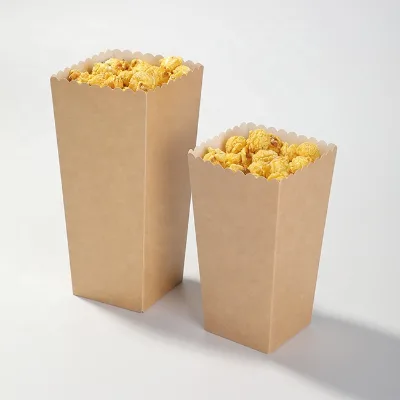

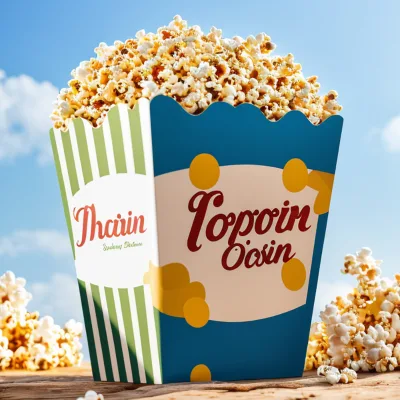
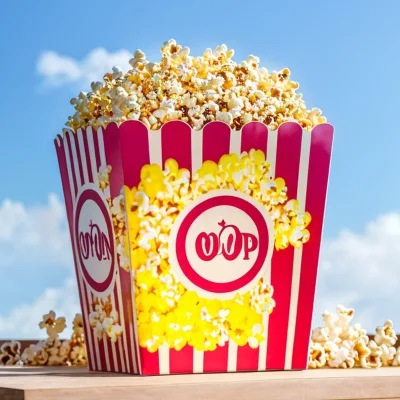



Eco Friendly Popcorn Box Bucket Recyclable Kraft Paper Packaging for Festival
$0.03 - $0.05
MOQ: 50 Pieces
Comprehensive Sourcing Guide
Recyclable Red Popcorn Box Sourcing Guide
Procuring recyclable red popcorn boxes requires a strategic approach that balances aesthetic branding with functional food safety. Buyers must recognize that "red" is a customizable color option, often appearing in red and white combinations or mixed color schemes, rather than a fixed standard. The core material is typically food-grade paperboard or newsprint paper, designed to be disposable, biodegradable, and recyclable. This material choice supports sustainability goals while ensuring the container remains sturdy enough for hot or dry snacks.
Sourcing decisions should also account for the diverse applications these boxes serve, including popcorn, chips, fries, cookies, and candy. The product range includes foldable folders and self-erecting boxes, allowing for flexible packaging solutions. Buyers should verify that the supplier accepts OEM/ODM orders and offers customized logo printing, such as four-color CMYK or UV printing, to align with brand identity. Understanding these variations is crucial for selecting the right supplier who can meet specific volume and design requirements.
Product Scope and Observed Listing Signals
The market for recyclable red popcorn boxes presents a wide variety of options, with observed prices ranging from $0.02 to $0.45 per unit. Minimum order quantities (MOQs) vary significantly, starting from as low as 30 units up to 30,000 units, catering to both small boutique brands and large-scale industrial buyers. This price and volume flexibility allows purchasers to scale their orders based on immediate demand and storage capacity. Buyers should carefully evaluate the unit cost against the MOQ to determine the most economical procurement strategy for their specific business model.
Product listings indicate multiple specifications and sizes, including custom dimensions like 21x16x8 cm, 27x21x11 cm, and 28x20x10 cm. The boxes are often described as single-wall, single-page printing items, though some may feature more complex printing handling like matte or glossy lamination. The origin is primarily China, with specific mentions of Jiangxi and Anqing regions. Buyers should note that while "red" is a common color, it is often listed as a customizable option alongside black, pink, yellow, and white, requiring clear communication with suppliers to ensure the desired aesthetic is achieved.
Technical Specifications to Verify
When evaluating technical specifications, buyers must confirm the exact paper type and structural integrity of the box. Common materials include food-grade paperboard and newsprint paper, which offer different levels of durability and moisture resistance. The shape is typically foldable, facilitating efficient storage and shipping, while the box type may be categorized as folders or self-erecting boxes. It is essential to verify whether the box can maintain its structure under the weight of the intended snack, such as heavy popcorn or oily fries, without collapsing or leaking.
Printing and customization capabilities are critical technical factors. Suppliers often offer customized logo printing using CMYK, four-color printing, or UV techniques. Buyers should specify the desired color, such as red and white or custom shades, and confirm the printing page count, which is often single-sided. Additionally, the single package size and gross weight, such as 54x38x20 cm per carton with a gross weight of 20 kg, impact logistics planning. Verifying these details ensures that the final product meets both branding and operational requirements.
Compliance and Safety Documentation
Food safety is paramount when sourcing packaging for direct food contact. Buyers must ensure that the paperboard or newsprint used is certified as food-grade, preventing chemical migration into the popcorn or snacks. While specific certifications like FSC are mentioned in background contexts, buyers should actively request and verify current food-contact compliance documents from the supplier. This includes checking for any relevant national or international standards that govern paper packaging materials intended for food applications, ensuring the product is safe for consumer use.
Environmental claims such as "recyclable," "biodegradable," and "eco-friendly" require substantiation. Buyers should ask for test reports or certifications that validate these environmental attributes, as these terms can be loosely applied. It is important to distinguish between marketing claims and verified sustainability credentials. Understanding the end-of-life disposal options for the packaging, whether through industrial composting or standard recycling streams, helps align procurement with corporate sustainability goals and regulatory requirements in target markets.
Cost Drivers and Commercial Terms
Several factors influence the final cost of recyclable red popcorn boxes, including material quality, printing complexity, and order volume. Higher-grade food-grade paperboard and multi-color printing, such as four-color CMYK or UV printing, will increase unit costs compared to single-color or unprinted options. The MOQ also plays a significant role; larger orders typically benefit from economies of scale, reducing the per-unit price. Buyers should negotiate based on their projected annual volume to secure favorable pricing tiers and ensure consistent supply availability.
Commercial terms, including packing and shipping details, must be clearly defined. Products are often packed in export cartons, with specific configurations like 25 pieces per 20 bags per carton. Buyers should clarify who bears the cost of shipping and insurance, and verify the lead times for production and delivery. Additionally, sample policies, such as freely available samples, can help validate quality before committing to large orders. Understanding these commercial nuances helps in budgeting accurately and avoiding unexpected expenses during the procurement process.
Supplier Qualification and Quality Control
Selecting a qualified supplier involves verifying their manufacturing capabilities and quality control processes. Buyers should confirm that the supplier accepts custom orders and has experience in producing food-grade paper packaging. Checking for OEM/ODM acceptance indicates flexibility in design and branding. It is also advisable to review the supplier’s production history and client testimonials to gauge reliability. Suppliers originating from regions like Jiangxi or Anqing in China may have established supply chains for paper materials, which can impact consistency and lead times.
Quality control measures should include pre-production sample approvals and in-line inspections. Buyers should request samples to test the box’s structural integrity, print quality, and food safety compliance. Establishing clear acceptance criteria for defects, such as misalignment in printing or weak folding points, is essential. Regular audits or third-party inspections may be necessary for large orders to ensure that the delivered goods match the approved samples. Implementing a robust quality control plan minimizes the risk of receiving substandard products and protects brand reputation.
Long-Term Procurement Checks
Long-term procurement success depends on continuous monitoring of supplier performance and market trends. Buyers should regularly review supplier adherence to agreed-upon quality standards, delivery schedules, and communication responsiveness. Building a strong relationship with the supplier can lead to better pricing, priority production slots, and improved support for custom requests. It is also important to stay updated on changes in food safety regulations and environmental standards that may affect packaging requirements, ensuring ongoing compliance.
Diversifying the supplier base can mitigate risks associated with supply chain disruptions. While maintaining a primary supplier, buyers should identify alternative sources for recyclable red popcorn boxes to ensure business continuity. Regularly evaluating new suppliers and technologies can provide opportunities for cost savings or improved product features. Additionally, tracking market prices and material costs helps in forecasting budget needs and negotiating favorable contracts. Proactive management of these factors ensures a resilient and efficient procurement process for essential packaging materials.
FAQs
Can I customize the logo on the red popcorn box?
Yes, customized logos are available for these paper boxes. The supplier accepts OEM and ODM orders, allowing you to add your brand identity. Printing options include four-color CMYK printing and UV techniques. This ensures your packaging stands out while maintaining the recyclable and biodegradable features of the food-grade paperboard material.
What materials are used to make the popcorn box?
The boxes are made from food-grade paperboard and paper. These materials are designed to be disposable, recyclable, and biodegradable. The product is suitable for holding popcorn, snacks, fries, and cookies. The foldable shape and sturdy construction ensure safe transport while adhering to environmental standards for food packaging applications.
What sizes are available for the red popcorn box?
Custom sizes are accepted for these popcorn containers. Standard dimensions include 21x16x8 cm, 27x21x11 cm, 28x20x10 cm, and 32x26x12 cm. You can also request specific custom dimensions to fit your product needs. The boxes are designed as folders or self-erecting units, providing flexible storage solutions for various snack types.
What is the minimum order quantity for these boxes?
The minimum order quantity ranges from 30 to 30,000 units depending on the specific configuration. This flexibility allows small businesses and large enterprises to order suitable volumes. The supplier accepts custom orders, making it easier to scale production. Pricing varies within the observed range, so bulk orders may offer better value for large-scale packaging requirements.
Where are these popcorn boxes manufactured?
These boxes are manufactured in China, specifically in Jiangxi and Anqing regions. The products are packed in export cartons for safe shipping. Each carton contains multiple units, with single package sizes around 54x38x20 cm. The origin ensures access to established supply chains for paper-based food packaging solutions with customizable branding options.
Are these popcorn boxes eco-friendly and recyclable?
Yes, the boxes are explicitly described as recyclable, disposable, and biodegradable. Made from paperboard, they support sustainable packaging goals. The material is food-grade, ensuring safety for snacks and popcorn. These features make them an environmentally responsible choice for businesses aiming to reduce plastic use while maintaining high-quality presentation and functionality for food service applications.