Source Reflective Printed Shoelaces for Shoes, Hoodies, and Casual Wear
Find 30 Reflective Printed Shoelaces for shoes, hoodies, and casual wear. Compare polyester options with round, flat, and elastic styles from China. View specs, MOQs, and pricing for adult and child sizes; compare the available evidence and request quotations based on your requirements.
Updated
Key considerations
Products List



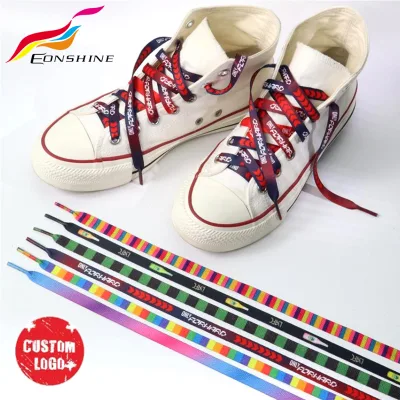
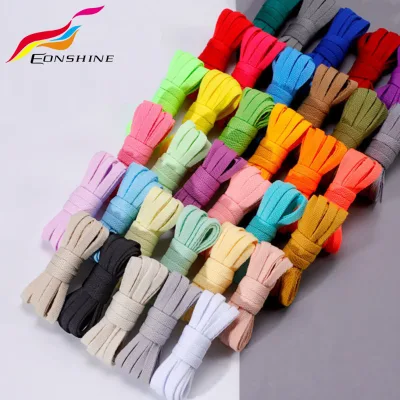
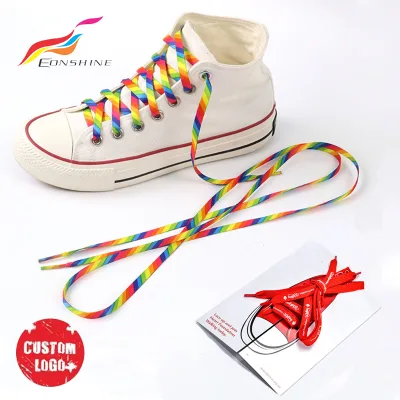
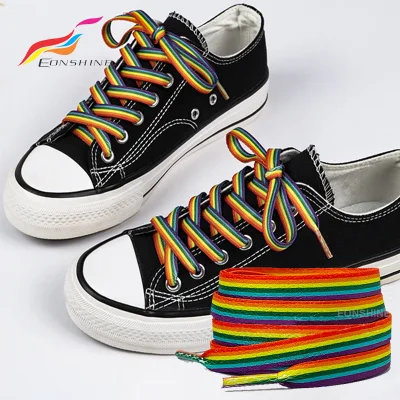
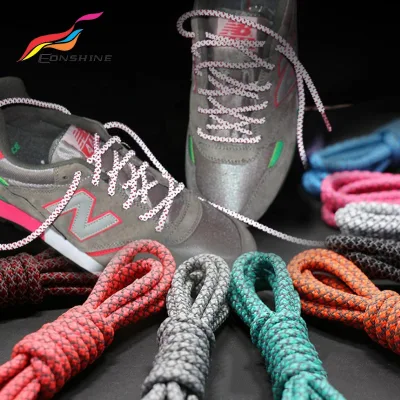


Comprehensive Sourcing Guide
Reflective Printed Shoelaces Sourcing Guide
Sourcing Reflective Printed Shoelaces requires careful attention to material composition and functional design, as observed listings indicate a primary reliance on polyester for durability and flexibility. Buyers must verify that the selected product meets specific usage requirements, such as suitability for casual shoes, hoodies, or athletic footwear, while ensuring the customization options align with brand identity. The availability of customization allows for tailored solutions, but procurement teams should confirm that the specific style, whether elastic or standard, supports the intended application without compromising safety or comfort.
Commercial viability depends heavily on understanding the diverse packaging and shipping parameters observed across different supplier listings. While some products are packaged in cartons with specific batch weights, others utilize OPP bags with varying unit counts, directly impacting logistics costs and inventory management. Procurement professionals should analyze the single package size and gross weight per batch to optimize container loading and reduce freight expenses, ensuring that the chosen supplier's packing details match the operational constraints of the supply chain.
Product Scope and Observed Listing Signals
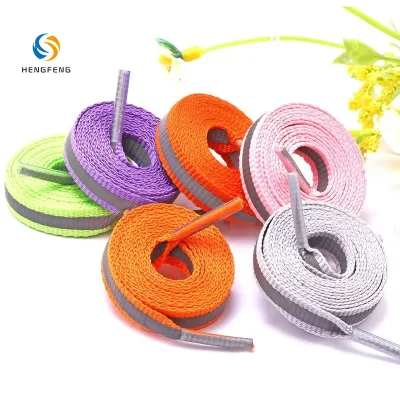
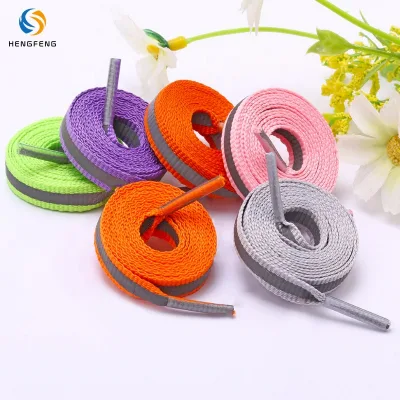
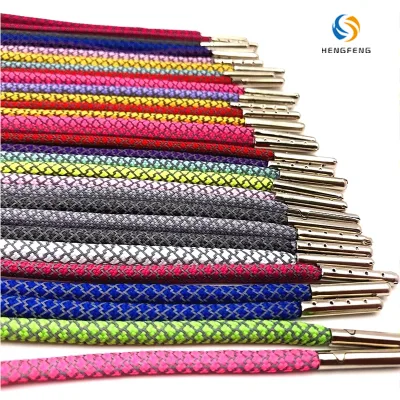
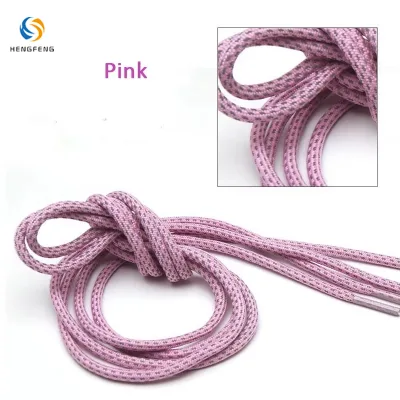
The product scope for Reflective Printed Shoelaces encompasses a variety of styles, including round and flat profiles, with specific models like LL221155 and SL indicating distinct design variations. Buyers should note that these laces are designed for both adults and children, with some listings specifying unisex or custom gender applications to ensure broad market coverage. The presence of mixed color options and printed patterns suggests a high degree of aesthetic flexibility, allowing brands to create unique visual identities while maintaining the functional requirement of reflectivity for low-light visibility.
Listing signals reveal significant variation in minimum order quantities and selling units, ranging from 50 pairs to 1000 pairs depending on the supplier and specific model. This variance necessitates a clear assessment of inventory needs before engaging with potential vendors, as some suppliers require orders in multiples of ten or specific batch sizes. Understanding these commercial thresholds is critical for small-scale buyers who may need to negotiate flexible terms or consolidate orders to meet the minimum requirements without overstocking inventory.
Technical Specifications to Verify
Technical verification must begin with the physical dimensions and material standards, as observed data includes specific measurements like 120mm length and package sizes such as 10x10x2 cm. Buyers should confirm that the stated standard dimensions align with the actual product received, particularly for elastic styles where stretch and recovery rates are crucial for performance. The distinction between single package sizes and batch package sizes, such as 23x14x16 cm versus 10x10x2 cm, requires precise calculation to ensure that the physical specifications meet the design constraints of the final footwear or apparel product.
Feature verification is equally important, with a focus on the reflective and printed attributes that define the product's safety and aesthetic value. Procurement teams must validate that the printed patterns are durable and that the reflective elements maintain their visibility after repeated washing and wear cycles. The observation of specific features like "Round" or "Flat" profiles indicates that the cross-sectional shape is a key differentiator, and buyers should request physical samples to confirm that the texture and finish match the technical specifications provided in the listing.
Compliance and Safety Documentation
While specific certification statuses like OEKO-TEX or ISO 9001:2015 are mentioned in background contexts, buyers must explicitly request current compliance documentation from suppliers rather than assuming adherence. The safety of reflective materials, particularly those intended for children or high-visibility applications, requires rigorous testing to ensure that the reflective coating does not peel or degrade, posing a potential hazard. Procurement teams should demand test reports that verify the durability of the print and the reflectivity under various lighting conditions to ensure the product meets international safety standards for footwear accessories.
Documentation regarding the origin of materials and manufacturing processes is essential for supply chain transparency and risk management. Given that products originate from regions like Xiamen, Zhejiang, and Guangdong, buyers should verify that the manufacturing facilities adhere to local and international labor and environmental regulations. Requesting proof of origin and material safety data sheets ensures that the Reflective Printed Shoelaces are produced in facilities that maintain high ethical and safety standards, mitigating the risk of supply chain disruptions or reputational damage associated with non-compliant manufacturing practices.
Cost Drivers and Commercial Terms
Cost drivers for Reflective Printed Shoelaces are heavily influenced by the complexity of the printing process, the type of reflective material used, and the customization level required. The observed price range of 0.05 to 0.97 USD per unit suggests that factors such as color complexity, pattern density, and the inclusion of elastic properties significantly impact the final unit cost. Buyers should analyze the cost structure to understand how these variables affect pricing, ensuring that the selected product offers the best balance between aesthetic requirements and budgetary constraints without compromising on quality.
Commercial terms, including minimum order quantities and sampling times, play a pivotal role in the overall procurement strategy and cash flow management. With sampling times ranging from 5 to 7 working days and MOQs varying from 50 to 1000 pairs, buyers must plan their production schedules accordingly to avoid delays. Negotiating favorable terms regarding packaging details, such as the number of pieces per bag, can also reduce handling costs and streamline the receiving process, making it essential to align commercial agreements with operational capabilities.
Supplier Qualification and Quality Control
Supplier qualification should focus on verifying the consistency of production capabilities and the ability to meet specific customization requests. Buyers must assess whether the supplier can consistently deliver products with the observed features, such as the specific model numbers like 25CARA061 or 21ykpg192, and ensure that the quality control processes are robust enough to handle the variability in batch weights and package sizes. Establishing a clear communication channel for quality feedback is crucial, as it allows for the immediate identification and resolution of any discrepancies between the ordered specifications and the delivered goods.
Quality control measures must include rigorous inspection of the reflective and printed attributes to ensure they meet the required standards for durability and visibility. Buyers should implement a sampling protocol that tests the laces for color fastness, print adhesion, and reflective performance under real-world conditions. By conducting regular audits and requesting detailed quality reports, procurement teams can ensure that the supplier maintains a high standard of quality, reducing the risk of product failures and ensuring customer satisfaction with the final footwear or apparel products.
Long-Term Procurement Checks
Long-term procurement checks should involve regular performance reviews of suppliers to ensure they continue to meet the evolving needs of the business. This includes monitoring the consistency of lead times, the reliability of the sampling process, and the ability to scale production in response to increased demand. By maintaining a proactive approach to supplier management, buyers can identify potential issues before they impact the supply chain and foster a collaborative relationship that supports continuous improvement and innovation in product design.
Sustainability and adaptability are key considerations for long-term success, requiring buyers to stay informed about changes in material standards and market trends. As the demand for eco-friendly and high-performance materials grows, procurement teams should evaluate whether their current suppliers can adapt to new requirements, such as the use of recycled polyester or enhanced reflective technologies. Regularly reviewing the product portfolio and engaging in strategic discussions with suppliers ensures that the sourcing strategy remains aligned with market dynamics and business objectives.
FAQs
What materials are used for Reflective Printed Shoelaces?
Reflective Printed Shoelaces are primarily manufactured from polyester, ensuring durability and flexibility for everyday wear. This material choice supports both casual shoes and hoodies, providing a reliable fit for various footwear types. The polyester construction allows for effective printing of reflective patterns while maintaining the structural integrity needed for active use by adults and children alike.
Can I customize the style of these shoelaces?
Yes, customization is available for these shoelaces, allowing buyers to select specific styles such as elastic or flat designs. You can also choose from mixed colors or specific printed patterns to match your brand or personal preference. This flexibility ensures that the final product meets your exact aesthetic and functional requirements for casual or athletic applications.
What is the minimum order quantity for these items?
The minimum order quantity varies by product model, typically ranging from 50 pairs to 500 pairs. For instance, model LL221155 requires 500 pairs, while model 25CARA061 has a lower threshold of 50 pairs. Buyers should check the specific model details to determine the exact MOQ applicable to their order size and sourcing needs.
How long does sampling take for these shoelaces?
Sampling time is generally 5-7 working days for these Reflective Printed Shoelaces. This period allows suppliers to prepare and ship physical samples for quality verification before bulk production begins. Buyers can use this timeframe to evaluate the print quality, material feel, and reflective performance to ensure the product meets their specific standards.
Where are these shoelaces manufactured?
These shoelaces are manufactured in China, with specific origins including Xiamen, Zhejiang, and Guangdong provinces. This regional production base supports a wide variety of models and specifications, ensuring consistent supply chain efficiency. Buyers can leverage this geographic concentration to facilitate logistics and coordinate with multiple suppliers located within the same manufacturing hub.
What packaging options are available for bulk orders?
Packaging options include carton packing for larger shipments and OPP bags for individual items. Some models are packaged at 300 pieces per bag or 600 pieces per bag, depending on the specific product line. This varied packaging approach helps optimize shipping volume and protects the shoelaces during transit, ensuring they arrive in pristine condition for resale or distribution.