Source Remote Control Recliner Chair for Bedroom Living Room Office
Explore 30 Remote Control Recliner Chair options from verified suppliers. Compare features like motor types, materials, and customization to find the best fit for your bedroom, living room, or office needs; compare the available evidence and request quotations based on your requirements.
Updated
Key considerations
Products List


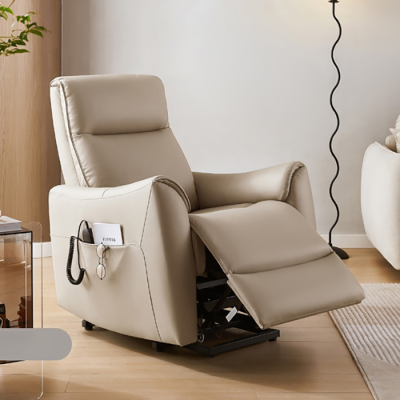
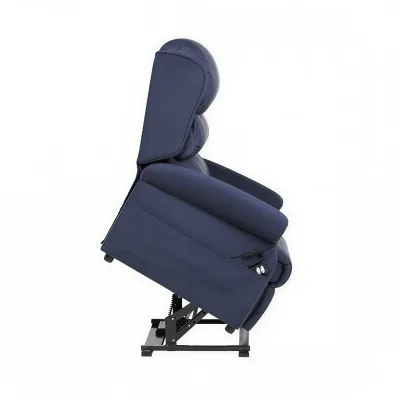
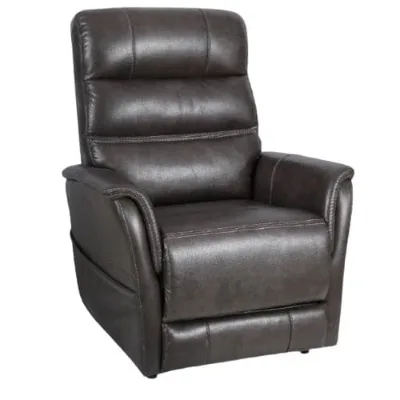
Popular One Seat Electric Power Remote Control Lifting Massage Recliner Chair
$238.00 - $278.00
MOQ: 20 Pieces


Dual-Motor Electric Massage Recliner Chair with Lifting Function and Wired Remote
$228.00 - $268.00
MOQ: 20 Pieces




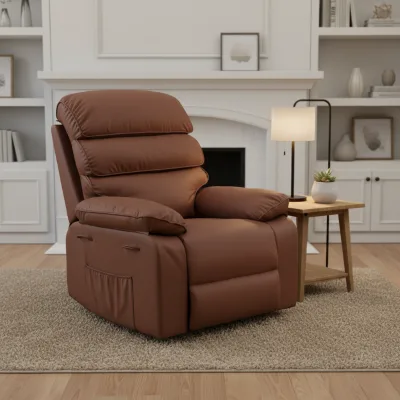
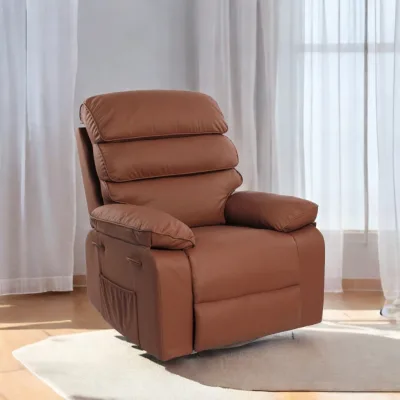
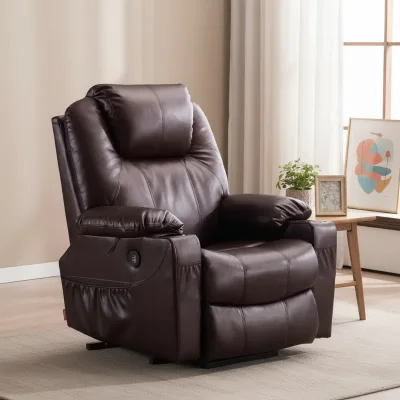
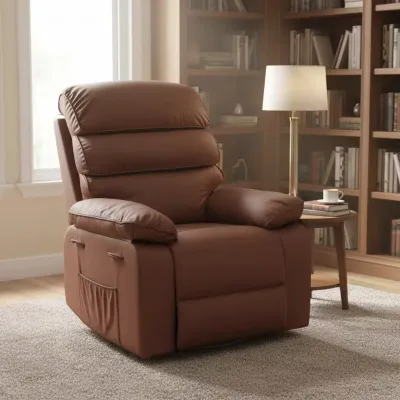
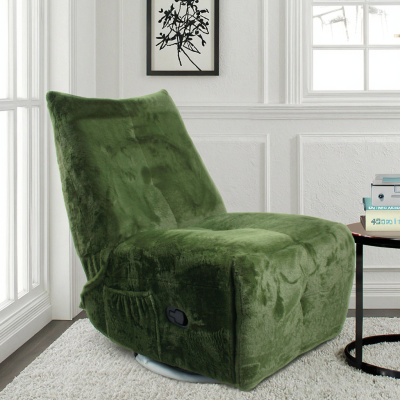
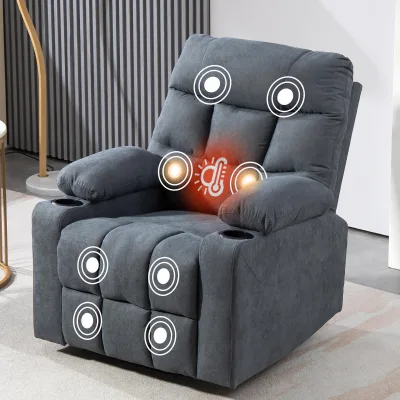
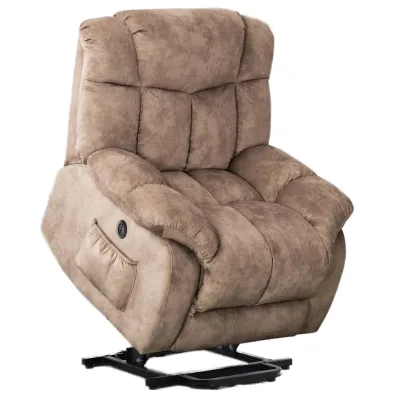
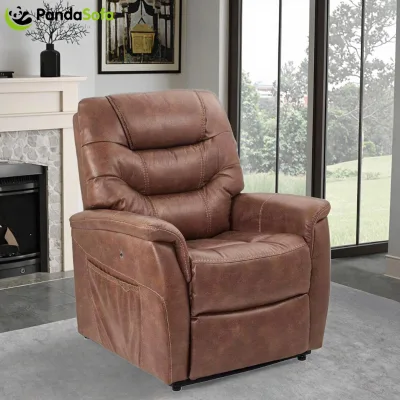

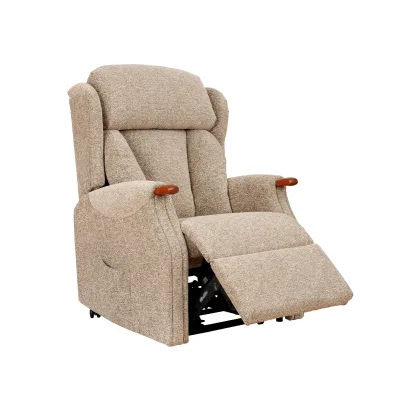
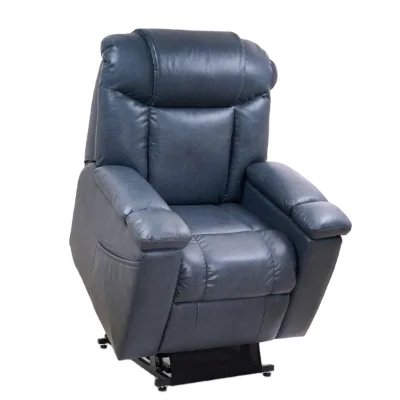
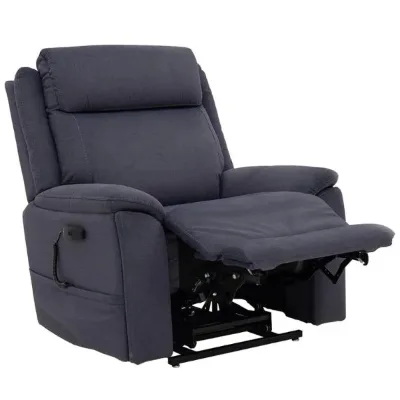
$212.2314 - $242.1095
MOQ: 20 pieces
Comprehensive Sourcing Guide
Remote Control Recliner Chair Sourcing Guide
Sourcing remote control recliner chairs requires a disciplined approach to balancing mechanical reliability with aesthetic versatility. Buyers must navigate a market where customization options range from standard configurations to fully bespoke designs, impacting both unit cost and lead times. The observed product landscape indicates a strong presence of modern-style leisure chairs suitable for bedrooms and living rooms, with materials varying from wood and metal frames to leather and microfiber upholstery. Understanding these baseline attributes is essential for defining precise procurement specifications that align with end-user expectations and regional design trends.
Procurement teams should prioritize verification of motor systems and control interfaces, as these are critical to long-term product performance. The supply chain features both single and dual motor configurations, often paired with wired handsets or standard remote controllers, with German Okin motors appearing as a notable brand indicator. Buyers must distinguish between non-customized and customized offerings, as this distinction directly influences minimum order quantities and production flexibility. Establishing clear technical requirements early in the sourcing process helps mitigate risks associated with mechanical failure and ensures that the final product meets the intended functional standards for residential use.
Product Scope and Observed Listing Signals
The current market for remote control recliners exhibits a wide price range, observed between thirty-two and eighteen hundred fifty-nine dollars, reflecting significant variation in material quality and mechanical complexity. Minimum order quantities fluctuate dramatically, starting from a single piece for customized or sample orders up to two hundred units for bulk industrial procurement, with common thresholds at one, twenty, and fifty pieces. This variability suggests that buyers can access both small-batch experimental orders and large-scale commercial shipments, depending on their inventory strategy and relationship with the supplier. Price points often correlate with the inclusion of premium fabrics like top-grain leather or split leather, as well as the sophistication of the reclining mechanism.
Product listings frequently highlight specific style attributes, such as modern aesthetics, medium back heights, and the presence of armrests, which are key selling points for contemporary home furniture. Materials observed include metal frames, sponge padding, and various fabric types including PU, PVC, and chenille, indicating a diverse supply base capable of meeting different tactile and visual preferences. Some products are marketed with specific model identifiers like Comfort-100 or KFT-LC003, while others emphasize customizable sizes and colors like brown. Buyers should carefully review these listing signals to ensure that the visual and material descriptions match the physical samples received, as discrepancies between marketing imagery and actual product construction are common in this category.
Technical Specifications to Verify
Mechanical integrity is paramount when sourcing electric recliners, requiring rigorous verification of motor brands and control systems. Buyers should confirm whether the unit utilizes single or dual motor configurations, as this affects the range of motion and the complexity of the control interface. The presence of German Okin motors is a specific indicator of quality in some listings, but verification of the actual motor brand in the final contract is essential to avoid substitution with lower-tier alternatives. Additionally, the type of controller, whether wired handset or standard remote, must be specified to ensure compatibility with the user’s home environment and ease of operation.
Frame construction and upholstery materials also demand close scrutiny to ensure durability and comfort. Metal frames are commonly observed, providing structural support, while padding typically consists of sponge for cushioning. Buyers must verify the specific fabric composition, which may include microfiber, chenille, PU, PVC, split leather, or top-grain leather, as each material has distinct maintenance requirements and lifespan characteristics. Dimensions such as forty-two by twenty-six by thirty-seven inches or customized sizes should be confirmed against the intended space constraints. Ensuring that the seat style, whether single or part of a sofa set, matches the design intent is crucial for cohesive interior planning and customer satisfaction.
Compliance and Safety Documentation
Regulatory compliance varies by destination market, requiring buyers to request specific certifications before finalizing orders. Some suppliers list EPA, TECO, and CARB certifications, which may be relevant for environmental standards in certain regions, particularly concerning materials or manufacturing processes. Buyers must verify which certifications are actually applicable to their target market and ensure that the supplier can provide valid, up-to-date documentation for each required standard. Relying on generic claims without verifying the scope and validity of these certifications can lead to customs delays or legal liabilities in regulated jurisdictions.
Safety standards for electrical components and fire retardancy are critical considerations for recliner chairs. Listings may reference ISO frame material standards or specific fire retardant requirements, but buyers should explicitly request test reports for electrical safety and flammability. The warranty period, often cited as one year, provides a baseline for manufacturer confidence, but buyers should negotiate extended coverage for critical components like motors and wiring. Ensuring that all electrical parts meet local voltage and safety regulations is essential to prevent hazards and ensure product reliability. Clear documentation of compliance status protects the buyer from liability and enhances brand trust among end consumers.
Cost Drivers and Commercial Terms
Pricing structures are influenced by material choices, motor complexity, and customization levels, with observed ranges reflecting these variables. Buyers should analyze the cost breakdown to understand how factors like leather versus fabric upholstery or dual versus single motors impact the final unit price. Minimum order quantities significantly affect per-unit costs, with lower MOQs like one or twenty pieces typically commanding higher prices due to setup and production inefficiencies. Understanding these cost drivers allows procurement teams to negotiate better terms by adjusting order volumes or simplifying specifications where possible.
Commercial terms such as payment methods and delivery times are critical for cash flow and inventory planning. Common payment terms include TT and LC, which offer varying levels of security for both parties. Delivery times are often cited as thirty to thirty-five days, but this can vary based on customization requirements and production capacity. Buyers should clarify whether these lead times include manufacturing, quality control, and shipping, and establish clear penalties for delays. Packaging methods, such as mail order packages or carton boxes, also impact shipping costs and product protection, so these details should be explicitly agreed upon in the purchase contract to avoid unexpected expenses.
Supplier Qualification and Quality Control
Supplier qualification requires a thorough assessment of manufacturing capabilities and quality assurance processes. Buyers should verify the supplier’s origin, with Zhejiang China Mainland being a common source, and assess their production capacity to handle the required order volume. Requesting factory audits or third-party inspections can provide insights into the supplier’s adherence to quality standards and ethical labor practices. Understanding the supplier’s ability to handle both customized and non-customized orders is essential for ensuring flexibility and consistency in product delivery.
Quality control measures must be defined and enforced throughout the production process. Buyers should specify incoming material inspections, in-process checks, and final random inspections to ensure that products meet the agreed-upon specifications. Testing of electrical components, including motor functionality and remote control responsiveness, should be mandatory before shipment. Establishing a clear defect rate tolerance and a process for handling non-conforming products is crucial for maintaining supply chain integrity. Regular communication with the supplier regarding quality issues helps build a collaborative relationship and ensures continuous improvement in product standards.
Long-Term Procurement Checks
Long-term success in sourcing remote control recliners depends on establishing robust post-sale support and feedback loops. Buyers should monitor warranty claims and customer feedback to identify recurring issues with motors, upholstery, or control systems. Tracking performance data over time allows for proactive adjustments in supplier selection and product specifications. Maintaining open lines of communication with suppliers regarding product updates and improvements ensures that the procurement strategy remains aligned with market trends and consumer preferences.
Continuous evaluation of supplier performance is essential for maintaining a reliable supply chain. Regular reviews of delivery times, product quality, and responsiveness to issues help identify potential risks and opportunities for optimization. Buyers should also stay informed about changes in regulations and standards that may impact product compliance. By maintaining a disciplined approach to supplier management and quality control, procurement teams can mitigate risks and ensure a steady supply of high-quality remote control recliner chairs that meet the needs of their customers.
FAQs
Can remote control recliner chairs be customized for specific bedroom layouts?
Yes, customization is available for remote control recliner chairs to fit specific bedroom layouts. Buyers can select from various materials including wood, metal, leather, and PU. The style can be adjusted to modern or American designs, and dimensions can be tailored to meet unique spatial requirements while maintaining comfort and functionality.
What certifications do Remote Control Recliner Chair motors typically hold?
Remote Control Recliner Chair motors often hold EPA, TECO, and CARB certifications. These standards ensure the electrical components meet safety and environmental regulations. The chairs may use German Okin motors, which are known for reliability. Buyers should verify specific certification documents with suppliers to ensure compliance with local import requirements and safety standards.
How long is the delivery time for bulk remote control recliner orders?
The delivery time for bulk remote control recliner orders is typically 30-35 days. This lead time applies to standard production runs. Buyers should account for this duration when planning inventory. Payment terms usually involve TT or LC. Early communication with manufacturers helps confirm exact schedules based on current production capacity and order volume.
What is the minimum order quantity for remote control recliner chairs?
The minimum order quantity for remote control recliner chairs varies by supplier. Some manufacturers require 20 pieces, while others may accept 50 pieces or even 1 piece for customized orders. Buyers should check specific supplier listings for exact MOQs. Lower MOQs may apply to standard models, whereas custom designs often require higher volumes.
Which materials are commonly used for Remote Control Recliner Chair frames?
Common frame materials for remote control recliner chairs include metal and wood. These materials provide structural stability and durability. The seating surface may use leather, PU, microfiber, or chenille. Buyers can choose based on aesthetic preferences and durability needs. The combination of sturdy frames with comfortable padding ensures long-term usability in living rooms or bedrooms.
Are remote control recliner chairs available with single or dual motors?
Remote control recliner chairs are available with single or dual motor options. Single motors typically adjust the backrest, while dual motors allow independent control of the backrest and footrest. Buyers can select the configuration that best suits their comfort preferences. Wired handsets or standard remote controllers are commonly used to operate these motorized functions.